Every purchase decision made in the surgical supply chain is a critical one. Selecting the right Non-Sterile Laparotomy Sponge is not just about having it available for distributors, importers, and procurement managers; it’s about being able to meet multiple customer needs, uphold regulations, control costs, and ensure that healthcare providers have a reliable supply of surgical supplies just in time. As the demand for higher-quality medical consumables rises around the world, buyers are turning to trusted manufacturing partners that can supply certified products, provide flexible customization, and offer reliable OEM/ODM solutions.
One of the most critical factors in developing an efficient product portfolio is understanding the difference between sterile and non-sterile lap sponges. Although sterile laparotomy sponges are required for use in the surgical suite, Non-Sterile Laparotomy Sponge products are the preferred sponges for many distributors, sterilization providers, and healthcare facilities that perform in-house sterilization before clinical use. Choosing the right option helps improve inventory planning, reduce unnecessary costs, and streamline hospital lap sponge stock management across different healthcare settings.
In this guide, we will discuss the difference between sterile and Non-Sterile Laparotomy Sponge products, when to stock each product, purchasing tips and guidelines on Non sterile abdominal sponge X-ray detectable, Lap sponge EO sterile option services, and how to work with a trusted OEM/ODM surgical distributor lap sponge supplier, such as BKA MED, to build a solid, scalable and profitable surgical consumables business.
Defining Non-Sterile Laparotomy Sponge
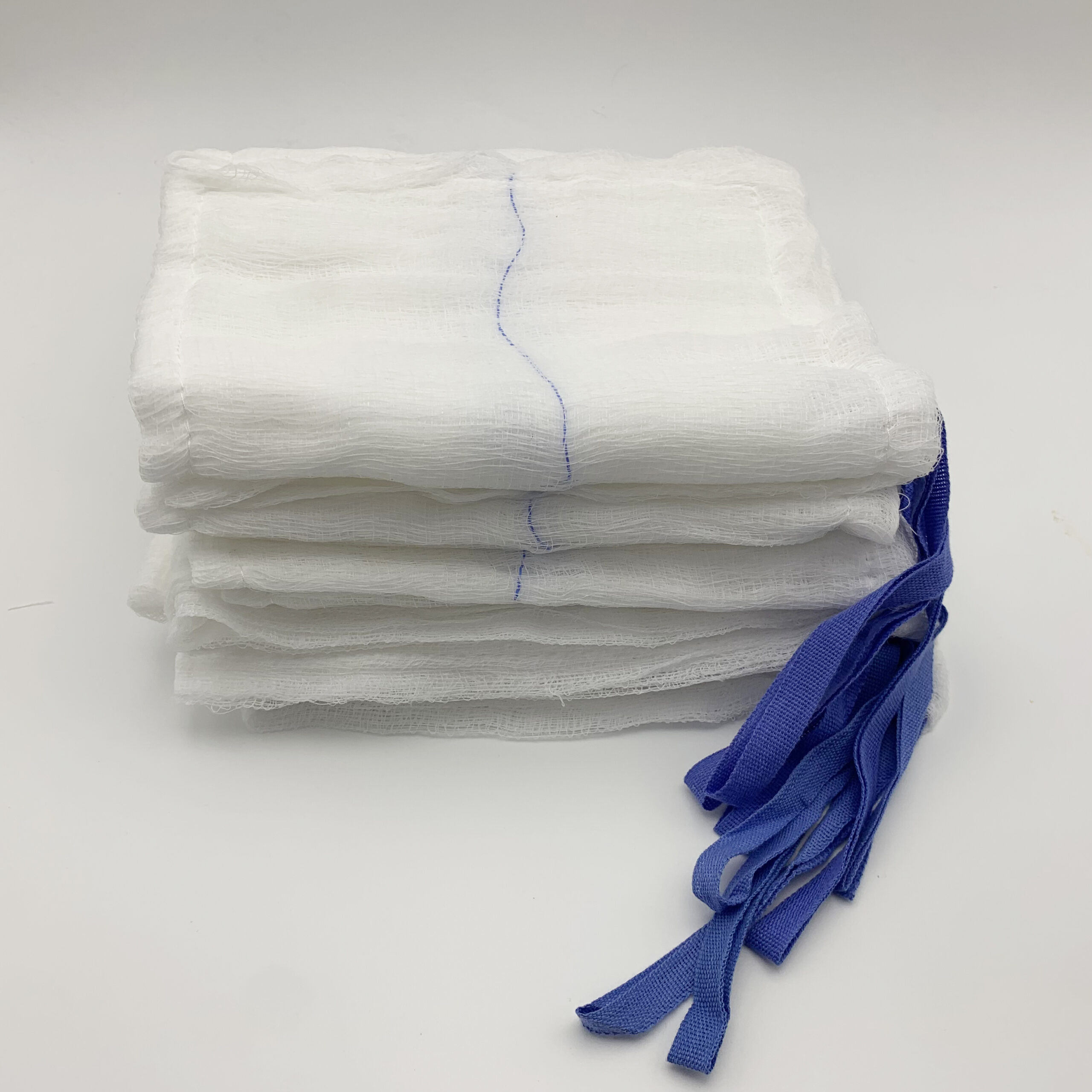
A Non-Sterile Laparotomy Sponge is a highly absorbent surgical gauze sponge intended for use during surgical procedures after proper sterilisation or in medical environments where sterility is not required at the time of manufacture. These sponges are crafted from high-quality medical-grade cotton that can absorb blood and bodily fluids, helping protect tissues while allowing for a clear surgical field. Unlike sterile laparotomy sponges, which are individually sterilized and packaged for immediate use in the OR, non-sterile sponges are packaged in bulk and sterilized before use in a sterile surgical procedure.
Distributors and procurement professionals should be familiar with the properties and uses of Non-Sterile Laparotomy Sponge to determine which products to stock. It also helps you determine whether sourcing from a known non-sterile laparotomy sponge wholesale supplier is sufficient to meet the needs of hospitals, sterilization centers, or medical device manufacturers in your target market.
Key Features of a High-Quality Non-Sterile Laparotomy Sponge
Not every laparotomy sponge is created equal. Buyers should carefully evaluate product specifications before placing a non-sterile surgical sponge bulk order. A high-quality product usually contains:
- 100% medical-grade cotton with superior absorbency and softness.
- Edge with reinforced stitching to minimise linting and fraying while using.
- Multiple plys for enhanced absorbency.
- Easy handling and counting with optional blue cotton loop.
- Soft texture to minimise tissue damage.
- Standardized sizes and specifications for each successive run.
- Optional non-sterile abdominal sponge with X-ray-detectable thread for enhanced surgical safety.
- Bulk packaging for effective storage and sterilization.
These aspects not only enhance surgical performance but also help build the buyer’s confidence in the product’s consistency and quality.
Common Sizes and Configurations
The size of sponges will vary from one healthcare facility to another, depending on the type of surgery being performed. So, manufacturers often create different sizes and configurations.
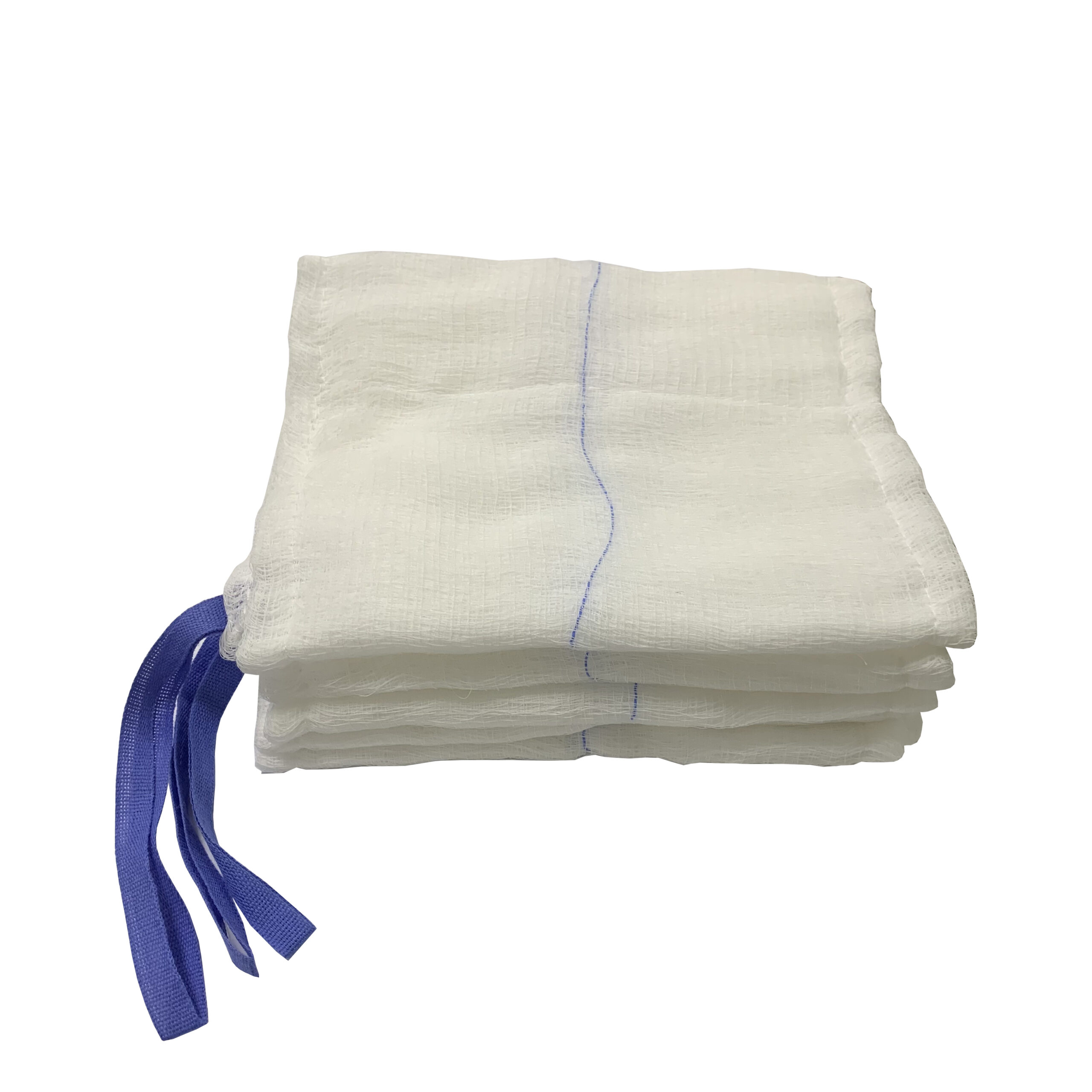
Common sizes include:
- 10 × 10 cm
- 30 × 30 cm
- 40 × 40 cm
- 45 × 45 cm
The available choices might be:
- 4-ply
- 6-ply
- 8-ply
- Pre-washed or non-washed
- Folded or unfolded
- With or without a radiopaque thread.
- With or without a blue loop
For distributors collaborating with different healthcare providers, partnering with a non-sterile lap pad 100% cotton factory with the ability to customise flexibly can make inventory management easier while also satisfying different customer requirements.
How Non-Sterile Laparotomy Sponge Products Are Manufactured
The manufacturing process directly affects the product quality, consistency, and safety. Quality-conscious manufacturers enforce stringent quality protocols to ensure that all sponges are manufactured in line with internationally recognized standards.
This generally involves:
- Premium Cotton Selection: High-quality, long-fiber cotton is used to enhance absorbency and limit lint.

- Precision Weaving: The cotton gauze produced is woven to achieve uniform density, ensuring that all batches perform the same way.
- Cutting and Folding: The cutting and folding of the gauze is automated, ensuring that the gauze pieces are cut to exact size and folded into the desired shape.
- Edge Stitching: Borders are securely stitched to prevent them from unraveling and ensure stability while in use.
- Radiopaque Thread in Sponge: In the case of non-sterile abdominal sponge X-ray detectable models, a radiopaque strip is carefully sewn inside the sponge, making it visible on medical imaging if required.
- Production Batch Inspection: Absorbency, dimensions, stitching quality, cleanliness, and overall appearance of the product are inspected before packaging.
To help ensure that each laparotomy sponge performs and is consistent with customer expectations, leading manufacturers like BKA MED employ comprehensive quality control measures throughout their manufacturing process.
Understanding the Difference Between Clean, Sterile, and Non-Sterile
It is important to know the difference between clean, sterile, and non-sterile.
A common mistake first-time buyers make is to think that the terms “clean” and “non-sterile” mean the same thing as “sterile”. They do not.
A Non-Sterile Laparotomy Sponge is produced in a controlled environment, and it’s not visibly contaminated, but it has not undergone a validated sterilisation process. It needs to be sterilized with an approved method such as the lap sponge EO sterilization option or gamma irradiation before use in sterile surgical procedures.
Sterile laparotomy sponges, however, are manufactured under sterile conditions, individually wrapped, and used straight from the manufacturer in the OR.
Knowing this difference enables distributors to suggest the right products to the right customers and prevent them from buying the wrong items.
Why Many Distributors Choose Non-Sterile Laparotomy Sponge Products
Many buyers believe that buying sterile products is the best idea. In practice, the customer’s operating model dictates the buying decision.
Non-sterile products are usually preferred by hospitals with a central sterile services department (CSSD), medical distributors, government health organisations, and sterilisation companies as they have the ability to carry out their own sterilisation processes. This approach offers more flexibility, lower procurement rates, and more efficient inventory management.
Having a good non-sterile laparotomy sponge wholesale supplier means that distributors can buy in bulk, tailor packaging, and also provide private label programmes for regional healthcare markets.
If your business is engaged in bulk laparotomy sponge procurement in China, direct sourcing from a professional OEM/ODM manufacturer such as BKA MED may also benefit the company in other aspects, such as factory pricing, customization, international quality certifications, and reliable global supply.
With these benefits, BKA MED is an excellent surgical distributor and lap sponge supplier for businesses seeking to create a more robust supply chain whilst supplying hospitals and healthcare providers with quality surgical products throughout the world.
Understanding Sterile Laparotomy Sponges
While non-Sterile Laparotomy Sponge offers flexibility to distributors and healthcare facilities with an in-house sterile processing department, sterile laparotomy sponges are designed for use in the operating room where the preservation of a sterile environment is essential during surgery. Understanding the differences between these products is essential for making informed purchasing decisions and developing a successful product portfolio.
For every laparotomy sponge distributor guide, knowing when hospitals need sterile products and when non-sterile choices are more practical can benefit distributors in providing the best product to their customers while maximising the use of inventory.
What Is a Sterile Laparotomy Sponge?
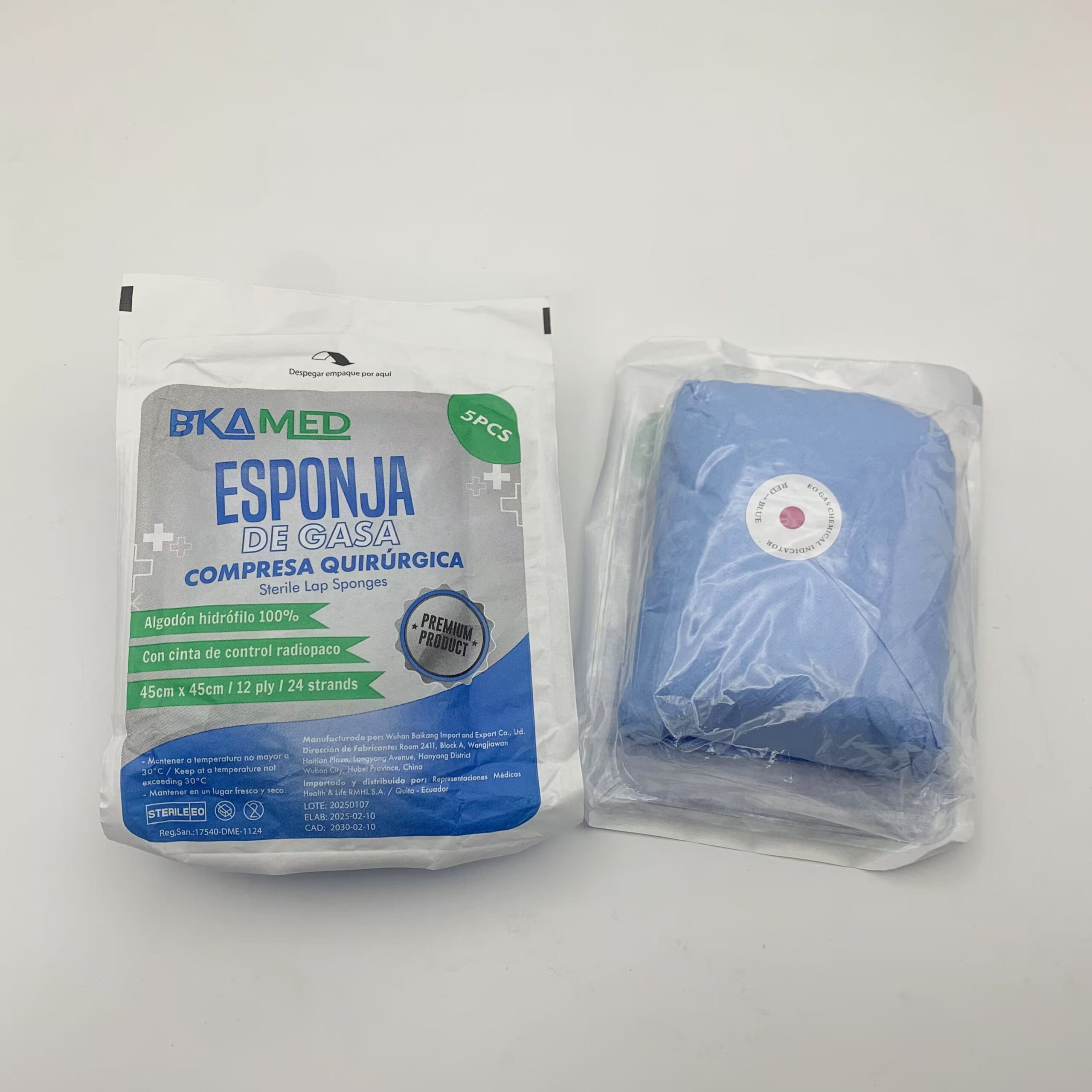
Sterile laparotomy sponges are highly absorbent surgical sponges that have been processed through a validated sterilization process and each packaged to remain sterile until they are opened in the operating room. These sponges are intended to be used directly during an invasive surgical procedure, where minimising the risk of contamination is essential.
Like the Non-Sterile Laparotomy Sponge, Sterile versions are typically made from 100% medical grade cotton and are available in a range of different sizes, plies, and absorbencies. Others are equipped with a radiopaque strip, which renders them visible on X-ray once the products are sterilized, allowing the surgical team to locate them easily in case they need X-ray imaging.
The primary difference is that a sterile laparotomy sponge is taken to the hospital pre-sterilised, so the hospital does not need to sterilise it before surgery.
How Are Sterile Laparotomy Sponges Manufactured?
Sterile laparotomy sponges are manufactured similarly to non-sterile laparotomy sponges. The cotton gauze is woven, cut, folded to the right size, and reinforced with cotton or nylon around the edges where needed, and radiopaque threads or loops are added as needed. However, before a sterile product is released to the market, there are a few additional steps taken.
These typically include:
- Thorough cleaning and inspection of all manufacturing residues.
- Packaging for sterile barrier packaging of individually packaged units or procedure packs.
- Suitable sterilization by approved processes.
- Sterility and quality assurance.
- Packaging integrity verification.
- Batch traceability and documentation.
Each step is carefully monitored to ensure that the resulting product meets international medical device quality requirements for shipment.
Common Sterilization Methods
Sterile laparotomy sponges are usually processed by two validated sterilization techniques.
Ethylene Oxide (EO) Sterilization
Lap sponge EO sterilization is the most commonly used method for medical textiles. The ethylene oxide (EtO) gas reaches an effective depth into the interior surface(s) of the packaging material, where it inactivates bacteria, fungi, and other microorganisms without adversely affecting sensitive cotton fibers.
EO is a suitable disinfection method for products that do not withstand high-temperature processing, particularly surgical products.
Gamma Irradiation
Gamma radiation is a technique that relies on controlled doses of ionizing radiation to eliminate microorganisms without affecting the product. This is widely used for industrial-scale production because of its efficiency and reliability.
The choice of EO or gamma sterilization will be influenced by product design, packaging material, regulatory requirements and customer preference.
Why Hospitals Prefer Sterile Products
In hospitals, ambulatory surgery centers, and trauma units, sterile laparotomy sponges play a vital role in surgical procedures and are crucial for maintaining high standards of infection control.
The main advantages are:
- Packaging that is both fast and simple.
- Reduced risk of infection before surgery.
- Compliance with hospital infection control policies.
- Greater efficiency in the highly populated operating room.
- Sterile surgical inventory that is easy to handle.
If there is no Central Sterile Services Department (CSSD) at the facility, ordering sterile laboratory sponges is typically the easiest option.
Shelf Life and Packaging Considerations
Sterile laparotomy sponges are differentiated by the way they are packaged. Each sponge (or each set of sponges) will then be stored in a validated sterile barrier system to keep the sponge sterile throughout storage and transport.
The shelf life of sterile laparotomy sponges is usually several years when stored at recommended storage conditions, based on the sterilization method and the material used in the packaging.
Another aspect of packaging integrity testing conducted by manufacturers is verifying that the sterile barrier is not compromised until the time of use. This assures hospitals that the product is safe for immediate use in surgery.
Should Distributors Stock Both Sterile and Non-Sterile Laparotomy Sponge Products?
Most medical distributors will respond “yes.” When offering sterile and non-sterile laparotomy sponge products, companies can appeal to a larger client base, including hospitals, sterilization companies, government procurement offices, humanitarian organizations, and private healthcare networks.
In hospitals where surgical supplies need to be prepared in advance, sterile products tend to be a better choice; however, if in-house sterilizing machines are available, a non-sterile laparotomy sponge may be more flexible and cost-effective. Hoever, keeping both product types means that distributors can be more responsive to the evolving requirements of procurement, reeduce the risk of lost sales.
This approach can be supported by manufacturers such as BKA MED who provide all the OEM / ODM requirements for sterile and non-sterile laparotomy sponges. As a manufacturer of high quality surgical consumables, BKA MED offers a variety of solutions to meet international standards and ensures long-lasting business development, from custom packaging to private labeling, radiopaque designs to flexible production options.
The Sterile vs. Non-Sterile Comparison: Technical, Clinical, & Regulatory Frameworks
Performance comparisons between the sterile and non-sterile lap sponge should be undertaken with great care and must take into account the effect of finishing, packaging and logistics processing. The two are produced from the same raw cotton textile, but they split after exiting cleanroom folding floor based on their sterility status, packaging barrier design and application downstream.
The following comparisons illustrate the key operational, commercial, and regulatory differences on 15 critical parameters:
1. Downstream Processing and Packaging Layouts
Sterile lines are processed in the factory and then packaged in disposable peel pouches for use in the operating field. The bulk non-sterile laparotomy sponge order, on the other hand, avoids this first step and is placed into the shipping nets in bulk quantities, thereby maximizing the space taken up in the shipping nets and minimizing the unit cost.
2. Industrial Sterilization Options
Pre-packaged lines are subjected to standardized industrial gamma radiation, or they can be treated with a special lap sponge EO (ethylene oxide) sterilization system, which disturbs the microbial DNA prior to distribution. Unsterile variants are made for downstream processing and may be used by custom kit-packers or regional facilities to perform their own validated sterilization method.
3. Global Regulatory and Compliance Audits
Working with medical textiles involves using global quality standards that ensure safety and continuity throughout the supply chain. For sterile items or bulk unsterile shipments, the surgical distributor lap sponge supplier should be able to provide complete traceability under FDA 510(k) clearances, CE markings, and ISO 13485 quality systems.
4. The Sourcing Comparison Blueprint Matrix
This comparison shows the essential pros and cons of sterile vs. unsterile laparotomy formats:
| Functional Parameter | A sterile sponged lap pad that is pre-packaged. | Non-Sterile Laparotomy Sponges (Bulk). |
|---|---|---|
| Microbiological Status | Zero viable microbes; Validated to SAL $10^{-6}$ | Low-bioburden baseline; Requires downstream processing |
| Typical Packaging Setup | Tyvek pouches, rigid blister trays, paper-to-film barriers are some of the most common available options. | Heavy polybags, protective paper bands, vacuum bags |
| Freight Space Efficiency | Lower: single bags mean more shipments | More: dense bulk packing makes the most use of the container |
| Landed Cost Per Unit | Higher: Contains individual packaging and sterilisation | Lower: provides maximum savings on high volume runs |
| Primary Target Buyer | Operating rooms in hospitals, ambulatory centers and trauma units. | Kit Packers, Custom tray assemblers, Large hospital CSSDs |
| Shelf Life Performance | 5 years (as long as provisions are still intact within the pouch) | Uncontrolled raw storage; under ambient environmental control. |
5. Packaging
Sterile products are packaged in individual or small Tyvek peel pouches which form an airtight seal until the time of surgery. The unsterile units are simply wrapped with simple cotton bands and placed into heavy polybags, which removes costly plastic and paper waste.
6. Intended Use
Sterile configurations are designed for direct contact within the active operating rooms during large surgical openings. Non-sterile lines can be used as bulk raw materials for procedural kitting or to store heavy fluids outside of the sterile field.
7. Cost
When ordering pre-sterilized models, you are going to be paying a higher premium for the cleanroom packaging materials, runs to validate the models, and processing charges. With a non-sterile surgical sponge bulk order, these initial expenses are reduced, making the distribution margin more profitable.
8. Inventory Management
One of the main challenges of sterile inventory is the constant monitoring of compromised packaging and the close expiration dates. Unsterile choices reduce hospital lap sponge stock management issues since bulk bundles can be stored in warehouses without expiring.
9. Shelf Life
Sterile options have fixed expiration timeframes, with the packaging adhesive starting to break down after five years. When stored clean and dry, raw, unsterile cotton sponges will have a virtually unlimited shelf life.
10. Shipping Efficiency
The air trapped inside individual pockets in sterile blister packs adds up to greater cargo volume and higher freight costs. Highly compressed bulk unsterile boxes maximize container volume, providing the best landed cost per unit.
11. Infection Control
Pre-packed sterile lines provide a level of infection protection that is guaranteed because lines are validated at the factory door. The downstream processing team is responsible for the safety of the patient with unsterile batches.
12. Custom Branding
Private labeling is strictly limited to the small printable area on the medical pouch film with sterile lines. When you order unsterile bulk products, you are free to create your own outer carton designs and inner bags to promote your brand.
13. OEM Suitability
Once the sterile configurations are finished, they have standard dimensions and are difficult to modify for special contracts. When collaborating with a non-sterile bulk China lap sponge supplier, you can tailor the ply count, size, and loop details.
14. Bulk Purchasing
Buying sterile variants in high volumes requires moving thousands of individually cartoned items, which burns through storage space. Bulk unsterile ordering enables you to ship hundreds of thousands of compacted sponges in one sea container.
15. Typical Customers
Sterile products are delivered straight to hospital operating rooms, outpatient clinics, and emergency medical services. Unsterile shipments are mainly requested by tier-1 kitting companies, custom tray builders, and institutional supply chains.
When Non-Sterile Is the Right Choice
In most healthcare facilities and medical distributors, a non-sterile laparotomy sponge is not just a savings alternative—it’s the preferred procurement choice. This choice is commonly determined by the customer’s sterilization options, purchasing approach, and workflow. Understanding these use cases helps distributors make informed product recommendations, optimize inventory, and achieve higher profitability.
Healthcare Facilities with In-House Sterilization
Many large hospitals and healthcare systems operate a Central Sterile Services Department (CSSD), allowing them to sterilize surgical consumables before use.
In these environments, the cost of buying a non-sterile laparotomy sponge may be more cost-effective than buying pre-sterilized sponges. It also provides hospitals with more options when it comes to inventory and sterilization schedules.
Medical Distributors and Importers
Distributors that source materials from a reliable non-sterile laparotomy sponge wholesale supplier often opt for non-sterile options since they are able to provide services to a broader customer base.
Some buyers need sterile products, while others do their own sterilization. With non-sterile inventory, distributors can offer a single versatile product line to many hospitals, sterilization firms, humanitarian groups, and medical brands.
This approach is particularly beneficial for businesses involved in bulk laparotomy sponge procurement in China, where factory-direct sourcing can reduce procurement costs while ensuring a stable supply.
OEM and Private-Label Programs
For businesses looking to create their own medical brand, a Non-Sterile Laparotomy Sponge is also a great option. Manufacturers like BKA MED offer OEM and ODM services that allow distributors to customize product sizes, packaging, labels, and branding to meet specific market requirements.
If you are searching for a non-sterile bulk China Lap sponge manufacturer that can provide quality products, then working with an experienced factory will make your private label manufacturing easier and ensure the products meet international quality standards.
Government and Humanitarian Procurement
Government departments, NGOs, or international aid institutions often purchase non-sterile surgical sponge bulk order quantities for emergency preparedness, disaster response, and humanitarian healthcare initiatives.
Bulk packaging allows these organisations to efficiently transport and store large quantities before their sterilisation and distribution.
Cost-Effective Inventory Management
In terms of business, a Non-Sterile Laparotomy Sponge can reduce procurement costs and improve efficient management of stocks. Bulk packaging requires less packaging space than individually packaged sterile products, and typically offers a lower shipping cost, especially for distributors with high inventory volumes.
When paired with good hospital lap sponge stock management, non-sterile items assist healthcare professionals in maintaining adequate stock levels while reducing waste from expired sterile products.
Choosing the Right Manufacturing Partner
Regardless of the application, product quality should never be compromised. Buyers should consider manufacturers not only in terms of price but also based on their quality management system, production capacity, ability to customize, and export experience.
As an established and trusted surgical distributor lap sponge supplier, BKA MED provides top quality Non-Sterile Laparotomy Sponge manufactured from 100% medical grade cotton, including non-sterile abdominal sponge X-ray detectable designs, customized packaging, and OEM/ODM services.
This enables distributors to provide reliable and high-quality products that meet the evolving requirements of hospitals and healthcare providers while fostering an effective and secure supply chain.
When Sterility Is Mandatory
In most procurement conditions, a non-sterile laparotomy sponge will provide flexibility and cost savings, but in some cases, a sterile laparotomy sponge is not only recommended, but it is required. Surgery distributors must understand these requirements to ensure that they offer products that align with the specifications of healthcare providers and meet the national regulatory requirements and hospital protocols.
Surgical facilities and hospitals have strict infection prevention protocols in place, and sterile medical consumables play a crucial role in patient safety. The combination of sterile and non-sterile products ensures that distributors can cater to the varying demands of healthcare providers and maintain their credibility as a dependable surgical distributor and lap sponge supplier.
Operating Rooms and Major Surgical Procedures
Sterile laparotomy sponges are utilized in nearly all invasive surgical procedures in operation rooms. A sterile surgical field is required during any surgical procedure such as abdominal surgery, cardiovascular surgery, orthopedic surgery and trauma surgery, to minimize the risk of surgical site infections (SSIs).
Unlike a Non-Sterile Laparotomy Sponge, sterile lap sponges are manufactured in their sterile state, individually packaged, and can be used immediately. This eliminates the need for extra hospital processing and aids surgical teams in keeping a regulated sterile environment throughout the procedure.
One of the most important measures for preventing surgical site infections, a leading category of healthcare-associated infections (HAIs) globally, is to keep surgical instruments and consumables sterile, according to the Centers for Disease Control and Prevention (CDC).
Ambulatory Surgery Centers and Private Clinics
Most outpatient surgical centers and private hospitals do not have a large-scale sterilization department. Instead, they employ pre-sterilized consumables to make inventory management easier and to reduce preparation time.
Sterile laparotomy sponges offer a number of benefits to these facilities:
- Ready to use before surgery.
- Reduced handling and contamination risks.
- Ability to adhere to infection control measures.
- Simplified stock management.
To meet the needs of these customers, distributors should keep a sufficient inventory of sterile products in addition to offering Non-Sterile Laparotomy Sponges to take into account various buying preferences.
Emergency and Trauma Care
In emergency surgeries, there is very little time to allow for preparation delays. Medical supplies should be available for use in a trauma centre, emergency department and military medical unit.
Under these fast-paced settings, sterile laparotomy sponges facilitate quick surgical action while maintaining patient safety. In emergency cases where every minute counts, it would be impractical to wait to sterilize a Non-Sterile Laparotomy Sponge.
Markets with Strict Regulatory Requirements
Some countries or healthcare systems may have specific needs and requirements for sterile surgical consumables for certain procedures or public hospital tenders. Distributors for these markets should be aware of local regulations and have access to the product to ensure conformance to all relevant standards.
Having both sterile products and a Non-Sterile Laparotomy Sponge gives distributors the flexibility to meet their customer needs and meet regional procurement requirements. This flexibility is especially beneficial for enterprises going global in the healthcare sector.
Partnering with the Right Manufacturer
Whether customers require sterile products, non-sterile alternatives, or both, consistency and quality are essential. A manufacturing partner ought to be able to provide several product configurations, deliver consistent high-quality products, and provide OEM and ODM capability.
BKA MED manufactures high-quality laparotomy sponges that cater to the varying requirements of international distributors and health care practitioners. In addition to providing Non-Sterile Laparotomy Sponge products, the company also offers custom production, private labeling, and lap sponge EO sterilization option services when needed.
This allows the distributor to develop a complete line of products, overcome different customer requirements, and cultivate a reliable supply chain with global manufacturing experience.
X-Ray Detectability in Non-Sterile Formats
A crucial safety aspect to look for when selecting a Non-Sterile Laparotomy Sponge is X-ray detectability. While absorbency, material quality, and durability are important features, being able to locate a sponge using medical imaging can have a profound impact on surgical safety.
For distributors and procurement, providing non-sterile abdominal sponge X-ray detectable that is needed by modern healthcare providers is more than a requirement; it is a value addition to their product portfolio.
Why X-Ray Detectability Matters
In large or complicated surgeries, several sponges can be used to absorb blood, preserve tissue, and keep the surgical area clear. Although OR teams have established counting procedures that are followed before, during, and after surgery, human error can sometimes occur.
A Non-Sterile Laparotomy Sponge, which is equipped with a radiopaque thread, offers an extra level of security. In the event of any doubt during the surgical count, the sponge can be detected by conventional radiographic imaging before the procedure is finished. This minimises the risk of retained surgical items (RSIs) that can cause severe patient complications, further surgery, and higher cost of care.
The Association of periOperative Registered Nurses (AORN) states that standardized counting methods plus radiopaque surgical textiles are best practices for increasing patient safety in the operating room.
How Radiopaque Technology Works
A non sterile abdominal sponge X-ray detectable product contains a specially designed strip or thread woven into it during manufacturing. This strip is composed of imaging materials that are visible and do not change the absorbency or flexibility of the sponge when under X-ray imaging.
The radiopaque marker is permanently attached to the sponge, ensuring it does not come off during manufacturing, sterilization, or use during surgery. This enables healthcare workers to immediately locate the sponge in case a radiographic procedure is required.
Benefits for Surgical Distributors
Stocking X-ray detectable Non-Sterile Laparotomy Sponge products offers several advantages for distributors:
- Meets the purchasing requirements of hospitals and surgical centers.
- Ensures international patient safety guidelines are adhered to.
- Improves the competitiveness of the products for international tenders.
- Leverages healthcare providers for improved surgical safety.
- Adds value to OEM and private-label product offerings.
In regulated healthcare markets where these attributes are becoming expected, distributors seeking to expand internationally may also find that introducing radiopaque options enhances their competitiveness.
Quality Considerations When Sourcing
Not every radiopaque lap sponge is created equal. Both buyers and sellers must make sure that the radiopaque thread is firmly seamed, clearly visible through X-ray examination, and not damaged during handling and sterilization.
By collaborating with a seasoned non-sterile lap sponge bulk China manufacturer, companies can benefit from a high level of consistency in product quality, stable manufacturing processes, and adherence to international manufacturing norms.
During the supplier evaluation process, it is also essential to consider product testing, batch traceability, and thorough quality inspections.
Why Choose BKA MED for X-Ray Detectable Laparotomy Sponges?
For distributors involved in bulk laparotomy sponge procurement China, partnering with an experienced manufacturer can simplify sourcing while ensuring consistent product quality. BKA MED offers high-quality non-sterile laparotomy sponge products made with an optional radiopaque thread, with 100% cotton quality, and OEM/ODM customisation services.
Whether you are looking for a non-sterile laparotomy sponge wholesale supplier or considering a non-sterile surgical sponge bulk order, or even developing a private label product line, BKA MED can customize laparotomy sponges to your specific needs, whether you’re interested in the size, the ply, the packaging, or if you want them to be X-ray detectable.
This allows distributors to offer surgical consumables to healthcare providers with assurance of reliability and safety, and improves their competitive position in the global market.
Manufacturing Standards Every Distributor Should Verify Before Buying
Selecting the appropriate Non-Sterile Laparotomy Sponge is not just about the price or product characteristics. For any surgical distributor, the manufacturer’s quality requirements directly affect product consistency, regulatory requirements, and customer trust.
Whether you are sourcing from a non-sterile laparotomy sponge wholesale supplier or checking out a non-sterile lap sponge bulk China manufacturer, you must verify internationally recognized certifications as part of your procurement process.
Here are the key manufacturing criteria all buyers need to consider before ordering a bulk supply of non-sterile surgical sponges.
ISO 13485 Certification
ISO 13485 is the global benchmark quality management system for medical device manufacturers. It guarantees that the manufacturer adheres to rigorous design, manufacturing, quality assurance, and traceability protocols ensuring that the products distributed consistently comply with regulatory and customer requirements.
FDA Registration
If you are a supplier exporting to the United States, FDA registration serves as evidence of compliance with relevant medical device regulations in the United States. While registration does not guarantee product approval, it shows the manufacturer has met the necessary regulatory requirements for marketing eligible medical devices in the U.S.
CE Marking
The CE marking means that a medical device meets certain EU safety, health, and performance standards. Distributors that supply Europe need to ensure they have access to CE-approved laparotomy sponges as a prerequisite to market access and compliance.
Good Manufacturing Practices (GMP)
Good Manufacturing Practices (GMP) provide guidelines for hygiene in the production facility, production controls, employee education, and quality assurance. GMP-compliant manufacturers minimize the possibility of contamination, product defects, and batch variability.
100% Medical-Grade Cotton
The absorbency, softness and strength of a Non-Sterile Laparotomy Sponge are directly related to the quality of the cotton. The medical grade cotton is processed to remove impurities, resulting in a product that truly absorbs fluids, and causes minimal irritation during surgical procedures.
Radiopaque Thread Verification
When buying non-sterile abdominal sponge X-ray detectable products, the radiopaque thread must be tested to ensure that it can be clearly seen under X-ray imaging. Proper integration and secure stitching are also crucial to keep the marker stable during handling, sterilization, and clinical use.
Absorbency Testing
The laparotomy sponge should be highly absorbent and porous during the operative procedure to be able to absorb body fluids quickly and efficiently. Each production batch must be tested for absorbency to guarantee that the product meets the performance requirements and will perform consistently in difficult surgical environments.
Stitching and Tensile Strength Testing
Strong border stitching minimises fraying and linting during use. The tensile strength test confirms that the sponge will not tear when handling, or swell when saturated with fluid and manipulated without tearing.
Sterility Validation (For Sterile Products)
EO sterilization or gamma irradiation with documented testing should be used as a method of sterilization for the manufacturer if they are also providing sterile laparotomy sponges. This ensures that the products have the desired Sterility Assurance Level (SAL) prior to their use by healthcare providers.
Batch Traceability
Good manufacturers use a batch or lot number for each lot produced. This can facilitate product monitoring all the way through the supply chain and make recall, quality investigation and compliance inspection easier and faster if something does go wrong.
OEM and ODM Manufacturing Capability
Distributors looking to develop their own brand should check with the supplier whether they have OEM/ODM services. A recognized manufacturer can offer a product in custom sizes, packages, radiopaque, branding and labelling, allowing enterprises to distinguish themselves in the competitive healthcare markets.
Why These Standards Matter
Partnering with a manufacturer that guarantees this will reduce procurement risks and provide customers with confidence. BKA MED manufactures high quality Non-Sterile Laparotomy Sponge with strict quality management system, gives certification compliance, customizable OEM/ODM solution, and reliable production capacities to global distributors.
When it comes to bulk laparotomy sponge purchases from China, having a dependable surgical distributor lap sponge supplier like BKA MED guarantees quality assurance and is a stepping stone to success over time.
OEM & ODM Manufacturing: How Private-Label Surgical Distributors Can Build Their Own Brand
With Competition continuing to rise in medical supplies, many distributors have begun to diversify from just being a reseller to creating their own private label brands.
This strategy can help businesses build customer loyalty, optimize profit margins, and stand out in saturated markets. For businesses aiming to acquire a Non-Sterile Laparotomy Sponge, relying on a reputable OEM/ODM manufacturer can transform a simple acquisition into a business expansion plan.
As a startup medical brand or an existing surgical distributor, lap sponge supplier, knowing the difference between OEM and ODM manufacturing will help you select the appropriate manufacturing partnership model.
OEM Manufacturing (Original Equipment Manufacturer)
OEM manufacturing allows the distributors to purchase from a known manufacturer and sell the product under a different brand. Product specifications are usually tailored to suit the purchaser’s needs, such as packaging, labelling and branding.
For example, if you place an order for a Non-Sterile Laparotomy Sponge from BKA MED with an OEM agreement, you can customize the production process to include your company’s logo, packaging, and instructions, and maintain the same quality of production.
OEM manufacturing is perfect for firms that have a product philosophy and desire to build a recognizable brand without investing in their manufacturing plant.
ODM Manufacturing (Original Design Manufacturer)
ODM manufacturing is a service where the manufacturer can modify or design a product according to the requirements of the distributor. It is suitable for businesses that want to launch innovative surgical consumables or customize their products according to the local market requirements.
For example, the distributor can ask for a specific size of sponge, number of plies, radiopaque thread, sponge loop, or packaging type. These customisations are always done while complying with international standards when you choose a reliable non-sterile lap sponge bulk China manufacturer.
Benefits of OEM/ODM Partnerships
In terms of production capacity, it’s one thing to work with an experienced manufacturer, but it’s another to have an experienced manufacturer as a partner. It offers opportunities to build a stronger and more competitive business.
Key benefits include:
- Custom logo branding to help solidify market awareness.
- Flexible Packaging for hospitals, distributors, or the retail market.
- Customization of products that meet regional healthcare needs.
- Good business conditions that guarantee profits.
- Repeatability of quality with certified manufacturing processes.
- More rapid market expansion and greater stability of production level.
These benefits are relevant especially for companies that are interested in bulk order of surgical sponges for non-sterile use or in new overseas markets.
Customization Options for Non-Sterile Laparotomy Sponge
Non-sterile laparotomy sponges come in various customization options.
A good manufacturer should provide a variety of options for customization, such as:
- Product sizes and dimensions.
- Ply thickness.
- 100% cotton construction.
- Loop or no loop designs in blue.
- Sponge X-ray detectable abdominal (Not sterile).
- Sterile or non-Sterile packaging.
- Private-label branding.
- Packaging in multiple languages for export.
- Personalized packaging, carton size customization.
Through these options, distributors are able to tailor products that meet the needs of hospitals, government tenders, and healthcare institutions.
Why Partner with BKA MED?
For companies looking for a reliable B2B laparotomy sponge wholesale supplier, BKA MED can provide them with full OEM and ODM manufacturing services.
The company also has high-end production equipment, an established quality management system, and a wide range of export experience, which can assist distributors in completing the product development process from customization, branding, packaging, and international logistics.
BKA MED has the manufacturing experience, flexibility, and scalability to do well, whether it’s from buying surgical goods in bulk from China or creating a private label surgical product to diversify.
By collaborating with an established OEM/ODM manufacturer, distributors can supply high-quality Non-Sterile Laparotomy Sponge products that comply with customer requirements and establish a more solid and recognizable brand in the international healthcare industry.
Choosing the Right Laparotomy Sponge Supplier: A Distributor’s Evaluation Checklist
One of the most important choices that the distributor can make is the choice of supplier. A reliable manufacturing partner is not only about products, but it’s also about product quality, timely delivery, compliance with regulations, and overall business success.
For healthcare institutions, government tenders, or private label suppliers, it is crucial to evaluate suppliers carefully in order to reduce procurement risks and improve competitive advantage.
When assessing a supplier, be sure to take these items into account:
Manufacturing Experience
Choose a surgical supplies manufacturer that has a proven track record in surgical consumables manufacturing. A good manufacturer will likely have optimised production processes, quality control staff, and will be able to produce large order volumes on repeat.
International Certifications
Ensure the manufacturer has the necessary certifications like ISO 13485, CE, and FDA (if applicable) and adheres to Good Manufacturing Practices (GMP). These certifications ensure quality and help with regulatory compliance in exporting markets.
Product Quality and Materials
Make sure the Non-Sterile Laparotomy Sponge is made from 100% medical grade cotton and meets the specifications for absorbency, durability, stitching, and radiopaque properties as necessary. If your customers need products that are x-ray detectable, but not sterile, make sure that these items are available and have been tested extensively.
Production Capacity
Your supplier should be able to handle your regular orders and any unexpected increases in orders. This is particularly important when ordering large quantities of non-sterile surgical sponges on a regular basis, or when providing for bigger healthcare networks.
OEM and ODM Capabilities
If you want to create your own brand, choose a manufacturer with OEM/ODM solutions. Customization options for packaging, labelling, size, and product specifications enable your business to better cater to a variety of markets and outcompete other businesses.
Export Experience
Having accurate shipping documents and export compliance is essential for global shipping to ensure effective logistics coordination. An experienced manufacturer, who has a wide experience of exporting, can assist you in reducing the delay, smooth the customs clearance process and make sure that the products arrive on time.
Quality Control and Traceability
Ask questions regarding the supplier’s quality assurance system, the inspection mechanism, and the batch traceability system. Full quality control ensures consistency from one production run to the next and ensures long-lasting product performance.
Customer Support and Communication
Strong communication is essential for successful B2B partnerships. A responsive supplier will issue rapid quotes, technical documents, product samples, and support during the procurement process.
Flexible Packaging Options
Different customers have different packaging requirements. Whether you are supplying hospitals, distributors or private-label brands, your manufacturer should offer you flexible packaged solutions that suit your market needs.
Competitive Pricing Without Compromising Quality
While pricing is always an important consideration, the lowest-cost supplier is not always the best choice. In many cases, sticking with a product that has a consistent quality, reliable delivery, and meets regulatory standards will yield more value over the long haul than a short-term cost reduction.
Distributor Evaluation Checklist
When ordering again, keep the following in mind:
- Does the supplier have internationally recognized certifications?
- Can they consistently make quality Non-Sterile Laparotomy Sponge products?
- Do they provide OEM and ODM customization?
- Are they able to handle large orders and shipping internationally?
- Do they have experience serving international distributors?
- Do they have a good quality control and traceability system in place?
- Are they flexible in customizing packaging and branding?
- Are they well known for their reliability and customer service?
BKA MED ticks all these boxes. With more than 15 years of experience in the field of non-sterile laparotomy sponge wholesale supplier and trusted surgical distributor lap sponge supplier, the company supports customers worldwide with high-quality products, OEM / ODM solutions, a well-developed quality management system, and reliable export services.
For distributors looking for a consistent supplier for bulk laparotomy sponges procurement China, selecting an experienced manufacturer such as BKA MED can help ensure a stable supply chain and consistent business growth.
Common Purchasing Mistakes Surgical Distributors Should Avoid
Even the most seasoned distributors can make the wrong procurement decisions that result in increased costs, product quality issues, or disgruntled customers.
Taking your time to ensure you avoid these common pitfalls when sourcing a Non-Sterile Laparotomy Sponge can help ensure your supply chain is more reliable, build better customer relationships, and safeguard your business reputation.
Here are some of the top mistakes that people make when purchasing the products – and how to avoid making them.
1. Choosing Suppliers Based on Price Alone
Low prices might be appealing but shouldn’t be the only reason. If it is so low, it indicates that the quality of raw materials are poor, the manufacturing process is not stable, and quality control is poor.
Solution: Take a closer look at the supplier’s certifications, manufacturing capabilities, and quality management systems in addition to the cost to determine the best value for the long haul.
2. Ignoring International Certifications
There are instances when customers miss out on certification when ordering, only to face problems when they receive the materials. Buying from an uncertified manufacturer can present difficulties during importation or for hospital supply.
Solution: Double-check that your supplier meets internationally recognized standards, including ISO 13485, CE requirements, and other applicable regulations, before ordering non-sterile surgical sponges in bulk.
3. Overlooking Product Specifications
Not all Non-Sterile Laparotomy Sponge are made the same. The quality, absorbency, stitching, ply, and size of cotton can vary, and this could have a significant impact on the performance of a product.
Response: Request complete product information and samples prior to placing bulk orders.
4. Failing to Consider X-Ray Detectability
Some health care professionals prefer or recommend non sterile abdominal sponge x-ray detectable products to achieve greater surgical safeness. Distributors that fail to offer this will miss out on opportunities for business.
Solution: Use a manufacturer that has radiopaque thread options and can demonstrate their effectiveness through quality testing.
5. Choosing a Supplier Without OEM/ODM Capabilities
Private-label medical brands are on the rise and distributors that don’t have the ability to customize may find it difficult to compete.
Solution: Collaborating with a manufacturer that provides OEM / ODM services to help you customize your packaging, branding, product size, and specifications for specific markets.
6. Underestimating Production Capacity
A supplier may be able to provide competitive pricing but may not have the production capacity to produce big orders or emergency orders in a consistent manner. This can lead to inadequate stock levels and late deliveries.
Answer: Review the manufacturer’s scaling capacity, lead times, and their capacity as your business grows.
7. Neglecting Inventory Planning
Inaccurate forecasting can result in overstocking, stocking out, or wasted storage space. This is especially important when having to manage multiple product varieties.
Action: Develop an effective stock strategy for the hospital lap sponge based on historical demand, customer buying behavior, and market growth forecasts.
8. Not Evaluating Customer Support
Mismatched communications can lead to late orders, misunderstandings, and challenges with resolving problems.
Solution: Go for a supplier that has a responsive customer service, technical support and effective communication during the procurement process.
Build Long-Term Success with the Right Manufacturing Partner
The first step to prevent these pitfalls is to choose the right supplier. BKA MED’s certified manufacturing, strict quality control, flexible OEM/ODM, and reliable global logistics support make them a trusted non-sterile laparotomy sponge wholesale supplier.
From a non-sterile lap sponge bulk China manufacturer to growing a private-label line, collaboration with a seasoned manufacturer streamlines your product sourcing, supply chain, and ensures continuous product quality. Distributors that take their time to make informed purchases now will have the ability to build better customer relations, and be positioned for future success in the global medical supplies arena.
Why Global Surgical Distributors Partner with BKA MED

In the competitive healthcare environment today, a product supplier is not sufficient for distributors; they need a stable manufacturing partner who should not only supply them with quality products but also help them expand their business and satisfy the market’s ever-changing demands.
Whether you are supplying a non-sterile laparotomy sponge for hospitals, government tenders or private label products, having an experienced manufacturer involved in your supply chain can make a difference in the satisfaction of your customers and the efficiency of your supply chain.
BKA MED’s commitment to manufacturing excellence and quality, customization, and customer service practices have made it a trusted brand among distributors worldwide. As one of the top surgical sponges distributors, the company offers high-efficiency products and flexible OEM/ODM solutions for every business.
High-Quality Manufacturing Standards
All Non-Sterile Laparotomy Sponges produced by BKA MED are manufactured with the best medical-grade cotton and are subject to a rigorous quality assurance process.
Every production processes is closely monitored to achieve a consistent absorbency, durability and product performance from raw materials selection to final inspection.
This quality assurance allows distributors to confidently provide surgical consumables to healthcare providers that are up to international standards.
Comprehensive OEM and ODM Services
Building a solid brand image is an important component of medical distributors’ success strategy. BKA MED offers complete OEM and ODM options, allowing customers to customize products for their specific market needs.
Customization options include:
- Private-label branding.
- Custom packaging.
- Product size and ply selections.
- Non sterile abdominal sponge x-ray detectable configurations.
- Multilingual labeling.
- Export-ready carton designs.
These services allow distributors to differentiate themselves and build customer loyalty.
Scalable Production Capacity
As demand grows, it is crucial to have a reliable supply quality. BKA MED production plant is equipped with the latest machinery in the industry for standard orders and large bulk orders for non-sterile surgical sponges.
Scalable manufacturing can be valuable for businesses requiring periodic replacements or immediate mass production for government contracts, ensuring consistent product availability and timely deliveries.
Global Export Experience
International procurement is more than just manufacturing. Documentation, customs compliance, packaging and shipping coordination are key elements of successful exports.
BKA MED is experienced in providing services for customers across the globe, and as a bulk laparotomy sponge procurement China supplier, BKA MED also provides reliable logistic support and export documents that allow distributors to make international purchases easier.
A Reliable Partner for Long-Term Growth
Selecting the right non-sterile laparotomy sponge wholesale supplier is an investment in your business. BKA MED is committed to building long-term partnerships through competitive factory pricing, responsive customer support, consistent product quality, and flexible manufacturing solutions.
BKA MED can help you achieve sustainable growth whether you are seeking a reliable non-sterile lap sponge bulk China supplier, expanding into new healthcare markets, or establishing a private label of surgical consumables.
Distributors working with BKA MED do not only find a supplier, they find a trusted manufacturing partner committed to the success of their business by offering superior quality, innovation, and reliable OEM/ODM solutions.
Future Trends in Surgical Sponge Manufacturing
The surgical consumables market is evolving at a quick pace, and healthcare providers are increasingly looking for safe, efficient, and technologically advanced solutions. Keeping track of these trends is essential for distributors to remain competitive and meet evolving customer demand.
Whether you’re sourcing a Non-Sterile Laparotomy Sponge today or planning future product offerings, understanding where the market is heading can help you make smarter procurement decisions.
Smart Surgical Sponge Tracking
Radio Frequency Identification (RFID) and Barcode Sponge Identification is an innovative advancement in surgical safety. These technologies work alongside the standard techniques used for manual counting to help OR teams accurately count all the sponges used in surgery, reducing the risk of retained sponges.
Radiopaque sponges are currently the standard method, but smart tracking is anticipated to become more popular in cutting-edge healthcare environments.
Growing Demand for X-Ray Detectable Products
In hospitals everywhere, patient safety is paramount, and there is a need for non-sterile products that are detectable with X-ray imaging in the abdomen.
Distributors offering a range of radiopaque laparotomy sponges will have an advantage in meeting the needs of hospitals, surgical centers, and government healthcare programs that emphasize meeting current surgical safety requirements.
Increased Focus on Sustainable Manufacturing
Sustainability is gaining importance as a purchasing criteria in the healthcare sector. Medical buyers are increasingly looking for a manufacturer who has responsible sourcing, has eco-friendly manufacturing practices, and employs reduced packaging waste.
Companies that invest in efficient production processes and sustainable use of raw materials will be sought-after partners by any global procurement organization.
Expansion of OEM and Private-Label Brands
As distributors seek enhanced brand awareness and profitability, Private Label Medical Products are gaining traction. This is driving the demand for competent manufacturers offering OEM/ODM services.
For businesses looking to buy from a bulk China firm specializing in non-sterile lap sponges, customization options like branded packaging, multilingual labeling, and specific product specifications will continue to create new market opportunities.
Digital Procurement and Supply Chain Visibility
Healthcare procurement is moving towards digitization. Purchasers expect increasingly quick quotes, immediate status on production, tracking shipments, and increased transparency during the buying process.
Companies that adopt digital communication and optimized order management will have an advantage in supporting distributors with massive bulk laparotomy sponge procurement in China.
Stronger Regulatory and Quality Expectations
With the ongoing evolution of international medical device regulations, distributors will continue to rely heavily on certified manufacturing, product traceability, and quality documentation. Suppliers who can deliver these expectations will get a tremendous competitive advantage in the global healthcare marketplace.
To meet such industry trends, BKA MED continues to invest in cutting-edge manufacturing technologies, quality management systems, and flexible OEM/ODM capabilities.
As a trusted non-sterile laparotomy sponge wholesale supplier and experienced surgical distributor lap sponge supplier, the company is committed to helping distributors access innovative, high-quality Non-Sterile Laparotomy Sponge products that meet the needs of today’s healthcare providers while preparing for tomorrow’s market demands.
Conclusion: Why Partner with BKA MED for OEM/ODM Excellence?
The decision between using a Non-Sterile Laparotomy Sponge or a sterile sponge comes down to your customer’s clinical needs, capability to sterilize, and sourcing approach. Once distributors understands the difference between sterile vs non-sterile lap sponge, values international certification, and partners with a trusted manufacturer, they can optimize their inventory, minimize costs, and ensure that surgical solutions are reliable and dependable.
Whether you are looking for a non-sterile laparotomy sponge wholesale supplier, planning bulk laparotomy sponge procurement China, or even expanding on your private-label product line, having the right manufacturing partner is essential. BKA MED’s range of products, including 100% cotton laparotomy sponges, certified manufacturing, and flexible OEM/ODM services, enables distributors to meet the changing needs of healthcare providers around the globe.
Want to grow your surgical supplies business? Contact BKA MED today, and we’ll help you understand your OEM/ODM requirements and offer you the optimal laparotomy sponges to build a more competitive brand.
