
In an average year, a mid-sized hospital can use hundreds of thousands of units of cotton gauze, making it one of the top-volume items in a hospital inventory. At such a scale, even minor issues such as lint, fragility, delayed shipping, or ambiguous certifications can quickly accumulate to real-world consequences.
New questions are now being asked in procurement circles, such as: Who can deliver quality on such a scale, millions of units? Which are the companies that meet worldwide regulations? How can such high-volume procurement be achieved without compromising on cost?
This article is an attempt to answer such questions. It will briefly touch on the top Chinese manufacturers, the process of production, and a set of standards for procurement.
Key Takeaways
- The top 10 Chinese cotton gauze manufacturers in 2026 are; BKA MED, Winner Medical, Zhende Medical, Allmed Medical.
- Cotton gauze is a light, porous woven fabric made of 100 percent medical-grade cotton, which is valued for its high absorbency, breathability, low lint, and sterility compatibility, making it a bulk essential commodity used in hospitals for wound care, surgery, and first aid kits.
- Essential bulk cotton gauze products include gauze rolls, sponges/swabs, gauze balls, lap sponges, zigzag cotton, which can be sterile or non-sterile.
- The advantages of procuring cotton gauze from China are cost competitiveness, scale, vertical integration, and logistics.
Top 10 Cotton Gauze Manufacturers in China in 2026
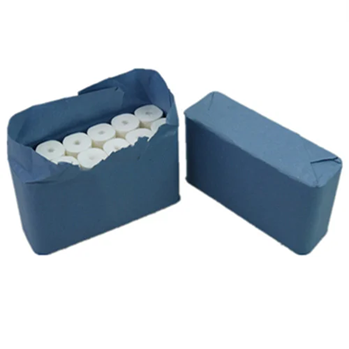
China is the major hub for medical dressings, with a few major players in the production of high-quality cotton gauze used in medical or clinical settings. For a procurement officer or medical administrator, the choice of working with a specific vendor would depend on the balance between scale and quality manufacturing standards.
1. BKAMED (Hubei Baikang Medical)
BKAMED, also known as Hubei Baikang Medical, is a medical textile manufacturing company that started its operations in 2010 in Hubei Province. The main plant is located in Hubei Province; however, the company has a dedicated office for its sales team in Wuhan.
The vertically integrated structure of the company has helped ensure an efficient process of manufacturing and export operations. The company has been able to develop a reputation for exporting cotton gauze and disposable products to over 70 countries.
The vertical integration concept is the model that the company uses. This means that from the procurement of raw cotton to the weaving and manufacturing of the cotton gauze products, the company is in full control. This includes the production of jumbo rolls, swabs, sponges, bandages, and lap sponges.
The company guarantees high absorbency and whiteness because of the quality checks that the company undertakes. This is a bulk B2B business model, which is ideal for the healthcare sector. The quality checks guarantee compliance with international standards such as the ISO and CE marks.
BKAMED prides itself on quality checks and timely delivery within a period of 15-17 days upon inspection. This ensures that procurement officers in various organizations can maintain a constant stock level of the cotton gauze products without constant interruptions.
Pros
- Vertical integration of the raw material to the finished product facilitates quality control.
- Supply of experience to 70+ countries helps in catering to a variety of markets.
- There is no minimum order quantity requirement, which provides flexibility in catering to changing institutional needs.
- Competitive price and quality of raw material, i.e., cotton gauze, are important selling points.
- Quick response and warranties help in creating a long-term trust level in a B2B market.
Cons
- Being a new company, formed in 2010, is a drawback as older companies have a deeper brand presence in the market.
- Overemphasis on bulk orders may not be suitable for very specialized orders of cotton gauze.
2. Winner Medical
Winner Medical was established in 1991 and is now one of the leading cotton gauze producers in China, with headquarters based in Shenzhen and other plants in Hubei and Guangdong. It serves around 110 countries in hospitals, pharmacies, and distributors across the globe. Its broad product distribution makes it a trusted supplier in the international market.
It is the only one in its field with its PurCotton spunlace technology, which enhances traditional cotton gauze by creating softer and stronger nonwoven fabrics. These include swabs, rolls, and pads to specialty wound dressings, all produced from large-scale production in eight plants that take up 1.28 million square meters.
PurCotton has lower linting, improved absorbency, and biocompatibility, which is most often preferred for surgical and general care use. It is certified by ISO 13485, CE, FDA registration, and other international quality standards, making it easier for the company to break into competitive markets.
The company’s huge production capacity helps Winner Medical to efficiently handle large orders and heavily invest in R&D. This results in constant improvements in cotton gauze materials and a stable supply to highly demanding healthcare environments.
Pros
- The innovation in PurCotton helps to provide high-quality cotton gauzes with enhanced softness and strength.
- Mass production helps to provide timely delivery for bulk order requirements.
- The company operates in over 110 countries across the globe. This helps to ensure market diversification.
- The company heavily invests in research and development. This helps to ensure constant innovation in the quality of cotton gauzes.
- The company has long experience. This helps to ensure trust for bulk business deals in B2B transactions.
Cons
- The company’s high focus on PurCotton products may increase costs for basic cotton gauze requirements.
- The company’s high portfolio focus may result in a change of priorities from bulk cotton gauzes.
3. Zhende Medical
Zhende Medical was founded in 1994 and operates from Shaoxing, located in the province of Zhejiang, China. It has a solid market position in China and continues to grow its export market share in Asia, Europe, and other parts of the world. It specializes in high-end medical consumables, which fits well into the purchasing needs of healthcare institutions.
Its advanced smart factory technology for producing cotton gauze distinguishes Zhende from other manufacturers. It uses this technology to produce surgical dressings, swabs, rolls, and other advanced wound care materials.
Its precision in manufacturing ensures that the quality of cotton gauze meets critical clinical standards. It has various certifications, such as ISO 13485, CE, and other medical device certifications.
Zhende’s decades of experience have allowed it to continue improving the quality of its products. This is beneficial to healthcare institutions, which require high-quality materials, especially when used for applications where uniformity in quality, like cotton gauze, matters most.
Pros
- Consistency of the quality of cotton gauze products is a hallmark of the smart factory’s automation.
- The focus on surgical-grade cotton gauze is a testament to the company’s specialization.
- R&D activities improve the features and reliability of the product.
- Domestic market stability provides a solid platform for supply chain reliability.
- New export channels provide additional avenues for dependable export products.
Limitations
- Export volume may be considered low compared to coastal cities for the Western market.
- The focus on high-end products may limit the availability of ultra-low-cost cotton gauze products
4. Allmed Medical
Allmed Medical Products Co., Ltd. was founded in 1997 in Hong Kong. Subsequently, the company set up its base in Shenzhen. However, the main production is carried out in Zhijiang, Hubei Province. The company is a leading export-oriented enterprise in China. Its products are supplied to the US, EU, and over 70 countries on six continents. The company excels in the OEM business in the institutional medical field.
Allmed has set up several clean rooms for the production of sterile cotton gauze products like swabs, balls, abdominal pads, and rolls. The company has a complete industrial chain that enables the production of cotton gauze on a large scale. The production is carried out through intelligent automation in six bases.
Low lint content and cleanliness make the cotton gauze suitable for medical procedures. The products are certified with various marks like CE, ISO 13485, FDA registration, and other marks like Japan, Germany, and so on.
The company’s main strength lies in the export business. The expertise in the regulated cotton gauze market is a big help to the procurement teams.
Pros
- State-of-the-art clean room standards provide ultra-clean cotton gauze for critical applications.
- Leading export position means navigating US and EU regulations is simplified.
- Significant OEM capacity means accommodating customized cotton gauze specifications.
- Established quality provides for high-volume healthcare contracts.
- Diverse wound care products provide a good fit for cotton gauze supply chains.
Cons
- Primary OEM focus means independent product branding is not well known.
- Export focus means the company may be vulnerable to international market fluctuations.
5. Kingphar Medical
Kingphar Medical, also known as Hubei Qianjiang Kingphar Medical Material Co., Ltd., is a medical textile company that started operations in 1989 in Qianjiang City, Hubei Province. It specializes in export-oriented businesses that supply medical textiles to Europe, North America, and other global clients through distributors. It combines weaving and bleaching to manufacture cotton gauze products efficiently.
It also employs high-speed oxygen bleaching machines to ensure that its products have high strength while maintaining high whiteness for its cotton gauze rolls, swabs, bandages, and jumbo products. The ability of the company to generate a large quantity of cotton gauze products is a clear advantage for its business operations. In some cases, its products are shipped by the hundreds of containers yearly for its bandages.
The bleaching of its products ensures low lint cotton gauze products that meet high-quality standards for further processing. Its products also meet international standards with CE (MDR), ISO 13485, and FDA audit certifications.
Kingphar Medical’s long experience in the medical textile industry makes it a good choice for companies that need consistent cotton gauze products through its business operations.
- Pros
- Fast bleaching ensures bright and long-lasting cotton gauze products.
- High capacity allows for large orders of jumbo rolls to be efficiently handled.
- Long experience in exporting ensures consistent global supply.
- Full range of gauze products caters to different needs of institutions.
- Integrated group structure allows for easy control of all operations from weaving to finishing.
Cons
- Inland location may cause a slight rise in logistics costs.
- Sometimes, full product lines overshadow the importance of bulk cotton gauze.
6. Gauke Healthcare
Gauke Healthcare is located in Hubei Province near Wuhan and was founded between 2002-2003. Gauke Healthcare is known for its first aid products and for being an exporter of these products to Europe, North America, and the global industrial industry. Gauke Healthcare manufactures more than 20 million first aid kits yearly that contain cotton gauze products.
Gauke Healthcare’s product line consists of first aid quality cotton gauze in various forms such as bandages, compresses, and emergency kits for vehicles, industries, and home use. These kits are produced in functional and compliant forms that meet international safety standards.
The inclusion of cotton gauze products in these kits makes them functional in emergency situations. These kits have CE and other safety certifications that allow for global distribution.
Gauke’s emergency preparedness strategy is valuable to institutional customers. This is because it is effective in ensuring stockpiles of vital cotton gauzes.
Pros
- Specialization in first-aid cotton gauze is effective in ensuring functional kits.
- The mass production of kits is effective in supporting combined emergency kits.
- Regulatory compliance is effective in supporting different demands.
- The global distribution network is effective in supporting accessibility to customers.
- Accessory support is effective in supporting overall cotton gauze functionality.
Cons
- Specialization in kits is effective in limiting diversity in cotton gauze.
- There is less emphasis on bulk rolls.
7. Ningbo Medelast
Ningbo Medelast Co., Ltd. is a company based in Ningbo, Zhejiang Province, China. This company was founded in 2002. This company is a specialist in exporting its specialized products to sports medicine and wound care markets globally. This company has also invested heavily in advanced weaving technology, particularly for elastic and tubular formats.
Medelast is a specialist in producing elastic cotton gauze, tubular bandages, and stockinette. These are used for support and compression.
This specialization in the above formats helps fill the gaps where the use of the regular cotton gauze is not effective. This product has the necessary quality certifications like CE and ISO 13485.
Medelast has the expertise in the above-mentioned formats. This is highly advantageous for the procurement requirements.
Pros
- Medelast has expertise in the use of elastic cotton gauze, which helps fill the gaps for the above requirements.
- The quality is consistent for the tubular format.
- Medelast has expertise in the use of the product in the field of sports medicine.
- Elastic cotton gauze has flexible production.
- The export quality is consistent.
Cons
- This product is less diverse and is not suitable for the use of flat cotton gauze.
- Medelast is based out of Ningbo, Zhejiang. This means that for ultra-high volume requirements, the price may be higher.
8. Baishun Medical
Baishun Medical, or Lianyungang Baishun Medical Treatment Articles Co. Ltd., has more than 30 years of experience in the business. The business began in 1988 in Lianyungang, Jiangsu, China. The business specializes in the export of absorbents.
Baishun is highly skilled and competitive in the manufacturing of orthopedic absorbent cotton gauze, wool, rolls, and swabs, with special emphasis on ensuring 100% purity of cotton for better absorbency.
They have a experience with different materials, ensuring high-quality performance with their cotton gauze products, with CE, ISO, and other approvals matching international standards.
Pros
- Over 30 years of experience ensure a dependable product, especially for orthopedic cotton gauze.
- Their product has exceptional absorbency, making it ideal for high-demand applications.
- Their multiple factory presence ensures a stable and high-scale production capacity.
- Their focus on 100% purity of cotton enhances the product’s quality.
- It is a competitive option for different segments of absorbent cotton gauze.
Cons
- Their location is a disadvantage, especially for routes where shipping is costly.
- Their specialization limits them to providing other types of cotton gauze.
9. Suzhou Sunmed
Suzhou Sunmed was founded in 1993 in Suzhou, Jiangsu Province. It specializes in OEM export business all over the world. Various production plants can fulfill different orders.
The company specializes in OEM business, including cotton gauze, swab sticks, swab balls, and dressing. Its high compliance and flexibility make it a good option for private label business.
The company’s product portfolio meets various B2B needs with high quality. Various certificates include FDA compliance, CE compliance from several authorities, and ISO 13485.
The flexibility of Sunmed makes it a good option for brand-conscious buyers. It offers tailored cotton gauze solutions with high reliability. It provides to over 60 different countries.
Pros
- Outstanding OEM flexibility meets cotton gauze needs of different brands.
- Strong compliance ensures market access.
- Multiple plants ensure stable production capacity.
- Rich export experience can help global buyers.
- Strong quality meets various B2B needs.
Cons
- Over-reliance on OEM business may make it hard to find brand awareness.
- Over-emphasis on customization may delay cotton gauze order fulfillment.
10. Topwin (Hubei)
Topwin (Hubei) is located in Wuhan, Hubei Province, and was established in 1999. The company focuses on raw cotton gauze products and exports them to the world market. Secondary processors, distributors, and converters require bulk materials from this company.
The company mainly focuses on raw cotton gauze products like rolls and bandages. This helps in meeting the requirements of secondary processors.
The company provides practical strength to procurement teams engaged in secondary cotton gauze manufacturing. The company has focused on core basics and provides raw materials to the market. The company has a strong track record and provides bulk access to raw materials.
Pros
- The company has large-scale production capacity for raw cotton gauze rolls.
- Has a stable supply chain that meets bulk requirements.
- Offers competitive prices due to streamlined operations.
- The company has focused on core materials like cotton gauze.
- Has a strong export track record.
Cons
- The company has focused on raw materials and has limited varieties in finished products
- The company has not focused much on innovative products.
What Is Cotton Gauze?
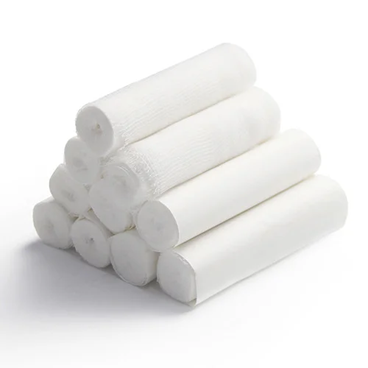
Cotton gauze is a lightweight fabric with a loose weave, intended for the purpose of absorbing fluids, providing protective support, and promoting healing, while at the same time allowing for the free flow of air.
Despite the presence of synthetic materials, this particular product is one of the most commonly used elements in hospital supplies, as it provides the best balance of quality, cost, and reliability compared to other options.
How Does It Differ From Other Types Of Fabric?
Essentially, the difference lies in the quality of the cotton used, as well as the process of manufacturing, where the cotton used for medical purposes has been purified, bleached, and sterilized, thereby allowing it to be used for direct contact with tissue and/or open wounds.
Composition is simple, as the material is made from 100 percent natural cotton, which is cleaned, combed, spun, and then woven into a fabric with gaps for increased permeability and absorption capacity. The end product, a gauze fabric, has small, evenly spaced holes for increased permeability while retaining its strength.
Construction is also important, as traditional gauze is woven, meaning that the warp and weft yarns cross over each other, providing stability while reducing linting. Non-woven gauze is also available, although woven materials remain the preferred choice for surgical procedures, as they retain their integrity even after being saturated with liquid, and are resistant to tearing, which is why the majority of hospitals still opt for this format.
Core Characteristics That Matter to Buyers
There are several characteristics that have been found to determine the performance of one supplier versus another.
Key Functional Characteristics Include:
- Quick absorbency of blood and other fluids minimizes the amount of blood that obscures visibility during procedures.
- A gauze that breathes well ensures oxygen can pass through, preventing moisture buildup.
- Sterility compatibility. The gauze material needs to be able to withstand EO, gamma, or steam sterilization without fiber degradation.
- Low lint gauzes minimize the chance of foreign body contamination.
- The gauze needs to be sufficiently strong to avoid tearing during packing or removal.
Typical Medical Uses
Due to its ease of use and flexibility, cotton gauze is used in almost every department of a medical facility. It is used as a primary and secondary dressing and can be easily incorporated into standardized kits and packs. Very few consumable items can match this versatility at this low cost.
In operating rooms, the material is used for sponging, blotting, and keeping the area clear. Its softness prevents tissue damage, and its absorbency properties ensure that visibility is maintained. Surgeons typically use sterile packs containing several pieces of cotton gauze for predictable and repeatable results.
In wound management, the same product is used for cleaning, packing, and dressing. Chronic wounds, post-operative areas, and minor injuries are all benefited by a breathable gauze fabric that protects tissues without trapping moisture. This versatility eliminates the need to stock multiple specialized dressings for routine cases.
Hospital and NGO purchasing guidelines also include cotton gauze for:
- Dressing packs
- Trauma and emergency kits
- First aid boxes
- Field medical operations
- Outpatient procedures
This wide range of applications, therefore, explains why the volumes consumed remain constantly high.
Types of Cotton Gauze Products Hospitals Purchase in Bulk
Below are the most common types of cotton gauze products purchased by healthcare facilities in bulk, by size, packaging, and use.
Gauze Rolls
Gauze rolls represent one of the most frequently ordered types of cotton gauze products in hospitals. Rolls are long strips of fabric that can be folded and rolled up in compact form. Rolls can be used for wrapping and securing dressings and can be used to apply light compression.
The flexibility of gauze rolls allows them to be easily cut to the appropriate length. This minimizes waste and makes them more versatile than other types of fabric. For this reason, gauze rolls can be considered a universal product.
Cynical use cases include:
- Securing primary dressings
- Light compression
- Post-surgical wrapping
- Orthopedic support
Gauze Sponges / Swabs
Sponges and swabs are considered the most standardized form of cotton gauze, which is most often used in surgical and procedural cases. This product is pre-cut in squares or rectangles and folded into layers to provide maximum absorbency and product strength. The standardized dimensions and product consistency make it easier to count and track usage in surgical procedures.
In comparison to loose gauze, sponges are considered easier to handle and less likely to fray, providing a much higher degree of stability. This provides an increased level of safety in the sterile field. In fact, most surgical procedures use this product exclusively.
Clinical use cases include:
- Absorbing blood and fluids
- Skin preparation
- Wound cleaning
- Minor surgical procedures
Gauze Balls
Gauze balls are small balls of cotton gauze made up of cotton balls or pads that have been rolled together. They have a unique ability to be dabbed with precision and accuracy. They are best suited for use in situations where sponges are cumbersome.
They are mostly used in outpatient clinics and emergency rooms. They can be easily handled with forceps or gloved hands. They are best suited for use in situations where there is a need for fast workflow.
Clinical use cases include
- Applying antiseptics
- Wound cleaning
- Blood sampling support
- Minor dressing work
Laparotomy (Lap) Sponges
Lap sponges are a type of cotton gauze, designed to be heavy-duty and highly absorbent. They are larger and thicker than swabs and sometimes contain X-ray detectable threads to prevent them from being left in patients.
They are an essential item in many surgeries due to their fluid management capabilities, which are necessary in abdominal and major surgeries. They are more critical in surgeries due to their need to be effective even when saturated, unlike other, lighter, absorbable items.
Clinical use cases include:
- Major surgeries
- Large fluid volumes to be absorbed
- Protection of organs
- Visibility
Zigzag Cotton / Absorbent Cotton
Zigzag cotton is another form of cotton gauze product, but it comes in the form of continuous folded cotton instead of woven cotton pads. It has the advantage of providing high softness and absorbency for cleaning and padding purposes.
The product comes in the form of layered gauze cloth, making it easy to tear to the desired sizes instead of having to cut with scissors.
Clinical use cases include
- Skin cleaning
- Padding
- General-purpose absorbency
- First aid support
Sterile vs Non-Sterile Formats
In addition to shape and size, whether or not the cotton gauze is sterile plays a significant role in how it is procured and distributed. It is common for facilities to have both sterile and non-sterile products on hand.
Sterile products are required for invasive and open-wound procedures. Non-sterile products are usually needed for cleaning, prep, or support.
Clinical use cases include
- Sterile: surgery, wound dressing, packing
- Non-sterile: cleaning, padding, general use
Cotton Gauze Manufacturing Process
Having a transparent manufacturing process mitigates risks. The more a supplier is able to control in-house, the easier it is to trace any problems with quality and the easier it is to fix them. This is why some suppliers are able to provide consistent, compliant cotton gauze while others have problems with batch quality.
Here’s a step-by-step look at the process from raw material to finished, ready-to-use cotton gauze.
Raw Cotton Selection
At the heart of everything is the quality of the fibers used. It is not possible to make medical-grade cotton gauze using regular cotton used in making fabric. It is common knowledge that cotton used in making gauze is usually long-staple cotton with high purity levels and few impurities. It is also expected to have strong fibers and a consistent color.
There are many questions regarding whether or not cotton gauze is made from regular cotton used in making fabric and put into use in the medical sector. The answer is a clear “no.” This is because the cotton used in making gauze is graded and cleaned even before it is put into use.
There are many factors used to determine the quality of raw cotton used in making gauze. These include:
- Staple length
- Fiber strength
- Moisture content
- Level of impurities
- Traceability
Any defects in the raw cotton used in making gauze mean a poor-quality yarn with high lint and absorbency levels. It is always difficult and expensive to correct defects once they occur.
Cleaning & Opening
The next step after selection is opening and loosening the compressed cotton bales. In this step, clumping is separated. Large openers and blow room equipment are used to remove visible foreign matter like seeds, dust, and plant material. The cleaning step also ensures hygiene. In the early stages of cleaning, foreign matter like microbes makes it easier to produce medical-grade cotton gauze.
The air flow system ensures that all fibers are evenly distributed. In this step, consistency is necessary to support all subsequent processes. Inconsistency in fiber mass will lead to weaknesses in the final product.
Carding and Combing
Carding is the process of aligning fibers into a thin web, removing smaller impurities in the process. The cotton is passed through fine metallic teeth that separate and align individual fibers. The product is a soft, thin sheet of material called a sliver.
Combing is an extension of the carding process, where the sliver is further refined to remove short fibers and align them more in parallel. This produces smoother, stronger yarn and less lint. In the case of cotton gauze, this process is very important, as loose or short fibers can easily become airborne particles in a surgical setting.
Better-quality manufacturers will use both carding and combing. Lower-quality manufacturers will often forgo combing to save time, but this will often lead to lower-quality cotton gauze.
Spinning into Yarn
The cleaned and aligned fibers are then spun into yarn. Twist is added to hold the fibers together and provide tensile strength. The thickness and twist determine the durability and absorbency of the finished cotton gauze.
Uniform yarn ensures consistent weaving and fewer interruptions in the manufacturing process. If yarn strength is inconsistent, fabric strength will be compromised. This results in inconsistent pore size, uneven absorbency, and possible tears during medical procedures.
Typically, the following are measured and controlled:
- Yarn count
- Tensile strength
- Twist consistency
- Evenness
Consistent spinning enables the stable foundation necessary for medical textiles.
Weaving or Knitting
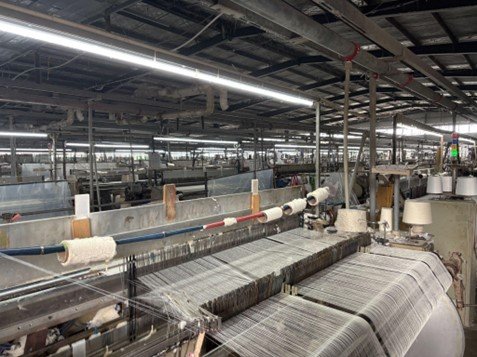
Fabric production follows yarn creation. Yarn is woven or knitted to produce the porous fabric characteristic of cotton gauze. Weaving is most commonly used in the production of most medical products because of improved stability and retention of shape.
The gauze fabric produced has evenly distributed gaps that promote airflow and fast fluid absorption. This is why many people still wonder what is gauze fabric, as opposed to other thick fabrics. The answer is the intentional porosity, which is not aesthetic but rather medical.
Weaving parameters affect:
- Mesh size
- Absorbency speed
- Flexibility
- Lint production
Careful control ensures the material stays soft, yet strong enough to be repeatedly manipulated.
Bleaching & Scouring
Cotton contains natural waxes, oils, and pigments, which affect absorbency. Bleaching and scouring remove these impurities, making the cotton bright white. This process greatly enhances the performance of cotton gauze in clinical environments.
Chemical baths help to clean the cotton, allowing it to absorb liquids quickly. Without proper scouring, the cotton absorbs slowly, and the liquid forms beads on the surface of the cotton. This can impede the efficiency of caregivers working in clinical environments, such as surgery.
Making the cotton bright white also helps with visual clarity. Blood and other fluids are easier to read when the cotton is white, allowing caregivers to better evaluate the condition of the patient.
Drying & Finishing
Next, the fabric is dried under precise temperature control. Too much heat can damage the fabric, but too little can leave moisture that fosters contamination. This step is critical to safety and product longevity. Next, finishing touches smooth the fabric and stabilize dimensions. The objective is a consistent cotton gauze product that works the same every time. It is predictable and reliable.
Here, manufacturers also conduct initial quality checks for defects like holes or abnormal weaving patterns.
Cutting, Folding & Converting
Now, large rolls become sponges or whatever product is needed. Cutting and folding machines work efficiently to convert fabric into sponges or rolls. It is a precise process because product dimensions affect accurate counts and reduce waste in operating rooms.
Conversion is when cotton gauze products begin to take form. It is a critical step because facilities that make swabs, rolls, or lap sponges require consistency in folding and layering to determine product thickness and absorbency.
Common conversion steps include:
- Cutting to Size
- Multi-Ply Folding
- Edge Finishing
- Counting and Stacking
The errors that may result from these steps include miscounting the product and/or product performance.
Sterilization Methods
For the product to be sterile, the converted cotton gauze must undergo a sterilization process that must be validated. The sterilization process depends on the packaging, volume, and regulatory requirements.
● EO (Ethylene Oxide)
This process penetrates the packaging materials and is best used on large batches. EO sterilization uses low temperatures, which is advantageous to materials that cannot withstand high temperatures. However, aeration must follow this process to remove the EO residue.
● Gamma
Gamma rays are used to sterilize the product by destroying all living organisms. This process is efficient because it assures the product’s sterility and is faster compared to the EO method. This process is preferred by most exporters to sterilize the cotton gauze that is pre-packed.
● Steam
Steam sterilization is a chemical-free process that is cost-effective but requires materials that can withstand the heat generated by the process.
Final Inspection & Packaging
Before the product is shipped out, each batch of the cotton gauze will go through a series of tests to ensure that it meets the requirements in terms of its ability to absorb, its tensile strength, lint content, cleanliness, and packaging integrity. The packaging process will ensure the product’s sterility and facilitate easier handling and logistics.
The packaging will include information on the lot number, production date, and traceability codes on the cartons.
Where quality failures typically occur
- Inconsistent quality of the raw cotton used
- Poor control in the bleaching process
- Weak yarn spinning process
- Incorrect process in the folding and counting of the fabric
- Defects in the packaging seals
How leading manufacturers prevent defects
- The use of automated monitoring systems
- The implementation of in-line inspection systems
- The use of batch traceability systems
- The implementation of third-party audits
- The implementation of strict SOPs at all stages
From the above steps, it is evident that the production of quality cotton gauze is not left to chance but is the result of careful engineering and process control by the manufacturers that ensure the product is safe and reliable for hospitals and medical distributors worldwide.
Raw Material Sourcing: Cotton Quality, Traceability & Cost Drivers
For any company, the quality of cotton gauze begins long before the weaving and sterilization processes. It begins in the field, with the cotton itself. Raw material considerations drive every aspect of the product, from absorbency and strength to lint and regulatory requirements. In large-scale purchasing, these considerations can make all the difference between a consistent supplier and a source of complaints.
Here are the main sourcing factors that procurement teams need to be aware of when dealing with the manufacturing companies.
Medical Grade Cotton vs Commodity Cotton

Not all cotton types are appropriate for the medical industry. Commodity cotton, for example, used for clothing, has different requirements compared to cotton used for making cotton gauze. Commodity cotton has to meet different criteria, such as cost and appearance, but purity is of little concern.
On the other hand, medical-grade cotton has to meet different requirements to be used for making cotton gauze. Medical-grade cotton has to be processed to meet the requirements for making cotton gauze, such as having low levels of impurities, ensuring the product performs well, and making it safe for the medical industry.
The main differences between commodity cotton and medical-grade cotton include:
- Having higher purity levels
- Having lower levels of foreign matter
- Having a higher fiber length
- Having better process control
- Having a documented sourcing history
If the cotton used to make cotton gauze comes from commodity cotton, it leads to inefficiencies and risk, despite the cost advantage at the procurement level.
Staple Length & Fiber Strength
The structure of the fibers is a major determinant of the longevity of cotton gauze fabric. Staple length is a measure of the average length of individual fibers in the cotton fabric. The longer the staple, the better the fibers will interlock during the spinning process, resulting in a stronger yarn with minimal loose ends.
Short staple fibers are prone to breaking, which leads to lint formation. In the operating room, lint can get into wounds or remain in the body after a procedure. This, in itself, is a good reason for quality manufacturers to use strong fibers in the production of cotton gauze.
The tensile strength of the fibers is important in wet conditions. Medical fabric must remain strong even after the absorption of fluids. Weak yarn can unravel during the removal of a dressing or during a procedure, causing workflow issues.
The tests carried out include:
- Staple length distribution
- Tensile strength
- Uniformity index
- Breakage rate
Consistent results in these tests ensure consistent results in the final product.
Bleachability & Whiteness
Cotton fibers contain oils, waxes, and pigments that affect absorbency and clean appearance. These affect appearance and functionality. When used in a clinical environment, appearance is important. Cotton gauze bleachability is a requirement and cannot be ignored.
Bleachability is a measure of how easily cotton fibers can be cleaned and whitened. Good-quality cotton is easily cleaned and whitened. Impurities can be easily removed. Low-quality cotton may require harsh bleaches that can damage cotton fibers.
Whiteness is also important because it can be used as a measure to determine how much blood has been lost by medical practitioners. When cotton gauze is clean and white, evaluation is easy.
When considering cotton sourcing, easily bleachable cotton fibers can be used to make cotton gauze that is consistent and has good absorbency.
Supply Chain Traceability
Traceability is now a fundamental need in the procurement of healthcare products. Hospitals and NGOs are now requiring documentation that traces the origin of materials and their processing. For cotton gauze, this would mean tracing cotton from the farm to the end product.
A transparent supply chain is essential for easy compliance with regulations and conducting audits. In case of a quality problem, traceability enables companies to quickly identify the affected lots. Otherwise, the recall process becomes more complicated.
Trustworthy suppliers will have:
- Documentation of farm or regional sources
- Batch traceability
- Supplier certifications
- Manufacturing documentation
- Lot-based labeling
These traceability methods are essential for protecting both the supplier and the customer. They also indicate maturity in operations, which is usually a good indicator of quality in cotton gauze.
Regulatory & Compliance Standards for International Buyers
Cotton gauze is a textile material classified as a medical consumable product. It is subject to regulations that require due diligence and controls over its manufacture. It is therefore not just a product that is being sourced but also evidence that due diligence was exercised in its manufacture.
ISO 13485 Manufacturing Standards
ISO 13485 is considered the cornerstone of medical device manufacturing. The standard establishes how a company organizes its quality management system. For cotton gauze manufacturers, this standard establishes that the manufacturing process is controlled and continually improved.
Certification does not emphasize the quality of the product itself. The process focuses on how the company operates on a day-to-day basis. This involves employee training, machine maintenance, risk reduction, complaint resolution, and product traceability. The process ensures quality is systematic rather than random.
The major components of the standard are as follows:
- Written standard operating procedures
- Change control procedures
- Batch traceability
- Corrective and preventive actions (CAPA)
- Internal audits
If a manufacturer has the ISO 13485 standard, the buyer knows that the cotton gauze manufacturing process is repeatable and not random.
CE (MDR) Requirements for Europe
In order to sell to the European market, it is vital to comply with the CE MDR requirements. For instance, a product like sterile cotton gauze is a medical device and hence must comply with the requirements for medical devices to be sold to the EU market.
To comply with the MDR, manufacturers must prove that their medical devices are safe and effective, and are manufactured following a good quality system.
To comply with the MDR, manufacturers must:
- Prepare a technical file for the medical devices
- Prepare a clinical evaluation or literature review
- Prepare a risk management report
- Prepare a post-market surveillance report
- Ensure proper labeling and instructions
Failure to comply with the MDR requirements will mean that the shipment of the medical devices, like the cotton gauze, is held at customs or rejected, leading to a shortage of supplies for medical facilities.
FDA 510(k) / US Import Requirements
In the US, the Food and Drug Administration is responsible for the regulation of many types of medical consumables. Depending on the type, some cotton gauze products must be listed, registered, or cleared with the FDA prior to sale.
Companies shipping products to the US are required to register their facilities and list their products with the FDA. They must also comply with Quality System Regulations (QSR), which are very similar to ISO 13485 but have their own set of legal requirements.
Typical requirements include:
- Establishment registration
- Device listing
- Quality system compliance
- Labeling compliant with FDA regulations
- Importer and customs paperwork
Buyers sourcing for North America will often check these requirements early on. An unregistered supplier may cause delays in clearance or present a regulatory risk.
Sterility Assurance Levels (SAL)
Sterility is a key factor in many types of cotton gauze, especially in surgeries and open wounds. Sterility assurance levels, or SAL, are a way to measure the probability that a microorganism will survive the sterilization process. In a medical environment, sterility assurance levels are usually set at a level of 10⁻⁶, which is a one-in-a-million probability.
This is not merely a process statement, as manufacturers must validate sterilization processes through biological indicators and test results. Regardless of whether a manufacturer utilizes EO, gamma, or steam, there is a need to validate each sterilization cycle.
Reliable suppliers offer validation reports, cycle parameters, and routine monitoring, as well as batch release test results.
Without sterility assurance levels, sterile cotton gauze cannot be legally introduced into a market.
Biocompatibility Testing
Since cotton gauze is used in direct contact with the skin and at times with open tissues, it is imperative that the material be safe for use with patients. In this regard, biocompatibility testing is used to assess the potential for irritation, toxicity, or allergic reactions.
These tests are usually performed in accordance with ISO 10993 guidelines. Although cotton is a natural fiber, chemicals used in processing and any residues left behind pose potential hazards unless well managed. Testing is performed to ascertain that the finished products are safe to use after bleaching, sterilization, and packaging.
These tests include:
- Cytotoxicity
- Skin irritation
- Sensitization
- Chemical residue analysis
These reports are beneficial to procurement teams because they are further reassured that the cotton gauze is unlikely to cause any complications.
Packaging & Labeling Regulations
Packaging is not just about aesthetics; it is about functionality. In the case of sterile cotton gauze, the packaging is intended to be airtight until the time of use.
The labeling aspect is also subject to similar regulations. The information provided must be clear and correct and in line with local regulations. Inaccurate and missing information may result in customs clearance issues and/or product recall. For overseas customers, consistent labeling can be beneficial in avoiding confusion and improving inventory management.
The standard information provided may include:
- Product description and size
- Sterility status
- Lot/batch number
- Manufacturing and expiration date
- Manufacturing details
- Storage instructions
Effective packaging and labeling can help protect both the product and the medical facility it is intended to serve.
Documentation Procurement Teams Should Demand
The success of compliance efforts can be gauged from the documentation provided. Even quality products like cotton gauze require proper documentation. Without this, the approval process may be delayed and may result in risk.
Experienced procurement teams usually review the documents before making large purchases. This may be beneficial in establishing the standards and ability of the supplier to withstand audits from regulatory and/or business entities.
Certificates to Request
- ISO 13485 Certificate
- CE Certificate
- FDA Registration/Listing Confirmation
- Sterilization Validation Reports
- Biocompatibility Test Reports
- Product Specifications
- Test Results
These records will create an initial impression of reliability.
Red Flags in Paperwork
- Expired Certificates
- Mismatch of Certificate Name
- No Batch Traceability
- Inadequate Test Results
- Unverified Issuing Body
These problems could reflect other operational gaps that could affect cotton gauze quality.
Audit Checklists
- Review of quality system procedures
- Verification of production flow
- Calibration of testing equipment
- Inspection of warehouse conditions
- Verification of sample traceability
- Audits will confirm that claims made are actual practices rather than marketing claims.
Ultimately, regulatory compliance is not about red tape. It is about providing safety to patients and service continuity. When regulatory requirements are satisfied, cotton gauze will have an uninterrupted flow across borders. To an international buyer, this is perhaps the greatest service that any supplier can extend.
Quality Control Systems That Separate Reliable Suppliers from Risky Ones
When purchasing large quantities of cotton gauze, quality control is often more important than equipment size and pricing. Two factories can be identical in appearance, yet vastly different in quality control. The difference between the two factories is often in their systems. Quality control systems can greatly help in early defect identification, while poor quality control systems can cause defects to progress and ultimately reach hospitals.
1. Incoming Material Inspection
Quality begins before production begins. The incoming inspection is concerned with checking whether the raw cotton, packaging materials, and materials for sterilization conform to certain specifications. If substandard materials are allowed into the production process, even the best production facilities will be unable to produce quality cotton gauze.
At this point, suppliers assess the cleanliness of the fibers, their moisture content, and the risk of contamination. The packaging materials, including pouches and boxes, are also tested for their resistance to damage and the integrity of their seals. This helps to avoid costly rework down the line.
Incoming inspections typically include the following:
- Fiber grade verification
- Moisture testing
- Visual impurity testing
- Supplier certification verification
- Packaging material strength testing
If the quality of these factors is poor, the defects will progress undetected. If the quality is high, the basis for sound cotton gauze production has already been laid.
2. In-Process Quality Checks
Even with quality raw materials, problems can arise during production. This can be due to machine calibration, yarn tension, or folding machine misalignment. In-process quality checks are meant to identify such differences during production.
Rather than conducting quality checks at the end of production, certain critical factors are checked at regular intervals. This enables corrections to be made immediately, without affecting large quantities of cotton gauze.
In-process quality checks include the following:
- Fabric weight and mesh size
- Yarn strength
- Folding accuracy
- Dimensions and ply count
- Visual defects
Continuous quality checks enable a continuous feedback process. Issues are resolved immediately, rather than being identified after several days during final quality checks.
3. Absorbency Testing
Absorbency is one of the most critical properties of cotton gauze. When absorbency is low, more gauze has to be used in order to accomplish the same task. This can be costly and may make procedures more complicated.
Therefore, it is critical to test the absorbency of the gauze. This is done to find out how quickly and how much liquid the material can absorb. These tests mimic real-world situations using water and/or saline solutions.
The standard tests include:
- Time to Initial Absorption
- Total Liquid Capacity
- Retention Under Pressure
- Uniformity
The consistent absorbency of the cotton gauze is vital in order to make sure it will behave in the same way in any medical procedure. For the buyer, this may be more valuable than saving money.
4. Microbial Testing
Cleanliness is also an important aspect, particularly for products that are meant to be used in a sterile environment. Prior to sterilization, the bioburden, or the amount of microorganisms on cotton gauze, is tested. High bioburden may impair the efficiency of sterilization procedures.
Microbial testing is necessary to ensure that cleaning and handling procedures are effective. It also ensures that storage environments are clean. Without these measures, it becomes difficult to ensure sterility.
Some of the tests that are usually done include:
- Bioburden counts
- Environmental monitoring
- Surface swab tests
- Air quality sampling
- Low and stable microbial counts make sterilization easier and ensure patient safety.
5. Tensile Strength Testing
Strength is not as important, but it can be a problem if the cotton gauze is weak and tears during packaging or unpacking. This is frustrating for medical professionals and may also result in fibers being left in the wound.
Both dry and wet tensile strength are evaluated by manufacturers. Wet tensile strength is critical, as fluids can affect the strength of the yarns. Testing under these conditions will give a better idea.
Key strength values may be defined as follows:
- Breaking force
- Elongation
- Tear resistance
- Wet integrity
Stable strength results ensure that the quality of yarns used and the weaving process itself are well controlled. This ensures a safer and more reliable cotton gauze.
6. Batch Traceability Systems
Even if manufacturers have controlled all other factors, problems can arise at times. Manufacturers can use batch traceability systems to solve problems effectively. Each lot of cotton gauze will have a unique identifier, which will be linked to the source materials, dates, and results.
This system ensures accountability. If a problem arises, the affected lot can be identified and recalled without affecting the rest of the supply chain.
Effective traceability mechanisms should also include:
- Lot numbering
- Production records
- Associated test records
- Packaging labels
- Digital records
Effective traceability also plays a part in audit processes, which further increases buyer confidence.
7. Third-Party Audits
While internal tests are important, an independent assessment provides further credibility. Third-party audits measure the effectiveness of a manufacturer’s quality system, ensuring it truly performs as claimed. This is especially important for foreign buyers, as an independent review holds considerable weight.
Audits involve independent reviewers who review processes, records, and facilities, among other things. They ensure processes are being followed, not just during scheduled times, but at all times. This provides an independent review of the integrity of the cotton gauze manufacturing process.
Audits may involve a variety of activities, such as:
- Document review
- Production walkthroughs
- Employee interview
- Random sample testing
- Corrective action verification
Suppliers who allow independent audits often have a higher confidence level in their processes, while those avoiding them might be a higher risk supplier.
Sourcing Cotton Gauze from China: Strategic Advantages & Risks
For most foreign purchasers, China is the first destination they turn to when searching for a supplier of bulk cotton gauze and for good reason. China has created one of the largest medical textile industries in the world, integrating access to raw materials, advanced equipment, and large-scale production in one location.
When buyers are aware of the benefits and risks, they can create supply chains that are cost-effective and reliable. Let’s break it down.
Advantages of Sourcing from China
1. Cost Competitiveness
Production costs in China, on average, are lower compared to other countries. This could be attributed to economies of scale, established supplier networks, and an efficient labor system.
However, it’s not just about the low labor costs, which many people assume. It’s more about the system’s efficiency. Most Chinese manufacturers have massive, specialized production systems that operate 24/7. The more units produced, the lower the cost per unit.
There are several reasons why China has a cost advantage when it comes to producing cotton gauze:
- Local availability of cotton and textile materials
- Bulk purchasing of materials
- Use of automated weaving and cutting machines
- High production volume
- Established logistics infrastructure
For distributors, hospitals, and NGOs purchasing container loads of cotton gauze, even a nominal difference per item can add up to substantial savings on an annual basis. This difference can make it possible to allocate funds to other pressing areas of concern in a hospital setting.
Of course, price is never the sole criterion in making a purchase. When prices are extremely low with no discernible quality controls in place, it may be a red flag rather than a good deal.
2. Manufacturing Scale
It is hard to compete with the scale at which China operates. Many of their manufacturing companies can produce millions of units of cotton gauze per month and not even flinch at the thought. It is a factor that is often overlooked by most initial buyers.
If there is a surge in demand for this product, whether it is for emergencies, seasonal demand, or a large tender contract, smaller companies might struggle to meet this demand. However, for a large manufacturing scale, they can simply ramp up production and get this product out even faster.
There are a number of benefits to this scale:
- Uninterrupted lead times
- Ramping up production for large orders
- Support for long-term contracts
- Backup production lines for business continuity
To a procurement team dealing with multiple manufacturing sites, this is just as important as the price. Having this level of access to this product means that there is never a stock-out issue and that last-minute purchases do not have to be made.
In summary, scaling is good from the point of view of risk management.
3. Vertical Integration Benefits
The other advantage of working with Chinese manufacturers is their vertical integration. This implies that they do not outsource the entire process but rather handle it in-house from the processing of the raw cotton to the weaving, cutting, packaging, and sterilization.
The advantages of this are:
- Better control of the buyer
- Fewer components to deal with
- If one company is in charge of several aspects of the process, it implies that:
- They can better control quality
- They can reduce the chances of delays
- They can lower costs
- They can increase traceability
- They can improve communication
For example, in case of an issue in the quality of the fabric, it can be handled in-house as opposed to relying on someone else. This is what makes them capable of delivering quality in the cotton gauze they produce.
Additionally, it makes it easier to understand who is accountable. There is no finger-pointing between subcontractors. It is one supplier and their entire process.
Common Risks
Although there are many advantages of sourcing cotton gauze from China, there are risks as well. Like any other global supply chain, there are risks involved in this process as well. However, it is important to identify these risks at an early stage and take necessary measures accordingly.
Let us discuss some of the most common risks that buyers may encounter.
1. Inconsistent quality
Not all factories are the same. Some factories have high standards, while others may compromise on quality in favor of lower prices. This is why it is important to source from a high-standard factory such as BKAMED.
2. Regulatory gaps
While some suppliers are fully compliant with international regulations, others are only compliant with their own country’s regulations. If the necessary documents are not in place, the import could be delayed.
Some common regulatory gaps are:
- Outdated ISO certificates
- Lack of documentation regarding CE and FDA certificates
- Incomplete test results
- Ineffective record-keeping
When the regulations are not made clear in the beginning, the problem is realized only when the products are ready for shipment. At that time, it takes weeks to sort out the paperwork.
In the case of regulated medical products like cotton gauze, these gaps can result in a very expensive problem.
3. Shipping delays
Another factor that could result in a problem is the global nature of the supply chain. Shipping products from one country to another is a complex operation. There are many factors that could result in a delay in the shipment.
Some common factors that could result in a delay in the shipment are:
- Holiday shutdowns
- Weather-related delays
- Incomplete export documents
- Long customs clearance
- Overcrowded shipping routes
How Professional Buyers Mitigate These Risks
Professional buyers do not shy away from China; they just mitigate these risks in a smart way.
Over time, they have developed mechanisms that help maintain quality and ensure smooth supply.
Some smart practices make all the difference.
- First, they select suppliers wisely. They do not rely on low-cost suppliers but check whether they have the necessary certifications, audit reports, and production capabilities. They also visit factories or use third-party audit firms to check whether cotton gauze production happens in controlled environments.
- Second, they specify requirements properly. They make sure that there are no ambiguities in absorbency levels, sizes, packaging, or labeling.
- Third, they conduct tests and samples. They check whether each batch of cotton gauze meets requirements before shipping out.
- Fourth, they also diversify suppliers. Instead of relying on one supplier, many buyers work with two suppliers. They do not want any disruptions in case one factory experiences delays.
- Finally, they also manage logistics smartly. They maintain buffer stocks and do not wait until the last minute to book shipping.
When these strategies are in place, sourcing from China becomes far more predictable. Buyers gain the cost and scale advantages while minimizing exposure to common risks.
How to Evaluate and Select a Cotton Gauze Manufacturer
The following describes a framework that most professional buyers use in order to select a reliable manufacturer of the best quality cotton gauze.
1. Factory Capabilities Checklist
First off, it’s essential to verify the ability of the factory to perform the required tasks. The manufacturer may claim to make many products in the promotional literature, but the reality may be different.
A good cotton gauze manufacturer would have most of the major steps in-house. The more in-house work, the less the likelihood of inconsistent quality and delays.
A basic list of questions could be useful in the initial vetting process:
- Cotton opening, cleaning, and carding equipment
- Weaving or knitting machines
- Cutting and folding machines
- Sterilization plant or partners
- Cleanroom or controlled packaging areas
- Quality control laboratory
If the process involves too many steps outside the manufacturer’s facility, it becomes more challenging to manage. The more hands that touch the process, the longer it takes and the more variables are introduced. The fewer steps required to make the final cotton gauze product, the more consistent the quality.
Seeing the machinery in operation during an audit or virtual tour speaks louder than any brochure ever could.
2. Production Capacity Assessment
Capacity is what ultimately will determine if a supplier is truly able to meet the demand. A facility may be able to handle small orders efficiently, but not when the volumes increase.
In the case of bulk cotton gauze, this distinction is paramount in tendering or emergency situations. The delay in scaling is most likely due to congested lines and not a lack of effort.
The following are factors by which capacity is typically assessed:
- Monthly production capacity by product type
- Number of operational production lines
- Operating shifts
- Peak production capacity
- Historical on-time delivery performance
It is important to request actual production information to distinguish theory from reality. A supplier with “high capacity” should be able to support this claim with actual figures.
Capacity planning is important to ensure that the delivery of cotton gauze is consistent, even in peak demand situations.
3. Certifications To Verify
It is not enough to simply go through the motions and obtain certifications. These certifications can provide valuable insight into whether the systems are well-documented and audited. This is particularly true in the medical products industry.
A reputable and trustworthy supplier of quality cotton gauze products will be able to provide current and verifiable certifications in line with the target market.
The certifications to be requested include:
- Quality management system certification according to ISO 13485
- CE (MDR) documentation
- FDA registration
- Sterilization validation reports
- Biocompatibility/safety testing reports
The certifications must be verified to include the date and issuing body. Without this traceable data, it can be quite risky.
Proper documentation is indicative of the fact that the manufacturing of the cotton gauze follows proper standards.
4. MOQ & pricing structures
Minimum order quantities (MOQs) and pricing structures have a direct impact on cash flow and inventory management. Some manufacturers are strictly container quantity oriented, while others permit a mix of SKUs.
The aim is not to get the best price but the best value.
When evaluating cotton gauze pricing, the following are usually compared:
- MOQ per SKU
- Price breaks based on volume
- Packaging charges
- Sterilization fees
- Tooling or customization charges
A premium price may be acceptable if the manufacturer is flexible or has lower inventory risk.
Transparent pricing eliminates unexpected costs once production is underway.
5. Lead times & flexibility
Timeliness is as important as price. Delays can impact surgeries, wound care initiatives, or delivery agreements.
Lead times from trusted sources for cotton gauze are likely to be realistic and not overly optimistic.
The questions to be answered are:
- Standard production lead time
- Raw material procurement time
- Sterilization cycle time
- Shipping preparation time
- Handling urgent orders
Flexibility is also a consideration. A supplier who can adjust lead times or split shipments can make the supply chain more robust.
Cotton gauze delivery times can eliminate the need for emergency purchases or air freight.
6. Private Labeling / OEM Capabilities
Some distributors and medical brands need private labeling or custom packaging. Not all manufacturers can handle this well.
OEM capabilities indicate whether a supplier can support long-term brand growth.
Some services that a supplier can provide:
- Custom bag or box design
- Private labeling
- Barcode printing
- Language localization
- Special pack sizes
A cotton gauze manufacturer that is familiar with branded products knows that artwork approvals, labeling regulations, and packaging consistency can prevent costly errors that can delay importation.
If you’re a growing brand, these services can be as important as the product itself.
7. Communication & Export Experience
Communication is key to a supplier’s future performance. Lack of timely responses or unclear responses to questions during negotiation is usually a bad sign and doesn’t improve when you start ordering.
Good communication skills help prevent mistakes and keep things moving forward. Communication also helps establish trust over time.
8. Trial orders & sampling strategy
Buyers may begin with trial orders instead of large contracts. This is where samples are used to test the product in real-world settings.
This step proves product claims with hard results.
A sampling strategy may include the following steps:
- Pre-production samples
- Pilot batch orders
- Lab testing of absorbency and strength
- Sterility testing
- Packaging testing
Testing samples of cotton gauze products identifies any problems while they are still easy to fix.
Starting small also helps to establish confidence with suppliers.
Vendor scorecard template
A scorecard is a tool that helps compare vendors more effectively. This is where teams use a table with columns to rate factors. Instead of relying on gut feelings, teams use a scorecard to evaluate vendors more effectively.
Why Global Buyers Choose BKA MED for Cotton Gauze Manufacturing
In the business of buying materials in large quantities, even the smallest variations can quickly compound into significant issues. That’s why professional buyers look to work with suppliers that can ensure quality, regulatory compliance, and scalability. Well, BKA MED does all that and more.

Here’s why BKA MED is the preferred supplier of cotton gauze:
End-to-End Manufacturing Control
BKA MED exercises control over the entire cotton gauze manufacturing process, from the cotton itself to the final product that is ready to ship to customers.
If all these steps are integrated within the company itself, the company can monitor all the product batches, rectify any deviations in real-time, and also provide traceability from the raw material to the final product. Customers would also be able to enjoy the benefits of a single point of accountability.
This vertical integration would also make communication much simpler. The buyers would not have to contend with multiple vendors; they would have only one trustworthy partner for the entire process. For large-scale projects, this would be invaluable.
Consistent Quality Across Large Volumes
One of the biggest challenges faced by buyers while procuring cotton gauze products would be to ensure quality consistency across such large numbers of products. The quality control procedures of BKA MED are of high standards and cover raw material inspection, in-process inspection, absorbency testing, tensile testing, and microbial testing.
Standardized procedures would also help the company to maintain the quality of the products even if the quantity of the orders being produced increases. The quality of the cotton gauze products would be the same whether it’s the first consignment or the hundredth.
For purchasing organizations with multiple facilities or emergency stockpiles, quality is a waste reducer, complaint preventer, and clinical process enhancer.
Excellent Compliance for Global Markets
BKA MED is aware of the complexity of global medical supply regulations. The firm complies with ISO 13485 regulations, has CE marking for Europe, and is FDA registered for the U.S. market.
Moreover, sterilization procedures, biocompatibility testing, and batch reporting are in line with the strictest global regulations. This is important for purchasing organizations because it instills confidence in the clinical safety and global importability of the cotton gauze product.
Partnering with a firm like BKA MED minimizes audit risks and expedites approval procedures for large-scale purchases.
Long-Term Supply Reliability
Supply reliability is a must for high-volume buyers, and BKA MED takes advantage of its large-scale manufacturing, raw materials, and manufacturing planning to ensure supply reliability.
Whether for regular monthly needs or for unexpected increases, BKA MED is equipped with the means to keep its delivery schedules on time, ensuring the supply of its cotton gauze products is continuous.
Supply reliability is important for building long-term business relationships, which allows buyers to make long-term plans without the worry of supply disruptions.
Customization & Private Labeling Expertise
BKA MED also provides its customers with the expertise for customization, such as private labeling, OEM manufacturing, and packaging customization.
Hospitals, NGOs, and distributors can choose to have their own brand on BKA MED’s products, change packaging formats for different applications, and even create bundles for different kits.
This is done within BKA MED’s quality-controlled premises, which means customization does not compromise the quality, sterility, and efficacy of the products.
Global Experience & Responsive Support
BKA MED has clients in Europe, North America, Africa, and other parts of the world. The company’s export experience ensures that there is smooth documentation, compliance with international logistics procedures, and proactive problem-solving.
The company’s account managers provide clear communication and quick turnaround times. For procurement teams, it ensures that there are no misunderstandings and that emergency orders are quickly addressed.
Advanced R&D and Continuous Improvement
Lastly, BKA MED conducts research and development activities that improve the quality of their products and the manufacturing process. Advances in cotton gauze processing, absorbency, sterilization, and packaging ensure quality cotton gauze that meets the demands of the medical field.
Continuous improvement allows buyers to take advantage of the latest best practices in the industry without having to switch companies.
BKA MED: The Smart Choice for Bulk Cotton Gauze Procurement
BKA MED is the smart choice for buyers of cotton gauze, given its disciplined manufacturing, consistent performance, and readiness for regulatory requirements. The company’s manufacturing process and account managers simplify sourcing cotton gauze, ensuring a safe and quality product for global healthcare buyers.
If you are a hospital, NGO, or distributor considering a supplier or future sourcing, get in touch with BKA MED today or request a quote to begin a trusted supply relationship.
