
Hospitals across the world treating millions of people with injuries, know that something as simple as choosing the wrong bandages for wound care can delay the healing process or even worse, cause an infection.
Studies published in the World Journal of Surgery show that that improper wound-management practices are a major cause of preventable complications. A significant proportion of that is due to inappropriate supplies.
See, many procurement teams, nurses, and caregivers often mix up bandages for wounds and other wound care items. Sometimes, they choose products that are inappropriate to the kind of wound they are healing. Such errors may impact the comfort, mobility, and even the time of recovery.This is precisely where the problem is: how do organizations make sure that patients get the correct bandages for wounds?
In this article, we cover all that the professional healthcare buyer or the decision-maker must know, not only about the types of bandages for wounds that should be used and how to use them correctly, but also how to choose the right bandages for wounds, how to store them safely, and even how to source the best quality for the best results.
Understanding Bandages for Wounds
Before we define what bandages for wounds are, it’s important to point out that the term “bandage” is often confused with “dressing” especially when it comes to procuring these items, yet these two products have different roles.
So, to prevent such mistakes when ordering medical consumables in large quantities it’s necessary that we first define what each product actually does and why every product is necessary in the care of a patient.
Let’s break it down clearly.
What Are Bandages for Wounds?
Bandages for wounds are the materials used to help support, keep in place, or cover wound dressings. They are not applied directly on the wound surface. Rather, they are the shell that holds all together.
Bandages for wounds are useful in hospitals and clinics and help to:
- Keep the dressing in place even when a patient is moving.
- Minimise outside environmental pollution.
- Provide gentle compression when needed.
- Enhance comfort and ease during the recovery period.
Bandages for wounds ensures the dressing, which covers the wound, performs its duties effectively. Without the bandage, even the finest dressing can shift, become loose and subject the wound to friction and bacteria.
There are many types of bandages for wounds including:
- Gauze bandage wraps that are used to secure dressings.
- Elastic bandages for wounds that provide support in soft-tissue injuries.
- Cohesive or self-adhesive bandages that stick to themselves
- Triangular bandaged that used for immobilization and first aid
We’ll explore more on this later.
Each of these types of bandages for wounds are manufactured with specific degrees of elasticity, breathability, or strength, depending on clinical needs. In procurement, these specifications; width, weave density, adhesive quality, sterility and packaging specification matter and can alter the performance of a wound bandage in practice.
Wound Dressing Definition
A wound dressing comes into physical contact with the wound itself. That’s its main difference from a bandages for wounds.
Some of its clinical duties include:
- Protecting the wound surface.
- Absorbing blood and other fluids.
- Creating a moist healing environment.
- Support in infection control.
- Reducing pain by protecting delicate tissue.
Dressings are prepared using highly specialized materials that manage the wound’s needs; a characteristic that bandages for wounds do not have.
Typical types of dressings are:
- Absorbent pads
- Hydrocolloid dressing
- Alginates
- Foams
- Antimicrobial dressings
- Non-adherent dressings
These products react with the tissue. They assist in keeping wounds clean, promote faster healing and prevent complications.
One more thing, dressings are subject to stringent skin-safety requirements as they are in direct contact with the wound. The manufacturing standards must ensure there is low tinting to keep them free from harmful chemicals and the packaging maintains sterility.
In contrast, not all bandagesfor wounds are required to be sterile- unless they are being used in an operating or high-risk environment.
Products That Are Both Wound Bandages and Wound Dressings
Although the functions of bandages for wounds and dressings are not the same, there are some products that combine both functions. These are predominantly used in first aid treatment or in places where injuries are minor and not too complicated.
Examples include:
- Adhesive strip bandages. They have an absorbent pad in the middle (the dressing) and adhesive wings around (the bandage). They wrap and fasten the wound in a single step. They are commonly used in minor cases.
- Film bandages with a built-in pad. These safeguard the wound against moisture and friction and still have a dressing covering that is in direct contact with the wound. Clinics use them for post-injection sites or small surgical incisions.
- Liquid film-forming sprays (liquid bandages). These act as a transparent coating over shallow wounds. They also seal and minimize the risk of contamination.
Although such products can be used to perform both functions, they cannot apply to every situation. The moderate and severe wounds still need a separate dressing and bandage, particularly when:
- There is high fluid drainage
- The wound is large
- Immobilization is required
- A thick protection is needed for patient comfort
For these reasons, hospitals need dedicated bandages for wounds and not products that combine both bandage and dressings.
We’ll examine these products that are both bandages for wounds and wound dressing later in the article in detail. But now that the foundation is clear, let’s move on by examining the many types of bandages for wounds, how they are used in clinical and emergency environments, and what procuring teams should look for when evaluating a product’s quality.
Classification of Bandages for Wounds
In clinical supply chains, bandages for wounds are classified by how they function: they either secure a dressing, support an injured area, or apply pressure to control swelling or bleeding. When hospitals and distributors understand these functional differences, they can choose the right products for each department, reduce waste, and improve patient outcomes.
In this section, we break down the main clinical categories you’ll find in professional healthcare environments from the versatile roller options used daily in wards, to specialized trauma solutions designed for emergencies.
Roller Bandages
Roller bandages are the most commonly ordered type of bandages for wounds amongst hospitals. These are simple, versatile and inexpensive at a large scale.
Let’s break them down the three subtypes:
Lightweight crepe (2.5–20 cm)
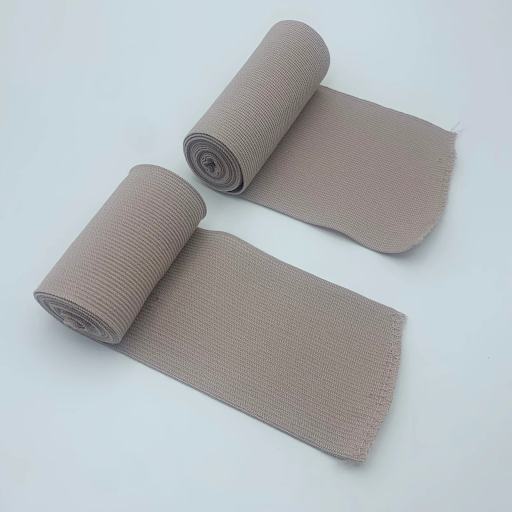
Lightweight crepe offers just enough elasticity to hold primary dressing in place without much compression
Hospitals use 5 cm and 7.5 cm width for fingers and hands, whereas 10 cm and 15 cm dominate limbs and head.
The cotton-enriched versions breathe well in hot and tropical climates. This detail should not be overlooked when shipping containers to hospitals in tropical climates
Crepe will also cover up minor application mistakes more than inelastic gauze and hence the reason why, many theatre sisters still use the first layer in the application over a fresh surgical wound.
Medium-high compression elastic (Putt-type, double length):
The medium and high-compression elastic bandages work well in cases that demand actual sustained pressure, such as venous leg ulcers or the post-sclerotherapy limbs,
Classic Puttier short-stretch bandages produce 35-50 mmHg at the ankle and is the gold standard in European lymphology centres.
The 12 cm x 10m double length is a common specification by many buyers today since one roll is used to treat the whole lower leg in a single spiral, hence less time and less waste is spent by the nurse.
They are not sterile (no clinical need) but must be latex-free and washable so that they can be re-used in community-nurse reuse programmes in the UK and Germany.
Conforming cotton gauze rolls (Kerlix-style)
Conforming gauze rolls stretch in all directions and can form well around heels, elbows and paediatric heads.
The 4.5-inch × 4.1-yard size is so widespread in North America that it has become the standard fluff roll in trauma kits.
Though they look like primary dressings, the finished roll edges and low lint turn them into excellent secondary bandages for wounds that require regular inspection.
The economy packs of 6-rolls or 12-rolls are frequently ordered by African mission hospitals since the cost per metre is reduced significantly.
Application techniques and common errors
Proper technique starts with a clean primary dressing already in the wound.
The first turn must always be anchored by two circular wraps followed by spiral (50 % overlap) or figure-of-eight joints.
The greatest mistake we see in audits? When the swelling is still increasing, applying roller bandages for wounds far too tight on the first day.
A bandage that feels right in the morning may turn into a tourniquet in the afternoon when oedema is growing.
The following are the practical rules most of the vascular teams adhere to:
- Capillary refill should be checked at regular intervals of 4 hours during the first 24 hours.
- Keep toes or fingers open as much as possible.
- Do not complete a spiral rotation over a bone prominence.
- Mark the date and time on the outer layer with a marker. This will prevent misunderstandings during shift change.
Triangular Bandages (Non-Woven and Calico)
What is a triangular bandage? Primary vs. secondary roles
A triangular bandage is a large right-angle triangle of material, typically 90 -130 cm along the long sides. In essence, it is the most multifaceted secondary bandage that was ever created.
It does not come in contact with the wound (except, in the event of an absolute emergency, twisted into a pad), which keeps it firmly in the true bandage category.
Sling, broad-fold, narrow-fold, pad, and full-body immobilization.
All paramedics and military medics are well acquainted with the common folds:
- Broad-fold arm sling- fixes forearm fractures within 30 seconds.
- Narrow-fold sling- elevation sling used in injuries of the hand or clavicle.
- Broad-fold body bandage – holds abdominal or chest dressings which are large.
- Cravat (narrow fold) – ideal pressure bandage on a head wound.
- Full open triangle – incapacitates a total victim of a pelvic fracture on a spine board with the aid of tape.
Even in mass-casualty incidents, a single trained nurse who is carrying stacks of triangular bandages for wounds can stabilize dozens of injuries to the upper limbs, and wait until X-ray is done.
The non-woven disposable type is gaining popularity among healthcare providers planning their emergency stockpile because it is lighter, less costly per unit in million-piece quantities, and meets CE standards.
It is this low price, zero maintenance, and unlimited versatility that make triangular bandages the only product that every disaster kit must have
3. Tubular Elastic Bandages and Stockinettes.
Retention tubular (Tubifast, Comperm, Tg lines) – sizes 00 to K
Tubular elastic bandages bandages for wounds secure everything in place without any tape or clips.
Think of them as a breathable, soft sock that holds primary dressings in the same location that the nurses placed them.
Tubifast, Comperm, Tubigrip, and the other minor brands all follow the same colour-coded size system, where 00 (newborn fingers), and K (extra-large adult thighs and heads).
They are among the favorites for hospitals as one quick snip with trauma shears and the bandage is off.
The blue-line and yellow-line sizes in paediatric burns units throughout Europe are ordered by a kilometre every quarter.
Procurement tip: never order 1 m pieces (pre-cut) but always cut-to-length rolls (5 m or 10 m), the difference in price can be 40 per cent on a container-order.
Double-layer systems for burns and lymphedema
In cases where clinicians need light pressure over large areas, they simply apply two layers of the same tubular bandage.
This is a trick that burn centres have made use of: the inner layer remains dry, whereas the outer layer provides a gentle compression and prevents the movement of dressings on the greasy layers of ointment.
Therapists in lymphedema clinics have developed an inexpensive system of multi-layers using a light tubular bandage and foam cushioning beneath the bandage.
The same double-layer technique has been applied in many African vascular programmes since the materials can withstand hand-washing and last several months in the community.
Stockinette in casts of cotton.
Before any plaster or synthetic cast goes on, orthopaedic crews roll over a piece of cotton stockinette
It keeps the skin safe, wicks water, and makes breaking the cast much less terrifying to children.
The 100% cotton models remain the standard in the North American trauma units, but money-saving consumers in public hospitals now make the switch to the cotton-poly mix, which is 25-30% cheaper in large quantities.
Either way, a 25-metre roll covers dozens of casts, and, therefore, the cost per patient will be insignificant.
4. Compression Bandaging Systems.
Short-stretch vs long-stretch principles.
This is the point that distinguishes good venous-leg-ulcer management and money wasted: short-stretch bandages act totally opposite to elastic bandages for wounds that most individuals imagine.
Short stretch (extension less than 100) resembles a strong wall – it does not allow the calf muscle to expand and drives fluids backward in the veins.
Extensibility (more than 140%) is what is found on sports ankles; it produces unremitting pressure but loses a majority of its strength in a few hours as the swelling subsides.
Guidelines in Europe, as well as NICE in the UK now require short-stretch systems in any ulcer with an ankle-brachial pressure index greater than 0.8.
Two-layer, three-layer, and four-layer protocols of venous leg ulcers.
Modern compression is available in ready-made packages, though most hospitals continue to construct their own layers and save considerably.
The typical four-layer system looks like this:
- Soft padding layer (wadding or orthopaedic wool) -cushions bony points.
- Fitting crepe or light cotton layer- fills in everything.
- Compression bandage of short stretch (e.g. Rosidal K, Comprilan) – provides the working pressure.
- Adhesive or cohesive end layer- holds the entire package together for a maximum of seven days.
Sub-bandage pressure targets (30–60 mmHg) and measurement devices
The range for healing venous ulcers lies between 35 and 50 mmHg at the ankle, gradually decreasing to 15-20 mmHg at the calf.
Less than 30 mmHg is generally ineffective; more than 60 mmHg is dangerous making the patient who is of mixed aetiology susceptible to damage of arteries.
In addition, a basic pressure monitor (such as the Kikuhime or Picopress) is now part of the tender of smart buyers to ensure that every bandage is receiving therapeutic levels.
In practice, a highly trained nurse using two 10 cm short-stretch bandages in the figure of eight pattern hits the target nearly every time.
Padding and toe bandaging.
Never skip the padding layer. Skin tears and pressure ulcers beneath the tibia are expensive complications.
Most protocols begin with a thick pad rolled from toes to slightly below the knee, consisting of generous orthopaedic wool or synthetic padding, which is thicker over the malleoli and shin.
Toes themselves receive a light figure of eight with a 5 cm or 6 cm short stretch bandage – it keeps the sausage toe swelling that patients abhor out of the picture.
The spec should require a padding of at least 200 g/m² weight and tear-resistant edges when it is written by the procurement department.
That combined practice, in the right way, is why it is possible to heal 70-80% of the venous ulcers in 12 weeks and why the procurement departments insist on proper short-stretch bandages for wounds.
Cohesive Bandages (Self-Adherent Wraps)
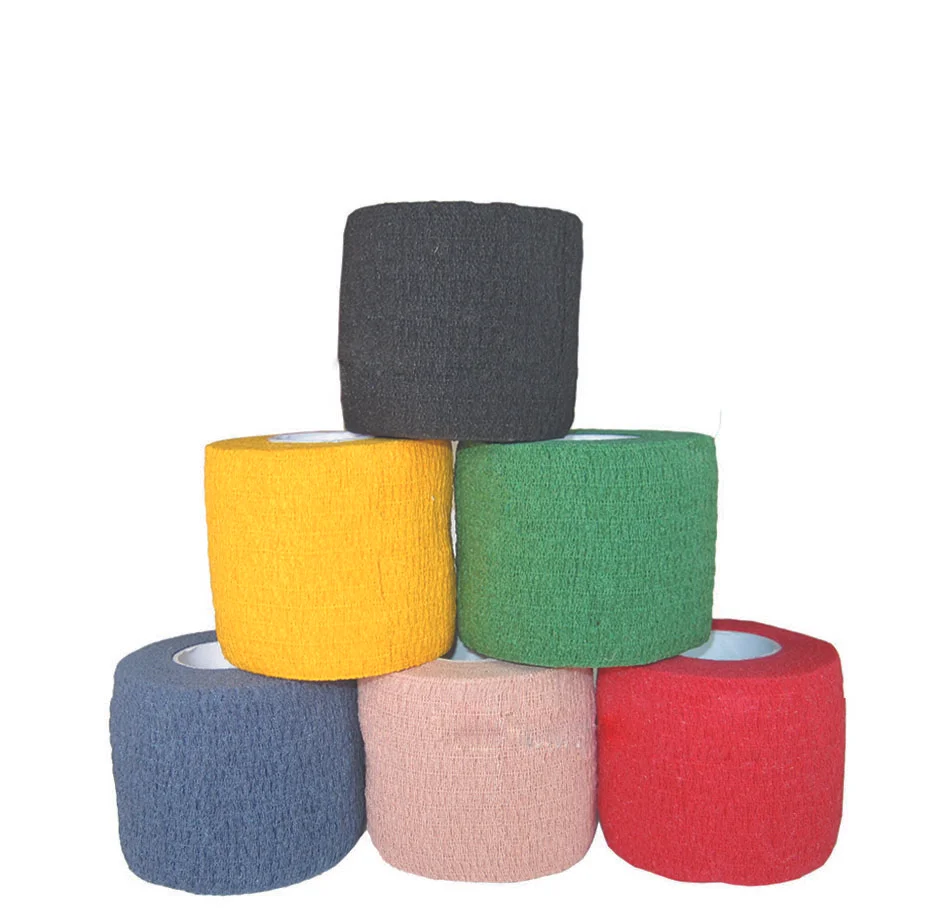
Self-Adherent Wraps (also known as Cohesive Bandages) are made by wrapping a bandage around the wound before joining its two ends together, forming a figure eight shape.
The advantage of cohesive bandages is that they stick to themselves and not to the skin or hair of the patient. This makes them one of the most comfortable bandages for wounds, particularly in cases where there is frequent dressing replacement. They have many applications in trauma, sports medicine and even in veterinary care because of their versatility and safe attachment.
The Cohesive Technology Workings.
The material is elastic and is lightly coated with a self-adhesive material. The layers come together, trapping dressings when wrapped, without the use of clips or tape.
The teams involved in procurement are usually concerned with three specs:
- Stretch recovery (its compression-holding ability)
- Tear-by-hand capability
- Surgical sterility alternatives.
They do not stick to the skin therefore they protect delicate tissue and minimize pain when removing.
Application in Trauma/Emergency Departments.
In an emergency, every second matters. Cohesive bandages for wounds enable health practitioners to fix dressings quickly when they are approached with bleeding, swelling, or splinting.
They come in handy in high-motion joints such as the elbow or ankle where traditional roll may slip out of its place.
Typical applications of trauma are:
- IV removal pressure wrapping.
- Splinting fractures of suspicion.
- Firming bulky dressing on limbs.
- EMT response kits in the field.
Latex-Free Requirements
Some hospitals need latex-free alternatives because of the increasing allergy issues. Manufacturers also provide cohesive products that are made purely of synthetic substances to minimize the danger.
Sourcing managers tend to confirm:
- “Latex-Free” compliance
- Certifications of biocompatibility.
- Sweatproof or humidproof.
Veterinary and Field Use
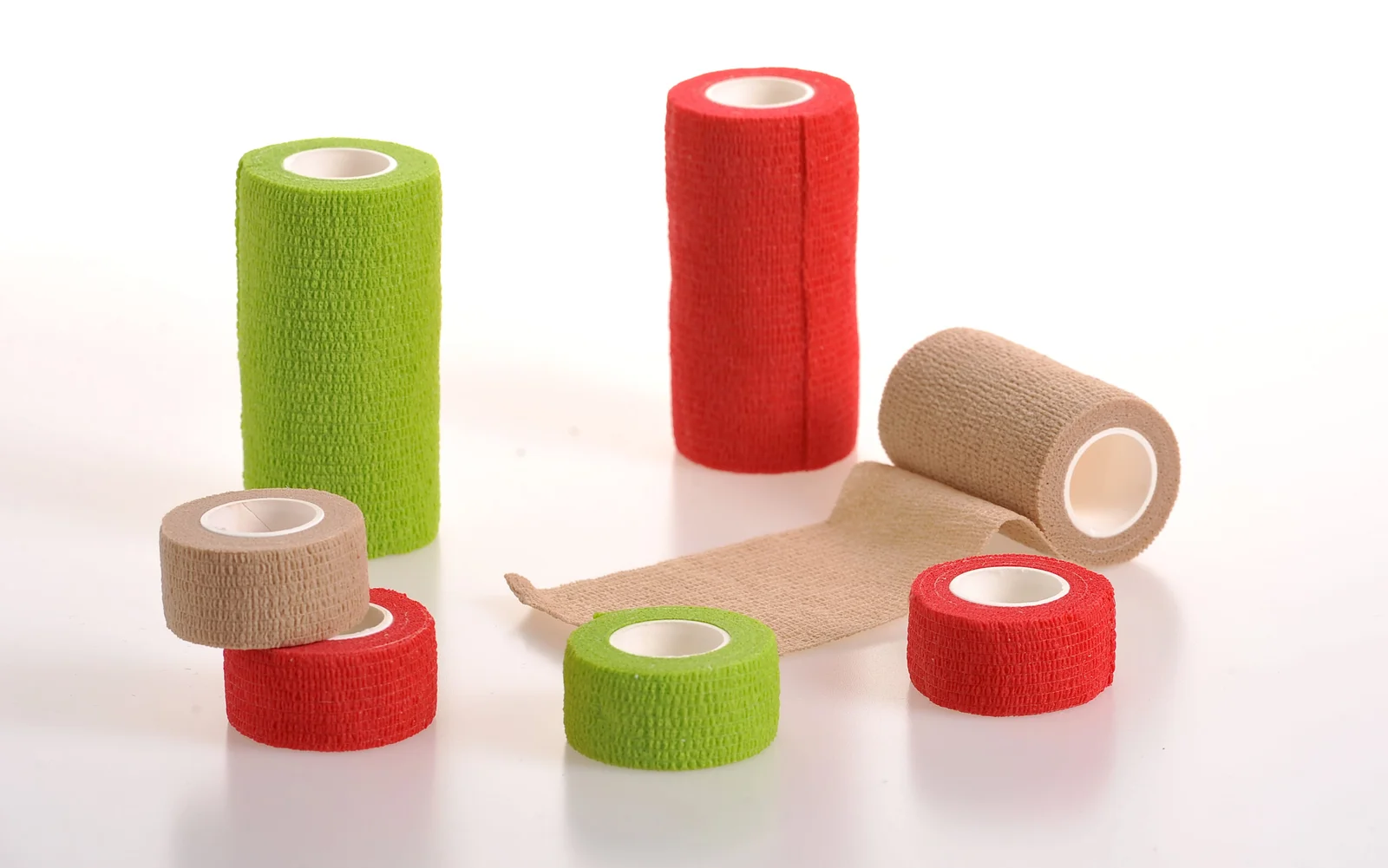
These bandages for wounds are used in veterinary clinics to wrap the paws, joints and tails without adhering to hair.
Military and humanitarian agencies also use them since they remain secure when they are on the move and in severe conditions.
Adhesive Bandages / Adhesive Strips (Combination Products)
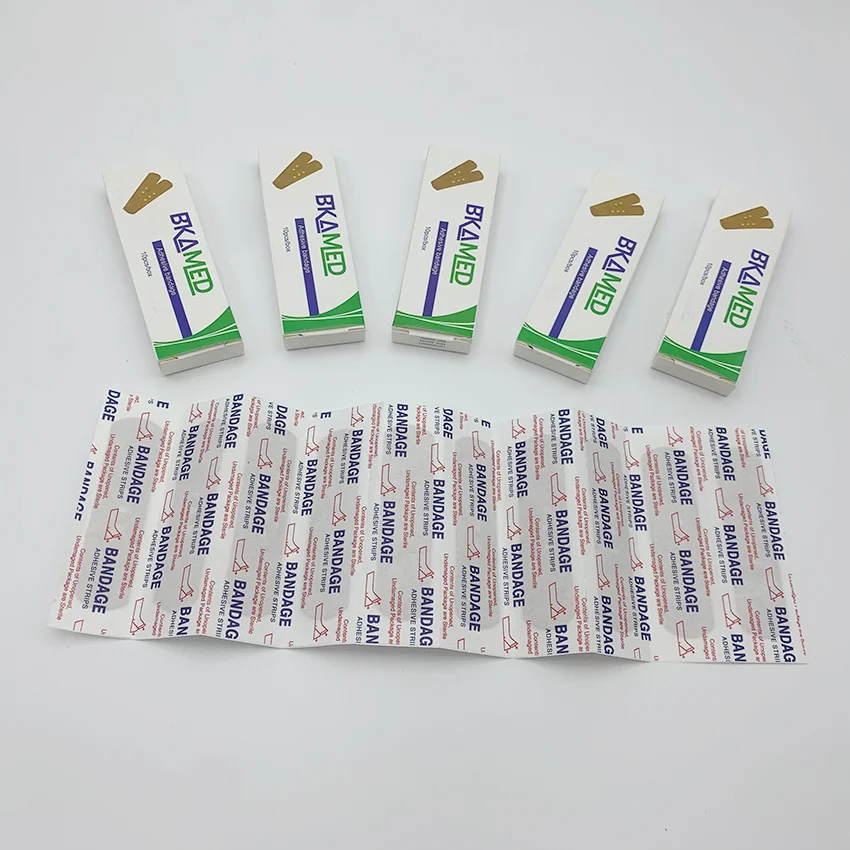
Adhesive bandages, also by various names such as plasters or strips have both the primary dressing and the securing action in a single product. They are too small than other bandages for wounds but are very convenient and therefore should be part of the outpatient and home-care bundle.
Here’s the thing: these products do not only secure a dressing but are the dressing itself. The central pad cushions and absorbs and the border is adhesive to keep the contaminants away.
Clinical buyers look at:
- The strengths of adhesive vs the skin sensitivity.
- Sterility requirements
- individual sterile packing for infection control
Clinical Limitations
Although they provide great protection to minor cuts, they are not ideal for bigger or surgical wounds. They are able to be lifted in the course of movement and others can be irritated with the adhesives.
Adhesive options are also non-reusable and would need frequent replacement in wet conditions.
Alternatives: Hypoallergenic, Fabric, Waterproof.
The requirement in procurement is different, so the manufacturers provide:
- Fabric strips which are breathable strips and flexible.
- Waterproof tape which stays on during washing.
- Hypoallergenic versions for sensitive skin.
- Novel shapes such as circle bandaids which are made for fingertips or edges of the wound that are uneven.
Since they act as sterile bandages of wounds, conditions of storage and expiry monitoring are of importance to hospital purchasing departments.
Are Band-Aids Good or Bad?
They are ideal in covering minor injuries, but not good for deeper wounds which need padding, drainage control or compression.
The leaders in procurement merely make sure that they supplement rather than substitute a complete inventory of bandages for wounds used to treat wounds in hospitals.
Orthopedic & Plaster Bandages
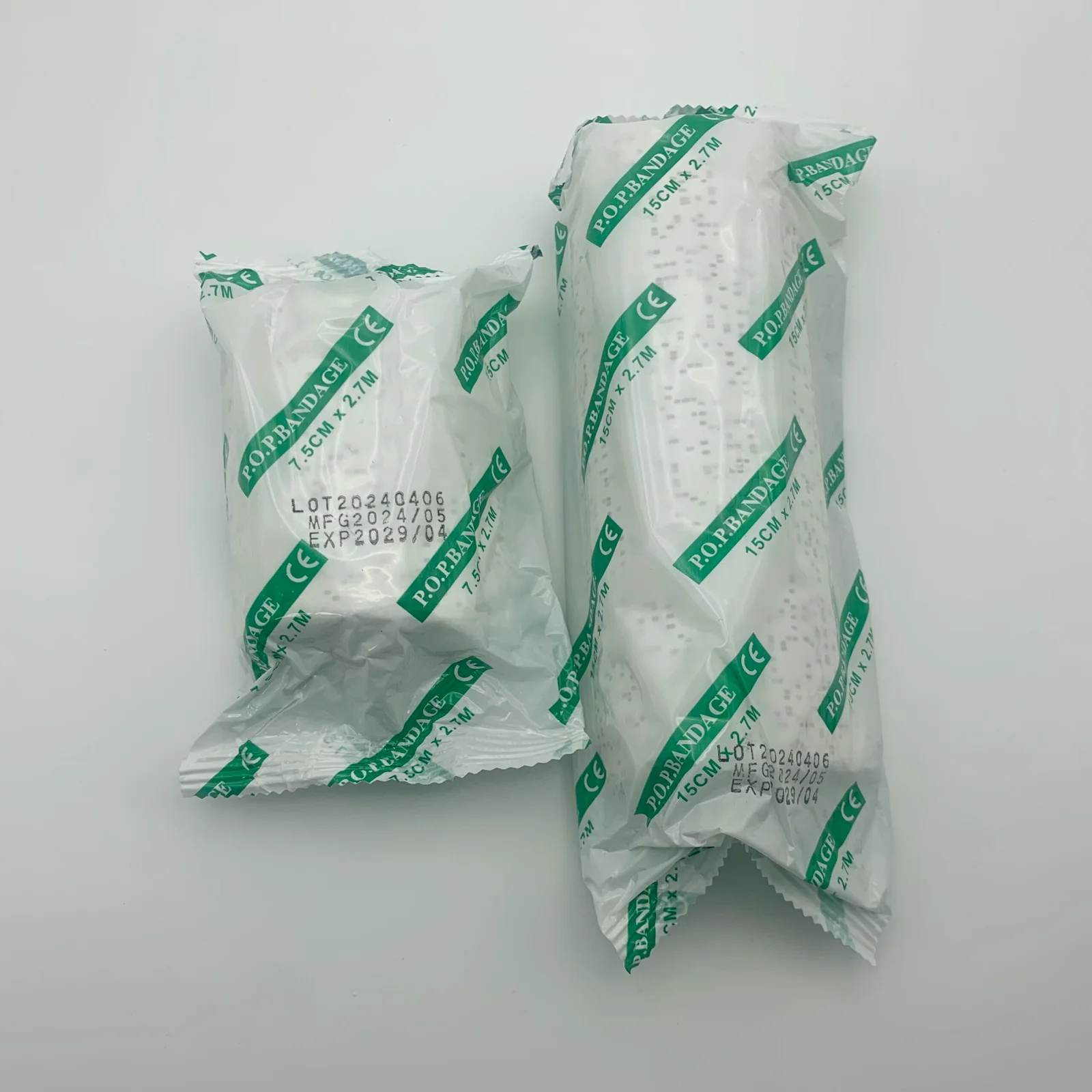
Pre-casting Preparation of the limbs is done with orthopedic bandages for wounds to support them before full cast. They do not directly cover the surface of wounds, but are still critical bandages for wounds in fracture management where wound dressing is still present.
Soft Padding Bandages
These padding strips are used to cover the limb prior to plastering or placing synthetic cast. Their use is to cushion bony points and enable small swellings without the development of pressure sores.
Some of the factors which must be considered during their sourcing include absorbency, softness, and bulk density.
Wool vs Synthetic Options
Traditionally, orthopedic padding was made from natural cotton wool. Synthetic options are now more prevalent as they dry quicker, maintain shape and cause less skin irritation.
Purchasers tend to use synthetics in order to reduce inventory cost and to have the same quality across lots.
Apply Under POP or Synthetic Casts.
Padding is done first, then Plaster of Paris (POP) or fiberglass cast material. This method stabilises wounds without disturbing dressings below the wound.
Such bandages for wounds also enable clinicians to remove or adjust casts without stripping the protective soft tissue of a healing site.
Special-Purpose Bandages
Some bandages for wounds are designed to fit specific situations where regular rolls or strips may not provide the required protection.
Trauma Pressure Bandages
To prevent major bleeding, pressure bandages are used to apply focal compression. They are essential in emergency packs and military kits and in response to mass catastrophes.
Most also have an in built applicator bar which makes it easier to apply the pressure in chaotic situations and it is also safer.
Eye Bandages with Inbuilt Tails.
In ocular injuries, the bandage should be secure without any pressure to the eye. The tail straps, which are inbuilt, assist clinicians to tie the pad around the head without much difficulty
Burn Retention Mesh Bandages.
Burn treatment requires unique handling. These mesh style bandages for wounds are not burn dressings. They are the dressing that protects the burn surface.
The mesh holds the dressing in place without sticking, allowing airflow and removal without pain.
This is a key difference that must be considered during procurement to avoid picking the wrong type of product.
Common Combination Products
Sometimes, a product does two jobs at once: acts as a dressing (in direct contact with the wound) and bandages for wounds (holds it in place).
These combination items can create confusion in tenders as the suppliers and buyers will often use the same words for different things.
Procurement teams that understand the difference should write tighter specifications to prevent costly mistakes.
Adhesive bandages (band-aid)
An ordinary adhesive bandage (the classic band-aid) is a small primary dressing with a light adhesive edge.
In a busy ward it falls off within the hours, retains moisture and conceals the first signs of infection.
Years ago, European infection-control groups took them off adult wards following a series of outbreak inspections that attribute them to poor visibility.
That said, paediatric departments still order spot-patterned or cartoon versions in millions due to the fact that children mutilate anything other than these.
Extra-large adhesive pads often mislabeled as “extra-large bandages”
Most online results show island dressing 20 × 30 cm or larger when you search for extra large bandages for wounds.
Now, these are primary dressings that have an adhesive border, rather than secondary bandages. They work brilliantly on post-op hip wounds or large skin-tear flaps, although the buyers need to be aware of what they are ordering.
A 30 x 40 cm adhesive pad can not hold a separate dressing on a moving joint; it will roll and break in less than a day.
Specification trick: Use the phrase “non-adherent pad with adhesive border – minimum 400 gsm absorbency” in case this is what you really need to get the right order.
Liquid bandages
Is Liquid Bandage Safe For Open Wounds?
Not for anything deeper than a paper cut as per infection-control committees in Europe and North America.
Cyanoacrylate glues (medical-grade, Dermabond) is a sterile product that is acceptable in clean, low tension surgical wounds, but it should never be applied to contaminated and exuding wounds.
Consumer liquid bandages (New-Skin, etc.) still do even worse, as it traps bacteria and slows down the healing of anything that bleeds more than a drop.
Some published case series reports of burns units indicate that delayed infections occurred when partial-thickness wounds were treated with liquid bandage by the staff members.
Bottom line to institutional purchasers: liquid bandage should be used only in cases of theatre closure of small incisions. Never have liquid products on a general ward.
Transparent film dressings with integral securing borders
They are formed of thin sheets of polyurethane, attached at their edges (Tegaderm, Opsite, Hydrofilm), which lie directly on the dressing/bandage edge. They also cover clean healing wounds or IV sites, while letting staff see everything under them.
Choosing The Right Bandages For Wounds In Different Settings
Choosing the right bandages for wounds may seem like a simple decision but within clinical practice, the decision has many variables including; different patient needs, types of wounds, drainage levels, mobility needs, and risks of getting infections which all demand different solutions.
By understanding such differences, procurement teams are able to ensure that hospitals get the right products that support effective and predictable healing outcomes. This section discusses how to make such decisions with confidence.
Matching Bandages for Wounds to Dressing Types
All injury treatments start with the dressing. As we’ve already established, dressings come into direct contact with the wound while bandages for wounds keep the dressing in place and also add protection. Therefore, the choice of bandages for wounds will always start with the type of dressing being applied.
The following are typical combinations in the healthcare field:
| Dressing Type | Clinical purpose | Best Suited Bandage |
| Absorbent pad for High drainage | Manages heavy exudiate and protects the wound | Elastic wrap or gauze roll bandage |
| Foam dressings | Comfort cushioning for pressure and friction | Soft cohesive bandage |
| Film dressings (transparent) | Moisture barrier for minor wound | Minimal or no external bandage in most cases |
| Alginate dressings | Deep wounds with heavy drainage | Wrap bandages for wounds securely to prevent leakage |
| Post surgical dressings | Sterile protection for fresh incision | Sterile wrap bandages for wounds |
The right combination can support the dressing’s goals instead of working against them, which is often the case when the wrong combination is used. It also minimizes the dressing changes due to slippage or low adhesion.
Specifications are important in procurement. For instance:
- Large dressings are better supported with a larger bandage.
- Stretchable bandages or cohesive bandages are more compatible with contoured body parts.
- Some situations, like when there is direct exposure risk, need sterile packaging
In case a facility has a high number of postoperative cases, it may be necessary to order more sterile bandages for wounds. Meanwhile, outpatient clinics that have less significant injuries may use cohesive wraps or adhesive bandages.
Selecting Bandages Based on Wound Exudate Levels
Wound fluid or exudiate is one of the largest determinants when choosing bandages for wounds.
When the drainage is high, the bandages should be absorbent, supportive, and capable of supporting a thick dressing. In cases of low drainage, lightweight bandages for wounds which enhance the movement of the patient would be more appropriate.
Here’s a simple table to follow
| Exudate Level | Clinical Needs | Recommended Bandage Features |
| Low | Dressing stays mostly dry | Light, breathable cohesive bandage or adhesive wrap |
| Moderate | Avoid leakage and dressing shifts | Elastic or woven gauze bandages |
| High | Maintain secure compression | Strong support bandages for wounds with multiple layers wrapping techniques |
In case of large traumatic injuries, hospitals can order large bandages for wounds to be used on the wounds to cover the area completely. These are especially needed in emergency and surgical units.
Another point to note: Increased exudate requires healthcare personnel to watch the risk of infection. A supportive bandage ensures that the dressing is in place to prevent any fluid escaping and contaminating the surrounding tissue or bedding.
The right decisions reduce the number of complications, minimize the dressing change frequency, and help control the cost.
Bandage Choice in Infection Control Protocols
Bandage decisions in a variety of clinical settings (such as operating rooms, intensive care units and wound-care settings) are influenced by infection control.
Here’s what matters most:
- Sterility. Certain environments will only admit sterile bandage packaging so that no external contamination is made.
- Breathability. Exchange of oxygen aids in healing and lessening of moisture accumulation.
- Low-lint design. The fibers are not supposed to shed into or around the dressing.
- Secure coverage. bandages for wounds should shield the wound from physical disturbance and bacteria.
When clinicians notice the first sign of contamination, they will review their whole wound-care plan, including the kind of bandage applied.
A common misconception outside clinical practice is that adhesive strips can automatically protect against infection. This leads to questions such as are bandaids good or bad when dealing with more serious wounds.
Naturally, the adhesive strip products are perfect with simple wounds, however, hospitals dealing with complex wounds should pay more attention to the purpose-made bandages for wounds which are more protective.
Recommended Combinations (Dressing and Bandage)
Because bandages for wounds have the primary role of supporting dressings, the choice of bandage is done with the dressing in mind
Below are some of the most common and trusted combinations that assist procurement teams in order to simplify the process of ordering supplies:
Foam dressing and cohesive bandage
- Provides comfort for pressure point, joint, and supports frequent movement zones.
- Also holds the dressing in place and cushions.
Alginate dressing and Elastic wrap bandage
- Best for deep wounds with excessive drainage.
- The compression reduces leakage and movement.
Hydrocolloid dressing and minimal secondary bandage.
- Ideal for surface wounds whose healing is predictable.
- A light wrap is only required in moving areas.
Post-operative dressing. And sterile gauze dressing
- Is required in managed clinical settings.
- Supports infection-prevention standards.
In trauma care or emergency response, this choice may be one that saves a life. This is where a product like a triangular bandage becomes useful. It can freeze body parts, hold up heavy dressings, and cushion cuts until permanent care is provided.
Below, we’ll now look at how patient groups and environments affect bandage choice.
High-Risk Patients (Vascular Disease, Diabetes)
Some patients experience poor circulation and delayed healing. These wounds have the advantage of having stable and protective coverage that reduces friction and keeps the dressing in contact with the wound.
Considerations of bandages for wounds:
- Increased breathability to decrease maceration of the skin.
- Easily adjustable tension to avoid inhibiting the flow of blood.
- Soft materials to protect fragile skin.
Due to the fact that minor trauma may easily escalate to serious levels in such patients, hospitals are more inclined to use stronger bandages for wounds in place so that the clinical dressing is in the right place.
Procurement should make sure that materials used in changing are safe and would not cause irritation to the sensitive tissue.
Pediatric Considerations
Children move more. They pull, twist, and sometimes remove wound coverings out of curiosity.
For pediatric supplies, hospitals often select:
- Hypoallergenic cohesive wraps.
- Softer elastic bandages for wounds
- Breathable materials to prevent heat retention.
- Bright or attractive designs to promote compliance.
A bandaged wound should remain in place even through active play or discomfort. Smaller sizing and soft adhesive should also be considered during procurement.
Clinicians may also prefer combination products for small scrapes and cuts as it is quicker to apply and replace.
Field vs. Hospital Conditions.
There is a great disparity between wound-care needs in the profession and within a regulated healthcare institution.
| Setting | Bandage Priority | Product characteristics |
| Hospital | Infection control and stability | Sterile packaging, multi layer wraps |
| Ambulance/Paramedic use | Speed and adaptability | Cohesive wraps, triangular bandages for wounds, adhesive pad bandages |
| Remote clinics/NGOs | Long-term durability | High strength gauze rolls, minimal adhesives |
| Military/ disaster response | Mobility under strain | Strong elastic wraps, tear resistant fabric |
In emergencies, caregivers need bandages for wounds that:
- Can support large dressings
- Remain safe in a state of high velocity.
- Provide easy implementation using a few tools.
This is the reason why triangular bandages forwounds are still essential to field responders. They are used as slings, limb stabilizers, or secondary wound protection pending more advanced care.
Versatility is an important element beyond non-controlled hospital settings.
By bulk buying bandages for wounds, hospitals are not merely buying roll fabric, they are ensuring the patient heals, is safe, and comfortable.
When procurement teams collaborate with manufacturers that include specifications and quality assurance forms, the cost is lowered not due to lower-cost materials, but due to the decrease in complications and improved patient care.
Best Practices, Safety, and Storage for Bandages for Wounds
Bandages for wounds accomplish much more than just holding things. They are important in clinical settings in determining the success of wound healing, patient comfort, mobility, and infection control. Whenever healthcare facilities purchase bandages for wounds in order to treat wounds, they are making an investment in products that have to perform every time they are applied.
This part expounds upon the real-life issues involved with the proper use of bandages for wounds, including application and storage. This is aimed at assisting the procurement and medical teams in making well-informed decisions to mitigate risks and improve care outcomes.
Applying a Bandage Correctly
Applying a bandage may seem easy; however, the technique should be taken into consideration. When bandages for wounds are placed with the right tension, direction, and coverage, they help in dressing security and provide controlled support.
Basic bandaging steps
- Start by washing your hands and using sanitized gloves so as to reduce contamination.
- Make sure that the dressing under is lined up and is lying flat.
- Begin to wrap at the thinnest end of the limb, and toward the broader bottom.
- Use uneven tension and overlap each layer by approximately half of the bandage.
- Tie the bandage without over-tightening.
- Check circulation and comfort immediately.
This is achieved by smooth application that is less frictional, no displacement of dressings, and minimization of patient complaints of tightness or skin pinching.
There is one more thing to take into consideration: bandaging must not be in a hurry. Rapid wrapping is known to form wrinkles and leave regions of dissimilar compressions, both of which may cause problems.
Preventing Circulation Restriction.
There is a difference between a secure wrap and a tight wrap. When bandages for wounds compress too aggressively, they restrict blood flow. This retards healing and creates risks of tissue damage. Early warning signs to be checked by healthcare teams should always include:
- Coolness of skin beyond the wrap.
- Tingling or numbness
- Pale skin or skin turning bluish, purplish.
- Patients become more uncomfortable after the wrap.
A simple safety test will prove to be safe: press a fingernail or skin outside the bandage briefly and ensure that the color returns in two seconds. Otherwise, the bandage is to be loosened.
In the case of procurement teams, they can ensure that elastic bandages for wounds have standardized stretch properties and are clearly labeled to minimize the risk of circulation-related accidents.
Ensuring Secure but Breathable Coverage.
A bandage that constantly slips forces rework of the wound region over and over again- and each time a bandage is rewrapped, the chances of contamination increase. At the same time, tight coverage or use of materials with poor ventilation may impair the integrity of the skin.
Health institutions have the advantage of organized selection criteria
Attributes of a safe and breathable bandage.
- Good elasticity without excessive rebound
- Air-porous materials.
- Construction that is skin-friendly to prevent irritation.
- Reliable means of fastening (clips, adhesive layers, or adhesives).
Elastic-woven and cotton products are trusted to provide orthopedic and general care requirements. Cohesive bandages for wounds are able to provide a consistent tension with little slip, which is very useful in emergency and surgical practices.
The more the breathability, the less the risk of sweat accumulation and unpleasant odor issues; problems that can otherwise force unnecessary dressing changes
Preventing Cross-Contamination in Bandaging.
Cross-contamination is one of the major concerns in any environment where bandages for wounds are applied on a repetitive basis- particularly in large throughput hospitals.
Important infection-prevention measures are:
- One-time use of any bandage that has been in contact with body fluids.
- Not storing half-used rolls in carts where they gather dust or come into contact with other surfaces.
- Whenever there is any bandage deterioration or if the bandage is soiled, it has to be replaced as soon as it happens.
- Proper disposal procedures to eliminate contamination of clean zones.
Cohesive bandages, which do not need clips or pins, are less likely to carry pathogens because of the reduced number of components. Rolls that are individually wrapped further enable facilities to have a sterile handling prior to use.
Employee training is still important. Bandaging products perform safely when the individuals who handle them are aware of the dangers of contamination and observe the correct working procedures is safe to use.
Sterile Bandages for Wounds
Sterility is not a choice; it is mandatory in certain situations. A wound dressing bandage assists in making sure that nothing comes into contact with the dressing surface, which may bring new contaminants. These products are normally applied as soon as surgery is done, when changing the dressing in the intensive care environment, and in immunocompromised or high-risk patients.
Sterility is maintained through sealed packaging and validated manufacturing facilities. However, the sterile products are meant for single use only. Re-using, even under controlled conditions, defeats the purpose of their existence.
When Sterility Matters Most
Sterile bandages for wounds will be especially critical in:
- Open surgical wounds
- Deep or tunnel wounds
- Acute traumatic injuries that demand urgent protection.
- Patients with a weakened immune system.
A common method of standardizing sterile stock used by hospitals and NGOs is based on the type of wound that is commonly treated in their institution. This is so that it will always be fast when there is urgency.
Packaging indicators for Procurement Teams
The procurement experts should look at:
- Labeling that clearly states “sterile”
- Visible and protected expiry dates.
- Lot traceability for safety audits.
- Tamper-evident packaging
- International certification marks or compliance marks.
Collaborating with a reputable producer would minimize the risks of the failure of packaging or inadequate sterility certification.
When Large Bandages for Wounds Are Required
Standard sizes are not always enough. Bigger coverage is necessary in case of complex trauma, large surgery sites, or extensive skin trauma. Under such circumstances, the facilities resort to extra large bandage to the wound that offers greater support and stability to broader areas.
The bigger formats also reduce the number of rolls needed per patient, which will assist to minimize waste and accelerate the clinical processes when it comes to emergency cases.
The Wounds that are too big to be of regular size.
Large lacerations, orthopedic casting, or burns usually stretch far beyond the area of most bandage widths. Multiple small rolls increase seams and compression disproportion.
Extra-large sizes:
- Provide faster coverage
- Enhance patient handling time.
- Lessen annoyance of overlaying edges.
They are also used to increase stability where the patients need to be mobile shortly after treatment.
Trauma and Emergency Departments.
In a fast-paced ER, speed is everything. Cohesive or high-stretch wide bandages for wounds enable clinicians to fix major dressings fast, especially when dealing with fractures, crush injuries, or excessive bleeding.
Storing larger format in disaster-relief kits or ambulance inventory ensures readiness during high casualty incidents whereby the location and size of wounds cannot be predicted.
Procurement Quantity Planning
Orthopedic or post-operative hospitals that make higher volumes of such cases normally estimate consumption as per:
- Department caseload volume
- Bandage width distribution requirements.
- Projected spikes in emergency.
Forecast-based purchasing helps to avoid too little and too much because at times, products might expire before they can be utilized.
Storage, Shelf Life, and Operational Readiness.
In addition to the way in which bandages for wounds are applied, the storage conditions have a strong influence on reliability. The rate of degradation of materials increases with exposure to heat, humidity, or sunlight.
Storage recommendations
- Store in a dry and well-ventilated room.
- Boxes should not be stacked close to the walls to ensure that there is no build-up of moisture.
- Keep sterile and non-sterile inventories in different stores.
- Monitor expiry dates during rotation of stocks (FIFO policy)
Barcode-based systems are often applied in hospitals and relief organizations to maintain the inventory in order and make sure that the sizes in demand are available in times of emergency.
Good supply chain relations also enable quick replenishment in a situation where the demand changes without notice.
Bandage safety is the responsibility of procurement experts who select the appropriate products and clinicians who use them in the most appropriate manner. Once both parties agree on the performance specifications, breathability, sterility, security, and appropriate sizing, the patient outcomes will improve significantly.
Common Procurement Mistakes When Ordering Bandages For Wounds
Procurement teams operate under a lot of pressure. The orders should be timely and should comply with regulatory standards as well as assist the needs of clinicians in various departments. But despite the good intentions, mistakes still do occur. The errors can result in the waste of products, whereas others may have a direct impact on patient safety.
In this section, we consider the pitfalls most frequently encountered by healthcare facilities in procuring bandages for wounds and some of the ways to circumvent them in terms of better planning and product knowledge.
Confusing Bandage and Dressing.
This happens to be the one most important problem in wound-care Procurement. A variety of suppliers use the terms interchangeably, and some online catalogs incorrectly misclassify products.
As we already established earlier in this article, dressings come into contact with the wound directly and protect it, absorb exudate, and maintain a healing environment, while a bandage secures the dressing and provides support and compression
The confusion between the two will result in non-matching clinical workflow orders. For instance, a department can be in dire need of bandages for wounds, yet it receives gauze pads that require a separate securing product.
This error is commonly seen to lead to:
- Delays in changing the dressing.
- Ordering excess adhesive tape or strips.
- Waste of money due to the acquisition of the wrong category.
Training helps procurement staff with terminology.
As a good rule of thumb, procurement teams need to understand that: when it touches the wound, it is a dressing; when it fastens the dressing, it is a bandage. Any purchase requests and approvals must be based on that distinction.
Overlooking Material Quality Standards.
Not all bandages for wounds are the same. Some have differences in weave, elasticity, breathability, and skin-friendliness, which can have significant effects on patient comfort and clinical outcomes.
Common procurement oversights involve:
- Using inexpensive, shedding fiber material.
- Choosing bandages for wounds with low stretch recovery.
- Disregarding product test data provided by the manufacturer.
- Not verifying hypoallergenic performance.
Although it might sound small, even little differences in the quality of materials influence:
- Dressing stability
- Skin irritation risk
- Durability in long-term immobilization.
- Moisture management under the bandage.
High-quality bandages for wounds provide consistent tension, and they are able to be left longer. They also minimize the reapplications required during a shift and reduce the cost of labor.
Procurement teams should always validate:
- Textile density and elasticity specifications.
- Biocompatibility test certifications
- Edge finishing (loose thread can lead to loss of sterility)
- Cohesive vs adhesive benefits based on department.
When hospitals conduct trials on mass orders, they usually find that buying a slightly higher price per roll results in reduced product failures and replacements in the long run.
Buying Non-Compliant Products For EU/US Hospitals.
There are many differences in the regulatory requirements of wound-care consumables. Healthcare institutions that provide wound dressings to Europe, North America or other humanitarian exercises abroad should be strict in adherence.
Typical situations of compliance errors:
- Selling products to European hospitals that do not have CE Mark.
- Missing FDA listing for facilities in the USA.
- NGOs’ Audits that are not fully documented.
- Absence of traceability labels that are necessary when importing medical products.
Such errors may have expensive impacts like rejection of shipments, fines, or even compelled dumping of shipments at customs.
Procurement should review:
- Certification of manufacturers (ISO 13485, GMP documentation)
- Traceability information (batches of production, lot number)
- Destination-based language requirements on packaging.
- Adherence to local procurement structures or insurance regulations.
Collaboration with manufacturers like BKAMED that are aware of global standards can minimise risk. It also safeguards the healthcare providers who cannot afford delays particularly in a trauma unit or field hospital.
Incorrect Sizing for Pediatric vs Adult Wards.
During procurement, sizing is not always the first thing on mind until things go wrong.
Ordering adult sizes may lead staff to cut down rolls, which:
- Wastes material
- Increase the risk of loose edges.
- Causes unequal stress on small limbs.
Children often require more tender and narrow bandages for wounds to minimize pain and limit the possibility of circulation restriction. Additionally, pediatric wards require a bright label on the wrapper to help speed up identification during busy dressing rounds.
Conversely, surgical units, trauma wards, and orthopedic departments often need larger limb support in wider roll or compression-based designs.
Creating a sizing plan helps:
- Minimize the stock-outs of special sizes.
- Allocate the inventory to the different departments.
- Have consistent rates of consumption.
The easiest way is to classify the departments into:
- High adult size demand; orthopedic, emergency, and surgery.
- High Pediatric-size demand; neonatal, pediatric surgery, and burn units.
The right width improves efficiency and patient experience. It also reduces the unwarranted re-rolling that may affect sterility.
Disregard of Shelf Life and Packaging Requirements.
Bandages for wounds are not the products that expire quickly, but they have a shelf life. With the passage of time, material elasticity is destroyed, adhesives are weakened, and sterile packaging may fail.
The most widespread errors are:
- Purchasing excess that the facility will not be able to use before it expires.
- Poor storage of rolls (humidity, sunlight, heat).
- Not noticing ruined outer boxes at the time of delivery.
- Ignoring tamper evidence on steriles.
The procurement can avoid the losses by having the following inventory controls, which include:
- FIFO (First In, First Out) rotation.
- Monthly shelf-life checks.
- Digital scanning for expiry date.
- Storing sterile items in isolated and closed containers.
Packaging is also an issue in terms of operational readiness:
- Individually wrapped rolls minimize the chances of contamination.
- Vacuum-sealed packs conserve space.
- Sturdy outer boxes avoid being squashed during delivery.
When bandages for wounds are compromised, staff lose time replacing them and hospitals lose money through wastage.
Small procurement errors can trigger significant consequences to patient care. Definitive terminology, confirmed compliance, intelligent sizing, and rigid shelf-life management all work together to ensure that every bandage contributes to safer wound management.
Quality Indicators to Look For in a Reliable Bandage Manufacturer
Medical centers and charities depend on effective suppliers to provide them with the daily wound-care necessities. The lowest price is not all that is required by procurement teams, they must have the assurance that the products supplied will work well in the various clinical settings.
That’s why before committing to a long-term contract, it is necessary to assess the quality indicators of a manufacturer.
In the case of bandages for wounds, it is not only about the appearance of the product. It is also about the way it is fabricated, the degree to which it shields the dressing underneath, and the degree to which it is able to repeat that performance on a large scale.
These are the key aspects that decision-makers must evaluate when choosing a supplier as well as how reliable manufacturers such as BKA MED are able to address those expectations.
International Certifications (CE, ISO, FDA)
One of the clearest indicators of safety and performance concern in a manufacturer is regulatory compliance. In Europe and North America, certification is not a matter of choice, but rather a necessity of the facilities.
The major certifications that the procurement teams should seek to obtain are:
- ISO 13485 (Quality management system for medical devices)
- CE Marking (required in EU markets)
- FDA Registration / Listing (US required)
- Good manufacturing practices (GMP Documentation).
These certifications attest to the fact that:
- Manufacturing processes are Auditing or Auditing.
- Traceability from raw materials to finished products.
- The products are in line with the performance requirements of clinical use.
BKA MED has won and retained all the key regulatory permissions needed to distribute internationally. That means that bandages for wounds delivered to the hospitals of Europe, the U.S and Africa, all comply with the high standards of quality and safety. In companies that operate in areas with stringent importation regulations, this gets rid of expensive compliance lags and rejection of products.
Consistent Weaving, Elasticity, Adhesive Strength
A bandage might look simple but there are several engineering features that influence patient outcomes and convenience. When hospitals evaluate supplier samples, areas that should be tested and documented include:
Weaving Quality
- Needs to be uniform to avoid pressure points.
- No loose cotton fibers which might shed into the environment.
- Smooth contours to make it comfortable over time.
Elasticity
- Stretch should be consistent throughout the length.
- Tension recovery should allow for secure placement over time.
- Should not be too tight as it may cut off blood flow.
Adhesive and Cohesive Performance.
- Adhesive bandages for wounds should be able to adhere firmly and not to harm the skin.
- Cohesive bandages for wounds should not slip onto the surfaces.
- Performance must remain reliable even when the users are on the move.
High quality bandages for wounds hold dressings securely but still allow air to go through the dressing to minimize skin maceration. The material must not be too rigid as it will cause discomfort; it must not be too loose as the dressing will have to be changed regularly.
BKA MED prioritizes textile control starting with yarn selection up to the final inspection. Their high production lines guarantee:
- Controlled stretch in elastic bandages for wounds.
- Medical grade adhesives tested for biocompatibility.
- Consistent performance across all batches.
To procurement teams, it translates to fewer complaints by clinical staff and less bandages for wounds wasted in the process of application.
Global shipping Packaging Quality.
Packaging is often overlooked, but it is directly associated with sterility, usability, and the integrity of transportation. Medical institutions operating in various locations require a solution in the form of packaging that will prevent the dampening and contamination of bandages for wounds as well as crushing.
Quality packaging must offer:
- Individual wrapping for sterility
- Proper labels on the products in various languages.
- Strong cartons that are not easily damaged by dampness and weight.
- Traceable batch and expiry labels for inventory control
Packages for overseas delivery should also withstand:
- Long shipping durations
- Temperature shifts
- Repeated handling during customs clearance
BKA MED also has a strong export-grade packaging that ensures the good quality of the product from the factory and warehouse to clinical storage. Organizations that require unified product presentation in many locations are also offered customized branding and labeling.
Supply Stability for NGOs and Hospital Networks.
Large procurement programs, particularly ones that serve emergency response or national health systems, cannot afford any disruption in stocks. Lateness may cause shortages in situations when wound care is urgent (e.g. disaster relief deployment or high surgical volume units).
The following is what a stable supply appears like:
- Mass production capacity to meet large volume orders.
- Effective sourcing of raw materials to prevent production halt.
- Clear lead times are made in advance.
- Multiple shipping options to various parts of the world.
BKAMED provides large hospitals and aid agencies that work in different continents. Their established production lines mean that bandages for wounds will always be in stock even when faced with an unexpected influx of demand.
The advantages of procurement teams include:
- Consistent monthly distribution.
- Priorities to emergency orders.
- End to end visibility of shipments.
This consistency helps in facilitating easier planning, improved budgeting and uninterrupted clinical operations.
Customizable Specifications for Bulk Orders
The needs of each hospital department are different when it comes to bandages for wounds. Orthopedic units prefer strong elastic formats; pediatric units need soft, compact packages; field clinics prefer lightweight, quick-to-deploy packaging.
A great manufacturer should be able to tailor:
- Widths and lengths of rolls
- Cotton blend percentages for softness vs durability.
- Elasticity levels that are based on compression requirements.
- Adhesive strength based on sensitive skin requirements
- Sterile and non sterile alternatives.
- Private label packaging for distributors.
Instead of forcing healthcare providers to adapt to industry standard sizes, suppliers such as BKAMED enable customers to customize products to their caseloads and protocols.
Customization supports:
- Reduced material waste
- Better fitting and more comfortable patient care.
- Departmental congruency of design.
Bulk-order customization additionally enables the procurement groups to define the long-term supply strategies and improve cost controls by buying precisely what will be used.
Why BKA MED Is a Trusted Global Supplier of Bandages for Wounds
When hospital facilities buy bandages for wounds, they are not only purchasing mere medical items, but are keeping people safe, enhancing clinical outcomes, and helping to achieve safer healing. That’s why hospitals, non-governmental organizations, disaster-response units, and procurement managers seek to find a manufacturer they can depend on
BKA MED has spent years building trust through adherence to quality, consistency, and real-world clinical requirements as opposed to merely selling products.
What makes BKA MED stand out? Let’s break down the strengths that matter the most to modern healthcare systems.
Manufacturing Capabilities
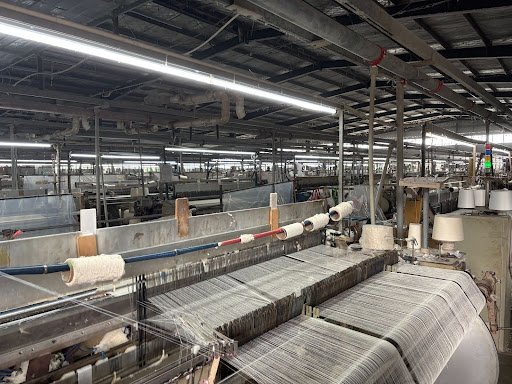
A reliable wound care supply chain begins with effective manufacturing. BKA MED has state-of-the-art production facilities that meet small and specialized orders for large-scale international procurement.
Here’s what that looks like:
- New weaving and non-woven assembly lines for consistent quality fabrics.
- High-tech medical adhesive-coating technology of medical tapes and wound bandage materials.
- Quality control checks from raw materials to the final sterile packaging inspections.
- Computerized cutting and rolling conveyor belts that minimize errors in production.
- Hospital-grade sterile environments.
This guarantees that all rolls, all packs, and all sterile wound dressings will work as intended in actual clinical circumstances, be it in the operating room, emergency or in the outpatient wound dressing.
BKA MED too has a scalable capacity. In high-demand times such as epidemics, natural disasters, or expansion of procurements, the amount of production increases without affecting the quality or schedule.
Product Portfolio (gauze, non-woven, elastic, plaster, tapes etc.)
Different injuries need different solutions. BKA MED supports this by providing a full selection of bandages for wounds: basic clinic version and the latest treatment materials:
- Gauze bandages
- Non-woven bandages
- Elastic bandages
- Adhesive bandages/plaster bandages
- Medical tapes
- Cohesive bandages for wounds
This variety assists the procurement departments in reducing supplier fragmentation. You can place various orders with various formats, sizes, and materials, but with a single trustworthy manufacturer. It is also advantageous to hospitals that have to attend to minor injuries to high exudate injuries.
And since everything is made to be comfortable, breathable, and have good adhesion, clinicians can apply quicker, and patients have greater safety cover.
Custom OEM/ODM Options
Many organizations prefer private-label supply or tailor-made specifications in order to align with the local protocols. BKA MED provides flexible services of OEM/ODM, allowing procurement managers to define:
- Bandage width, length or stretching ratio.
- Fabric material (non-woven, polyester blends and cotton)
- Adhesive type (hypoallergenic, strong-hold, no latex)
- Packaging language, branding, and labeling.
- Sterility options and packaging labeling needs.
This is especially useful in:
- Healthcare systems of countries that have strict regulations.
- NGOs with large orders for several regional programs.
- Standardization of supplies by hospital networks to provide uniform care.
- Emergency kits requiring space-efficient, rugged packaging.
Whether a client requires extra large bandages for wounds, pediatric, or bulk-packed trauma solutions, BKA MED guarantees that the product fits the clinical need
Logistics for Europe, North America, and Africa
Products of high quality have little meaning when they are not able to arrive at the facility in time or in a safe manner. BKA MED supports global distribution with efficient logistics systems that are aimed at matching international procurement demands:
- Adherence to EU (CE) and the U.S. (FDA) market requirements.
- Safe containers built for long-distance cargo.
- Multimodal shipping options: sea and air.
- Transparent documentation for customs clearance .
- Forecasting and planning supplies to avoid stockouts.
This would make BKA MED a perfect partner for :
- National medical supply distributors.
- Hospital groups that operate in multiple countries
- NGOs that deliver wound-care items to crisis or distant areas.
In Europe, where regulatory-sensitive markets exist and in African field hospitals when denying patients the life-saving service is unacceptable, BKA MED ensures that supplies flow smoothly, continuity of care is assured where it counts.
The quality of products offered by BKA MED, its diverse products, safety and all-around logistics precautions is why the company has remained trusted in various parts of the world.
Better Supplies, Better Healing
All healthcare facilities pursue the same goal, which is clean wounds, safe coverage, and quick recovery of every patient. That is why the selection of a proper bandage to treat wounds is critical
We’ve discussed the best practices, size decisions, the need of infection-control measures, and the main standards that separate high quality bandages for wounds and poor substitutes. When procurement is done right, patients feel the difference.
That is where BKA MED stands off. We combine reliable manufacturing with smart packaging and strict certifications for global distribution. Whether you require sterile bandages for wounds, extra-large trauma supplies, or customized orders, our team will take care of it. With quick delivery to hospitals and NGOs worldwide, you get the supplies you need before shortages impact patient care.
If you’re looking to improve your wound-care procurement this year, contact us ar BKA MED to get a quick quote.
