
It’s very important to know the specifications of gauze rolls when choosing the right gauze for clinical or surgical use. Each medical gauze roll technical specs, such as its thread count and weave density, affect how well it works in wound care. The gauze roll thread count and ply have a direct effect on how absorbent, soft, and strong it is. Therefore, these are important quality indicators, too.
This guide will inform you everything you need to know about specifications of gauze rolls, such as the type of weave, the level of sterility, and the uses. After knowing these, you can confidently choose gauze rolls that meet strict medical standards, enhancing patient safety.
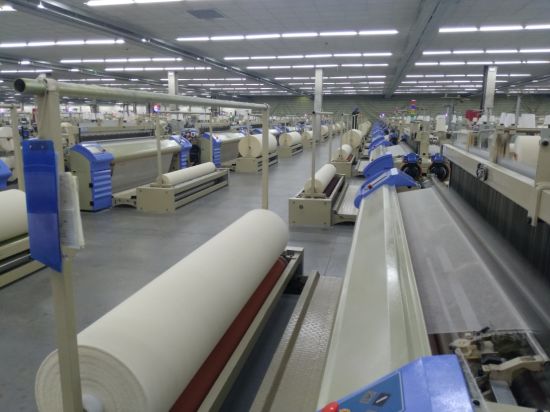
What are Medical Gauze Rolls
To make the right buying choices, you need to know exactly what the specifications of gauze roll are and how each one affects performance. A medical gauze roll is a soft, absorbent fabric, usually made of cotton or a blend of cotton and other materials, that is used to protect wounds, stop bleeding, and help them heal.
The medical gauze roll technical specs tell you how absorbent, soft, strong, and breathable they are, which are all important for safely caring for wounds. The materials and structure of gauze rolls are different. You can often find 100% cotton gauze roll supplier products that are made to be very absorbent and not cause allergies. Woven gauze rolls last longer and don’t leave lint behind.
Non-woven rolls are softer and better for sensitive skin. Knowing the gauze roll thread count and ply helps you choose the right roll for each medical procedure, which keeps patients comfortable and makes the clinic run more smoothly. If you know the specifications for gauze rolls, you can be sure that every roll you order meets the standards for quality and safety, whether you’re stocking up for a hospital, dental, or surgical use.

What Does Thread Count Mean?
When looking at the medical gauze roll technical specs, the gauze roll thread count and ply are two of the most important things to look at. The number of warp and weft threads woven together in a square inch of fabric is called the thread count. A balanced and even thread count in medical gauze makes it strong, long-lasting, and good at soaking up liquids.
The usual sizes for gauze rolls are 19×9, 24×20, or 28×24. A higher thread count means a tighter weave that keeps lint and fibers from coming out, which is important for surgical and wound packing. But if the weaves are too tight, they can make it hard to breathe.
That’s why you should always make sure that the gauze thread count for surgical use matches the clinical setting where it will be used. For instance, open-weave gauze with lower counts is good for taking care of wounds in general, while high-count sterile gauze is best for surgical fields.
You can also see that the thread counts has a direct effect on the gauze roll weave density. A uniform weave keeps fluids in and stops particles from moving into wounds. When comparing brands, make sure to check the specifications of gauze roll to make sure the count and weave are the same.
BKAMED is a reliable 100% cotton gauze roll supplier. They make sure that every roll works the same by keeping the thread calibration and quality control very precise during production. Knowing the gauze roll thread count and ply lets you confidently judge its quality, which is important for getting the best results and keeping patients safe with every use.
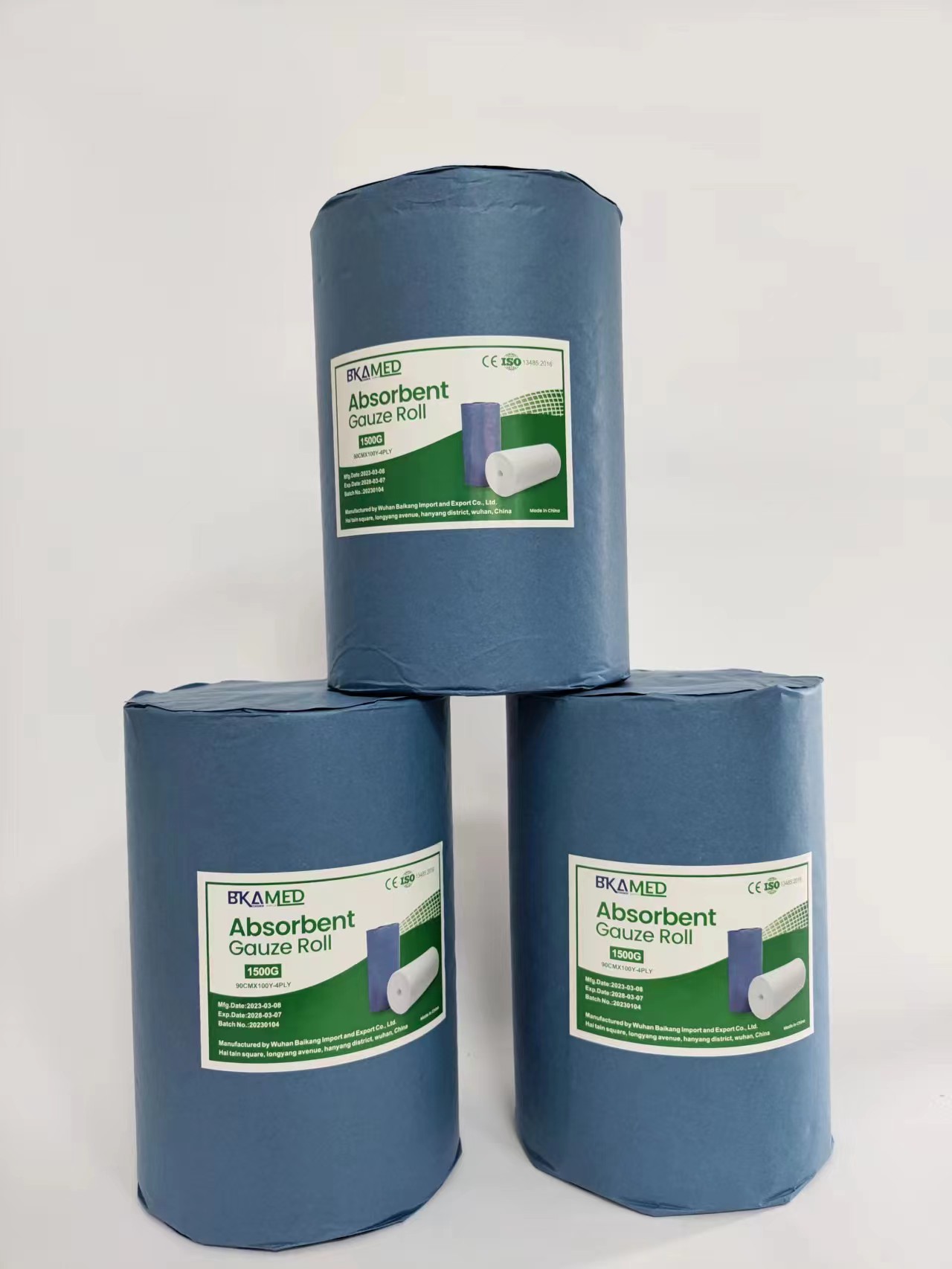
Ply in Gauze Rolls
When looking at the medical gauze roll technical specs, you will often see the word “ply” next to “thread count.” Ply is the number of sheets or layers that are put together to make one piece of gauze. Knowing the gauze roll thread count and ply is important because it tells you how thick, absorbent, and long-lasting the roll will be in a clinical setting.
Single-ply gauze rolls are thin and light, making them good for protecting surfaces or light dressing. 4-ply and 8-ply options are examples of multi-ply options that are better at absorbing and cushioning. They are great for managing heavy exudate and wounds after surgery. The specifications for gauze rolls must clearly show the ply so that you can find the right type for each wound care need.
Many professionals don’t think about why is ply important in gauze rolls, but it has a direct impact on how comfortable patients are and how long it takes them to heal. A thicker ply holds more liquid, but it may also block airflow. A thin ply makes it easier to breathe, but it needs to be changed more often. The most important thing is to find the right balance between absorbency and ventilation for each type of wound.
BKAMED sells a variety of gauze roll sizes 5m 100m 4ply, for use in different medical settings, from general clinics to surgical theaters.
As a trusted 100% cotton gauze roll supplier, BKAMED makes sure that every roll has consistent layer bonding and is free of lint. Always check both the thread count and the ply when looking at the specifications of a gauze roll. These two things together determine how well the gauze works and how well it can be used in a clinical setting.

Weave Types in Medical Gauze
The weave pattern is one of the most important things that makes a gauze roll what it is. It affects the roll’s strength, airflow, and absorbency. When you look at the medical gauze roll technical specs, you’ll often see mentions of open or tight weave structures. This “weave density” changes how easily fluids are absorbed and how well the gauze fits the shape of the body.
An open weave, which has visible spaces between the threads, lets air and water flow through easily. This is great for wounds that need to breathe. On the other hand, a tight weave is stronger, resists lint better, and keeps particles from falling off. By looking at the gauze roll weave density, you can decide whether you want the wound to be as breathable as possible or as strong as possible.
You should also think about the type of yarn and how it was finished. Gauze rolls made from 100% cotton from suppliers like BKAMED have fibers that are always in the same place and a weave texture that is always the same. Cotton is soft by nature, which makes it gentle on sensitive tissue. Its structural stability also makes it last a long time in the clinic.
Another important part of evaluating a weave is how it relates to the gauze roll thread count and ply. A higher thread count means a denser weave, but this might also make it less flexible. So, you need to find a balance between the weave density and the purpose. For drainage wounds, use open-weave gauze and for surgical fields where lint-free precision is needed, use dense-weave gauze.
The weave type and pattern of a gauze roll label should always be listed in the specifications. This makes sure that the label meets the set standards. BKAMED tests the medical gauze roll technical specs to make sure it works the same way in different clinical settings. You can make sure that every roll you buy has the best strength, sterility, and ease of handling by knowing how the gauze roll weave density works. This will keep patients safe and make the procedure run smoothly.

Standards for Sterility and Why They Matter
One of the crucial specifications of gauze roll you need to check before using gauze roll in a clinical setting is its sterility. The medical gauze roll technical specs usually say whether the roll is sterile or not. Each type has its own medical use. Gamma radiation or ethylene oxide are used to kill microorganisms in sterile gauze rolls, which are packaged and processed separately. They are required for surgery, post-operative care, and invasive wound care.
On the other hand, non-sterile gauze rolls can be used to clean wounds, put on dressings, or protect against injury. Knowing the difference between sterile vs non-sterile gauze roll uses can help you keep your facility clean and save money.
Sterility also has an effect on how things are packaged and stored. Because their tightly woven structure keeps outside germs from getting in, rolls with a high gauze roll weave density and a consistent gauze roll thread count and ply stay sterile longer. Always check that the specifications of the gauze roll meet international standards like ISO 13485 or USP Type VII to make sure it is safe for use in a clinical setting.
Whether you are sourcing in bulk for hospital tenders or stocking surgical units, understanding the role of sterility within the medical gauze roll technical specs ensures your product selection aligns with both regulatory expectations and patient safety needs. The difference between professional-grade medical supplies and regular-use ones is how well they are handled and how well they are checked for sterility.
Choosing the Right Gauze Roll for Your Facility
When choosing gauze, you need to be methodical. You need to make sure that the clinical needs, inventory logistics, and specifications of the gauze roll all match up so that care doesn’t suffer. Figure out what your facility will be used for most often first. For example, will it be used as a surgical theater, an emergency room, an outpatient dressing room, or a long-term care facility? Medical gauze rolls need different technical specifications for each of these settings.
First, find the right kind of gauze for the type of wound. If you need to pack a wound that is oozing a lot, choose rolls with a higher gauze roll thread count and ply. If your wounds are only on the surface, pick rolls with an open weave and lower ply that let air and drainage through. When you look for suppliers, make sure they can show you proof that their products have been tested for linting, tensile strength, and absorbency.
Next, think about how the business works. Choose gauze roll sizes 5m 100m 4ply based on how much you sell and how much you need to store. Smaller rolls cut down on waste in clinics that don’t see many patients, and 50–100 m rolls make hospitals more cost-effective. Check that the labels clearly show the width, length, ply, and thread count so you can accurately predict how much you’ll use and how much you’ll spend.
The sterility requirements must be in line with the clinical protocol. For sterile procedures, order individually packed, validated sterile rolls and check the sterile vs non-sterile gauze roll uses to see how much you have in stock. For general padding and external dressing where sterility is not required, non-sterile rolls are fine.
Lastly, work with a manufacturer you can trust. BKAMED is a 100% cotton gauze roll supplier that does consistent batch testing and certification. This makes it easier to buy the rolls and follow the rules. When you sign contracts, make sure they include certificates of analysis, lot traceability, and minimum defect rates. This makes sure that every gauze roll you buy meets the standards you need for safe, effective care.

Conclusion
BKAMED is a 100% cotton gauze roll supplier that always meets the medical gauze roll technical specs around the world. We check every roll to make sure the gauze roll weave density is even, the ply structure is correct, and the gauze thread count for surgical use is precise.
You get full documentation , certification, and product transparency. BKAMED also teaches its customers why ply is important in gauze rolls and how it affects how well they absorb and how easy they are to use. BKAMED gives you the confidence you need in every order, from labeling gauze roll sizes 5m 100m 4ply correctly to making sure that the products are always sterile. Choosing them means that your facility is in line with the best practices in manufacturing.
