
When you’re operating a healthcare facility, purchasing wound care supplies for a distribution program, or simply needing a good alternative to gauze, one of the questions you always ask is, “What can I use instead of gauze?” Though gauze remains a classic choice for wound care, the modern medical industry has come up with a plethora of sophisticated wound dressings that enhance patient comfort, healing outcomes, and medical efforts.
The familiarity with appropriate gauze substitutes can assist healthcare professionals in making educated decisions while enabling procurement teams to use this information to identify the most appropriate product for respective types of wounds. The World Health Organization (WHO) wound care guidelines recommend the use of the right dressing to prevent infection and optimize healing.
This guide answers the question: what can I use instead of gauze, examines current gauze dressing options, and discusses how working with an established provider like BKMed can ensure that healthcare buyers have access to certified, quality wound care alternatives.
What Does Gauze Actually Do?
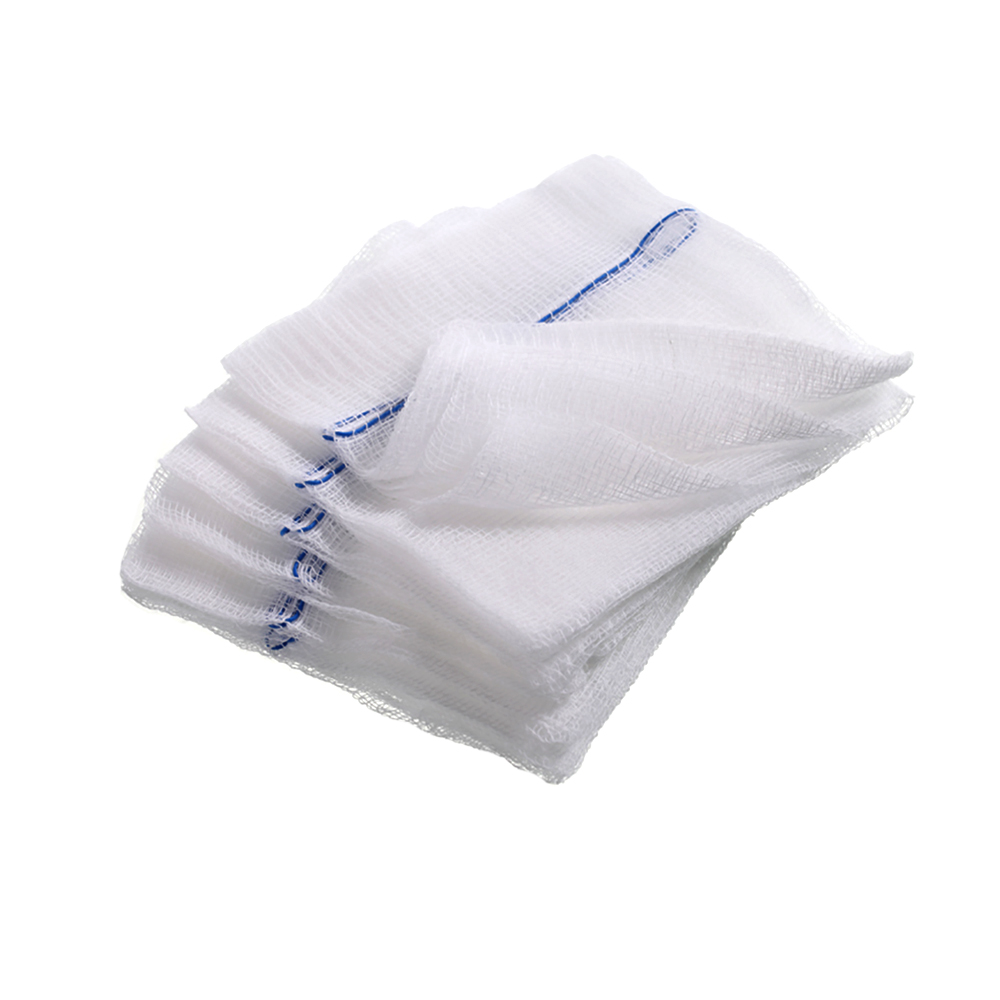
Now, before maneuvering into What can I use instead of gauze, it is worthwhile to consider why, for decades, gauze has been one of the best products used for wound care. Whether it’s a first aid box or a hospital setting, hospitals and surgical centers rely heavily on gauze for wound protection and healing. But by knowing the difference between gauze vs dressing, health care workers and procurement teams are able to determine which is best when there are certain clinical requirements.
The Primary Functions of Gauze
Gauze is a lightweight medical textile made using woven or non-woven techniques to protect the wound and enable air circulation. Depending on the application, it can be used as a primary dressing that comes into direct contact with the wound or as a secondary dressing to secure other wound care products.
It is mainly used for:
- Absorbency of blood, wound exudate, and other fluids: Gauze absorbs blood and wound exudate and also helps to keep the wound from becoming septic. It helps to regulate moisture levels and promotes a more balanced condition for healing.
- Keeping the wound clean and dry: The bandage keeps the wound protected from dirt and germs, which helps prevent infection. This protection is intended to minimize risk of contamination and infection during the recovery period.
- Cushioning against friction and pressure: Gauze provides a soft protective lining that helps prevent damage if contact with it occurs as a result of rubbing from clothing, activity, or external force. This provides extra padding to protect the wound from further damage and offers comfort to the patient.
- Keeping topical medicine in place: If creams, ointments, or gels are placed on a wound, the gauze helps to hold the medicine in place. This helps the medication to be effective for longer and supports optimal healing.
- Supporting compression with bandaging: Gauze can be used underneath the bandage to help control bleeding, reduce swelling, and to provide additional support for damaged tissues. It also enhances the comfort and effectiveness of compression therapy.
These characteristics make gauze one of the most dependable, versatile, and affordable wound dressings that is available and useful in therapy in hospitals, medical clinics, or at home.
Common Types of Gauze
Not all gauze products are the same. There are various types of gauze available in healthcare facilities, depending on the specific wound, the quantity of drainage required, and the medical procedures. Knowing the traits of each type enables the healthcare practitioner and procurement team to choose the most effective product for the intended use.
Woven Gauze
Woven gauze refers to a type of gauze created from the cotton fibers being woven loosely in a breathable pattern, making it highly absorbent and versatile. Uses include cleaning wounds, packing or netting wounds, and absorbing blood or exudate, particularly in surgical and emergencies.
Non-Woven Gauze
Non-woven gauze is made from bonding synthetic fibers together, not weaving – the result is a soft, low-lint dressing. Because it sheds fewer fibers and is gentler on the skin, it is called upon in post-surgical wound care and regular changing of the bandage.
Sterile Gauze
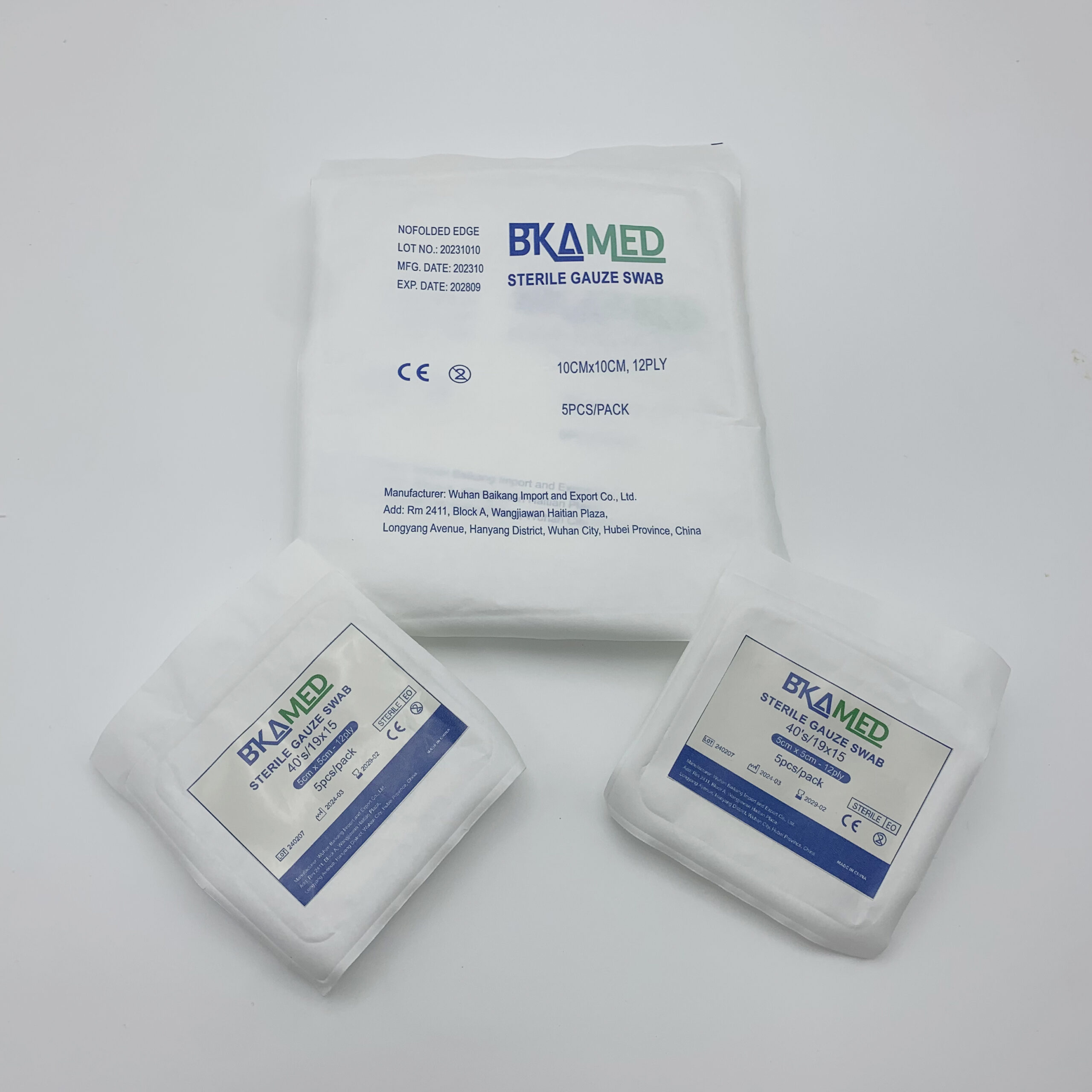
Sterile gauze has been packaged and sterilized individually to ensure that no microorganisms are present when applied to wounds and can be used directly on open wounds. It is widely used for surgical incisions, traumatic injuries, burns, and other wounds where minimizing the risk of infection is essential.
Non-Sterile Gauze
Non-sterile gauze is not chemically sterilised in the manufacturing process but is an important product in many healthcare situations. It is widely employed for wound cleaning, padding, cushioning, and as a secondary dressing when no direct sterile contact with the wound is necessary.
-
Bordered Gauze Dressings
Bordered gauze dressings are made of a loosely woven gauze pad with a soft backing border, bypassing the need for a separate medical tape. They are easy to put on, don’t slip around, and are commonly used for surgeries, minor injuries, or outpatient visits due to their ease of dressing and ability to secure the wound safely.
When Is Gauze Still the Best Choice?
Despite the improvements made to wound care over the years, gauze is still a great choice for use in many applications.
Healthcare professionals usually select gauze for:
- Fresh surgical wounds
- Slight cuts or abrasions
- Cleaning and irrigation of wounds
- Secondary dressing applications
- Situations that involve dressing multiple times throughout the day.
Gauze remains a vital product for medical distributors and procurement teams because of its versatility, cost-effectiveness, and widespread medical applications.
The Limitations of Traditional Gauze
Although gauze works well, it is not always the best dressing. A frequent problem is the dressing becoming stuck on the wound surface, particularly when it becomes dry. The process of removing the attached gauze may cause disruptions in newly formed tissues, cause discomfort to the patient, and impede healing.
Other limitations include:
- Frequently needs dressing changes for exuding wounds
- Can dry out wounds instead of maintaining an optimal healing environment
- May shed fibers, especially woven gauze
- Often requires additional tape or fixation products
- Provides limited moisture and temporary relief for chronic wounds.
These disadvantages are also the reason why many healthcare providers are seeking more advanced wound care products and asking what I can use instead of gauze for better clinical outcomes.
As wound care continues to change, choosing the right dressing is now more than simply covering a wound; it’s about matching the dressing with the type of wound, healing stage, and patient needs. Below, we will answer the question, what can I use instead of gauze by comparing the most effective medical-grade and emergency wound bandage options available today.
What Can I Use Instead of Gauze? The Best Gauze Substitute Options for Different Wound Types
So, if you are asking yourself what can I use instead of gauze, all is not lost, as there are several alternatives to choose from that are made to suit different kinds of wounds and healing phases. The traditional gauze is still a good choice, but advanced dressings might offer better moisture management, increased comfort, and reduced dressing changes. The selection of an appropriate gauze substitute will depend on wound depth, drainage, infection risk, as well as the patient’s skin condition.
Here are some of the best options available for use in hospitals, clinics, and home healthcare settings.
1. Non-Adherent Dressings
Non-adherent dressings are made to help protect the wound without adhering to it. They are ideal for those with painful wounds as they cause less trauma during dressing change while not harming newly formed skin.
- Best for: Skin tears, surgical incisions, burns, and abrasions where protecting fragile tissue and minimizing pain associated with dressing changes are major concerns.
2. Foam Dressings
For wounds that exude moderate to heavy drainage, foam dressings are highly absorbent and help keep wounds moist, which promotes optimal healing. They also offer cushioning, ensuring a comfortable patient experience and minimizing pressure points.
- Ideal for: Moderately to heavily exuding wounds (such as pressure ulcers, diabetic foot ulcers, or surgical wounds) that need more fluid management and long-lasting wear.
3. Hydrocolloid Dressings
Hydrocolloid dressings are made with materials that form a gel to help keep the wound closed and allow for quicker healing. Because they stay on for several days, they help decrease the number of dressing changes, making the patient more comfortable.
- Appropriate for: Minor burns, pressure injuries, superficial wounds, and lightly draining wounds (that do not require extensive dressing changes and will benefit from a moist healing environment).
4. Transparent Film Dressings
Transparent film dressings form a watertight seal that keeps bacteria out of the wound and makes it possible for clinicians to view the wound without removing the dressing. They are recommended for wounds that have little or no drainage.
- Use it for: Surgical incisions, IV catheter sites, minor cuts, and superficial abrasions where protection from outside contaminants and visibility of the wound is important.
5. Silicone Dressings
Silicone dressings gently stick to the surrounding skin but not to the wound itself. They are particularly useful for patients who have sensitive skin or those looking for bandages for adhesive allergy – they help eliminate irritation and discomfort during dressing changes.
- Ideal for: Fragile skin, elderly patients, chronic wounds and post-operative care, where gentle adhesion prevents skin damage during dressing removal.
6. Calcium Alginate Dressings
Calcium alginate dressings are made of natural seaweed fibres and have the ability to absorb wound fluid while keeping the wound moist, which is important for healing. They are often used on more severe wounds with heavy exudate.
- Used in: Deep wounds, cavity wounds, venous leg ulcers, and heavily draining wounds that need the maximum absorbency and effective exudate management.
7. Composite Dressings
Composite dressings are made of several layers in one product and provide protection, absorption, and secure fixation simultaneously. These make wound management easier and lessen the need for multiple wound components.
- Ideal for: Surgical wounds, moderately exuding wounds, outpatient care where an all-in-one dressing solution is more efficient and convenient for the patient.
8. Bordered Gauze Dressings
Bordered gauze dressings are used with an absorbent wound pad and a soft adhesive band, eliminating the need for extra medical tape. They are easy to use, patient-friendly, and popular for post-surgical wound care in clinical settings and hospitals.
- Ideal for: Post-surgical sites, small cuts and scratches, normal wound care, and healthcare environments where speed of application, wound adhesion, and protection are important.
Certified bordered gauze dressings from trusted manufacturers such as BKMed offer consistent quality, reliable adhesion, and OEM/ODM options that meet the requirements of healthcare brands around the world for healthcare distributors and procurement teams.
Can Household Items Replace Gauze?
During emergencies, people often wonder: can I use paper towels as gauze, or if common materials can temporarily dress a wound? A clean cotton cloth or freshly laundered towel can be used to stop blood from flowing for a short time until adequate medical supplies are on hand but should not be used in place of certified wound dressings for continuous care.
The general answer to the question Can I use paper towels as gauze is no. Paper towels, tissues, and toilet paper are not sterile and can introduce fibers into the wound, making the infection worse. Healthcare workers should always apply medical-grade dressings that comply with recognized quality and safety standards for safe and effective wound management.
With the constant evolution of wound care, the selection of a suitable gauze substitute goes beyond merely replacing the traditional gauze; it involves the selection of the most appropriate dressing that can lead to better healing, a decreased risk of complications, and improved results for the patient and healthcare provider.
Complete Wound Dressing Selection Guide: Choosing the Right Dressing for Every Wound
Knowing what can i use instead of gauze is only the first step. To ensure optimal healing, healthcare providers need to select a dressing appropriate to the wound’s condition, the quantity of exudate, the likelihood of infection, and the patient’s general health. Choosing the appropriate dressing can enhance the healing process, minimize unnecessary dressings, increase patient comfort, and reduce treatment expenses.
According to the National Institutes of Health, keeping the wound moist is one of the best steps you can take to aid tissue healing and reduce complications.
Here are the recommended clothing types for some of the most common types of wounds.
Surgical Incisions
Following surgery, the initial objective is to maintain a clean, protected, and non-contaminated surgical area with gentle drainage. Dressings should also be easily removed without disturbing newly formed tissues.
Recommended dressings: Sterile bordered gauze dressings, adhesive island dressings, or transparent film dressings that offer secure fixation and allow healthcare professionals to monitor healing progress.
Pressure Ulcers
Moderate to heavy exudate is typical with pressure ulcers and requires dressings that keep the wound moist and prevent skin around the wound from becoming damaged. Highly absorbent dressings provide a perfect healing environment and minimize the need for frequent dressing changes.
Recommended dressing: Foam dressings, hydrocolloid dressings, or calcium alginate dressings for wounds needing better absorbency and prolonged protection.
Diabetic Foot Ulcers
The diabetic foot ulcer is a slow-healing ulcer with a high incidence of infection, which requires careful wound management. The primary purpose of dressings is to manage exudate and to ensure that they do not damage sensitive tissue when dressing is performed.
Recommended dressings: Foam dressings, calcium alginate dressings or silicone dressings to aid with moisture balance and minimise trauma during dressing change.
Burns
Minor burns heal more rapidly when kept moist and covered from friction and exposure to bacteria. Application of dressings that adhere to the wound may cause undue discomfort and damage to the wound during removal.
Suggested dressing: Non-adherent dressings, hydrogel dressings, or silicone dressings that moisturize the wound, minimize pain, and promote healthy skin regeneration.
Skin Tears and Abrasions
Fragile skin needs soft dressings that will not stick to the newly formed skin. Keeping the healing area moist enhances the healing process and alleviates pain while changing dressings.
Suggested dressings: Non-adherent or silicone dressings that provide gentle protection and maintain delicate skin integrity.
Highly Exuding Wounds
A wound with heavy drainage needs dressings that can absorb a significant amount of fluid and that do not leak or cause maceration of the skin. Proper moisture control is key to minimising the risk of infection and aiding healing.
Recommended dressings: Calcium alginate dressings or high-absorbing foam dressings suitable for moderate to heavy exudate wounds.
Minor Cuts and Everyday Wounds
For simple cuts and abrasions, protection from dirt and bacteria is usually required, but not complex enough to prevent the wound from healing itself. Two of the important factors for these injuries are ease of application and reliability of adhesion.
Suggested dressings: Sterile gauze, bordered gauze dressings, or adhesive island dressings for reliable protection when dealing with routine wound care.
Why Dressing Selection Matters for Healthcare Buyers
Choosing the right wound dressing is not just about clinical results when it comes to hospitals, distributors, wholesalers, and brands in the healthcare industry. It also impacts the effectiveness of procurement processes, stock control, and patient outcomes. Having a well-stocked supply of approved wound care products allows healthcare providers to address a variety of wounds in a timely and effective manner, while limiting waste and optimizing workflow.
BKMed has a broad range of sterile and non-sterile wound care products that include bordered gauze dressings, adhesive island dressings, non-woven dressings, and OEM/ODM customized products. Collaborating with a reputable manufacturer can assist distributors and medical brands in ensuring product quality, global compliance, and a reliable supply chain, all of which are essential for sustainable growth.
Changing a Dressing on a Wound: A Step-by-Step Guide for Safe Wound Care
While it is important to know what can I use instead of a gauze, it is equally important to use the proper dressing technique. No matter how good a wound dressing is, it won’t work if it is not applied properly. Changing dressing on a wound properly helps to keep the wound infection-free, protects the newly formed tissue, and promotes healing. Following a consistent dressing change procedure and good hygiene practices can greatly reduce the risk of wound complications, MedlinePlus reports.
Step 1: Wash Your Hands and Prepare Supplies
Wash hands well with soap and water or alcohol-based hand sanitizer before coming into contact with the wound. Prepare all the supplies required: the new dressing, sterile saline (if prescribed), medical gloves, medical tape (if necessary), and a disposal bag for the used dressing.
Step 2: Carefully Remove the Old Dressing
Carefully remove the old dressing without undue force. When gauze is attached to the wound, never pull it dry; it could tear the newly formed tissue and cause bleeding. Rather, moisten the dressing with sterile saline or clean water to soften the dressing for removal.
Step 3: Assess the Wound
Inspect the wound for healing or complications. A healthy wound will be pink to red and have little swelling, but any increase in redness, foul smell, excessive drainage, or pus should be treated as a wound infection and may require medical intervention.
Step 4: Clean the Wound
If directed by a healthcare professional, gently wash the wound with sterile saline solution or with another recommended wound cleanser. Do not use strong antiseptics unless directed to do so, as some antiseptics can impair the healing process by destroying healthy tissue.
Step 5: Apply the Appropriate Dressing
Select the dressing according to the condition of the wound, and not always the same dressing. If you use a gauze substitute, bordered gauze dressing, foam dressing, or silicone dressing, make sure it is completely covering the wound and slightly extending over the wound edges for maximum protection.
Step 6: Secure the Dressing
Use medical tape, a bandage, or an adhesive border, depending on the type of dressing, to hold the dressing in place. Silicone-based adhesive dressings are suitable for patients with sensitive skin and/or who want to avoid bandages that are prone to causing adhesive allergy, as they offer good adhesion and minimize skin irritation.
Step 7: Dispose of Used Materials Safely
Put used dressing, gloves, and other disposable items in a sealed waste bag before disposal, following local healthcare waste disposal regulations. Wash hands again right after changing the dressing.
Common Mistakes to Avoid
Common wound care complications are caused by simple, easily avoidable errors. To encourage safe healing:
- Do not touch the wound with unwashed hands.
- Do not use dressings or contaminated materials more than once.
- If you have signs of infection, like pain, swelling, or abnormal drainage, do not ignore them.
- Change dressings as per the manufacturer’s recommendations rather than when they are saturated.
- Use certified medical dressings, not household items, even in the event that you are looking for what can I use instead of gauze in an emergency.
For the hospital, clinic, or healthcare distributor, ensuring quality wound dressings is just the beginning of a successful wound management program. As important is also making sure healthcare professionals and patients know how to apply the dressing correctly. Using certified wound care products along with evidence-based dressing protocols can help organizations enhance patient outcomes, decrease the risk of wound complications, and improve the patient experience.
Which of the Following Is True of Non Sterile Dressings? Understanding Sterile vs. Non-Sterile Dressings
One of the most critical choices to make when selecting a gauze alternative or any wound dressing is whether the product is sterile or non-sterile. This difference has a direct impact on the safety of the patient, their health protection, and clinical outcomes. Knowing when to use each one is critical for any hospital, distributor, or healthcare procurement team to ensure compliance and efficient inventory management.
Which of the Following Is True of Non Sterile Dressings?
The correct answer is: Non-sterile dressings are used when sterility is not needed around wounds, for example when applying secondary dressings, padding, cushioning, and cleaning around wounds. They should not normally be left on open wounds that pose a high risk unless specified by clinical protocols.
While non-sterile dressings are commonly used in healthcare, they are made for a different purpose than sterile wound dressings. The selection of the best option depends on the condition of the wound and the risk of contamination.
What Are Sterile Dressings?
Sterile dressings are made, packaged, and sterilised to ensure that they are free of microorganisms when used. They are each sealed to keep the dressing sterile while in use and are usually required whenever a dressing is in direct contact with an open wound.
Applicable to: Surgical incisions, traumatic injuries, post-operative wounds, burns, and wounds that are at high risk for infection where a sterile environment is essential.
What Are Non-Sterile Dressings?
Non-sterile dressings are not sterilized in the course of their manufacturing and are not suitable for many open wounds. They are, however, still significant in daily clinical care because they are often employed in secondary dressings, protective padding, wound cleaning, or for other procedures in which sterility is not crucial.
Common uses: Secondary wound covering, cushioning, cleaning around intact skin, first aid training, veterinary care, and in the clinic when direct sterile contact is not necessary.
Sterile vs. Non-Sterile Dressings: What’s the Difference?
The main difference is the way the products are made and how they are going to be used. Sterile dressings are supplied in a validated sterilization process, individually packaged to preserve sterility, and non-sterile dressings are packaged in bulk for use when sterility is not a clinical need.
Both products have a significant role in the healthcare facility for procurement teams. A balanced inventory helps ensure having the right dressing in the hands of the clinician at the right time and keeps purchasing costs under control for the organization.
When Should You Choose Sterile Dressings?
Sterile dressings are advised for any area where the risk of infection may be high, or when the dressing is likely to contact exposed tissue. Sterile products are used to prevent the contamination of sensitive skin wounds and promote a safer environment for healing, both in hospital and outpatient settings.
When Are Non-Sterile Dressings Appropriate?
Non-sterile dressings can be used for secondary dressings, extra protection for the wound, padding under compression bandages, and cleaning of the surrounding skin before putting on the dressing. They are also popular in health care centers where they can serve as a cost-effective alternative for high-volume clinical activities.
Choosing a Reliable Medical Dressing Supplier
Whether it’s sterile bordered gauze, non-sterile gauze pads, or advanced wound dressings, quality should never be sacrificed. Medical purchasers should be able to identify manufacturers that meet international quality standards, have rigorous production controls, and provide complete product traceability.
BKMed produces sterile and non-sterile wound care products for hospitals, distributors, and private label wound care brands around the world. The company provides flexible OEM and ODM services to help partners secure certified wound dressings that meet international quality standards and address their long-term procurement needs.
How Healthcare Facilities Choose Wound Dressings: A Buyer’s Guide for Procurement Teams
Choosing the right wound dressing isn’t just a matter of treating wounds; it’s also a strategic purchasing decision. Healthcare organizations, hospitals, clinics, and distributors must rely on products that regularly fulfil clinical needs and provide industry compliance, cost-effectiveness, and availability. So, as healthcare systems seek to enhance patient outcomes, procurement teams are considering more than just cost when deciding on wound care suppliers.
Product Quality and Clinical Performance
Product quality is always the first factor to be considered. Medical-grade materials that deliver reliable protection, patient comfort, secure adhesion, and consistent absorbency are used to make high-quality wound dressings. Products that don’t perform well can potentially fail while in use, resulting in more frequent dressing changes and potentially impacting patient recovery.
Regulatory Certifications
Healthcare buyers should ensure they are purchasing goods that meet internationally recognised quality standards from manufacturers. Regulatory qualifications like ISO 13485, CE marking, FDA registration (where applicable), and validated sterilisation processes assure that wound dressings are produced using quality control management systems and meet the requirements for production in global markets.
Reliable Supply Chain
A reliable supplier should be able to provide the products consistently even during periods of high demand. To minimize patient disruptions and ensure the continuity of patient care, procurement teams must consider manufacturing capacity, lead times, inventory availability, and export capabilities.
Product Range and Customization
Some healthcare providers favor providers who can offer them a full line of wound care supplies instead of having to deal with a number of vendors. That includes bordered gauze dressings, non-woven gauze, adhesive island dressings, foam dressings, silicone dressings, and various other modern wound care products.
OEM and ODM manufacturers also provide distributors and healthcare brands the opportunity to tailor the product specification, packaging, labelling, and branding to meet the requirements of specific markets.
Cost vs. Long-Term Value
Although price is a key buying criterion, it is important to consider that if the lowest price is the only thing in mind, the buying decision can end up costing consumers more in the long run. Dressings that are reliable, reduce dressing failures, promote healing, and limit product waste can provide improved long-term value over cheaper alternatives.
Why Global Buyers Partner with BKMed
Distributors, wholesalers, hospitals, and private-label healthcare companies benefit from an experienced manufacturer because they can streamline their procurement process and maintain quality control. BKMed specializes in the production of certified wound care products such as sterile bordered gauze dressings, non-woven dressings, adhesive island dressings, and other medical consumables for customers all over the world.
Beyond its full product range, BKMed also offers OEM and ODM solutions for healthcare companies, allowing them to create customized wound care solutions with robust QC, international certification, and reliable global logistics. Whether you are adding a new medical product line or sourcing high-volume wound products for institutional use, the right manufacturing partner can enhance your supply chain and contribute to your business growth in the long run.
OEM & ODM Wound Dressings: What Healthcare Buyers Should Know
With the increasing demand for high-quality wound care products globally, many distributors, medical brands, and healthcare organizations are opting for partnerships with OEMs (Original Equipment Manufacturing) and ODMs (Original Design Manufacturing) to broaden their product lines. Rather than establishing manufacturing plants, companies can collaborate with established manufacturers to create certified wound care products under their own brand name, ensuring high standards for product quality.
When your procurement team conducts its research on what can i use instead of gauze, collaboration with an OEM or ODM manufacturer provides enhanced flexibility, reduced production expenses, and a quicker time-to-market.
What Is OEM Manufacturing?
OEM manufacturing involves buying wound care products from a proven supplier and reselling them under the company’s brand. Product specifications are usually defined by the buyer, and the manufacturer is responsible for the production, quality control, sterilization, and packaging.
This model is perfect for medical distributors, wholesalers, hospital suppliers, and healthcare brands that want to establish a trustworthy product line without the need for manufacturing facilities.
What Is ODM Manufacturing?
The ODM manufacturing option adds another level of flexibility where the manufacturer leverages the products they already have in-house and tailors them to the buyer’s needs. It is especially useful for companies that are new to a market or are looking to enter the market for advanced wound care products that have not been extensively researched and developed.
Key Factors to Consider When Choosing an OEM/ODM Partner
It’s important to choose the right manufacturing partner if you’re looking for success. When considering an agreement, a healthcare buyer should consider several important factors:
- Manufacturing certifications: Make sure the manufacturer is certified by international standards like ISO 13485 and other relevant regulations.
- Product quality: Ensure that wound dressings are made from medical-grade products and pass strict quality control checks before they are sent.
- Customization options: Identify suppliers with the ability to customize product sizes, absorbency, packaging, labelling, and branding to meet your specific market needs.
- Production capacity: Check whether the manufacturer has the capacity to manufacture the quantity you anticipate and can provide the same lead time.
- International shipment documents: An experienced global supplier will offer and be able to deliver documentation, labeling compliance, and logistics support for international shipments.
Why OEM and ODM Partnerships Matter
By collaborating with a trusted manufacturer, healthcare businesses can mitigate procurement risks and ensure that products are delivered consistently, order to order. It also empowers distributors and medical brands to be more responsive to market needs, introduce private label product lines, and build customer loyalty by offering tailored solutions.
Partner with BKMed for Private-Label Wound Care Solutions
BKMed specializes in providing all-inclusive OEM/ODM manufacturing solutions for wound care products for hospitals, distributors, wholesalers, and healthcare brands. It has a wide range of sterile bordered gauze dressings, adhesive island dressings, non-woven gauze, post-operative dressings, and other medical consumables certified by quality management systems.
If you are creating a brand-new private-label wound care product or adding a new product to your medical product line, working with BKMed provides you with stable production capabilities, customization possibilities, and a trusted global supply chain that will help you to grow your business in the long term.
Why More Healthcare Buyers Are Switching to Certified Bordered Gauze Dressings
Wound care is an ever-changing field, and providers are seeking more efficient dressing options that do not jeopardize patient safety. Traditional gauze is an important component of wound management; however, many hospitals and clinics are opting for bordered gauze dressings, as it is easier to apply, reduces dressing failures, and provides patient comfort.
For organizations researching what can I use instead of gauze, bordered gauze dressings may be the ideal choice, combining the familiarity of traditional gauze with the benefits of contemporary wound care technology.
Faster and More Efficient Application
Unlike traditional gauze dressings that necessitate medical tape or another means to keep the dressing in place, Bordered Gauze Dressings feature an adhesive border that is part of the dressing itself, making them simple to apply without additional medical tape or some other method of fixing the dressing. This will not only help to quickly dress the patient, but also aid the efficiency of clinical work and reduce the nursing time in a busy clinical environment.
Better Patient Comfort
Dressings may be a nuisance for the patient and have to be changed frequently. Bordered gauze dressings need to be tight but not constricting around the body and should be left on for the day. This better fit minimizes excess motion, protects the site of the wound, and improves patient experience.
Reduced Risk of Dressing Failure
Dressings that are not properly fitted or are too loose may become dirty and should be changed regularly. The uniform adhesion and absorbency of certified bordered gauze dressings help keep the wound site clean, minimizing the risk of early bandage removal.
Simplified Inventory Management
A multi-functional dressing can help reduce the complexities of stock management in hospital, distributor and procurement teams. The combination of the properties of individual gauze pads, medical tape and other fixation products makes Bordered Gauze Dressings more efficient to use, reducing the number of items to stock and buy for routine wound care.
Reliable Quality Matters
Not all wound dressings are created equal. Medical buyers should seek products that have been manufactured under internationally accepted quality management systems and medical-grade materials. Certified wound dressings provide greater uniformity, regulation, and trust for both the healthcare and patient community.
Why Choose BKMed as Your Manufacturing Partner?

BKMed supplies hospitals, distributors, wholesalers, and healthcare brands with a broad product line of wound care and hospital products throughout the world. It offers sterile bordered gauze dressings, non-woven gauze, adhesive island gauze, post-operative dressings, and other advanced wound care products that are developed to comply with international quality standards.
Beyond the production of final products, BKMed also offers flexible OEM and ODM services, allowing companies to customize product specifications, packaging, and branding to suit their local market requirements. Whether it’s scaling up production or guaranteeing consistent long-term manufacturing support, BKMed can provide the quality, consistency, and production capacity that help businesses succeed in the competitive healthcare sector.
Conclusion
The answer to what can I use instead of gauze is that there isn’t a single answer for all wounds. The ideal choice is determined based on the wound, amount of drainage, risk of infection, and the patient’s general condition. Although gauze dressings are still very important in wound care, there are a number of other dressings that can be employed to provide considerable benefit in many clinical scenarios, such as a bordered gauze dressing, a non-adherent, a hydrocolloid, and a silicone.
An understanding of the difference between using gauze vs dressing, changing a dressing on a wound correctly, as well as knowing when to use a dressing substitute is essential for promoting quicker healing and minimising the risk of complications. For healthcare providers, distributors, and procurement staff, getting more than just high-quality, certified wound care products also means consistent clinical performance and regulatory compliance.
By making informed decisions on the right dressing to use for different wounds, health care institutions can enhance patient care, optimize clinical workflows, and ensure long-term wound management effectiveness.
Partner with BKMed for Trusted Wound Care Solutions
Whether it’s high-quality gauze or advanced wound management solutions, BKMed is here as your manufacturing ally. We provide a full range of sterile and non-sterile gauze, bordered gauze dressings, adhesive island dressings, non-woven dressings and certified wound care products for hospitals, distributors, wholesalers and healthcare brands throughout the world.
BKMed implemens rigorous quality control measures and flexible OEM/ODM production capabilities, guaranteeing consistent product quality that leads to better patient outcomes as well as streamlined procurement. Find a partner who never stops innovating, keeps pushing to maintain quality and ensure a consistent supply in the global market, and discover why healthcare organisations rely on BKMed for their wound care product needs.
