
There is a steady growth in the wound packing gauze market, driven by increasing cases of trauma, surgical procedures, and the need for advanced bleeding control in emergency care. As a B2B buyer, you wouldn’t want to jeopardize the reputation of your clinical practice by sourcing gauze from unreliable manufacturers. So, the best thing to do is partner with a reliable, scalable, and regulatory-compliant supplier.
According to the Center for Strategic and International Studies (CSIS), “China is a global leader in varied medical supplies production”. For B2B buyers, that means more affordable products. In fact this helps explain why many B2B buyers source medical supplies from China. However, selecting a high-quality wound packing gauze manufacturer requires care.
We are here to help. In this article, we explore the top 10 wound packing gauze manufacturers in China, materials, quality standards, certifications, and the manufacturing process for smart B2B sourcing. Read on.
Key Takeaways
- The top 10 manufacturers of wound packing gauze in China are BKAMED, followed by Winner Medical Co., Ltd., Zhende Medical Co., Ltd., Kingphar Medical, and others.
- Clinical uses of wound packing gauze are controlling bleeding, supporting drainage, and creating the right environment for sufficient healing of deep wounds or injuries.
- Quality control measures for wound packing gauze would include raw material inspection and purity, physical and structural testing, safety and chemical requirements, sterilization and packaging integrity, and documentation of certificates of analysis and lot tracing.
- International compliance standards for wound packing gauze supplies are ISO 13485, FDA approval, or CE marking, ensuring that the gauze meets international safety and quality requirements.
- Procurement best practices involve working with a caring wound packing gauze manufacturer, with a clear focus on quality, safety, and reliability.
The Top 10 Manufacturers of Wound Packing Gauze in China
In this ranking, we evaluate the top 10 wound packing gauze manufacturers in China according to the quality of their products, certifications, and ability to meet unique customer demands. China has many manufacturers producing high quality wound packing gauze.
As the National Library of Medicine notes, China “currently accounts for approximately 20% of the global medical product market”. The top 3 manufacturers are renowned for their reliability, product consistency, customization, and compliance with international quality standards.
1. BKAMED (Hubei Baikang Medical Instrument Co.)
Ranking number 1 is Hubei Baikang Medical Instrument Co. (also referred to as BKAMED). The company is a popular manufacturer of medical supplies in China, including wound packing gauze. With over 30 years of manufacturing experience, BKAMED is committed to providing dependable solutions with short lead times and professional customer service.
BKAMED has built a strong reputation for its commitment to producing premium high quality wound packing gauze. It also provides competitive pricing and flexible OEM/ODM services to B2B buyers. It produces a range of medical gauze, catering to the needs of healthcare buyers worldwide.
Pros
- High volume exports: BKAMED has a strong track record of high volume exports like sterile gauze for wound packing.
- Comprehensive product range: BKAMED provides a wide range of products, such as gauze swabs, packing gauze, and surgical sponges.
- Vertically integrated production: BKAMED has full control over the quality of products. That is from sourcing raw materials to production, giving B2B buyers reliable products.
- Global compliance: BKAMED adheres to international compliance standards like ISO 13485, CE, and FDA approval.
- Fast lead times: Through logistics, there is a provision of 15–17 day fast track cycles in cases of bulk orders of wound packing gauze.
Cons
- Price sensitive: While offering premium high quality products, BKAMED’s pricing is on the higher side because of its emphasis on quality control and certification.
Note: BKAMED focuses on R&D, high quality manufacturing standards, and commitment to customer satisfaction. This makes it an excellent choice for B2B buyers looking to source reliable wound packing gauze. Similarly, their reputation in the international market and a comprehensive product range make it a supplier you can depend on.
2. Winner Medical Co., Ltd.
Winner is a reliable partner for B2B buyers who require sterile cotton gauze products and other disposable products. The company, based in Shenzhen, has been manufacturing cotton-based wound care products for over 30 years. The products include sterile gauze, surgical sponges, and other reliable dressing products that B2B buyers can rely on.
Moreover, Winner, a public company with a global presence, makes buying from Winner not only safe but also ensures quality products. This means that there are various documentations (ISO, CE, FDA) involved when buying these products, the time frame to obtain these products is known, and the products perform well when used.
Pros
- Industry recognition: Winner’s gauze and other medical consumable products are well recognized and utilized within the Chinese and other international markets.
- Comfort and performance: Winner’s gauze products are comfortable to use and perform well.
- Variety of options: Winner offers sterile wound packing gauze products of varying sizes.
- Regulatory compliance: Winner works within the ISO 13485, CE, and FDA compliance to ensure import and compliance processes are easy.
Cons
- Pricing: Be prepared to pay more than local brands.
3. Zhende Medical Co., Ltd. (Shaoxing, Zhejiang)
Zhende, based in Shaoxing, Zhejiang, primarily produces sterile dressings and wound packing gauze.
Pros
- Diverse product range for wound care – sterile gauze, surgical drapes, etc.
- Stringent compliance – ISO, CE, FDA certificates for smooth international transactions.
- Customization – they’ll accommodate gauze and dressing specifications if your clinic has unique requirements.
- Consistent quality – their products are designed to meet stringent hospital specifications.
Cons
- Order size – Zhende is geared for bulk production; small orders or small customization orders might not get preference.
4. Kingphar Medical
Kingphar Medical is a reliable source for medical supplies. They process cotton into medical-grade gauze. This can be seen in their products, which have a smooth texture. Their GMP focus also ensures that their products are made in a clean environment.
Pros
- GMP: Their manufacturing process and hygiene are their priorities.
- Meets large orders: They can meet large orders and provide stability in supply contracts.
- Product quality: They offer reliable and strong gauze for packing wounds.
Cons
- Limited products: They may not offer a wide range of products, and you may need to look elsewhere for other supplies.
- Less flexible in meeting small orders.
5. Suzhou Sunmed Co., Ltd.
Sunmed are experts when it comes to producing high-absorbency and fine mesh gauze; this type of product is ideal for packing deep or highly exuding wounds. They have been engaged in the business of medical supplies since 1993 with several production bases in Jiangsu, Zhejiang, and Anhui Province, specializing in the production of:
- First aid kits
- Wound dressings
- Medical supplies (such as gauze, bandages, medical tape, medical cotton, and medical non-woven products)
- Sports bandages
Pros
- High absorbency: Ideal for wound packing where fluid absorption is a concern.
- Attention to mesh and texture: Fine mesh reduces lint and is easy to handle.
Cons
- Narrow product line: Sunmed is primarily a gauze product manufacturer
6. Goldenwell Medical (Yangzhou, Jiangsu)
Goldenwell has been a major producer of jumbo gauze rolls and surgical dressings for over 30 years. The company has an extensive export experience and manufacturing capabilities to make it one of the most trusted suppliers of wound packing gauze in China. Goldenwell has a commitment to strict quality standards and production. This ensures its products meet the diverse demands of healthcare buyers worldwide.
Pros
- Extensive experience: With over 30 years in the medical gauze industry, Goldenwell is a reputable provider of reliable and high quality wound care products.
- Large scale production: Goldenwell can handle large orders for B2B buyers — whether looking for bulk wound packing gauze or other surgical dressings.
- Wide product range: The company produces a variety of medical gauze products. For example, these include jumbo gauze rolls, surgical dressings, absorbent gauze, etc.
- Strong export track record: Goldenwell has a strong record of exporting medical consumable products to international markets.
Cons
- Focus on larger orders: Generally, Goldenwell handles larger orders. That means, smaller healthcare buyers might experience some difficulties in flexibility of order sizes and overall pricing.
- Limited customization options: Goldenwell are not that flexible when it comes to customizing orders on small or special wound care products.
7. Haorun Medical Dressing Co., Ltd. (Hebei)
Haorun Medical, based in Hebei, specializes in producing and finishing raw gauze rolls for clinical use. The company focuses on high-quality wound dressings and gauze for packing, follows strict production controls, and prioritizes safety and efficiency to meet the needs of hospitals and medical distributors.
Pros
- Experts in raw gauze processing: Haorun specializes in raw gauze processing, so B2B buyers can get high quality gauze products.
- Cost-effective: As a manufacturer focused on processing raw gauze, Haorun offers competitive pricing to B2B buyers.
- Efficient production: Haorun are experts in raw material processing. This allows the company to maintain a streamlined and efficient process of production with timely delivery.
Cons
- Limited variety of products: Haorun excels at producing medical gauze and dressings, however its product line is limited.
- Less focus on finished products: Haorun’s focus on processing raw gauze may not appeal to B2B buyers looking for a broad range of wound care products that are ready-to-use.
8. Ningbo Medelast Co., Ltd. (Ningbo, Zhejiang)
Ningbo Medelast, located in Zhejiang, manufactures gauze for wound packing along with elastic and other specialized medical dressings. The company emphasizes clinical performance and consistent manufacturing, making it a trusted supplier for hospitals and medical distributors seeking effective wound-care products.
Pros
- Product specialization: Ningbo focuses on making elastic and specialized dressings, wound packing gauze, and other wound care products.
- Innovative products: Ningbo manufactures specialized wound care products other than wound packing gauze, so providing innovative ways of treating and managing wounds.
- Strong export reach: Medelast enjoys big presence in the international wound packing gauze market, so ensuring reliable global supply chains.
Cons
- Higher complexity in customizing: The process of customizing may be more complex for basic gauze products.
- Limited to wound care products: The company primarily focuses on making wound care products, which limits alternatives for B2B buyers seeking a diverse medical consumable products.
9. Anji Wande Medical Products Co., Ltd. (Zhejiang)
Anji Wande Medical Products, headquartered in Zhejiang, manufactures advanced wound-care items such as Vaseline gauze and medical bandages. By prioritizing practical innovation, consistent quality control, and patient safety, the company has become a trusted supplier for hospitals and distributors across China and in export markets.
Pros
- Advanced wound care products: Anji Wande specializes in advanced products like Vaseline gauze and bandages, providing an added level of innovation in wound care.
- Customization: The company offers customizable wound care products, including Vaseline gauze, tailored to meet specific patient needs.
- Quality standards: Anji Wande adheres to strict international quality standards like ISO certification and CE marking.
Cons
- Niche market focus: While Anji Wande excels in specialized wound care products, their focus on niche products may not be ideal for B2B buyers looking for a broader selection of basic gauze products.
- Higher pricing: Due to the specialized nature of its products, Anji Wande’s products may be priced higher.
10. Gauke Healthcare Co., Ltd. (Hubei)
Gauke Healthcare, based in Hubei, specializes in first aid kits and other wound care products. For example sterile and non sterile medical gauze products. The company provides a range of customizable dressings and prides itself on giving one-stop manufacturing services for its customers. Their wound care solutions are widely recognized for quality and reliability.
Pros
- Customization capabilities: Gauke Healthcare excels at providing tailored wound care products, including wound packing gauze in various sizes and configurations.
- One-stop manufacturing: Gauke offers comprehensive manufacturing from raw material processing to finished product packaging.
- Cost-effective: Gauke provides high quality products at competitive prices, making it an attractive option for bulk buyers.
Cons
- Less brand recognition: While reliable, Gauke Healthcare may not have the same level of international brand recognition as some of the bigger, more established manufacturers.
- Limited international presence: The company is still expanding its presence in international markets, which may limit its accessibility in certain regions.
What is a Wound Packing Gauze?

Wound packing gauze is a “sterile specialized dressing for controlling severe hemorrhage and treating deep, tunneling, or cavity wounds”. That is simply by filling up the space to maintain a moist healing environment. Typically, Z-folded, 1-ply cotton or rayon packing gauze allows quick, controlled filling of wound cavities to deliver direct pressure to bleeding sites.
The gauze rolls have a radiopaque (X-ray detectable) thread to make any retained material visible on imaging. This wound packing gauze promotes sufficient wound healing by:
- Absorbing excess fluid: It soaks up drainage (eg., pus or blood) from the wound, which helps reduce the risks of infection.
- Maintaining a moist healing environment: This gauze stays moist, preventing the wound from drying out (which can delay healing).
- Protecting the wound: Wound packing gauze acts as a barrier against bacteria, minimizing the risks of infection.
- Promoting granulation tissue formation: This packing gauze material supports the growth of new tissue, which helps the wound heal from the inside.
Wound packing gauze can come in different forms. For example, sterile rolls, strips, or sheets. And; they are made from materials like cotton, foam, or hydrocolloid.
Types of Wound Packing Gauze
There are several types of wound packing gauze and each has a specific use:
1. Sterile Wound Packing Gauze
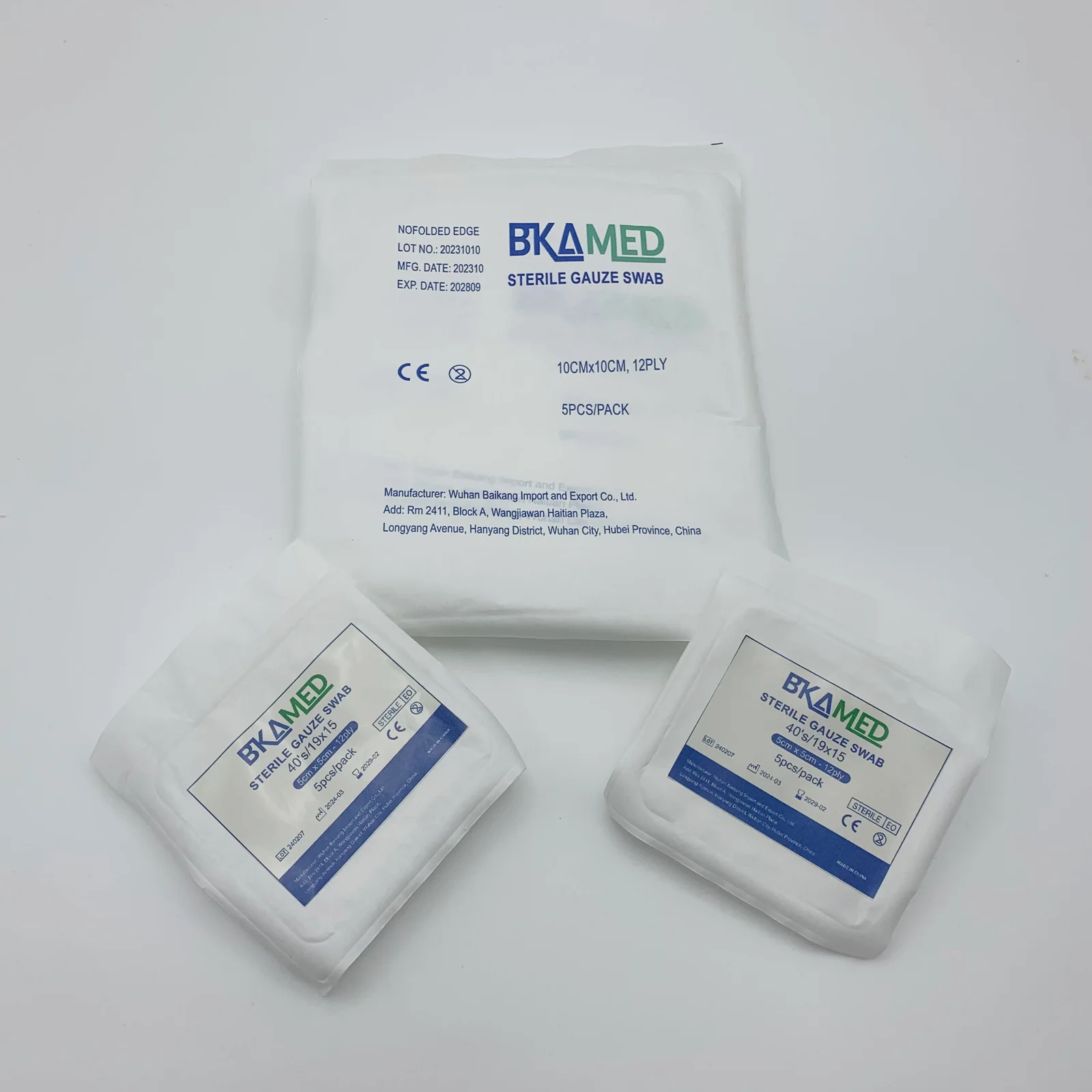
This is the most commonly used type, because sterility is important in preventing infections. The sterile gauze for wound packing is typically packaged in individual sealed units. This is to maintain its sterilization until it is ready to be used.
2. Non Sterile Wound Packing Gauze
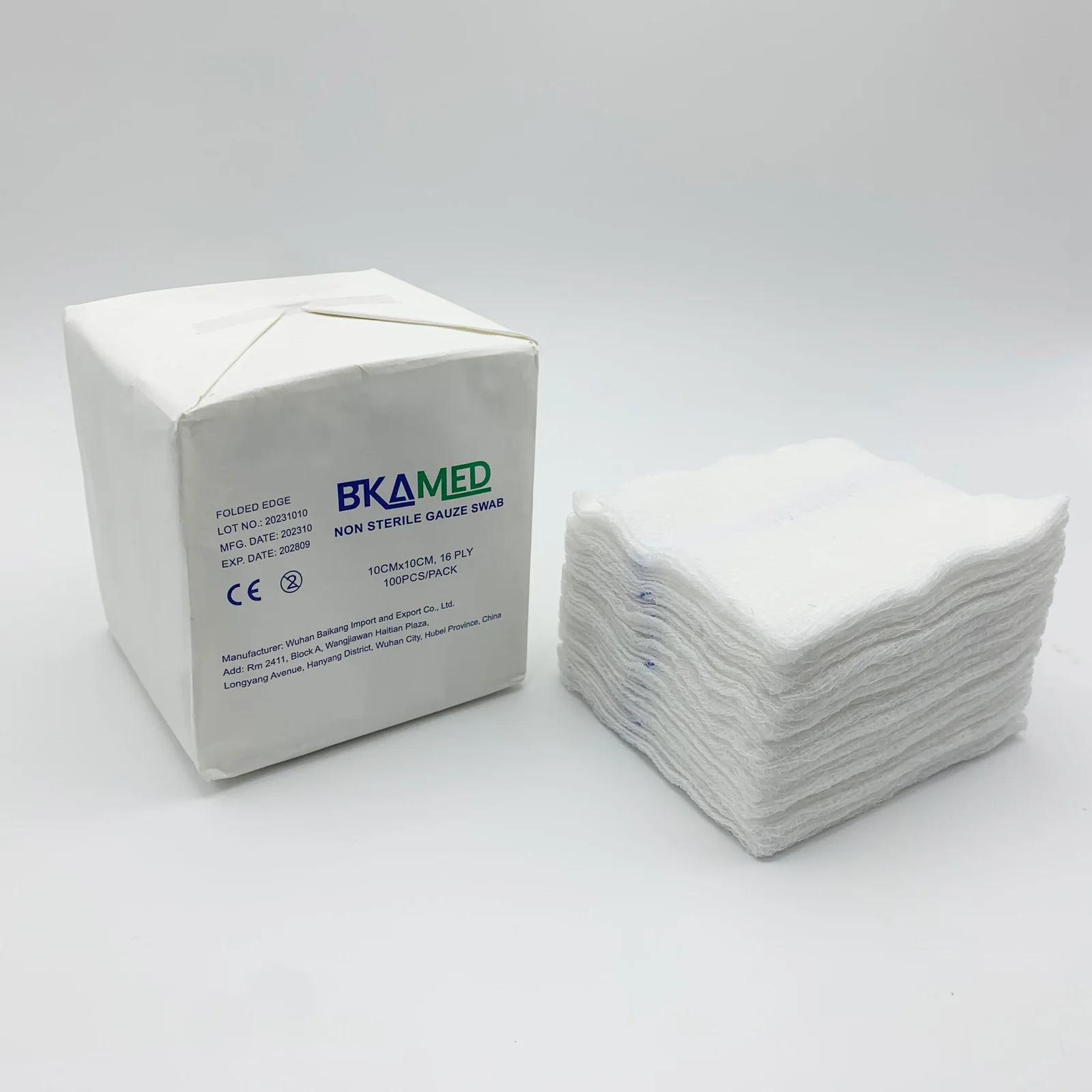
Non-sterile gauze is typically used in situations where sterility is not a primary concern. For example when packing a wound that has already been cleaned and debrided. This gauze is still absorbent and effective, but it requires careful handling to avoid contamination.
3. X-ray Detectable Gauze
This gauze for packing a wound has a radiopaque material, which makes it detectable on X-ray. The feature is important, especially during surgeries or when large amounts of gauze are used. Because it helps in ensuring that no gauze remains inside your patients after surgery. Ultimately, it reduces the risk of retained surgical items (RSIs).
4. Hydrophilic Gauze
A hydrophilic gauze is designed to absorb fluid from wounds and hold moisture to promote sufficient healing. Generally, this hydrophilic gauze material is used in chronic or heavily exuding wounds. That is because it is helpful in maintaining a moist wound environment, which accelerates the healing process.
5. Surgical Sponges
Surgical sponges are typically large pieces of gauze. They are used during surgical procedures to absorb blood and other fluids. Similarly, they may be used in packing surgical wounds to control exudate or protect sensitive tissues.
Caution: Not knowing how to pack wounds with gauze or improper wound packing can cause damage, increase the risks of infection, and delay healing.
Clinical Uses of Wound Packing Gauze
Some wounds need packing with gauze instead of just surface dressings. Because there are those wounds that are too deep or complex to heal properly with a simple bandage. In such cases, specially designed wound packing gauze can be helpful. It can manage bleeding, support drainage, and create the right environment for the wound to heal sufficiently.
Controlling Bleeding in Deep or Penetrating Wounds
Wound packing gauze is used to apply direct internal pressure to bleeding sites that can not be controlled by external compression alone. This is especially useful for penetrating injuries where a tourniquet can not be applied. For example wounds in the groin, axilla (armpit), or shoulder.
Filling Deep Wound Cavities to Promote Healing by Secondary Intention
Also, deep wounds, especially those with cavities or tunnels, benefit from packing. It is because it fills the dead space. Filling the wound supports drainage, prevents premature closure of the wound edges, and encourages the wound to heal from the inside.
Absorbing Exudate and Reducing Fluid Accumulation
Packing gauze is absorbent. It soaks up blood and wound fluid (exudate). This reduces the risks of fluid collection which can slow healing and cause infection. The wound packing gauze is helpful in maintaining an optimal moisture balance at the wound site.
Serving as a Base for Additional Therapies
In some cases, wound packing gauze can be used as a backing layer for hemostatic agents or antiseptics. This can simply promote bleeding control or reduce microbial contamination in the wound.
Supporting Complex Wound Management
Wound packing gauze is also useful in managing chronic or hard-to-heal wounds. For example:
- Pressure ulcers
- Diabetic foot ulcers
- Surgical wounds left open to heal
These wounds need periodic packing to maintain cleanliness and facilitate granulation tissue formation. It is part of a broader wound care strategy designed for wounds that can not close quickly on their own.
It’s important to note that wound packing is not indicated for all wounds. Many injuries heal best with moist wound dressings. So, they should not be packed regularly. Especially when there’s no significant cavity or risk of bleeding.
In some surgical abscesses, packing may increase pain. Furthermore, it may not always improve a patient’s healing outcomes. So, decisions about packing a wound should be made depending on clinical judgement and the characteristics of the wound.
Materials Used in Making Wound Packing Gauze
The materials used in making wound packing gauze determine the product’s:
- Effectiveness
- Safety
- Suitability for various medical applications
So, that means B2B buyers need to understand the different materials used and their benefits. This is important in making informed decisions about sourcing and also usage of the wound packing gauze.
1. Cotton

For a long time, cotton has been the most widely used material in the making wound packing gauze. That is because of its high absorbency, softness, and natural hypoallergenic properties.
Below are some of the top benefits of cotton:
- Highly absorbent: Cotton is an excellent absorbent material, effective in managing wound exudate and preventing maceration.
- Hypoallergenic: Cotton is gentle on the skin. This reduces the potential of allergic reactions occuring. Especially in patients with sensitive skin or chronic conditions.
- Biodegradable: Being a natural fiber, cotton is biodegradable. This makes it an environment friendly material compared to other synthetic gauze ones.
- Soft: Cotton gauze is comfortable and non-irritating. This allows for easy application in wounds that need delicate handling.
Cotton wound packing gauze is used in hospital surgeries, outpatient wound care, etc. It’s especially useful for patients with acute or chronic wounds that require moisture absorption.
2. Rayon
Rayon is a semi-synthetic fiber material that is made from regenerated cellulose (usually derived from wood pulp). Rayon is an alternative to cotton in making wound care products. It provides increased absorbency and a smooth texture (gentle on the skin).
- Superior absorbency: Rayon is highly absorbent than cotton, useful in managing wounds with heavy exudate.
- Lightweight: Rayon is lighter and more flexible. This makes it comfortable for patients if used for extended periods.
- Soft texture: The smooth and soft texture of Rayon gauze reduces the potential for irritation, offering comfort when packed into wounds.
- Cost-effective: Generally, Rayon is more affordable than cotton. This is advantageous for B2B buyers looking to keep costs low.
Rayon gauze is used in clinical settings to manage high exudate wounds. For example surgical incisions or burns. It is also used in making specialized wound dressings because of its superior moisture retention ability.
3. Polyester
Polyester materials are:
- Durable: Polyester gauze is durable and tear-resistant, even in wet environments. So it is the best option for packing deep or heavy exudating wounds where the gauze is subject to stress.
- Low lint: Polyester gauze produces less lint compared to other fibers. So it is a good alternative in delicate and clean procedures.
- Moisture resistant: Polyester is water-resistant to some extent. This prevents gauze from disintegrating when exposed to wound exudates.
- Cost-efficient: Polyester is less expensive compared to cotton. This makes it a cost-effective option for mass production of gauze products.
Polyester can be combined with cotton or rayon to provide durability and strength. It is commonly used in making products such as surgical dressings, non-stick bandages, and advanced wound care products.
4. Polypropylene
Polypropylene is a lightweight, non-woven alternative material. It is a thermoplastic polymer used in the production of non woven gauze. It is lightweight and strong, useful in making wound care products, like wound packing gauze and other medical dressings.
Polypropylene is:
- Light and flexible: Polypropylene gauze is lightweight, highly flexible, and is easy to pack in wounds of different shapes and sizes.
- Strong and resistant to tear: Polypropylene is more resistant to tear than other fibers, adding durability to wound packing.
- Non linting: As with polyester, polypropylene produces less lint, reducing the risk of foreign body reactions.
Polypropylene is commonly used in non woven gauze products. For example surgical dressings and sterile bandages, where strength and flexibility are most needed than absorbency.
5. Hydrocolloid and Alginate Materials
Hydrocolloid and alginate are another type of materials used in making specialized wound care products. Hydrocolloid dressings use a gel-like substance to retain moisture. On the other hand, alginates are derived from seaweed and they form a gel when they are exposed to wound exudates.
They are characterized by:
- Moisture retention: Hydrocolloid and alginate gauze create moist environments that accelerates wound healing by preventing scab formation and promotes tissue regeneration.
- Absorbency: Alginate gauze is highly absorbent. So it is suitable for high exudate wounds like ulcers, burns, and surgical wounds.
- Natural materials: Alginate comes from seaweed. So it’s an eco-friendly material compared to other synthetic materials. Hydrocolloid products are also formulated with biodegradable components.
Hydrocolloid and alginate gauze materials work best in chronic or heavily exuding wounds. For example, pressure ulcers, diabetic ulcers, or deep surgical wounds. They keep moisture balanced to promote sufficient wound healing and control infections.
The Production Chain of Wound Packing Gauzes
Wound packing gauze is produced in a series of processes. They start from raw material selection to sterilization.
Step 1: Raw Material Selection
The first step in this production chain is raw material selection. Wound packing gauze is produced from various materials, such as cotton, polyester, rayon, or other fibers. Thus, the raw materials used can affect the absorbency, texture, strength, and hypoallergenic properties of the final gauze product.
The key material factors are:
- Cotton: It is the preferred material due to its absorbency, hypoallergenic properties, and softness.
- Rayon: It is a synthetic substitute for cotton. Rayon offers high absorbency and a smooth texture.
- Polyester and a combination of other fibers: It is often mixed with cotton or rayon for added strength and water resistance. Polyester is used to produce gauze that can resist the stress of long-term use or heavy exudate.
- Other materials: In some instances, hydrocolloid, alginate, or foam materials are added to the gauze for special purposes. They are used to manage high exudate wounds or provide a moist healing environment.
Sourcing Raw Materials
Raw materials for BKAMED are sourced from only certified suppliers. This is done to ensure that they receive high-quality materials. The materials are free from contaminants and chemicals that may cause irritation and infection.
As we have already stated, cotton is the most preferred material for making wound packing gauze. The criteria that BKAMED uses for sourcing the material are:
- Quality grade: Only cotton of a medical grade quality classification is selected. It should have minimal impurities and be processed according to certain absorbency and tensile strength requirements.
- Supplier traceability: They record the origin of the raw materials. This is done by recording the batch numbers, quality certificates, and safety sheets. Supplier traceability assists them in adhering to the strict regulations regarding the manufacture of medical consumable devices.
- Certification: The raw materials should be ISO certified or equivalent quality compliance certifications. For instance, raw material suppliers associated with BKAMED are ISO 13485 certified for quality management systems, CE marked, and/or FDA approved.
Step 2: Spinning and Weaving
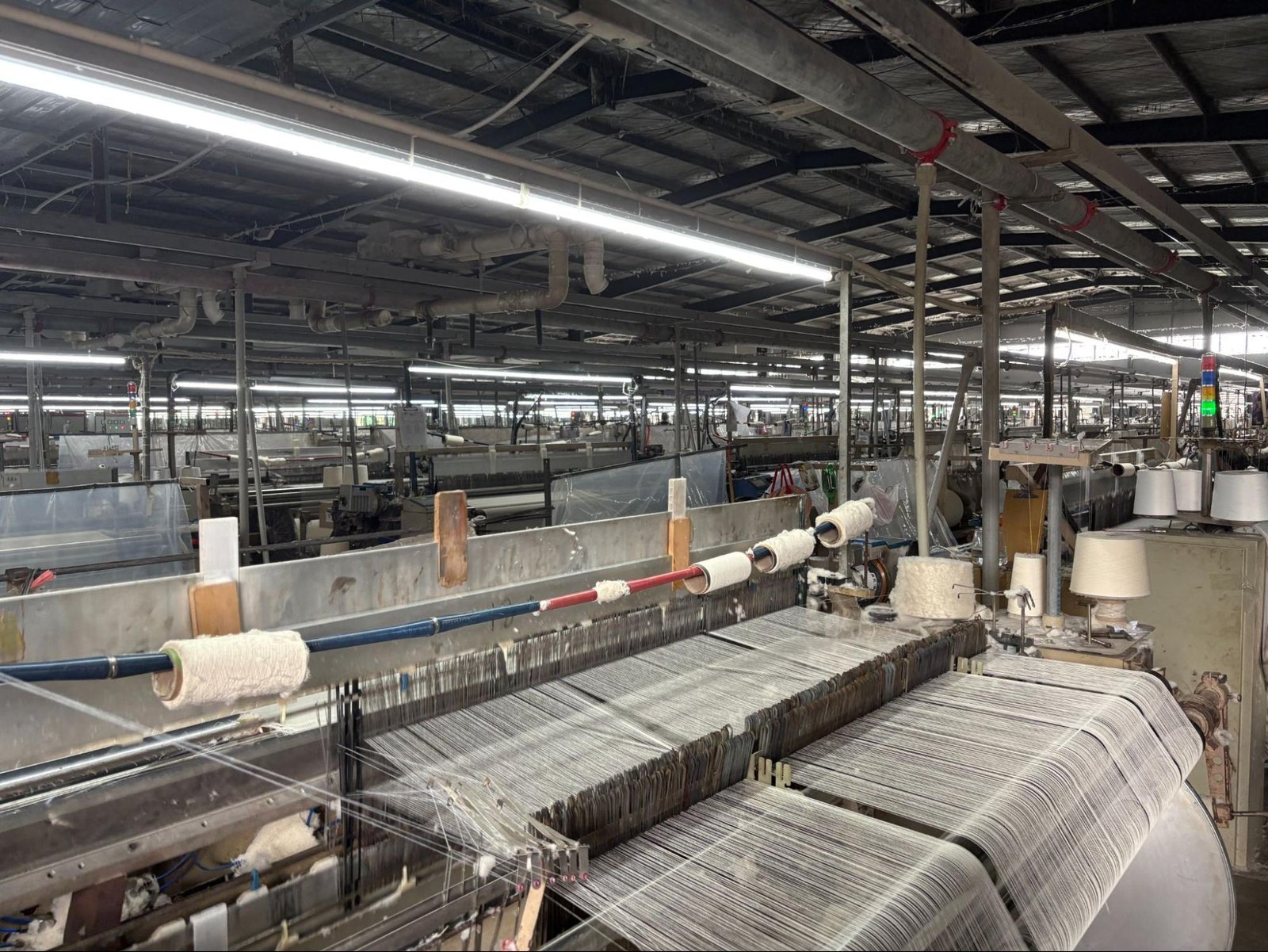
The raw materials selected are then subjected to spinning and weaving. This is done to convert them into gauze fabric.
Spinning
The cotton and rayon are spun into threads or yarns. The cotton fibers are carded, combed, and twisted into threads. The rayon is spun in a similar manner but involves the use of regenerated cellulose fibers. The length and thickness of the fibers are regulated to provide the required texture and strength.
Weaving
The threads or yarns are then woven into gauze fabric using a loom. The weave pattern is critical at this stage. The weave pattern determines the thickness, absorbency, and flexibility of the gauze fabric.
A loose weave is common for wound packing gauze, which requires high absorbency and softness. A fine mesh weave is common for gauze used in more delicate or smaller wounds.
Blending
In some instances, the manufacturer may use a combination of materials (for example, cotton and polyester) to improve certain properties. For example, strength, elasticity, and water resistance. The proportion of materials in the combination is varied depending on the intended use of gauze.
Quality Control
The manufacturer then examines the consistency of the fabric’s texture, strength, and absorbency. Any irregularities in the weave (for example, thickness or absorption) are detected and remedied before proceeding.
Step 3: Cutting and Shaping the Gauze
At this stage, the gauze fabric is then cut, giving it the desired shapes and sizes:
Cutting
- Standard size gauze: The gauze is cut to standard sizes for most wound packing. For example, 4 x 4 inch gauze pads, rolls, or swabs. The sizes are selected depending on medical requirements and your own needs as a healthcare buyer.
- Custom size gauze: The gauze is cut to custom sizes or shapes depending on the type of wound. This is mostly required in the manufacture of gauze for packing deep or irregular wounds.
Shaping
Some manufacturers also produce gauze in pre-formed swab or rolled gauze. These are intended for easy packing into wounds. These gauze products are mostly used in surgical and emergency departments where quick and efficient application is required.
Edge Treatment
At this point, to avoid fraying or unraveling when in use, the edges of the gauze are treated using a special process. For example, ultrasonic cutting, heat sealing, or stitching. This ensures that the gauze used in packing the wound does not fall apart and does not shed fibers into the wound.
Step 4: Bleaching and Sterilization
One of the most critical aspects of making wound packing gauze is the process of sterilization. This is because the gauze is intended to be used in direct contact with open wounds. Therefore, the gauze has to be free from bacteria, viruses, or any other contaminants.
Bleaching
Cotton gauze is bleached to remove natural color and impurities. However, the bleaching agents used have to be handled carefully to avoid any harmful residues that may cause irritations to the skin by being left behind.
Some companies may use more environment-friendly or hypoallergenic bleaching processes. This is a very critical aspect for B2B buyers who are concerned with the safety of the product and its effect on the environment.
Sterilization
The gauze is then sterilized after being cut to size to make it safe for use in medical procedures. There are a number of ways in which the gauze can be sterilized:
- Steam Sterilization (Autoclave): This process uses steam under high pressure and certain temperatures to destroy all microbial life.
- Gamma Radiation: This is used to sterilize products that cannot be exposed to high temperatures. Gamma Radiation is used to sterilize wound packing gauze by simply destroying its microbial DNA.
- Ethylene Oxide (EO): This is used to sterilize sensitive materials. It is used to sterilize wound packing gauze while still maintaining its integrity.
Packaging
The wound packing gauze is then packaged in a sterile manner to prevent any contamination. It can be individually packed in sealed pouches or in bulk. And some are also packed in “tear-resistant” packaging. Such packaging is very useful in keeping it sterile until use.
Step 5: Quality Control and Testing
Quality control is a significant aspect in the manufacturing process of wound packing gauze. This is to ensure that the product is safe for use in the treatment of wounds. Manufacturers such as BKAMED have strict manufacturing processes. For instance, ISO 13485 certification (for medical devices) and FDA guidelines (for U.S. exports) that require strict quality management systems.
Testing and Inspections
- Absorbency testing: This is a test to determine the ability of the gauze to absorb liquids. Wound packing gauze that does not meet the minimum standards of absorbency is a poor product that will affect patient outcomes.
- Strength and durability testing: This test is to ensure that the wound packing gauze can withstand the stress of use without tearing or falling apart.
- Sterility testing: Wound packing gauze is tested for sterility after packaging to ensure that it is free from bacteria and other contaminants or not.
- Residue testing: Wound packing gauze is tested for any residues left from the process of bleaching, sterilization, and chemicals. The gauze should be free from any irritants that may affect the wound.
Types of Packaging
- Individual pouches: Every single unit of wound packing gauze is packed in an airtight pouch to ensure that it is sterile until it is used.
- Bulk packaging: Others pack their wound packing gauze in bulk. This is where the gauze rolls or pads are packed together for use with larger amounts of dressings.
- Custom branding: For companies that are involved in private labeling or distribution, custom branded packaging is a consideration.
Logistics
Once packaged, wound-packing gauze is shipped to wholesalers, hospitals, clinics, NGOs, and other B2B buyers. Supply-chain teams handle warehousing, inventory and order fulfillment, and they partner with third-party distributors and carriers to ensure the products reach healthcare buyers on schedule.
Step 6: Gauze Packaging and Distribution
This is the last stage. Once the wound packing gauze has gone through all the required tests, it is packed in preparation for distribution. The packaging provides protection to the gauze and is also a part of the company branding.
Considerations When Choosing a Wound Packing Gauze Manufacturer
Selecting the right wound packing gauze manufacturer is significant for B2B buyers. The procedure involves more than finding the cheapest prices available. It is important to evaluate quality standards, price, and an efficient supply chain. Similarly, ensure a good company meets standards on regulations, sterility, lead time, and traceability of suppliers before making orders on large purchases.
1. Quality of Wound Packing Gauze
When looking for a wound packing gauze manufacturer, quality should be your number one concern. Gauze is an important product used in the following ways:
- Packing a wound
- Absorbing exudates
- Preventing infection
In general, the safety and efficacy of wound packing gauze may affect recovery in patients. So, ensure the wound packing gauze manufacturer you select has the highest quality product.
Key Quality Indicators
Material Composition
Wound packing gauze must be made of materials that are of higher quality. For example 100% cotton or other non-toxic and hypoallergenic material guarantees the gauze is skin-friendly, highly absorbent, and safe to use.
Absorbency
In addition, the gauze must be highly absorbent without disintegrating. Test results from the manufacturer must confirm that the gauze is capable of effectively dealing with the exudates of a wound.
Sterility
Sterile gauze is essential in preventing infection when healing a wound. Therefore, the manufacturer you select must have high standards of sterilization. This includes either Ethylene Oxide (EO) sterilization or gamma radiation.
Consistent and Durable
The wound packing gauze should be able to withstand wet conditions. What’s more? It should not fray or unravel when it comes into contact with moisture. So, the manufacturer has to perform quality control checks to confirm consistency in the product.
Certifications
ISO 13485-Certification
This is the international standard for the quality management system of medical consumable products. This confirms the manufacturer’s processes are in line with strict government regulations on safety and quality.
CE-Marking
CE marking confirms the product is in line with European Union regulations on medical consumable products. This indicates that the wound packing gauze is produced with respect to health and safety standards; and environmental protection regulations.
FDA-Approval
This is a requirement for medical products that are imported into the US. It confirms whether the manufacturer adheres to quality and regulatory requirements or not.
Good Manufacturing Practice (GMP)
GMP certification confirms the manufacturer adheres to the required production processes and meets high standards of hygiene, cleanliness, and safety protocols.
So, partner with a manufacturer that has these certifications. This is an assurance that you are getting high-quality, dependable wound packing gauze that meet the necessary international standards.
2. Production Capacity: Meeting Volume Demands of Wound Packing Gauze
In fact, production capacity is an important consideration for most manufacturers. Especially for healthcare organizations with high volume demands. A manufacturer with high production capacity can meet large orders fast. It is useful in preventing stockouts or delays on deliveries.
Key Considerations
Scalability
Anticipating growing demand? Partner with a manufacturer that has high volume production capacity. Manufacturers, for example BKAMED have more capabilities in producing medical consumable products in large volumes. This enables them to handle any amount of wound packing gauze orders for healthcare buyers.
Lead Times
Production lead time is the amount of time it can take from placing an order to receiving the gauze for packing a wound. Long lead times translate to disruption in the supply chain. So, the manufacturer should have a quick shipping and delivery time, helpful in keeping your business operations running smoothly.
Managing Inventory
Most manufacturers provide inventory management services. You can store large quantities of wound packing gauze in their warehouse and release shipments according to your needs, helpful in mitigating delays and ensuring there is always enough stock.
3. Pricing and Costs Consideration
In fact, cost is usually a major factor in choosing a wound packing gauze manufacturer. But, this should not be the only decision making criterion. While sourcing from China is cheaper to some extent, it’s important to evaluate the cost in relation to quality, shipping, and other factors.
Unit Pricing vs. Total Cost
Unit prices may seem low. However, always calculate overall costs of the wound packing gauze, including shipping, customs duties, and import taxes. Ensure the final costs fit your budget and give a good return on investment (ROI).
Minimum Order Quantities (MOQs)
Most China wound packing gauze manufacturers have minimum order quantities. To some extent, it can affect the pricing of wound packing gauze. So, make sure you check the MOQ and whether it is in line with your requirements or not.
Price vs. Quality
Many healthcare buyers can be tempted to get the lowest priced wound packing gauze. However, remember that price is not always an indicator of value. Low quality gauze may possibly cause adverse effects on patient care resulting in costly complications. So, it’s best to invest in a slightly higher priced wound packing gauze that comply with quality standards than risk purchasing cheap, substandard alternative.
4. Customization Options: Meeting Specific Wound Packing Gauze Needs
Customization plays a critical role in wound packing gauze. That is because various types of wounds require specialized products. A manufacturer providing customization tailors their gauze to the specific needs of healthcare buyers — whether in terms of the size, absorbency, or packaging.
What to Look For
Size and Shape
Wound packing gauze comes in varied sizes and shapes. But this depends on the specific use. Manufacturers, for example BKA MED provide customizable wound packing gauze rolls, pads, and swabs to meet specific wound care requirements.
Absorbency Levels
Different wound types excrete varying amounts of fluid, and gauze products have to match each of the needs. So, partner with manufacturers that can adjust the absorbency of their gauze according to the nature of the wound like BKAMED.
Packaging
Most healthcare buyers require bulk packaging for wound packing gauze. And there are those who prefer individually wrapped products for single-use. An important consideration is ensuring the manufacturer has flexible packaging options available based on your specific needs.
X-ray Detectable Gauze
Similarly, having wound packing gauze that is detectable on X-rays is helpful. This is a specialized option that some manufacturers provide. It is helpful in ensuring gauze remnants are easily identified in the patient’s body after a surgical procedure.
5. Regulatory Compliance
Choosing a wound packing gauze manufacturer that complies with domestic and international regulations is critical. Medical consumable products must meet strict regulation on safety and efficacy of the gauze. So, understanding country specific regulations is helpful in guiding B2B buyers select the right supplier.
Regulatory Considerations
FDA-Approval
Planning to ship wound packing gauze in the United States? Make sure the supplier you choose has FDA-approval. Similarly, their medical consumable products must meet the standards for safety and effectiveness in the US.
CE-Marking
For European Union markets, products need to carry the CE marking. This shows that wound packing gauze meets EU regulatory requirements for medical consumable products.
Local Compliance
Apart from international standards, each country has its own regulations concerning medical consumable products. So, always ensuring the manufacturer complies with the regulations in your country can be helpful.
Choosing a manufacturer who observes and complies with domestic and international regulations reduces the risk of receiving substandard products.
6. Supply Chain and Delivery Reliability
A reliable supply chain and “on time” delivery are important considerations when selecting a wound packing gauze manufacturer. If there are delays in production or shipping, disruptions will possibly occur. This is especially for an institution that relies on fast delivery times.
Factors to Consider
Shipping Time
The manufacturer must have a reliable and predictable shipping schedule. Especially if you are working with deliveries that are time sensitive.
Customs and Importation Support
Most importantly, partner with a manufacturer who is experienced in handling overseas shipping and customs. It can reduce the hassle and delays associated with wound packing gauze shipment.
Local Support and Distribution
Similarly, some manufacturers have local distributors or warehouses across several countries. It is helpful in speeding up the delivery of wound packing gauze and reducing the cost.
7. Customer Service and Communication
When selecting wound packing gauze supplier, it’s common for most healthcare buyers to ignore customer service and communication. However, they play an important role in the success of supllier-buyer partnership. A responsive and cooperative supplier can solve problems quickly, provide updates, and promptly address any concerns that may occur.
What to Look For
Communication
The manufacturer should be proactive in providing updates regularly. That is, the status of customers’ orders, delays (if there might be), and production timelines.
Support for Customization
The manufacturer should also be responsive to your customization requirements. What’s more? They should collaborate with healthcare buyers in order to provide exactly what they want.
After-Sales Support
Be sure to confirm whether the wound packing gauze manufacturer provides adequate after-sales support or not. For example this can include warranty and product returns, in case there might be defective products or any other issues occuring.
Good customer service ensures there is seamless communication in the procurement process. And, it reduces stress and any misunderstandings.
Quality Control (QC) & Compliance for Wound Packing Gauze
Quality control for wound care products like wound packing gauze is a necessity. These items must be produced under strict safety, performance, and regulatory standards ensuring they are effective, safe, and reliable for use.
Quality control during the production of the wound packing gauze has several important steps. This is to guarantee consistency, sterility, and conformity to the international regulations. So, here are the most important quality-control factors B2B buyers should look for in a manufacturer:
Compliance with International Quality Standards
- ISO Certifications: Wound packing gauze manufacturers should be ISO 13485 certified. This standard shows the manufacturer follows international practices for producing medical products.
- FDA Approval: In the US, FDA 510(k) clearance for the wound packing gauze ensures that it is in conformity with the FDA’s strict safety and performance standards for medical consumable devices.
- CE Marking: For European markets, the CE mark shows the wound packing gauze conforms to EU health, safety, and environmental protection standards.
Chemical and Microbiological Control
- pH and Chemical Safety: Wound packing gauze must be chemically neutral to avoid tissue irritation. pH testing of material extracts verifies that alkaline residues from processing have been removed. Chemical assays also check for harmful residue or contaminants.
- Bioburden and Microbial Testing: Before sterilization, wound packing gauze batches undergo bioburden testing to quantify microbial load. After sterilization, sterility testing confirms that sterilization was effective.
Inspection of the Raw Materials
- Quality of Materials: The raw materials used to make wound packing gauze must be of the highest quality. The manufacturer should use materials that are non-toxic, hypoallergenic, and biocompatible. This is to ensure the raw cotton or other fibers are sourced from known suppliers who are reputable and they undergo strict quality checks first.
- Certification of Materials: The materials for making gauze fabric must come with certificates of compliance. For example USP Class VI, which confirms its biocompatibility.
Manufacturing Process Controls
- Cleanroom Manufacturing: Manufacturers should operate in cleanroom facilities. It is to ensure there is minimal contamination during the production of wound packing gauze.
- Sterilization Processes: Sterility is critical. Verify that the manufacturer uses validated sterilization techniques eg., gamma radiation or ethylene oxide (EO) sterilization. They should have proper validation protocols for the efficiency of sterilization to ensure the wound packing gauze is safe for use.
In-Process Testing
- Dimensional Testing: Wound packing gauze should conform to precise size specifications. Buyers should ensure that the manufacturer performs dimensional testing to check its thickness, width, and length.
- Absorbency Testing: Gauze used for packing should have a certain level of absorbency. Testing for fluid retention ensures wound packing gauze performs as expected.
- Strength and Durability: The gauze must be strong enough to withstand handling, packing, and removal of the gauze packed in wound — without disintegrating.
Product Traceability and Lot Control
- Batch and Lot Numbering: Each batch of wound packing gauze should be traceable through a batch or lot number. This is to enhance easy tracking of the products for safety recalls or concerns about their quality.
- Document Control: The manufacturer has to keep detailed records for each batch of wound packing gauze produced, certificates of the raw material, sterilization records, and quality checks.
Testing Finished Wound Packing Gauze
- Visual Inspection: Finished wound packing gauze must undergo thoroug inspection confirming whether there are any defects (for example visible contamination, irregularities, and poor stitching) or not.
- Packaging Integrity: Packaging must be inspected to confirm that it can provide an adequate barrier to protect the sterility of the wound packing gauze until use. Seal integrity testing is mandatory, ensuring the sterile products have not been compromised with during shipping or storage.
Specific Product Performance Standards
EN/BS Standards for absorbent gauzes (prEN 14079-1 & 2) are necessary in this case. These standards define detailed test methods and acceptance criteria for absorbent cotton gauze used in compresses and wound packing.
These standards require:
- Thread count and mesh integrity
- Mass per square meter
- Tensile strength (breaking load)
- Liquid absorbency rate and capacity
- Chemical safety parameters (e.g., acidity, water-soluble substances)
- X-ray detectable components where applicable
The tests are a confirmation that gauze products can absorb fluid effectively and are structurally sound for clinical use.
Third-Party Inspections and Audits
- Independent Audits: Third-party inspections, performed by a different known organization or authorized bodies help confirm the manufacturing process complies with global standards of quality.
- Quality Assurance (QA) Audits: B2B buyers should request to see the results of the manufacturer’s internal quality audits. Regular QA audits are helpful in ensuring continuous compliance with the standards that are required.
Compliance with Packaging and Labeling Requirements
- Labeling Accuracy: Ensure that labels on the packages of wound packing gauze comply with international regulations. They should have information such as the manufacturer, product code, lot number, and sterilization method.
- Packaging Materials: Packaging materials should be durable, sterile, and provide a secure seal to prevent contamination.
Sustainability and Impact on the Environment
- Eco-friendly Materials: With growing demand for sustainability, consider producers whose priority is environment friendly practices. For example using biodegradable or packaging materials that can be recycled and ensuring that manufacturing processes minimize waste. Pool
- Environmental Certifications: Manufacturers with certifications like ISO 14001 for environmental management systems show a commitment to reducing their environmental impact.
Customer Support and Transparency
- Open Communication: Establishing a strong relationship with the supplier is important. Ensure they respond to inquiries about their quality control process and that they provide transparent documentation.
- Support for Regulatory Requirements: Some manufacturers offer support through the regulatory process, especially those who are exporting to multiple markets. Ensure they can provide necessary documentation and certifications in a timely way.
Purchasing Best Practices For Wound Packing Gauze Supplies
Wound packing gauze is a medical product that is used in medical treatment. It is very helpful in managing wounds and an indispensable medical material in the OR. There are several things to do before purchasing wound packing gauze, helpful for B2B buyers. They ensure product quality, cost effectiveness, and regulatory compliance.
1. Work With a Caring Supplier
As a B2B buyer, you always want your business to be in a position to win. So, in order to achieve this, you need to work with wound packing gauze suppliers that care about the performance and success of your business. For example, BKAMED.
Similarly, it’s important to build strong relationships with the supplier. This will ensure you get the best quality wound packing gauze, at competitive prices with great customer service. When the supplier is in your favor, it means that you can rest assured that you will be looked after each and every time.
2. Request Samples and Test Before Buying
Before placing large orders, request samples of the wound packing gauze. Hands-on testing allows clinical and procurement teams to assess feel, absorbency, sterility packaging, and its usability. Small tests can reduce the risks of large-scale rejections later. Similarly, it is a guarantee of entering partnerships with wound packing gauze manufacturer that can provide exactly what you want.
3. State Clear Specifications
For the best procurement outcomes, it’s important to have precise wound packing gauze specifications upfront. That includes clear specs on the:
- Dimensions
- Absorbency
- Sterility standards
- Materials required for wound packing gauze
Similarly, setting clear volume needs and delivery time is helpful in aligning customer expectations. What’s more? Compliance with FDA, CE, and ISO should be highlighted in the initial specs of the wound packing gauze. This is helpful in avoiding complications later.
4. Vendor Selection and Evaluation
Careful selection of the right gauze supplier is important for a successful procurement strategy. Evaluate wound packing gauze suppliers depending on their experience with medical-grade products. Remember to review their certifications and manufacturing history to confirm whether they meet industry standards or not. Additionally, evaluating their capacity to meet your volume requirements and ability to scale guarantees long term reliability in the supply chain.
5. Balancing Costs With Long-Term Value
When sourcing wound packing gauze, the price should not be the only deciding factor to look at. Cheaper products might compromise sterility, durability, or absorbency. This ultimately results in higher costs overall, through waste or poorer clinical outcomes.
Instead, use a value-based procurement approach for wound packing gauze. That means focusing on its clinical effectiveness, shelf life, and total cost of ownership. This aligns supply choices with quality outcomes and long term budget efficiencies.
6. Price Negotiations and Terms of Payment
Negotiating a clear and transparent structure of the price is helpful in managing costs throughout the process of procuring wound packing gauze. B2B buyers should discuss unit prices, costs of shipping, tax, and potential bulk order discounts before entering agreements.
It’s equally important to have clear terms of payment. This includes deposits or milestone payments, to ensure smooth transaction of the purchase. A thorough understanding of the total cost of ownership (TCO), shipping, and customs, ensures there is no hidden expenses to disrupt the process of budgeting.
7. Quality Control (QC) and Inspections
Establishing solid quality control (QC) procedures ensure the wound packing gauze meets all requirements. So, before placing any large orders, request to review the supplier’s quality assurance (QA) processes, their testing protocols, and certifications.
Implementing in-process inspections allows to promptly identify whether there any defects and non-compliance issues or not. Inspections by third-party agencies before shipments are also important in ensuring the wound packing gauze meets all the required quality standards before reaching your facility.
8. Verifying the Packaging and Storage Conditions
The right package protects wound packing gauze when shipping and storage. Each roll or pack should be sealed in a “tamper-proof, moisture-resistant packaging”. It should also be clearly labeled showing the:
- Lot number
- Manufacture date
- Expiry date
- Instructions on the storage conditions
After receiving the wound packing gauze, it is important to preserve its sterilization and integrity. That is by simply maintaining clean, dry storage at temperatures that are controlled and humidity.
9. Contracting and Terms of Agreement
A clear B2B buyer-supplier contract that legally binds is the foundation of successful procurement processes. The contract should contain all the details of the wound packing gauze. That includes the:
- Specifications
- Quality
- Delivery deadlines
- Warranties
- Penalties for non-compliance
Define the terms of risk mitigation, for example, the penalties to impose on delays or defective goods, is important in reducing disputes that may occur. Once there is a clear dispute resolution strategy, it can prevent any legal tussles from occuring.
10. Logistical and Supply Chain Management
Effectively managing logistics is vital. Because it ensures the delivery of wound packing gauze is on time and reduces shipment issues. So, work closely with the supplier to establish clear shipping methods, costs, and duration, as well as to handle necessary customs documentation.
Managing inventories well, for example using a just-in-time (JIT) technique, is helpful in reducing expenses. Transparency and updates on shipments regularly will also ensure potential delays are identified and solved before they escalate.
11. Managing Risks
Similarly, risk management is important in protecting the procurement, especially when dealing with overseas wound packing gauze suppliers. So, it’s best partnering with other suppliers to guarantee you are not entirely dependent on one source in case of disruptions.
Also identifying and mitigating risks can prevent unforeseen challenges. Purchasing insurance for transport and handling risks that may occur can provide protection during the procurement.
12. Sustainability and Ethical Sourcing
There has been an increase in the use of environment-friendly materials for making medical consumable products over time. That means, B2B buyers should partner with manufacturers that utilize environment-friendly practices to source materials and the process of manufacturing. That includes using:
- Biodegradable material
- Recyclable packaging
- Energy-efficient production methods
Ethically sourcing wound packing gauze also ensures the supplier adheres to and complies with internationally recognized labor laws. Choosing a supplier who values sustainable and ethical sourcing of raw materials is important, it aligns procurement with the objectives of social responsibility.
13. Post-Procurement Support and Relationship Management
After completing the procurement, establish an ongoing line of communication with the supplier for after-sale support. Any product issues, defects, or questions need to be addressed fast to prevent disrupting the supply chain.
Continuous reviews and feedback from healthcare buyers ensure the supplier understands their expectations and can adjust promptly. Establishing long-term relationships (based on mutual trust) can enhance more favorable terms, product enhancements, and supply chain efficiencies in future.
14. Monitoring and Reviewing Supplier Performance
Monitoring wound packing gauze supplier performance is important, it maintains quality and efficiency of operations. So, it’s important to consistently track metrics like:
- On-time delivery
- Quality of the product
- Customer service responsiveness
- Cost competitiveness
Performing audits or supplier performance reviews on a regular basis ensures the supplier continues to meet contractual obligations. Customer feedback and evaluating the performance of a company is helpful for them to maintain a high standard of product delivery and strengthen supplier-buyer relationships.
15. Check The Specs
In fact, this is a very important part of ordering wound packing gauze. Checking the specs ensures you are purchasing the right item. So, ask for the gauze product specification or material data and safety sheet. This is helpful in ensuring you have the figures you need to make an informed decision.
Sustainability and Cost Considerations for Wound Packing Gauze
Sustainability and cost-effectiveness are becoming increasingly important to manufacturers and B2B buyers. These two factors impact the reputation of a manufacturer.
Sustainability
Sustainability practices are becoming a crucial factor for most healthcare buyers. Here is how:
- Material sourcing: Choose gauze made from sustainable, renewable resources (e.g., cotton or bamboo).
- Biodegradable options: Choose biodegradable wound packing gauze. It helps reduce long term waste in landfills. Some gauze options degrade naturally after use.
- Manufacturing process: Choose wound packing gauze suppliers that use eco-friendly production. That includes reduced consumption of energy, waste minimization, and fewer carbon footprints during manufacturing.
- Packaging: Choose wound packing gauze suppliers who provide eco-friendly packaging, such as recyclable, biodegradable, or less packaging.
- Certifications: Confirm whether the manufacturer has certifications for sustainable practices (eg., Global Organic Textile Standard (GOTS), OEKO-TEX Standard 100) or not.
Costs
Balancing sustainability with cost-effectiveness is key to making informed procurement decisions. Here are some cost-related factors to consider:
- Purchasing in bulk: Buy wound packing gauze in large quantities to reduce per-unit costs. However, balance per-unit costs with the expected usage and storage capacity to avoid tocking large quantities of a single item.
- Product lifespan: Durable, high quality wound packing gauze may initially costly, however they provide better value as time goes because of fewer replacements needed.
- Other materials: Initially, sustainable materials tend be costly. However, they provide long-term savings if they contribute to better results and reduce environmental disposal expenses.
- Supply chain efficiency: An efficient supply chain reduces expenses through less shipping times, bulk discounts, and minimized wastes.
- Government incentives: There are governments and institutions that give subsidies or tax breaks for purchasing eco-friendly products, which helps offset the initial costs.
Why BKAMED is the top Wound Packing Gauze Manufacturer in China

BKAMED ranks number 1 wound packing gauze manufacturer in China because it combines:
- Integrated production and strict quality control systems
- International certifications and compliance vs. global medical standards
- Large production capacity and customizing options
- Extensive international export experience
- Competitive prices and on-time delivery
Role and Impact of BKAMED as Wound Packing Gauze Manufacturer
Generally, medical supplies play an important role in supporting patient healing and clinical efficiency. BKAMED, the number one overall manufacturer of wound packing gauze is important to B2B buyers in several ways:
- A comprehensive range of products: BKAMED provides diverse innovative wound packing gauze solutions for acute, surgical, and chronic wounds.
- Quick access and convenience: BKAMED helps ensure wound packing gauze are available anytime you need it.
- Quality standards: BKAMED provides products that meet clinical and regulatory requirements.
- Educational resources: BKAMED provides product guides and training materials for helping B2B buyers make informed decisions.
- Clinical support: BKAMED have specialists who guide B2B buyers on how to select the right products for specific wound conditions.
- Competitive pricing: BKAMED provides responsible pricing to allow healthcare buyers to maintain high-quality care.
- Collaboration in care: BKAMED can promote coordination in patient care through consistent logistics and product support.
- Long-term wound management: BKAMED helps support wound management by providing consistent products.
The Importance of Collaborating with BKAMED for Your Next Wound Packing Gauze Supplies
Have you ever wondered why working with BKAMED for wound packing gauze can make a big difference in wound care and efficiency? Well, your staff already know how to pack a wound with gauze. So, the only thing you need in this case is a reliable supplier.
If you’re interested in Collaborating with BKAMED for your next wound packing gauze, it guarantees ROI and safety because:
1. Proven Industry Experience and Quality Standards
Partnering with BKAMED means working with a company that has more than 30 years experience in manufacturing and supplying medical disposables. That includes wound packing gauze rolls and other wound care products. Their operations are supported by certifications like ISO 13485, CE, and FDA approval.
It means products made by BKA MED meet internationally recognized safety and quality standards. This is an important factor to consider in wound care where infection control matters. Certified manufacturing reduces many risks for healthcare buyers.
When gauze and dressings are consistent in quality and sterility, clinicians and caregivers can trust the supplies to function as intended. That is, absorbing fluids effectively, protecting wound sites, and resisting contamination.
2. Broad Range of Medical Consumable Products and Customization Options
BKAMED doesn’t just supply generic gauze. The company offers a wide range of medical gauze products, including:
- Sterile and non-sterile rolls
- Multiple ply options
- Various mesh counts
- Jumbo rolls
This diversity lets you select the right type of products for specific clinical needs — whether it is minor cuts or surgical site care.
Customization matters for B2B buyers who need product variations depending on the wound size, absorbency level, or packaging preferences. BKAMED’s manufacturing setup promotes tailored products for healthcare buyers without compromising quality.
3. Competitive Prices and Reliable Supply
Because BKAMED operates its own weaving, bleaching, and packaging facilities, it controls costs across the production line. That control translates to competitive pricing for healthcare buyers, especially hospitals, clinics, distributors, and NGOs running on tight budgets but still need reliable supplies.
BKAMED also emphasizes fast manufacturing and short delivery times. It helps B2B buyers meet urgent demand without long lead times. “On-time” delivery is important for B2B buyers who can not afford stockouts of critical wound care supplies.
4. Global Reach and Support
BKAMED exports to over 70 countries across Europe, Southeast Asia, Africa, Oceania, and South America. They supply to hospitals, supermarkets, pharmacies, emergency product suppliers, and healthcare retailers.
That shows their products are trusted globally. So, they understand many markets and can support partners with documentation and export requirements.
As a partner, you will also benefit from responsive services. Quick communication and after-sales support is helpful in promptly resolving issues — whether you need technical details, quotes, samples, or logistics assistance.
5. Safety and Clinical Effectiveness
Wound packing gauze plays a big role in enhancing the healing outcomes of a patient. It helps control bleeding, absorb exudate, and protect wounds from contamination. Choosing a trusted supplier means you get products that perform well in clinical use.
BKAMED’s products are soft, absorbent, and breathable — effective for wound care. They are helpful in keeping a clean and protected environment around wounds, supporting faster recovery and lowering complications.
6. Long-Term Value and Partnership Potential
BKAMED is not just vendors but strategic partners in wound care. They emphasize quality, customization, competitive pricing, and global logistics, which makes them a resourceful partner to build a long-term relationship with. Consistent supply, quality assurance, and reliable service are helpful for your organization to maintain uninterrupted wound care operations.
For healthcare buyers, it means improved clinical efficiency and reliability. So, partnering with BKAMED is not just buying gauze; it’s simply securing dependable wound care solutions that support better healing outcomes.
7. Vertically Integrated Manufacturing
One of BKAMED’s biggest strengths is that it controls key parts of the manufacturing chain. That is from raw cotton processing to weaving, bleaching, quality testing, sterilizing, and packaging. That vertical integration gives them control on the quality of gauze and consistency, and at the same time being cost efficient.
Who is the Right Wound Packing Gauze Supplier in China to Partner with?
When you’re sourcing wound packing gauze from China, prioritize proven quality over the lowest price. Having the right supplier is a guarantee to the safety of your patients and consistent performance of the gauze. So, choose manufacturers that demonstrate:
- ISO 13485 compliance
- Valid CE/FDA documentation where required
- Sterility validation
- Batch traceability
BKAMED is a reliable partner for buyers who want consistent, export-ready supplies. They control weaving, bleaching, sterilizing, and packaging, which is helpful in guaranteeing there is consistency in every batch. Furthermore, they have CE/ISO documentation, OEM, and export experience. These are features that matter in regulated markets.
Choose BKAMED when you need high volume consistency, customization, and reliable regulatory support. Still validate with your own lab tests, pre-shipment inspections, and a small initial order. Keep at least one contingency supplier to protect supply continuity.
Request a Pilot Batch from BKAMED Today to Test and Approve, Before Scaling
Want proof that BKAMED can achieve clinical standards and delivery deadlines on wound packing gauze?
Request a pilot batch from us today to test how it performs. We’ll provide sterile, ISO certified samples with full lot traceability and Certificates of Analysis for independent lab testing. Use these samples to test for absorbency, tensile strength, linting, sterility, and the integrity of the packages. From there, you can approve shipments with confidence.
At BKAMED, we’ve made things much easier. Simply request a tailored pilot quantity, provide your technical acceptance criteria, and we’ll handle the production and expedite shipping. Expect fast communication, delivery on time, and full documentation to support regulatory review and audits.
If the pilot meets your benchmarks, scale fast with volume pricing, OEM labeling, and dedicated production slots to secure your supply chain. Contact us today to get a custom quote or arrange samples.
