The demand for reliable healthcare supplies is on the rise, and the process of sourcing them has never been as complicated as it is currently. In the midst of this dilemma is medical dressing gauze, which is very critical in hospitals, in emergency care, and humanitarian missions. Procurement teams are often left with difficult questions: How can quality be assured among the suppliers? What are the real standards in international trade? And how would the supply chains stand in precarious circumstances?
This guide was developed to clarify such questions. It disaggregates the most important aspects of sourcing, including the knowledge of the various types of products and manufacturing processes, to the assessment of suppliers and the management of international compliance issues. It also discusses the future trends that will influence procurement decisions. With the proper understanding, organizations are able to do the sourcing of medical dressing gauze in a more confident and controlled way.
Key Takeaways
- Chinese suppliers such as BKAMED, Winner Medical, Allmed, and Kingphar are major players in high-volume production, with huge facilities, high levels of vertical integration, and competitive pricing, making them well-suited for high-volume tendering and humanitarian work.
- The global medical dressing gauze market is growing steadily at a rate of 4.7-5.5 percent CAGR, and its valuation is expected to range from 4.5-8.5 billion USD to higher figures in 2030-2035, owing to an increase in surgical procedures and the incidence of chronic diseases.
- The performance characteristics that need to be met for a medical dressing gauze product are high absorbency, low linting, tensile strength, sterility assurance, and stability, and testing and ordering a sample or pilot product can help to validate this suitability for use.
- The level of vertical integration, starting from the raw material side with the purchase and bleaching of cotton, followed by weaving, sterilization, and then packaging, is high for a medical dressing gauze product, ensuring high levels of quality and traceability.
Top 10 Medical Dressing Gauze Manufacturers
Here are the top manufacturers of medical dressing gauze based on the scope of production and export.
1. BKAMED (Hubei Baikang Medical Instrument Co., Ltd.)
While officially registered in 2010, BKAMED has more than 30 years of roots in Hubei’s medical corridor. They have developed a smart and diversified supply chain through their three separate production bases in Huanggang, Wuhan, and Xiantao. This has enabled their team of around 100 to 200 specialists to be more agile, especially when dealing with bulk orders of their medical dressing gauze and high-end cohesive wraps.
BKAMED handles everything in-house, from procurement to final sterilization, which has enabled them to keep costs low while maintaining the high-quality standards required for ISO 13485 and FDA certification. Their presence is particularly notable in the competitive markets of North America and Australia, where their cost-effective, sterile products are a major selling point.
Pros
- They have high competitiveness in terms of wholesale pricing due to their vertical integration.
- They have multiple specialized production bases for flexibility and redundancy in supply chains.
- The company is certified with major international qualifications such as ISO 13485 and FDA.
- They have a high emphasis on cost-effective sterile consumables for high-volume hospital markets.
- Their production process includes high-tech pure oxygen bleaching technology for high-purity gauzes.
Cons
- Their overall product range is limited in comparison to massive global healthcare conglomerates.
- Brand recognition is low on a global scale in comparison to established Western market leaders.
2. Johnson & Johnson
Johnson & Johnson is the grandfather of the modern surgical industry, having been established in 1886. While they have branched out significantly, the MedTech segment of Johnson & Johnson is a significant force in the wound care industry. They are headquartered in New Brunswick, New Jersey, and their footprint is unmatched in terms of global presence, with products being represented in nearly every country on the planet.
They are projected to continue being a significant force in the wound care industry in the United States, which is expected to reach a value of $9.44 billion by 2031. Their production of medical dressing gauze is often geared toward the high-margin specialized surgical segment of the industry, where the heritage of being sterile and having a clinical pedigree is of the utmost importance.
While they may not produce the highest volume of the most basic gauze material compared to China-based manufacturers, the Johnson & Johnson ‘Ethicon’ and wound care brands are the gold standard of the operating room and are among the top choices in nearly every complex surgical procedure due to the fact that they maintain the most stringent certifications worldwide.
Pros
- They possess the highest level of trust and brand authority in the surgical industry.
- Their products are supported by over a century of clinical research and proven results.
- They are the market leaders in premium, niche surgical gauze for complex OR needs.
- J&J has a ubiquitous global footprint with a presence in almost every country.
- Their quality control standards are often higher than those mandated by international regulators.
Cons
- Their prices tend to be higher than those of almost all other manufacturers in the market.
3. 3M Company
3M is a science-based organization with headquarters in Saint Paul, Minnesota. Their specific interest is in the application of adhesives and materials in the wound care industry. They have about 93,000 employees worldwide with manufacturing facilities in multiple countries around the globe.
Although they produce the normal gauze dressings, their specific interest is in the ‘integrated’ dressings, where the gauze and tape components are integrated into one product with high performance characteristics.
According to the company website, 3M has plans to upgrade its manufacturing capabilities in 2026 with the latest materials in order to provide the highest comfort with the least skin trauma.
Their customer base is worldwide due to their massive investment in research and development in order to be at the cutting edge in material science.
Pros
- They are the world leader in the medical grade adhesive and material science business.
- They specialize in the production of integrated products such as “Gause and Tape” combinations for maximum efficiency.
- They invest heavily in R&D, which ensures the constant production of new products in patient comfort and skin safety.
- They have a highly diverse range of products in the wound care business, which covers all specialties.
- They have a presence in the manufacturing business across the globe.
Cons
- Their advanced material science products come with a hefty price tag. 3M products are expensive compared to regular gauze products.
- Their scientific catalog makes it difficult to compare their regular textile products.
4. Cardinal Health
Cardinal Health is one of the largest healthcare companies in the world and serves about 90% of all the hospitals in the United States. The company was founded in 1971 and has its headquarters in Dublin, Ohio. Overall, it has about 49,000 employees worldwide.
Cardinal Health has a “Medical” segment that makes the company one of the largest branded manufacturers of clinical products. They make a variety of medical dressing gauze products and large bandages.
As the company enters the new fiscal year 2026, they plan to spend $150 million on new manufacturing and logistics capabilities. Cardinal Health has been a well-established presence in surgery centers, doctors’ offices, and hospitals in 30 countries worldwide. The company has the advantage of being both a manufacturer and one of the top-tier distributors in the industry.
Pros
- They cover almost 90% of the hospitals in the United States, thus gaining experience in the procurement business.
- Cardinal Health has advanced digital inventory management systems to help minimize waste.
- The company is investing in infrastructure worth 150 million dollars by 2026.
- The company’s manufacturing includes the whole gamut of requirements from gauze to surgical kits.
- The company has an enormous workforce worldwide, thus helping in logistics in over 30 countries.
Cons
- The company’s services and pricing are for large-scale business in the healthcare industry.
- The company has competition in the market, thus the unavailability of the brand.
5. Medline Industries, LP
Medline Industries is the bedrock of the US health care supply chain system. They have been around since 1966. They are a global powerhouse with operations in Illinois and over 45,000 employees. They are not only a manufacturer; they are a logistics powerhouse with over 26 million square feet of warehouse space in the US alone.
They have announced in early 2026 the expansion of their operations with the construction of a new 1.2 million-square-foot facility in Texas. This will enable them to supply their medical dressing gauze and other medical supplies to over 100 countries at incredible speed. Their strength is being a ‘one-stop-shop’ for entire hospital systems with everything they need under one contract with FDA and ISO compliance.
Pros
- They have the largest private medical distribution network in the North American market.
- They offer hospitals the advantage of being a one-stop shop to obtain thousands of different products with only one contract.
- They have over 26 million square feet of warehouse space.
- Medline has extensive clinical support and education programs available to healthcare professionals.
- Their logistics system is incredibly resilient in the face of disruptions in the global supply chain.
Cons
- Due to their enormous size, Medline is not as flexible with small accounts.
- Medline has an incredibly complex product catalog that is difficult to navigate for procurement officers.
6. Winner Medical Co., Ltd.
Winner Medical Co., Ltd. is arguably the most popular company in the medical textile sector in China. Founded in 1991, the company is based in Shenzhen, China. It boasts an enormous workforce of 14,942 as of March 2026, which is helping the company innovate through their patented technology called “Purcotton.”
The company operates on a massive scale, operating eight ‘smart’ factories over an enormous 1.2 million square meters. They have managed to maintain their consistent supply of medical dressing gauze to over 110 countries, including those not covered by their competitors, through their tension control technology and high-speed folding machines.
They are among the market leaders in the hospital segment as well as the retail consumer segment, having obtained CE and FDA approval. Although they are the market leaders in terms of their operations, their dedication to sustainability has made them the preferred partner for the public sector’s healthcare.
Pros
- They are the world leader in the ‘smart’ manufacturing business. They have eight huge facilities in the world.
- They have their patented ‘Purcotton’ technology. This gives the consumer an eco-friendly option compared to conventional fabric.
- They have over 14,000 employees. This means they have the capacity to handle the world’s largest medical tender.
- They have an incredibly massive research and development department. This places them at the forefront of innovation in wound care materials.
- They have an incredibly vast distribution network. They operate in over 110 countries and focus on quality consistency.
Cons
- They have high-quality products. This means their products are on the higher end compared to conventional fabric.
- They have massive operations. This means they have long lead times for highly customized small orders.
7. Paul Hartmann AG (Germany)
The company is another veteran in the industry, with its inception dating back as far as 1818. The company’s headquarters are in the German region of Heidenheim. It is a global conglomerate with an enormous workforce of over 10,000 people, coupled with revenues in excess of 2.4 billion euros.
Paul Hartmann has a global footprint in the manufacturing domain, with plants in Europe and Asia aimed at manufacturing millions of units daily. It has specialized in high-end wound care products, wherein the dressing gauze has been incorporated with high-end medical textiles.
Hartmann AG has a presence in over 30 countries, serving 130+ markets. It has all the prestigious global certifications, including ISO and MDR. It has specialized in “clinical engineering,” making it the preferred choice for high-end hospital solutions.
Pros
- They are the leader in the multi-billion-dollar industry and have over 200 years of experience in medical textiles.
- Their focus on “clinical engineering” helps them to make the most advanced dressings in the world.
- Their workforce is huge, with 10,000 personnel employed in research and production in Europe and Asia.
- Their experience in sustainable production and the latest European MDR directives is unparalleled in the industry.
Cons
- Their high-tech products are generally out of budget for most humanitarian missions due to their cost.
- Their position in the market is much stronger in the European market compared to the North American market.
8. Zhende Medical Co., Ltd.
Founded in 1994, Zhende Medical is a high-tech company specializing in medical dressing products. It has developed five large domestic production bases and a large workforce, with a high percentage of 13% of its staff engaged in R&D and innovation.
Zhende’s emphasis on technology has enabled it to achieve a massive market share, serving nearly 10,000 medical institutions and 80,000 pharmacies worldwide. Its clean rooms have high production capacity for medical dressing gauze, self-adhesive gauze, and infection control products.
Zhende Medical is a publicly traded company listed on the Shanghai Stock Exchange. It has utilized this to expand its operations to 73 countries worldwide. It is highly sought after for OEM projects due to its high-speed, precision production capabilities in its factories, catering to the stringent requirements of the U.S. and European markets.
Pros
- They have a significant percentage of employees focused on R&D to bring out new products.
- They have five major production centers to support almost 10,000 medical institutions worldwide.
- Their plants are very optimized for OEM and private-label production for international companies.
- They have high transparency due to being listed on the stock exchange on the Shanghai Stock Exchange.
- They have very high-tech production lines to produce precision infection control devices.
Cons
- Labor and operational costs are increasing in the region where they are based.
- They are expanding very fast, and at times they have high variations in distributor support.
9. Allmed Medical Products (China)
Founded in 1997, Allmed Medical Products is a publicly traded company based in Zhijiang, Hubei Province, China. It is a behemoth in this industry, employing over 4,900 people in its six main production centers.
Their production facilities are simply enormous, with 680,000 square meters of modern production space and 100 intelligent production lines. This allows them to be at the top of the game in terms of medical dressing gauze supply to the global market, producing enough product to fill hundreds of containers for institutional clients every year.
They have complete vertical integration, meaning they can control all aspects of production, from raw materials to finished product sterilization. They also have all relevant certifications under ISO 13485, CE, and FDA registrations, serving almost 70 countries worldwide.
Pros
- They are one of the largest exporters of cotton-based medical dressings in the world.
- They currently employ nearly 5,000 staff members, and they operate six enormous production bases.
- They currently have over 680,000 square meters of factory space.
- They control every aspect of the supply chain, from spinning yarn to final packaging.
Cons
- Their ability to operate on a massive bulk volume scale means they might take a little longer to fulfill smaller, non-standard orders.
- The brand has a less developed Western consumer retail side compared to its B2B side.
10. Hubei Qianjiang Kingphar Medical Material Co., Ltd. (Kingphar)
Kingphar is a company that has been around since 1989. It is based in its home city of Qianjiang and specializes in high-volume production, having over 800 staff members and more than 1,000 sets of equipment.
The company is quite impressive in terms of its production levels, having the capacity to ship more than 500 to 800 containers per month for export. It is therefore no surprise that they would be a main target for enormous governmental and NGO contracts for medical dressing gauze.
They also hold important certifications such as the ISO 14001 and BSCI social compliance certifications, making them attractive to European buyers who care about this. Despite this, they have a narrow focus on traditional cotton dressings, which are part of the core of hospital work.
Pros
- Their specialty is high-volume production, and they have the capacity to export up to 800 containers per month.
- The company uses over 1,000 sets of advanced equipment to ensure continuous production.
- Their expertise is in large-scale government and NGO contracts in the humanitarian aid arena.
- Their facilities are equipped with 100,000-level clean rooms, which meet the highest international standards for sterile facilities.
- The company has high ethical standards in its manufacturing, with BSCI social compliance.
Cons
- Their main focus is on high-volume traditional dressings and not high-tech “active” wound care.
- Their visibility is less in the consumer retail market compared to the institutional market.
The Global Medical Dressing Gauze Market Landscape and Demand Trends
The world’s healthcare industry is serviced by a few fundamental tools, which, irrespective of the rapid technological advancements, remain indispensable. One such tool is medical dressing gauze, which can be considered the primary pillar of wound management.
Market data shows that the global demand for medical dressing gauze is not only stable but is growing at a steady compound annual growth rate (CAGR). According to Global Growth Insights, the size of the global medical dressing gauze market was recorded at $4.91 billion in 2026. It is expected to grow to $7.41 billion by the year 2035 at a CAGR of 4.7%.
The thing is, while smart dressings are getting the spotlight, the quantity of traditional gauze usage far exceeds any other category in the wound dressing industry.
Global Market Size, Growth Rate, and Demand Projections
The current value of the market for medical dressing gauze is comfortably situated in the multi-billion-dollar range. This is due to the increasing population of elderly citizens and the growing rate of surgeries. Analysts from Mordor Intelligence have projected that this trend will continue to grow and have forecasted that the gauze bandage rolls market will reach a value of $2.78 billion by the year 2031.
| Market Segment | Projected Growth (CAGR) | Primary Driver |
| Surgical Gauze | 4.8% | Increase in elective surgeries |
| Chronic Wound Care | 7.42% | Rising diabetes and obesity rates |
| Trauma & Emergency | 3.5% | Urbanization and industrial activity |
The economic changes that have been experienced in the Asia-Pacific region have made it a massive engine for production and consumption. Nova One Advisor has noted that the North American region leads with the highest revenue share, making up about 46% of the global wound dressing market.
Drivers of Consumption: Surgery, Trauma Care, and Chronic Wounds
Surgical procedures continue to be the driving factor in the high consumption of these products. Every surgery requires a constant supply of sterile medical dressing gauze to control intraoperative blood loss. As the demand for surgery increases, Coherent Market Insights found that primary dressings, including gauze, continue to dominate the market with a staggering 51.2% market share in the surgical dressings market in 2026.
Trauma care is another significant driver in the market demand. Trauma centers require large gauze pads to control the “golden hour” of treatment. The high-absorbency gauze is vital in the management of heavy blood loss in emergency situations.
The management of chronic wounds is probably the biggest single contributor to long-term growth. For venous leg ulcers and diabetic foot ulcers, for instance, there are regular dressing changes needed for several months. In these cases, medical dressing gauze supplies the needed physical protection and exudate control at a cost suitable for long-term plans.
Purchasing Patterns of Hospitals, NGOs, and Distributors
-
Hospitals
The purchasing patterns of hospitals are changing, with a focus on supply chain resilience. Inverto points out that instead of comparing costs per unit, the trends in 2026 will focus on “system-wide performance thinking” and strategic partnerships.
For the most part, large hospitals have centralized procurement offices for standardizing the medical dressing gauze used in all departments.
-
NGOs and Humanitarian Purchasing Patterns
Non-Governmental Organizations (NGOs), on the other hand, have different constraints. For instance, in purchasing medical dressing gauze, they might buy in massive bulk for disaster relief situations or for situations in war zones. In these cases, the product’s shelf life is just as important as its effectiveness.
-
Distributors
The distributors play an essential role as the link between the logistical challenges of getting products from large factories to individual clinics. They tend to hold “safety stock” to prevent shortages from localized surges in demand. This structure ensures medical dressing gauze is available even when global shipping routes are temporarily blocked.
Regional Manufacturing Hubs: Asia, Europe, and North America
Asia has managed to consolidate its position as the world leader in the production of medical fabrics based on cotton. Global Growth Insights indicates that the Asia Pacific region controls 25% of the world market share. This enables them to manufacture medical dressing gauze on a large scale, which is not possible anywhere else.
European countries specialize in the production of high-spec medical dressing gauze. These countries have facilities that are usually at the forefront in terms of sterilization and eco-friendly production. Although their costs might be high, their proximity to major medical centers means that their carbon footprint is minimal.
In the case of North America, the major concern is high-tech integration and local content. Many providers prefer to use medical dressing gauze made in North America to avoid logistical issues. In addition, the regulatory environment ensures that the medical dressing gauze made here is the safest in the world.
Private Label and OEM Expansion in Institutional Healthcare
There is a notable movement toward private label and Original Equipment Manufacturer (OEM) products in the institutional market. Research and Markets found that the healthcare fabrics market is growing at a 12.6 percent CAGR, fueled by the growth of non-woven fabric applications.
This movement allows for increased value extraction for the hospital network while still controlling the product specifications.
Manufacturers are responding by offering highly flexible OEM services. They can manufacture medical dressing gauze with specific density, weave, or packaging requirements for the end-user.
The movement toward customization is blurring the distinctions between branded and house-brand medical supplies.
How to Evaluate and Shortlist a Medical Dressing Gauze Supplier
Choosing a Medical dressing gauze is not just about the price, it is about finding the right balance between the performance of medical dressing gauze, regulatory standards, business sustainability, and reliability.
In any large-scale operations, the slightest alterations in medical dressing gauze can make a significant difference in the success of the entire operation.
There is a need to have a clear structure in the assessment of the appropriate supplier of medical dressing gauze. This will enable buyers to see beyond the medical dressing gauze.
Technical Evaluation Checklist.
The first thing to consider when assessing the medical dressing gauze suppliers is having a good technical base. Other requirements are of secondary importance in case the product itself does not possess the right requirements.
-
Product specifications
The suppliers will be required to possess the right and proper specifications of the medical dressing gauze products they are selling. This will contain data on what was used to make the medical dressing gauze, weave, ply count, absorbency, and sizing. This will directly affect the usability in a real-life scenario.
For example, the density of the weave will have implications for fluid absorption and linting. Moreover, sizing will also affect clinical efficiency, particularly during high demand, such as in surgical departments.
Different suppliers can be compared with the help of a comparison table:
| Specification | Supplier A | Supplier B | Supplier C |
| Material | 100% Cotton | Cotton Blend | 100% Cotton |
| Ply | 8 Ply | 12 Ply | 8 Ply |
| Sterility | Sterile | Non-Sterile | Sterile |
| Absorbency Rate | High | Medium | High |
Such a comparison will guarantee that the selected medical dressing gauze is in line with the requirements, as opposed to the assumption.
-
Testing reports
Tests will always assist the good suppliers in proving their claims. In these reports, there will be the findings of the tests that were conducted on the medical dressing gauze under controlled conditions. Such tests will incorporate the following:
- Absorbency
- Tensile strength
- Linting
The report verification by the third party will also assist in developing trust in the supplier. This test will facilitate uniformity in the medical dressing gauze with bulk orders.
In the absence of such reports, it will be hard to confirm the consistency of the medical dressing gauze across shipments.
-
Sterility validation
The sterility factor should not be sacrificed in the use of the medical dressing gauze. In this aspect, the supplier must offer details on the certification of the procedure in the sterilization of the medical dressing gauze. In addition, it must clearly indicate the method used in the sterilization process, for instance, the application of ethylene oxide, gamma rays, and steam.
Compliance Checklist
Even though the quality of the medical dressing gauze is a critical aspect, compliance aspect is also a factor to consider, which will dictate the legality of the imported, distributing, and application of the medical dressing gauze in the target markets.
-
Certifications
The suppliers that have been certified such as ISO 13485, CE marking and FDA registration have demonstrated interest in quality systems implementation. This is attributed to the fact that quality systems give an assurance of the controlled environment where the medical dressing gauze is produced.
The certifications provide a first-line filter of trust to the procurement teams. However, the certifications must always be checked.
-
Audit reports
Auditing the supplier factory gives good information concerning the operations of the supplier. Conducting an audit of the factory can be useful in giving information regarding the activities of the supplier and whether the supplier is adhering to the process in manufacturing the medical dressing gauze.
It is very important to audit the factory as it would assist in mitigating the risks of not trusting the information of the supplier.
-
Regulatory registrations
The medical dressing gauze product may need to be registered through regulatory means in a variety of markets. As an example, the supplier might have to be in line with the MDR regulations in the European market. On the contrary, the supplier may be required to be compliant with the FDA regulations in the United States.
The inability to meet the requirements during the regulatory registration can lead to the shipping process being delayed. Thus, the regulatory registration needs to be assessed at the initial phases of the procedure.
Business appraisal checklist.
After the quality and regulatory registration of the supplier, the next factor to be considered would be the commercial conditions.
-
Pricing models
The pricing structure of the medical dressing gauze product should be transparent. The supplier can offer different pricing structures depending on the demand or the need for customization.
It is important that the pricing structure is evaluated in conjunction with the quality of the product. The lower-priced options might be attractive at first, but in the long term, it might be more costly.
-
Payment terms
Payment terms can impact cash flow and planning. Advance payment, part payment in the form of deposits, or providing credit facilities to established customers can be part of the payment terms.
Flexible payment terms can be beneficial in the case of organizations that need to procure large quantities of medical dressing gauze.
-
MOQs
MOQs can impact the storage of the products. Suppliers with inflexible MOQs might not be suitable for organizations that require flexible MOQs.
MOQs need to be balanced with demand forecasts in the case of medical dressing gauze.
Logistics Evaluation Checklist
The capability of the logistics function is sometimes ignored, but it is a significant factor in the provision of consistent supply.
-
Lead times
The lead times in the process of producing the goods and the delivery time must be clearly defined. For instance, delays in the supply of medical dressing gauze would affect hospital operations and emergency responses.
A reliable supplier will provide a clear lead time and be consistent in the supply process.
-
Freight support
A reliable supplier will offer integrated freight support, which would allow the organization to coordinate the movement of goods by sea or air. This would simplify the process and reduce the cost associated with it.
The freight support would be more useful when the organization imports large quantities of medical dressing gauze across the globe.
-
Documentation readiness
The documentation process must be accurate to enable the smooth clearance of the goods. This would involve the provision of invoices, packing lists, and certificates of origin.
The absence of proper documentation would lead to delays in the supply of the medical dressing gauze.
Sample Testing Protocols
Before making any commitment to bulk purchases, sample testing represents an opportunity to test medical dressing gauze products in a practical setting. Samples should be tested with respect to their absorbency, sturdiness, and usability.
In certain instances, gauze pads and large gauze pads may be subject to similar testing with existing products to ensure consistency with a supplier’s product line. Testing protocols eliminate guesswork and allow organizations to make informed decisions.
Trial Orders and Pilot Shipments
Pilot shipments serve to bridge the gap between sample testing and large-scale purchasing. This stage represents an opportunity to test a supplier with respect to their ability to deliver. This stage is critical to determine whether the medical dressing gauze product retains quality through the scaling process, packaging, and shipping. This stage is also important to determine how well the supplier manages their timeline and communication.
Supplier scorecards and performance monitoring
The evaluation of the supplier’s performance over time is just as important as the initial selection. For this purpose, supplier scorecards can be used to track the supplier’s performance over time.
The common parameters for supplier scorecards are:
- Product quality consistency
- On-time delivery percentage
- Supplier responsiveness and communication
- Compliance with the agreed-upon parameters
These parameters will help in understanding the trends and ensure that the chosen supplier for the medical dressing gauze continues to perform to expectations.
Long-Term Partnership Agreements
The goal now is not just to find a supplier but to build a partnership. Long-term agreements will provide stability in the pricing, supply, and quality consistency.
This will also allow the supplier and the purchasing organization to collaborate on the development of the products. For instance, the supplier and the purchasing organization might collaborate to optimize the package or to integrate other products such as gauze and tape or even larger products such as large bandages.
A long-term supplier relationship will provide a competitive advantage in the long term. This will ensure the smooth and efficient supply of medical dressing gauze.
This approach enables the team to proceed from the evaluation phase to the selection phase with confidence. The team can be sure that the batch of medical dressing gauze meets the required standards.
What Is A Medical Dressing Gauze?

A medical dressing gauze is a soft, lightweight fabric, commonly of cotton or a cotton mix, that absorbs fluid, shields wounds, and helps heal an injury. It is also among the most popular aspects of medical dressing gauze, primarily due to the fact that it is easy and flexible to use in clinical care.
The unique features of medical dressing gauze lie in its flexibility of application. It can be used for cleaning, absorbing, applying medicine, or even protecting the wound.
The physical properties of the material are also important in defining its uses. For instance, the material has a weave that enables it to have some breathability while still being able to absorb fluids adequately. This makes it suitable for different types of wounds.
Core Performance Characteristics: Absorbency, Breathability, Sterility, Tensile Strength
Several key performance characteristics determine the performance of medical dressing gauze. One of the key performance characteristics of medical dressing gauze is its absorbency. The absorbency of the product is critical in determining the performance of the product.
Another key performance characteristic of medical dressing gauze is its breathability. The porous nature of the product ensures the circulation of air. The circulation of air ensures the health of the wounds. Without the circulation of air, the wounds may not heal on time.
Sterility is critical in the performance of the product. The use of sterile medical dressing gauze ensures the health of the wounds. Tensile strength ensures the product does not tear. The durability of the product in high-pressure environments ensures consistency.
Woven Vs Non-Woven Gauze: Structural And Cost Considerations
There are two types of gauze used for medical dressing: woven and non-woven. The two types have their own advantages based on their applications.
The woven gauze is constructed by interlacing yarns to form a grid pattern. Although woven gauze is highly absorbent and strong, there is a high probability for lint to be produced unless properly treated.
The non-woven gauze is constructed by uniting yarns. This type of gauze is less prone to linting and has a smoother finish compared to woven gauze.
Considering the cost factor, woven medical dressing gauze is more cost-effective for large-scale applications. However, non-woven types may be more expensive but are effective for particular medical purposes.
Sterile Vs Non-Sterile Clinical Practice.
The choice of sterile vs non-sterile medical dressing gauze also depends on the risk of the clinical procedure. In the case of a surgical wound, it should be treated with sterile gauze. Likewise, sterile gauze is to be used in the case of a high risk of infection.
Non-sterile gauze can be used in general cleaning. This alternative is less expensive. The cost-effectiveness of the medical dressing gauze is guaranteed by the implementation of both sterile and non-sterile gauzes in clinical practice.
Gauze Pads
-
Standard sizes and ply configurations.
Among the most popular medical dressing gauze are gauze pads. They come in different sizes and ply. They range between 2 and 12-ply.
The higher the ply configuration, the thicker and more absorbent the gauze is. One of the reasons is that standard sizes allow easy integration in the clinical environment and allow ease in the wound care practice.
-
Surgery and outpatient common use.
Gauze pads find application in the surgical environment to absorb fluids, clean wounds, and exert pressure. In the outpatient case, they are utilized to dress minor injuries and procedures.
The versatility and universality of the gauze pad means that the medical dressing gauze will be in service at all times, no matter the degree of care.
Large Gauze Pads.
-
High exudate and trauma applications.
Wounds that have a high exudate are treated with large gauze pads. The reason is that they possess a greater surface area of absorption of fluids.
Medical dressing gauze must then be able to execute its functions effectively in cases of high exudate and trauma, where the levels of exudate are high.
-
Use in operating rooms and emergency rooms.
The operating room and emergency room use large gauze pads to treat large wounds. The reason is that they occupy huge spaces.
This renders them an essential component of medical dressing gauze particularly in strenuous conditions.
Gauze And Tape
-
Fixation techniques
Fixation of dressings is usually done with the use of gauze and tape. The tape keeps the gauze in place even during the movement of the patient.
This is an easy yet effective technique that enables the medical dressing gauze to be used as required.
-
Stability and mobility of dresses.
Fixation of the dressings is crucial in the integrity of the dressings. Unless the gauze is secured, the effect can be reduced.
The use of the gauze and the tape makes the medical dressing gauze stay in place and at the same time allows the patient to move.
Self-Adhesive Gauze.
-
The benefits of time saving in high-volume care.
The product is combined with self adhesive gauze and eliminates the use of tape.
This may prove helpful in saving time when using the medical dressing gauze in high-volume care facility.
This aspect is advantageous in the handling of the medical dressing gauze in mass facilities.
-
When adhesive integration enhances workflow.
Self adhesive gauze can help in the management of an emergency or an outpatient.
This is an innovation that helps in the management of the medical dressing gauze.
Large Bandages

-
Insurance of large-scale wounds and surgical sites.
The use of large bandages comes in handy when the wound or affected area to be covered is larger. They are composed of a cover, which contains a layer of absorbent gauze to secure the dressing and keep it in place.
The above formats support the effectiveness and usability of the medical dressing gauze in the case of post-operative care.
Procedure Packs And Gauze Medical Dressing Kits.
-
Standardization benefits to hospitals.
The gauze medical dressing kits consist of a number of components in one package. These kits are intended to standardize the procedure and save on the time to prepare.
The advantage to the hospital is that it has a standardized package that includes all the required parts.
-
Smaller waste and better cost management.
The procedure pack guarantees minimization of the waste since only required parts are packaged in the procedure pack. This guarantees that there is effective cost control.
So, the medical dressing gauze is integrated into the system.
Clinical Situations Where Gauze Is Better Than Advanced Dressings
Although advanced dressings have unique advantages, gauze is effective in most situations. Gauze is effective in cleaning, initial treatment, and short-term use.
Due to its simple design, gauze is effective in emergency medicine. This is because gauze does not require special training for application. This makes gauze reliable in emergency medicine.
Cost-Effectiveness In Bulk Use Environments
Currently, cost-effectiveness is one of the key reasons why gauze is still at the forefront in the global medical industry. Gauze is cost-effective because of its affordability and versatility.
Unlike other advanced dressings, gauze can be used in different departments. This is because gauze is effective in different departments. This makes gauze cost-effective because less inventory is required.
This is important for organizations working under tight budgetary conditions.
The Manufacturing Process of Medical Dressing Gauze
Understanding the process of manufacturing medical dressing gauze can give one an idea of the reason why the quality of the product differs significantly between different manufacturers. The process of manufacturing the product is not as simple as one might think; it is not ready at once. It undergoes different steps in the process.
Raw Cotton Sourcing and Purification

The process of manufacturing medical dressing gauze begins with the sourcing of raw cotton. It is the main material used in the manufacturing process of the majority of the medical dressing gauze products.
-
Fiber Grading Standards
Cotton fibers used in the manufacturing process of medical dressing gauze are graded in terms of their strength, length, and purity. The higher the grade of the cotton fibers used in the process, the stronger the medical dressing gauze will be. It is the key factor in the process that ensures the reliability of the medical dressing gauze.
-
Contaminant removal
Raw cotton has impurities such as seeds, dust, and plant matter. These impurities must be removed from the cotton. This process prepares the cotton for use in the production of medical dressing gauze.
Mechanical and chemical cleaning methods are employed in the removal of impurities. The intention of this process is to produce pure cotton.
-
Sustainability considerations
Sourcing methods are becoming increasingly significant. Many producers are currently focusing on the production of sustainable cotton. This has not only changed the approach to ethical manufacturing but has also changed the approach to the purchase of medical dressing gauze.
Scouring and Bleaching
After the purification process, the cotton is then put through scouring and bleaching. These processes further prepare the cotton for use in the production of medical dressing gauze.
-
Chemical treatments
Scouring involves washing the cotton with certain chemicals. The intention of this process is to remove natural oils and waxes from the cotton. This process must be carried out in order to make the cotton receptive to liquids.
This ensures the cotton can be used in the production of medical dressing gauze that can draw fluids without leaving residues.
-
Whitening and Absorbency Improvement
The bleaching makes the cotton look better and also improves its quality. For instance, the cotton will have a uniform white color, which is normally associated with quality in medical dressing gauze.
Most importantly, bleaching improves the absorbency of the cotton. This is because it opens up the cotton, thus improving its efficiency in handling fluids during usage.
Weaving or Non-woven Bonding
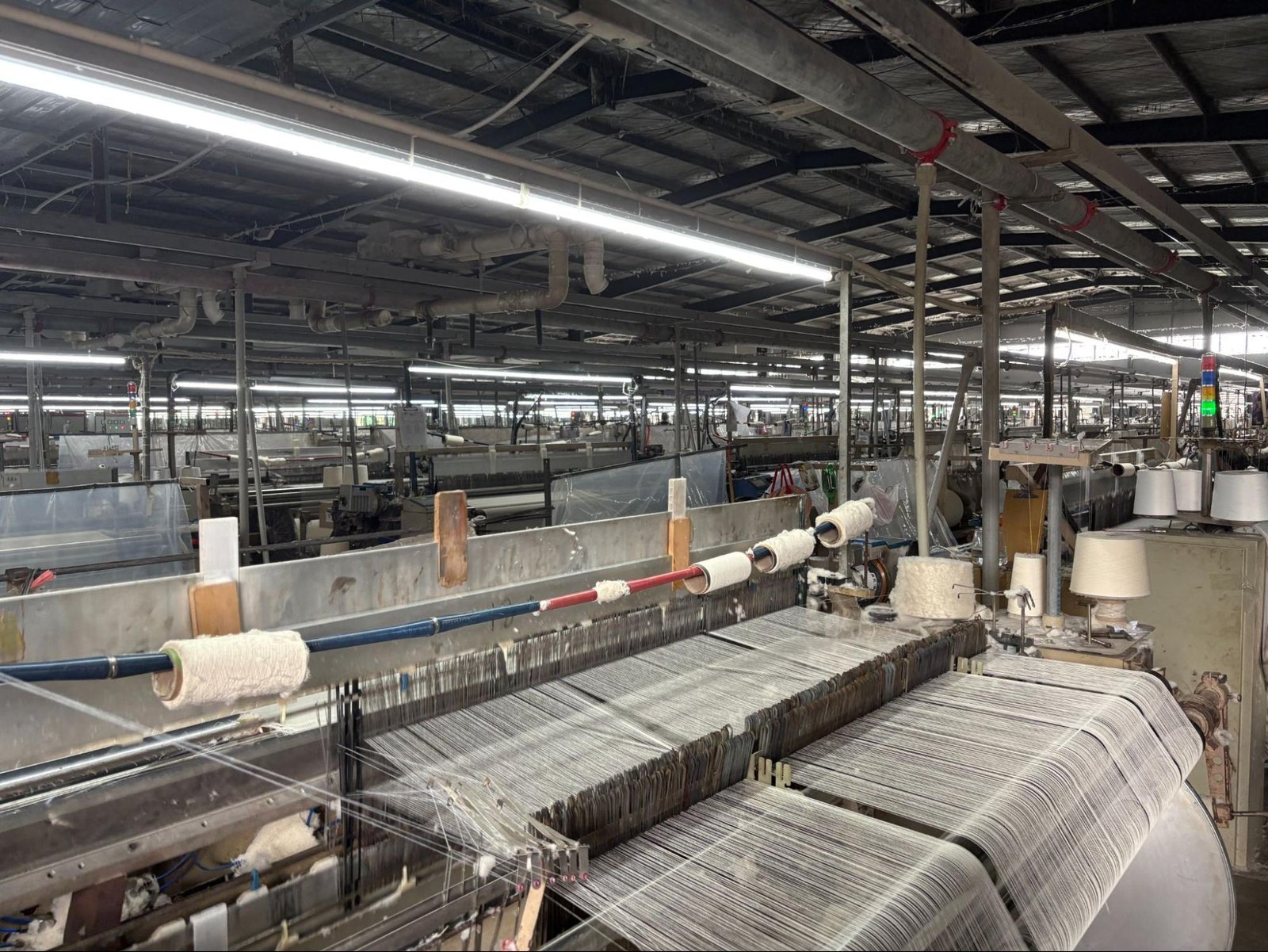
The cotton is then woven into a fabric. This can be done by either weaving or non-woven bonding.
-
Thread Count Control
The thread count is very important in woven medical dressing gauze. This is because it influences the density and quality of the cotton.
The density will ensure consistency in the quality of the cotton. This is important in large-scale procurement.
-
Lint Reduction Techniques
The presence of lint in medical dressing gauze has always been a major problem. This is because it can cause problems during wound healing.
The methods of manufacturing are used to give the product as little lint as possible. Medical dressing gauze weaving can be made tighter in order to have minimal lint.
-
Strength testing
Strength tests are done to make sure that the product can be handled without tearing. This is particularly needed in the medical sphere since the product must be dependable.
Strong and durable medical dressing gauze ensures consistency in use.
Cutting, Folding, And Layering.
This includes the process of cutting the fabric to the necessary sizes. The process is done to make the fabric ready for use as a product.
-
Automated vs manual processing.
The trend in the production of medical products has changed to automation. With automated cutting and folding, there is minimal human intervention in the manufacturing of medical dressing gauze.
In a few cases, manual processing can be used. Automation is, however, the most preferred method.
-
Ply accuracy control.
Another consideration is layering or ply formation. This will have an effect on the absorbency and thickness of the material.
Ply control will ensure that medical dressing gauze meets the set requirements for different medical uses.
Sterilization Technologies
Medical dressing gauze sterilization, in particular, direct wound-contact, is critical.
The sterilization technology to be employed will depend on the product.
-
Ethylene oxide sterilization.
Sterilization of medical dressing gauze is mostly done by ethylene oxide sterilization.
Ethylene oxide is very useful in removing microorganisms from the material without destroying it.
The technology is largely applicable to products that are not able to withstand heat.
-
Gamma radiation sterilization.
Other technologies that have been used widely to sterilize medical dressing gauze include gamma radiation.
The gamma rays penetrate deep into the material, hence thorough sterilization is achieved.
Pre-packed products are mostly used in this technology.
-
Steam autoclave sterilization.
Steam sterilization involves the use of high-pressure steam for killing microbes. This method is good, but it can not be applied to all forms of medical dressing gauze, depending on the sensitivity of the materials.
Both methods have their pros and cons, and manufacturers make their own selection based on the needs of their products.
Cleanroom Manufacturing Standards.
To guarantee the quality of the products, numerous steps of production take place in regulated conditions.
-
ISO classifications
Various classifications are adopted by the manufacturers depending on the quantity of airborne particles in the environment. Greater classifications mean greater controls, which are required in the quality assurance of medical dressing gauze.
This assists in making sure that less contamination is made in the production process.
-
Environmental monitoring
The air quality, temperature, and humidity should be checked constantly. These can affect the quality of the medical dressing gauze.
Tougher measures on the environment can guarantee consistent production results.
Packaging and Sealing.
It is necessary to note that packaging is not only about appearance. It contributes a lot to the preservation of sterility and usability of medical dressing gauze.
-
Peel pouches
It is also another popular way of packaging sterile products. This will be easy to open and yet offer a protective seal.
The technique is usually applied to single pieces of medical dressing gauze.
-
Bulk packaging
This is widely applied to non-sterile products. The approach will be significant in the minimization of expenditures and enhancing productivity.
This is a popular technique when a lot of medical dressing gauze is required.
-
Shelf-life protection
This technique prolongs the shelf life of the product. It wraps the product against moisture, light and impurities.
This becomes significant to ensure shelf stability in the case of medical dressing gauze.
Batch Traceability And Lot Control.
Traceability systems allow manufacturers to track batches of medical dressing gauze from production through delivery. This is significant to quality control.
In case any issues arise, traceability helps in solving the issues within a short time. It is also important for ensuring accountability in the entire supply chain.
Final Quality Inspection And Release
The final inspection is done on the medical dressing gauze before shipment. This is significant in that it will make sure that the products have fulfilled all the requirements.
Some of the quality checks may include the appearance, performance, and packaging of the medical dressing gauze. There is a check after which the gauze is distributed.
This is the final step of manufacturing of medical dressing gauze. It is a security net that helps in making the gauze as expected.
International Trade and Regulation Framework and Compliance Requirements
One of the most important considerations in the sourcing of medical dressing gauze in the world is regulatory compliance. Even the most appropriate quality products will not find their way into the market unless a supplier is cleared by the regulation. Therefore, regulation compliance is not only a requirement but also one of the factors in the choice of the supplier.
Various rules govern the healthcare sector in various areas to ensure the safety and efficiency of the medical dressing gauze.
Why Regulatory Approval Determines Market Access
Regulatory approval is the entrance to the international market for medical dressing gauze. Products will not be allowed to enter the international market without the approval of the regulatory authorities.
The regulatory authorities vary in different countries. These authorities are stringent to make sure that the products are used safely and effectively.
This is where the biggest problem lies. An example is where a supplier may present himself as having a regulatory clearance, but without due verification, the medical dressing gauze could be detained or destroyed at the border.
ISO 13485 Quality Management Systems
One of the most well-known standards in the world when it comes to the production of medical equipment is ISO 13485. ISO 13485 concerns quality management systems regarding the manufacturing of health care products, including medical dressing gauze.
This standard guarantees that there is a system of manufacturing process, and monitoring of the quality of the products is done all the time. The products are also tracked during manufacturing.
This is a minimum standard required by buyers. The ISO 13485 provides an assurance that the manufacturing of medical dressing gauze products is done in a controlled environment.
Europe CE Marking and MDR Compliance.
Medical dressing gauze Products should comply with the Medical Device Regulation (MDR) in order to enter the European market. The products should also bear the CE mark, which guarantees that the products comply with the EU requirements of safety, health, and the environment.
The MDR has established even more difficult demands than the previous ones. Manufacturers should also offer technical documentation, clinical evaluation, and post-market surveillance.
CE marking is not sufficient as a procurement team tries to get suppliers to serve the European market. It is also important to make sure that it is in compliance with the MDR regarding medical dressing gauze.
FDA Registration and 510(k) Alternatives.
In the United States, the Food and Drug Administration (FDA) regulates medical dressing gauze. Manufacturers should also be registered by the FDA. Moreover, the manufacturers are required to file a 510(k) notification of the device.
The 510(k) alternative is that of substantial equivalence testing of the device. This makes sure that the medical dressing gauze is of the required standard.
The United States heavily depends on FDA compliance. Without it, it would not be possible for the medical dressing gauze to find its way into the country.
Medical Consumables GMP Requirements.
The good manufacturing practice (GMP) also gives out certain guidelines to be used in the production of the medical dressing gauze as well as other medical consumable products. These standards make sure that the production and management of the products are made to conform to the standards of quality.
The GMP requirements consist of facility and equipment requirements, employee requirements and documentation requirements. Such needs are those associated with hygiene and contamination.
The GMP requirements are normally demanded together with other requirements. Such requirements make the medical dressing gauze reliable and safe during the production process.
Sterility Assurance And Validation Procedures.
Another consideration when buying medical dressing gauze is sterility assurance, particularly the dressing gauze that would find application in surgeries and wound healing. The probability of a product to be free of viable microorganisms is known as sterility assurance levels (SAL).
The validation protocols are used to make sure that the sterilization process is effective. These validation protocols include the process of testing and documenting the products.
The sterile medical dressing gauze can not be procured without validation.
Documentation Requirements In Labeling And Packaging.
The labeling requirements for medical dressing gauze vary from country to country. Overall, it includes data on product information, usage, batch number, and expiry date.
Product labeling is significant to ensure its proper use by the medical practitioners. It is also useful in the tracking of the product in the event of quality problems.
Packaging documentation should be in accordance with the requirements by the authorities. This entails details of sterility of the product, storage environment and the working of the medical dressing gauze.
Signify Documentation Requirements Of The Cross-Border Movement.
Medical dressing gauze to be imported should be well documented to be cleared at the customs. This comprises commercial invoices, packing lists, certificates of origin and compliance certificates.
Documentation must be in order for the smooth import of the medical dressing gauze. This makes it an important aspect in the evaluation of suppliers.
In the case of bulk movement particularly when dealing with large bandages, documentation should be sufficient to facilitate easy transportation of the product across borders.
Common Compliance Issues That Cause Delays In The Tender
In most cases, the compliance matters have been known to delay the tendering process. Delays in medical dressing gauze approval have been known to be caused by lack of certifications, outdated information and wrong labeling.
In the tendering process, the slightest of errors will result in disqualification. Thus, one must have particular attention to detail when assessing the tender.
The second major cause of delays in the approval of medical dressing gauze has been inconsistency in documentation and product specifications.
How Procurement Teams Verify Supplier Legitimacy
The process of verification is necessary to make sure that all the regulatory guidelines are fulfilled. The procurement teams can assess the authenticity of the suppliers by using different ways like checking of the certificates, including the date of issuance and the date of expiry, and audit reports, which may provide more data on the manufacture of the medical dressing gauze.
In other instances, one can also visit the supplier to learn how the medical dressing gauze is made. This is in order to make sure that the supplier is able to supply medical dressing gauze on demand.
Performance and Quality Metrics Procurement Teams Need to Assess
When evaluating the performance of medical dressing gauze, it is not as simple as looking at the specifications on paper. The most significant thing is the way the product will be in a real life scenario. The main factors to consider in determining whether a supplier is able to meet the demand or not are consistency, dependability, and safety.
1. Absorbency Test And Fluid Retention Test.
Absorbency is one of the most vital performance indicators for medical dressing gauze. This will identify the efficiency of the medical dressing gauze to hold fluids without leaking or having to be changed regularly.
The testing will be conducted by measuring the speed at which the medical dressing gauze is able to absorb fluids and the efficiency at which the dressing is able to retain the fluids. Medical dressing gauze that performs well will be able to absorb fluids in a uniform manner without collapsing in structure.
On the same note, fluid retention is also noteworthy. In case the gauze can release the absorbed fluid when it becomes under pressure, it will compromise the wound care. Testing plays a very important role in making sure that the product is effective in various situations.
2. Linting/Fiber Shedding Control.
Linting is the release of tiny fibers from the surface of the medical dressing gauze. Linting has the potential to undermine wound healing and increase the risk of wound infections.
There are various ways of controlling linting among manufacturers, with varying success rates. This has meant that procurement departments need to research the linting test outcomes prior to making a purchase decision.
Low lint medical dressing gauze plays an important role in the surgical setting because it aids in maintaining the cleanliness of the wound area.
3. Consistency Of Thread Count And Weave Density.
Medical dressing gauze has a great number of threads, and the density of the weave of the dressing fabric contributes greatly to its functionality. These two parameters are the ones that define the absorbency and the durability of the product.
The consistency in the weave density guarantees consistency in the functionality of the medical dressing gauze. This consistency will help in the standardization of the product.
This aspect will be significant to buyers who intend to buy in large quantities. Lack of consistency in medical dressing gauze will result in problems with standardization.
4. Tensile Strength And Durability.
Tensile strength of medical dressing gauze is the ability of the gauze to resist the force without tearing. This factor is critical in application, removal, and handling.
Medical dressing gauze is durable such that it maintains its quality even in situations where it is in contact with fluids. Poor quality on the other hand may result in ripping during use.
Medical dressing gauze quality will be of great importance to the smooth running of the processes, particularly in high-pressure situations.
5. Sterility Tests And Bioburden Limits
In the use of medical dressing gauze in various capacities, sterility is very crucial. The significance of the product is great in the medical field. Testing of sterility is crucial in making sure that the product does not contain destructive organisms.
Bioburden testing is done to determine the number of organisms present in the product prior to the sterilization process. The process is vital in determining the effectiveness of the sterilization process.
See, in absence of the testing procedure, it is hard to assess whether the medical dressing gauze is safe enough in fulfilling the necessary safety requirements. The process is vital in the evaluation of the supplier.
6. Stability Of Shelf-Life Experiments.
The stability in shelf-life is crucial in establishing how long the medical dressing gauze may be utilized. The process plays a critical role in identifying the efficacy of the product in particular conditions such as temperature and humidity.
Stability plays a critical part in defining how effective the product will be in the long run. The process is vital in the purchase of the product in large quantities.
The process is vital in the management of the product by the organization. This is critical in determining the usefulness of the product in the long run.
7. Batch Sampling Techniques.
Consistency is achieved by the batch sampling technique. A batch of the medical dressing gauze is tested instead of testing each piece.
The sampling techniques should be standardized to be accurate. Another usual way to prevent bias in the results is random sampling.
In the case of the procurement department, the batch sampling techniques provide a clear picture on the uniformity of the medical dressing gauze.
8. Laboratory Verification Of Third-Party.
Additional verification is by a third-party laboratory. Medical dressing gauze is tested by third-party laboratories to determine that it is up to the standards. This provides objective results.
These reports provide a clear picture regarding the claim of the suppliers. Such reports are also applicable in the comparison of various suppliers. In most cases, third-party checking is required to provide regulatory compliance. The quality of the medical dressing gauze is also assured by the third party verification.
Future Trends On Medical Dressing Gauze And Wound Care Procurement
The medical dressing gauze sector is evolving because of the modification in the practice of medicine, global supply chain forces, and sustainability pattern.
Medical dressing gauze is not changing its fundamental product, but the process of its creation, sourcing, as well as distribution is changing very fast.
The procurement of medical dressing gauze is shifting towards a more long-run approach instead of concentrating on the cost and availability of medical dressing gauze to other long-run factors of sustainability, environmental impact, and efficiency.
These changes in the way medical dressing gauze is made and procured are being felt in the global market.
1. Biodegradable And Sustainable Materials.
Medical dressing gauze sustainability has become a significant issue in the acquisition of medical supplies.
The sustainability of medical dressing gauze has made manufacturers look for alternative materials that are biodegradable.
Medical dressing gauze made of cotton has a natural edge of being biodegradable, manufacturers are seeking a way of enhancing the processing of cotton dressing gauze to ensure that less use of chemicals is made.
Packaging is also included in this. Plastic products can be reduced and recyclable products can be used to mitigate the environmental impact of medical dressing gauze.
This will also be continuing as more of the healthcare systems will include sustainability targets and reporting.
2. Sourcing Of Ethical Cotton.
Sustainability is closely associated with ethical sourcing. The buyers are also becoming interested in the source and origin of the cotton used to make medical dressing gauze.
These comprise fair labor, fair farming and low environmental impact. The ones that are able to demonstrate ethical sourcing are gaining competitive edge.
Transparency is having a major role to play. Purchasers are demanding traceability information to verify that medical dressing gauze complies with quality and ethical practices.
Ethical sourcing will become a necessary requirement in the future, instead of an option.
3. Production Automation And Robotics.
Automation is transforming the manufacture of medical dressing gauze. This has contributed to more efficiency in the performance of medical dressing gauze.
The machines can be used to carry out different tasks such as cutting, folding and packaging with high accuracy. This minimizes human mistakes during the manufacturing process of medical dressing gauze.
The use of robotics has also helped in increasing the production capacity. This is attributed to the fact that the demand for medical dressing gauze is yet to hit the ceiling.
The demand has also contributed to the production capacity being increased without interfering with the quality of the product.
4. Smart Packaging and RFID tracking
The packaging of medical dressing gauze has also undergone significant changes. Packaging is no longer just about protection.
The introduction of smart packaging has helped in tracking the inventory of medical dressing gauze.
RFID stands for Radio Frequency Identification. It helps in tracking the inventory of medical dressing gauze.
Smart packaging technology also improves traceability. In the event of a product recall, it becomes easier to identify the batches of medical dressing gauzes.
These technologies are still in development stages, but they have shown some advantages in terms of large-scale procurements.
5. Regional Manufacturing Diversification
The recent global supply chain disruptions have shown the disadvantage of relying on a single region for the manufacture of medical dressing gauze. This has led to a significant diversification of the industry.
Manufacturers are increasing their production capacity in different regions of the world in order to minimize the risk of relying on a single market.
This has several advantages for procurement departments. It would give them more flexibility in terms of managing risks in the procurement of medical dressing gauze.
Diversification does not necessarily replace global sourcing; it is more of an added option.
6. Digital Procurement Platforms
The digitalization process is influencing the way organizations procure medical dressing gauze. Digital procurement platforms are helping organizations procure medical dressing gauze.
These digital procurement platforms give access to suppliers’ information, certifications, and prices in one place. This makes it easy for organizations to compare and make faster decisions.
Data analytics is another benefit of digital procurement platforms. This will help organizations better understand the usage of medical dressing gauze.
As digitalization progresses, digital procurement platforms are expected to form a crucial part of organizations’ procurement strategies.
7. Emergency Stockpiling For Public Health Crises
The importance of emergency stockpiling has become increasingly clear in light of recent world events. Healthcare organizations are increasingly focusing on stockpiling vital products, including medical dressing gauze.
Strategic stockpiling enables organizations to have vital products available in case of emergency. This eliminates the need for emergency procurement, which can be expensive and unreliable.
Strategies for stockpiling may involve a range of products, including standard medical dressing gauze as well as specialized types such as large bandages.
The thing is, though, stockpiling isn’t just about stockpiling large quantities of products. It is equally important to have effective management and control measures in place to maintain the quality of products.
This way, medical dressing gauze will be available for use when it is most required.
Why Hospitals and NGOs Partner with BKA MED

Procuring the services of a supplier for medical dressing gauze products is not just about the product specification. Rather, it is about identifying the right supplier who can deliver the goods in terms of consistency and reliability. For NGOs and hospitals, the operating environment may not be such that they can afford disruptions in the supply of products.
This is where BKA MED excels. The company has the capability to deliver medical dressing gauze products to meet the needs of the global community. Therefore, several organizations rely on the services of BKA MED for procuring medical dressing gauze products.
Manufacturing Capabilities And Facilities
Manufacturing capability is the key strength of any supplier. BKA MED operates with integrated systems in terms of manufacturing. The company has the capability to deliver products in terms of integrated systems in the following areas:
- Raw material processing: The company has the capability to process the raw materials required for the production of medical dressing gauze products.
- Production: The production of medical dressing gauze products is carried out in controlled conditions.
Comprehensive Gauze And Wound Care Portfolio
Having a comprehensive portfolio enables healthcare organizations to purchase various products from a single source. BKA MED has a comprehensive portfolio of products, including different types of medical dressing gauze.
This enables organizations to purchase various types of medical dressing gauze, including gauze pads and other types. This makes it easier for organizations to purchase the products they require.
Having access to a comprehensive portfolio enables organizations to standardize different departments. This makes it easier for organizations to incorporate medical dressing gauze into existing processes.
Certifications And Global Compliance Standards
When supplying medical dressing gauze in the global market, it is crucial for organizations to comply with various global standards. BKA MED has aligned its processes with global compliance standards.
This enables organizations to have various certifications for supplying medical dressing gauze. This ensures that the organization supplies medical dressing gauze in a controlled environment.
When considering purchasing medical dressing gauze, various organizations have different challenges. This includes challenges during the import process.
OEM and Private Label Expertise
Customization is becoming more important in the healthcare sector. BKA MED helps in the OEM and private label manufacturing of medical dressing gauze. This helps in meeting the specific needs of the organization.
This can include customization in the packaging or the product. Solutions can be provided where the product is integrated with tape as well. This will be used in standardized formats.
This will also help the distributors in building their brand.
High-Volume Production Capacity
Hospitals and NGOs require large-scale operations. It is important that the supplier is able to meet the demand. BKA MED is able to produce medical dressing gauze in large quantities.
This is important in the case of hospitals or NGOs where the demand is high. It ensures that the large demand is met in the required time frame.
This will also help in meeting the demand in emergency situations.
Consistent Quality Control Systems
Quality consistency is an important factor in the procurement of medical dressing gauze in bulk. BKA MED uses quality control systems in the entire production process.
This involves different stages of inspections and testing of the medical dressing gauze. Each stage is aimed at ensuring the quality of the finished product.
Consistent quality helps in the prevention of defects in the medical dressing gauze.
International Export Experience
International trade involves dealing with international exports. BKA MED has the necessary experience in dealing with international exports of medical dressing gauze.
This involves dealing with different regions in the world. Experience in international exports is important in ensuring smooth transactions.
For the buyers, dealing with an experienced company is important in ensuring smooth transactions.
Logistics And Documentation Support
Logistics play a crucial role in the delivery of medical dressing gauze in a timely manner. BKA MED helps in the coordination of the same and documentation.
Documentation involves the creation of invoices, packing lists, certificates, and other relevant documentation.
Logistics play a crucial role in the delivery of medical dressing gauze in a timely manner. This is especially true for organizations receiving large quantities of medical dressing gauze.
Customization And Bulk Packaging Options
Medical dressing gauze has different requirements in different medical settings. BKA MED offers customization in terms of packaging for medical dressing gauze.
Medical dressing gauze can be packed in bulk quantities, which is especially beneficial for large-scale organizations.
The packaging of medical dressing gauze can be customized according to the requirements of the organization. This helps in the easy management of the same.
Long-Term Supply Partnerships And Case Examples
Now, it is the long-term partnerships that characterize a reliable supplier relationship. This is because BKA MED emphasizes partnerships rather than mere business transactions.
The basis for these partnerships is the consistent supply, transparent communication, and continuous improvement. In the long term, organizations are able to access a stable supply of medical dressing gauze.
This implies that there will be fewer interruptions, better pricing consistency, and better coordination. For hospitals and NGOs, this is a major benefit in terms of running an efficient healthcare business.
Optimization of Wound Care Procurement using Trusted Purchasers.
This article included the key points of sourcing medical dressing gauze successfully, such as evaluation of the supplier, performance metrics, manufacturing knowledge, and market trends.
We have also discussed the various kinds of gauze medical dressing, their clinical application as well as the importance of high volume production and supply chain management. The knowledge of these aspects can assist procurement teams in reducing risk, maintaining constant quality, and attaining bulk sourcing at an affordable cost.
With increased demand and regulatory needs in healthcare organizations, it is important to collaborate with a partner who is dependable and compliant. For reliable supply and customized solutions, contact BKAMED to get a quote.
