When basics fail, procurement teams stress about them for the first time. Gauze pads may feel simple, but in hospitals and NGOs, they’re a pivotal product that facilitates wound care, emergency response, and surgery. If a supply issue arises, with a reduction in quality, and paperwork is an utter failure, that problem will touch every department.
Things will begin to slow, staff will have to overwork themselves, and expenses will also rise. The purpose of this guide is to help buyers simplify gauze pad sourcing, and help them to get it right, with little to no problem, a steady supply, as well as a low-risk order.
Top 10 Manufacturers of Gauze Pads in China
1. BKAMED (Hubei Baikang Medical Instrument Co.)
BKAMED is located in Xiantao, the epicenter of China’s medical consumables industry. For institutional buyers, one of the defining aspects of the company is vertical integration. Instead of relying on external partners to perform critical processes, BKAMED internally owns and controls cotton processing, weaving, cutting, sterilization, and sealing all under one quality control system. This is important because while hospitals need to depend on gauze pads uniformly every day, variability in gauze pads produced by the company is less than that of most competitors.
The product range spans routine care and surgical demand, including sterile gauze pads for surgical uses, non-sterile gauze for minor wounds, large gauze pads for trauma and emergency response, and the widely utilized cotton gauze pad formats that are preferred for routine dressing changes. This variety gives procurement teams the ability to streamline SKUs with a single vendor instead of dividing orders across various factories.
From a compliance standpoint, BKAMED has ISO 13485 systems that are aligned with CE and FDA protocols, thus accommodating exports to regulated markets. Documentation, batch traceability, and audit preparedness are operational priorities. For buyers dealing with tenders or supply programs for NGOs, this preserves a frictionless experience around inspections and renewals.
From the buyers’ perspectives, BKAMED offers a value proposition for organizations needing stability, clear and documentable supply, and sustained long-term provision of gauze pads rather than trading short-term price increases for sustained supply. The company`s consistency and risk management are its competitive edge, rather than a discounted price.
-
The Experience of Institutional Buyers with BKAMED After Contract Award
Short supplier profiles convey the company’s offer, and procurement teams focus on the behavior after onboarding. BKAMED’s most pertinent differentiator when dealing with long-term clientele is not merely vertical integration, but process predictability over time. Once long-term contracts are enacted, production strategizing is synced with real consumption data as opposed to merely projected nominal data. This withdrawal result reduces the typical procurement concern of supply drift due to misalignment with the buyer/manufacturer assumptions.
The ability to process raw cotton grants BKAMED tighter tolerances in absorbency on batch-to-batch comparisons. This is beneficial for hospitals as this results in fewer complaints on the clinical level and fewer informal ward-level substitutions. NGOs can predict the performance of hospitals and clinics. For distributors, this simplifies downstream quality claims. Absorbency material behavior stably diffuses across multiple shipments.
Disciplined documentation is another strength of BKAMED. Batch documentation, sterilization records, and approvals are not viewed as export documentation, but as core operational artifacts. If the audits arise months after the shipments are delivered, the documentation is available and not reconstructed. This benefits the buyer, where EU MDR or donor-program oversight where documentation gaps are common and results in compliance reviews.
Buyer Insight: BKAMED is best considered as a long-term partner instead of a transactional vendor, offering a No minimum Order Quantity.
2. Winner Medical Co., Ltd.
Winner Medical is one of the largest manufacturers of medical textiles in China and has a global presence with substantial automation investments. This scale makes it possible to deliver gauze pads to extensive hospital systems and national wholesalers without being constrained by capacity. For buyers who confront variable demand spikes, this depth of production is often a deciding factor.
The company has a particularly strong line of sterile gauze pads supported by validated sterilization procedures and packaging that is made to suit high-volume clinical settings. Winner employs automation to achieve consistency in gauze pad dimensions and absorbent properties, which helps to simplify inventory control.
Winner has a significant compliance framework that includes an ISO 13485 certification and registrations in most of the major export regions. There are some customization options available; however, the company’s most significant strength is in high-volume standardization. From the customer’s view, Winner Medical is a good fit for purchasers who need at scale constant gauze pad availability and who appreciate standard process automation over bespoke customization.
-
Winner Medical: Scale as a Strategic Asset and Its Trade-Offs
Industrial scale backed by automation is Winner Medical’s most significant advantage. For national hospital systems, government tenders, and multi-country distributors, this scale provides insulation against demand volatility. When other suppliers hit ceiling constraints, Winner’s capacity depth often absorbs overflow.
Automation improves dimensional consistency. In high-throughput environments like operating rooms, it lessens variability during processes, leading to quicker turnarounds. Procurement teams benefit from fewer clinical escalations associated with inconsistent products.
On the other hand, scale creates rigidity. Production lines optimized to standardize SKUs can take longer to adjust to mixed specifications, bespoke packaging, or rapid changes to SKUs in times of emergency. Buyers with heterogeneous portfolios should clearly articulate flexibility boundaries during pre-contract discussions.
Takeaway for buyers: Winner Medical stands out when volume predictability surpasses the need for customization.
3. Zhende Medical: Focuses on Compliance and Manufacturing for Regulated Markets
Zhende Medical is a reputable company that is based on regulatory alignment rather than production breadth. Buyers from Europe prefer Zhende Medical as the European documentation, labeling, and technical files align with the Medical Device Regulation (MDR).
The compliance alignment translates to less administrative work for European buyers. The buyers’ procurement staff handles less documentation, buyer bodies have to respond to fewer questions, the administrative work required after a tender is minimized, and the overall tender cycle is trimmed.
The only downside to the compliance feature is the company’s ability to be flexible with a customer’s changing demand. Zhende Medical is most efficient when the demand is stable, and the customer is focused on compliance rather than high volumes, humanitarian aid, or emergency demand.
Buyer’s perspective: Zhende is a suitable supplier for customers who have regulatory compliance concerns but do not need high volumes.
4. Allmed Medical Products Company, Ltd.
Among distributors, Allmed is recognized for its private label and OEM potential. The company provides international brand distributors with packaging, adaptability, and sourcing for medical-grade cotton gauze pads. Allmed is recognized for its material traceability and controlled production environments for gauze pads.
Although Allmed does not compete with the larger manufacturers, they have a good market balance with volume and brand indifference. This profile with the tier 2 manufacturer perception offers good value for the distributor needing flexible and diverse product offerings and little operational complexity.
Potential customers: Allmed is best suited for customers needing reliable gauze pads with branding and packaging flexibility.
5. Hubei Qianjiang Kingphar Medical Material Co Ltd.
Kingphar benefits from low transport costs and steady input supply due to its proximity to raw cotton sources. With gauze pads that are in high demand for both domestic and international markets, especially in high volume, low cost markets, Kingphar has positioned itself well.
The company is particularly notable for the bulk sizes and large gauze pads, which are frequently utilized in emergency services, ambulances, and humanitarian aid. While some may consider their offerings to be less specialized, Kingphar is known for reliability and competitive pricing.
From the buyer’s viewpoint, Kingphar is suited for buyers needing large-scale quantity orders, where a steady supply of gauze pads is essential, regardless of a high degree of customization.
6. Suzhou Sunmed Co., Ltd.
Suzhou Sunmed operates as a small to medium-scale company and tries to achieve an equal balance for the operational components. In terms of gauze pads, the production of these pads for Kingphar supports the distributors and hospitals with a steady supply, without the need for large, complex systems.
Without deviations, the company has international industry certifications that are standard for the industry, and practices more of routine quality control, which seems to favor more the buyers that want predictability than those that want more relationships with less defined systems.
From the buyer’s viewpoint, Sunmed is a great option for buyers requiring a steady supply of quality gauze pads and not complex systems.
7. Yangzhou Goldenwell Medical Devices Factory
Goldenwell aims to keep it simple when it comes to execution. Their gauze pads are made in standardized sizes with uniform packaging, which leads to quick production times and simple logistical planning.
Goldenwell’s years of experience in exportation assist customers in customs and regulatory documents with no surprises.
Buyer perspective: Goldenwell is perfect for customers who want simple sourcing of gauze pads with reliable delivery timelines.
8. Topwin (Hubei) Medical Products
Topwin is a member of the Hubei medical manufacturing cluster and, therefore, is a beneficiary of the shared infrastructure and labor. Their gauze pads are used for general wound care across numerous regions.
Although Topwin does not have as extensive a reach as some of his peers, he offers reliable production with regional supply chains to help balance the sourcing of raw materials.
Buyer perspective: Topwin is the ideal partner for customers seeking a dependable supply of gauze pads from a regional, established market.
9. Ningbo Medelast Co., Ltd.
For some time, Ningbo Medelast has chosen to enforce a company policy and watch the impact of sustainability and packaging innovation on their gauze pads, as they will be the first to be chosen by customers for whom environmental and/or ESG packaging has been included in the sourcing selection.
Energy-efficient sterilization processes and recyclable packaging align with the evolving procurement standards in Europe and other regulated markets.
Buyer perspective: Medelast is an appropriate option for incorporating sustainability into the procurement process for the gauze pads.
10. Yangzhou Super Union Medical Material Co., Ltd.
Super Union is noted for flexibility. While most manufacturers focus on high-volume production, Super Union is willing to work with varying specifications, smaller batch sizes, and customized packaging for gauze pads.
This flexibility is especially appealing to buyers with niche needs or those with mixed portfolios where standard offerings do not meet clinical requirements. From the buyer’s perspective, Super Union is a valuable gauze pad producer to those users who need flexibility and quick turnaround on gauze pads, even if the volume is not high.
From the buyer’s standpoint or takeaway, manufacturers A, B, and C all produce the same product, so what’s the big deal? The short answer is that each manufacturer has a distinctive capability. Time and scale are a couple of manufacturer capabilities to consider, but a more impactful capability, in many cases, is the vertical compliance, cost, or the level of flexibility. The more critical gauze pads are to the customer’s workflow, the more impactful the manufacturer’s capabilities will be on the customers’ audit risk, workflow, and supply continuity in the future.
Why Procurement Teams Should Look Beyond the Profile When it Comes to Manufacturer Capabilities.
A short profile informs the buyers of a manufacturer, but the profile does not state how the manufacturer acts after the contract is signed. When it comes to long-term sourcing, behavior is more important than branding. The following is an operational perspective, which procurement teams can use while assessing gauze pad manufacturers within a buyer-side operational lens.
Production Stability vs. Surge Behavior
Most manufacturers do well under normal operational circumstances, but can struggle with demand spikes. Buyers should not only assess stated capacity but also evaluate how the capacity is allocated when demand rises.
| Evaluation Factor | What Buyers Should Ask | Why It Matters |
|---|---|---|
| Surge Allocation | Are existing clients prioritized during demand spikes? | Prevents emergency stockouts and protects continuity of supply |
| Shift Flexibility | Can production move to additional shifts quickly? | Indicates real capacity elasticity during sudden demand increases |
| Raw Material Buffer | Are cotton inputs stockpiled or spot-purchased? | Reduces exposure to supply chain shocks |
| SKU Switching Speed | How fast can production lines switch formats or SKUs? | Critical for emergency response and changing demand patterns |
Buyers’ Insight: A manufacturer who cannot clearly explain surge behavior is not ready for an institutional contract.
What Are Gauze Pads Used For in Hospitals and Clinics?
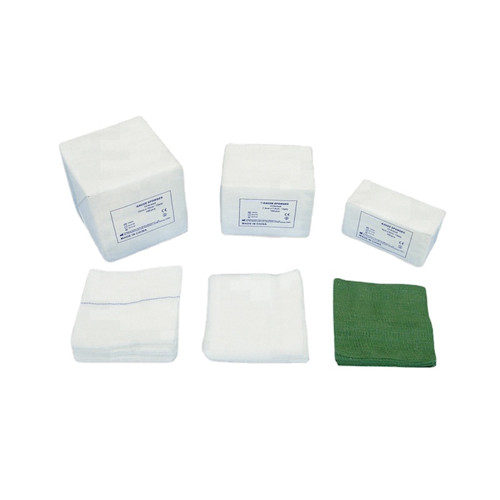
Procurement clarity starts with clinical reality. Buyers often ask what gauze pads are used for, not as a definition, but as a practical question tied to workflows, staffing, and patient outcomes. In everyday care, gauze pads offer wound protection by creating a breathable barrier that traps blood and exudate while preventing tissue from getting contaminated. In simple care, gauze pads facilitate the measuring and tiers of the care process. They are simple and are used for care across the continuum.
In surgical environments, what gauze pads are used for becomes more specific. They assist site prep, intraop fluid control, and immediate post-op coverage. This is where consistency comes in. Predictable absorbency and sizing are a value add, diminishes variance during the procedure, and optimizes turnover speed between cases. When products perform the same way every time, the team accelerates its pace, documentation stays clean, and the patient is the named beneficiary.
Emergency and trauma care shows us that gauze pads have rapid stabilization uses. Clinicians use gauze pads to stop bleeding, protect open wounds, and “buy time” while waiting for advanced care. They are a first response necessity and are used everywhere from triage stations to ambulances.
Gauze pads are also more versatile and offer a better value when compared to advanced dressings. While specialized dressings serve a defined need, gauze pads serve a multitude of purposes. They are used for routine care, post-operative monitoring, and emergency response. Because of all this, hospitals choose to stock gauze pads as basic inventory and supplement with advanced products when necessary.
Gauze Pads vs Other Wound Care Products
When looking at documentation, it’s easy to understand why gauze pads continue to be a staple in hospital supply chains. From a supply chain perspective, gauze pads are more manageable. Unlike gauze rolls, pads optimize supply chain efficiency and reduce training complexity. Their uniform thickness and size reduce variability in dressing change workflows. While rolls may have supply chain operational flexibility, pads are more beneficial from a supply chain standardization perspective.
In comparison to advanced dressings and non-woven dressings, gauze pads win in versatility and cost. Advanced dressing may satisfy a specific clinical need, but gauze pads are more versatile across a wide range of needs in routine care, post-op monitoring, and during emergencies. It is this clinical justification, along with cost, that continues to make gauze pads a prioritized core SKU in many hospitals, with advanced dressings being added only when clinically justified.
Why Gauze Pads Are a High-Consumption SKU
The volume of gauze pads used in hospitals is the most clear supply chain justification. Gauze pads are used at a steady, consistent, and often underappreciated rate across hospital units, surgical units, outpatient units, and emergency units. It is this steady pull that makes gauze pads a high-consumption SKU. It is this steady pull that makes gauze pads a high consumption SKU. In these environments, consumption shortages cause workflow disruptions.
Inventory teams appreciate gauze pads because of their predictability, as gauze pads are universally accepted and require minimal training to understand. When gauze pads are in stock, clinicians can do their jobs more efficiently, and procurement can avoid costly last-minute substitutions. This is why gauze pad buyers focus less on the price of the gauze pads and more on the uninterrupted availability, consistent quality, and reliable supply of the gauze pads.
Gauze pads can be seen as just another supply item. However, gauze pads, like all other medical supplies, play a critical role in the overall care system, especially in supporting safety, efficiency, and confidence.
Successful procurement assumes consistent usage across departments, which ignores the reality of differences in usage across departments. In simple terms, gauze pads are consumed at a different rate across different departments.
Emergency departments delay sourcing strategies to stock up on emergency supplies. In the case of trauma and mass-casualty events, gauze pads can be depleted in seconds. At this stage of care, a stock shortage can be detrimental.
Common Gauze Pads Buyers Source
When buyers understand the types of gauze available on the market, it assists them in making more accurate purchasing decisions that align with actual clinical needs. While all options may seem similar, each one is critical in supporting a hospital’s workflow, risk management, and inventory management. Below are the most sourced categories and the reasons they remain important to institutional buyers.
Sterile gauze Pads
Sterile gauze pads that are sterile are used in surgical and other invasive procedures. Hospitals use sterile gauze pads for infection-controlled procedures, including operating rooms, catheter insertions, and care for surgical wounds. The pads are individually packaged and tested to be safe for use by medical staff on open wounds.
From a procurement perspective, sterile gauze pads are more about consistency than range. When it comes to documentation, lot traceability, shelf-life, and other details, any inconsistency can lead to audits or clinical deferrals. For many hospitals, sterile gauze pads like the Alcohol Swabs 70% IPA are high-risk, high-trust products that must perform to expectations each time.
Non-Adhesive Gauze
Wound sensitivity provides a different set of priorities. Burns, ulcers, skin grafts, and wounds after surgery can all use Non-adhesive gauze. Its use, along with other products, can also help to alleviate trauma during dressing changes. Non-adhesive gauze is appreciated by medical staff, as it protects soft tissues while also providing moisture absorption and airflow. When buying non-adhesive gauze pads, gauze needs to be gentle yet strong.
Some gauze pads stick to wounds despite being called non-adhesive, which leads to more care time and hurts the patients. Non-adhesive gauze pads are used in recovery wards and chronic care units, which makes supply and clinical performance very important.
Large Gauze Pads
Large gauze pads are important in trauma care and have an emphasis on speed in addition to coverage. They are absorbent and give coverage for high-exudate wounds. They are a staple for emergency care, ambulances, and disaster response kits. They are the first responders to stop bleeding and cover wounds while the care team escalates the response to the next level.
Cotton Gauze Pad
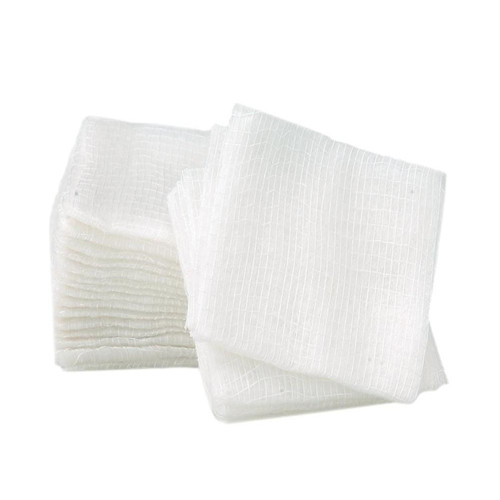
Across all levels of care, the cotton gauze pad is considered the industry standard. They are composed of natural fibers, which means they are soft and breathable. They have a good level of absorbency, which makes them a good option for cleaning, covering, and monitoring wounds. They are especially trusted by clinicians because they work the same each time.
For procurement teams, gauze pad sourcing is a matter of consistency. Because gauze pads are used everywhere from inpatient wards to outpatient clinics, even small deviations in gauze pad quality lead to notable complaints. Consistent material quality and batch control transform gauze pads from a regular to an essential hospital product.
Materials Used in Gauze Pad Manufacturing
Each field of medicine uses consumables and disposables that are made with careful selection of materials. Although buyers evaluate costs, packaging, and certifications, in the end, material selection defines how the product will function in the field. This is true for gauze pads, as small differences in fiber selection, processing, and purification greatly affect the absorbency, comfort, and reliability of gauze pads, and how many uses they serve.
Medical-Grade Cotton: The Foundation of Performance
Most manufacturers start with cotton because it is readily available and is very compatible with the skin and human tissue. Manufacturers select medical-grade cotton for fiber length, purity, and strength. This is because longer fibers tend to interlock better in the weaving process. This interlocking creates a better overall absorbency as well as a better textile to not collapse, shed, or lose shape. This is important for dressing changes as clinicians and staff require a material that will not fray or lose shape under pressure.
In this category, many still consider cotton gauze pads the standard, and they continue to trust them. Many staff in the hospitals appreciate the softness rather than the fraying that occurs with manmade materials. The strength to withstand many routine handles is the cotton. This results in few, if any, complaints from the clinicians and quiets the field from fraying and soft materials.
Purity, Bleaching, and Safety Standards
Before usage in medical-related fields, raw, unprocessed cotton needs to go through a refinement process. For modern manufacturers, this entails the use of controlled bleaching processes to eliminate unwanted, waxy, and seedy residues that may block absorption. Bleaching processes that rely on oxygen are preferred as they improve whiteness and enhance performance, and are less likely to leave behind residues that irritate skin or compromise safety.
Stability standards are, in part, dictated by the process of bleaching. The presence of thoroughly processed materials delays discoloration and degradation, which is crucial for medical facilities that are required to keep large volumes of supplies for long periods of time. Buyers that are highly regulated may evaluate a supplier’s bleaching processes as part of an audit for this reason.
Material Risks that Buyers Should Monitor
From a procurement point of view, material risk is perceivable as inconsistency, rather than immediate failure. Short fibers contribute to linting, which complicates wound care and raises risks of infection. Over-processed cotton doesn’t make fabric, weakening during use. These issues, however, are not typical for smaller-scale samples and instead are an aggregate issue that arises over an extended period within large orders.
Understanding material inputs allows buyers to improve the questions they ask and evaluate the suppliers beyond superficial claims. When manufacturers consider material control a core process instead of a cost center, gauze pads reliably perform across departments, audits stay streamlined, and the clinical teams’ work focus shifts to care, not workarounds.
Gauze Pad Manufacturing Process
Understanding the process of gauze pad manufacturing can give a better idea as to why some suppliers are better at delivering products than others. Manufacturing processes are not overly complicated; however, there is little room for error. If a problem occurs, quality can drift, there can be problems with audits, or there can be clinical complaints.
Preparing Raw Cotton

With the process of manufacturing gauze pads, the first thing that happens is the preparation of raw cotton. Before the gauze is even woven, it needs to be cleaned, and then the cotton needs to be opened, with the affected raw cotton being cleaned as well. Finally, aligned with the removal of seeds, wax, and contaminants. Buyers do not always see this step, but it is where reliable suppliers separate themselves from the rest.
Weaving and Making Fabric
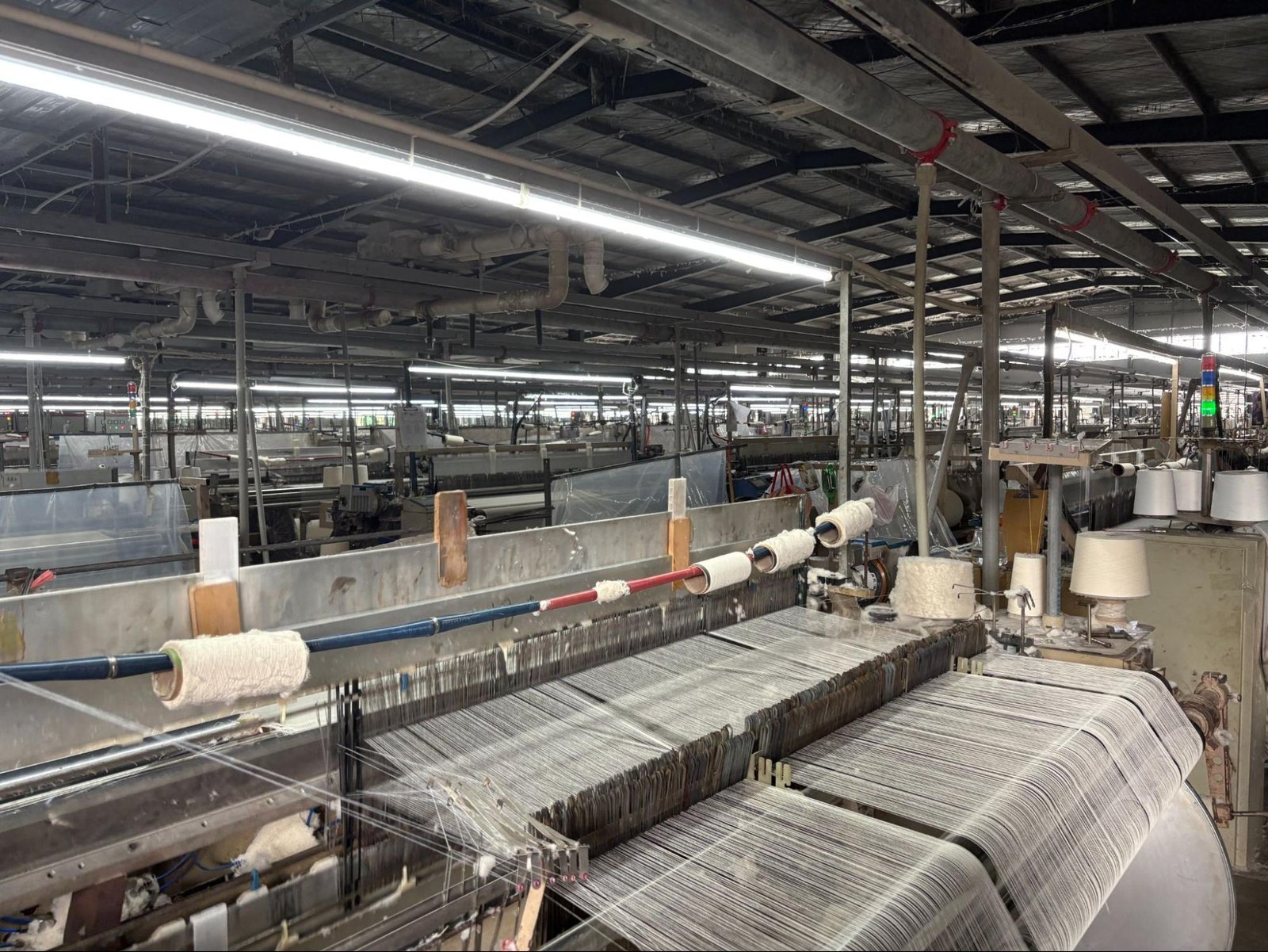
After preparing the raw cotton, it needs to be woven into fabric. To create gauze for the pad, a controlled spacing of threads needs to be done, as well as a specific quantity of threads. There is a great deal of influence that the spacing and quantity of the threads can have on the integrity of the gauze pad. Consistency when creating a gauze pad is paramount for the reliability of the gauze pad. This allows the gauze pads to perform well and not cause problems across different departments and uses.
Cutting, Folding, and Ply Assembly
Once woven, fabric is cut and layered into defined sizes and plies. This is also where patient dimensional accuracy becomes critical for consistency. Reliable manufacturers treat cutting tolerances as a quality metric, not a speed target, and thus ensure that every batch is up to clinical expectations. At a busy hospital, inconsistent cutting translates into operational delays, with pads differing in thickness and or coverage, complicating patient dressing protocols and inventory standardization.
Environmental Controls and Sterilization
Products requiring sterility undergo validated sterilization steps with the finished items. However, the processes before and after sterilization are equally important. Recontamination is prevented with cleanroom handling, controlled air flow, and proper segregation. Suppliers integrating quality controls and the steps that protect the product after sterilization are to be preferred by buyers over suppliers with the plain sterilization label.
Documentation, Release, and Final Inspection
The last stage, where manufacturing and procurement realities meet, is the final inspection. This is the stage where the gauze pads become a clinical asset or a sourcing issue. Final inspection includes structural, weight, and appearance defect checks, with the finished products being released along with their traceability documentation and batch records. Hospitals and distributors appreciate suppliers who release their products cautiously and document thoroughly, as it reduces the risk for them considerably.
Buyer Takeaway: Manufacturing is much more about discipline than speed. When steps are controlled and documented, gauze pads perform consistently, audit seamlessly, and blend seamlessly into clinical workflows. For buyers, understanding this drives sourcing from price to dependable timelines.
Standards of Quality Control for Bulk Gauze Pads
Quality control is where the supplier’s claims meet the operational realities. In bulk consumables, consistency trumps perfection. Distributors and hospitals are not testing every single unit; operational systems are set up to ensure every shipment is the same as the last. This is the reason disciplined control means gauze pads can be a dependable supply item and not a recurring complaint for the hospital staff.
In-Process Quality Controls
Sufficient Quality Control should start during production, and not after. A manufacturer is only reputable when they check the fabric weight, ply count, and dimension accuracy up to the last piece. This is to ensure there are no small deviations that will lead to large batch failures. Achieving the same level of absorbency and structural strength consistently across eras is through comparable levels of absorbency and structural strength.
Control of all elements of the environment is necessary. The temperature, the humidity, and general cleanliness affect how the fabric behaves during the cutting and folding stages. Suppliers who manage and control these elements reduce the variability that will show during clinical use. For buyers, in-process controls are a sign that the quality is being built in, rather than just being inspected later on.
Finished Product Testing
After products are assembled, finished testing verifies performance against defined benchmarks. Absorbency testing confirms that materials meet expected uptake rates without pooling or runoff. Tensile and tear resistance tests ensure products withstand handling during dressing changes. Visual inspections identify fraying, discoloration, or deformation that could compromise usability.
These tests do not prove where every defect is; they confirm the process is stable. When results are consistent, buyers can predict what will happen during shipment and how it will behave during high-volume situations where substitutions are unavailable.
Microbial and Sterility Controls
For products that are supplied sterile, quality control processes extend beyond the sterilization cycle itself. Validation protocols confirm that sterilization methods achieve target microbial reduction without degrading material performance. Just as critical are pre- and post-sterilization handling methods.
Packaging and environmental control and monitoring, as well as cleanroom controls, help avoid recontamination. Procurement teams should consider sterility claims in the context of the entire system, not as an isolated process step. Strong suppliers document this chain clearly, making audits and inspections a breeze.
Traceability, Documentation, and Readiness for Audit
Record keeping determines the strength of the quality control. Regulatory compliance and internal reviews are supported by the paper trail of batch numbers, test results, and release approvals. Should issues arise, buyer traceability allows the rapid isolation of issues, minimizing disruption and liability. Suppliers congruent with worldwide standards keep documentation as an operational habit and not as a reactive measure. The habit of documentation creates trust over time and reduces friction in audits.
Buyer Insight: Quality control goes beyond identifying flaws; it is about reducing the risk of unexpected issues. When systems are stable and transparent, gauze pads are received ready for use, audits are seamless, and clinical teams are assured of the supply. For buyers, focusing on the systems and processes of a supplier’s quality control is one of the most straightforward ways of gauging their ability to deliver sustainably.
Global Compliance and Regulatory Pathways
To institutional buyers, compliance isn’t about checking boxes; it’s about the operational framework that enables products to move across borders, clear inspections, and remain approved for extended use. When buying medical consumables in bulk, buyers who grasp the regulatory pathways minimize risk, avoid delays, and choose partners who see compliance as an operating system, rather than an afterthought.
ISO 13485: The Baseline for Medical Manufacturing
Most global sourcing decisions are shaped by ISO 13485. This standard dictates how medical device manufacturers design, produce, document, and manage their processes for continuous improvement. The presence of the standard as a baseline for the operational framework provides buyers with the confidence that there is a comprehensive quality management system. Suppliers that truly live within ISO 13485 systems tend to respond faster to audits, deviations, and corrective actions. This is because they have systems structured around traceability and accountability.
CE Marking and EU MDR Requirements
To enter the European market, the EU Medical Device Regulation (MDR) requires CE marking. The MDR regulations have gotten stricter regarding clinical evaluations, documentation, and post-market surveillance. Manufacturers selling products in Europe need to prove product safety and provide ongoing performance monitoring and risk management. Suppliers should prepare to provide comprehensive technical documentation, detailed labeling, and notified body oversight. These regulations increase the entry barriers but decrease the risk of compliance issues later in the process.
FDA Registration and U.S. Market Access
For the United States, FDA 510(k) registration and device listing provide the initial steps to legal market entry. However, registration, while simple, is only the beginning of the process. The U.S. has several ongoing compliance mechanisms that need to be in place and include inspection readiness, complaint systems, and reporting of adverse events, when applicable. U.S. hospital customers often prefer to work with suppliers that have completed the FDA process, as it means they understand U.S. expectations, regulations, and inspections, rather than having to learn all of this for the first time.
Standards of NGOs, Humanitarian Organizations, and Specific Tenders
Even without specific national regulatory frameworks, NGOs and humanitarian organizations frequently impose their own standards for compliance. In addition to more common standards such as Batch Traceability and Document Transparency, these organizations tend to focus more on the ethics of sourcing and the documentation of supply chains. For buyers in public health programs, ensuring standards compliance may be as crucial as obtaining regulatory clearance. Tendering suppliers understand the importance of explaining the documentation and responding to verification requests quickly.
How Compliance Affects Procurement
The more documented compliance there is, the more flexible the logistics, planning of inventories, and the stability of the contracts. Regulations or documented compliance on certain products leads to a reduction in the required buffer stock and reduces the lead time. Documented compliance reduces the time required for audits and renewals. When documented compliance is seen as a function of the supply chain, such as transporting gauze pads, the procurement team can focus on continuity rather than other dimensions of the supply chain.
What the Buyer Should Remember
Global compliance is not a question of international or global certificates. Rather, it is a question of partnerships, and selecting suppliers with compliant systems that can scale seamlessly and unencumbered across markets. When there is documented compliance associated with gauze pads, it means that they can be supplied in unregulated markets. The same holds for other markets where health services are delivered.
Logistics, Packaging, and Labeling for the Global Marketplace
Once an agreement, manufacturing, and compliance have been finalized, the next focus shifts to compliant movement and packaging. For buyers involved in the management of cross-border supply, this phase frequently determines whether the intended shipments go chaotic or whether shipments are simply delayed with no reason other than to suffer from cross-border supply management.
Packaging That Protects and Maximizes
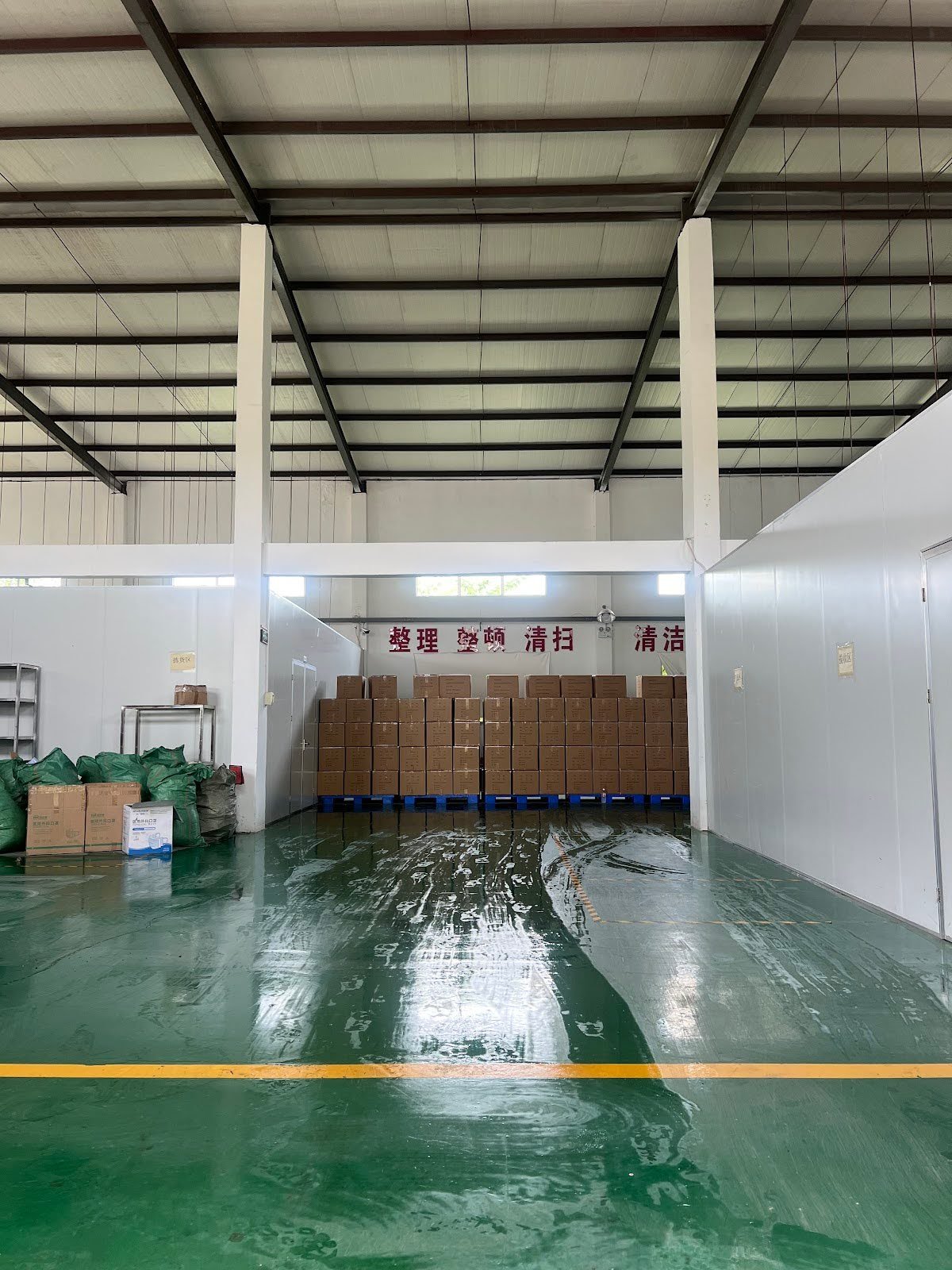
Medical consumables are expected to survive extended periods of transit, aggressive environments, and multiple strikes of hand-off. Well-executed packaging preserves the integrity of the product while optimizing space and pallet. Internal wrapping fends off moisture and contamination. Externally, the cartons are engineered to withstand compression damage during stacking. For buyers with high-volume shipments, such details lead to improved accuracy on the expected inventory and reduce arrival waste.
Labeling for Compliance and Traceability
More than just a product’s identity, the label on a product is a compliance tool. Unambiguous visibility for lot numbers, the date the product was manufactured, the date of product expiration, and product regulatory symbols, an efficient inspection or audit, whether on the outside or the inside, is handled. Furthermore, consistent labeling aids in the warehousing of the product.
Logistics and Delivery Reliability
The effectiveness of logistics is seamless and dependable coordination between the manufacture of the goods, the scheduling of the documentation, and the planning of the freight. A supplier with experience customizes the paperwork in anticipation of the customs delays and the destination-specific regulations. When these systems function together, gauze pads transition smoothly from the factory to the facility without any sort of interruptions.
Pricing, MOQs, and Long-Term Supply Contracts
Institutional buyers have a pricing decision interrelated to the potential of a disruptive factor, the costs of disruption, assurance of supply, volume commitments, and the lead time. The procurement teams guide the buyers from short-term cost savings to the value of long-term supply.
The Structure of a Pricing and Contract Policy of the Manufacturer
The pricing of the unit hinges on more than the raw materials. The costs incurred by a company on a downstream activity, whether it is the dispatch, the manufacture, packaging, compliance overhead, volume, or quality, all add to the costs. Buyers will frequently turn to the price of the unit, without considering the other factors involved, to evaluate a long-term supply contract. These factors include the level of reliability, documentation, and support.
MOQs and Volume Planning
In an effort to manage costs and streamline production, companies typically implement minimum order quantities. Though lower prices are often attached to higher MOQs, companies are faced with a trade-off: buy more and plan their inventory carefully. For gauze pads and other high-turnover inventory, buyers should evaluate their consumption trends and storage capacity before making a commitment. By deterring overstocking and aligning supply with true order usage, the company can avoid shortages.
The Value of Long-Term Contracts
In a partnership, long-term contracts remove the need for reactive sourcing, where a company buys from a supplier on an as-needed basis. With long-term contracts, a company can plan for its production needs, as most contracts include fixed or indexed pricing. Additionally, demand increases can temporarily reserve a production capacity, which in turn reduces exposure to market fluctuations. With long-term contracts, the uncertainty of clear service levels and documentation expectations is minimized.
Buyer Takeaway
Purchase contracts that streamline demand, coupled with long-term contracts and MOQs, will provide a buyer with confidence and predictability, as demand will certainly be met.
Why Price-Only Sourcing Fails in Medical Consumables
In gauze pad procurement, for example, prices certainly do matter, but minimum quoting is a recipe for disaster. By chasing the lowest quotes, buyers run the risk of interruptions, substitutions, or turning to market emergency sourcing.
Substitutions are a costly standardization disruption. When an unexpected supply change occurs, clinicians’ trust diminishes. During a market shift, suppliers attempting to reduce costs lack the margins to maintain quality. Buyers feel the impacts of a shift in the market first, which is why the need for minimum quoting.
Scenario 1: Audit Failure Due to Missing Documentation
A regional hospital network sourced from a low-cost supplier who had proper certificates, but weak batch traceability. During a routine inspection, the auditors asked for the historical release documents for the products delivered nine months prior. The supplier could not provide complete documentation. The shipments were quarantined, and emergency sourcing had to be done.
Result: Increased spending, disruption to clinicians, and scrutiny of procurement.
Scenario 2: Regional Crisis and Colliding Surges for NGOs
Two NGOs in a similar area had overlapping suppliers. When a new epidemic occurs, both try to pull the surge volume at the same time. The supplier is prioritizing the first contract, leaving one of the NGOs vulnerable.
Result: Delay in response and loss of reputation.
Scenario 3: Damage to Distributor’s Brand from a Lack of Consistency from OEM
A distributor quickly expanded the SKUs´ range without tightening the OEM control. Customer complaints and batch variation in absorbency led to relabeling. Result: Loss of trust and increased returns.
Buyer Insight: The scenarios highlight why the behavior of suppliers is more important than their capabilities.
Why Global Buyers Prefer BKAMED for Gauze Pads Manufacturing
Buyers globally prefer BKAMED for manufacturing because it shows manufacturing discipline where it counts most: consistency, documentation, and supply confidence.
Vertical Integration
BKAMED manages the entire production process, including the processing of cotton to the final packaging. This vertical integration eliminates reliance on third-party processors, who can create production imbalances. Input materials and processing conditions, as well as output specifications, can be aligned within the vertical system.
This creates reduced variability and improved production quality and consistency across production batches. This means reliable quality, and on time delivery, less operational hassle, and corrective actions for the customers.
Quality Consistency at Scale
Quality Systems have been designed for BKAMED to perform without quality drift even in high-volume manufacturing. Standardization of the system means operational risk and unanticipated variability in the quality of the production cycles. The customers avoid the operational risk of requalification or unanticipated variability.
Compliance Across Markets
Documentation, traceability, and audit records aligned with international regulatory and quality standards support distribution across multiple markets. Regulatory visibility and documentation support faster onboarding, tenders, and inspections. Buyers gain confidence that operational compliance is systematic, not reactive. This lowers long-term regulatory and reputational risk.
Customization for Hospitals and NGOs
BKAMED offers flexibility for size, packing, labeling, and even sterilization. This adaptability meets the requirements of both hospital protocols and humanitarian field deployments. Tailoring of products is done without compromising quality or lead times.
Hospitals gain products that accommodate their clinical workflows, rather than blanket workflow restrictions. NGOs benefit from products designed for emergency response and field distribution. Customization, within the constraints of a disciplined manufacturing process, enhances operational focus.
Export Documentation and Tender Readiness
BKAMED provides planned export documentation and more general documents conforming to international procurement standards. Tender documents, certificates, and other technical documentation are prepped for rapid delivery. This minimizes the administrative load for the buyer as they navigate cumbersome sourcing activities.
Uncomplicated documents tend to streamline customs and procurement processes. Buyers can expect a reduced turnaround time to procurement based on the absence of incomplete or poorly formatted documents. This preparedness is particularly useful for the renewals typical of long-term contracts.
Long-Term Supply Stability
Informed buyer demand forecasting allows BKAMED to provide planned production capacity. This minimizes the risk of interruptions due to demand volatility or sudden demand surges. Management of production scheduling and raw materials is tailored for ongoing supply stability.
This allows buyers to retain less stock to protect against inadequate supply and unanticipated withdrawals. Reliable communication provides visibility to required changes in capacity and lead times. For organizations treating gauze pads as a clinical asset, stability is the name of the game.
A Practical Procurement Decision Framework for Gauze Pads
Step 1: Demand by Department Mapping
Steer clear of averages. Real usage patterns should be utilized.
Step 2: Consider Risk Exposure Categorization
Clinical consequence alignment to product rigor.
Step 3: Shortlist by Operational Fit
Rank suppliers against the buyer model, ignoring the reputation.
Step 4: Audit for Behavior, Not Paper
Look for explanations, not certificates.
Step 5: Structure Contracts for Continuity
Negotiate continuity surge protocols before the crises.
Choosing the Right Gauze Pads Partner
Choosing a supplier goes beyond looking at the catalogs. It is about understanding the risks. For procurement teams, the right partner is the one who does the most when the volumes increase, audits get stricter, or timelines get tighter. This starts with transparent documentation, traceable batches, and systems that can withstand scrutiny.
Buyer Checklist
- Determine if the manufacturer self-manages their production and quality systems.
- Ensure compliance coverage for your target markets and do not settle for put-on certificates.
- Evaluate the steady availability of capacity flexibility and sourcing of raw materials.
- Assess audit readiness, documentation completeness, and depth of traceability.
- Assess experience on the export front and proactivity during disruptions. The appropriate partner should decrease oversight, not increase it.
Common Sourcing Mistakes
- Choosing to prioritize unit price instead of supply consistency and reliability.
- Over-reliance on certificates without inspecting production line controls.
- Underestimating risk due to capacity limits during demand peaks.
- Overlooking documentation quality until audits or tender submissions are delayed.
- Commodity treating gauze pads instead of treating them as a clinical supply asset.
Risk-Management Mindset
- Approach sourcing as a long-term risk decision rather than a one-time purchase.
- Prioritize system resilience over short-term cost.
- Engage with partners who proactively plan for capacity and raw materials.
- Expect transparency with quality data, escalation paths, and communication.
- A quality partner minimizes surprises across clinical, regulatory, and supply risks.
Supplier Management: How to Monitor Supplier Performance In Cases of Underperformance
Supplier performance is not constant and will drift unless it is monitored. A good buyer will perform the following:
- Quarterly performance reviews
- Documentation updates
- Consistency tracking
- Joint capacity reviews
When issues are not corrected, they will only get worse, and it will be more disruptive.
What Procurement Teams Look for in Mature Systems
Supplier performance doesn’t collapse overnight. It is neglected over time. In less effective systems, there is an over-reliance on pass/fail metrics, while in more effective systems, early drift signals that precede disruption are the main focus.
In terms of batches, some drift in consistency may lead to commentary from the clinical side instead of a formal complaint. When analyzed over time, there will be patterns of consistently low performance for that criterion. The more complete and proactive submissions you receive from your supplier, the more you will show signs of a shadow system.
In your confidence and peace of mind, there will be delays, and the submission will be incomplete. The customer will have to give more guidance on what is being submitted to the system. The longer the internal response time, and the more vague the response is, the more likely it is that the system is operating at a capacity that is close to the limit.
Effective buyers convert these observations into governance routines:
- Quarterly supplier scorecards;
- joint capacity planning sessions;
- documented corrective action follow-ups; and
- Annual audit scope refreshes. This shifts the relationship from reactive enforcement to shared risk management.
Buyer Insight: Supplier management is not about control; it is about visibility. Problems seen early from procurement are less expensive to solve. Problems ignored create permanent disruption.
Final Thoughts
The issues with gauze pads are usually small and easy to overlook: a shipment is delayed, a slight change occurs in one’s absorbency, or a document is misplaced. On their own, these problems can be considered manageable. However, these issues can also provide meaningful insight into a supplier’s sourcing strategy, exposing how a company built its supply chain and underlying sourcing decisions: just a box to check or a true focus on scale, regulation, and pressure.
Commoditization demonstrates a lack of understanding of the systemic value, and in the case of gauze pads, failure to capture systemic value is rooted in cementing poor paradigms. Scarcity can virtually always be traced back to a fundamental failure in smart paradigms. Collectively, a smart paradigm in supply chain can yield an abundance of touchpoints that, if sustained, can lead to a true generative outcome.
The fact is simple. BKAMED knows that the greatest systemic risk resides where supply cannot completely effectively respond and engage. Thus, BKAMED can be viewed as the manufacturer of gauze pads with confidence.
This is characterized as vertically integrated, audit-ready documentation, true long-term capacity planning, and real clinical with procurement aligned surfaces. For buyers focused on more than short-term availability, buyers focused on reliability, governance maturity, and supply continuity, see BKAMED as your manufacturing partner and not merely a supplier.
Remember, disciplined procurement is not about getting everything right. It is about being resilient. And that begins with selecting partners who are built to withstand the heat when the pressure is on, and nothing can shatter.
