When a hospital faces a shortage of cohesive bandages, it is an immediate problem. Dressing changes become slower, emergency orders break budgets, and personnel are left searching for alternatives that may not work the same way. Although it is a cheap item in terms of rolls, it is at the very heart of what happens every day in a hospital, and that means that reliability is much more important than most people realize.
The thing is, most supply chain problems are caused by decisions made six months before, and that could mean unclear specifications, unverified manufacturers, or a lack of understanding of how cohesive bandages are actually made.
This report will discuss the best manufacturers in China, the process of manufacturing and quality control, and the standards of sourcing, certification, and supply that the procurement team must adhere to in 2026 and beyond.
Key Takeaways
- BKAMED is among the best cohesive bandages manufacturers with more than 30 years of experience and exports to over 70 countries.
- Cohesive bandages are a crucial item in hospitals to facilitate easy dressing changes and prevent costly emergencies, but shortages may arise from inappropriate specifications or unverified Chinese suppliers.
- Good-quality cohesive bandages demand specifications including GSM weight, elasticity, and cohesive force, while ISO 13485, FDA, and CE marks guarantee compliance and traceability in 2026 procurement.
- Current trends in production include latex-free polymers, automation for equal coating, and eco-friendly packaging to reduce waste, which help procurement experts estimate demand and establish robust supply chains.
Top 10 Cohesive Bandage Manufacturers in China
The leading 10 cohesive bandage manufacturers in China include:
1. BKAMED (Hubei Baikang Medical Instrument)
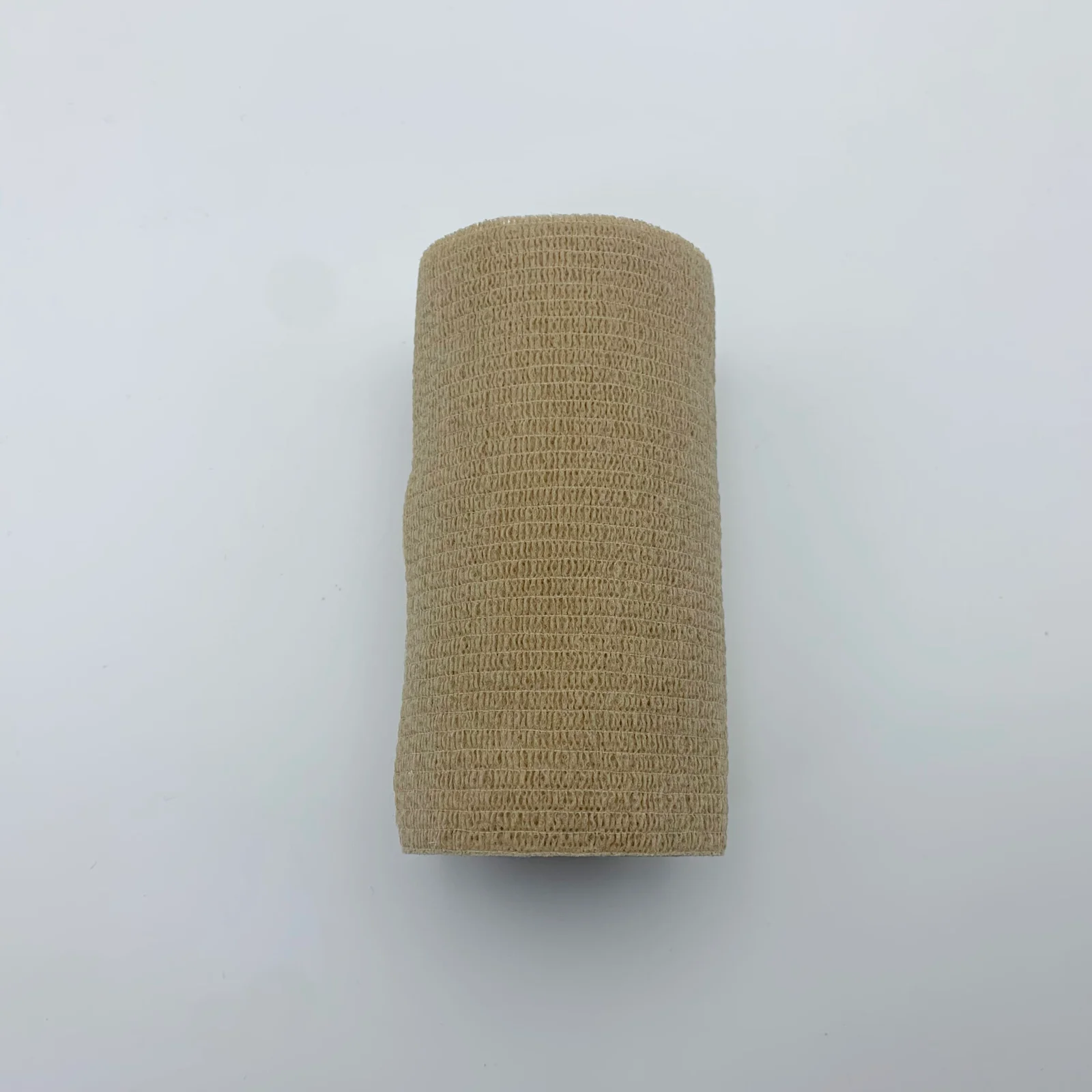
Hubei Baikang Medical Instrument (BKAMED) is a well-known company in Hubei Province that deals with medical consumables. Though the company traces its history to the last 30 years, BKAMED was officially registered in 2010 to organize its global export business better and maximize its production of cohesive bandages.
The company has three production units located in Huanggang, Wuhan, and Xiantao, which allow it to have a very efficient and diversified supply chain.
Their product line is highly diversified, ranging from traditional gauze and non-woven products to more advanced wound care products. In 2021, the company established a special plant specifically to produce cohesive bandages and kinesiology tapes. This has been brought about by the growing need for athletic and veterinary wraps, which require machinery of very high specialization to allow the wrappings to have the same ability of elasticity and adhesiveness.
BKAMED’s strength is in its vertical integration and quality control capabilities. They dominate the whole process, starting with the purchasing of raw materials until packaging, and this can be used to ensure that cost-effectiveness will be maintained without inferior medical standards.
BKAMED has international certifications such as ISO 13485:2016, CE, and FDA registration. This has assisted them in penetrating over 70 export markets with a strong presence in Europe, North America, and Australia.
They are also highly flexible, and this is a great benefit because they have a low or no minimum order quantity (MOQ) of their standard products and good private label schemes for distributors who desire to develop their own brands.
Pros:
- Over 30 years of experience in the industry, as well as technical expertise.
- Policies of flexible MOQ that are able to accommodate both small and large orders.
- Relatively quick delivery, which in most instances is between 15 and 17 days.
- A R&D center to develop the technology of advanced adhesives and bandages.
Cons:
- Their concentration in exports is far more valuable than their presence in the domestic market with the brand.
2. Winner Medical Co., Ltd.
Winner Medical was established in 1991 and is headquartered in the technology-based city of Shenzhen.
The main strengths of the company are their Cowin series of cohesive bandages, which are considered to offer a constant and gentle pressure that does not adhere to the skin or hair. Their product lines are very diverse, which include operating room equipment to home healthcare.
The manufacturing processes of Winner Medical are large scaled, automated, and smart factory manufacturing processes. They boast of eight huge production plants that cover an area exceeding 1.2 million square meters. This allows them to produce cohesive bandages at a degree of uniformity and accuracy, which is difficult to do by smaller-scale producers, especially when it comes to the application of latex-free adhesive surfaces in a uniform manner.
They have their products sold in over 110 countries and regions. They possess the ISO 13485, CE, and FDA marks, and their products are often referred to as the international pharmacopeia.
Pros:
- An international manufacturer with huge production potential and research and development.
- Great attention to sustainability and ecological cotton-based items.
- Raw cotton to finished medical product vertical chain of supply.
- Big patent portfolio consisting of more than 600 home and 60 foreign approvals.
Cons:
- Their products are more expensive than those of small specialized production facilities
3. Zhende Medical
Zhende Medical was founded in 1994. It has headquarters in Shaoxing, Zhejiang Province, and five large production bases located in Henan and Xinjiang.
Their product line of co-fix series of cohesive bandages is one of the best products available and can be applied to both human and veterinary medical practice. The bandages are crafted using materials such as non-woven, cotton, and crepe cloth, which have different tensions based on the medical use. The Zhende medical bandages are mostly applied on venous leg ulcers and also as an adjunct dressing on injured joints, as they do not weaken with time.
Their cohesive bandage production lines are also fitted with automatic tension control systems that give each roll of the bandage an exact amount of pressure; this is also a valued aspect in a medical environment.
The company complies with international standards to a great extent as it has FDA, CE, ISO 13485, and CFDA certifications. They offer value-added solutions to 73 countries with a large market in Europe and America.
Pros:
- Good reputation as a publicly traded company that has definite business processes.
- Good Co fix brand technology and high tension and grip strength.
- Well established distribution network that covers thousands of hospitals and pharmacies worldwide.
- Wound care experience, both at the traditional level and in the advanced markets.
Cons:
- It has a complex corporate structure that can create a slow communication channel when it comes to small custom orders.
- Hospital-grade products form the leading business target that might lack an alternative to completely aesthetic or consumer-driven designs.
4. Allmed Medical Products Co., Ltd.
Founded in 1997, Allmed Medical Products is a conglomerate in the medical dressing industry and is traded on the Shenzhen Stock Exchange (002950.SZ). The company has three large production bases, with the headquarters being in Shenzhen. It possesses a total production area of over 400,000 square meters.
The major products of Allmed are a full product line of wound care dressings and fixation products, and cohesive bandages are a core product in their compression therapy product line. They have a vertically integrated production process. This helps them to come up with cohesive bandages of international quality at competitive prices in the international market.
The smart production process is one of the most appealing properties of Allmed where there are more than 100 automated production lines. Their manufacturing facilities also have cleanrooms that are in compliance with ISO 14644 Class 8 to the letter, and thus, even non-sterile cohesive bandages are manufactured within an extremely clean environment.
Allmed is very strong in nearly 100 countries such as the United States, Germany, and Japan. They are fully ISO 13485:2016 and CE labeled, and thus their products can be used in any medical facility in the world.
Pros:
- Thirteen years of leading exporter and a reputation of reliability.
- cleanroom production centers.
- Combined vertically to ensure that the raw materials can be traced.
- Their expertise has been raised by acquisitions (such as the China business of L&R).
Cons:
- Their focus is mainly on large-scale B2B and OEM customers, and therefore, they might not be easily available to low-end retailers.
5. Qianjiang Kingphar Medical
Hubei Qianjiang Kingphar Medical was set up in 2001, but the history of its operation as a manufacturing enterprise can be traced back to 1954.
The company is based in Qianjiang City, Hubei Province, and it has a huge production plant of 160,000 square meters. Kingphar is a manufacturer of gauze and bandages, which is currently one of the most productive in Central China, employing more than 800 personnel and 1,000 sets of production equipment.
Their non-woven and elastic product lines are professionally oriented. One of their main exports is their cohesive bandages that come in a variety of colors, sizes, and patterns to be used in the medical, sports, and veterinary industries. The bandages that Kingphar produces under the name of cohesive bandages are highly rated in terms of the ease they offer when it comes to tearing them and also in terms of their great elasticity, hence they are best utilized in emergency rooms or sporting events where timeliness and dependability are paramount concerns.
The production capacity of Kingphar is dependent on the huge volume capacity and the fact that they are able to handle the entire process. They possess their weaving and bleaching plants, and that is why the raw materials used to produce their integrated bandages are restricted to certain standards of absorbency and strength. Their massive carrying capacity also allows them to transport more than 500 containers in a month, which makes them one of the most stable partners in the supply chain around the globe.
The company has a very impressive list of certifications, including the ISO 13485, CE, ISO 14001, and BSCI social compliance audits. Kingphar has constructed a nice distribution channel in more than 80 countries in North America, Europe, and Africa.
Pros:
- Very high volume capacity of production that is well-adjusted to global high volume contracts.
- Much experience in the medical and veterinary wrap industry.
- The high level of social compliance (BSCI) which is highly essential in the present era of ethical procurement.
- Very competitive pricing because of their in-house production of fully vertically integrated manufacturing.
Cons:
- The fact is that their sheer volume of operation sometimes causes a minor extension of lead time on smaller, highly custom orders.
- They are situated in an inland province, and this means that they have to do more logistics planning to access major ports located on the coast.
6. GSPMED (Hangzhou GSPMED Medical Appliances).
GSPMED was founded in 2003, and it is headquartered in Hangzhou. In 2009, the company moved to its present modern location that covers a space of over 23,000 square meters.
GSPMED has an intensive product line of self-adhesive elastic wraps and sports protective equipment, and makes this the main product line. Their bandages are also known to be cohesive with colors being so bright and different designs, all specifically aimed at the veterinary and sports medicine sections. In contrast to other general-purpose manufacturers, GSPMED gives great priority to the sensory experience of their products, and the cohesive bandages they implement have the needed compression but do not irritate the skin nor leave a sticky residue on the skin.
The manufacturing sites in Hangzhou have 20 production lines and 12 coating machines. This allows the firm to deliver a monthly volume that should satisfy both the needs of the mass distributors abroad and the small niche brands.
GSPMED is certified on a wide variety of international certifications, such as CE, FDA, ISO 13485, and BSCI social responsibility audits. They have a wide market, which is well represented in the United States, Germany, the United Kingdom, and Australia.
Pros:
- The best variety of colors and personalized designs of the brands.
- They have an outstanding R&D partnership with the universities to assure technical excellence.
- Very low minimum order quantity of commodity products, which makes it perfect when dealing with start-ups.
- High quality of adhesive uniformity and breathability.
Cons:
- They offer a smaller number of surgical or gauze products as a whole since they are niche experts.
- Occasionally, OEM lead times can be raised due to the increased demand of their branded products of GSPCARE.
7. Suzhou Sunmed Co., Ltd.
Suzhou Sunmed is a medical supplies company that started operating in 1993 and was registered in 2005.
It now possesses over 10,000 square meters of manufacturing equipment in Jiangsu, Zhejiang, and Anhui provinces, and sells in excess of 35 million a year.
The company has developed to be not only the traditional supplier but also the global health care partner producing all-inclusive bandages, wound care dressing, surgical consumables, and sports tapes to be sold both in hospitals and in shops, with the option of non-woven and cotton material to support different needs and skin conditions.
It has a supportive business with a flexible production line and a 6,000-square-meter warehouse that enables it to maintain a huge stock and fast global delivery.
The plants are CE (MDR) approved and with ISO 13485:2016, FDA, and Saudi SFDA accreditation, Sunmed provides its customers in 60-plus nations. It is also an established OEM contract manufacturer, which provides private label service to popular brands like Target, Tesco, and Teva Pharmaceutical Industries, which also offer entire packaging and retail services.
Pros:
- Extensive experience in the medical industry, and a good understanding of the market (30 years).
- Elite certification of the CE (MDR) and the Saudi SFDA.
- Effective exposure of the global leading retail brands.
- Having a big storage area allows better control of inventory and logistics.
- There are a number of geographical units of production that guarantee redundancy of the supply chain.
Cons:
- A more formal and slower communication style can be seen than in a smaller tech-centric company.
- The concentration on mass retail can lead to increased MOQs of new, highly special products designs.
8. Jiangsu Jianerkang Medical Co., Ltd.
Jiangsu Jianerkang Medical Co., Ltd. (JEK) is a leading privately owned medical dressing producer in China, founded in 1993 in Changzhou. The company has recently gone public on the Shanghai Stock Exchange (603205) to accelerate its global expansion. It has more than 1,600 employees and a massive 350,000 square meter campus.
The main product offerings of JEK include six primary lines: surgical products, wound care, and infection control. The company’s cohesive bandages are also a part of a larger fixation product line, which enjoys the benefit of their massive in-house bleaching and weaving facilities. materials from third-party suppliers.
Manufacturing at JEK is characterized by high-tech automation and ultra-cleanliness. They have an 80,000 square meter purification plant that is Class 100,000 compliant, which is critical for products used in sterile environments. Their production lines for cohesive bandages feature program-controlled tensioning and coating systems, ensuring that the adhesive properties are consistent over millions of rolls.
JEK possesses all the necessary international passports for trading, such as ISO 13485, CE, and FDA registrations (including NDC and 510K markings). Their export network covers almost 100 countries, with a strong presence in the United States and Europe.
Pros:
- Publicly traded company with enormous production capacity and financial resources.
- Fully integrated manufacturing process from raw material to finished product.
- State-of-the-art class 100,000 cleanroom facilities.
- Long history of compliance with US and European Pharmacopeia.
Cons:
- Primarily set up for very large contracts, which makes them less flexible for small orders.
- Corporate structure may result in less personalized service for small buyers.
9. Anji Yuandong Medical Products Co., Ltd.
Based in the “Bamboo Kingdom” of Anji, Zhejiang Province, Anji Yuandong Medical Products Co., Ltd. has been producing bandages since its official founding in 2006. The company traces its roots to a smaller sanitary materials manufacturer established in 2001, specifically targeting the niche market of elastic and compression bandages. They are based in a 16,000-square-meter plant and have established themselves as a “specialist” factory that emphasizes technical expertise over product line diversification, especially in their production of cohesive bandages.
The main strengths of Anji Yuandong lie in their broad product line of bandages, which include PBT, crepe, and triangular types. Their cohesive bandages are their best-selling product, famous for their “easy-tear” feature and high spandex content that gives them superior elasticity. These cohesive bandages are often included in emergency first-aid kits and orthopedic use because they offer stable support without the bulk of conventional adhesive tapes.
Their production is highly focused and efficient, with three high-speed production lines and a 1,000 square meter purification workshop. Although they are smaller than the big players in the industry, they still adhere to a rigorous 100% visual inspection process for all their finished products.
The company is CE and ISO 13485 certified, and they regularly attend the big international trade shows such as Medica and CMEF to keep in touch with their international customers. They distribute their products to Japan, South Korea, and Europe, where they are prized for their reliability and competitive pricing.
Pros:
- Expert attention to bandages provides in-depth technical knowledge.
- Very flexible MOQ policy, which is very beneficial for small-scale enterprises.
- 100% visual inspection policy for optimal product consistency.
- Geographically located close to large ports such as Ningbo and Shanghai for convenient transportation.
Cons:
- The company has a limited product line, which is only restricted to the bandage and wrap product lines.
- The smaller workforce may cause bottlenecks in production during global peak seasons.
10. Gauke Healthcare Co., Ltd.
Gauke Healthcare Co., Ltd. is a major player in the first-aid and safety sector, founded in 2003 with its main production facility in Tuanfeng, Hubei. The company is special in that it provides comprehensive emergency solutions rather than mere product components. Gauke has perfected the art of vertical integration, where they manufacture more than 90% of the products included in their emergency kits in-house, including a specialized production unit for their high-performance cohesive bandages.
The main products of Gauke are their globally famous first-aid kits, which are standard issue in many European car manufacturers. Their cohesive bandages are an essential part of these kits, which are designed to meet the stringent DIN requirements necessary for vehicular and workplace safety. These cohesive bandages are designed to be highly resilient and heat-resistant, so they can function properly even after being stored in a car trunk for several years.
Gauke’s manufacturing is marked by very high volume and a strict commitment to international safety norms. They export more than 30 high-cube containers every month, using state-of-the-art automated assembly lines to ensure speed and accuracy. Their production of cohesive bandages is fully integrated with their sterilization and packaging plants, enabling them to provide both sterile and non-sterile varieties. This enables them to maintain the quality of their cohesive bandages at the same high level as their other top-class safety products.
Gauke is very well-awarded with certifications such as ISO 13485, ISO 9001, CE, and FDA. They have a very strong market presence in Germany and Northern Europe, where their products are preferred by government bodies and emergency services.
Pros:
- World leader in first aid kits with extensive knowledge in regulatory requirements.
- In-house production of 90% of products guarantees high quality and cost-effectiveness.
- Products are designed to withstand harsh environments over a long period of time.
- Established presence in the highly regulated German market.
Cons:
- May have limited product offerings for standalone consumer sales of bandages.
- May have limited flexibility in catering to extremely small orders.
What Are Cohesive Bandages?
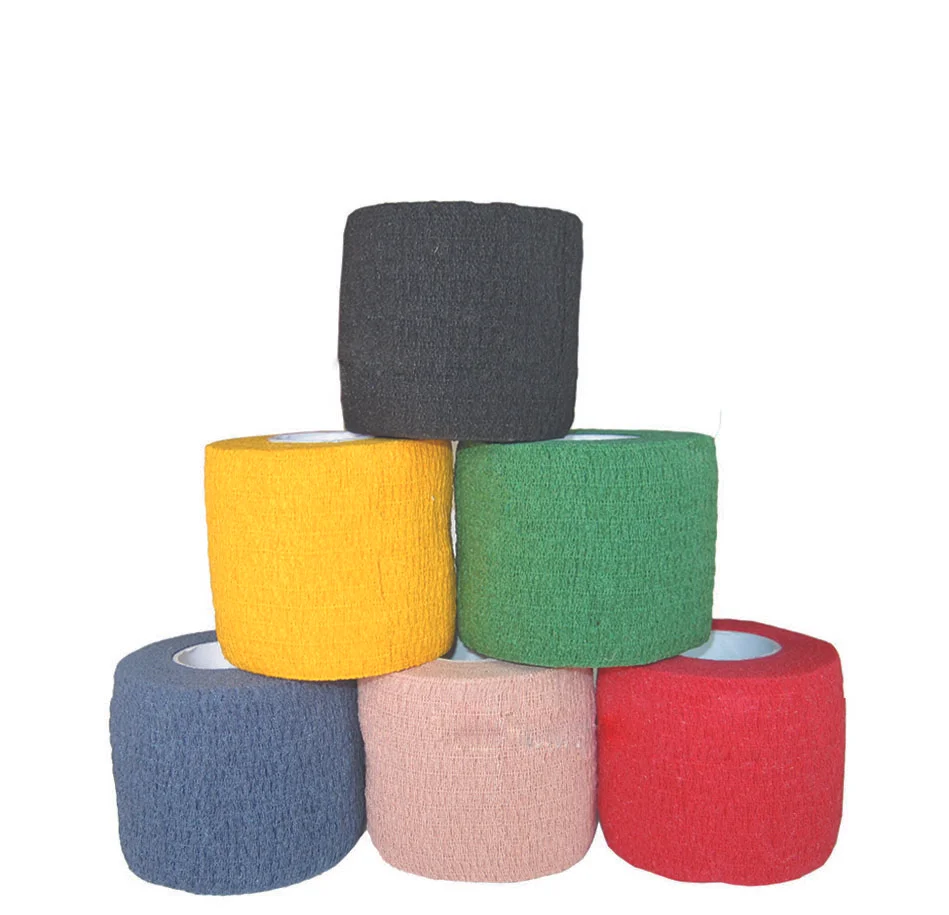
Cohesive Bandages are elastic wraps designed to stick to each other without the need for adhesives, clips, or tapes. They are intended to provide controlled compression and secure fixation while maintaining skin integrity.
The self-adherence property is due to a surface friction mechanism based on polymers, which is applied during the coating process. Instead of using glue, the surface of the bandage is made of micro-textured cohesive compounds that provide friction when layers are in contact. When tension is applied, the surfaces lock together and do not slip. When the tension is released or when the bandage is peeled off, the surfaces separate cleanly without leaving residue.
This “sticks to itself, not skin” principle is more than just a comfort feature. It directly impacts the reduction of skin injuries associated with medical adhesives, particularly in the elderly, pediatric, and fragile skin patient populations. It also makes removal easier during dressing changes, which enhances clinical efficiency. Consequently, Cohesive Bandages are commonly chosen in situations where repeated access to the same wound is anticipated.
Comparison with elastic bandages and adhesive tapes
Despite their similar appearance on store shelves, Cohesive Bandages are much different from elastic bandages and adhesive tapes.
- Mechanism of hold: Elastic bandages depend solely on elasticity and often require clips or fasteners, whereas adhesive tapes have adhesive that sticks to the skin itself. Cohesive bandages, on the other hand, use elasticity along with self-bonding properties where the layers stick to each other, thus not requiring clips or adhesive.
- Stability during movement: Elastic bandages tend to come undone or unravel when the patient moves, and adhesive tapes tend to peel off at the edges. Cohesive bandages, however, have layers that lock into each other, thus staying in place.
- Skin interaction: Adhesive tapes tend to leave residues on the skin and can cause irritation or allergic reactions. Cohesive bandages do not come into direct contact with the skin, thus being more tolerable.
- Clinical efficiency and performance: As they are more reliable in holding tension and come off easily, cohesive bandages are more predictable and easier to apply. They can even replace elastic bandages and adhesive tapes in many cases.
Functional benefits
- Controlled compression: When stretched and layered, provides balanced pressure that promotes circulation, prevents swelling, and holds soft tissue in place. Remains in place during patient movement.
- Secure fixation: Secures dressings, pads, and splints without adhesives in contact with the skin, reducing irritation and allowing for faster application by the clinician.
- Flexible fit: Conforms easily to joints, fingers, and irregular body areas where rigid tapes do not, preventing gaps, slippage, and pressure points.
- Comfortable wear: Lightweight and breathable material for improved patient comfort.
- Cost-effective reuse: In non-sterile environments, allows for removal and reapplication during the same patient visit, reducing product waste and the cost of treatment.
Standard sizes and types
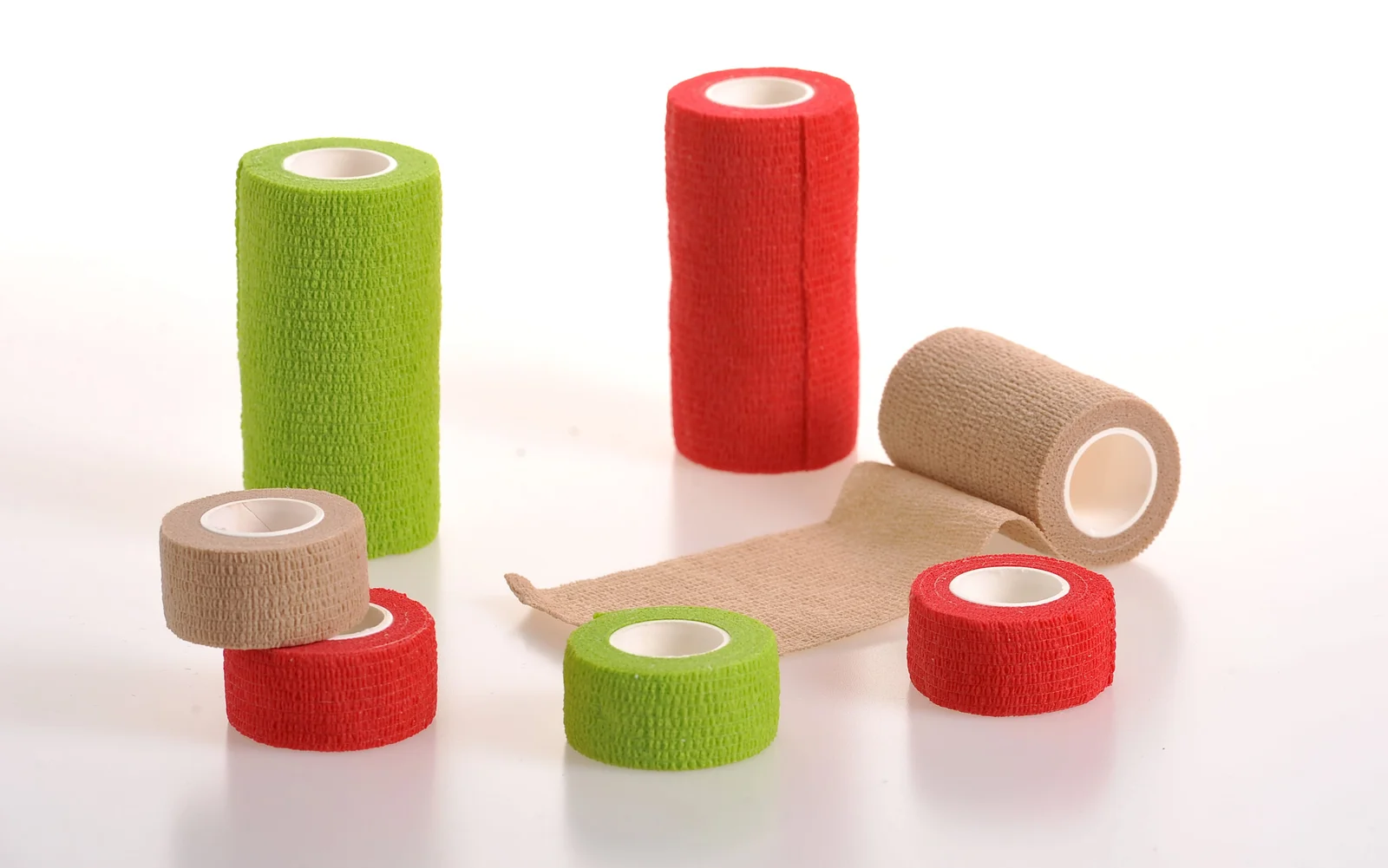
Cohesive bandages are available in different widths and sizes depending on the intended use. The width of the bandage may range from 2.5 cm to 15 cm, depending on the intended use, from fingers to the thigh or torso. This is beneficial in that it enables the hospital to standardize.
The size of the roll depends on the intended use. Short rolls are beneficial in quick fixation, while longer rolls are beneficial in full limb wrapping. This enables the hospital to reduce waste and increase application speed.
Color coding is also used in medical and sports applications. This enables the hospital to easily identify the size or intended use, thus increasing efficiency.
Other features such as printed designs for branding and latex-free materials for allergy sufferers are also increasingly in demand, causing many customers to opt for more versatile product lines.
Materials used
The choice of materials has a significant effect on the performance of Cohesive Bandages. Most materials are made of cotton blends that are soft and breathable. These materials are comfortable to wear on the skin and can absorb small amounts of moisture. They are commonly preferred for long-term use.
Non-woven synthetics are lighter and more uniform in structure. They do not fray easily and retain strength even when wet. Since they are man-made materials, their performance can be precisely controlled for each batch. This is particularly appealing to facilities that have strict quality control.
Latex-based coatings have long been employed to create cohesive grip. They are very effective at self-adhesion and bonding under tension. However, natural latex has been known to cause allergy issues among certain groups of people. For this reason, some institutions have banned the use of latex materials.
Latex-free cohesive polymers have been gaining popularity as alternatives. These man-made materials imitate the properties of cohesion without the allergy issues and complications of labeling. Most contemporary Cohesive Bandages are made from these polymers to ensure global compliance requirements. This trend also supports overall hospital safety campaigns.
Performance parameters assessed by procurement teams
While assessing Cohesive Bandages, elasticity is the first parameter that is commonly assessed. A certain degree of elasticity is necessary for proper compression and fit. Elastic recovery is also necessary, as loss of elasticity causes sagging and loss of pressure. Uniform elasticity in a batch of products indicates uniform manufacturing.
Cohesion strength is another factor that determines the binding of layers. Insufficient cohesion causes slippage, while excessive cohesion causes unwinding difficulties. A certain degree of cohesion is necessary for easy fixation and removal without much force. Cohesion strength is necessary to avoid rework and waste generation.
Breathability and tear resistance are also essential parameters. Breathability helps in air exchange and prevents maceration when worn for a longer period. Tear resistance prevents accidental tearing during application. All these parameters are necessary for durability in harsh environments.
Skin safety and residue-free removal are also considered in the assessment. The product should not cause adhesive residue or irritation. Clean removal reduces dressing change times and provides patient comfort. Therefore, many procurement teams commonly demand performance testing before purchasing Cohesive Bandages in bulk.
Use cases by industry
Hospitals
They are the biggest market for Cohesive Bandages. They are employed in securing IV lines, dressings, splints, and light compression therapy. Their rapid application makes them ideal for fast-paced hospital environments and recovery rooms. Departmental standardization makes inventory management easy.
Emergency care
These environments demand speed and efficacy. Cohesive bandages enable rapid stabilization of sprains, bleeding control dressings, and temporary immobilization. The lack of clips makes them easy to apply even in emergency situations. This makes them popular in ambulances and emergency kits.
Sports medicine
Sports medicine facilities require compression and flexibility. Cohesive bandages provide both. They provide joint and muscle support while allowing for movement. Sports trainers prefer cohesive materials for pre-event support and post-event care. The feature that allows them to be removed and reapplied in the same procedure increases efficiency.
Veterinary and field medicine
The presence of fur, sweat, and rough surfaces in animals like horses, dogs and cats makes adhesives ineffective. Cohesive bandages provide a constant grip. NGOs and humanitarian organizations appreciate the versatile and lightweight nature of the product.
What Defines a High-Quality Cohesive Bandage?
The following points describe the specifications that most procurement professionals consider when creating specifications and comparing vendors. Each point directly affects performance, compliance, and cost.
Technical specifications for buyers to ask
A technical data sheet must be included with every Cohesive Bandage being considered for purchase. This sheet breaks down the claims of the product into actual numbers that can be checked during an audit or lab test. Without these numbers, comparisons between vendors are no longer objective.
GSM weight
GSM stands for grams per square meter. It is a measure of the weight density of the material. A higher GSM rating will result in a more robust material. A lower GSM rating will result in a lighter material that breathes better but may not be as strong. The required GSM rating will depend on the intended use.
Heavy orthopedic support, for instance, may require a higher GSM rating, while dressing fixation may not require as high a rating. This will prevent overengineering and unnecessary expense. It will also standardize performance among different departments using the same Cohesive Bandage.
Elastic recovery
Elastic recovery is the measure of the material’s ability to recover its original length after stretching. This is a key factor in maintaining consistent compression over time. Lack of recovery causes sagging and loss of support, which in turn requires rewrapping of the staff.
High values of elastic recovery indicate strong fibers and good manufacturing process control. In compression therapy or joint stabilization, direct improvement is achieved through consistent recovery. Hence, elastic recovery is one of the first parameters evaluated while testing Cohesive Bandage samples.
Cohesive strength
Cohesive strength is the measure of the material’s self-adherence. If this value is low, the layers will shift and unravel when the material is moved. If it is too high, unwinding the roll or repositioning will be difficult.
Peel or shear forces are measured in laboratories to determine this parameter. A moderate and predictable value is ideal for both fixation and removal. Properly calibrated cohesion is the key to a reliable Cohesive Bandage.
Tensile strength
The tensile strength of a material defines its resistance to breakdown under tension. In practical use, the material is often stretched as it is applied. A material with low tensile strength may fail during application, resulting in waste and disappointment. A material with high tensile strength resists failure even when subjected to tension.
Higher tensile strengths also contribute to greater resistance to degradation over time. This is particularly useful in emergency or field applications where replacement may be delayed. A material with sufficient tensile strength will ensure that Cohesive Bandage products remain effective under all conditions.
Latex content
Latex content is a consideration from both a medical and a regulatory perspective. Natural latex is highly cohesive but can cause allergic reactions in susceptible individuals. Many organizations now demand latex content labeling or products that are completely latex-free. This is a matter of regulatory compliance rather than personal preference.
The manufacturer must clearly indicate whether a Cohesive Bandage product is latex or latex-free. This makes audits easier and helps to prevent liability. Synthetic polymers are increasingly chosen for these reasons without compromising performance.
Consistency across production batches
Even the best specifications become worthless if performance is inconsistent from batch to batch. Consistency is what enables facilities to develop standardized protocols and forecast usage. Inconsistency, on the other hand, results in complaints, returns, and retraining. Over time, inconsistency undermines confidence in the supplier.
Consistency from batch to batch is affected by raw material procurement, coating consistency, and automation. Trustworthy suppliers monitor lot numbers and use statistical process controls. Sampling plans and retention testing offer an extra layer of confidence.
If Cohesive Bandage performance is consistent from batch to batch, healthcare professionals will not even notice. And that is a sign of success.
Skin compatibility and allergy testing
Skin safety is an absolute consideration for any Cohesive Bandage employed in a healthcare setting. Skin exposure over time may result in irritation, dermatitis, or pressure injury if poorly designed. Thus, biocompatibility testing is common.
Typical testing includes cytotoxicity, sensitization, and irritation. These tests are performed to ensure that the materials are safe for general use. Latex-free cohesive bandages products must also be documented as such.
Comfort is also a consideration. Breathable designs and residue-free removal help to minimize trauma during dressing changes. Products that focus on skin safety are likely to have greater staff acceptance and fewer adverse reactions.
Stability of shelf life
Storage stability may not always be given the same consideration, but it has a direct impact on cost and readiness. A Cohesive Bandage that has lost elasticity or cohesion after several months of storage will no longer be usable inventory. Expiration or deterioration of rolls will have to be disposed of.
Environmental conditions such as temperature, moisture, and light can also contribute to deterioration. Good packaging and shelf life testing can protect against these conditions. Expiration and storage information should be provided by the supplier.
Products that are shelf life stable will enable hospitals and distributors to buy in large quantities with confidence.
Cost vs. performance trade-offs
It is often difficult to determine the cost of a product by simply looking at its price. A less expensive Cohesive Bandage may look like a good bargain at first, but it may need to be replaced or reapplied more often. This can offset the apparent savings. On the other hand, a slightly better-performing wrap may save overall consumption.
Assessing cost in relation to performance measures can provide a better understanding. The factors of durability, cohesion, and recovery can all affect the number of rolls used per patient. Better products may offset a higher unit price due to waste.
Cost analysis is usually assessed by procurement specialists not only in terms of unit price but also in terms of performance.
Total cost per treatment vs. per roll
In the end, it is important to concentrate on the total cost per treatment and not just the cost per roll. One Cohesive Bandage that can last throughout the entire treatment process may end up replacing several other cheaper options.
There are fewer changes when the cost per treatment is calculated. This is because there is less material and less staff time.
The cost per treatment can be calculated by taking into consideration the average usage, application time, and replacement rate. When all these elements are taken into consideration, the actual cost becomes clear.
The Complete Manufacturing Process of Cohesive Bandages
The following sections describe the entire production process for Cohesive Bandages, pointing out what happens during each step and why it is important for purchasing decisions.
Raw material procurement (fibers, elastics, polymers)
Each Cohesive Bandage starts with its raw materials. These are usually:
- Cotton or synthetic fibers for support
- Elastic yarns for stretch
- Cohesive polymers or latex compounds for self-adhesion
The quality of raw materials is what will ultimately determine the performance of the Cohesive Bandage. Substandard raw materials will cause issues that cannot be remedied later on.
Fiber choice impacts the softness, breathability, and durability of the Cohesive Bandage. Cotton blends are comfortable and absorbent, while synthetics are strong and consistent. Elastics determine the stretch and recovery of the Cohesive Bandage. Low-quality elastics cause Cohesive Bandages to sag and lose compression.
The polymers or latex compounds form the cohesive layer. Their composition determines the strength of adhesion and the residue left behind. Trustworthy suppliers procure these raw materials from reliable suppliers with known specifications.
Knitting or weaving
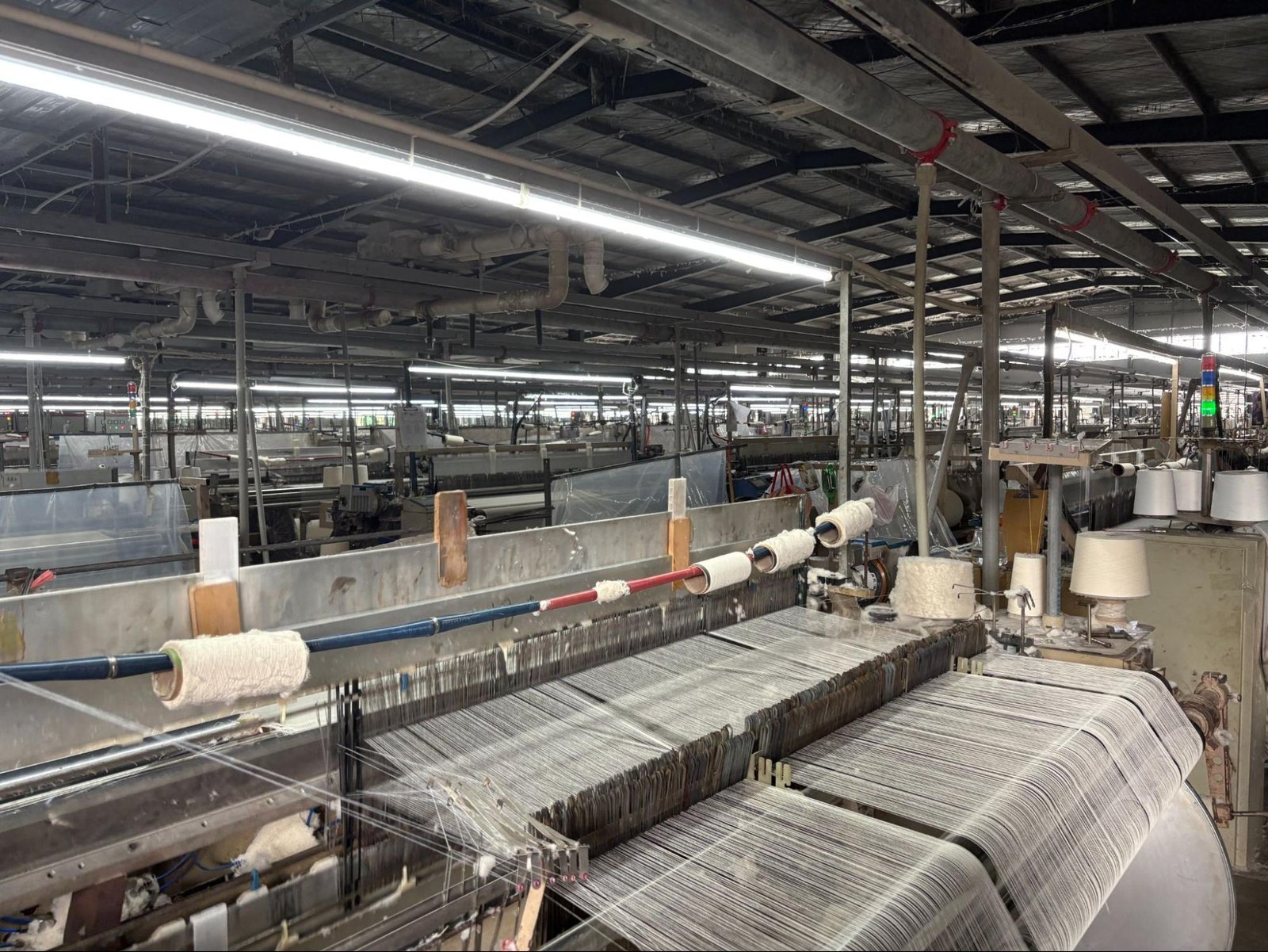
After the materials have been identified, the substrate is created through the process of knitting or weaving. This process creates the fabric structure that holds both strength and flexibility. The fabric pattern defines how the bandage will extend in various directions. A properly designed fabric structure provides a balance between support and comfort.
Knitting is preferred because it enables multi-directional extension and good conformity to joints. Woven fabrics may provide greater strength and dimensional stability. The method of choice depends on the specific intended use in clinical practice. Both methods have their drawbacks, which affect performance.
Tension control during fabric production is essential. Variations in tension result in non-uniform extension regions across the roll. This becomes apparent during application. A uniform fabric structure ensures that Cohesive Bandages provide consistent performance from the first wrap to the last.
Cohesive compound coating
Once the base fabric is produced, a cohesive compound is applied to give the self-adhering properties. This is where Cohesive Bandages derive their essential difference. The compound is usually applied through rollers, spray, or immersion processes. This has to be done evenly and with utmost precision.
Insufficient coating leads to poor adhesion and slippage. Too much coating causes rigidity or difficulty in unwinding. This affects usability. The right amount of coating weight is thus an essential manufacturing skill.
Modern manufacturing lines incorporate automatic coating meters to ensure even application. These meters continuously measure thickness and regulate the flow rate. Proper coating directly affects the cohesion properties of all Cohesive Bandages in the production lot.
Drying and curing
After the coating procedure, the material is dried and cured in ovens. This step is accountable for the removal of solvents or moisture, which helps in the stabilization of the cohesive chemistry. Appropriate curing of the material helps in the appropriate binding of the compound to the substrate. Inappropriate curing of the material can cause the transfer of the coating or its degradation in the future.
Temperature and dwell time are precisely controlled in this step. Overheating can cause damage to fibers or affect elasticity. Inappropriate heating can cause the surface to be tacky or unstable. Both of these can cause the storage performance of the material to be affected in the future.
Appropriate curing of the material helps in the formation of Cohesive Bandages with consistent grip and shelf life. Appropriate curing also helps in the reduction of odor and overall safety of the product. This step is one of the factors that differentiate better facilities from lower-tier facilities.
Slitting and rewinding
The cured broad fabric web is slit into narrower strips. The strips are of equal width to the final product, for instance, 2.5 cm or 10 cm. The slitting should be accurate to avoid frayed edges and widths. This will improve appearance and handling.
The strips are then rewound onto cores. Equal winding tension will ensure that the cores are dense and easy to dispense. Insufficient winding will result in loose layers and distortion. This will affect storage and handling.
Equal slitting and rewinding will ensure that the professional appearance necessary for medical-grade Cohesive Bandages is achieved.
Roll cutting automation
The re-rolled logs are then cut into individual rolls using automated cutters. The cutting process also determines the final size of the Cohesive Bandage units. Automation improves accuracy and speed. Standardization is also simplified.
Cutting accurately eliminates the risk of having irregular sizes of the rolls that could impact inventory. It also eliminates waste. High-speed automation is especially important for large export orders.
Standard sizes of the rolls provide standardized packaging and palletizing. For purchasing departments, having standardized sizes per box simplifies logistics.
Printing and branding
Some Cohesive Bandages are printed with graphics or private label designs. These designs may include logos, guides, or instructions. These features are important for branding and use. For example, guides are helpful for healthcare professionals to control overlap.
Ink choice should not affect the elasticity or cohesion of the bandages. Medical inks are the best choice for safety and longevity. Printing is typically done inline with production.
Private labeling has increased among distributors. This has led to flexible printing capabilities being a competitive advantage for manufacturers.
Sterilization (for sterile variants)
In certain applications, there is a need for sterile Cohesive Bandages. In this case, an additional step of sterilization is added. The methods that can be used are ethylene oxide or gamma radiation. These methods have to be validated to ensure that they are effective without damaging the material.
Sterilization can affect the elasticity and cohesion of the material if not carefully controlled. In this case, the parameters of the sterilization process are optimized to prevent this from happening. The packaging should also remain sterile until the time of use.
The facilities that manufacture the sterile variants have to follow more stringent quality procedures. This usually affects the supplier qualification process for the hospital buyers.
Packaging and Labeling
The packaging is also intended to protect the Cohesive Bandages that are manufactured. Individual packaging protects the product from contamination and moisture. The boxes are designed to be stacked for efficient shipping. Packaging is important in minimizing damage and waste.
Labeling involves the use of lot numbers, expiration dates, and regulatory requirements. The information is useful in traceability and regulatory audits. The information is also important in warehouse management.
The packaging design is important in logistics and end-user experience. In bulk purchasing, small improvements in this area can add up quickly.
Quality control points
Quality control is also incorporated in the production line. Quality control can be conducted at the reception of raw materials, after coating, and before final packaging. Quality control always involves elasticity, cohesion, tensile strength, and observation. These areas highlight early stages of problems.
Documentation is also important. The use of batch cards, test results, and traceability provides evidence of quality. Most of the customers require this evidence during audits. Open controls give confidence to suppliers.
Standardized quality control ensures that all Cohesive Bandages meet set standards.
Where problems occur
Not even the best production lines operate without problems. Identifying common problems enables procurement personnel to focus on the right questions during plant visits.
- Uneven coating – results in poor adhesion and slippage
- Lack of elasticity – leads to sagging and loss of compression
- Sticking to skin – improper chemistry or over-coating
- Roll telescoping – improper winding tension
When these problems occur regularly, they indicate substandard process control. When problems are few, it indicates a mature production process that can supply consistent Cohesive Bandages.
Certifications, Regulatory, and Compliance Standards for 2026
The following is a list of standards most commonly cited in global medical procurement and how each standard affects evaluation criteria.
ISO 13485
The foundation of most medical device production today is ISO 13485, which is an International Organization for Standardization standard. This standard is a quality management system for medical devices. It does not assess one product in particular; rather, it examines the entire production facility. This is a key point, as it means that consistent systems produce consistent results.
With ISO 13485, there are procedures that must be written for purchasing, production control, traceability, corrective actions, and risk management. Each lot of Cohesive Bandages must be traceable back to materials and processes. If there is a problem, it can be traced back to the source easily. This is important for patients and for the buyer.
Facilities that have this certification also have to pass regular audits by third-party organizations. This ensures that the processes are consistent from year to year. From a purchasing standpoint, ISO 13485 means that there is less need for in-depth inspections. There is a level of confidence that comes with the knowledge that the supplier has a controlled system.
FDA listing/classification
For products entering the United States market, FDA U.S. Food and Drug Administration compliance is a requirement. The FDA requires manufacturers to list their devices and register their facilities. This listing helps to determine how the device is classified. Without registration, the device cannot be distributed.
Most Cohesive Bandages are classified in lower-risk device categories, but they still must meet the requirements for proper documentation and labeling. The FDA requires compliance with quality system regulations, handling complaints, and reporting.
FDA registration also enhances credibility with non-U.S. customers. Many foreign purchasing entities consider it an extra assurance of quality. If a manufacturer satisfies FDA requirements, it is likely that the factory has strong internal controls. This impression often sways foreign purchasing decisions.
CE MDR
In Europe, CE MDR (European Commission Medical Device Regulation) is a legal requirement. The MDR process is more complex than the previous directives and emphasizes risk management and documentation. The manufacturers are required to demonstrate the safety and performance of their products.
CE marking for MDR requires technical files, clinical justification, labeling assessment, and post-market surveillance plans. For Cohesive Bandages, this may include performance specifications, material safety information, and usability tests. This is a time-consuming process, but it provides a very high level of assurance.
Regarding procurement, MDR compliance is a criterion that removes any regulatory uncertainty. The products that are pre-approved in Europe are known to have a high level of documentation quality. This helps the distributors who operate in a regulated environment.
The customers are likely to prefer Cohesive Bandages that are MDR-approved since the documentation is already structured and ready for audit.
Latex labeling regulations
Latex remains a contentious topic in healthcare environments. Natural rubber latex can cause allergic reactions ranging from mild to life-threatening anaphylactic reactions. Because of this, some environments have very strict labeling regulations regarding the presence of latex. Some institutions take it a notch higher and demand only latex-free products.
Labeling is an important piece of information for healthcare providers to make informed choices. If Cohesive Bandages contain latex-based coatings, the labeling should indicate this.
Latex substitutes have gained popularity. Man-made Cohesive Bandages containing cohesive polymers have the same properties and do not result in allergic reactions. This has led to many procurement approaches now demanding latex-free Cohesive Bandages as a normal requirement, not a unique selling point.
Biocompatibility testing (ISO 10993)
The safety of materials is ensured by ISO 10993. This standard assesses the interaction of materials with the body. The tests may include cytotoxicity, irritation, and sensitization tests.
Since Cohesive Bandages come into contact with the skin for a longer period, biocompatibility is a significant factor. Even trace amounts of chemicals can lead to adverse reactions. ISO 10993 biocompatibility testing can prevent such problems.
The companies provide summary reports or certificates to confirm compliance. The procurement team can request these during supplier audits.
In most tendering exercises, information on ISO 10993 is required, along with other certifications. This has become a standard requirement for genuine Cohesive Bandages.
What documentation buyers should always ask for
Even where certifications exist, it is quality documentation that ultimately proves all orders are always of acceptable quality. This documentation safeguards the buyer in the event of an audit, recall, and new supplier qualification.
Key compliance documents (proof of regulatory approval):
- ISO certification
- FDA registration documents
- CE statements
- Biocompatibility statements
- Latex-free statements
Secondary operational documents (proof of product control and traceability):
- Batch or lot numbers
- Test reports
- Material specifications
- Lot traceability information
- Shelf life information
These documents together provide evidence of supplier integrity and enable the buyer to purchase cohesive bandages.
Cost, Pricing Structures, and Supply Chain Economics
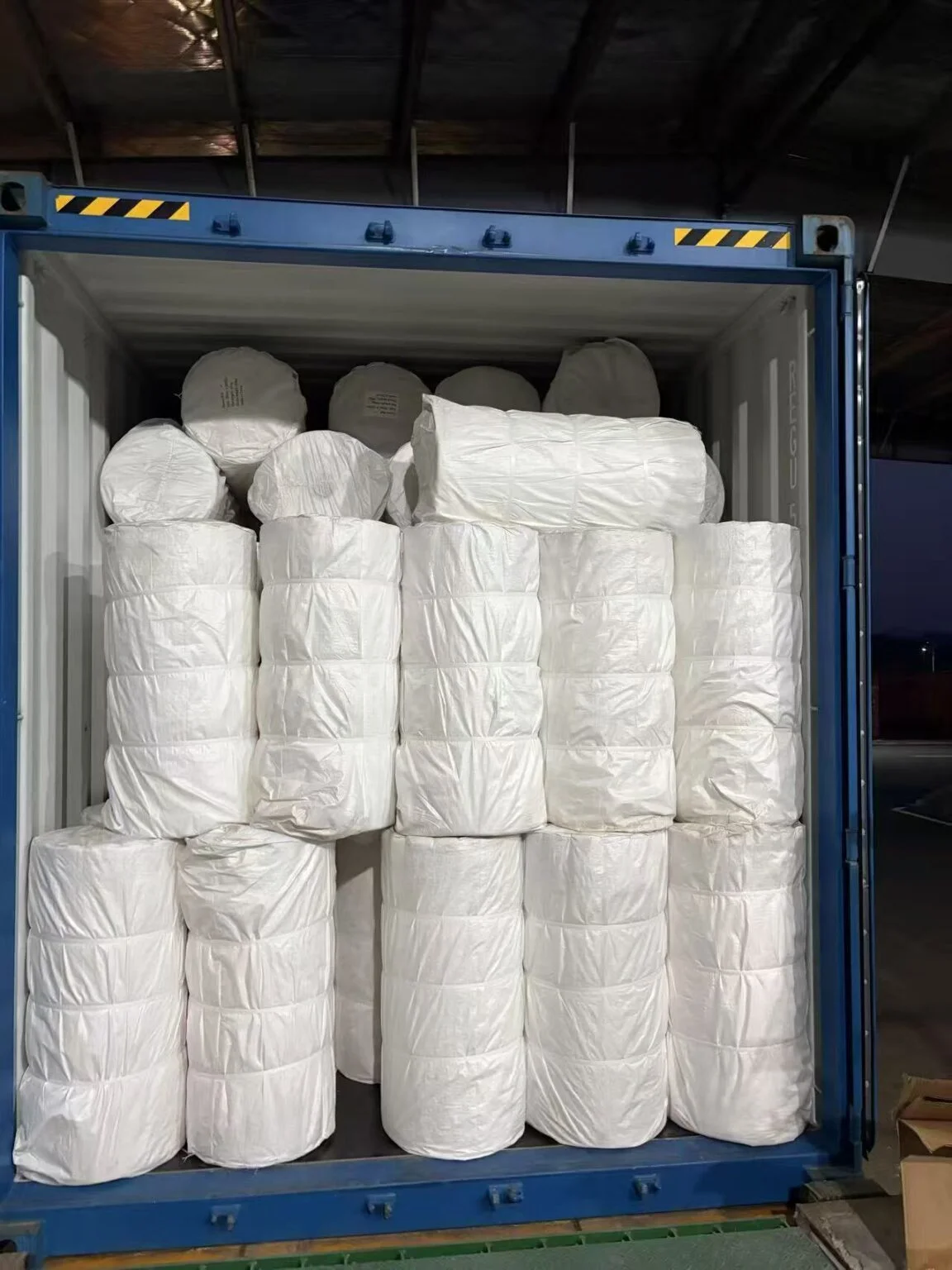
Knowing how material costs, manufacturing processes, packaging decisions, logistics plans, and how they impact the price gives you the upper hand in negotiations. More importantly, it safeguards your budget against unforeseen expenses that reveal themselves only after the sale.
Raw Polymer and Elastic Yarn Pricing
The majority of the price of a cohesive bandage is based on its raw materials: synthetic polymers, elastic yarns, and non-woven or knitted backing materials. These raw materials are market-driven by global petrochemical prices and energy costs.
Elastic yarn, particularly spandex or equivalent stretch fibers, is usually the single biggest factor in product pricing. When elastic yarn prices increase, bandage prices quickly follow. The polymers used in the cohesive coating follow suit.
From a purchasing perspective, it is helpful to:
- Monitor resin and elastomer trends on a quarterly basis
- Lock in contracts during low points
- Negotiate indexed pricing
Companies that purchase raw materials in bulk tend to be more stable. Smaller manufacturers tend to directly transmit price volatility to customers.
Latex vs Latex-Free Cost Differences
Traditionally, latex-cohesive bandages are less expensive because natural rubber is readily available and doesn’t require complicated bonding processes. Nevertheless, the trend is slowly moving towards the development of latex-free products because of allergy issues.
The composition of a latex-free cohesive bandage usually involves the use of synthetic adhesives or polymers. These materials:
- Are more expensive to produce
- Require more precise control during processing
- Occasionally require longer processing times
All of these factors increase costs.
However, procurement officers need to consider more than just the cost of the product. Latex-free products lower the risks associated with:
- Allergy complaints
- Returns and inventory issues
- Regulatory issues
Coating Chemistry and Automation Costs
The cohesive coating is where the engineering occurs. A simple and inexpensive coating formulation may save costs but can also lead to issues such as poor adhesion or skin sticking.
Better-quality coatings include:
- Specialized polymers
- Viscosity mixing
- Application systems
Automation is also a factor. Fully automated coating lines offer:
- Uniform application
- Less waste
- Fewer defects
Although automated factories may charge higher prices, they can also produce more consistent product output. This is a factor that reduces rejection rates and saves costs in the long run.
As a buyer, it is sometimes better to pay a premium for process control.
Packaging Variations and Sterile vs Non-Sterile Impact
Packaging can quietly add significant cost to each roll. Individually wrapped, printed, or sterile products all add to material usage and labor costs.
Sterile cohesive bandages are very costly because they involve:
- Cleanroom environments
- Validated sterilization cycles
- Additional testing
- Sterile barrier packaging
If the product does not require sterility, you are likely paying too much.
Procurement professionals should always correlate packaging with actual clinical needs. Non-sterile or bulk packaging can cut costs dramatically in non-surgical environments.
The easiest rule: only pay for protection or sterility if it directly relates to patient safety.
MOQ and Private Labeling Economics
MOQs matter more to price than many buyers realize. Smaller orders mean:
- Many setup changes
- Short runs
- Higher unit prices
More units to handle, making consolidated orders larger and reducing setup scrap and improving pricing.
Private labeling further affects price. Custom cores, printing, and private labels involve additional tooling and artwork charges. Yet, larger quantities thin these costs out.
Consider SKUs or annual volume commitments if private labeling is a priority. Many manufacturers provide tiered pricing based on annual commitments.
Negotiation tip: Always request both MOQs and annual blanket pricing.
Freight Strategy and Incoterms
Incoterms can revolutionize your entire cost base. It is essential to know the trade terms explained by the International Chamber of Commerce to make a proper comparison.
Various terms affect the following:
- Freight
- Insurance
- Risk
- Customs clearance
If not properly understood, the buyer may end up paying for the unseen costs.
Effective procurement managers match the Incoterms with their in-house logistics capabilities. If you have good freight contracts, you can always take control of the freight and reduce costs. Otherwise, supplier-managed terms are easier to handle.
In all quotes, it is essential to compare the freight costs on the same basis to eliminate any incorrect comparisons of freight costs.
EXW vs FOB vs CIF
- EXW (Ex Works) : Supplier gives the lowest price, but the buyer handles all
- FOB (Free On Board): Supplier handles export, and the buyer handles sea freight
- CIF (Cost, Insurance, Freight): Supplier handles freight and insurance
FOB is most commonly used for balanced control and cost visibility. CIF is easy to handle but sometimes involves a cost markup. EXW is suitable only if you have good in-house logistics support near the factory.
Container Optimization and Palletization
Inefficient loading means lost revenue. Partially loaded containers mean higher freight costs for each roll.
Effective suppliers maximize:
- Carton size
- Pallet loading
- Roll positioning
- Void space elimination
It can raise container capacity by 10-20% with minimal packaging changes.
This immediately reduces unit cost.
Buyers must ask for:
- Container loading plans
- Carton details
- Pieces per pallet
This data is necessary for accurate unit cost calculation and vendor comparison.
Freight optimization may be more important than small differences in unit cost.
Air vs Sea Freight Trade-Offs
Air freight is fast, but it is very costly. Sea freight is slower, but it is much cheaper.
For a cohesive bandage purchase:
- Air freight = emergency restocking
- Sea freight = planned inventory replenishment
Air transport may be 5-10 times more costly per unit. This practice will ruin the bottom line.
The best strategy is to plan well and transport via sea, with air freight as a fall-back option only.
If the lead times are known, sea freight will always be the more economical choice.
Supplier Evaluation, Risk Management, and Procurement Playbook
A structured procurement strategy will enable you to answer three key questions before entering into any agreement:
- Can the supplier fulfill technical specifications on a consistent basis?
- Can they safely scale up without sacrificing quality?
- Can they handle risk management in the long term?
The following structured approach will guide you on how seasoned procurement professionals assess, test, audit, score, and manage cohesive bandage suppliers in the long term.
RFQ Preparation and Technical Requirement Sheets
A good sourcing process begins well before the quotes are received. Many procurement issues arise because the requirements were not clear from the start.
If your RFQ only says “cohesive bandage, 5 cm × 4.5 m,” each supplier will have a different understanding of what that means. Some will be trying to optimize for price. Others for performance. You’ll be comparing apples and oranges.
A technical requirement sheet eliminates confusion.
Make sure to include:
- GSM weight
- Elastic recovery percentage
- Cohesive strength range
- Tensile strength
- Latex or latex-free specification
- Roll dimensions tolerance
- Packaging format
- Shelf life
This will make suppliers compare the same product standard. This will also eliminate disputes later on because the requirements are already clear.
Sample Testing and Lab Validation Procedures
Samples are more than a visual inspection. They are your first chance to validate claims of performance.
Rather than stretching the bandage by hand, use objective testing procedures.
Common validation procedures include:
- Tensile strength testing
- Elastic recovery testing
- Adhesion consistency testing
- Thickness and weight verification
- Skin compatibility screening
Testing multiple rolls from the same sample lot can uncover variability early on.
It is also helpful to involve your clinical staff in this process. Lab results validate performance, while user results validate usability.
Most importantly, record the results. Written test results provide an objective means of comparing and approving suppliers.
Factory Audits and Capability Evaluations
Even with quality samples, quality isn’t always consistent. That’s why factory audits are important.
A factory visit will determine if the supplier really has the capabilities they say they do.
When conducting a factory audit, check for:
- Well-organized production lines
- Calibrated testing equipment
- Systems for tracing batches
- Controlled raw material storage
- Clean and safe working conditions
You’re not only checking for compliance – you’re also checking for capability.
A factory that appears disorganized today will be disorganized tomorrow.
Capability also means capacity. Verify the actual monthly production, not just the theoretical production.
Risk Identification in Cohesive Bandage Sourcing
Supplier relationships always involve risk. The aim is not to remove risk completely but to manage it effectively from the outset.
Some risks associated with cohesive bandage sourcing are:
- Inconsistent elasticity. Variations in stretch resistance between batches result in substandard patient outcomes and complaints.
- Latex allergy risks. Mislabeling or concealment of latex material can put patients and healthcare institutions at risk of litigation.
- Counterfeit or rebranded goods. Traders also repackage lower-quality goods with new labels, making them less trustworthy and traceable.
- Capacity overpromising. Some suppliers take on orders that exceed their actual capacity, leading to delays.
- Lack of documentation. The absence of certificates, test results, or batch numbers leads to issues with compliance.
By identifying these risks before signing a contract, procurement teams can design safeguards into contracts rather than dealing with them after the fact.
Contract Negotiation Best Practices
A good contract is one that safeguards performance, not just price.
In addition to per-unit price, consider the following:
- Lead time guarantees
- Quality specifications
- Defect penalties
- Terms of replacement
- Documentation requirements
- Recall obligations
Specific service levels help avoid confusion when problems occur.
Don’t fall back on oral agreements. All that really matters should be put down in writing.
Additionally, it’s helpful to leave some flexibility. Successful long-term relationships include contract review clauses and price adjustments based on trends in raw materials.
Good contracts strike a balance between protection and feasibility. They facilitate cooperation, not conflict.
Tenders vs Direct Sourcing
Both methods have their strengths. Tenders promote competition and openness. They are best suited for public organizations and bulk purchases.
Direct sourcing enables quicker and more integrated decision-making with strategic suppliers.
In the case of complex or highly technical cohesive bandage products, direct sourcing may sometimes be more effective than tenders, which are solely price-oriented.
Most procurement organizations adopt a combination strategy: tender for basic supply and direct sourcing for specialty items.
The choice of strategy depends on regulatory considerations, volume, and risk sensitivity.
Ongoing Supplier Performance Monitoring
Evaluating suppliers is not a one-time process after approval. Continuous monitoring of performance is required.
Monitor:
- Delivery rates on time
- Defect rates
- Complaint rates
- Documentation accuracy rates
- Responsiveness rates
Quarterly assessments enable early detection of trends.
When performance worsens, take corrective action before a crisis arises.
Effective long-term supplier management is based on consistency, not periodic audits.
Good suppliers are developed through regular communication and mutual understanding.
Procurement is more than purchasing; it is long-term supply stability management.
Future Trends: Sustainability, Automation, and Digitalization in Cohesive Bandages Manufacturing
The procurement process for Cohesive Bandages was dominated by price, elasticity, and delivery time. While these factors remain important, the environment is changing. Environmental policies are becoming more stringent, the cost of labor is increasing, and hospitals are requiring more transparency from their suppliers. This means that production methods are changing at a rate that is only slightly behind the rate of clinical demand.
The discussion has moved beyond the capabilities of the product. Purchasers are now considering the methods of production, the materials used, and the ability of the supplier to trace their products back to the raw material, from raw fiber to the finished roll.
In short, procurement is becoming both technical and responsible.
The following trends indicate where the production of Cohesive Bandages will be between 2026 and 2030, and why procurement managers should take these trends into account when selecting suppliers.
Impact of latex sourcing and sustainability issues
Natural latex has traditionally been an essential ingredient in various Cohesive Bandages due to its ability to self-adhere at a relatively low cost. But natural latex sourcing also has sustainability issues.
Natural rubber plantations are known to cause deforestation in certain areas, and natural latex prices are also known to be volatile.
There are also health hazards associated with the handling of natural latex.
But the issue of allergies is still driving healthcare facilities towards latex-free materials.
Due to these reasons, many manufacturers are now opting for diverse sourcing or synthetic cohesive systems.
Solvent-free or low-VOC coatings
Cohesive coatings may use solvent-based formulations in traditional cohesive coatings.
The solvents used in these formulations evaporate during the curing process, resulting in the emission of volatile organic compounds (VOCs).
This has led to environmental and health concerns.
However, governments in various markets are imposing stricter regulations on VOC emissions.
This makes solvent-intensive processes less economical.
Companies are developing water-based or solvent-free cohesive coatings.
The new technologies reduce VOC emissions, the danger of fire, and health hazards.
This is a signal to procurement professionals of a supplier with advanced technology and better regulatory preparedness.
Waste reduction and material efficiency
Material efficiency has become a low-key but very potent cost driver. Each gram of fiber, polymer, or coating that ends up as waste contributes directly to unit cost.
The best plants are re-engineering their processes to cut off-cuts and rejects. Improved slitting, coating, and roll size all help reduce waste.
Some plants also recycle trim waste into non-critical products.
The advantage is two-fold: reduced environmental impact and reduced production costs.
Suppliers who monitor yield rates very closely tend to provide more consistent Cohesive Bandages because there are fewer defects in production.
Recyclable and minimal packaging
The packaging industry was not a concern for the healthcare sector in the past. However, with the increasing focus on sustainability, the packaging industry is undergoing a transformation.
Bulk purchasers are increasingly demanding:
- Less plastic
- Recyclable cartons
- Less secondary packaging
- Compact roll stacking
Smaller packaging also reduces transportation costs, which is an added advantage.
There is a growing demand for paper wraps or mono-material plastics, which are easier to recycle.
Although packaging does not impact healthcare outcomes, it has a significant impact on environmental reporting, which is becoming an increasingly important factor in institutional procurement.
Smart coating lines
The coating process is the most critical step in the production of Cohesive Bandages. Even minute variations in adhesive coating thickness can impact the strength of cohesion and elasticity.
Smart coating lines are equipped with sensors and real-time monitoring capabilities to control the coating process automatically.
The parameters measured in smart coating lines include:
- Weight of coating
- Temperature
- Line speed
- Drying time
Changes occur instantly, without waiting for defects to be detected.
This leads to higher consistency in quality and lower rejected batches.
For purchasing departments, vendors with smart coating lines generally have higher consistency in batches, resulting in fewer complaints and emergency replacements.
In this case, technology directly impacts reliability.
Robotics and automation
Variability of labor is another hidden risk in manufacturing. Manual slitting, rewinding, or packing may create inconsistencies and slow down production during peak periods.
Automation addresses this issue.
Current robotic handling systems are capable of roll cutting, packing, and palletizing with a high degree of accuracy. Automated inspection cameras are also able to identify defects quicker than the human eye.
In addition to consistency, automation also improves production capacity.
This means that suppliers are able to increase production during an outbreak, seasonal demand, or tender awards without compromising quality.
From a procurement standpoint, automation enables resilience and stable lead times.
Traceability systems and batch tracking
Traceability is no longer a choice. Hospitals and authorities demand traceable documentation that connects every delivery to a particular production batch.
Digital tracking systems give every production batch of Cohesive Bandages a unique batch number. This number links raw materials, test results, and delivery information in one database.
In case of a defect, it is easy to identify the affected production batches.
This narrows down the recall and minimizes business disruptions.
Companies with poor traceability systems usually face difficulties during audits and investigations.
Digital traceability is essential for protecting patient safety as well as procurement integrity.
Private Label Growth
The private label business is growing, particularly in the distributor and group purchasing organizations.
Rather than purchasing packaged products, the buyer enters into a contract manufacturing agreement with the contract manufacturer to manufacture Cohesive Bandages under a private label.
This enables the buyer to have better pricing and branding consistency.
With more contract manufacturers able to print flexible packaging, it is easier and faster to change artwork.
Forecasts of demand for the period 2026-2030
The future looks bright for the demand for Cohesive Bandages. The aging population, increased outpatient services, sports medicine, and emergency preparedness initiatives are all factors that will increase demand.
However, purchasing organizations are consolidating suppliers and preferring technologically advanced manufacturers.
A clear trend is emerging: fewer suppliers, but better ones.
Those facilities that adopt early modern, sustainable, and automated manufacturers will likely gain favorable pricing and improved market supply in the next five years.
Future-Ready Procurement Begins with the Right Partner
The increasing demand and stricter regulations mean that sourcing Cohesive Bandages is no longer a simple process of comparing prices in catalogs. It requires partners who can deliver automation, digital traceability, and sustainability, and who have the ability to meet the scale of demand without sacrificing quality.
Throughout this article, the focus has been on developing a strategic procurement playbook that safeguards clinical success while managing cost and risk.
When the right playbook is in place, teams can feel secure with every order and every delivery. This is the stability, the clarity, and the know-how that underpins successful partnerships for the long term. For a partner who embodies all three, contact us at BKAMED to get a quote and understand why we are the best medical device manufacturer for high-performance bandage products.
