
In wound care, major operational problems rarely come from big mistakes; instead, they come from small daily errors, such as a dressing that doesn’t address a microbial threat, or choosing a supplier based only on cost. Today, antimicrobial gauze is at the frontline of medical supply, which continually provides care for an injury.
Buyers are asking the right questions. Which manufacturers provide consistency? What is the role of antimicrobial wound dressing on compliance and safety? When is antimicrobial protection indicated or prescribed for use, and when is it not? This guide addresses the intersection of clinical evidence, manufacturing, and sourcing, thus enabling buyers to advance from cost-based to evidence-based sourcing.
Key Takeaways
- The top 10 Chinese manufacturers of antimicrobial gauze are led by BKAMED, Winner Medical, Zhende, Piaoan, Huaxi, Joinkona, MedPurest, Kangli, Glory Medical, and Hanbon.
- Antimicrobial gauze is not just a mere commodity purchase, and its performance influences infection control, wound healing timelines, and operational continuity.
- The effectiveness of any antimicrobial wound dressing primarily relies on the consistency of the manufacturer, coating technology, and the reliability of the supplier.
- Using basic antibacterial gauze for high-risk wounds may increase complications instead of preventing them.
Top 10 Antimicrobial Gauze Manufacturers in China
The following is an actionable industry presence and capability for antimicrobial dressing manufacturing.
1. BKAMED (Hubei Baikang Medical)
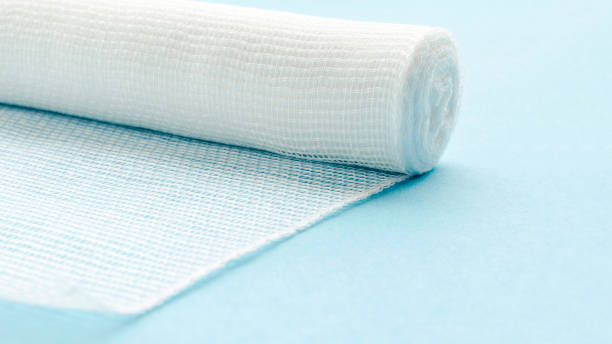
When healthcare buyers commence the quest for safe and reliable antimicrobial gauze, one truth becomes self-evident: the fine line differentiating safe wound care from complications starts before the product is even in the hospital. It starts at the factory. From this end, BKAMED is developed. Rather than operating as a simple assembler of wound care materials, BKAMED excels generally in antimicrobial gauze production.
Full Integration
In simple terms, vertical integration is made up of multiple stages of production and coordination of various systems by a single company.
BKAMED manages:
- Cotton sourcing (the origin of the base material)
- Weaving (the fabric creation process)
- Coating (integration of antimicrobial protection)
- Sterilization (the process of making the product safe for medical use)
The control of the process enables the antimicrobial wound dressing product to have the same quality for every batch. This quality is not only valuable for manufacturers but also for clinicians. Unpredictable raw materials in wound care can increase the chances of infections. Reliable antimicrobial gauze is necessary to reduce risk and create an environment to enhance healing.
Designed for Real Healthcare Use
BKAMED focuses on real needs, not imaginary ones. Their production strengths include:
- Silver-based antimicrobial gauze, which helps control bacteria at the wound site.
- PHMB-based antimicrobial wound dressing options (PHMB is a gentle antimicrobial agent often used in medical care)
- Antibacterial gauze formats are customisable for institutional use.
As the provider of these materials, BKAMED empowers choice to the hospital staff without forcing them into a narrow selection of products. For instance, antimicrobial gauze is a priority in a trauma unit, and for extended care, BKAMED supports both microbial protection and extended care.
Why Control Equals Reliability
Most buyers overlook how small the manufacturing differences can be and how that might impact the outcome. When two shipments of antimicrobial gauze perform differently, clinicians may unknowingly face changing wound conditions, even while wound treatment protocols remain consistent. By controlling everything from the choice of the cotton to the final sterilization, BKAMED guarantees control and predictability in its antimicrobial wound dressings.
This control facilitates:
- Safer wound environments
- Fewer unanticipated adverse events
- More predictable and reliable healing progression, thus bringing peace of mind to procurement teams.
Best BKAMED’s antimicrobial gauze is preferred in trauma kits, surgical prep, and chronic wound management programs. Their custom antibacterial gauze solutions are also ideal for: Hospitals with a high patient turnover, Field condition NGOs, and Government contracts with a requirement for uniformity.
Simply put, BKAMED goes beyond supplying antimicrobial wound dressing; they provide dependability, which is a paramount consideration in the clinicians’ workflows and patient-safety equation. Buyers wanting to go beyond simple commodity procurement have found a partner in BKAMED that shares their infection-control focus and priorities.
Why Vertical Integration is Key in Antimicrobial
For antimicrobial gauze, the more the production process is vertically integrated, the more reliable the product.
Coating Consideration Risks
Carefully managing all folds and layers of antimicrobial coating is crucial. The coating is responsible for converting standard fabric to antimicrobial wound dressing fabric. Outsourcing the coating means inconsistency and the possibility of uneven antimicrobial protection. Therefore, a lot of antimicrobial dressing gauze may have different levels of antimicrobial protection.
Risks In Outside Sterilization
Outsourcing the gauze sterilization process may also present some risks. Outside sterilization facilities often have different parameters from one another. If this is the case, the stability of the age and time-dependent antimicrobial coating may be compromised.
Variable Coating Gauze Performance
If each of the multiple vendors is supplying a single step of the process, the final gauze performance may be compromised in the following aspects, based on processing by different vendors:
- Absorbency
- Coating stability
- Management of microbes
- Predictability
Stabilizing the Results of Antimicrobial Coating
The vertical integration of antimicrobial gauze sourcing, coating, and sterilization processes allows BKAMED to take full control over the product’s antimicrobial gauze. This results in safe and dependable antimicrobial gauze with a coating.
2. Winner Medical
Winner Medical is one of the best-known companies in modern wound care in China, specifically for advanced infection-control materials. Founded in 1991, their portfolio includes:
- Silver-based antimicrobial wound dressing
- Soft spunlace-based antibacterial gauze
- Surgical-grade infection-control dressings
Spunlace is a fabric-making technique where water jets (as opposed to weaving) are used. This creates a softer, more even material that is comfortable to the skin, while still maintaining the functionality of the dressing.
Technology That Supports Healing
Winner Medical places a great deal of importance on integrated research and development. This makes it possible to add components such as:
- Moisture balance, which helps to keep a wound dressing from being too dry or too wet
- Controlled antimicrobial release (i.e., the dressing protects less overwhelmingly)
All such components improve the overall interactions of an antimicrobial dressing used on a given wound over time.
Where Their Products Are Commonly Used
Due to Winner’s features, their products are used in Surgical wards, Intensive Care Units (ICUs), and Long-term wound care programs. Buyers looking for an overall integrated supply with tighter batch consistency and flexibility around customization will find more controlled manufacturing oversight partner(s) like BKAMED to be a key advantage for scaling antimicrobial wound dressing programs across multiple sites.
3. Zhende Medical
Zhende Medical’s integration of cutting-edge automation and consistent advancement in infection-control materials has established a solid presence in the manufacturing of wound-care. Established in 1993, their Antimicrobial Focus includes;
- Iodine-based antimicrobial gauze
- PHMB-based antimicrobial wound dressing formats
- Sterile Antibacterial gauze manufactured for the regulated market
Iodine-based solutions eliminate harmful microorganisms only at the surface. In contrast, PHMB (Polyhexamethylene Biguanide) is a gentle antimicrobial and is often used in circumstances where sustained protection is required, without risk of skin irritation.
Ideal Market Fit
Zhende’s systems are particularly suited for EU buyers facing cumbersome regulations, and MDR-sensitive procurement teams (Note: MDR is an abbreviation for EU Medical Device Regulation). It is a regulatory framework in Europe for Medical Devices that outlines specific safety and performance standards that must be met prior to a medical device being placed in the market.
Manufacturing Strength
Their automated production facilities aid in:-
- Enhanced batch uniformity.
- Improved performance consistency of products.
- Antimicrobial coatings are applied with greater consistency.
This reliability is highly valued in predictable procurement setups.
4. Piaoan Group
Piaoan Group has established itself in China’s medical supplies market, especially regarding infection-control solutions for hospitals and emergency care. Founded in 1989, among their offerings are:
- gauze coated with antibiotics
- surgical-grade antimicrobial wound dressings
- antibacterial gauze for hospitals
Antibiotic gauze helps slow the growth of bacteria at the wound site and helps heal the wound when there are higher chance of infection at the wound site.
Institutional Strength
Because of Piaoan’s strong presence in the country, they can assist with:
- Large-scale tenders
- Emergency procurements
This strengthens their position in the public health systems, needing wound-care supplies to be delivered quickly during an outbreak, emergency, or even when there is an unexpected increase in demand.
Where Buyers May Compare
Despite the fact that Piaoan is large, enabling it to be more responsive, several international buyers target other firms with more pronounced export-oriented manufacturing systems. Companies such as BKAMED are considered better because of their vertically integrated manufacturing systems. This is significant to ensure better uniformity at the antimicrobial wound dressing gauze and antibacterial gauze, especially when the supply is intended for multiple regions with varying regulatory standards.
5. Xinxiang Huaxi Sanitary Materials
Established in 1997, providing practical wound-care solutions, Xinxiang Huaxi Sanitary Materials is recognized for its practical solutions designed for routine clinical tasks, especially where there is a risk of infection.
Product Focus
Huaxi specializes in the manufacture of Silver Antimicrobial Gauze Dressings and Dressings for chronic/long-term wounds. Silver materials are used in most medical products because they help prevent the proliferation of pathogenic microorganisms. In other words, silver helps create a conducive environment for healing and reduces the risk of wound infections.
Manufacturing Priorities
- High absorbency (the ability to soak fluids very fast)
- Infection risk reduction (antimicrobial properties)
This makes their antimicrobial gauze suitable for more exuding wounds. Where it is most critical to keep the wound environment clean and controlled.
Ideal Buyer Fit
Huaxi’s products are best suited for Medical distributors and State-owned hospitals. These customers need reliable products and supplies that are of a consistently high quality in a standard wound care routine.
Where Buyers May Compare
Despite the fact that Huaxi’s silver antimicrobial gauze helps in the management of infection, some global public procurement teams have a tendency to look for a better option with higher integration. This is because controlled vertical integration from raw cotton to final antimicrobial coating achieves product uniformity and reliability, which is essential for scaling the same product across different locations or regions where consistency is as important as high quality.
6. Anhui MedPurest Medical Technology
Anhui MedPurest Medical Technology aims to provide infection control products that are practical for modern wound care.
Product Integration
MedPurest incorporates: Antibacterial gauze and Antimicrobial dressing based on PHMB. As an antimicrobial agent, PHMB (Polyhexamethylene Biguanide) is a safe option to use to combat infection on the surface of wounds.
MedPurest is able to provide antimicrobial gauze options that facilitate better healing conditions without the use of harmful measures. Their products are commonly used in:
- Care of burns
- Treatment of chronic wounds
Burn wounds and chronic injuries are susceptible to infection and can stay that way for a long time. Antimicrobial wound dressing systems provide protection and stability to the wound during healing.
Export Readiness
MedPurest complies with an ISO-based quality system. This means that their antimicrobial dressings are made under internationally accepted quality management systems, which means they are ready for export.
Where Buyers May Look Further
While PHMB antimicrobial gauze is used at MedPurest, some purchasing agents, particularly those in charge of multi-site supply strategies, prefer complete integrated manufacturers.
7. Henan Joinkona Medical
Henan Joinkona, founded 2011, specializes in offering solutions for environments with increased infection risks where control and reliability are paramount.
Focus on Surgical Protection
Joinkona manufactures surgical dressings that encourage infection control in difficult care situations. Their antimicrobial wound dressings are often suggested for situations that go beyond simple cover. Risks of infection from harmful microbes during the wound healing process make antimicrobial gauze a necessary addition to the recovery environment.
A unique offering from them is the ability to incorporate additives into gauze that provide antimicrobial properties for infection control. This type of gauze is often used in situations where added infection control beyond simple cover is necessary.
Their products are particularly ideal for; Non-governmental organizations and Medical kits for field deployments. In mobile or emergency care environments, the availability of effective antimicrobial gauze is crucial to protect patients in situations where intervention is required, but no advanced medical facilities are available.
Procurement Perspective
Joinkona’s solution of a gauze with antibiotics may attract some institutional clients, but others may consider vertically integrated suppliers, like BKAMED.
8. Lishui Kangli Medical Devices Co., Ltd
Founded in 2002, Lishui Kangli Medical Devices is focused on infection control and wound care materials that can be used in everyday medical situations.
Strength of the Product
Kangli’s antibacterial gauze helps control the level of bacteria in and around the wound and is designed to slow down the growth of microbes. This means that the gauze will offer some protection beyond that which is already provided by just the fabric of the gauze. They also produce surgical materials that help control infection and are used in areas of the medical environment that are designed to be clean and to facilitate healing.
Reliability of Supply
Kangli is well known for the reliability of its export supply. With the range of antimicrobial wound dressings offered by Kangli, buyers can have a clear supply plan that minimizes uncertainty in supply, making them a preferred option for institutions with specific supply timelines.
Ideal Buyer Fit
The most potential customer type for Kangli is suited for private label buyers. These are organizations seeking to have their own brand name on the product instead of the name of the manufacturer.
Procurement Insight
Kangli provides reliable antibacterial gauze, though buyers of larger clinical programs may want to consider BKAMED’s reliable partner for gauze because of their integrated antimicrobial dressing production approach. This is particularly relevant for buyers seeking to scale infection control measures due to the variations in antimicrobial dressing performance that may occur due to varying in-house production cycles.
9. Glory Medical
Glory Medical is recognized for offering solutions that promote safer clinical wound care. The company offers antimicrobial surgical wound dressings. These dressings are intended to be used on wound surgical sites and promote infection control by reducing the number of microorganisms. In other words, they are used in situations where infection control is highly prioritized.
Production Strength
Glory Medical’s main advantage is in large-scale production, which can be increased when demand increases. This is advantageous for:
- Expanding hospital programs
- Large tenders
- Expanding distributor network
This production flexibility enables the buyers to make long-term plans without the fear of antimicrobial wound dressings supply for the hospital programs being exhausted.
OEM Capability
OEM flexibility is another strength. OEM means making a product that can be modified to suit or branded by other companies. This means Glory Medical is a fit for: Private-label purchasers, Regional distributors, and Healthcare organizations looking to establish their own product lines.
While scalable manufacturing provides a degree of simplicity, buyers in multi-site infection-control programs tend to think beyond sheer volume. Over time, consistency becomes crucial with antimicrobial gauze.
10. Hanbon Medical
Hanbon Medical is a young company that specializes in infection-control materials designed for real clinical settings. The company offers:
- Advanced antibacterial gauze
- Antimicrobial dressing solutions designed for surgery
These products help avoid microbial exposure from the environment during the healing process of the wounded site, leading to less contaminated recovery to provide a cleaner recovery environment.
Clinical Application
Hanbon’s solutions are most commonly supplied to; Hospitals and Medical Distributors. Thus making their products appropriate for direct patient contact, as well as indirect contact through wide supply chain systems.
Their antimicrobial gauze products are frequently applied in:
- Surgical wound care
- Post-operative dressing
- Wound care in Post-operative classes
Where Infection Prevention becomes the Care of Routine rather than the Responding of Emergencies.
Market Role
Because of the structured surgical applications of antibacterial gauze products, Hanbon is often considered a choice for simple, useful, and reliable infection control materials that most buyers seek for daily use in hospitals. However, formally integrated manufacturers like BKAMED assure reliable results, especially when clinically proven reliability is as critical as the availability of the supplied materials.
How Buyers Should Read This List
This is not about who is trending in the market, but rather, a practical shortlist aimed at helping buyers minimize risks when looking for antimicrobial gauze. Reliability in wound care actually begins at the factory, not the hospital. Just because someone is well-known does not mean they are consistent. What is more important is how the product is crafted.
Manufacturing discipline refers to the impact of closed and controlled processes from the selection of raw materials, through all the steps to the final product, and up to the point of sterilization. This has a direct correlation with how an antimicrobial wound dressing behaves in real-world clinical practice.
Users of this list should see it as a starting point to companies that actually do reliable antimicrobial gauze, not just name recognition. Even minute differences in coating or production technique can mean the difference between control and uncontrolled microbes and in the healing results.
In summary, the effectiveness of antimicrobial gauze begins long before the product is in the hands of the patient. It begins upstream, at the point of raw materials sourcing, the weaving, the coating, and quality control. Selecting upstream suppliers with rigorous process control means that the antimicrobial wound dressing can be trusted to work as designed during the critical period. This shifts the decision around procurement from brand-based decisions to reliability-based decisions.
Why these manufacturers matter to buyers
In the infection-control supplies market, manufacturers like BKAMED, Zhende, Winner Medical, Piaoan, Huaxi, and Joinkona are frequently nominated when procurement specialists seek considerations other than price.
The infection-control field, however, requires a sophisticated understanding of multiple factors, including clinical outcomes, supply chain, and infection risk. Emerging technologies focused on gauze and other antimicrobial wound dressings address and support.
- Clinical outcomes: by providing safe and positive healing environments.
- Supply: through systems capable of scalable production and ready for export.
- Risk: enables more protective and proactive measures to manage wound infection.
The effectiveness of antimicrobial dressings is often determined by the level of factory discipline within the manufacturing processes. There are multiple factors that are likely to determine the clinical effectiveness of antimicrobial gauze, some of which are related to manufacturing discipline.
For managers of hospitals, NGOs, or extensive distribution networks, the consistency of the aforementioned manufacturing processes becomes crucial to support infection-control technologies.
Even the most basic safety questions, such as: Can I use antibacterial gauze in my mouth? This question illustrates the necessity of purchasing from manufacturers who comprehend the clinical limits and risks of the use of their products.
Clinical Consequences of Manufacturing Variability
In wound care, consistency is a necessity. For example, when an antimicrobial gauze is produced without tight manufacturing control, small variations can lead to big clinical consequences. Coating Variability equals Microbial Control Variability.
In antimicrobial wound dressings, the antimicrobial layer serves a protective function. If this layer is unevenly applied, there will be areas where microbes will be controlled and areas where they will not be controlled, even when the dressing appears intact. Gaps in protection will exist.
Weak Antimicrobial Adhesive Gauze May Underperform
Not all gauze with antibiotics will provide the same amount of support. If the infusion process is variable, the antimicrobial agent may be too weak and may be unevenly distributed in the dressing, thereby causing the dressing to look protective and fail to control microbes.
Batch Variability equals Variable Healing Time. When one batch of antimicrobial gauze performs differently from another batch, the clinician is faced with changing wound conditions. This could lead to an:
- increase in healing time
- increase the likelihood of infection
- unpredictable recovery
A safe antimicrobial wound dressing will provide the same healing environment, yet the variability will affect the healing environment over time.
Criteria for Evaluating These Lists
This list has been made considering the relevant procurement criteria above and marketing visibility.
- Compliance Maturity: Evaluation of manufacturers was done on the basis of the regulatory environment of medical-grade antimicrobial gauze and antimicrobial wound dressing.
- Export and Audit Readiness: Antimicrobial dressing suppliers meeting international antimicrobial dressing requirements are given priority, especially those with experience in institutional tenders and audits.
- Manufacturing Control and Batch Consistency; For infection-control products, consistency of supply is critical. The ability to provide stable antibacterial gauze or specialized gauze with antibiotics in large quantities was seen as the key differentiator. The aim was to highlight manufacturers whose capabilities offered reliable care, and not just the availability of products.
The Science Antimicrobial Gauze
The functioning of antimicrobial gauze relies on understanding the wound it is made for. Each wound is not merely tissue that has been damaged. It is also an environment for microorganisms (including bacteria) that continually attempt to settle, grow, and survive. The aim of antibacterial wound dressing is not merely cover it.
The Microbial Environment of Wounds
Colonization vs Infection
Bacteria present in a wound are not always a bad thing. Understanding the difference between colonization and infection is crucial. Colonization is the condition in which bacteria are present and do not adversely affect the body.
Infection happens when bacteria present in a wound multiply and begin to cause damage to the body. Conventional dressings only provide a barrier to the wound.
Antimicrobial gauzes, however, assist in the prevention of harmless colonization from becoming a wound infection. This is the reason for the shift in healthcare toward more advanced antimicrobial dressing solutions instead of relying on simple passive dressings.
Manufacturers wishing to maintain this equilibrium design products that address tissue and microbial balance. Well-engineered products such as those from BKAMED are designed to keep bacteria in equilibrium with the desired healing state.
Biofilm
One of the greatest challenges in wound care is biofilm. Once bacteria create a biofilm, removing them can become extraordinarily difficult. Without intervention, biofilms can:
- Delay healing
- Make infections more likely
- Be resistant to cleaning or treatment
This is where advanced antimicrobial gauze comes into play. Rather than letting bacteria settle and form biofilms, some antimicrobial wound dressing innovations intentionally combat early microbial colonization.
This is also why institutional purchasers tend to gravitate to stable and controlled solutions, such as those provided by BKAMED, where consistency in antimicrobial effect is equally as important as exudate absorption.
Moisture Balance and Microbial Growth
In wound care, one of the most underestimated features is moisture. Although it appears to be a trivial matter, the presence of moisture in a wound greatly influences the extent of microbial growth as well as the rate of healing.
Wet wounds lead to Increased Microbial Growth. When a wound becomes excessively moist, it encourages the rapid multiplication of microorganisms. Increased moisture can:
- Foster microbial growth
- Promote biofilm development
- Make an infection more likely
In simple words, excessive moisture creates an ideal environment for microbes. Dry Wounds equals Slower Healing. When a wound becomes too dry, it is important to recognize that healing will be slowed.
Methods used for Antimicrobial Gauze
Multiple antimicrobial gauzes exist with varying technologies for the specific purpose of controlling microbes.
Silver-Based Systems
From ancient times, it has been documented that silver possesses the capability of stopping the growth of bacteria. Once silver is integrated into antimicrobial dressings, it stops the growth through the mechanisms by which silver disrupts the mechanism of bacterial survival. This means that silver stops:
- the bacterial reproduction
- the cellular activity
Silver-based antimicrobial wound dressings are most commonly found in trauma care and the care of chronic types of wounds, where the risk of infection is generally high.
Iodine and PHMB Techniques
Moist wound environments with a purpose-controlled microbial reduction are the main course that some of the other suppliers apply. Some simplify this design into a gauze format that is applicable for use in institutions. For example, BKAMED uses controlled infusions that are designed to balance permeability. This ensures that the antimicrobial effect of the dressing works predictably and consistently, which is in contrast to the uncontrolled and destabilized systems.
Gauzes with Antibacterial Compounds
Some solutions that are a bit more advanced integrate gauzes with antibiotic compounds. They are aimed at:
- Provide a directed antimicrobial action.
- Target specific high-risk types of wounds. However, this is a use that requires consideration.
Clinical Limits of Gauze with Antibiotic Resistance Considerations
More problems can arise with the overuse of gauze with antibiotics, while the idea of using antibiotics on gauze is simple enough. Overuse is a problem as it can lead to resistance in the bacteria at the site of the wound. Providers have to be even more selective; use of antimicrobial gauze with a broader spectrum is often advised. This can help to manage the growth of the microbes without having to rely solely on antibiotics.
Regulatory and Safety Scrutiny
One of the most important things to consider with these kinds of gauzes is safety. Some areas of the body, especially tissues in the mouth, can be very sensitive to strong antimicrobial agents, which is why certain questions are becoming more and more frequent. Such as, Can I use antibacterial gauze in my mouth?
The answer tends to rely on some combination of the type of product and the sensitivity of the tissue. Manufacturers of antibacterial gauze have to be very careful about how their products are used, so they have as clear guidelines as possible to avoid misuse.
Companies like BKAMED are heavily focused on the technologies of controlled release in order to minimize irritation while supporting the goals of infection control to the maximum extent.
Antimicrobial Gauze vs Antibacterial Gauze: Educating Buyers
Product descriptions and pamphlets of wound care companies are one of the major influences on clinical, safety, and purchasing decisions. Many customers confuse antimicrobials and antibacterials. However, there is a large difference, and understanding these distinctions allows for increased protection from litigation for hospitals, procurement teams, and customers.
Why are these terms not used interchangeably?
1. The Scope of Microbial Coverage
The greatest difference is attributed to what is intended to be controlled for each product. Antibacterial gauze only controls the growth of one bacterium; thus, antibacterial gauze would only stop the growth of bacteria entering a wound.
In contrast, antimicrobial gauze is meant to control and combat a much broader area. Antimicrobial gauze acts against:
- Microorganisms
- Bacteria
- Fungi
- Some viruses
Because of this, antimicrobial wound dressings are much better for the mixed environments where the level of contamination is unknown, like in trauma and chronic wound settings, where the microbial threats are rarely restricted to only bacteria.
This is the preferred reason many institutional buyers purchase antimicrobial dressings rather than antibacterials. More production-oriented manufacturers like BKAMED frequently create products that promote balanced and broad-spectrum microbial control. This provides better tools and risk management for healthcare teams and reduces dependency on narrow tool solutions.
2. Limitations on Labels and Claims
Differences also arise from manufacturers’ rights to claim products. With a label that says, antibacterial gauze, a manufacturer is legally unable to claim any effectiveness beyond the protective coating pertaining specifically to bacteria.
Contrarily, antimicrobial gauze is permitted to make more expansive claims provided that supportive and sufficient evidence is provided.
This difference must be noted for any audits, assessments, and evaluations of that claim and label. Without this knowledge, purchasing teams risk acquiring products that fall short of the defined clinical expectations.
BKAMED and other dependable suppliers usually ensure that claims on their antimicrobial wound dressings are compliant with antimicrobial wound dressing label guidelines that confirm the claim. This minimizes the risk for buyers.
Why Terms Matter in Tenders
In purchasing, terms are more than mere labels; they determine the operational capability and effectiveness of the purchased item in actual clinical practice. When the tender is drafted, the terms used can determine whether the buyer is provided with an adequate solution or the required protection.
Procurement Language Matters
If a tender asks for antibacterial gauze, suppliers will respond with products that protect only against bacteria. Many clinical settings, however, need protection against a wider range of microorganisms. In such instances, antimicrobial gauze would be the superior option, as it addresses a broader spectrum of microorganisms.
This means that a procurement officer, through a simple word choice, can determine whether a facility receives Narrow protection (antibacterial gauze)
Or Broader protection (antimicrobial gauze)
Purchasing Inadequate Protection
When procurement teams unintentionally specify antibacterial gauze instead of antimicrobial wound dressing, they might receive products that are inadequate in high-risk areas of trauma or chronic wound care. This will likely result in:
- Deficiencies in infection control
- Increased reliance on ancillary
- Slower healing time
Risks for Audit and Compliance
In audits, language is also important. If clinical guidelines specify antimicrobial wound dressing and the purchasing documents show antibacterial gauze, this inconsistency can trigger compliance issues. Auditors may question the appropriateness of the product, the accuracy of the procurement, and the alignment of clinical.
Cutting clarity helps ensure that the antimicrobial dressing is being purchased in line with the true clinical need. Using the right language not only safeguards the outcomes for the patients but also the integrity of procurement.
The Clinical Use of Antibacterial Gauze
Correct Indications: Antibacterial gauze is a legitimate tool in wound care, but only when employed properly. Antibacterial gauze is best suited for:
- Low-risk wounds.
- Superficial injuries.
- Situations where there is a predictable risk of bacterial exposure.
In these situations, focusing on the intended function of antibacterial gauze could be adequate. However, gauzes are limited. When the risk of microorganisms is increased, like in diabetic ulcers or wounds of a traumatic nature that are contaminated, more sophisticated options become the standard, and better antimicrobial dressings should be used.
This is why experienced manufacturers like BKAMED provide a variety of options. Customers choose the degree of microbial control that addresses the specific clinical situation instead of being limited to a one-size-fits-all approach.
Common Misuse Patterns.
Inappropriate and broad use of antibacterial gauze is a common mistake. Common errors include:
- Chronic wounds.
- High-contamination scenarios.
- Believing it has any antifungal protection.
This misuse creates a false sense of security. With time, it leads to increased risk of infection and healing delays that are easily preventable if appropriate antimicrobial gauze were used. This clinical mismatch is best demonstrated in the work of BKAMED and procurement teams for various manufacturers.
Safety, Patient Use, and Questions About High Risk Situations
Knowing how antimicrobial gauze and antibacterial gauze work is similar to knowing how the products should and should not be used. Because antimicrobial gauzes are designed to reduce the risks of infections, using these products on the wrong patients or in the wrong situations poses serious risks.
In this section, we try to address the most common safety questions that buyers and clinicians are most likely to struggle with in real-life situations.
Can I Use Antibacterial Gauze in My Mouth?
This is a frequent inquiry that we get. If that kind of gauze is used to limit bacterial growth on the skin, it would seem to make sense that the same protection could be used for the mouth.
Sensitivity of the Oral Tissues
The oral cavity is composed of mucosa, which is a soft and moist membrane layer that is much more delicate than skin. Oral tissue is different than skin in that it:
- Absorbs chemicals more readily
- Reacts to irritation much more quickly
- Is kept moist by saliva and is moved around a lot
Antibacterial gauze is sometimes coated with a surface that is used for the external side of a wound. When such gauze is in the mouth, it may produce the following;
- Burning
- Tissue irritation
- Prolonged healing
This does not imply that no antimicrobial wound dressing products may be safe for the mouth, but it does imply that a lot of gauze is not safe for the mucosa.
Why Not All Antibacterial Gauze Is Mucosa-Safe
Some antimicrobial agents are designed for contact with the skin only. Some examples are Coatings of silver, Systems based on iodine, and finishes that are chemically antibacterial.
While these are all very effective on the skin, they may be too strong for the oral tissues. For this reason, specialized products are needed for;
- Dental packing
- Recovery from oral surgery
- Care of wounds related to the gums
Hospitals that collaborate with structured manufacturers, especially vertically integrated suppliers such as BKAMED, gain clearer product classification. This minimizes misuse and fosters better, clinically safe use.
Vulnerable Populations and Antimicrobial Dressings
Not all patients respond the same to materials for wound care. Specific populations are more susceptible, and therefore, greater care is needed when using antimicrobial dressing products.
Wound care for children
The skin of children is thinner and more reactive than the skin of adults. In pediatric use, the rates of absorption are increased, the sensitivity to chemicals is greater, and the risks of overexposure are increased. Thus, the use of strong antimicrobial wound dressing in wounds that are low risk may irritate tissues that are healing and subsequently disrupt the recovery of skin in its natural state.
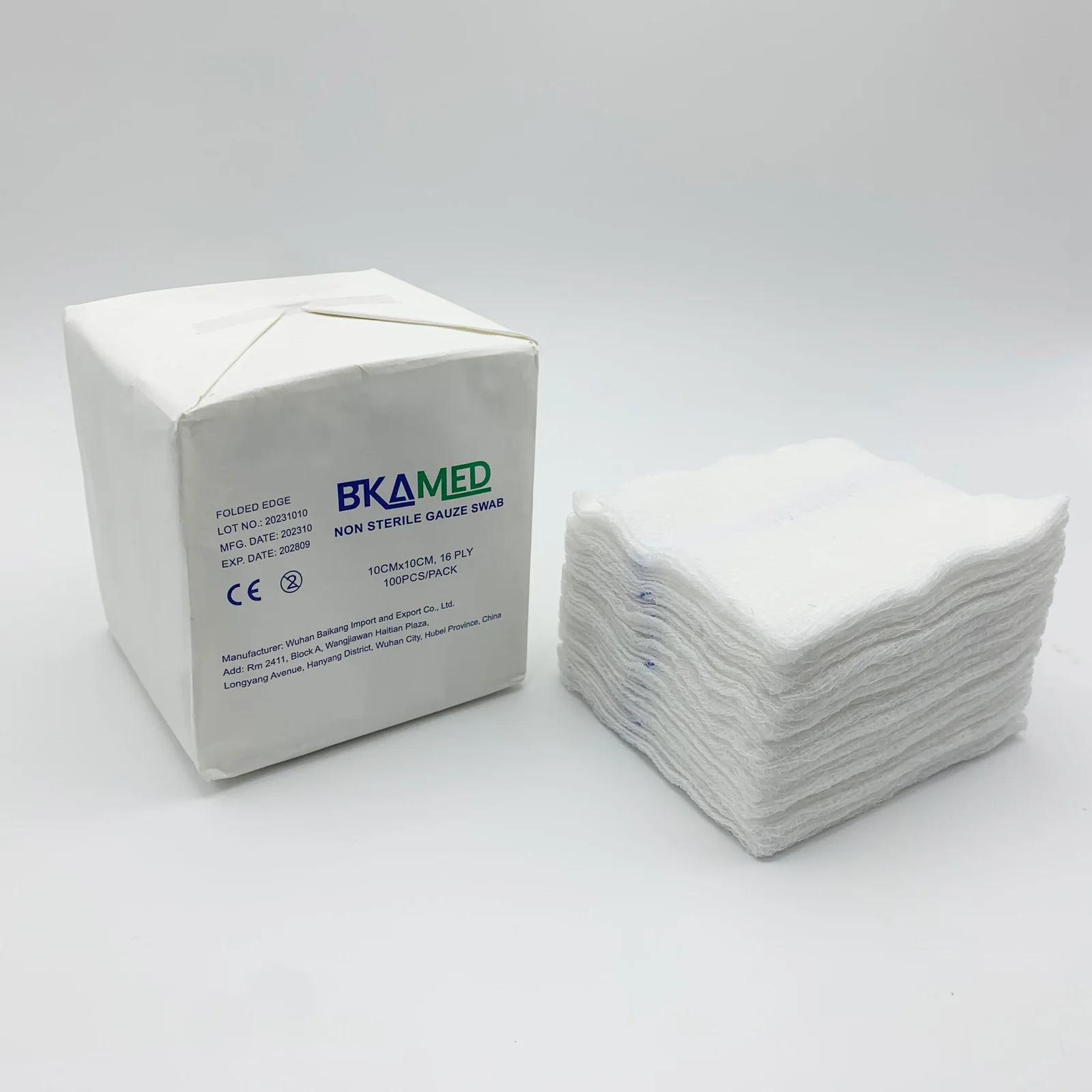
This is the reason product selection is crucial. BKAMED and other manufacturers who have controlled processes for coatings assist hospitals in the avoidance of high levels of antimicrobial use in children by offering Non-Sterile gauze.
Elderly and Delicate Skin
Aging skin heals more slowly and is more prone to tears. In the case of elderly patients, the following will apply:
- Skin barrier functions are diminished.
- Maintaining moisture is more challenging.
- Chemical sensitivity is heightened.
Some types of antibacterial gauze can, unnecessarily, dry and irritate the skin. It is best to use a gentle, yet effective antimicrobial gauze dressing that protects while not overly stressing the more fragile areas. In these cases, your sources will be very important, especially in the context of a long-term care situation.
Immunocompromised Patients
This group includes: Patients on chemotherapy,
- Recipients of transplants
- Patients suffering from advanced stages of chronic illnesses
Often, these patients need antimicrobial dressing protection. However, it is important to strike a balance, as too much antimicrobial coverage can impair the balance of microorganisms, thereby inhibiting the body’s natural healing process.
This balance can be achieved with antimicrobial gauze of good quality and predictable behavior from BKAMED, which has been produced in strict batch consistency.
When Not to Use Antimicrobial Gauze
Protective gauzes do not always improve the quality of care. In some cases, the use of antimicrobial gauze does not provide any clinical benefit.
(a) Cleansed surgical wounds with a determined low-risk of contamination; In surgical environments where sterility is kept and the risk of infection is adequately controlled, regular sterile gauze will do. Using antimicrobial wound dressing when not needed can increase costs, cause unnecessary chemical exposure, and further complicate procurement audits.
(b) Short-duration coverage; This includes minor cuts and protection after a procedure.
In most cases, the body can heal the wound naturally. Antibacterial dressing may cause more harm than good. Antimicrobial solutions should be reserved for high-risk wounds, chronic wounds, and wounds that can become contaminated easily. Hospitals that collaborate with experienced manufacturers like BKAMED often create standardization over-usage and under-usage of protection.
The safety of antimicrobial gauze is not in using it everywhere. In fact, it is the opposite. It is about using it:
- In the right patient
- For the right wound
- At the right time
Understanding the sensitivity of the patient and the clinical context, changes antimicrobial dressing from being a routine item to a safety tool.
Field Storage and Usage Guidelines
Antimicrobial gauze will only be effective if it is safe to use and stored properly prior to use. This is of particular concern for field use, where environmental conditions are unpredictable.
NGO Deployment Conditions
In a hospital environment, a stored gauze will remain clean, dry, and within a controlled temperature. Contrastingly, this is not the case for NGOs that work in:
- Disaster areas
- Backend of rural clinics
- Mobile clinics
In these conditions, Antimicrobial gauze is subject to: Elevated temperatures, dust, and moisture. Without a good protective covering, the gauze will lose its protective qualities long before it reaches its shelf life. This is why gauze and dressings need to be packaged field-ready to maintain a simple formulation.
Risks from Humidity
Wound-care materials and especially gauze dressings are most at risk from humidity. Moisture in gauze carried for long periods in a field will:
- Lead to a loss of sterility
- Loss of antimicrobial activity
- Loss of strength of the underlying fabric
All of these are exacerbated in a gauze product that contains an antimicrobial agent, as its efficacy to control microbes will most likely be compromised if it is not dry. A reliable antimicrobial dressing must be created to withstand these types of exposure, especially in tropical and unstable climates.
Shelf Stability
Consider the shelf stability of antimicrobial gauze products. Shelf stability is the amount of time a product can be stored before the functionality of the product deteriorates. In field conditions, shelf stability is a more critical consideration than in other conditions because:
- Field supplies can be stored for many months or years
- The supplies in the field need to be replaceable, and the replacements may be unavailable for long periods
- Antimicrobial gauze is designed to keep the coating, sterility, and performance of the gauze, so that the gauze can be used for years later and the gauze will still work as intended.
For emergency teams and NGOs, antimicrobial gauze with long shelf stability allows the gauze to be used at more unpredictable times to keep the wound protected. Anticipating how supplies will be stored becomes a consideration for patient safety.
Uses for Antimicrobial gauze across Various Medical Disciplines
The unique function of antimicrobial gauze is most easily seen when looking at the different medical disciplines. Antimicrobial gauze is designed to have numerous functions that allow for the continued control of infection regardless of where or how the gauze is used. From the high-control environments of hospital operating rooms to the chaotic environments of first responder field care. Infection control is the principal purpose of antimicrobial gauze, but we will look at the other purposes as we examine the different disciplines.
Antimicrobial Wound Dressings in Surgical Wards and ICUs
In surgical wards, wounds are often open, vulnerable, and extremely fresh. Even in a sterile setting, infection can happen due to:
- Patient’s immunity
- Exposure to the environment
- Handling after the operation
In this case, antimicrobial gauze serves as a protective layer to prevent the growth of microbes during the initial stages of healing. Antimicrobial wound dressings are not like regular gauze, as they do not just cover a wound; they help in the healing process of the wound by preventing the growth of microorganisms.
Hospitals that source from organized manufacturers, such as BKAMED, enjoy margin benefits due to a predictable coating consistency. This means surgical teams can count on the dressing to yield the same result every time, which is particularly important after surgery.
Use of Antimicrobial Wound Dressing in ICUs
Patients in the ICUs are; Critically ill, immunocompromised, and are on some Invasive devices. Even the smallest of wounds can become a portal of infection and can attract germs. Antimicrobial wound dressings provide the following protection in such cases:-
- Stability of the wound
- Reduction of bacteria and prevention of complications
Consistency in quality is especially important here. Due to the demand for consistent quality, procurement teams pull supply contracts to vertically integrated suppliers like BKAMED, as their batch control provides predictability.
Emergency and Trauma Care
Emergencies are unpredictable. Every second counts, and the chances of contamination are high. Primary High Contamination Wounds: Trauma injuries are often associated with:
- Dirt
- Debris
- Environmental exposure
In these cases, standard dressings are often inadequate. Antimicrobial gauze is an immediate action to combat infection, and it’s essential for intervention before definitive treatment.
Prompt Antimicrobial Gauze Stabilization
In emergency response situations, time is of the essence as the gauze needs to be applied to present, Immediate protection, temporary infection control, and flexible wound management. This is invaluable in Ambulance services, disaster response, military, or field scenarios. The rapid response environments are well-suited for BKAMED products due to the proven absorbency and reliable antimicrobial action.
Long-Term and Ongoing Wound Care
Some wounds will not heal in the short-term and will require sustained care. Wounds of this nature are particularly susceptible to infection. Slow-healing wounds that are caused by Poor circulation, Nerve damage, and Diabetic ulcers are especially problematic.
Antimicrobial dressings help manage microbial load, protect fragile tissue, and support gradual healing. For chronic wound programs, consistency is key, and they often favor BKAMED’s antimicrobial dressings, which are designed not to overwhelm delicate tissue.
This constitutes early intervention to: Stabilize the wound environment, slow down the microbial count, and provide additional time before further intervention is required. Trauma kits manufactured by BKAMED are designed for these high-risk situations and contain ready-to-use antimicrobial wound dressings.
Pressure Injuries
Pressure injuries or bedsores result from skin being subjected to prolonged pressure. They are common in bedridden patients and patients in long-term care facilities. These wounds are very zhard to manage because tissue damage occurs at greater depths, and healing is a lengthy process.
Moisture, infection, and comfort control balance is maintained by the protection and breathability (ability for air to reach the wound) provided by antimicrobial gauze. The structured and reliable supply chain provided by BKAMED supports the continuum of care in prolonged therapy settings.
Cost of Infection vs Cost of Protection
In budget-constrained healthcare settings, it may seem reasonable from a short-term expenditure perspective to opt for lower-quality materials, such as simple antibacterial gauze. They seem to minimize immediate spending, but starkly lower wound care costs are a long-term reality.
When Low Cost Equals High Cost
While simple antibacterial gauze may be appropriate for uncomplicated, low-risk wounds, it lacks the microbial control needed in situations requiring higher protection. This may result in:
- Infection Risk
- Slower overall wound healing
- Increased need for wound care clinics
- Increased number of dressing changes
- Increased need for antimicrobial therapies
- Increased staffing and hospital resources
- Increased length of care in chronic wound carea for patients due to infection
The antimicrobial protective dressing has positive effects on wound healing and cost control. Such as controlling infection early, causing less infection, less frequent, less costly wound care interventions, and Infection control supports. As performance reliability becomes crucial, another reason procurement teams frequently favor vertically integrated manufacturers, such as BKAMED.
Home Care and Outpatient Settings
Hospital stays aren’t as long as they used to be and a lot of wound management has shifted to the home or outpatient clinic. Patient Compliance: This means following care instructions correctly. Antimicrobial gauze increases compliance by: –
- Reducing how often the patient needs to change dressings.
- Protecting from germs.
- Because of the built-in protection of the gauze, both patients and caregivers are more confident about using the dressings and the wounds they protect.
- Products created by structured manufacturers such as BKAMED often come in formats designed to make home care easy and stress-free.
Materials and Manufacturing Behind Antimicrobial Gauze
Antimicrobial gauze that is dependable is built from materials and a disciplined manufacturing process, as well as a significant amount of science. Tiny threads in them, making every fabric with proven antimicrobial qualities, make sure to follow certain principles. Each of the principles focuses on the base fabric, which serves as a basis for the collection of raw materials and integration of raw materials.
- Suspension (absorption).
- Comfort: This applies to the fabric material and its flexible frame.
- Strength also applies to the stitched and woven fibers, and whether the frame provides support to the fabric in the directions that the framework provides (flexure).
- Safety: The fabric must adhere to the skin without allowing the interconnecting frame and woven fibers to direct the fabric into the wound. This applies to the antimicrobial layers only.
Cotton vs. Blended Substrates
The gauze, which is of the best quality, is based on medical-grade cotton like the zigzags; as a result, it is offered to only a few buyers, and because cotton is the most absorbent, it is the best for the wound. Consequently, blended substrates (composite substrates of cotton fibers and artificial fibers) may be used to improve strength, durability, and to make the gauze of a lower quality.
Open weave vs Tight weave
Open-weave gauze has more space between the fibers. This means there’s more room to absorb any fluids from the wound, and airflow can also occur, while the gauze can also absorb moisture. Antimicrobial wound dressings also work much better because moisture can interact with the dressing more. However, an open weave can still hold moisture and can also reduce the structural strength of the gauze.
Tight Weave Gauze, on the other hand, provides more structural strength and stability to the fabric. This means that Gauze can hold its shape better while also evenly distributing any antiseptic agents throughout the fabric. Though this can reduce moisture absorption, and also reduce airflow, which can negatively affect wound healing.
Coating and Infusion Technologies
After the initial processes on the base fabric, the next area of focus is embedding the antimicrobial component, which is where the functions of advanced technology are employed.
Stability of Antimicrobials
For antimicrobial gauze to function and offer protection, one of the core components, the antimicrobial agents, must be stable in the gauze and uniform. Stability means the gauze remains antimicrobial and potent in its effect days, weeks, or months beyond its initial production. Technologies used include:
- Silver-based coatings
- PHMB infusions
- Iodine systems
These are designed to; Bind to the fibres of the gauze, and remain effective throughout the duration of the gauze’s use. Manufacturers such as BKAMED utilize advanced and controlled coating technologies to ensure antimicrobial production is effective and stable, and therefore, the gauze will be effective beyond its initial use.
Controlled Release Behavior
One of the greatest modern advancements with antimicrobial wound dressings is its controlled release feature. Controlled release means the antimicrobial agent will be slowly released over a predetermined time. Benefits of controlled release include:
- Consistent efficacy, protection, and antimicrobial action over time
- Reduced tissue irritation
- Improved support of tissue healing
If antimicrobial agents are released too quickly, the gauze protection will be compromised. This will result in tissue injuries that will not heal. Precision infusion technologies, like BKAMED, enable dressings to maintain a consistent antimicrobial effect over the wound through the complete healing process.
Why is disciplinary manufacturing critical to quality assurance?
The quality of the materials that go into a product is important; however, the manufacturing process used to create the product affects the performance during actual clinical applications.
Batch Consistency
Batch consistency means that each production run is of the same quality. If consistency is not achieved, one batch may absorb well, another may not absorb well. Absorption consistency can influence clinical results. When we consider vertically integrated manufacturers, such as BKAMED, consistency can be achieved in:
- Weaving
- Coating
- Sterilization
These factors limit the variation found in gauze. Therefore, gauze manufacturers like BKAMED can offer dependable performance of antimicrobial gauze.
Quality Control, Compliance, and Regulatory Realities
Quality is not something that should be seen with raw materials used in antimicrobial gauze; it is something that must be verified. Documented and tested antimicrobial wound dressings that are reliable become clinically approved products.
Regulatory Classifications of Antimicrobial Gauze
The classification of antimicrobial gauze is the primary focus, and it is essential to understand it.
Medical Device vs Medicated Dressing
Some products for antimicrobial wound dressings are classified as;
- Medical devices
- Medicated dressings
The classification and difference matter. A medical device version of antimicrobial wound dressing works mainly via controlled PHMB or silver antimicrobial action (silver is a known infection fighter).
Whereas a medicated dressing functions through pharmaceutical compounds of drug-like action.
This difference impacts:
- Approval requirements
- Testing standards
- Accessibility to the market
That is why devices BKAMED antimicrobial gauzes are designed to fit the regulated device requirements and are easily adoptable by hospitals and NGOs.
What buyers need to audit
The reliability of a supply chain comes from more than just the comparative pricing. The systems behind the product are what buyers need to evaluate.
Quality Systems
Trust is built by adhering to certain standards, and a big one is the ISO quality standard, because it proves:
- quality is controlled
- output is consistent
- processes are documented
For antimicrobial wound dressing, systems based on ISO standards prove that manufacturing is structured, rather than random. Many companies, including BKAMED, are committed to keeping quality systems for consistent safety standards for every batch of antimicrobial gauze.
Traceability and Documentation
Traceability is the ability to follow a product through every stage of its production, including batch number, production record, and test result. In the event of an issue, the ability to trace the product identifies the problematic batch. Good suppliers of antimicrobial gauzes, including BKAMED, ensure clear and integrated documentation in their production model to support their institutional buyers.
Shelf Stability and Transport Stress
The journey of antimicrobial gauzes does not end when it leaves the factory. The circumstances of their storage and transportation can also affect their performance.
Heat Impacts
The wound dressing of an antimicrobial gauze can be altered by exposure to elevated temperatures during storage and transport. Heat can;
- reduce the antimicrobial
- alter the coating
- shorten the shelf life
This is particularly important in long-distance transport in hot climates, where the temperature is not controlled, because the transportation and storage facilities of the gauzes are not even in the region.
Coating Deterioration
Antimicrobial coatings are meant to stay stable until use. However, repeated exposure to heat, moisture, and varying conditions during storage may weaken coatings. When coatings deteriorate, antimicrobial gauze can still look new, but the gauze may lose some of its ability to control bacteria.
Antimicrobial Wound Dressing Stability
Antimicrobial Wound Dressings are made to stabilize. This means the gauze coatings are still active after storage, gauze coatings remain effective after shipping, gauze coatings remain effective until the expiration date, and stable products assist clinicians to ensure the products are effective.
The main goal for manufacturers is to ensure the antimicrobial gauze is protected to ensure the product is effective.
Antimicrobial Dressing Supplier Warning Signs
When choosing suppliers, not all will offer the same quality, which may be hard to monitor, but is important.
Ambiguous Antimicrobial Claims;
Claims that the antimicrobial gauze is advanced or superior without supporting data, listing active ingredients, and compliance with regulations, subject the company to potential litigation. Good manufacturers will describe the functions of their antimicrobial gauze.
Inconsistent Test Reports
Testing should never be vague. It should be repeatable, documented, and verifiable. If results concerning absorbency, antimicrobial activity, or safety differ from batch to batch, it becomes increasingly difficult to question reliability.
This inconsistency will undermine infection control studies. Hence, manufacturers such as BKAMED are committed to standard testing procedures to allow their customers and researchers to enjoy consistent results, no matter batch variations.
The Buyer’s Staircase
Quality control and compliance are not red tape. They are protective measures that guarantee:
- The safety of patients
- The reliability of procurement
- The uninterrupted provision of supply
Choosing a manufacturing partner like BKAMED, which has systems in place, provides antimicrobial gauze that is safe and meets all the regulatory requirements for patients. Such supply chains in the healthcare environment are dependable and safe. Smart procurement in supply chains for patient care begins with ensuring that the clinical requirements match the procurement.
Matching Product to Clinical Risk
Not every wound requires the same protective mechanism. Using simple dressings in an open wound infection zone can lead to advanced infection and wound complications. At the same time, using cutting-edge antimicrobial wound dressing where infection and complications are not expected can lead to waste.
Avoiding Under-Specification
Under specification refers to the case where a wound has the potential for infection and receives only passive protection. This is not acceptable in high-risk clinical settings like trauma, post-surgical recovery, or chronic wound care. In such environments, antimicrobial gauze is imperative. BKAMED is one of the few manufacturers that enables procurement teams to provide adequate protection against real clinical risks.
Over-Specification
Using advanced antimicrobial wound dressings in cases where standard coverage will suffice may cause excessive spending, while not improving anything clinically. This kind of balancing act is why procurement should always be clinically guided and not influenced by fads or marketing gimmicks.
Pricing, MOQs, and Supply Stability
While price is important, in the long run, stability is more important. Antibacterial gauze at a low price may catch your eye, but poor and erratic quality combined with inconsistent supply inevitably results in rework, delays, and new Clinical risks.
Why Low-Cost Antibacterial Gauze is Often Unsustainable in the Long Run
When it comes to low-cost options, the following are often compromised
- Coating uniformity
- Control of sterility
What Are the Shortcomings of Inexpensive Antibacterial Gauze?
When gauze is manufactured cheaply, it can be due to inconsistent coating, inadequate control of sterility, and a lack of uniform quality across batches. While this poor-quality production may not be instantly visible, the long-term consequences of poor quality can be dire for the health of the patients’ wounds. Integral, reliable manufacturers such as BKAMED have taken great pains to produce gauzes that are not only cutting-edge but consistently perform well across all production units.
Tender Specification Errors
In most procurement processes, the most significant risks often stem not from the products themselves, but from the way that the product is tendered.
Value-Driven Specifications
A very frequent error occurs due to the tender being designed in a way that emphasizes a singular low price. When this happens, many procurement teams unintentionally steer providers to procure a low-quality version of antimicrobial gauze as opposed to a higher-quality, reliable product. This can result in;
- The supply of simple gauze instead of genuine antimicrobial wound dressings
- worse quality coatings
- inadequate microbial protection
Everything appears to be compliant on paper, but during actual use, the products often fail.
Missing Antimicrobial Definition
Another common problem is the failure to define the term antimicrobial within the tender. In the absence of specifications that define the required antimicrobial constituents, relevant performance benchmarks and defined clinical purpose, suppliers are within their rights to substitute any antibacterial gauze for what should be antimicrobial gauze.
Although these terms sound alike, their differences in terms of protection can lead to more complicated audits, less-than-optimal clinical performance, and greater risk of infection.
There are likely to be procurement assumptions, but using clearer language in tenders can help ensure that antimicrobial wound dressings are aligned with actual clinical needs. Better written specifications mean better protection for your patients and better savings for the budget.
Creating Lasting Partnerships with Suppliers
Successful procurement becomes effective with the move away from sole transactional purchasing to an approach that encompasses purposeful, strategic buying. When it comes to antimicrobial wound dressing, more than looks are required. A reliable supplier of antimicrobial wound dressings will provide;
- Consistent quality
- Reliable documentation
- Timely and consistent delivery
Instead of chasing novelty antimicrobial products, many institutions find it advantageous to partner with suppliers who provide reliable and consistent products. In the long run, effective procurement is not about the lowest price, but about the consistent and reliable protection that is offered.
The Common Myths Regarding Antimicrobial Dressings
Although antimicrobial wound dressings and antimicrobial gauze are becoming more widely accepted and used, several myths still exist. These myths impact the decisions of both purchasers and caregivers in unconstructive ways. These myths include: –
Myth 1: Stronger Means Better
It may seem like the most powerful antimicrobial dressing would be the most effective; however, it is not about strength, it is about balance. An antimicrobial dressing may be too aggressive, causing it to irritate surrounding healthy tissue, delay the healing process, and create increased sensitivity.
Concentration, or controlled performance, is the more important factor. This is the level at which the antimicrobial dressing encourages healing while not exceeding the natural healing process of the body. BKAMED has developed antimicrobial dressings with a focus on stability with controlled antimicrobial action.
Myth 2: All Antimicrobial Gauze is the Same
While one antibacterial dressing may look like any other, the differences in performance can be enormous. Such differences include:
- Quality of coating
- Quality of control in the rate of release
- Quality of the base materials
- Quality of consistency in manufacturing
While other antibacterial gauze is designed to only protect the surface, some are designed to manage the microorganisms. Reliable manufacturers like BKAMED are able to provide consistency between their batches, and this has allowed their antimicrobial gauze to be a reliable product in a variety of clinical setups.
Myth 3: Antibiotic Gauze Is Enough to Manage Wounds
Gauze with antibiotics may help with infection control, but provides no substitute for the other aspects of infection control that are essential for wound healing, like:
- Cleaning
- Dressing changes
- Wound assessments
- Dressing selection
Antimicrobial dressings are no substitute for appropriate wound care. Antibiotic gauzes should be viewed as one component of wound care that should be used as a supplement to the clinical practices that are regarded as best.
Companies like BKAMED provide quality products intended to be used when proper wound care practices are followed. Knowledge of the above myths allows caregivers and purchasers to utilize products with antibiotic gauze more meaningfully, and to select products based on more than assumptions.
Emerging Technologies in Wound Care and Antimicrobial Gauze
The latest design generation of antimicrobial wound dressings uses more sophisticated, targeted delivery of active ingredients. Rather than advocating the primary release of active agents through a dressing, the best modern dressings allow:
- Controlled, gradual release
- Moisture-responsive release
- Wound condition responsive release
This targeted release system allows for continuous dressing to be placed without causing damage to the surrounding tissue. Manufacturers such as BKAMED are already beginning to implement designs that aid in the antimicrobial gauze’s ability to help heal wounds as well as maintain consistent functionality.
Sustainability and Reduced Chemical Load
Another major change is the antimicrobial gauze’s production. Chemicals, the exposure to them, the way they affect the environment, and the impact they have on the safety of patients long-term are concerns that healthcare systems are now considering.
Future gauze that is antibacterial or coated in antibiotic solutions is anticipated to utilize less of these chemicals and biocompatible materials. BKAMED is one of the many companies helping to advance this new generation of solutions through the investment in cleaner coating technologies.
Regulatory Tightening and Evidence Demands
Along with innovation, the laws surrounding these new technologies have become increasingly stricter. There is an expectation that, over time, the buyers in the healthcare field will have demands surrounding proof of efficacy, safety, and transparent production processes, especially regarding antimicrobial products and dressings that have antibiotics in them.
In regard to these new emerging markets, companies like BKAMED that document their processes and hold all compliance in their production are better suited to the demands of the market.
Final thoughts: Making BKAMED a smart choice for Antimicrobial Gauze

In many healthcare systems, antimicrobial gauze is a tool to strengthen and evolve safety, improve clinical workflows, and help prevent infections. Trust and reliability begin in the factory within the production process, the validated antimicrobial coating, and batch consistency.
This is evident in the trauma, surgical, and chronic care dressing lines from BKAMED. Thus, ensuring safe and quality products for global healthcare buyers. If you are a hospital, NGO, or distributor considering a supplier or future sourcing, get in touch with BKA MED today or request a quote to begin a trusted supply relationship.
