When purchasing Surgical Face Masks for sale, it is not just about the price. Hospitals, medical distributors, and bulk importers need to weigh product quality, regulatory compliance, consistent product supply, and cost efficiency. There are a lot of surgical mask suppliers that sell surgical masks in bulk, so it is important to find a reputable supplier to ensure that patients are protected and procurement processes are efficient.
By learning about ASTM Levels 1, 2, and 3, customers can choose a mask that is suitable for their job. But for successful purchasing, it is important to also check test reports, compare international standards, calculate landed costs, and check supplier reliability.
This guide gives an overview of what to consider before ordering disposable surgical masks for hospital supply or for a healthcare facility, or to evaluate potential manufacturing partnerships with Bkamed.
What Is a Surgical Face Mask?
A Surgical Face Mask is a medical device that is designed to cover the nose and mouth and is intended to be worn only once to prevent the spread of respiratory droplets and to act as a barrier to anticipated splashes and sprays in a healthcare setting. These masks are commonly worn in hospitals, clinics, dental practices, and other healthcare settings to help prevent the spread of infection.
The U.S. Food and Drug Administration (FDA) defines surgical masks as loose-fitting respirators designed to be worn to provide protection against certain contaminants. They are dependent on factors like filtration efficiency, fluid resistance, and breathability.
When sourcing medical masks for institutional use, distribution, or resale, these characteristics will be important to understand for B2B buyers.
How Is a Surgical Face Mask Constructed?
Most disposable surgical masks are made of several layers of nonwoven fabric, typically polypropylene. There are generally three levels of a typical design:
- Outer layer: This gives the outside appearance and can be moisture- and splash-resistant depending on the specification.
- Middle filtration layer: Frequently made from meltblown material, which is designed to collect particles under specific test conditions.
- Inner layer: In direct contact with the wearer, it is used for moisture management and comfort.
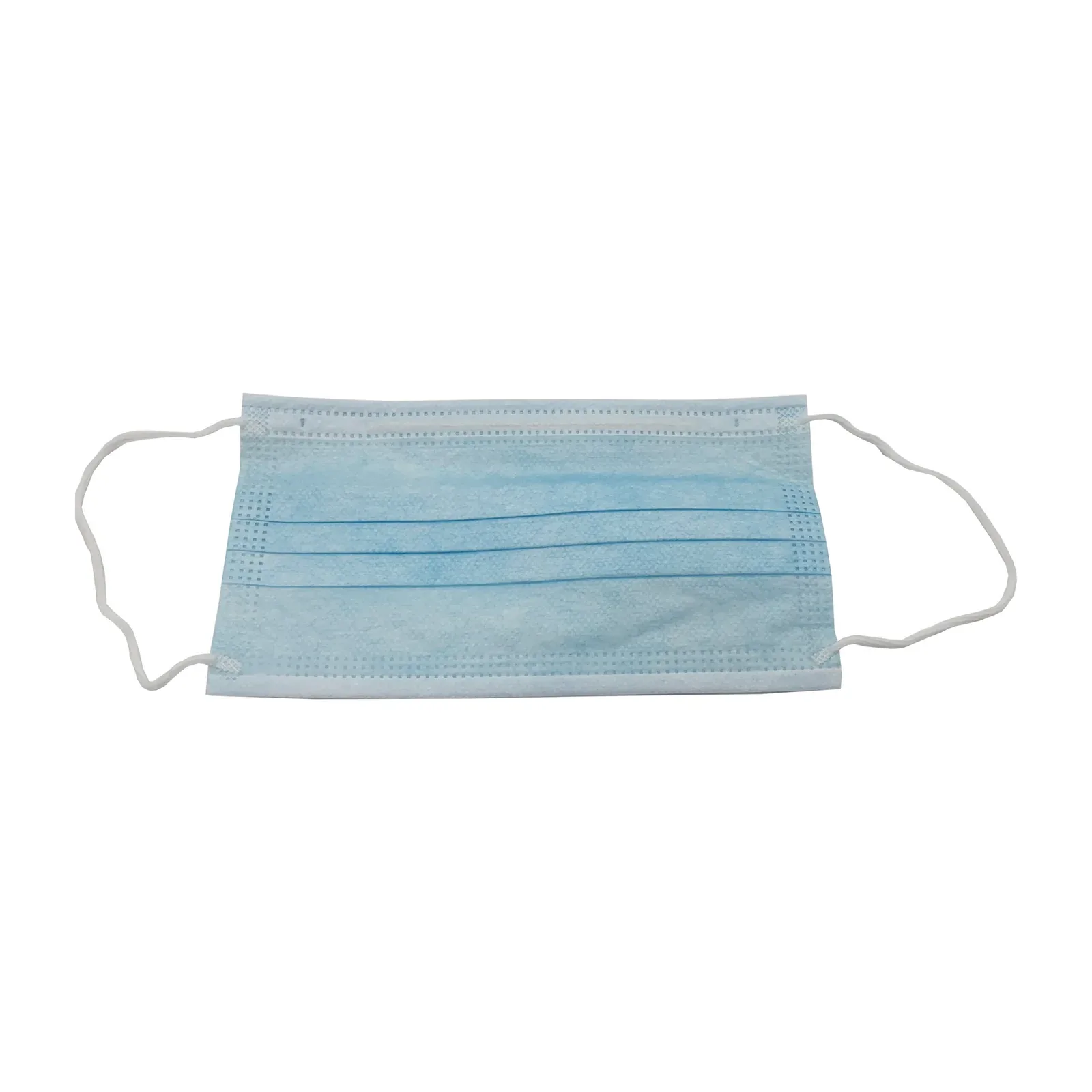
Other features include ear loops or head ties, a flexible nose strip, and pleats that enable the mask to expand around the nose and mouth.
But a 3-ply design doesn’t necessarily mean medical grade. Buyers need to check the product test reports and applicable standards.
Surgical Face Masks for sale vs. Procedure Masks vs. Respirators
These products can have very similar appearances, but have different uses and performance needs.
| Product | Primary purpose | Buyer consideration |
|---|---|---|
| Surgical face mask | Creates a barrier between droplets and expected fluid contact | Check medical-mask specification |
| Procedure mask | Depending on its classification, it can be used for routine healthcare activities. | Verify intended use and documented performance |
| N95 respirator | Reduces inhalation of airborne particles when properly fitted and used | Check for approval and respiratory protection needs |
According to the U.S. Centers for Disease Control and Prevention (CDC), surgical masks and respirators are different in their design and protection. Surgical masks do not have the tight fit that respirators have on the face, and should not be assumed to be a substitute for respirators for respiratory protection.
Why Does This Matter for Wholesale Buyers?
For bulk Surgical Face Mask procurement, procurement teams must consider factors beyond the quoted price. The product must conform to the intended use, purchasing requirements, and requirements of the destination market.
When ordering disposable surgical masks for hospitals, here are some critical things to look for:
- Performance: Ask for the appropriate test reports for filtration and fluid resistance.
- Compliance: Check applicable regulatory documentation.
- Consistency: Ensure that the tested model is consistent with the products being supplied.
- Traceability: Check labelling, batch identification, and packaging information.
- Supply reliability: Evaluate the supplier’s reliability on existing and future orders.
The checks enable hospitals, distributors, and importers to compare with greater confidence, minimize purchasing risks, and build reliable medical-supply partnerships.
Types of Surgical Face Masks for sale
Not all surgical face masks for sale grant the same degree of protection or work well in all healthcare settings. Knowing the different types available will allow hospitals, distributors, and medical importers to make informed decisions regarding their purchases that meet clinical needs, product specifications, and budget constraints.
Three-Ply Disposable Surgical Face Masks
A 3-ply surgical face mask consists of 3 layers of material that are intended to provide a balance between filtration, breathability, and comfort for the wearer. They are often utilized in health facilities, clinics, and other places where disposable medical mask gear is suitable.

The term 3-ply, however, doesn’t refer to a specific level of performance; it refers to construction. Purchasers are responsible for confirming the applicable standard, test result, and intended use before approving/accepting a product for medical procurement purposes.
ASTM Level 1 Surgical Face Masks for sale
ASTM Level 1 masks are typically related to lower fluid-exposure situations. They can be used for certain normal health care operations if their documented specifications align with the facility’s needs.
Distributors who are purchasing surgical masks for sale in bulk can use Level 1 masks if the use of the mask does not demand the fluid resistance of Level 2 or 3.
ASTM Level 2 Surgical Face Masks for sale
The specified level of fluid resistance is higher on Level 2 masks compared to Level 1 masks. They could be suitable for health care activities which involve a moderate level of splash and spray exposure, provided they are clinically assessed and in line with institutional policy.
When considering an ASTM Level 2 surgical mask supplier, procurement teams should ask for model-specific test reports and ensure that the product conforms to the required ASTM specification. The claims of a supplier are not enough evidence of compliance.
ASTM Level 3 Surgical Face Masks
ASTM Level 3 masks are rated at the highest level of fluid resistance in the ASTM F2100 Level 1-3 system. They may be chosen for procedures where there is increased exposure to fluid, if the documented performance of the product is appropriate for clinical needs.
Importantly, an ASTM level does not guarantee a mask can be used for all procedures and does not substitute the use of a respirator when respiratory protection is needed.
Ear-Loop vs. Tie-On Surgical Masks
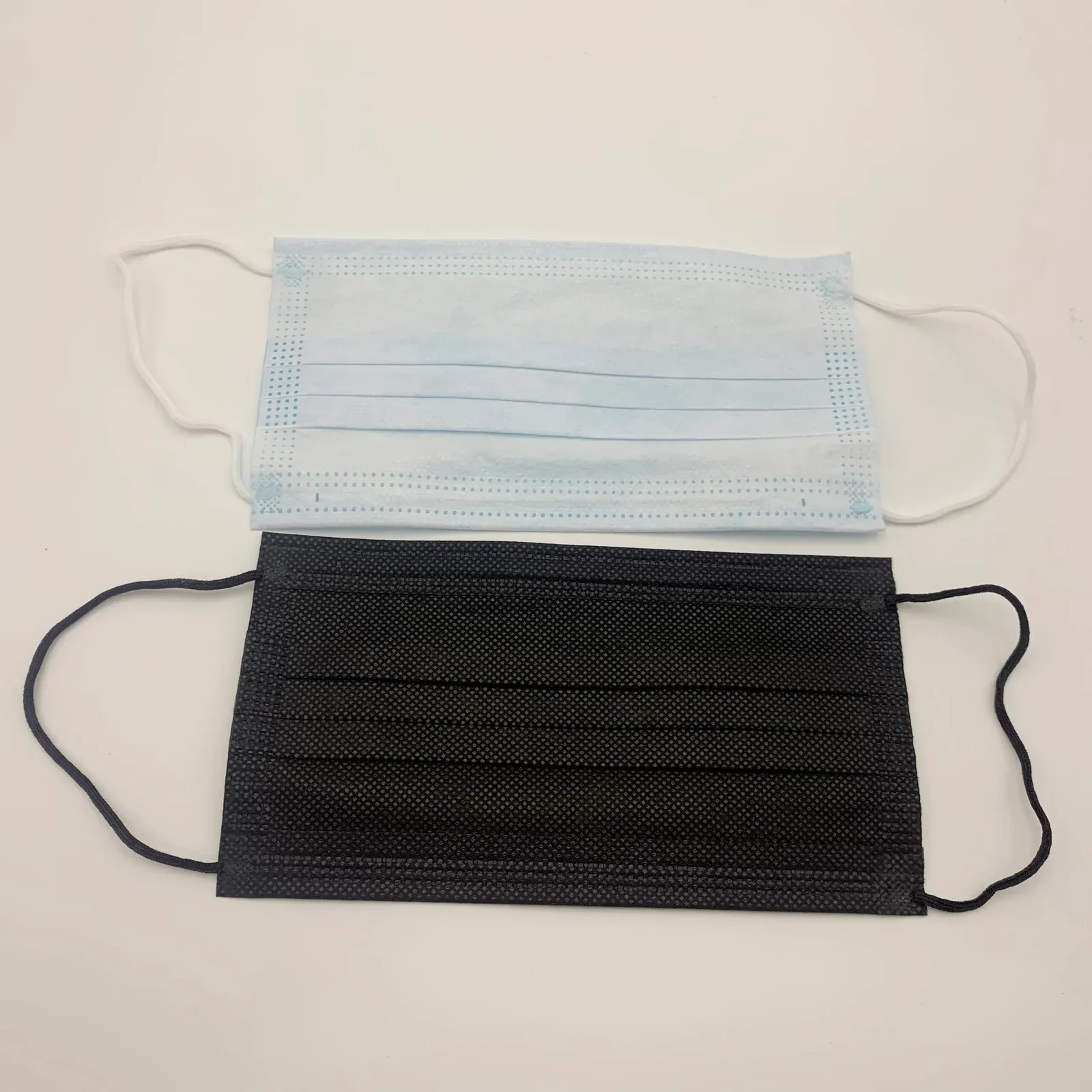
Nonwoven ear-loop medical masks are easy to put on and remove, making them convenient for regular use. Tie-on masks can be adjusted to secure around the head and are sometimes used in specific hospital settings.
The two types of fastening are not necessarily correlated with filtration performance or ASTM classification. Fit, comfort, construction, and documented performance should all be taken into consideration when purchasing.
Sterile vs. Non-Sterile Surgical Masks
Sterility is not an ASTM performance level, but a product attribute. Use of sterile masks may be necessary for certain applications, and use of non-sterile masks may be permitted in other situations, depending on established procedures.
Before ordering, procurement teams should verify the use, sterilization, packaging, and supporting documentation for intended use.
Finally, it is essential to match the product specifications with the actual use of the Surgical Face Mask. Having a good purchasing specification assists health care organizations in allowing them to compare quotations, prevent inappropriate substitutions, and ensure quality reproducibility for repeat purchases.
Surgical Mask Levels Explained: ASTM F2100
If you are buying a Surgical Face Mask in bulk, it’s important to understand ASTM F2100 in order to make informed purchasing decisions and to compare the performance of the surgical mask you are considering. This standard, developed by ASTM International, sets the performance requirements for medical face-mask materials and aids buyers in assessing filtration, fluid-resistance, breathability, and other features.
ASTM International says medical face masks are tested to meet specific performance requirements. ASTM levels 1, 2, and 3 define various performance classifications, enabling healthcare organizations to choose products based on their applications and level of exposure.
What Is ASTM F2100?
For procurement teams, these characteristics provide a more meaningful basis for comparing products than appearance, layer count, or price alone.
ASTM F2100 sets standards for the performance of materials in medical face masks. The classification system does not mean that all masks are the same, but rather reflects their proven effectiveness under the conditions of testing.
The key performance features are:
- Bacterial Filtration Efficiency (BFE): A test method to measure how well mask material filter bacteria.
- Particulate Filtration Efficiency (PFE): Assesses the filtration of specific particles in controlled test conditions.
- Differential Pressure: A measurement of resistance to airflow through the material which is used to appraise breathability.
- Synthetic Blood Penetration Resistance: Tests resistance to penetration of synthetic blood under given pressure.
- Flammability: Evaluates performance to meet applicable flammability requirements.
The following features are more relevant to the product to procurement teams than appearance, layer count, or price.
ASTM Level 1 vs. Level 2 vs. Level 3
The three ASTM classifications are typically differentiated based on the specified fluid-resistance and filtration requirements.
| Performance characteristic | ASTM Level 1 | ASTM Level 2 | ASTM Level 3 |
|---|---|---|---|
| Bacterial filtration efficiency | At least 95% | At least 98% | At least 98% |
| Particulate filtration efficiency | At least 95% | At least 98% | At least 98% |
| Synthetic blood resistance | 80 mmHg | 120 mmHg | 160 mmHg |
| Differential pressure | Verify applicable edition | Verify applicable edition | Verify applicable edition |
| Flammability | Applicable requirements must be met | Applicable requirements must be met | Applicable requirements must be met |
Note: These are frequently published ASTM level thresholds. This table should not be used as a specification for purchasing products without verifying exact specifications with the appropriate edition of ASTM F2100 and products’ supporting test reports. A supplier may quote these figures but should not assume that a product falls into a classification because of this.
Understanding BFE and PFE
Bacterial filtration efficiency is a measure of the ability of the mask material to filter bacteria under the test conditions. It is especially important when testing the performance of medical masks.
Particulate filtration efficiency is the amount of particles filtered in a specific test protocol. Results must be interpreted based on the characteristics of the particle and the testing method.
These two measurements are related to filtration, but they cannot be used interchangeably. If a unit achieves a high BFE score, that does not imply that it is compliant with all applicable performance requirements.
The real-world example for wholesale buyers is to ask for the relevant test reports and make sure that they match the exact model of the mask that is being quoted.
Understanding Fluid Resistance
Synthetic blood penetration resistance becomes critical in choosing masks in situations where splashes or sprays might be present.
The pressure thresholds that are most commonly used are: Level 1: 80 mmHg, Level 2: 120 mmHg, Level 3: 160 mmHg. The higher the specified resistance, the greater the pressure that the material has been tested under by the method.
But this does not ensure absolute protection from all fluid exposures, and does not guarantee respirator-level protection from airborne particles.
Breathability and Wearer Comfort
Differential pressure can be used to measure the resistance that happens as air is forced through the mask material. This is something that buyers need to take into account along with filtration and fluid resistance, especially when health care workers are wearing masks for long periods of time.
Do not assume that a higher ASTM is a better performance in each category. The right product is the product that meets the documented requirements of an intended application.
How to Verify an ASTM Claim Before Purchasing
Before approving a Surgical Face Mask for institutional procurement, request and review:
- The applicable ASTM standard and edition.
- Full, accurate laboratory test reports.
- The manufacturer and precise product model.
- Results for the required filtration and fluid-resistance characteristics.
- Applicable regulatory documentation of the destination market.
- Product labelling, batch identification and packaging information.
These checks are especially relevant when comparing quotes from a number of vendors or when gauging an ASTM Level 2 surgical mask supplier.
For procurement managers, the goal is not to just buy a mask that is labelled as Level 1, 2 or 3. The purpose is to confirm that the product’s performance is as documented and meets the purchasing specification, and that the supplier is able to consistently provide the approved product.
ASTM vs EN 14683 vs YY 0469: International Standards Compared
Buyers sourcing a Surgical Face Mask from abroad may find that the standards vary for their product due to the country where the product is manufactured and the destination market. The USA standard is ASTM F2100, the European standard is EN 14683, and YY 0469 is the Chinese standard for medical surgical masks. Knowing the differences is important to help procurement teams accurately compare products and not assume that two items with the same name are the same.
ASTM F2100: The US Standard
ASTM F2100 specifies the performance criteria for medical face-mask materials such as bacterial filtration efficiency (BFE), particulate filtration efficiency (PFE), differential pressure, synthetic blood penetration resistance (SBPR), and flammability. It categorises masks as Level 1, Level 2 or Level 3 based on specific performance criteria.
ASTM F2100-26 is the current published edition, which should be verified by the buyer according to their purchase specification. If a supplier states that a product complies with an older version, then the requirements of the intended market and procurement contract should be reviewed.
EN 14683: The European Standard
EN 14683 defines requirements and test methods for medical face masks in the European standards framework; medical face masks are covered by EN 14683, which contains requirements and test methods. It features Type I, Type II, and Type IIR types.
- Type I EN 14683 Face mask: Requires BFE of not less than 95% and is mainly for source control in certain circumstances.
- Type II EN 14683 Face mask: Requires BFE of at least 98%.
- Type IIR EN 14683 Face mask: Requires BFE of 98% or higher and is useful for applications where fluid exposure is expected, such as splashes.
Type IIR is not just another version of ASTM Level 3. Each of the standards is based on different classification systems and testing standards, so it’s best to compare test results, not just labels, when looking to procure.
Buyers are also advised to check the applicable medical-device legislation, conformity documentation, labelling, and any other requirements that may apply to the destination market in Europe.
YY 0469: China’s Surgical Mask Standard
YY 0469 is for medical surgical masks designed for use in healthcare settings where contact with blood, body fluids, or other potentially contaminating material may occur. It defines the technical requirements, testing procedures, labelling, packaging, transport, and storage.
YY 0469—2023 has replaced YY 0469—2011 and will enter into effect on December 1, 2026, according to the official database of Chinese standards. Those who order products during this timeframe should verify the manufacturing date, product registration, contract, and destination market. Check the official Chinese standards database.
Just because the mask is produced in China and conforms to a Chinese standard, the factory should not be assumed to satisfy all the requirements of the destination market.
Are These Standards Equivalent?
Some of the performance objectives are common to the standards, but they are not directly interchangeable.
| Standard | Classification system | Key procurement consideration |
|---|---|---|
| ASTM F2100 | Levels 1, 2 and 3 | Check the filtration, breathability, fluid resistance, and other requirements specified |
| EN 14683 | Types I, II and IIR | Verify bacterial filtration, breathability and splash resistance as applicable |
| YY 0469 | Chinese medical surgical-mask requirements | Confirm the applicable edition and supporting documentation |
The World Health Organization Medical-mask technical specifications offer examples of medical-mask specifications for procurement. Equivalence for any specific purchase, however, should be based on the specific product requirements, testing methods, and local regulations.
What Wholesale Buyers Should Verify
Before approving a Surgical Face Mask order, request test reports that identify the manufacturer, model, standard and edition, test methods, and results. Be sure to verify that the reports are for the actual product being sold, and not a similar product from the same factory.
Also review destination-market regulatory requirements, labelling, traceability, and that the intended use is in line with your institution’s specification. In the case of public tenders and large distributor contracts, the specification of the required standard should be detailed in the purchase specification prior to submitting quotations.
The rule of thumb: don’t compare based on just classification names, but based on documented performance and regulatory suitability. This approach helps healthcare buyers, importers, and distributors select a Surgical Face Mask that meets their requirements while reducing the risk of unsuitable substitutions.
Choosing Surgical Masks by Procedure and Department
Selecting the right Surgical Face Mask requires understanding the activities performed in each healthcare department. A mask designed for routine consultation might not offer adequate fluid resistance for procedures with higher amounts of splashes. Hospitals, distributors, and medical procurement should therefore match the product specifications with the clinical risk, the hospital’s policy, and applicable regulations.
General Wards and Outpatient Clinics
Disposable surgical masks are regularly used in general wards and outpatient departments for routine care of patients, consultations, and infection prevention. Procurement teams should consider ASTM Level 1 products when the potential risk of exposure and facility needs deem them appropriate.
Consistent product quality, comfortable wearing, secure packaging, and reliable replenishment are the key attributes buyers should look for in disposable surgical masks hospital supply. Standard specifications also make the process of purchasing and keeping stock easier for high-volume departments.
Emergency Departments
The emergency department is used for a variety of situations, and it is important to consider the likely exposure, not just treat each activity with the same level of mask. Masks rated with ASTM Level 2 or Level 3 ratings might be suitable for activities that involve exposure to fluids, if their documented performance is adequate to meet the facility’s needs.
Surgical masks, however, are not a substitute for airborne respiratory protection if it is required. The department’s infection prevention guidelines should be reflected in procurement specifications.
Operating Rooms and Surgical Departments
Depending on procedure type, anticipated exposure to fluids, and facility policy, operating rooms can use masks of various types. If increased resistance to splashes is required, a higher-level mask can be specified, provided the mask is suitably described in the documentation.
Sterility requirements should be used in addition to ASTM performance classification. Buyers should not assume all surgical masks are sterile, but must check the packaging, the label and supporting documentation to ensure the mask is sterile for the specific use.
Dental Clinics and Minor Procedure Rooms
Minor procedures may result in droplets, sprays, or fluid exposure by dental staff or dental practitioners. The type of Surgical Face Mask required will depend on the procedure, exposure risk, and other protective equipment used.
Filters, fluid resistance, breathability, and fit should all be considered by the procurement team. If an exposure risk necessitates further protection, then the use of masks should be considered in conjunction with other protective equipment rather than as a stand-alone measure.
Laboratories and Specialized Clinical Areas
There are various needs for different laboratories, diagnostic units, and special departments depending on the specimens processed, the procedures conducted, and the safety measures taken. A medical mask may be appropriate for some tasks, while others require additional or different protective equipment.
Departmental safety requirements should be followed when placing bulk orders; buyers are responsible for checking with the department prior to ordering. This will prevent the distribution of unsuitable products just because they’re in the central store.
Building a Department-Based Purchasing Specification
A practical specification for procurement should give a definition of the intended department, exposure risk to be considered, the standard and edition to be purchased, the performance level required, how the product is to be fastened, the need for sterility, how it’s to be packaged, and the compliance obligations for the destination market.
Hospitals that are buying a Surgical Face Mask for multiple departments can aggregate their needs by application and standardize products wherever practical for clinical purposes. This method streamlines supplier comparisons, minimizes product variation, and facilitates better inventory management.
The final word is that the best purchase is not necessarily the highest-rated or lowest-priced mask. It is a product that has proven to be as effective as its intended purpose, and where its supplier is able to consistently maintain quality and delivery.
Bkamed Surgical Face Mask Range
When selecting a supplier, hospitals, medical distributors, and importers need to consider more than just the price of each product. Customers require specific and clear requirements, proper documentation, consistent manufacturing quality, and delivery schedules to meet current demand. These are the standards with which Bkamed can be compared when shopping for a Surgical Face Mask for institutional buying, wholesale distribution, or private label initiatives.
Buyers are advised to check the models available, performance standards to be met, packaging options, and destination market requirements with the supplier before deciding which product to purchase.
Surgical Masks for Different Procurement Needs
Different masks might be necessary for various healthcare settings based on their procedures, exposure risks, and purchasing policies. It will be essential for buyers to determine if they need regular medical masks or those with special filtration and fluid-resistance properties.
If you are considering Bkamed’s products, ask for product specifications that include use, construction, fastening, and applicable standards. Should ASTM Level 1, Level 2, or Level 3 performance be desired, request supporting test reports for the specific model being quoted.
This verification makes the procurement teams’ job easier, as it allows them to choose a Surgical Face Mask that suits the requirements instead of just believing the product description.
Product Specifications and Documentation
The ability to procure reliable medical products requires evidence that products conform to the agreed specification. Buyers must ask for and check the following documents before approving an order:
- Technical datasheets: Product construction, dimensions, materials, intended use.
- Performance test reports: Results for applicable filtration, breathability, and fluid-resistance tests.
- Regulatory documentation: Documentation relating to the product classification and destination market.
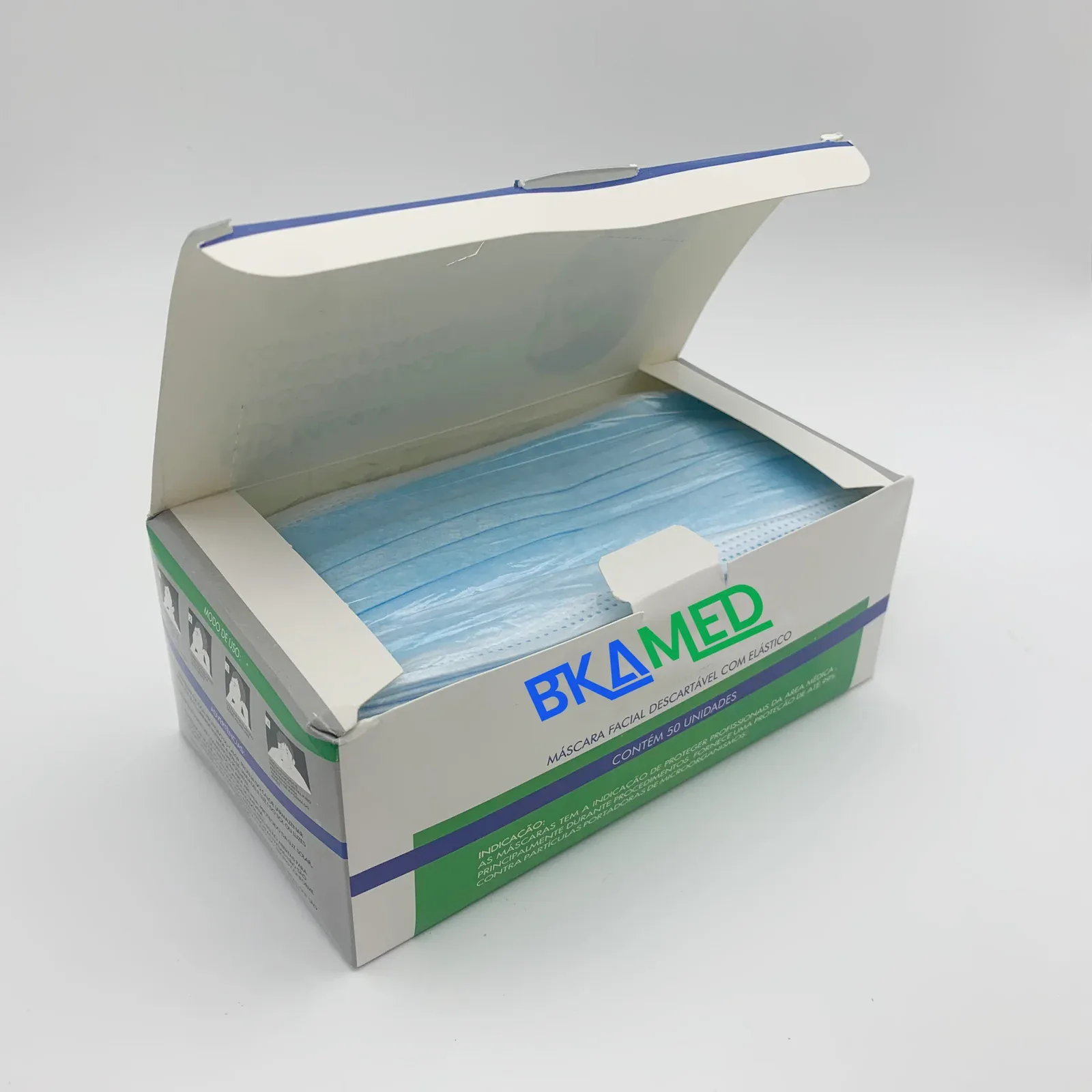
- Packaging details: Units per box, boxes per carton, labeling, and storage information.
- Information and data on traceability: manufacturer details, batch identification and relevant production records.
Documentation should be reflective of the product and the manufacturing source. Certificates or reports for a different model should not be used as evidence that the model chosen is conforming to the purchasing specification.
Bulk Packaging and Supply Planning
When comparing quotes, bulk buyers need to verify the available packaging options before getting a quote. The unit of measurement is important, as a supplier might provide quotes on a per mask basis, per box, or per carton.
For instance, procurement staff should standardize the number of masks per box and boxes per shipping carton, then compare the quotes. They should also check their supplier’s minimum order quantities, production time, shipping options, and ability to meet future orders.
This information is particularly relevant for hospitals and distributors who serve regular demand with several facilities or customers.
OEM and Private-Label Opportunities
Some distributors and importers prefer products sold under their own brands. Depending on the supplier’s capabilities, OEM or ODM arrangements can be structured to include customisation of packaging, branding, and product presentation.
Before moving forward, discuss artwork specifications, minimums, sample approval, lead times, and destination-market artwork compliance. Customized Surgical Face Mask should have correct product identification and supporting documentation.
How to Evaluate Bkamed Before Ordering
A structured supplier assessment can be used to determine if Bkamed is a suitable supplier for the buyer’s purchasing needs. Seek a formal quotation, up-to-date product specifications, relevant test reports, availability of samples, and confirmation in writing of production and delivery terms.
Also determine the manner in which product changes, quality complaints, and repeat order consistency will be handled. If it is a large institutional purchase, record the agreed-on model and specifications in the purchase agreement.
Hospitals, distributors, and importers can verify these details prior to placing an order to make a more informed decision and establish a solid foundation for assessing Bkamed as a possible Surgical Face Mask supply partner.
How Bkamed Controls Mask Quality
Consistent quality is as significant as competitive pricing for hospitals, distributors, and medical importers. A Surgical Face Mask conforming to the required specification should be produced at a consistent level, appropriately packaged, and backed by adequate documentation. Therefore, when choosing Bkamed, buyers should consider its quality control processes and ask for proof that the items provided are in compliance with their specifications.
Raw Material Inspection
One of the factors that affects the performance of the mask is the material used in its making. They usually contain nonwoven polypropylene layers, meltblown filtration media, ear loops (or head ties), and flexible nose strips.
Procurement staff should inquire about the process used to verify incoming materials, and whether suppliers are supplying the appropriate specifications and traceability records. Particular attention should be given to the filtration layer because the appearance or thickness of a material alone cannot establish its filtration performance.
Documented material controls help minimise the risk of unexpected change between batches for repeat wholesale orders.
Production Process Control
Manufacturing controls are used to ensure consistency in mask construction, dimensions, fastening, and appearance of the finished product. Appropriate inspections may involve alignment of the layers, sealing quality, placement of nose strips, attachment of ear-loops, and any visible defects depending on the production process.
Buyers evaluating Bkamed should ask for details on its production inspection practices and what happens to any non-conforming product. If appropriate, they should also determine if changes to materials, manufacturing methods, or product specifications are communicated prior to delivery.
These controls are significant when buying a Surgical Face Mask in bulk for distribution networks or hospitals, as they can cause inventory management and product approval issues if the batches are inconsistent.
Performance Testing and Verification
A mask’s medical performance classification can’t be determined through visual inspection. Where required by the applicable standard, the appropriate laboratory testing is required to assess the following characteristics: Bacterial filtration efficiency; Particulate filtration efficiency; Differential pressure; and Synthetic blood penetration resistance.
Buyers should ask for test reports to be provided with the model, manufacturer, standard edition, test methods, and test results. The reports should be relevant to the actual product being bought, and further verification should be made according to the regulatory and quality requirements of the buyer.
When ASTM level 1, 2, or 3 performance is specified, ensure that the evidence available proves the claimed classification. A statement by a supplier is not enough proof.
Finished-Product Inspection and Packaging
Finished product checks help to detect visible defects and packaging issues prior to shipment. The specific inspection points can vary and include mask size, fastening, nose strip, packaging, labeling, and carton counts.
Packaging should ensure the safety of the products during storage and transportation. It is important for buyers to ensure that the cartons and individual boxes contain required identification and handling information for the market to which they will be sold.
In the case of large orders, you may want to discuss the inspection criteria before production starts. This provides the supplier and buyer with a common reference point to evaluate product conformity prior to shipment.
Documentation, Traceability, and Corrective Action
Testing a finished mask is just one step in reliable quality management. The procurement teams should check quality-system documentation, registers, batch traceability arrangements, and complaints or non-conforming product handling procedures.
Prior to ordering large quantities from Bkamed, inquire about the methods used to identify production batches, how records are maintained, and how quality issues will be investigated. Verify the documents that will be attached to the shipment and, if possible, confirm the possibility for advance inspection or third-party verification.
Building Quality into Repeat Orders
If the first shipment is successful, it does not automatically mean that future shipments will be the same. The buyer must keep an approved product specification, keep relevant documentation, and compare subsequent deliveries to the agreed specification.
This also helps the supplier to ensure accountability, and it is easier for the distributors or hospitals who are sourcing a Surgical Face Mask regularly to investigate any discrepancies.
In conclusion, a potential customer should evaluate Bkamed’s quality claims by looking at the evidence instead of making assumptions. Pre-order review of material controls, performance reports, finished-product inspection, and traceability will help procurement teams make informed decisions and set specific expectations for continued supply.
Where to Buy Surgical Masks in Bulk
Comparing quotations is not enough to find a reliable wholesale supplier. Hospitals, distributors, importers, and procurement agencies require products that fit their requirements, schedule, and documentation required for their markets. It is good to know where to buy surgical masks in wholesale so that buyers can compare the suppliers systematically and steer clear of just picking the lowest quoted price.

Buy Directly from a Manufacturer
When buying directly from a manufacturer, there is more visibility on production potential, product specifications, packaging solutions, and potentially customization. It may also be easier for communications to take place in the event the purchaser requires frequent orders or large amounts.
But simply buying directly does not ensure better quality or lower prices. Purchasers should check the manufacturer’s credentials, facilities, test reports, and experience in providing products for the intended market.
When considering a Surgical Face Mask manufacturer, ask for a formal quotation, including the exact model, its level of performance, the number required, the packaging configuration, the lead time, and the terms of delivery.
Work with Medical-Supply Distributors
For those who are purchasing smaller quantities, locally available, and orders for several different product categories, established medical-supply distributors can be helpful. They might also be able to provide warehousing and delivery services, making international shipping easier.
The downside is that distributor pricing might contain extra margins. When choosing, buyers should weigh the overall cost against direct sourcing, taking into account order size, the speed of delivery, after-sales support, and documentation.
The choice between the two disposable surgical mask hospital supply options will depend on the pattern of demand, storage space available, procurement policies, and the need for replenishment.
Evaluate Online B2B Marketplaces Carefully
B2B marketplaces are online platforms that enable buyers to identify manufacturers, compare their initial offers, and engage with potential suppliers. But just because a company posts a listing on a marketplace does not mean it actually produces the product or that its masks meet a certain standard.
Check the legal entity, manufacturing site, product details, and documents before making any deposit payments. Request samples when appropriate, obtain written terms of payment, and establish liability for defective or nonconforming products.
A credible supplier should give an explanation of the products supplied and be able to provide supporting documentation to the buyer’s requirements, not just promotion.
What to Compare When Requesting Quotations
To compare suppliers fairly, send each prospective supplier the same purchasing specification. Include:
- Required ASTM level or other applicable standard.
- Specific product model and intended use.
- Quantity, units per box, and boxes per carton.
- Labeling and packaging requirements.
- Relevant test reports and regulatory documents.
- Minimum order quantity and production lead time.
- Shipping terms, destination, and estimated delivery schedule.
- Payment terms and procedures for quality complaints.
This will ensure that buyers can compare quotes, rather than picking between products of varying specifications.
Understanding the Total Purchase Cost
The quoted unit price is just one of the factors in the buying equation. International buyers are also responsible for freight, insurance (as applicable), customs, taxes, brokerage, local transportation, and inspection costs.
When comparing the surgical face mask bulk price per box, ensure that you verify the quantity of masks in each box and whether the quote includes packaging, shipping, and any additional fees. A lower per-box price does not always equal higher value if the box has fewer masks or if there is a higher additional expense for the shipment.
Choosing a Long-Term Supply Partner
To ensure a reliable wholesale relationship, there should be open communication, consistent requirements, reasonable delivery times, and documented quality control procedures. Additionally, buyers should determine what measures will be taken for repeat orders, changes in production, and late deliveries.
For larger contracts, evaluate the supplier’s ability to deliver the quantity and consistency of shipments. Maintain approved specifications and records to ensure that future orders are consistent with the original order.
Procurement teams that make comparisons between manufacturers, distributors, and B2B suppliers under the same criteria can make intelligent sourcing decisions and find a B2B Surgical Face Mask partner that meets their operational and commercial needs.
Importing Surgical Masks from China
China is one of the significant suppliers of medical supplies, such as disposable surgical masks. For hospitals, distributors, and international importers, sourcing from Chinese manufacturers can offer access to different product specifications, production capacities, and packaging options. But it is important to verify suppliers, perform regulatory inspections, and plan landed costs correctly if imports are going to be successful.
Buyers should take the following factors into consideration when assessing a surgical mask manufacturer China export partner: product performance, commercial terms, and the capacity to supply the product to satisfy the requirements of the destination market.
Verify the Manufacturer Before Ordering
The first thing is to establish if a potential supplier is a manufacturer, trading firm or export intermediary. Each arrangement may be appropriate, but the buyer should be aware of the production party and responsibility for product quality.
Ask for the registered information of the business, manufacturing address, product catalogue, quality system documentation, etc. If possible, hold a factory audit, live production walkthrough, sample inspection, or independent inspection.
If ordering a large quantity of Surgical Face Masks, ensure that the manufacturer of the product is the same as the one mentioned in the relevant product documentation. Investigate any discrepancies before making a deposit.
Confirm Standards and Destination-Market Compliance
An approved mask made in China does not necessarily mean that it is approved for sale in all countries. Requirements that apply will vary based on destination, use, product classification, and purchasing contract.
Determine the standard the product needs to meet before ordering. This may comprise ASTM F2100 for specific uses in the U.S. market, EN 14683 for similar uses in the European market, or the relevant Chinese standard for products intended to be used in markets that accept the Chinese standard.
Request a report of tests and verify the type of standard edition. Purchasers are advised to check the necessary registrations, conformity documentation, labelling and importations with the appropriate authorities in the destination market.
If the buyers are from Kenya, ensure that it meets the requirements of the Pharmacy and Poisons Board and the customs authorities before shipment. Note that a foreign test report does not automatically meet all local import or registration regulations.
Request Samples and Approve Specifications
Samples allow buyers to determine the quality of construction, dimensions, parts of fastening, packaging, and overall craftsmanship before placing a large order. However, compliance with the filtration or fluid-resistance requirements cannot be determined by visual inspection.
Draw up a specification in writing, which clearly specifies the required model, performance class, materials (if applicable), packaging form, labeling, and documentation. Get confirmation for mass production according to the approved specification.
If buying in bulk, make sure to discuss substitutions beforehand. Any material or model changes should be checked before they are accepted, not when the goods are received.
Understand Minimum Orders and Production Lead Times
Manufacturers can implement a minimum order quantity based on product type, packaging, customization, and production scheduling. The buyer is advised to verify the availability, production capacities, sample lead times, and estimated completion dates.
In the context of surgical mask MOQ and certification, ask for a detailed explanation of the minimum quantities for regular products and customized orders. Also identify which certificates and test reports are available, whether any further testing is needed, and if there are any documentation fees.
Do not sign up for additional quantities than what is actually needed or what can be stored, just to get a lower quoted unit price.
Choose Shipping Terms and Calculate Landed Cost
Shipment of international orders may be by air or sea according to the size of shipment, urgency, and cost. Urgent or smaller items might be better suited for air freight, whereas sea freight might be more cost-effective for larger quantities, if the delivery timeline allows.
Compare quotes, using the same Incoterms® and named delivery point. Identify who is responsible for arranging freight, insurance, export clearance, import clearance, and delivery to the final destination.
Your landed-cost calculation should include:
- Product cost and packaging.
- International freight and applicable insurance.
- Customs duties, taxes, and clearance charges.
- Inspection, handling, and local transportation.
- Any additional regulatory or documentation costs.
This provides a better basis for a buyer to compare suppliers than the factory price alone.
Protect the Transaction and Plan for Repeat Orders
Prior to payment, check out the business information of the beneficiary, the sales contract, and specify the specifications and quantities, delivery dates, inspection and remedy procedures for non-compliant products. Apply suitable payment conditions based on the size and risk of the transaction.
Stay in touch with the supplier during production and delivery. Monitor delivery for repeat orders, quality and consistency, and accuracy of documentation.
Importing a Surgical Face Mask successfully depends on controlling the entire purchasing process—from supplier verification and product approval to shipping and final receipt. A structured approach can minimize unnecessary risks and create more reliable international supply relationships for importers.
Procurement Economics and Inventory Planning
The key is that bulk Surgical Face Mask purchases will only lead to a reduction in unit cost if order quantities, storage capacity, demand, and delivery schedules are carefully planned. When choosing a supplier, the hospitals, distributors, and importers should consider the total cost of ownership, not just the lowest quoted price.
Compare Prices Consistently
It can be difficult to compare prices directly between suppliers, as they may offer per-mask rates, per-box rates, or per carton rates. Before evaluating offers, verify the quantity of masks per box, boxes per carton, product specifications, and services included.
To compare the surgical face mask bulk price per box, you should first determine the actual price per mask and verify if any charges for packaging, freight, insurance, inspection, or customs are covered. The lower quote could be more expensive when there are extra costs involved.
It’s important for buyers to also compare products based on similar documented performance. A cheaper mask that is not of the required specifications is not a cost-effective option.
Balance Order Quantities Against Demand
While you might save money with large orders, too many purchases can consume working capital and storage space. On the other hand, ordering too little can result in increased freight costs, stockouts, or emergency ordering at increased prices.
Procurement teams need to consider past usage, future patient needs, supplier lead times, and seasonal variances when determining order volumes. The distributors should also consider customers’ pledges and reasonable sales forecasts.
The idea is to buy enough stock to keep business running but not end up with excess.
Calculate Safety Stock and Reorder Points
Safety Stock is used as a buffer to cover unexpected demand or delivery delays. This varies according to the frequency of mask use within the organisation and the reliability of suppliers in meeting the orders.
A simple reorder-point formula is:
Reorder point = Average daily usage × Lead time in days + Safety stock
If the facility has an average usage of 500 masks per day, a lead time of 20 days and a planned safety stock of 3000 masks, the reorder point is calculated as 13,000 masks.
This implies the facility should begin to replenish stock when a level is reached around that amount, taking into account confirmed stock that is on its way in and other relevant operational considerations.
Account for Storage and Product Shelf Life
When ordering in bulk, review the manufacturer’s stated shelf life, packaging, and storage advice. Storage conditions should protect products from damage, contamination, excessive moisture, and other conditions identified in the product documentation.
Apply inventory rotation methods, including first-expiry-first-out (if applicable), and track batch identification and stock status. This is especially crucial for organizations that handle several different models of masks or provide a number of facilities.
Evaluate the Total Cost of Ownership
When making a purchasing decision, consider more than just the initial invoice. Extra charges may include Warehouse, Inspection, Handling, Financing, Customs clearance, local delivery, and damaged / unsold stock losses.
Reliability of delivery and uniformity of product quality are also of economic value. A supplier that may quote a little higher could offer more value for money if they manage to cut down on delays, quality issues, and the costs of repeated verification.
When purchasing a Surgical Face Mask on a regular basis, monitoring supplier performance and cost also allows for more objective future purchasing decisions.
Build a Sustainable Procurement Strategy
Regularly monitor and review consumption & stock levels, ensure approved product specifications are adhered to, and set reorder levels to prevent stock from falling too low. On large contracts, review and approve any changes in specifications, and consider making deliveries scheduled where commercially practicable.
A well-rounded procurement plan will take into account competitive pricing, on-demand supply, adequate inventory, and confirmed product quality. This will enable hospitals, distributors, and importers to manage costs while ensuring that they have access to Surgical Face Mask products for their operations.
OEM/ODM and Private-Label Partnerships
OEM and ODM solutions can be an opportunity for medical distributors, importers, and existing healthcare brands to sell a Surgical Face Mask with a customized brand name. But private label sourcing is only fruitful when specifications and documentation are clear, and the supplier has the ability to ensure product uniformity across orders.
Understanding OEM and ODM
An Original Equipment Manufacturer (OEM) arrangement is typically one in which the product is manufactured to meet the specific requirements of a customer or brand. The buyer can provide the design, packaging art, or detailed product requirements, depending on the agreement made.
Original Design Manufacturer (ODM) arrangements typically include a supplier providing an available design that the buyer can choose and adapt based on the manufacturer’s ability.
Customization can be an element of packaging design, brand presentation, carton labelling, or selected product features for a Surgical Face Mask project. It is important for the buyer to verify what options are actually offered, and not take them for granted because not all manufacturers provide the same extent of customization.
Establish Minimum Order Quantities and Costs
Customized orders can have different minimum quantities from standard products due to possible requirements for custom packaging, custom printed materials, artwork preparation, or separate production planning.
Before moving forward, ask for a written quote with product costs, packaging, printing costs, tooling or setup costs, sample costs, and shipping. Establish the minimum order quantity for each product configuration and whether different packaging designs need different production runs.
A clear breakdown enables buyers to assess the commercial viability of launching a private-label product without succumbing to having to unwisely pre-commit to too many products in stock.
Approve Samples and Packaging Artwork
Before mass production, review product samples and approve the packaging artwork. Review product descriptions, dimensions, quantities per box, manufacturer identification, required warnings, and regulatory information.
Any claims relating to filtration performance, fluid resistance, sterility, or standards compliance should be backed up by the required evidence. Any branding changes shall not cover any necessary labelling or suggest approvals the product may not have.
Record the approved Product specification and the artwork version for future orders.
Confirm Compliance and Quality Responsibilities
The private label does not exempt the regulatory responsibilities. The manufacturer, importer, brand owner, or other responsible party may be subject to specific obligations depending on the market to which the product is being exported and the commercial contract.
Prior to signing an agreement, establish who is going to be responsible for the product testing, regulatory submissions, labelling review, batch traceability, complaint handling, and corrective action. Ensure that the appropriate test reports and certificates apply to the specific product being marketed.
It is also important that the buyers agree on the method of communication and approval of manufacturing changes in advance prior to implementation.
Build a Long-Term Manufacturing Partnership
Successful OEMs/ODMs require realistic production timelines, clear pricing, communication, and quality. An order quantity, payment milestones, delivery terms, inspection criteria, intellectual-property conditions, and dispute resolution procedures should all be specified in contracts.
If distributors are entering new markets, start with an identified product and test the market before adding to order quantities. Review supplier performance against each delivery and keep records of approved specs and quality documentation.
Private Label Partnerships can be leveraged to create a distinct medical-supply product for a business with the same documentation and quality controls required for a Surgical Face Mask with a little extra planning.
Complete Your PPE Order with Bkamed
When selecting a Surgical Face Mask, there are trade-offs to consider: verified performance, regulatory compliance, reliable supply, and overall purchasing cost. A clear specification and a detailed supplier evaluation process help to mitigate purchasing risks and ensure consistent inventory planning for hospitals, medical distributors, and importers.
When ordering in bulk quantities, ensure the required ASTM level (or other relevant standard) is met, check product-specific test reports, check destination market requirements, and compare quotations based on the same number of packaging units and the same delivery terms. In the case of custom orders, agree on minimum quantities, branding, production deadlines, and quality requirements beforehand.
BKAMED may be a viable supply source, depending on the product availability, documentation, manufacturing capabilities, and meeting your needs. Contact BKAMED for a detailed quotation and verify the specifications before placing an order.
With a well-designed purchasing process, your organization can better source medical masks and establish a more sustainable PPE supply strategy.
