
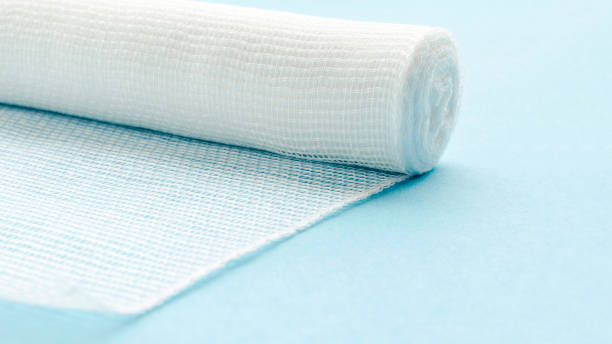
The difference between sterile vs non-sterile gauze is much more than a packaging issue in the high-stakes environment of medical procurement; it is a vital variable in patient outcomes and institutional overhead. In 2026, the world market in medical gauze is expected to reach over $4.6 billion due to an elderly population and an increase in surgical workload.
For B2B stakeholders like wholesalers, hospital procurement officers, and large-scale distributors, the impact of sterile vs non-sterile gauze is a nuanced concept that can help reduce the burden of healthcare-associated infections (HAIs) by nearly $6.7 billion every year in the U.S. alone.
Traditionally considered a plain commodity, the history of the development of medical textiles has changed the gauze into a precision instrument. The current method of decision making requires a balance between the Zero Microbial Life of sterile vs non-sterile gauze and the logistical cost of clean-room bulk supplies. BKAMED is at the center of this transformation, bridging the gap between high-performance manufacturing and clinical safety.
This guide will offer a technical insight that can help you navigate through the sterile vs non-sterile gauze world and keep your facility compliant, cost-effective, and clinical-grade.
Top 10 Sterile Gauze Manufacturers You Should Know
In the medical supply B2B environment, sterile vs non-sterile gauze is the difference between the volume of procurement and storage procedures. Since the world market in medical gauze is expected to hit about 6.75 billion by 2033, selecting a manufacturer that knows the technical demands of sterile vs non-sterile gauze manufacturing is of primary importance.
For wholesalers and hospital procurement teams, the choice of sterile vs non-sterile gauze is not only about price but also about ensuring that the manufacturing process of a supplier can avoid the expensive cross-contamination and surgical site infections (SSIs).
The following are the 10 best manufacturers influencing the 2026 market, with an emphasis on quality, supply chain resilience, and innovation in the sterile vs non-sterile gauze market.
1. BKAMED (Industry Leader)
BKAMED has positioned itself as the industry leader in medical supply textile manufacturing, especially for B2B distributors with high volume and a hospital network. They have dominated the sterile vs non-sterile gauze market because they have a vertically integrated production model that deliver 100% purity from raw cotton to the final pouch.
- Manufacturing Prowess: BKAMED has its own weaving and bleaching factories, unlike other resellers. This gives them the ability to regulate whiteness level (more than 82%) and a low lint profile, which is essential in replacing a dressing on a wound without causing foreign body reactions.
- Unique Selling Point (USP): They carry out high-tech Ethylene Oxide (EO) sterilization series, which is used together with high-GSM (Grams per Square Meter) cotton that beats standard absorbency rates. Their 100 percent natural hydrophilic gauze has an absorbency of less than 3 seconds.
- Quality Standards: They have strictly certified facilities under ISO 13485:2016, and their products are certified by CE and FDA, making them a gold standard in terms of international trade.
2. Medline Industries
Medline continues to be a giant in hospital-grade supply chains, especially in North America. They provide a comprehensive list of sterile vs non-sterile gauze, with their specialty being high-ply counts (8-ply to 16-ply) used in surgery rooms. They are strong because they have a huge distribution network, enabling just-in-time delivery. Medline’s experience in sterile vs non-sterile gauze issues is shown by their clinical solutions strategy, which educates facilities on which product minimizes procurement waste.
3. Cardinal Health
One of the pioneers in surgical-grade portfolios, Cardinal Health concentrates on the technical accuracy of sterile vs non-sterile gauze uses. Their composite dressings frequently have a non-adherent dressing layer, which is intended to reduce tissue trauma during removal. Cardinal Health has regularly been cited for its supply chain resiliency and transparency, making it a capable partner in large-scale institutional contracts.
4. Smith & Nephew
Smith & Nephew is a medical technology company based in London and known internationally for its Advanced Wound Management division. They offer standard sterile vs non-sterile gauze, but their innovation is in special healing environments. They are a major source of high-quality materials needed to make a wet-to-dry dressing, a process whereby a wound is debrided mechanically as gauze dries and lifts off.
5. 3M (Health Care Business)
3M (which now runs its healthcare division as Solventum) is a master of the adhesive and textile intersection. Their sterile vs non-sterile gauze products often pair with Tegaderm technology. For wholesalers, 3M is the premium segment of the market. They are particularly mentioned for developing non-sterile dressing materials used as high-quality secondary dressings to secure primary sterile interventions.
6. Mölnlycke Health Care
This is a Swedish giant that is recognized globally due to its Safetac(r) technology. When a clinician is replacing a dressing on the wound, Molnlycke products make sure that the dressing does not stick to the wound bed, which is critical to delicate skin. They are very much concerned with the prevention of maceration. They offer high-quality non-adherent dressing solutions that are often combined with their sterile vs non-sterile in post-operative kits.
7. Hartmann Group
The Hartmann Group is a market leader in Europe with over 200 years of experience in the sterile vs non-sterile gauze market. Their philosophy of Proven, Simple, Cost-Effective is what makes them a favorite among B2B customers interested in consistent quality. They also provide niche technical knowledge of sterilized gauze, meaning they train procurement teams on the distinction between the three radiation techniques: steam, ETO, and Gamma radiation.
8. Lohmann & Rauscher (L&R)
L&R is the preferred choice for integrated dressing systems worldwide. They are an intermediate between compression therapy and simple wound care. For procurement teams, L&R offers very specialized sterile vs non-sterile gauze, which works under pressure in the management of lymphatic and venous diseases. Their products are usually the first option when deciding which of the following apply to non-sterile dressings: they are cost-effective to use as secondary securement, but demand a sterile primary layer over the open tissue.
9. Dukal Corporation
Dukal is a leader within the bulk first-aid and retail medical supply industry. They provide bulk offerings for sterile vs non- sterile gauze requirements of outpatient clinics and emergency responders. Their capability to offer private label and OEM solutions makes them an ideal partner for international brands. Dukal’s products are staple items in several B2B catalogues as they match quality with a competitive price tag.
10. Dynarex
Dynarex concentrates on multi-facility and extensive market coverage. Their line is a staple for emergency and outpatient care, with a large selection of plys and sizes in the sterile vs non-sterile gauze category. Specifically, their strength lies in the dental industry and small-clinic segments, where they offer convenient bulk packages. The clear labeling enables practitioners to easily locate the meaning of sterilized gauze on every package, preventing cases of accidental non-sterilized application in surgical areas.
B2B Procurement Insight: The 2026 Outlook
Global Growth Insights reports that the medical gauze market has gone through a transition whereby gauze pads currently occupy about 45 percent of the market share. This is fuelled by the growth in the number of surgical interventions and the increased attention paid to infection control.
In comparing sterile vs non-sterile gauze manufacturers, wholesalers should consider more than the unit cost. Competitive differentiations like X-ray detectability (with barium sulphate threads) and environmental performance of bleaching processes (replacing chlorine with hydrogen peroxide) are emerging as vital competitive advantages by 2026.
BKAMED, as an example, has made massive investments in hydrogen peroxide bleaching lines, which leave no toxic residues- a necessary prerequisite in any good quality sterile vs non-sterile gauze product. This dedication to manufacturing excellence is what ensures that when you are changing a dressing on a wound, the material you are using is as safe as it is effective.
Sterile vs. Non-Sterile Gauze: The Deep Dive
The controversy over whether to use sterile vs non-sterile gauze in professional procurement revolves around the saline saturation point and the microbial load of the environment.
Selecting between sterile vs non-sterile gauze is not a question of quality, since both should meet not only the highest standards of manufacturing, but also biological intent and purpose.
Knowledge of the technical details of sterile vs non-sterile gauze is the distinction between a surgical unit that is high performing and a facility with avoidable infections.
Defining “Sterile”: The Science of Zero Microbial Life
In the context of sterile vs non-sterile gauze, sterile is used to indicate a product that has undergone an approved procedure to kill all living organisms, including bacterial spores. The meaning of sterilized gauze is established with a Sterility Assurance Level (SAL) of $10^{-6}$, which technically corresponds to a one-in-a-million probability of a single viable microorganism remaining on the product.
- Ethylene Oxide (EO) Gas: This is the industry standard for sterile vs non-sterile gauze produced at BKAMED. It readily permeates through the gauze fibers and individual packets without harming the cotton makeup or leaving any poisonous residues upon appropriate aeration.
- Gamma Radiation: This technique is employed in high-volume B2B orders of sterile vs non-sterile gauze. This process uses high-energy photons to destroy microbial DNA. It is very dependable, although it involves special facilities.
- Steam Autoclave: Although used for in-house sterilization of instruments in hospitals, it is not commonly used in the mass-market sterile vs non-sterile gauze because of the moisture that causes the paper wrapping to degrade.
- Biological Indicators: Biological indicators (such as Bacillus atrophaeus) must be used to determine the success of the sterilization process in every batch of sterile vs non-sterile gauze.
Defining “Non-Sterile”: The “Clean Room” Standard
The non-sterile side of sterile vs non-sterile gauze scale does not imply dirty. These are produced under a controlled Clean Room environment (mostly ISO Class 8, or higher) to achieve a low original bioburden.
In the case of a B2B wholesaler, it is important to know which of the following holds true on non-sterile dressings: they are safe to use in numerous medical applications, but do not provide the zero-germ promise.
- Microbial Control: Although not aseptic, microbial concentration in sterile vs non-sterile gauze manufacturing is kept under strict monitoring to avoid extreme contamination by microorganisms such as Staphylococcus.
- Bulk Packaging: Non-sterile versions can be sleeve-packed or bulk-packed in stacks of 200 to reduce cost, unlike the individual peel-pouches needed to package the sterile side of sterile vs non-sterile gauze.
- Material Integrity: In the sterile vs non-sterile gauze, the starting material (30% cotton or non-woven) is commonly the same; the only distinction is their last sterilization process and the packaging conditions.
- Use: These are suitable for skin preparation, cleaning of surfaces, and as a non sterile dressing for intact skin or to form secondary absorbency layers.
The Microbiology of Safety: Open vs. Closed Wounds
The basic clinical principle of sterile vs non-sterile gauze is dependent on the integrity of the skin barrier. Once the barrier has been broken, the primary defense of the body against sepsis is impaired, and the decision between sterile vs non-sterile gauze is life-saving.
- The Sepsis Risk: a non-sterile dressing applied on a deep surgical site may lead to the inoculation of exogenous bacteria directly into the bloodstream or lymphatic system.
- Pathogen Interaction: When discussing sterile vs non-sterile gauze, the concept of “sterile” eliminates the possibility of the introduction of new bacteria, whereas the concept of non-sterile is only permissible when the threat of infection is checked by the immune system of the patient on the intact skin.
- Wound Microenvironment: In chronic wounds, periodically placing a dressing on a wound with sterile material helps to keep the wound in a clean environment, despite the possible presence of bacteria on the wound itself.
- The Protective Barrier: Providing that the epidermis is intact (bruises, closed fractures), the clinical necessity of sterile vs non-sterile gauze will be shifted toward the more cost-effective non-sterile choice.
Cost-Benefit Analysis: Preparation vs. Procedure
For B2B wholesalers and hospital administrators, the financial difference between sterile vs non-sterile gauze is substantial.
This inventory should be managed with a strategic “Clinical Decision Matrix” to make sure that the clinical risk justifies the higher cost of sterile products.
- Procurement Waste: Applying sterile pads to clean or sterilize surfaces or equipment is a common institutional waste. Proper sterile vs non-sterile gauze identification will save a hospital up to 30% of textile costs.
- Procedure Use: In surgical fields, sterile vs non-sterile gauze is relatively cheap (when weighed against the price of a single instance of surgical site infection (SSI) that can cost over 30,000 per patient.
- Bulk Savings: Purchasing sterile vs non-sterile gauze in bulk with leaders such as BKAMED enables facilities to maintain high standards and reduces the cost-per-unit as a result of direct-to-factory OEM procurement.
- Insurance/Liability: Many healthcare regulations dictate the use of sterile vs non-sterile gauze when performing certain procedures; not using sterile gauze where necessary can result in huge legal claims on the part of healthcare providers.
Strategic Implementation of Sterile vs. Non-Sterile Gauze
An efficient facility distinguishes its sterile vs non-sterile gauze inventory by color coding and using separate storage areas.
This makes sure that at any given time, when a nurse is replacing a dressing on an open wound, the safety level of the product is not confused.
- Primary vs. Secondary: An example of this is the application of a sterile non adherent dressing as the first layer and a non sterile dressing as the second absorbent layer to balance cost and safety.
- Emergency Kits: In emergency medicine, the default of sterile vs non-sterile gauze is always sterile because the degree of tissue damage cannot always be immediately seen.
- Packaging Efficiency: B2B buyers must seek sterile vs non-sterile gauze packaging that is easy to open without breaking the sterile field, which is a feature of the high-quality pouch design at BKAMED.
- Environmental Impact: Because sterile vs non-sterile gauze are different in terms of the amount of chemical processing and packaging they demand, institutions are now considering the Green Footprint of their gauze suppliers.
Gauze vs. Dressing: Understanding the Vocabulary
For B2B procurement managers and clinical directors, the terms gauze and dressing are usually used interchangeably when discussing it in a casual setting, yet at a sophisticated supply chain, gauze and dressing represent different levels of a functional system.
Steering through the sterile vs non-sterile gauze terrain needs an accurate insight into this hierarchy to prevent procurement mistakes and guarantee clinical efficacy.
The Hierarchy: Why Gauze is a Material, but a Dressing is a System
Gauze is a textile product in the technical nomenclature of wound care, and comprises woven or non-woven fabric, usually consisting of medical cotton or synthetic mixtures.
A dressing, however, is a practical application designed to be used in contact with a wound bed to encourage healing.
When analyzing between sterile vs non- sterile gauze, it is useful to consider gauze as the ingredient and dressing as the recipe.
- Gauze: Gauze may be applied to debride, clean, or pack a wound. In such applications, the selection criteria of sterile vs non-sterile gauze are based on the viability of the tissue or whether it is necrotic.
- Dressing as a Solution: A dressing may contain a layer of gauze, though it may also contain special solutions such as hydrocolloids, foams, or films. Although any dressing has its purpose, not every gauze is appropriate to be used as a primary dressing.
Primary vs. Secondary Dressings: When Gauze Plays Each Role
When a wholesaler receives an order to serve a hospital, they have to consider the way the sterile vs non-sterile gauze is going to be superimposed. This is referred to as the primary and secondary dressing system.
- Primary Dressing: This is a material that makes direct contact with the wound bed. In this application, the sterile vs non-sterile gauze should virtually be sterile. As an example, a sterile non adherent dressing is applied as a primary lining to ensure that the wound does not stick to the fabric, which is crucial when changing a dressing on a wound.
- Secondary Dressing: This dressing is used over the primary dressing to give additional absorption, protection, or compression. In this case, the clinical need for sterile vs non-sterile gauze may change. A non sterile dressing or non-sterile gauze roll is usually adequate as a secondary dressing since it does not come in contact with the open wound but acts to hold the sterile primary dressing in place.
Functional Differences: Absorbency vs. Protection vs. Healing
Knowing the functional purpose of sterile vs non-sterile gauze enables procurement teams to maximize their expenditure. Various gauze constructions are used to address various clinical objectives:
- Absorbency (The Wicking Factor): Gauze is also valued due to its so-called vertical wicking action: the ability to draw exudate up and off the wound. Higher numbers of ply (such as 12-ply or 16-ply) are applied to heavily draining wounds.
- Protection (The Barrier Factor): Gauze is not an ideal bacterial barrier, although it is breathable. This is the reason why non sterile dressing is commonly used in the protection of closed incisions by dry means, whereas a sterile occlusive dressing may be used in high-risk sites.
- The Healing Environment: Modern wound care focuses on a moist environment. While conventional dry gauze is used to dry a wound, a wet-to-dry dressing involves the use of saline-impregnated gauze to mechanically debride a wound. Within this scenario, the sterile vs non-sterile gauze option cannot be compromised: it should be sterile to avoid the possible introduction of pathogens during the debridement process.
Vocabulary for the B2B Buyer: Beyond the Basics
When sourcing from a manufacturer such as BKAMED, procurement officers will come across some technical terms that describe the sterilized gauze meaning in a business sense:
- USP Type VII: This refers to the United States Pharmacopeia standard for cotton gauze as the thread count and weight standard.
- X-Ray Detectable: Gauze worn in surgical rooms with a thread of barium sulfate so that it can be located through X-ray if it is accidentally left in a body cavity.
- Impregnated Gauze: Gauze that has been impregnated with petrolatum, zinc, or antimicrobial to form a non adherent dressing surface.
Through understanding these vocabularies, it is possible to make sure that B2B stakeholders are not merely purchasing medical cloth, but are offering the particular functional tools needed to guarantee modern surgical and outpatient success.
When to Use Which: Clinical Decision Matrix
For a B2B procurement team or a facility manager, the sterile vs non sterile gauze debate is not an issue of clinical preference, but a logistical business solution.
The implementation of a clear decision matrix would help guarantee that a high-cost sterile inventory is used in high-risk procedures, while non sterile dressing alternatives are used to optimize cost-efficiency without undermining patient safety.
The clinical common sense of sterile vs non-sterile gauze can result in a major budgetary optimization in the 2026 healthcare landscape, where hospital margins are getting narrower.
Open Wounds and Surgical Sites: The “Non-Negotiable Sterile” Rule
The highest standard of any invasive procedure is the “Sterile -to-Sterile rule.
When a clinician does an act that bypasses the skin, which is the prime barrier against sepsis in the body, the decision to use sterile vs non-sterile gauze is binary.
Sterile gauze use is compulsory since these sites are extremely prone to healthcare-associated infections (HAIs).
- Surgical Fields and Operating Rooms: Strict aseptic guidelines dictate the use of sterile vs non-sterile gauze during surgery. Any substance that gets into the sterile field should have a proven Sterility Assurance Level (SAL) of $10-6.
- Deep Tissue and Cavity: When filling an extraction site in a dental setting or a deep surgical wound, the sterilized gauze meaning becomes literal; the material should be 100% free of microbes. Introducing a non sterile dressing in a deep cavity can cause internal abscesses and systemic complications.
- The Cost of Failure: According to a study conducted by the Centers for Disease Control and Prevention (CDC), correct sterilization practices are the foundation of infection control. Although sterile pads are more expensive, a single surgical site infection (SSI) can cost more than $30,000, which is much higher than the increase in costs between sterile vs non-sterile gauze.
Minor Abrasions and Bruising: Where Non-Sterile Gauze Excels
On the opposite side of the clinical spectrum, the sterile vs non-sterile gauze use leans heavily towards non-sterile for intact skin or minor, low-risk injuries.
A non sterile dressing is the backbone of the outpatient clinics, dental offices involved in non-surgical procedures, as well as the general first-aid.
- Intact Skin and Bruising: To treat swelling, cushion a bruise, or protect a closed fracture, a non sterile dressing offers the mechanical protection required. As the epidermis is operational, the zero-germ condition of sterile vs non-sterile gauze is not essential.
- Wound Preparation and Cleaning: Non-sterile gauze is suitable in the initial dirty phase of wound care: wiping away the surface debris on the skin of a wound or applying topical antiseptics to uninfected skin prior to needle strike.
- Secondary Layering: The next level of sterile vs non-sterile gauze acquisition is the hybrid model proposed by wholesalers. A facility can apply a sterile primary layer (the one coming in contact with the wound) and fasten it with a non sterile dressing wrap or bulk gauze roll. This not only meets the requirements of the Clean Technique but also lowers the cost of textiles overall.
Debridement and Cleaning: Mechanical vs. Biological Factors
Debridement– the removal of dead (necrotic) or infected tissue is a subtle field of sterile vs non-sterile gauze usage. The aim is to transition a wound in a stalled position into healing by establishing a clean wound bed.
- Mechanical Debridement: The wet-to-dry dressing is an ancient mechanical procedure. Practitioners apply saline-saturated sterile gauze over the wound, leave it to dry and attach to the necrotic tissue, and then remove it. In this regard, the sterile vs non-sterile gauze option is pivotal: one must use sterile gauze only since the process frequently uncovers deep-tissue layers, which are usually alive.
- Biological Compatibility: Manufacturers such as BKAMED bleach their high-quality gauze with hydrogen-peroxide to ensure it is lint-free. When debriding, non sterile dressing of low quality may leave fibres that the body perceives as foreign objects, and the presence of these fibres results in granuloma formation and delayed healing.
- Which of the following is true of non sterile dressings during cleaning? They are extremely useful in the case of Medical Asepsis (Clean Technique), which is meant to decrease the number of microorganisms; whereas Surgical Asepsis (Sterile Technique) is meant to eliminate them completely.
Post-Op Care: Managing Exudate Levels with Sterile Pads
The last aspect of the sterile vs non-sterile gauze matrix is wound fluid (exudate) management. The balance between absorbency and microbial protection is needed to achieve successful post-operative care.
- High-Ply Absorption: In the initial 24-48 hours of the post-operative wound, it is common to see excessive weeping. Applying 12-ply or 16-ply sterile vs non-sterile gauze makes sure that the fluid is wicked vertically off the incision.
- The Strike-Through Risk: When a dressing is wet, the bacteria on the outside can be carried through the moisture to the wound–this is known as strike-through. By applying a sterile non adherent dressing as the main barrier, this migration can be prevented even with a non sterile dressing on the outside absorbent layer.
- Change Interval: When changing a wound dressing, the clinician must assess the exudate. In case the fluid is clear (serous), a regular sterile pad will be enough. If the fluid is purulent then the rate of sterile vs non-sterile change of the gauze should be increased to avoid skin maceration and localized infection.
Summary of the Decision Matrix
| Feature | Sterile Gauze | Non-Sterile Gauze |
| Microbial Load | Zero (SAL $10^{-6}$) | Low (Clean-room controlled) |
| Packaging | Individual Peel-Pouches | Bulk/Sleeve Wrapped |
| Primary Use | Open wounds, Surgery, Packing | Cleaning, Padding, Secondary layers |
| B2B Strategy | High-margin, critical safety | High-volume, cost-efficiency |
By clearly defining the point at which sterile or non-sterile gauze is necessary, B2B buyers can be certain that their healthcare partners are equipped to shine. Whether it’s a wet to dry dressing for a chronic ulcer or a simple non sterile dressing for a minor scrape, the correct decision yields the best care at the most economical point.
Solving Common Complications
The absence of complications is often used to gauge the successful implementation of sterile vs non-sterile gauze in a high-volume clinical setting.
For B2B stakeholders, including procurement heads and head nurses, the goal is to acquire materials that reduce risk and help simplify the process of replacing a dressing on a wound.
Knowing how to overcome typical challenges will ensure that the sterile vs non-sterile gauze debate is a step leading to successful recovery of the patient.
Gauze Stuck to Wound: The Mechanical Failure of Traditional Mesh
A secondary trauma is one of the most common wound care complications, and it happens when chemical fibers of the gauze have been embedded into the healing tissue.
When studying sterile vs non-sterile gauze, it is essential to understand the causes behind this and how they can be avoided.
- The Science of Fibrin Growth: When a wound is healing, it makes fibrin,n which is a protein known as biological glue. When a weeping wound is treated with traditional 100% cotton sterile vs non-sterile gauze, the fibrin grows into the mesh. By the time a wound needs a change of dressing, the process of peeling off the gauze tears the freshly developed tissue, initiating the inflammatory process again.
- The Saline Solution: The most common clinical intervention for a stuck dressing is an extensive soaking with sterile saline. This rehydrates the fibrin, and as such, there is minimal trauma when lifting the sterile vs non-sterile gauze.
- The BKAMED Alternative: To address this at the procurement level, B2B buyers must focus on non-adherent dressing options or Soft-Mesh alternatives. BKAMED’s non-adherent specialized layers utilize a perforated film or a mesh that has been impregnated with petrolatum, which permits exudate to pass through into a secondary absorbent layer but does not permit primary sterile vs non-sterile gauze to touch the wound bed directly.
Alternative to ACE Bandages: Cohesive and Tubular Solutions
Although the main emphasis is given on the primary layer of sterile vs non-sterile gauze, the securing technique is also significant. Conventional ACE bandages are cumbersome, use clips, and have uneven pressure.
- Cohesive Wraps: These are self-adhesive medical bandages that will not adhere to the skin or hair, just to themselves. In the sterile vs non-sterile gauze workflow, a cohesive wrap is a good non sterile dressing used in secondary securement. It offers reliable compression without the danger of adhesive-related skin tears.
- Tubular Bandages: Tubular gauze netting is the gold standard in case of injuries to limbs. It enables fast checks without having to take off tapes. Tubular bandages provide better adaptability than rigid tapes when it comes to changing a dressing in a wound on a joint.
- Compression Sleeves: In long-term treatment of edema or venous ulcer, the multi-layered compression system (including both sterile vs non-sterile gauze and a compression sleeve) is more efficient than a simple elastic bandage.
What Can I Use Instead of Gauze? Navigating Medical Alternatives
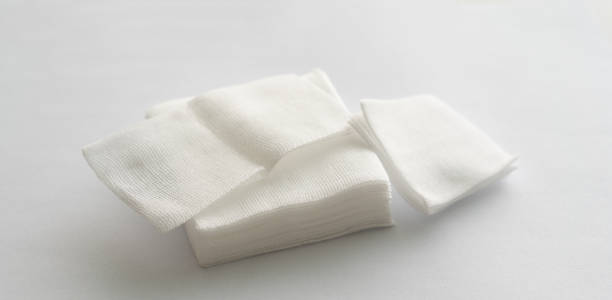
Within the professional B2B context, sterile vs non-sterile gauze substitutes have to be of medical grade. Alternatives are frequently needed in wounds that have unique requirements, like high exudate or sensitive margins.
- Foam Dressings: These are better cushions and can hold much more fluid than a 12-ply sterile vs non-sterile gauze pad. They are the most preferred non adherent dressing for pressure ulcers.
- Hydrocolloids: These form a gel-like structure, which promotes autolytic debridement. They are commonly applied in situations where a wet-to-dry dressing is excessively harsh to the skin of the patient.
- Calcium Alginates: These are made of seaweed and are used in bleeding or leaking wounds. When they come in contact with wound fluid, they solidify into a gel, thus offering a biological alternative to the sterile vs non-sterile gauze packing.
Can I Use Paper Towels as Gauze? The “Emergency Trap”
One of the most frequently asked questions in non-clinical or emergency environments is the use of household paper products.
In terms of B2B and institutional safety, the response is a resounding No. The dangers of replacing sterile vs non-sterile gauze with paper towels are complex:
- Linting and Foreign Bodies: Paper towels are meant to disintegrate under wet conditions. They leave behind cellulose fibers, which are the foreign bodies in a wound, causing chronic inflammation and granulomas.
- Chemical Irritants: Paper towels frequently have chlorine, dyes, and fragrances that may result in contact dermatitis or chemical burns on open tissue, unlike BKAMED’s H2O2-bleached gauze.
- The Infection Risk: Household paper is not produced under a clean-room facility. Applying it as a non sterile dressing even to a minor cut presents an unidentified environmental contaminant.
- Absorbency Problems: While paper towels are absorbent, they do not wick vertically as sterile vs non-sterile gauze, and thus fluid tends to collect and macerate the surrounding skin.
Strategic Clinical Management of Complications
A procurement officer should aim to offer a Wound Care Kit that can deal with these complications before they take place.
By stocking a mix of sterile vs non-sterile gauze, a facility can save up to 25% of the time taken in changing a dressing on a wound.
- Inventory Warnings: Make sure that each of the “Sterile Packs” contains one or more non-adherent layers. This mere consideration of your sterile vs non-sterile gauze order can make a great difference in patient satisfaction and healing rates.
- Education: Wholesalers need to deliver technical information sheets with the sterilized gauze meaning and the no-lint guarantees of their products to enable clinicians to make better decisions at the bedside.
Bandages for Adhesive Allergy: The Sensitive Skin Guide
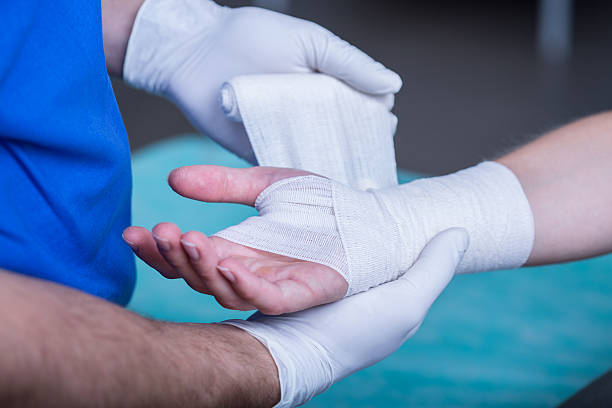
When it comes to the B2B medical supply industry, the debate about sterile vs non-sterile gauze rarely deals with the materials that were used to secure them.
However, for procurement managers and clinicians, the impact of adhesive-related complications is a major contributor to patient dissatisfaction and higher costs of care.
Even the most successful surgical results can be complicated by the Medical Adhesive -Related Skin Injury (MARSI) and contact dermatitis.
When changing a dressing on a wound, the trauma caused by removing standard tapes may be more harmful than the wound itself.
This part is a technical guide to sourcing sensitive skin solutions that will supplement your sterile vs non-sterile gauze inventory.
The Chemistry of Contact Dermatitis: Acrylics and Latex Triggers
The sticky part of a bandage is hardly a mere glue; it is a compound chemical mixture. For most patients, the response of a non sterile dressing is not due to the gauze, but rather the adhesive.
- Acrylate Sensitivity: Majority of new medical tapes incorporate acrylique-based adhesive as they are low-cost, tough, and provide high initial tack. Nevertheless, the monomers of these plastics are common precipitants of Type IV delayed hypersensitivity. This appears as a red, itchy rash in the same area where the tape was in contact with the skin.
- The Latex Factor: Although the industry has shifted towards Latex-Free standards, many of the bulk-sourced sterile vs non-sterile gauze packages and cohesive wraps still contain natural rubber latex. For sensitized individuals, even small amounts may cause anaphylaxis or severe localized hives.
- Irritant vs. Allergic: B2B buyers should learn to differentiate between an allergy (a reaction of the immune system to chemicals) and irritant dermatitis (a mechanical exfoliation of the skin). Both necessitate a shift toward sophisticated securement techniques as opposed to aggressive traditional tapes.
Silicone-Based Adhesives: The Gold Standard for Fragile Skin
In 2026, there is a shift towards silicone technology as an alternative to acrylics in B2B wound care catalogs. Silicone adhesive offers a constant grip as opposed to an increasing grip.
- Atraumatic Removal: Silicone is tender and sticky in consistency, unlike acrylics, which stick on the skin more firmly. This makes sure that when changing a dressing on a wound, one does not drag the stratum corneum (top layer of skin) along with the adhesive.
- Repositionability: Silicone tapes and non adherent dressing can be removed and reapplied without any change in their adhesive behavior. This is a huge benefit to the clinicians who need to examine a wound site without wasting a new sterile vs non-sterile gauze pad.
- Hydrophobic Nature: Silicone is inherently repellent to water, that is, it forms a barrier that does not allow exudate to escape and macerate the surrounding normal skin- a frequent failure of conventional non sterile dressing tapes.
Hypoallergenic Non-Woven Tapes: The BKAMED Approach
For large-scale distributors, it is necessary to have a high-performance hypoallergenic tape in stock. BKAMED also addresses the sensitive skin market through an exclusive line of non-woven papers and silk-like tapes that are used to complement sterile vs non-sterile gauze.
- Breathability: The non-woven design has high gas permeability. This eliminates the so-called sweating under the tape as a main source of skin desiccation and proliferation of bacteria.
- Low-Bioburden Manufacturing: Although tapes are commonly considered a non sterile dressing, BKAMED manufactures their hypoallergenic tapes in controlled settings to reduce the level of allergens and irritants.
- Zinc-Oxide Integration: Some of the special tapes produced by BKAMED incorporate zinc oxide into the adhesive material. Zinc is naturally skin-relaxing and offers a mild antiseptic barrier, which is why it is the perfect companion to a sterile gauze primary layer.
Alternative Securing Methods: Moving Beyond Tape
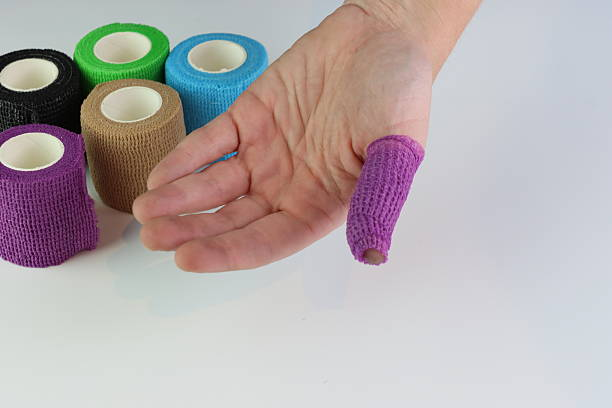
When it comes to severe allergies, it is always better to avoid adhesives. An advanced B2B inventory must contain mechanical securement options that are not dependent on chemical bonding.
- Cohesive Bandages (Self-Adherent Wraps): Cohesive bandages do not attach to the skin, only to themselves. They are the optimal non sterile dressing to hold sterile vs non-sterile gauze on limbs or joints. They contain adjustable compression and are completely painless to take out.
- Tubular Gauze and Netting: These elastic tubes are sometimes known as fishing net bandages, which slide around a limb to keep the sterile vs non-sterile gauze in place. They are a final solution for patients whose skin is paper-thin, e.g,. elderly or neonates.
- Hydrocolloid “Anchors”: When working with the abdomen or torso, clinicians may apply a hydrocolloid patch onto healthy skin and then tape the sterile vs non-sterile gauze to the patch instead of the skin. This picture frame method avoids contact with adhesive to the skin in high-risk areas.
Strategic Sourcing for Sensitive Care
When a B2B wholesaler is comparing sterile vs non-sterile gauze suppliers, they need to consider the compatibility of the range of securement by the manufacturer. A “Sensitive Skin Kit” which packages sterile non adherent dressing pads with cohesive wraps or silicone tapes is a high-value product to offer in 2026.
By offering these options, you enable healthcare institutions to take care of the entire patient. The idea is to make sure that the very process of changing a dressing on a wound is an experience that leads to a recovery rather than another trauma.
Whether the patient is in need of the high-level security of sterile vs non-sterile gauze or the non sterile dressing affordability of a bulk non sterile dressing, with the appropriate hypoallergenic securement, the treatment will stick without harming the patient.
Manufacturing Excellence: Behind the Scenes at BKAMED
The distinction between sterile vs non-sterile gauze in B2B wholesalers and clinical procurement officers depends not on the wing of the hospital, but on the accuracy of the manufacturing facility.
Being a world pioneer, BKAMED has transformed the benchmark of medical textile manufacturing by combining vertical production with stringent pharmaceutical quality assurance.
Grasping the path of a single gauze pad— from the cotton field to the sterile pouch– is crucial to any stakeholder who is assessing the sterilized gauze meaning and its influence on patient safety.
Raw Material Selection: Long-Staple Cotton vs. Non-Woven Blends
The performance between sterile vs non sterile gauze starts with the fiber. At BKAMED, excellence begins with the raw materials used, where all the products are of the highest USP and EP standards.
- Long-Staple 100% Natural Cotton: BKAMED is an advocate of long-staple cotton fibers. Long-staple fibers have greater tensile strength and much less lint profile compared to short-staple cotton, which is easily broken and forms dust. This is a very important consideration when changing a dressing on a wound, as it ensures that microscopic fibers are not left behind in the wound bed.
- Hydrophilic Properties: The cotton is subjected to a special scouring and bleaching process with the use of Hydrogen Peroxide ($H2O2$) instead of chlorine. This makes the material 100 percent hydrophilic, i.e., capable of holding over 20 times its weight in fluid; a critical technical requirement in both sterile vs non-sterile gauze.
- Non-Woven Blends: To meet certain B2B requirements, BKAMED manufactures non-woven versions under a polyester-based ray blend. These are commonly employed as non sterile dressing to clean or as a non adherent dressing because of their smooth surface and high absorbency-to-weight ratio.
The Weaving & Folding Process: Solving the “Linting” Problem
Another frequent wound care complication is the formation of granulomas due to the ragged edges of gauze. To avoid this risk, BKAMED engineers have perfected the weaving and folding process, which is the new standard of sterile vs non-sterile gauze markets.
- High-speed Air-jet Looms: BKAMED makes use of high-speed air-jet looms with a fixed thread count (usually 20×12, 19×15, or 24×20 mesh). This uniformity is what distinguishes the difference between a high-quality product from a low-quality non-sterile dressing.
- Automatized Machine-Folded Precision: Every piece of sterile vs non-sterile gauze is folded using automated equipment. The process bends all uncut edges into the pad center. Because it helps make sure that any frayed edges are not left exposed, BKAMED helps avoid lint being stuck to the tissue when a nurse is changing a dressing on a wound.
- X-Ray Detectability: At the weaving stage, a Barium Sulphate ($BaSO 4 ) thread can be incorporated in gauze. In surgical accounts of B2B, this makes sure that the sterile vs non-sterile gauze can be identified during imaging, offering an added level of operating room safety.
Sterilization Validation: Ensuring 100% Germ-Free Delivery
The foundation of the debate on sterile vs non-sterile gauge is the validation of the sterilization process. BKAMED does not merely clean its products; it exposes them to a strict, multi-stage sterilization procedure.
- Ethylene Oxide (EO) Sterilization: The majority of BKAMED sterile lines are sterilized through EO. This gas process is perfect for the intricate folds of gauze since it passes through the fibers and the paper medical-grade pouch to give a sterility assurance level (SAL) of $10^{-6}$.
- Validation Protocols: Each batch of sterile vs non-sterile gauze is traced using chemical indicators and biological indicators (spore strips). This guarantees that the sterilized gauze meaning is supported with empirical data, giving procurement officers peace of mind.
- Clean Room Packaging: Even the non-sterile line takes advantage of the BKAMED infrastructure. Both sterile vs non-sterile gauze is handled in ISO Class 8 clean rooms to keep bioburden low, ensuring that even non sterile dressing meets high hygienic quality before it leaves the factory.
Eco-Friendly Initiatives: Sustainable Sourcing and Production
Sustainability is one of the key KPIs of B2B procurement in 2026. BKAMED has incorporated the Green Medical practices in its sterile vs non-sterile gauge production lines to attain the global environmental objectives.
- Chlorine-Free Bleaching: BKAMED uses Hydrogen Peroxide in place of chlorine, which removes the formation of dioxins, thereby ensuring its sterile vs non-sterile gauze is safer to the environment and the skin of the patient.
- Water Recycling: Bleaching and scouring of cotton are very water-consuming processes. The BKAMED has adopted the use of a closed-loop water filtration system in their factories and has managed to recycle 70 percent of the used water in sterile vs non-sterile gauze manufacturing.
- Biodegradable Packaging: BKAMED is already leading the pack by using bio-based films and FSC-certified paper on their gauze pouches. This minimizes the plastic waste associated with changing a dressing on a wound in large hospital systems.
- Waste Minimization: By working towards cutting and folding accuracy, BKAMED has minimized textile pollution by 12 per cent in the past three years. The remaining scraps of cotton are used in other textile products, which results in a circular economy in the sterile vs non-sterile gauze supply chain.
Why Manufacturing Transparency Matters for B2B
By engaging a partner such as BKAMED, a wholesaler is not just purchasing a commodity;they are investing in a managed manufacturing ecosystem. Whether you’re sourcing a wet to dry dressing as a long-term care dressing or a simple bulk non sterile dressing as a first-aid kit, the manufacturing excellence of the BKAMED guarantees the performance of the product every single time.
With this commitment to quality, a healthcare provider who is changing a dressing on a wound can devote all their attention to the patient knowing that the sterile vs non-sterile gauze they are working with is the product of the most sophisticated medical textile engineering in the world.
Technical Specifications for Procurement Teams
Finally, in the B2B healthcare industry, the distinction between sterile vs non-sterile gauze is usually found in the small print of a technical data sheet.
For procurement officers and supply chain managers, quality is not a subjective emotion, but a set of quantifiable metrics.
In a high-end manufacturer such as BKAMED, knowledge of these technical requirements guarantees that your facility is stocked with materials that comply with international regulatory requirements.
The following is the ultimate reference list of the metrics that determine the sterile vs non-sterile gauze terrain.
The GSM Factor: Understanding Weight and Absorbency
The Grams per Square Meter (GSM) is the key parameter showing the density of a gauze pad and its ability to retain fluids. In sterile vs non-sterile gauze hierarchy, the GSM helps to decide the life cycle of a dressing.
- Standard vs. High GSM: Although most generic suppliers supply gauze with a grammage of 17g/m2, the BKAMED premium lines frequently begin with a minimum of 23g/m2 or greater. This increased GSM is directly proportional to an increased efficiency of a “Sinking Time” (less than 3 seconds) and an increased fluid retention capacity.
- Clinical Impact: An increase in the GSM implies that when a clinician is changing a dressing on a wound, the gauze is less likely to become saturated prematurely. This minimizes the number of dressing changes, saving both clinical time and material incurred.
- Procurement Tip: It is always necessary to check whether the GSM is being measured before or after the bleaching. To guarantee the best representation of the product’s absorbency in the field, BKAMED offers the post-bleaching GSM data.
Thread Count and Mesh: The Structural Integrity of Gauze
The thread count is the number of warp (vertical) and weft (horizontal) threads per square inch or centimeter. It is this structural detail that does not allow a non sterile dressing to unravel during use.
- Standard Mesh Configurations: The most common are 12×8, 19×15, and 24×20. In high-risk surgical settings, a mesh number (such as 28×24) is recommended to guarantee a “Low-Lint” profile.
- The BKAMED Advantage: BKAMED applies the air-jet weaving technology to ensure an entirely uniform mesh. Such uniformity is essential in the application of wet to dry dressing because the mechanical debridement remains uniform throughout the wound surface.
- Selvedge Edges: Contrary to cut gauze, which can fray, the BKAMED woven roll has a selvedge edge. This technical finish is necessary on the sterile vs non-sterile gauze rolls used as long-term bandaging material, because it prevents the wrap from losing its width and tension.
Regulatory Grading: USP Type VII and Beyond
For international B2B trade, pharmacopeia standards (USP, EP, or BP) represent the final “safety certificate.” These criteria determine the chemical and physical limits of sterile vs non-sterile gauze.
- USP Type VII: This is the most common standard for surgical-grade gauze, which states the number of threads, weight, and lack of optical brighteners. BKAMED products comply fully with USP-NF standards, ensuring that they do not contain dextrins, starch, or fatty matter.
- The Zero Residue Guarantee: Another technical spec that is often ignored is the level of Ignited Residue. To make sure that the chemical residue on their sterile vs non-sterile gauze is almost zero, BKAMED employs a hydrogen peroxide bleaching process which eliminates the chemical irritation when changing a dressing on a wound.
- Which of the following is true of non sterile dressings? Under regulatory grading, they must still achieve the same absorbency and purity standards as their sterile counterparts, but only the final microbial check is different.
Ply and Layering: The Engineering of Protection
The number of layers of fabric folded together is known as the “Ply” of a gauze pad. The selection of the optimal ply is a rational move in the sterile vs non-sterile gauze matrix.
- Standard 8-Ply and 12-Ply: These are the workhorses of the hospital ward. The 8-ply sterile swabs by BKAMED are designed to be used in the standard care of incisions, whereas the 12-ply and 16-ply swabs are designed for use in the High-Exudate care.
- Pillow Gauze and Lap Sponges: In deep cavity surgery, BKAMED produces 2-ply “Pillow Gauze” and multi-layered Lap Sponges. These products normally have a “Safety Loop” as well as X-ray scannable threads, thus ensuring that even when the procedure is too complicated to keep track of, the sterile vs non-sterile gauze can be considered.
- Non-Woven Alternatives: For procurement teams seeking cost-efficient non sterile dressing, BKAMED has the 4-ply non-woven pad, which has the same absorbency rate as an 8-ply woven pad, allowing optimization of warehouse space.
Packaging Integrity: The Sterile Barrier System (SBS)
A sterile product is only as good as its packaging. This is technically known as the Sterile Barrier System and is where the investment in technology by BKAMED really pays off.
- Medical-Grade Paper and Film: BKAMED embraces high-porosity medical paper, which permits Ethylene Oxide (EO) gas to pass through during the sterilization process but completely blocks bacteria during storage.
- Shelf-Life Validation: Every pouch of BKAMED sterile vs non-sterile gauze is verified to have a shelf life of 5 years without the seal being broken. This is a crucial technical measure for wholesalers managing long-term inventory.
- Aseptic Opening: The peel-pouch design is designed to make a Clean Peel, i.e., the paper does not tear or shed fibers when it is opened. This helps in ensuring that the sterile vs non-sterile gauze is not contaminated at the precise time when it is required.
Technical Data Comparison Table for B2B Buyers
| Technical Metric | BKAMED Standard (Surgical) | Generic Market Standard |
| Cotton Purity | 100% (H₂O₂ Bleached) | Varied (Chlorine often used) |
| Whiteness Level | $\geq 82\%$ | $\approx 75\%$ |
| Sinking Time | $< 3$ seconds | Up to 10 seconds |
| Lint Profile | Ultra-Low (Folded Edges) | Moderate (Cut Edges) |
| Sterilization | EO / Gamma Validated | Often Unvalidated |
The BKAMED Procurement Partnership
When selecting BKAMED, there is more than just purchasing gauze, it is connecting with a manufacturer that offers a comprehensive technical dossier on each SKU. Whether you need non adherent dressing solutions to a burn unit or bulk sterile vs non-sterile gauze for a regional distributor, BKAMED delivers technical accuracy that gives your supply chain a sense of clinical excellence.
By focusing on these technical specifications, procurement departments can change the discussion about price per unit to value per procedure. BKAMED high-quality sterile vs non-sterile gauge minimizes complications, shortens the time to change a dressing on a wound, and ultimately safeguards the most precious resource of the facility, its patients.
Global Sourcing & Supply Chain Logistics
The purchase of sterile vs non-sterile gauze is not merely a transactional purchase in the post-2025 medical economy, but rather a strategic risk mitigation and supply chain agility exercise. As the global market of medical consumables continues to decentralize and segment, B2B buyers are forced to collaborate with manufacturers that can provide more to them than just a product.
BKAMED has established itself as one of the leading global partners by aligning the high-capacity production with the advanced logistics needed in the delivery of modern healthcare. To sustain a firm inventory of sterile vs non-sterile gauze, it is only imperative to understand the mechanics of global sourcing.
Bulk Procurement Strategies: MOQs for Distributors
For worldwide distributors, the break-even point is the minimum order quantity (MOQ). When it comes to the sterile vs non-sterile gauze industry, it is important to note that stiff MOQs usually become an impediment to enter the industry or capital investment. BKAMED has transformed this scenery by introducing a customer-focused approach to bulk procurement.
- Unlimited Flexibility: Unlike most factories, which are inflexible, BKAMED has a non-minimum order policy on many of its high-demand products. This enables distributors to purchase only what they require, whether it’s a small sample shipment of sterile non adherent dressing or a huge container of bulk non sterile dressing.
- Direct Factory Benefit: BKAMED does not have to use the middle man because it acts as a direct source manufacturer with in-house weaving and bleaching facilities. This guarantees that even small orders have an opportunity to enjoy factory-direct pricing, making high-quality sterile vs non-sterile gauze available to all markets.
- Quick Delivery: BKAMED keeps a rapid delivery window of only 15 to 17 days to meet the demands of the 2026 healthcare market, that have been classified as urgent. This logistical velocity enables distributors to run smaller inventory models based on leaner Just-in-Time (JIT) models, eliminating the overhead expenses of maintaining sterile vs non-sterile gauze over the long-term.
Private Label / OEM Opportunities: Scaling with BKAMED
The move towards the use of own-label medical supplies is a trend that will characterize the next few years. Wholesalers are shifting off third-party branding to establish their own equity in the sterile vs non-sterile gauze market. BKAMED serves as the unseen force behind some of the most well-known wound care brands in the world.
- OEM Prowess: BKAMED concentrates on flexible designs, where a brand can tailor all features of their sterile vs non-sterile gauze. This covers custom mesh counts (12×8 to 45×30), yarn counts, and distinct ply (1-ply to 4-ply jumbo rolls).
- Brand Protection: BKAMED offers end-to-end services for companies changing a dressing on a wound under their own label. They provide variable packaging styles, volume, and branding personalization that address the local aesthetic and regulatory requirements of the target market.
- Innovation Support: Brands that want to have a competitive advantage can use BKAMED R&D services to develop specialized products, including non adherent dressing patches with special adhesive formulas or radiopaque dressings with accurate barium sulphate content to reduce surgical safety risks.
Regulatory Compliance: Navigating FDA, CE, and ISO
A complicated network of web documentation regulates international medical trade. In the present-day world, compliance is not something to bargain over. By having a strong and audit-compliant regulatory dossier, BKAMED eliminates the compliance headache of B2B buyers.
- Certified Excellence: BKAMED products comply with strict international standards, such as ISO 13485:2016 for quality management systems. Their sterile vs non sterile lines gauze lines are completely CE and FDA approved, making them eligible to enter European and North American markets immediately.
- Sterilization Validation: The sterilized gauze meaning is supported with empirical evidence. To guarantee a 100 percent germ-free pouch, BKAMED tests each batch with biological and chemical indicators, which is a crucial level of transparency that institutional hospital contracts require.
- Global Trust: As an exporter to more than 70 countries, BKAMED is aware of the actual paperwork of international medical trade. From UDI (Unique Device Identification) to the particular labeling for a non sterile dressing, they guarantee that shipments pass through customs without delay.
Storage and Shelf-Life: Managing FIFO and FEFO
The last stage in the supply chain is good warehouse management. Since sterile vs non-sterile gauze has a set shelf-life (normally 5 years in the case of BKAMED sterile products), logistics managers need to learn how to rotate their stocks.
- FEFO (First Expired, First Out): Although most warehouses operate on FIFO (First-In, First-Out), FEFO is considered a priority in the healthcare sector. This guarantees that the sterile vs non-sterile gauze that has the nearest expiration date is shipped first. BKAMED’s Lot-tracking and clear labeling allows this transition to be smooth.
Stability in the environment: BKAMED high-quality medical packaging ensures that the sterile barrier is intact during the 5-year shelf life. This sustainability is critical when storing sterile vs non-sterile gauze in diverse global conditions, such as the wet coastal ports and the dry inland centres.
Waste Reduction: Working with a factory that offers long shelf-life guarantees and quick delivery, distributors can reduce the so-called stock obsolescence. This is ensures that when a clinician is changing a dressing on a wound, the gauze is always in its optimal performance range.
The BKAMED Logistics Promise
Effective global sourcing is not only about price, but also about partnership. By selecting BKAMED, B2B stakeholders are able to access a world-class manufacturing plant that is aware of the dynamics of the global supply chain.
Whether you’re shipping one pallet of non adherent dressing or even a full container of sterile vs non-sterile gauze, the 20+ years of experience and direct-from-factory business model used at BKAMED means you get your supplies in time, and in good clinical shape.
In a rapidly moving medical disposable business, the supply chain should be as strong as your patient care. With BKAMED as your main supplier, you are not just purchasing gauze but a future-proof store of the most important materials in the current medicine toolkit.
The Future of Wound Care
In 2026, wound management is moving from passive protection to active intervention. The sterile vs non-sterile gauze debate is growing to incorporate what was previously considered the domain of science fiction; smart capabilities.
For B2B procurement executives and medical innovators such as BKAMED, the coming decade will be characterized by textiles that do not simply cover a wound, but that can talk with the clinician.
Smart Gauze: pH-Sensing and Infection-Detecting Fibers
The most notable innovation in contemporary wound treatment is the invention of Smart Gauze. Conventional gauze involves a clinician physically taking off the dressing to examine the wound–a procedure which can disarrange the healing bed and introduce pathogens. Smart gauze resolves this by incorporating the biosensors into the weave.
- pH-Sensing Technology: Studies on the sterile vs non-sterile gauze have demonstrated that pH of wounds is one of the main predictors of wound healing. A normal healing environment has a pH range of slightly acidic, while an alkaline change (pH > 8) usually indicate chronic infection or biofilm. New smart fibers can change color or transmit a wireless signal to a smartphone when the pH changes, making it possible to actively treat the disease before it shows clinical symptoms.
- Thermal and Moisture Monitoring: Built-in micro-sensors can now monitor the temperature and moisture of a wound in real time. Within the framework of sterile vs non-sterile gauze, these intelligent dressings are a continuous diagnostic aid tool, which eliminates the frequent, invasive changing of dressing.
BKAMED Vision: BKAMED operates as a leader in the field and is at the forefront in researching how these sensors can be mass-produced in a sterile gauze system.
By combining thin-film electronics with 100% medical grade cotton, the objective is to make infection detecting gauze an affordable addition to post-operative treatment.
Biodegradable Bandages: The Shift Toward Green Medical Consumables
The issue of the environmental impact of single-use medical textiles is a major concern for health care systems around the world. The supply chain of sterile vs non-sterile gauze is experiencing a green revolution in 2026, with a significant movement toward bio-based, compostable products.
- Alginate and Chitosan Fibers: Manufacturers are no longer using traditional cotton but rely on polymers made from crustacean shells (chitosan) and seaweed (alginates). These are not only biodegradable, but also have natural antimicrobial properties, which helps close the gap between a non sterile dressing and an active healing agent.
- Zero-Waste Packaging: BKAMED is now shifting its lines of sterile vs non-sterile gauze towards FSC-certified paper packaging and biodegradable films. This guarantees that the lifecycle of the product, including manufacturing and the hospital waste bin, has a smaller carbon footprint.
- Sustainable Sourcing: The future of the sterile vs non-sterile gauze market lies in the “Circular Sourcing.” With recycled water in the bleaching process and manufacturing hubs that are solar powered, BKAMED is leading the way in eco-friendly medical procurement.
AI and Digital Wound Mapping
Artificial Intelligence is no longer just a partner in data analysis; it is becoming a partner in the wound-cleansing process. The application of AI and the use of sterile vs non-sterile gauze is transforming the way we record the healing process.
- Predictive Analytics: It is now possible to predict the healing process by analyzing pictures of a wound with AI platforms. A clinician can use a mobile app to map the size of the wound and the health of the tissue when changing a dressing on a wound.
- Automated Supply Management: For B2B wholesalers, artificial intelligence-based inventory management systems can forecast when a hospital will run out of sterile vs non-sterile gauze by the historical infection rates and surgical volumes, making sure that stockouts are a thing of the past.
- Telehealth Integration: AI-based smart dressings enable remote wound centers, meaning that a specialist can observe the dressings of thousands of patients in a central location, only intervening when the smart sensors indicate a complication.
BKAMED’s Innovation Roadmap: 2026 and Beyond
The future of wound care at BKAMED rests on three pillars: Purity, Intelligence, and Sustainability. As we head towards the future, we have a roadmap of some of the major milestones that will redefine the industry of sterile vs non-sterile gauze.
- Nanofiber Integration: We are creating ultra thin nanofiber layers to be incorporated into our existing sterile vs non-sterile gauze to create a better bacterial barrier and still be 100% breathable.
- Bioactive Impregnation: The BKAMED gauze of the next generation will contain time-release antimicrobial agents, including silver ions or honey derivatives, that only become active as the dressing detects an increase in moisture in the wound.
- Universal Compliance: With the changes in world regulations, BKAMED is ensuring that all future smart products meets the highest standards of FDA and CE guidelines for electronic medical equipment, enabling the conversion from traditional to tech-enabled gauze as smooth as possible to our partners.
The Conclusion of the Deep Dive
The sterile vs non-sterile gauze is no longer merely a matter of cloth and tape. It’s about an advanced, technology-based environment that safeguards the patient and empowers the clinician. Whether it’s through non sterile dressing of an outpatient clinic or the smart, PH-detecting pad of a specialized burn unit; the quality and innovativeness of BKAMED is making every dressing change one step towards a quicker, safer healing process.
Through partnering with BKAMED, B2B wholesalers and healthcare providers are not simply purchasing medical supplies, they are investing in the future of human health. With our 30+ years of manufacturing excellence, paired with our vision towards 2026 and beyond, BKAMED is the perfect solution to those who need the best in sterile vs non-sterile gauze.
Secure Your 2026 Supply Chain with the Gold Standard in Medical Textiles
In a worldwide market where clinical accuracy confronts logistical uncertainty, your choice of a manufacturing partner is the most influential variable in the success of your institution. Do not be contented with commodity grade when you can buy clinical excellence. BKAMED is prepared to grow with your business offering the high-performance sterile vs non-sterile gauze your patients and your bottom line require.
Why Choose BKAMED?
- Vertical Manufacturing Mastery: We control the whole process, unlike resellers, from weaving raw long-staple cotton to the final EO sterilization. This enables us to ensure a profile of low lint as well as a whiteness of at least 82 percent of all sterile vs non-sterile gauze pads.
- Quick International Logistics: We know stockouts are not an alternative. Having a lead time of only 15-17 days and knowledge of FDA/CE regulatory documentation paperwork, we make sure that your non sterile dressing and sterile supplies reach your warehouse without the wait time of customs.
- Unparalleled Absorbency (High GSM): Our medical gauze is performance engineered. Our sterile vs non-sterile gauze has a sinking time of less than 3 seconds, which provides better vertical wicking, decreasing the number of times that one must change a dressing to a wound.
- Innovation to be ready in the future: By partnering with us, you will be joining with an industry leader in Smart Gauze and biodegradable textiles. We’re not only meeting current requirements, but also establishing the sterile vs non-sterile gauze requirements of 2026 and beyond.
- B2B Flexibility: Whether you require global start-up level of OEM branding or national level high-volume MOQs, our tiered pricing and adaptable shipping model is crafted to best suit your ROI.
Ready to Optimize Your Procurement?
Do not take the safety of your facility by chance. Get in touch with our international distribution team today to obtain a technical dossier, order a sample kit, or receive a tailor-made quote on your bulk sterile vs non-sterile gauze needs.
Click Here to Collaborate with BKAMED – Where Quality Meets Capability.
