The bed sheet is a minor but important component of hospital operations. In a healthcare setting, it impacts patient comfort, hygiene, and operational efficiency. The right bed sheet can help improve sleep quality, reduces the risk of pressure-related discomfort, and can contribute to a cleaner, more controlled care environment.
According to research, China remains a major sourcing hub for healthcare buyers worldwide — it still leads the global textile exports market. The Observatory of Economic Complexity (OEC) ranks China at 32% of global textile exports in 2024, and China exported $301.1 billion of textiles and apparel in 2024.
For healthcare buyers, selecting the right bed sheet is not about comfort. It’s a purchasing decision impacting quality, care, replacement rates and running costs. Healthcare facilities require bed sheets that hold up to regular industrial washing, exposure to disinfectants and daily use, without losing its quality.
That’s where the fabric, weave, and thread count come in. An inferior bed sheet can result in quicker deterioration, increased cost, and varying patient comfort. In contrast, the right bed sheet will ensure long-term value, infection control, and performance. So who is a reliable bed sheet supplier in China? Keep reading.
An Overview of China’s Bed Sheet Manufacturing Industry
China leads in global textile exports owing to its size, efficiencies and vertical supply chain. As we have previously discussed, it exported $301 billion in textiles and apparel products in 2024 alone, highlighting its dominance.
-
China’s Impact on Global Textile Exports
China’s scale allows a one-stop-shop for B2B buyers looking for reliable bed sheet supplies. Manufacturers in China control the entire process from weaving, spinning, dyeing, finishing, to packaging and exporting.
This is important because bed sheet sourcing is not just about the sewing factory. It involves the entire supply chain, the fabric itself, finishing, and export readiness — which all impact the final pricing and lead time of bed sheets.
-
Growth of Home Textile and Institutional Bedding Industry
Today, the bed sheet industry in China is no longer just about quantity. Most bed sheet factories (including BKAMED) now provide:
- OEM and ODM services
- Custom labeling
- Private packaging
- And export-quality assurance systems
In hospitality, that has created a market for white and coloured cotton, sateen, percale, jacquard and polycotton sheets. The Medical Industry provides robust supply chains for disposable non woven sheets, fitted sheets, waterproof sheet protectors and patient transfer products.
-
It’s All About Scale, Cost, Infrastructure and Integration
The strength of China depends on its clustering. Factories in Jiangsu, Zhejiang, Shandong, Hubei, Shaanxi and Anhui can always source yarn, fabric, trims, and packaging within the same regional network.
This reduces transaction costs and helps to setup stable production lines. Some of the manufacturers listed here also demonstrate integrated manufacturing, including weaving, sewing, finishing, quality control, and outbound logistics.
-
Market Trends: Environment, Labor, and Demands of B2B Buyers
The China bed sheet market is also changing. B2B buyers are now demanding certifications and transparency, greener chemistry, packaging discipline, and reductions in waste. Healthcare buyers are also moving away from sourcing from a single manufacturer or a single source.
At the same time, sustainability has transitioned from marketing “nice-to-have” to procurement “must-have”. Especially among healthcare buyers and hotel groups that want OEKO-TEX, GOTS, recycling claims or factory quality systems in place.
Understanding the Importance of a Bed Sheet in Healthcare
When it comes to bed sheets in a hospital setting, they are an important aspect of medical care. Clean bed sheets have a significant impact on patient comfort, which in turn impacts patient satisfaction and recovery. Comfortable, clean sheets can aid rest and promote feelings of wellbeing; rough, dirty sheets can induce uncomfortable feelings, irritability, and even anxiety.
Clean sheets are also important for infection control: hospitals use high temperature washes and sometimes even household bleach to launder bedding. The sheets need to survive these harsh treatments. As one industry guide notes, “clean bed sheets … keep patients safe” by providing sure hygiene each and every day.
Proper handling of hospital sheets (such as investing in durable sheets and RFID tagging) also prevents unnecessary waste and saves hospitals money. Many hospitals use specialised kinds of sheets (extended-length sheets for tall beds, for instance), and may need undisclosed antimicrobial or fire-resistant properties.
But the basics apply: bed sheet needs to be strong, washable and comfortable. Cheap bed sheet may be prone to damage or discolouring in commercial laundry, resulting in short life and higher replacement cost. High quality bed sheet (with adequate thread count and proper weave, fiber and finish) withstands repeated use. So medical buyers need to focus on quality, not just cost.
Types of Bed Sheets Available for B2B Buyers
B2B buyers have a range of bed sheet styles to choose from for various purposes:
1. Flat Sheet
Flat sheets are popular in the hospital industry because they are versatile and comfortable. This bed sheet can be used as both top and bottom sheet, making it a cost-effective option for healthcare buyers. They are usually made from strong fabrics, for instance cotton, or blends of cotton and polyester, offering comfort and warmth to the patient.
These flat sheets vary according to the thread count. Higher thread counts offering greater softness and longevity. BKAMED produces them in different sizes to suit different lengths of hospital beds, so patients can have the right-sized sheet for their needs.
2. Fitted Sheet
Another essential element of hospital bedding sets, fitted sheets are crafted out of high quality materials such as microfiber or percale. These bed sheets have a reinforced and stretchy border that gives them a fitter, more wrinkle-free edge in hospital beds minimizing the risk of injury.
The fitted sheets have a higher thread count providing additional comfort and ventilation to patients. Getting the right size for fitted sheets is essential as it avoids slipping and bunching, creating a flat sleeping surface for increased comfort in hospitals and other healthcare facilities.
The advantages of fitted sheets include:
- Their ability to reduce bedsores caused by friction with the sheet.
- Fitted sheets are more convenient than flat sheets when it comes to cleaning as they don’t require tucking.
- They are convenient to quickly change and easy for health care workers to deal with.
High quality fitted sheets are also durable and resistant to repeated washings while maintaining their shape and softness. This allows the bedding to remain clean and durable throughout its use. What’s more, certain fitted sheets have antimicrobial treatments which prevent infection in hospital environments.
3. Bariatric Sheet
Bariatric sheets are crucial for patients who are overweight because they are wider and longer. The sheets are typically constructed with stronger fabrics that are able to cope with the demands of bariatric beds, providing patients with the most comfortable and secure experience possible. They are available in a range of sizes to fit various bed sizes, offering maximum coverage and fit.
Beyond their practicality, bariatric sheets also:
- Help to boost the dignity and comfort of overweight patients. They offer comfort and support, making patients feel more secure and relaxed while in hospital.
- They also prevent bedsores or pressure ulcers from developing in bariatric patients.
It’s worth noting that bariatric sheets aren’t just for use in medical institutions, but also in home health care. As more people receive health care services at home, bariatric sheets are a necessary addition to the homehealth care caregiver’s arsenal when caring for larger patients.
4. Disposable Linen
Disposable linen is a convenient and sanitary option for healthcare buyers. These bed sheets are typically composed of lightweight and breathable materials, such as non-woven fabric, and can greatly minimise the potential for cross-contamination. They also remove the necessity for laundering, thus being time and resource efficient.
Disposable linen comes in a range of sizes to accommodate different beds and is commonly used in situations where bed sheets need to be changed frequently, such as in surgical procedures or for patients with an infectious disease. Generally, disposable linen provides a practical and affordable option that maximises hygiene and safety for patients and healthcare workers.
5. Draw Sheet
Draw sheets are an important yet often overlooked part of hospital bedding. They are smaller in size and placed in the middle part of the bed, usually under the torso of the patient. They are utilised for patient repositioning.
They can allow nurses and caregivers to turn or lift a patient, which improves workflow efficiency and reduces the risk of injury. They also reduce skin-to-mattress interface, decreasing the potential for skin ulceration.
6. Waterproof / Fluid-Resistant Sheets
Waterproof sheets help prevent the mattress from getting soaked with bodily fluids — blood, urine, etc. These sheets are often made with a laminated or coated backing layer that blocks liquids while providing a soft surface.
They are commonly used in:
- Maternity wards
- Emergency and critical care areas
- Incontinence care settings
The primary benefits are protection of patients from infection and equipment. These sheets minimise leaks, prolong mattress lifespan and save money on mattress replacements. They also streamline cleaning efforts, crucial in maintaining strict hygiene practices.
7. Reusable Linen (Multi-Use Sheets)
Reusable hospital bed sheets form the backbone of most healthcare linen programs. Designed for frequent laundering, reusable linen can be washed hundreds of times without compromising their quality.
Their primary benefit is their cost-effectiveness over time. Though initial costs are higher than disposable sheets, reusable sheets offer closer to the cost of disposable sheets over time.
They are best suited for:
- Large hospitals with laundry infrastructure
- Long-term care facilities
- Medical/ Surgical wards with stable flow
For procurement teams, reusable linen supports sustainable operations and stable supply chains.
8. Thermal / Flannel Sheets
Flannel sheets, or as they are also known, thermal sheets are intended to keep a patient warmer, making them ideal for patients who are sensitive to cold or recovering from surgery.
These sheets:
- Trap body heat effectively
- Are soft and comfortable
- Increase patient comfort in cooler climates
Common Materials Used in Bed Sheet Manufacturing
1. Cotton
Cotton is undoubtedly the most common high quality bed sheet material. Premium cotton (Egyptian, Pima) has longer staple fibers resulting in softer, more robust sheets. Environmentally friendly organic cotton (GOTS) is popular with those concerned with sustainability.
Cotton has many benefits. For instance, it’s soft, breathable and comfortable. But, on the other hand, 100% cotton wrinkles and shrinks (particularly if not high quality) and may not be as durable as synthetics in industrial hot washes.
2. Polyester and Blends
Polyester (often microfiber) is highly resistant to wear and shrinkage. Poly-cotton blends (e.g., 65% cotton/35% polyester) try to provide the softness of cotton with the strength and cheaper costs of polyester.
Polyester doesn’t feel as soft but is easy-care. Advantages: low cost, strong, dries quickly, minimal shrinkage. Disadvantages: can be less comfortable, less soft, can pill or retain odors if not high quality.
3. Linen (Flax)
A natural fiber, particularly for hot climates. Linen sheets are very absorbent and breathable, but can be quite rough at first (it softens with use). Linen is more expensive and less common in hospitals. This is because it is expensive and wrinkles, but is considered sustainable and comfortable.
4. Rayon/Viscose (From Bamboo)
Regenerated cellulose fibers (such as bamboo viscose/lyocell) are becoming popular. These can be soft and absorbent. Bamboo bed sheets (or “bamboo lyocell”) are naturally antibacterial and sustainable (if correctly manufactured). They are still niche but growing in popularity for premium bedding.
Standard Sizing of a Hospital Bed Sheet
Knowing the standard sizes for hospital bed sheets is crucial for supply chain professionals, manufacturers and B2B buyers. Hospital sheets differ from bedding used in homes because they need to fit standard mattress sizes, accommodate adjustable bed-frames and adhere to cleanliness standards. A proper fit is not optional — it impacts patient comfort, safety, and workflow efficiency.
Standard Hospital Bed Dimensions
Hospital beds are typically based on the Twin XL size, which is slightly different from regular bedding. The average hospital mattress is 36 inches (91 cm) width and 80 inches (203 cm) length.
This size has become the industry standard because it balances patient comfort with space efficiency in clinical environments. It also allows caregivers to move equipment easily within patient rooms.
For convenience of B2B buyers, here’s a table of the most common hospital bed sheet sizes:
Standard Hospital Bed Sheet Size Chart
| Dimensions | Dimensions | Dimensions | Dimensions |
|---|---|---|---|
| Standard Mattress (Hospital Bed) | 36 inches (Width) × 80 inches (Length) | 91 × 203 cm | Most common hospital bed size |
| Fitted Sheet (Standard) | 36 × 80 × 8–14 inches depth | 91 × 203 × 20–35 cm | The depth varies depending on the thickness of the mattress |
| Flat Sheet (Standard) | 66 × 104 to 66 × 115 inch | 168 × 264 to 168 × 292 cm | The extra length allows for tucking and coverage |
| Bariatric Sheet (Wide) | 42 × 80 / 48 × 80 inch | 107 × 203 / 122 × 203 cm | The beds are wider to allow for larger weight capacity |
| Draw Sheet | 54 × 72 inch | 137 × 183 cm | They are placed across the mid section for repositioning |
| Extended Length Bed Sheet | 36 × 84 inch | 91 × 213 cm | Made for taller patients |
| Pediatric Bed Sheet | 28 × 52 inch to 30 × 72 inch | 71 × 132 cm to 76 × 183 cm | Used in children’s wards |
| Pillowcase (Standard) | 20 × 30 inch | 51 × 76 cm | Typically included in bed sheet sets |
How Bed Sheets are Made (Step-by-Step Guide)
The process of making bed sheets is controlled in several stages. This is important in ensuring the bed sheet meets the highest standards of hygiene, durability, and uniformity — a requirement of all medical textiles.
Renowned bed sheet manufacturers like BKAMED have an in-house process. They have full control over everything, from the processing of raw materials, sterilization, and packing.
Step 1: Raw Material Sourcing and Fiber Selection
The process begins with selecting the right material. While cotton is commonly used for bed sheets, manufacturers may use polyester, linen or even blended fibers. However, all this depends on the target market and performance requirements of B2B buyers.
For cotton bed sheets, raw cotton arrives at the factory in compressed bales. At this stage, the material still contains impurities, for example seeds, dust, and plant residues.
Step 2: Cleaning and Opening the Fibers
The opening and cleaning of the cotton fibers takes place at this point. Here, the contaminants are removed, and the bales are broken into smaller units.
The goal is to make uniform, clean fibers that can move smoothly through downstream processes. Proper cleaning directly affects the softness and quality of the final bed sheet.
Step 3: Carding and Fiber Alignment
Then they are processed in carding machines. These comb out the fibers and align them into a continuous strand or sliver.
This is an important step since it guarantees uniformity in the yarn. If this is not done properly, the resulting yarn is not consistent and the quality of the fabric decreases.
Step 4: Drawing and Roving
The fibers are drawn apart and joined together to increase uniformity; then it is lightly twisted (or spun) into a product called roving. Roving is a half-finished product — in between the fiber and yarn. It is used to prepare the fibers for the spinning process.
Step 5: Spinning the Yarn
The roving is passed through spinning machines, which draws the fibers together and twists them into long threads. The thickness, strength, and quality of the yarn determines the thread count, durability, and softness of the bed sheet.
Step 6: Warping the Yarn
Spun yarn is then arranged into parallel threads or warps. Then, these threads are wound onto large beams in preparation for weaving. A single bed sheet may need thousands of warp threads, all precisely aligned to ensure a uniform fabric structure.
Step 7: Sizing (Slashing)
Before it is weaved, the yarn is coated with a protective layer (usually starch or synthetic sizing). This increases the yarn’s strength and prevents breakage when it is woven.
Step 8: Weaving the Fabric
Next, the yarn is woven with industrial looms. Warp (lengthwise threads) are interlaced with:
- Warp (lengthwise threads)
- Weft (crosswise threads)
Modern air-jet looms can insert hundreds of weft threads each minute, weaving substantial rolls of fabric in a short time.
This stage determines the weave type, such as percale or sateen, which directly affects the feel and performance of the sheet.
Step 9: Fabric Cleaning and Bleaching
The woven material, or “greige fabric” is not quite finished. It’s “scoured” to remove oils, waxes and sizing. After that, it is bleached to a neutral white colour so that it can be dyed or printed.
Step 10: Dyeing and Printing
At this stage, the cloth is dyed (or printed), to meet the demands of the medical buyers. Bed sheet manufacturers such as BKAMED use chemical dyes that are designed to maintain the same color and stability. This guarantees the bed sheets retain their original look and feel even after multiple washes.
Step 11: Finishing Treatments
The fabrics are then subjected to finishing treatments, which enhance their comfort and usage. For example, these treatments may include:
- Softening treatments for comfort
- Anti-wrinkle finishings
- Antibacterial or anti-stain treatments
Step 12: Cutting and Sewing
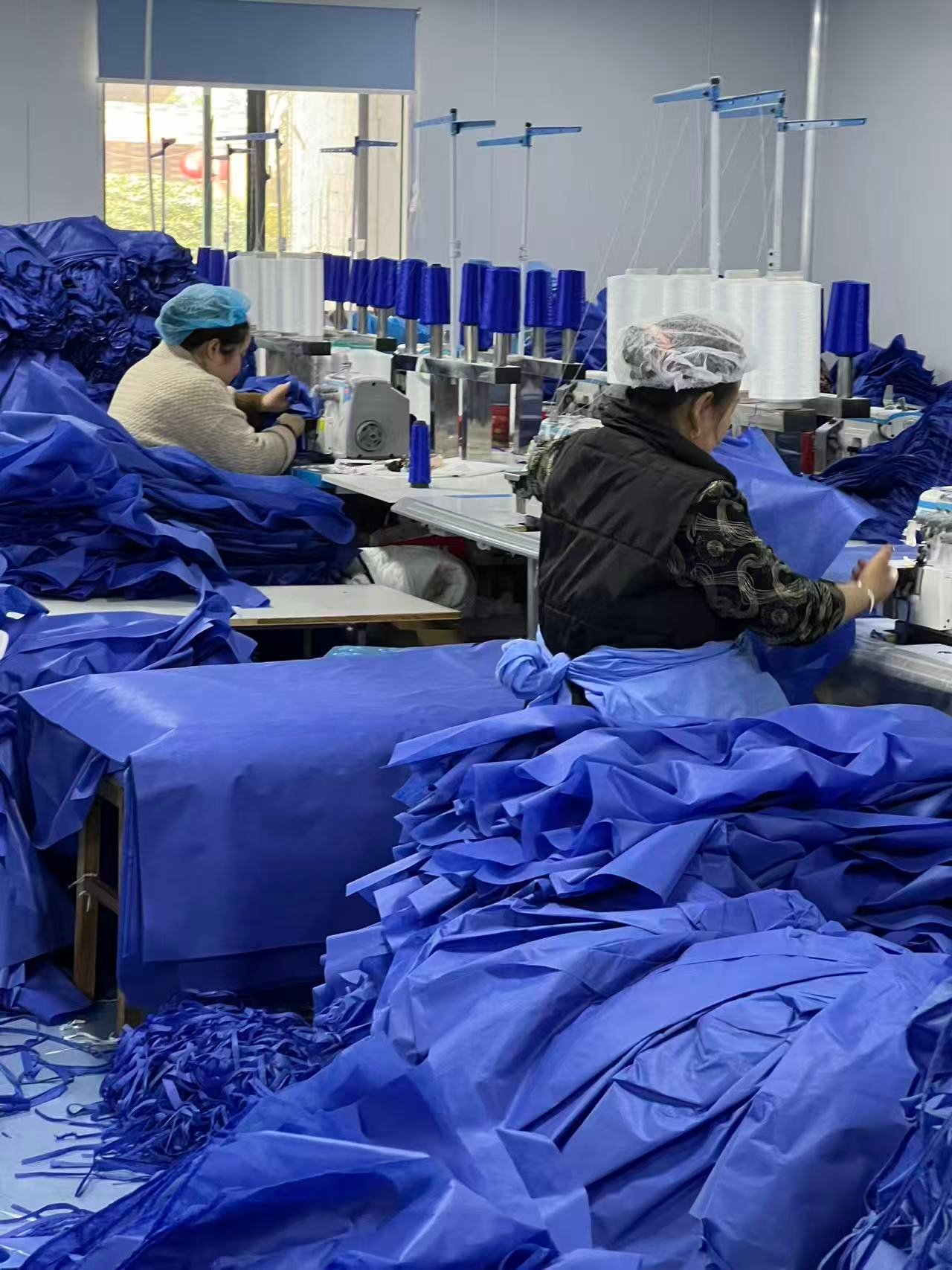
The finished fabric is cut into standard bed sheet sizes. The edges are hemmed, an elastic is added for fitted sheets, and stitching is completed. This transforms the raw fabric into recognizable bedding products.
Step 13: Quality Control and Inspection
Each and every batch of the bed sheet goes through stringent quality checks, for example, manufacturers like BKAMED inspect for:
- Any defects in the fabric
- Stitching accuracy
- Consistency in the color
- Size compliance
Note: This ensures B2B purchasers that the bed sheets are of consumer and industry standard.
Step 14: Packaging and Distribution
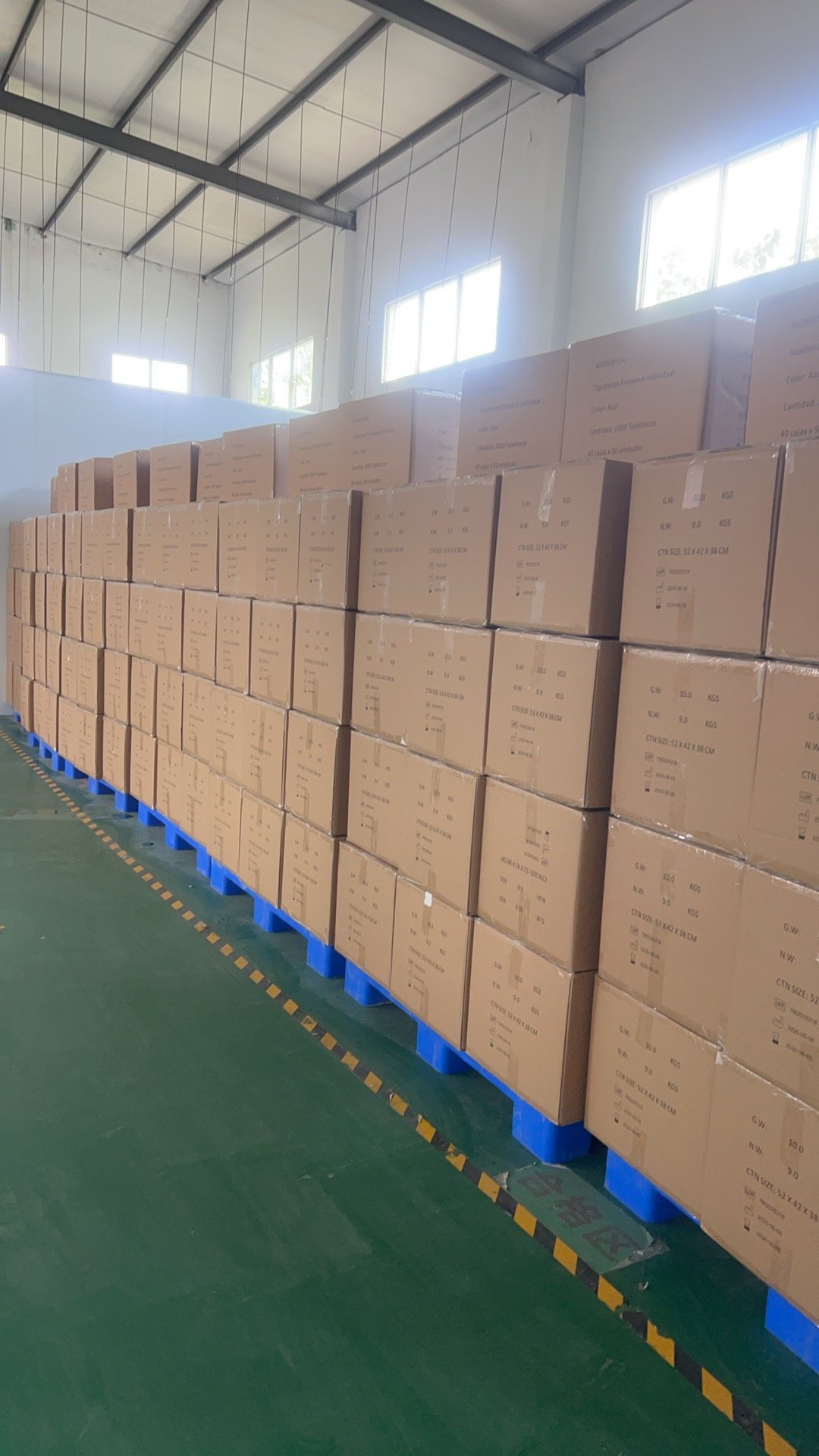
Finally, the bed sheets are folded and packaged ready for shipping. These are then shipped to wholesalers, retailers, hotels, hospitals or other to other B2B customers depending on the business model.
Bed sheet production is a highly engineered process that involves many aspects of textile innovation, automation, and quality control. From raw fiber to finished product, each and every step directly impacts patient comfort, durability, and hygiene.
For B2B buyers, this knowledge is helpful in identifying reliable bed sheet suppliers, verifying quality claims, and confirming quality claims and making sound purchase decisions.
Fabric Construction and Quality Indicators
-
Thread Count vs. Real Fabric Quality
Generally, thread count is the first thing B2B buyers notice. While the highest thread count feels softer, this doesn’t necessarily indicate a higher quality bed sheet. True value for B2B buyers is a combination of fiber, quality of yarn used, thread count, and the finishing.
A 300-thread-count sheet made from high quality long-staple cotton could be better than a 600-thread-count sheet with poor quality fibers. For other hospital textiles, the bed sheet requires durability, several days of use, washes, and disinfection.
-
Weave Types (Percale, Sateen, Twill)
The weave impacts patient comfort, performance, and durability of the bed sheet.
- Percale: It is a plain weave that is crisp and highly breathable, commonly used in hospital bedding because it is cool and durable to frequent cleaning.
- Sateen: It is a versatile weave with a softer feel but it is less breathable and may wear much quicker.
- Twill: It is a diagonal weave pattern renowned for its durability, less prone to wrinkling, and it might be a good choice for those who want long term use.
-
GSM and Fabric Weight
The weight of a fabric is measured in grams per square meter (GSM). This allows healthcare buyers to get an idea of how thick and heavy the sheet is and how much fabric was used in making it. Lighter GSM weights feel cooler and are more transparent, while heavier GSM weights are heavier and often stronger.
Medical applications for bed sheet vary in ideal GSM. Lighter sheets can save time and money when washed frequently, such as in general wards. But busy nursing units may require a higher GSM bed sheet to ensure longevity.
-
Durability, Shrinkage, and Colorfastness
Another important quality indicator for hospital bed sheets is their durability. The fabric needs to maintain its shape, softness, and strength even after several cleans. It is also important that the sheets do not shrink, because poorly manufactured bed sheets can shrink down and become too small to fit.
The sheets should also be colorfast, particularly if they are multicoloured or part of a departmental system. They should maintain their appearance after being washed in hot water, detergent, and disinfectants. These are the factors affecting replacement, operating and maintenance costs for B2B buyers.
BKAMED (Hubei Baikang Medical Instrument Co., Ltd.): The Most Reliable Bed Sheet Manufacturer in China

Today, global healthcare buyers are under pressure to source bed sheets that meet strict hygiene, durability, and cost-efficiency standards. Medical establishments such as clinics and hospitals, and distributors, no longer consider bed sheets just as textiles.
They treat them as a critical component of infection control, patient comfort, and budget management. One of the leading, consistent manufacturers in China is BKAMED (Hubei Baikang Medical Instrument Co., Ltd.) delivering quality, compliance, and growth.
A Firm Manufacturing Foundation and Industry Experience
BKAMED’s experience in manufacturing is an essential backbone for exporting to overseas. BKAMED has over 30 years of experience manufacturing medical consumables. This is why such an experience is essential for manufacturing bed sheets, because medical textiles are a critical process starting from the raw material, manufacturing, sterilization and packaging.
BKAMED’s production is not like a common textile factory. This means that production processes are focused on meeting medical conditions — not only just for aesthetics or comfort.
Moreover, it ensures batch production of high quality with its modern factories and production lines. This means large orders can be fulfilled consistently, often important for hospitals and distributors that have numerous orders to fill.
Various Types of Bed Sheet Products
Another aspect BKAMED’s quality is mastering the production of multiple varieties of medical bed sheets for different health centres. It offers disposable covers and fitted bed sheets made from non woven materials such as polypropylene (PP), spunbond, meltblown, spunbond (SMS) and polyethylene coated (PE-coated) materials among other things.
They are commonly used in:
- Hospitals and surgical centers
- Clinics and outpatient facilities
- Nursing homes and long-term care facilities
- Ambulances and mobile units
Key Product Features
- Breathable and comfortable materials
- Water and oil resistant to protect mattresses
- Stretchable edges for fit
- Disposable option to avoid the cost of laundry and recontaminations
This makes B2B purchasing decisions easier by sourcing bed sheets that align with their business priorities such as infection control, cost reduction and/or ease of use.
Compliance with Global Medical Standards
Compliance is important for medical products. BKAMED meets global requirements, like:
- ISO 13485 certification: Medical devices — Quality management systems
- CE marking for distribution in Europe
- Meeting U.S. FDA regulations to sell to America
These are signs that the company follows the manufacturing practices including:
- Controlled production environments
- Traceability of raw materials
- Sterilization and contamination control
- Documented quality assurance processes
This is a limited risk for procurement managers. So they can be confident that the bed sheets are compliant with regulatory approvals for different markets without additional certifications or testing.
Integrated Quality Control Systems
BKAMED takes quality control seriously (it provides a safe bet when purchasing). It has an integrated quality control system, and a large QC staff. All batches of products are tested for:
- Material strength and durability
- Absorbency and breathability
- Microbial safety
- Packaging integrity
This level of control guarantees product shipments perform. Health care seeks consistency. Inconsistencies in the fabric or other aspects of variable performance can lead to problems such as discomfort or increased risk of infection.
Global Export Experience and Supply Chain Strength
Global export is one indicator of good quality BKAMED products. It has established export markets in over 60 European, African, Asian and American countries.
This shows a number of capabilities:
- Logistics: Ability to manage transportation, documentation and customs
- Market knowledge: Also awareness of different clinical and regulatory demands
- Scalability: Capability to support repeated and large orders
B2B buyers benefit from a reliable exporter as they can access products timely and have efficient procurement processes.
OEM/ODM and Customization Capabilities
Personalisation plays an important role in the competitive and sophisticated healthcare sector. BKAMED offers customers the option to obtain OEM/ODM bed sheets customised based on:
- Size and dimensions
- Material specifications
- Packaging and branding
- Sterilization requirements
This is particularly critical for private label products, hospital consortia, distributors and other wholesalers. Customized products enable healthcare purchasers to develop products specific to their needs while remaining safe and effective.
Fast Lead Times and Flexible Orders
Speed and agility are important for the healthcare industry. BKAMED has quick lead times, typically 15-17 days for bulk orders.
It also offers:
- Low minimum order quantities (MOQ)
- High-volume production for large contracts
- Quick turnaround for emergency orders
BKAMED’s adaptability means it can cater to small distributors and large healthcare organisations.
Cost-Effectiveness Without Compromising Quality
China is still the epicentre of medical textile production because of its seamless supply chain and manufacturing. BKAMED takes advantage of this to provide cost-effective solutions.
Rather than pursue a low-cost strategy, the company adopts value-based sourcing, which involves:
- Certified quality
- Reliable delivery
- Long-term durability
This lowers total cost of ownership for B2B buyers. Reduced product failure rates and reliable performance reduce downtime and the need for replacements.
Reputation in the Medical Supply Market
BKAMED is well known as a consistent supplier of medical consumable products such as gauze, bandages and nonwovens. Industry data point to its:
- Product consistency
- High customer satisfaction
- Repeat international orders
This reputation extends to its bed sheet offerings, which benefit from the same manufacturing standards and quality systems used across its product lines.
Why BKAMED Stands Out
Among the hundreds of companies offering medical bed sheets, BKAMED stands out for its:
- Decades of manufacturing expertise
- Certified production processes
- Global export capability
- Flexible customization options
- Consistent product quality
These factors position the company as a reliable partner for healthcare buyers in 2026.
So, when purchasing bed sheets it is no longer about price alone. Procurement needs to work with a company that complies with healthcare regulations, has quality assurance, and maintains supply chain continuity.
BKAMED meets these needs with their vertically integrated production, compliance and global scale. With disposable sheets, fitted sheets to assist with infection control and private labels, the company delivers the stability and scale required for the highly evolved healthcare industry.
Standards and Certifications for Bed Sheets
Like other consumer products, certifications and regulations for bed sheet manufacturing are required to ensure quality, safety and marketability. These products must be compliant with regulations and textile standards to ensure they are safe for use, durable, and able to meet international trade requirements.
1. OEKO-TEX Certification
OEKO-TEX Certification ensures textiles are free from harmful chemicals and safe to use.
Typically, it covers:
- Testing for harmful chemicals and contaminants
- Skin safety for direct contact textiles
- Complies with chemical safety standards
Hospital bed sheets have prolonged direct contact with patients’ skin. OEKO-TEX certification guarantees bed sheets are non-irritating and don’t contain harmful chemicals, ensuring patient safety and compliance with standards.
2. GOTS (Global Organic Textile Standard)
The Global Organic Textile Standard (GOTS) is for sourcing organic material and sustainable production. This certification covers:
- Organic material (cotton)
- Eco-friendly processing and dyeing
- Social and labor compliance
For the eco conscious healthcare industry buyers, the GOTS certified bed sheets are traceable from raw materials to the finished product. This is increasingly important to the ESG (Environment, Social, Governance) policies of hospitals and other organisations.
3. ISO Standards
ISO certifications are standards taken up by bed sheet manufacturers for quality control, for example, common these includes:
Partnering with an ISO certified bed sheet manufacturer demonstrates process consistency, traceability, and risk control. For B2B purchasers, this means that the quality of bed sheets is consistent and in large quantities.
4. US FDA approval
U.S FDA regulations apply to some medical textiles, particularly if the textiles are for clinical or surgical applications.
The FDA approval involves:
- Product registration (where required)
- Meeting safety and labeling standards
- Good Manufacturing Practices (GMP)
If you’re exporting or selling bed sheets in the U.S. medical market, FDA compliance guarantees that your products adhere to stringent safety and regulatory specifications.
5. EU import standards
The EU market has strict standards for textiles and medical products. Key frameworks include:
- REACH (chemical safety regulation)
- MDR (Medical Device Regulation, if applicable)
- CE marking for some medical textiles
Meeting EU standards means:
- Market access across European countries
- Reduced risk of shipment rejection
- Environmental and safety standards assurance
Why Medical-Grade Compliance for Hospital Bed Sheets is Essential
Medical-grade compliance is more than just fabric quality. It guarantees hospital bed sheets are suitable for medical use.
Key benefits for B2B buyers:
- Patient Safety: Lowers the risk of allergic reaction, infection and irritation
- Hygiene: Assists with hygiene programs in health care facilities
- Toughness to sterilisation: Resists high-temperature cleaning and sterilising
- Regulatory Approval: Enables entry into global healthcare markets
In the real world, healthcare buyers also favour suppliers who offer multiple certifications, such as OEKO-TEX, ISO and FDA or EU approval to provide reassurance of quality across the board.
Future Trends in Bed Sheet Manufacturing
The bed sheet industry is changing fast due to sustainability concerns, growing demand for healthcare services, and technological innovations in textiles. For B2B buyers, these trends are not just innovations — they directly influence procurement strategies, compliance requirements, and long term cost structures.
1. Sustainable Materials and Eco-Certifications
Sustainability is no longer optional. It’s an essential element of the procurement strategy of global health care systems. BKAMED and other manufacturers are now moving to:
- Organic cotton and recycled polyester
- Bamboo, hemp and bio-fibers
- Compostable and biodegradable non-woven fabrics
This change comes both from regulatory shifts and hospital ESG objectives. OEKO-TEX and GOTS certifications are becoming the showcase of sustainable and traceable sourcing.
Also operations are being optimised. Companies are using water-efficient dyeing processes, minimal use of chemicals and low energy production. Now, B2B customers are increasingly expecting sustainable bed sheets in their contracts and tenders worldwide.
2. Growth in Healthcare Textile Demand
The market for hospital bed sheets is also steady growing in response to health-care dynamics. Key drivers include:
- Aging global population
- Higher hospital admissions and diseases
- Greater healthcare infrastructure in developing countries
- Improved infection control measures
The global healthcare textile market continues to grow, supported by rising hygiene standards and patient care expectations.
Moreover, demand for hospital bed linen is linked to: greater numbers of surgical procedures, use of disposable and sterile textiles, as well as the growth of assisted living and home healthcare. Therefore, bed linen is projected to remain one of the fastest-growing segments in healthcare textiles, with strong demand for both reusable and disposable solutions.
3. Automation and Smart Textiles
Technology is transforming bed sheets from passive products into functional healthcare tools.
- Automation in Manufacturing and Supply Chains
Manufacturers are adopting:
- Computerised cutting and sewing
- Robotic folding and packaging
- Digital inventory tracking
Automated management of linens is also being introduced in hospitals to save money on staff and increase productivity.
-
Smart and Functional Textiles
The long-term future is smart textiles. Emerging capabilities include:
- Sensors that track patient activity and vital signs
- Incontinence sensors to detect moisture
- Temperature-regulating fabrics
- Antimicrobial and self-cleaning materials
These technologies enhance patient safety and monitoring, disease prevention, and critical care efficiencies. Smart sheets are emerging in the market, but have high growth potential and clinical value.
Final Thoughts
Choosing the right bed sheets for medical purposes is crucial for patient comfort, safety and well-being. When purchasing bed sheets, ensure that you select the right type of bed sheet by considering various factors including the composition of the bed sheet, size, thread count and allergen-free properties.
It’s also necessary to consider bed sheets that are easy to maintain and manage. This helps to avoid risks of infection and bed sores.
Frequent bed sheet changes and laundering are necessary to ensure good hygiene and prevent contagions. By prioritizing quality bed sheets designed to meet the demands of the health care industry, hospitals can offer patients a safe and comfortable place to rest.
Partner With BKAMED Today for High Quality and Innovative Bed Sheet Solutions
When you are buying large quantities of hospital bed sheets, quality and compliance is as important as cost. BKAMED is an alternative to B2B buyers who are looking for quality, reliability and the ability to personalise.
The company employs a vertically integrated production model, allowing greater control over sourcing, yarn (twill), and product quality. This reduces difficulties in the supply chain management, and enables execution of large orders with guaranteed quality — a must for hospitals, distributors and procurement professionals.
So, want to eliminate additional procurement costs, enhance quality, and save money? Trust BKAMED. We’ll help you find an effective and sustainable solution for your bed sheets. Contact us today, and learn more about our high quality and innovative bed sheets for health care.
