The global wound care market was valued at USD 26.3 billion in 2025 and is projected to grow from USD 27.7 billion in 2026 to approximately USD 47 billion by 2035. This reflects a rising demand for reliable medical devices, including wound management products.
With so many manufacturers out there making these products for the ready market, procurement teams all over the world now have the unenviable challenge of combing through the endless list of suppliers to find just the right one for the tender. Procurement teams sourcing zigzag gauze rolls have to face the same challenge of comparing manufacturers, verifying compliance standards, evaluating quality, all while negotiating for competitive pricing, and avoiding unnecessary risks.
This article will guide the procurement teams through this process. Whether you are a hospital procurement manager, medical distributor, importer, or healthcare supplier, you will learn how zigzag gauze rolls are manufactured, what BP, USP, and EP standards mean, how OEM customization works, how to evaluate suppliers, and how to navigate the sample request process before placing a bulk order.
What Is a Zigzag Gauze Roll and Who Buys It?

Zigzag gauze rolls are very common in the healthcare supply chain because they are a combination of convenience, efficiency, and clinical versatility. Taking your time to understand how these products are designed and who should purchase them is the first important step toward making informed sourcing decisions.
A Zigzag Gauze Roll is a folded cotton gauze product that is designed to dispense continuously without requiring you to unwind or unroll an entire roll. Instead of being wound around a core like a traditional gauze roll, the gauze is folded back and forth in a zigzag pattern. That’s where the name comes from.
This folding method allows healthcare professionals to only pull out the amount of gauze they need for a specific procedure. As a result of this, there is little waste. The design of this product improves handling efficiency in clinical settings.
Most zigzag gauze rolls are made from absorbent cotton and are typically supplied in either sterile or non-sterile formats, depending on the clinical purpose. These products are often used for wound dressing, first aid, wound packing, and surgical procedures.
Additionally, hospitals and healthcare providers usually prefer zigzag formats because they are so easy to store and use. This practical advantage is the reason why demand for these products remains high across both developed and emerging healthcare markets.
How Zigzag Folding Works
Unlike ordinary rolled gauze, zigzag gauze is folded into connected layers that unfold sequentially as material is pulled from the package. This design gives the user better control during application. The medical staff can easily determine the required length quickly without unfolding the unnecessary portions of the product. This is why waste is reduced, since you only use what you need.
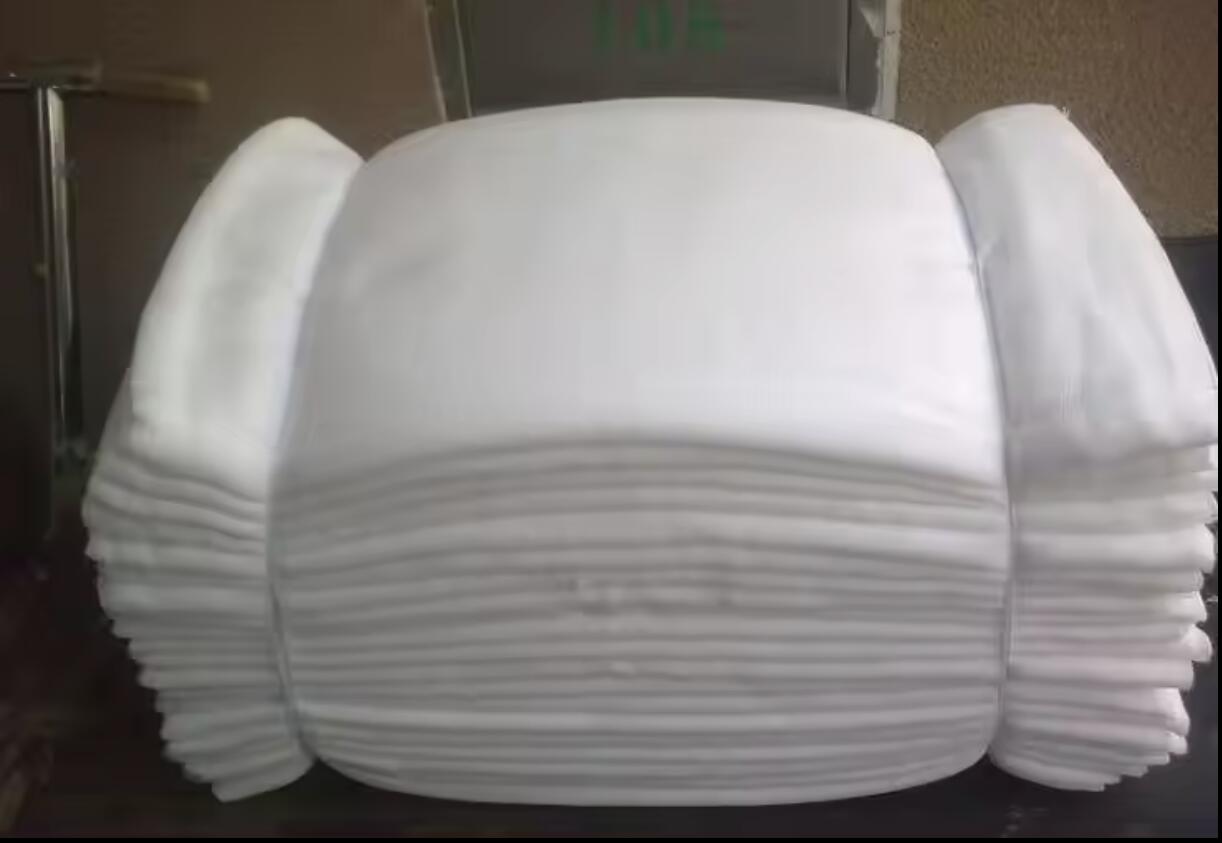
Moreover, touching only what you need when unfolding it can help reduce contamination risks because only the section being used is exposed during dispensing. In busy, highly risky healthcare environments where efficiency matters, this small design difference can have a meaningful impact. Consider an environment where doctors are trying to contain a contagious virus such as Coronavirus or Ebola.
For the distributors and procurement teams, fully understanding this structural difference is important because it explains why users would prefer it over other rolled gauze. Understanding its design will also help distributors and procurement teams come up with appropriate packaging requirements and product positioning.
Common Medical Applications
Zigzag gauze products are used in several medical situations.
The main medical settings where they are used include:
- Primary wound dressing
- Secondary wound dressing
- Wound packing
- Surgical procedures
- Trauma care
- Emergency response kits
- First aid supplies
- Post-operative wound management
Since zigzag gauze rolls can be used in different healthcare settings, they remain popular.
Who Typically Buys Zigzag Gauze Rolls?
There are many buyers of the zigzag gauze rolls. These include:
- Public hospitals
- Private hospitals
- Medical distributors
- Healthcare wholesalers
- Government procurement agencies
- NGOs and humanitarian organizations
- Emergency response suppliers
- Pharmacy chains
- Medical product importers
As expected, hospitals look keenly into a product’s performance and compliance with the standard regulations. On the other hand, distributors generally give priority to competitive pricing, packaging flexibility, and supply reliability, while government agencies may focus more on certifications and tender requirements.
As you can see, purchasing priorities vary significantly. Therefore, manufacturers must offer flexible product options that can satisfy different market demands.
That said, understanding who buys zigzag gauze rolls will naturally lead to another important question: how do these products compare with traditional gauze rolls? Let’s consider that next.
Zigzag vs Regular Gauze Roll: Key Differences
Although both zigzag and regular gauze rolls serve similar clinical functions, there are important differences that affect their usability, storage, procurement considerations, and even end-user preference.
Here are the key differences:
Folding Design
The most obvious difference is in how the two are designed. A traditional gauze roll is typically wound around itself into a cylindrical shape.
A zigzag gauze roll, on the other hand, uses an interfolded configuration that allows continuous dispensing. As already stated, this construction design improves ease of use while reducing the need to touch much of it during use.
Ease of Dispensing
Hospitals have to deal with many emergency cases, where even ten wasted seconds can be a matter of life or death. That’s why the ease of getting the gauze out or dispensing efficiency is often a deciding factor for healthcare facilities.
Traditional rolls sometimes require users to unwind more material than necessary before cutting or separating the length they need at the moment. This can waste time. But zigzag products do not create much of this inconvenience.
Consequently, many healthcare providers would rather use zigzag formats in busy treatment areas where speed and efficiency are important factors.
Infection Control Considerations
For hospitals and healthcare suppliers, the clinical reality is clear: infection is the leading complication of open wounds. It is exactly why the quality of wound dressing materials is non-negotiable.
Preventing infection is one of the priorities of any healthcare setting. Because zigzag products expose only the section being dispensed, they help reduce unnecessary handling of unused portions. This means you are not touching the rest of the gauze, and that helps keep everything clean.
Storage and Packaging Efficiency
How well medical devices are stored or packaged is a great concern to both healthcare providers and distributors. The good thing about zigzag configurations is that they often fit neatly into compact packaging formats. This can make them easier to store or move around.
For wholesalers who manage large stocks, this ease of storage and transportation means lower warehousing costs and better inventory organization.
So, Which Option Is Better for Different Applications?
It’s not a matter of which gauze is better than the other. Which option you finally go for between zigzag and regular gauze rolls will depend mainly on:
- Clinical preference
- Intended application
- Packaging requirements
- Distribution strategy
- Procurement objectives
For example, first aid gauze roll zigzag cut products may be preferred for emergency kits because they are easy to dispense, as already discussed. Meanwhile, some healthcare facilities continue to use the traditional rolls based on established protocols that they are not yet ready to change. They are just used to them, that’s all.
Table: Zigzag Gauze Roll vs Traditional Gauze Roll
| Feature | Zigzag Gauze Roll | Traditional Gauze Roll |
|---|---|---|
| Dispensing Method | Interfolded | Rolled |
| Ease of Use | High | Moderate |
| Storage Efficiency | High | Moderate |
| Material Access | Controlled | Less Controlled |
| First Aid Applications | Excellent | Good |
| Waste Reduction | Better | Moderate |
By understanding and appreciating these differences, buyers can then identify the right product type to order.
But how do you evaluate the technical specifications that determine product quality and performance? Let’s answer that in the next step.
Standard Specifications for Zigzag Gauze Rolls
Taking the time to understand the technical specifications is essential when comparing suppliers. Although many manufacturers offer similar-looking products, don’t assume they are really the same. Differences in cotton quality, mesh count, ply construction, and packaging may seem minor but can significantly influence product performance, pricing, and regulatory compliance. Procurement managers should therefore evaluate specifications carefully before requesting quotations.
These are the specifications to have an eye on:
Cotton Quality

Every high-quality gauze you can think of has cotton as the primary raw material. Cotton’s legendary purity, together with its fiber length, directly influences its absorbency, softness, durability, and overall performance, as long as the right processing methods are applied.
Most zigzag gauze rolls used in the medical industry are made from 100% cotton that has been cleaned and bleached to remove impurities, waxes, and natural oils.
These processes are meant to improve the cotton’s ability to absorb and retain fluids while creating the clean white appearance expected in medical settings.
An absorbent zigzag cotton gauze roll manufacturer should also make sure the final product does not have whitening agents like fluorescent agents or too many chemical residues. Depending on the market the product is destined for, buyers may request laboratory reports to verify compliance with applicable pharmacopeia standards.
Additionally, cotton quality influences user comfort, so its choice is not all about absorbency. Softer fibers are less irritating when they come into contact with damaged skin, which makes high-quality cotton ideal for taking care of wounds over time.
Mesh Counts
Mesh count refers to the number of threads woven within a specified area of the gauze fabric. It is one of the most important technical specifications a buyer needs to understand well because it affects absorbency, strength, flexibility, and airflow.
For instance, lower mesh counts generally produce a more open fabric that absorbs fluids quickly, while higher mesh counts will provide greater strength and a smoother surface.
Some common mesh counts are:
- 19 × 10
- 19 × 13
- 24 × 20
- 26 × 18
- 28 × 24
- 30 × 20
- 30 × 30
- 40 × 40
The appropriate mesh count you choose depends on the intended clinical application. For example, hospitals that mostly perform surgical procedures may specify different mesh configurations than organizations purchasing gauze just for first aid kits or general wound dressing.
Consequently, procurement managers should avoid the mistake of requesting quotations based solely on product dimensions. Let mesh count always be included in the product specification so as to get the right zigzag gauze rolls.
Ply Options
Ply refers to the number of fabric layers in a gauze. It is another important specification that should not be overlooked.
Manufacturers typically offer:
- 4-ply
- 8-ply
- 12-ply
- 16-ply
The more the number of plies, the higher the capacity of absorbency and durability of the product. However, additional layers also mean an increase in product weight and manufacturing costs.
Again, preference depends on intended clinical requirements and budget. For example, a healthcare facility treating wounds with moderate to heavy exudate may prefer higher-ply products because they provide greater fluid retention. On the other hand, first aid applications often require lighter constructions that balance absorbency with cost efficiency.
Width and Length Options
Zigzag gauze rolls come in different widths and lengths. So medical facilities and distributors usually purchase them in various sizes.
Common widths include:
- 5 cm
- 7.5 cm
- 10 cm
- 15 cm
- 20 cm
Available lengths may include:
- 5 m
- 10 m
- 20 m
- 50 m
- 90 m
- 100 m
But many manufacturers also provide customized dimensions for OEM projects, so that no one is locked out. A customized one is likely to come at an additional cost.
When requesting quotations, the procurement managers should clearly specify:
- Width
- Length
- Mesh count
- Ply
- Sterility requirements
- Packaging preferences
By providing complete specifications, the manufacturers can then prepare accurate quotations. This reduces the likelihood of costly production errors.
Sterile vs Non-Sterile Options
Zigzag gauze rolls are also available in both sterile and non-sterile formats. Sterile gauze is a must for procedures where keeping an area sterile is crucial, like in surgical wound care and invasive treatments. These products are sterilized using approved processes such as ethylene oxide (EO) or gamma irradiation before being sealed in sterile packaging.
On the other hand, non-sterile gauze is for general wound cleaning, secondary dressings, first aid kits, and applications where sterilization is not necessary.
Once more, the selection between sterile and non-sterile should always be based on the intended medical application instead of the cost alone. Local regulations and customer requirements may also determine the choice.
X-Ray Detectable Options
Certain healthcare facilities require gauze products that can be identified during medical imaging procedures. A zigzag gauze that is detectable on X-ray has a radiopaque thread that becomes visible when examined under X-ray.
The reason some healthcare facilities insist on zigzag gauze that is detectable on X-ray is that the feature helps reduce the risk of mistakenly retained surgical materials during operative procedures.
Although such types of zigzag gauze rolls are not required for every clinical use, radiopaque products are commonly specified by hospitals, surgical centers, and operating theatres. So the procurement managers representing these facilities should confirm whether radiopaque options are required before placing production orders.
Packaging Configurations
Packaging is more than just a part of logistics consideration or what’s presentable to the customer. It helps to protect the product as well as with inventory management. Regulatory compliance also has to be considered when deciding the appropriate packaging.
Manufacturers commonly offer the following options to choose from:
- Individual sterile pouches
- Bulk non-sterile packaging
- Printed retail packaging
- Hospital bulk cartons
- Distributor packaging
- OEM private label packaging
Whichever packaging one goes for, its specifications should include labeling requirements, barcode placement, carton dimensions, and language preferences where applicable.
Discussing these requirements with the supplier during the quotation stage helps prevent unnecessary production delays later.
Table: Common Specifications for Zigzag Gauze Rolls
| Specification | Typical Options |
|---|---|
| Material | 100% Absorbent Cotton |
| Mesh Count | 19×10 to 40×40 |
| Ply | 4, 8, 12, 16 |
| Width | 5 cm, 7.5 cm, 10 cm, 15 cm, 20 cm |
| Length | 5 m to 100 m |
| Sterility | Sterile or Non-Sterile |
| X-Ray Thread | Optional |
| Packaging | Individual, Bulk, OEM Private Label |
Technical specifications are about the physical characteristics of a zigzag gauze roll. However, buyers should take the time to verify whether those products really comply with internationally recognized pharmacopeia standards, which is the focus of the next section.
BP, USP, and EP Compliance
When sourcing medical gauze products, the procurement teams must take into account the internationally recognized pharmacopeia standards, which must be complied with. It is these standards that define what qualifies as high-quality raw material, the right manufacturing processes, and the ideal performance of the finished product.
These benchmarks, when adhered to, help buyers determine that the products they import meet the expectations of healthcare providers and regulatory authorities.
What Is BP?
BP stands for the British Pharmacopoeia, which is one of the world’s most respected collections of quality standards for medicines and medical materials. Products that are manufactured to BP specifications must, by default, comply with the set requirements relating to composition, purity, construction, and testing.
For manufacturers supplying the United Kingdom, many Commonwealth countries, and other international markets, BP compliance is usually an important purchasing requirement.
A zigzag gauze roll product of BP USP standard gives the buyers much confidence that consistent quality has been maintained throughout production.
Additionally, BP standards make it easier for buyers to compare products from different suppliers using objective benchmarks rather than marketing claims, which are sometimes misleading.
What Is the USP?
USP refers to the United States Pharmacopeia, which is an independent organization that develops quality standards for medicines, healthcare products, and medical materials used throughout the United States and many international markets.
In this case, USP standards help ensure that medical gauze products meet established requirements for absorbency, cleanliness, purity, and manufacturing quality. Importers supplying North America often request USP-compliant gauze because healthcare institutions and distributors recognize these standards as the only reliable indicators of product quality.
Moreover, many manufacturers produce gauze that complies with both BP and USP requirements to be able to serve these markets. It also allows buyers to source products suitable for multiple export markets through a single production line.
What Is the European Pharmacopoeia (EP)?
The European Pharmacopoeia, commonly shortened to EP or Ph. Eur., establishes harmonized quality standards used across many European countries. Just like BP and USP, EP specifies testing methods and technical requirements for medical materials, including absorbent cotton and gauze products.
For the companies that export into Europe, EP compliance can help simplify regulatory processes because many European buyers expect suppliers to manufacture products according to recognized pharmacopoeia standards.
Consequently, procurement managers have the responsibility to determine which pharmacopoeia standards apply to their destination markets before requesting quotations.
Why These Standards Matter
Some buyers assume that all cotton gauze products perform similarly. That’s not true. But it’s these set standards that ensure that the products entering these markets at least meet basic expectations. Buyers can compare suppliers using measurable quality benchmarks instead of relying solely on product brochures or pricing.
These standards are in place to help verify that products satisfy established requirements for:
- Cotton purity
- Absorbency
- Construction quality
- Cleanliness
- Manufacturing consistency
- Testing procedures
How Buyers Can Verify Compliance
A manufacturer may claim that their products meet the BP, USP, or EP requirements when a test would prove they don’t. So, buyers should be able to verify such claims before placing any order. But how do you verify that the products comply with the BP, USP, or EP?
Here are some of the documents to request as part of the verification:
- Current compliance certificates
- Product technical data sheets
- Material specifications
- Laboratory test reports
- Certificates of analysis
- Quality inspection records
Additionally, procurement managers should confirm that documentation applies specifically to the products being purchased rather than assuming it covers an entire product catalog.
Table: Comparison of Major Pharmacopeia Standards
| Standard | Primary Region | Focus | Typical Buyers |
|---|---|---|---|
| BP (British Pharmacopoeia) | United Kingdom and many Commonwealth markets | Medical product quality and testing | Hospitals, distributors, and government tenders |
| USP (United States Pharmacopeia) | United States and international markets | Quality, purity, and performance standards | Importers, healthcare suppliers, hospitals |
| EP (European Pharmacopoeia) | European countries | Harmonized pharmaceutical quality standards | European distributors, medical importers |
Certifications Required for Key Export Markets
Meeting BP, USP, or EP standards is a demonstration that a given product is of quality, but that’s not enough. International buyers should also verify that their supplier holds the certifications required for the destination market. The following are the certifications:
ISO 13485
ISO 13485 is the quality management system recognized internationally as the standard for medical device manufacturers. It clearly specifies the requirements manufacturers have to meet to produce medical products that consistently comply with customer and regulatory expectations.
For the procurement managers, the availability of ISO 13485 certification provides confidence that the manufacturer follows documented procedures covering production, quality control, traceability, risk management, corrective actions, and continuous improvement.
Indeed, many hospitals, distributors, and government procurement agencies consider ISO 13485 certification a minimum requirement when they are evaluating potential suppliers.
CE Certification
For many European markets, CE marking is an important regulatory requirement. This marking confirms that a medical product is in compliance with all applicable European Union regulations that concern safety, performance, and quality. Manufacturers may be required to undergo conformity assessment procedures before they can place any products on the European market. The assessment depends on the product classification and applicable regulations.
When it comes to sourcing cotton zigzag gauze CE ISO certified products, buyers should confirm that the CE documentation applies specifically to the product being purchased rather than assuming it covers every item in the manufacturer’s price list.
Additionally, importers should review the Declaration of Conformity and supporting technical documentation where applicable.
FDA Considerations
Companies that supply the United States market with products should also take the time to understand applicable U.S. Food and Drug Administration (FDA) requirements.
Although FDA requirements vary depending on product classification, manufacturers who export medical dressings to the United States may have to comply with establishment registration, device listing, labeling requirements, and other applicable regulations.
Therefore, buyers who are targeting the U.S. market should discuss FDA-related documentation with potential suppliers early in the sourcing process.
By clarifying these requirements before production begins, shipment delays or regulatory complications that may come later can be avoided.
Country-Specific Registration Requirements
Each country has a level of regulatory framework unique to itself. So it’s good to go beyond the above internationally recognized certifications since many markets require additional product registration, importer licensing, local representation, or documentation.
For example, buyers may face additional registration requirements in regions such as:
- Southeast Asia
- Latin America
- The Middle East
- Africa
Since regulations continue to be updated or new ones drafted, procurement teams should always verify current import requirements with local regulatory authorities before placing large production orders. Things might have changed overnight.
Table: Certification Requirements by Major Export Market
| Export Market | Common Certification Requirements | Additional Considerations |
|---|---|---|
| European Union | CE Marking, ISO 13485 | MDR compliance and technical documentation |
| United States | ISO 13485, FDA requirements where applicable | Device listing and labeling requirements |
| United Kingdom | UK regulatory requirements, ISO 13485 | Market-specific documentation |
| Middle East | Varies by country | Local product registration may be required |
| Southeast Asia | Country-specific regulatory approvals | Import licensing and registration requirements |
| Africa | Varies by country | National registration and import documentation |
Once buyers understand regulatory requirements, the next step is to determine whether a manufacturer can customize products to meet their branding, packaging, and market-specific needs. This is where OEM manufacturing becomes an important consideration. Let’s discuss this in the next section.
OEM and Custom Manufacturing Options
Many healthcare distributors and importers are not just looking for standard products. They also want medical items that promote their brand while also complying with local regulations and meeting the specific needs of their customers. It is in this area that OEM manufacturing creates value by giving buyers greater flexibility while maintaining consistent product quality.
Here are ways OEM and custom manufacturing options work:
Custom Sizes
Many healthcare providers prefer standard zigzag gauze rolls. However, some markets still need customized sizes. An experienced China zigzag gauze roll factory can make these products in widths, lengths, and mesh counts based on what each customer has specified. This openness helps distributors to offer products that fit what local clinics need or meet the tender requirement.
Custom sizing also reduces the need to stock multiple similar products, thereby improving inventory management. By having many similar products, buyers can get gauze rolls made for their needs. Instead of adapting their clinical practice to the clinical products already available in their locality, buyers can source gauze rolls designed for their target applications.
When requesting customized production, procurement managers should clearly specify:
- Desired width
- Desired length
- Desired mesh count
- Desired ply
- Sterility requirements
- Desired packaging configuration
- Applicable pharmacopeia standard
Providing these specifications helps avoid production errors and ensures quotes are accurate.
Custom Packaging
It’s so hard to hide the packaging. It will always be one of the first things healthcare buyers notice, particularly when products are sold through distributors or retail channels.
Manufacturers typically offer several packaging options to meet the different markets and distribution models across the globe. These may include:
- Individual sterile pouches
- Bulk non-sterile packaging
- Hospital supply cartons
- Retail-ready packaging
- Multilingual labeling
- Customized carton quantities
On top of these, buyers can also request specific barcode formats, instructions for use, and packaging artwork so as to comply with the regulations of the destination market. Proper packaging also protects product integrity throughout transportation and storage, making it an important consideration alongside product quality.
Private Label Branding
Private labeling enables distributors to market products under their own brand instead of the manufacturer’s name. This approach helps businesses strengthen their own brand recognition, build customer loyalty, and stand out in competitive healthcare markets.
Medical gauze roll zigzag OEM private label services commonly include:
- Company logo printing
- Custom product labels
- Branded packaging
- Instruction leaflet design
- Customized master cartons
- Market-specific artwork
For the wholesalers who supply hospitals and pharmacies, private labeling can result in long-term commercial value by creating a recognizable product portfolio. Consequently, many knowledgeable procurement managers consider branding capabilities when they compare potential manufacturers to partner with.
OEM Documentation and Regulatory Support
Customization goes beyond mere physical product changes. Manufacturers should also support OEM customers with the documentation required for product registration and international trade.
Depending on the destination market, procurement teams may request:
- Product specifications
- Technical data sheets
- Certificates of analysis
- Sterilization validation reports
- ISO 13485 certification
- CE documentation where applicable
- Product labeling files
- Packaging specifications
By being provided with the complete documentation early in the sourcing process, buyers are able to prepare regulatory submissions and reduce delays before commercial launch.
Experienced manufacturers also know that documentation requirements vary between countries. Therefore, they are always open to assisting buyers in preparing documentation packages that meet their specific markets.
Minimum Order Quantities (MOQ) for Customized Orders
Customized production usually involves new packaging materials, printing plates, artwork approval, production setup, and additional quality verification procedures. Therefore, OEM projects generally require larger minimum order quantities than standard catalog products.
Typical factors influencing MOQ include:
- Product dimensions
- Packaging complexity
- Printing requirements
- Private label customization
- Sterility requirements
- Number of product variations
Instead of seeing Minimum Order Quantities (MOQ) as a limitation, experienced procurement managers correctly see them as part of efficient production planning. Larger production runs help manufacturers reduce material wastage, improve efficiency in manufacturing, and even offer buyers more competitive unit pricing.
During quotation discussions, procurement managers should clearly state their expected annual purchasing volumes instead of just focusing on the first order. This information on expected annual purchasing volumes enables manufacturers to recommend the best production strategies that will balance inventory requirements with cost efficiency.
The Sample Request Process: Step by Step
Once customization requirements have been met, the procurement managers should next request product samples before they commit to full-scale production. Indeed, requesting samples is one of the most important stages of the sourcing process.
Why Do Samples Matter?
A sample gives buyers the opportunity to inspect the actual product before committing to mass production. This is particularly important when you are sourcing from a new supplier or purchasing customized products.
While product catalogs and technical specifications provide useful information, they cannot fully demonstrate how a gauze roll performs in real-world applications. But evaluating samples allows the procurement teams to independently verify quality, compare suppliers objectively, and reduce procurement risks before placing a bulk order.
For example, a zigzag gauze roll wholesale supplier may advertise similar specifications to another manufacturer, yet the finished products may not perform similarly in absorbency, softness, folding consistency, or packaging quality. It is the sample evaluation that can help you identify these differences early.
Additionally, samples provide an opportunity for hospitals, distributors, and procurement teams to get feedback from end users or consumers before making purchasing decisions.
Information to Include in a Sample Request
But the procurement teams must know what details to include in the sample request forms. A well-prepared sample request helps manufacturers provide products that accurately match buyer expectations.
So when submitting a zigzag gauze roll sample request in China, the procurement managers should include the following information:
- Product dimensions (width and length)
- Mesh count
- Number of plies
- Sterile or non-sterile requirement
- BP, USP, or EP compliance requirements
- Packaging preferences
- Intended export market
- Expected annual purchase volume
- OEM or private label requirements, if applicable
It is also helpful to explain the intended clinical application since a manufacturer can often recommend adjustments that improve product performance or reduce production costs without compromising quality.
How Samples Should Be Evaluated
Receiving a sample is not the end of the matter, but just the beginning. Procurement teams should follow a structured evaluation process to determine whether the product meets technical and commercial expectations.
For zigzag gauze rolls, areas to assess include:
- Cotton quality and softness
- Fold consistency
- Absorbency performance
- Mesh count accuracy
- Ply construction
- Product dimensions
- Packaging quality
- Label accuracy
- Overall workmanship
If the products are intended for hospital use, involving clinicians or wound care specialists in the evaluation process can provide valuable practical feedback. After all, they are the actual consumers in this context.
Furthermore, the procurement teams should compare the sample against the product specifications already supplied by the manufacturer. If there are any inconsistencies, they should ask the manufacturer to clarify before moving forward.
Common Sample Approval Mistakes
It so happens that some procurement teams unintentionally approve samples without conducting a thorough evaluation.
One common mistake procurement teams make is assessing only the appearance of the product. Although visual inspection is also important, they should also review technical documentation, packaging quality, and compliance certificates.
Another mistake is evaluating only one supplier instead of comparing samples from two or three manufacturers. Such a broad comparison often brings to light clearer differences in quality, construction, and overall value.
Procurement teams should also not assume that every batch of products will always match the approved sample. The approved sample should become the reference standard for future production.
Moving from Sample Approval to Production
Once a sample has been approved, the procurement teams should next record the agreed product specifications before they place a purchase order.
This documentation should include:
- Approved sample reference
- Product dimensions
- Mesh count
- Ply
- Cotton specifications
- Packaging artwork
- Labeling requirements
- Sterility requirements
- Applicable certifications
With sample approval out of the way, the next question is usually financial. How do manufacturers calculate pricing to enable procurement teams to evaluate quotations more effectively and negotiate from an informed position? Let’s discuss that next.
How Factory Pricing Is Calculated
When it comes to factory pricing, you certainly consider the cost of raw materials as the deciding factor. But factory pricing is more than the cost of raw materials. Every quotation is a reflection of a combination of production expenses, quality assurance requirements, customization, packaging, and logistics.
By understanding these cost drivers, the procurement managers can then compare quotations fairly and identify the best overall value rather than simply choosing the lowest price, as is sometimes the case.
That said, here are the factors that influence the calculation of factory pricing:
Raw Material Costs
Raw cotton is the largest cost component when it comes to manufacturing a zigzag gauze roll. The quality of the cotton directly affects its level of absorbency, softness, durability, and compliance with BP, USP, or EP standards. Generally, manufacturers who use premium 100% cotton usually incur higher production costs compared to those who use lower-grade materials.
In addition to cotton quality, fluctuations in global cotton prices can influence manufacturing costs throughout the year. The procurement teams planning long-term procurement contracts should therefore consider market conditions when negotiating the best pricing.
Moreover, products that require higher mesh counts or additional plies consume more raw materials, which in turn increases the cost of production.
Manufacturing Costs
Turning cotton into finished medical gauze involves several carefully controlled production stages.
These typically include:
- Cotton preparation
- Weaving
- Scouring and bleaching
- Drying
- Cutting and zigzag folding
- Quality inspection
- Packaging
Each stage, as expected, contributes to the overall factory price. Factors like labor costs, equipment efficiency, production volume, and factory automation also influence manufacturing expenses. Highly automated production lines usually improve consistency while reducing unit costs when it comes to large-volume orders.
Consequently, procurement managers should evaluate manufacturing capability alongside pricing instead of assuming that all factories operate at the same level of efficiency.
Sterilization Costs
Sterile zigzag gauze rolls require additional processing before they can be shipped.
Depending on customer requirements, manufacturers may use:
- Ethylene oxide (EO) sterilization
- Gamma irradiation
Both methods require validated procedures, specialized equipment, routine monitoring, and detailed documentation. These additional processes increase manufacturing costs for zigzag gauze rolls but provide products suitable for sterile clinical applications.
On the other hand, non-sterile products avoid these processing costs, making them a more economical option for applications where sterilization is not a requirement.
So when requesting quotations, the procurement teams should clearly specify whether sterile or non-sterile products are needed to avoid inaccurate pricing.
Packaging Costs
Packaging affects pricing in many ways than some buyers realize. For buyers looking for the most affordable option, standard bulk packaging is the way to go. However, customized retail packaging, multilingual labeling, private label printing, and specialized cartons all increase production costs, so they are pricey.
Packaging expenses may include:
- Individual pouches
- Printed labels
- Instructions for use
- Barcode printing
- Retail cartons
- Master cartons
- Pallet labeling
Although customized packaging increases unit costs, it can also improve brand recognition and simplify distribution within target markets. Therefore, procurement teams should see customized packaging as an investment rather than simply an additional expense for zigzag gauze rolls.
Shipping Costs
Transportation is another component of total procurement costs for zigzag gauze rolls. Shipping expenses depend on factors such as:
- Shipment volume
- Gross weight
- Packaging dimensions
- Destination country
- Transportation method
- Fuel prices
Sea freight generally provides the lowest transportation cost for bulk shipments of zigzag gauze rolls, while air freight offers significantly faster delivery for urgent orders. But as expected, air freight is comparatively more expensive than the sea freight option.
Additionally, procurement teams should consider customs duties, insurance, local transportation, and import fees when calculating the total landed cost of the zigzag gauze rolls.
Preparing an Effective RFQ
A Request for Quotation (RFQ) should be detailed enough to enable manufacturers to prepare accurate pricing during the procurement process.
A comprehensive RFQ should include:
- Product description
- Width and length
- Mesh count
- Number of plies
- Cotton specifications
- Sterile or non-sterile requirement
- BP, USP, or EP compliance requirements
- Packaging specifications
- Private label requirements
- Order quantity
- Destination market
- Delivery timeline
Providing complete information allows suppliers to recommend the most appropriate manufacturing solution while minimizing pricing revisions later.
Table: Information to Include in a Request for Quotation (RFQ)
| Information Required | Why It Matters |
|---|---|
| Product dimensions | Determines material usage and production planning |
| Mesh count | Defines construction and performance |
| Ply | Affects absorbency and manufacturing cost |
| Sterility requirement | Determines the sterilization process and validation |
| BP, USP, or EP standard | Confirms applicable quality requirements |
| Packaging specifications | Influences packaging materials and production costs |
| OEM or private label requirements | Determines customization needs |
| Annual purchase volume | Supports capacity planning and volume pricing |
| Destination market | Identifies regulatory and documentation requirements |
| Delivery schedule | Helps optimize production planning |
Pricing is only one part of supplier selection. A competitive quotation has little value if the manufacturer cannot consistently deliver high-quality products on time. Therefore, buyers should carefully evaluate potential suppliers before making a final sourcing decision. Let’s next learn how this should be done.
Evaluating Your Zigzag Gauze Roll Supplier
A procurement process can only be considered successful when it ends with the selection of the right supplier who will deliver the right products. So far, we have covered product specifications and pricing, among others. But all these do not yet provide complete information since they do not tell the whole story.
So the procurement teams should evaluate a manufacturer based on these guidelines to ensure they are partnering with a supplier capable of delivering consistent quality over the long term:
Manufacturing Experience
Experience usually speaks well for a manufacturer’s capability. A company that has produced wound care products for several years generally has well-established production processes, experienced technical teams, and mature quality management systems. Although years in business alone will not always guarantee quality, they can still reflect a manufacturer’s ability to adapt to changing market requirements and regulatory standards.
An inexperienced absorbent zigzag cotton gauze roll manufacturer is more unlikely to understand the technical expectations of hospitals, distributors, and government procurement agencies across different regions. But an experienced manufacturer of absorbent zigzag cotton gauze rolls is more likely to understand.
Additionally, manufacturers with broad export experience usually have stronger relationships with raw material suppliers and logistics partners. This can contribute to more stable production schedules and improved supply reliability.
Quality Management Systems
A robust quality management system in place helps to ensure that each batch of products meets the same standards.
Manufacturers who operate under the rules of ISO 13485 generally follow documented procedures covering:
- Supplier qualification
- Raw material inspection
- Production control
- Process validation
- Finished product inspection
- Corrective and preventive actions
- Product traceability
With these in place all the time, manufacturers will easily identify potential issues before products leave the factory. As a result, procurement managers can have greater confidence in long-term product consistency.
Production Capacity
A supplier should be able to meet all the demands, even when the same rises urgently or seasonally. A supplier who has sufficient production capacity is generally in a better position to support growing businesses and long-term supply agreements.
That’s why before placing a large order, buyers should understand a manufacturer’s:
- Monthly production capacity
- Number of manufacturing lines
- Factory size
- Workforce capability
- Peak production capacity
- Expansion capability
Export Experience
Suppliers who have been serving overseas customers tend to better understand export documentation, customs procedures, shipping regulations, and country-specific compliance requirements.
They are familiar with:
- Commercial invoices
- Packing lists
- Certificates of origin
- Bills of lading
- Inspection documentation
- Product registration support
This invaluable knowledge helps reduce administrative delays while improving the overall purchasing experience.
Moreover, manufacturers with established international customer bases usually understand the expectations of procurement managers across different healthcare systems.
Logistics, Packaging, and International Shipping Considerations
Even the highest-quality zigzag gauze roll can suffer supply chain challenges if packaging and logistics are not planned properly. For international buyers, shipping costs, packaging configurations, and storage conditions all influence the total landed cost of the product.
So, taking the time to understand the following factors helps procurement managers avoid unnecessary expenses while ensuring products arrive in the best condition possible:
Individual Packaging Options
Packaging requirements vary depending on the destination market and intended customer. Hospitals may prefer individually packed sterile products for immediate clinical use, while distributors usually purchase bulk-packed products for repackaging or redistribution. On the other hand, the retail markets may require printed cartons with instructions in different languages as well as branded labeling.
Common packaging options include:
- Individual sterile pouches
- Bulk non-sterile packaging in bulk
- Hospital supply packs
- Cartons ready for retails
- OEM private label packaging
When these details are defined early, production delays can be prevented as well as the avoidance of unnecessary redesign costs taht may arise later.
Inner Boxes and Master Cartons
Secondary packaging usually plays an important role in protecting products when they are being transported. The same also simplifies warehouse operations.
Manufacturers first pack individual products into inner boxes, which are then placed inside master cartons to be exported. The amount per carton, carton dimensions, and stacking strength need to be considered during procurement planning, not later.
The procurement managers should confirm:
- Units per inner box.
- Units per master carton.
- The carton dimensions.
- Gross and net weight.
- Requirements of carton labeling.
- Moisture-resistant packaging where necessary.
Palletization Requirements
For large export orders, packing products onto pallets is especially important. one properly, pallet configuration protects products from damage when they are being loaded, unloaded, or on transit across countries. Palletization also improves efficiency in warehouse handling and reduces labor costs.
Therefore, before production begins, procurement managers should discuss:
- Pallet dimensions
- Maximum pallet height
- Number of cartons per pallet
- Stretch wrapping requirements
- Corner protection
- Pallet labeling
- Fumigation requirements for wooden pallets, where applicable
Although these details may appear minor, they can greatly affect transportation efficiency and customs clearance.
Air Freight vs Sea Freight
The shipping mode you choose should depend on how the delivery is, the order volume, and the budget in place for transportation. Air freight is the fastest delivery method, so is effective for urgent replenishment orders or product samples. However, it’s expensive, especially for large-volume purchases.
On the other hand, most wholesalers, importers, and healthcare distributors prefer sea freight because it provides lower shipping costs for bulk orders. Although a ship will take longer to get to a destination than airplanes, the savings from sea freight often outweigh the additional delivery time.
A hybrid approach may be the best option. For example, you ship initial samples or urgent inventory by air while transporting larger production orders by sea.
Table: Air Freight vs Sea Freight
| Shipping Method | Cost | Transit Time | Best Suited For |
|---|---|---|---|
| Air Freight | High | Fast | Samples, urgent replenishment, small orders |
| Sea Freight | Lower | Longer | Bulk orders, long-term inventory planning |
Storage Conditions and Shelf Life
Most cotton gauze products should be stored in clean, dry, and well-ventilated environments, away from too much humidity, direct sunlight, and contaminants. Working to maintain the right storage conditions will help to preserve the product quality throughout the product’s shelf life.
Procurement managers should also put into practice the inventory management policies such as First Expired, First Out (FEFO) or First In, First Out (FIFO). Which policy to apply will depend on what the particular organization has in place. Such policies can minimize waste while ensuring products are distributed within their recommended shelf life.
Having considered all these, the final step is how to choose a manufacturing partner capable of delivering consistent quality, flexible customization, and dependable export support. Let’s wind down with that.
BKAMED’s Zigzag Gauze Roll Range
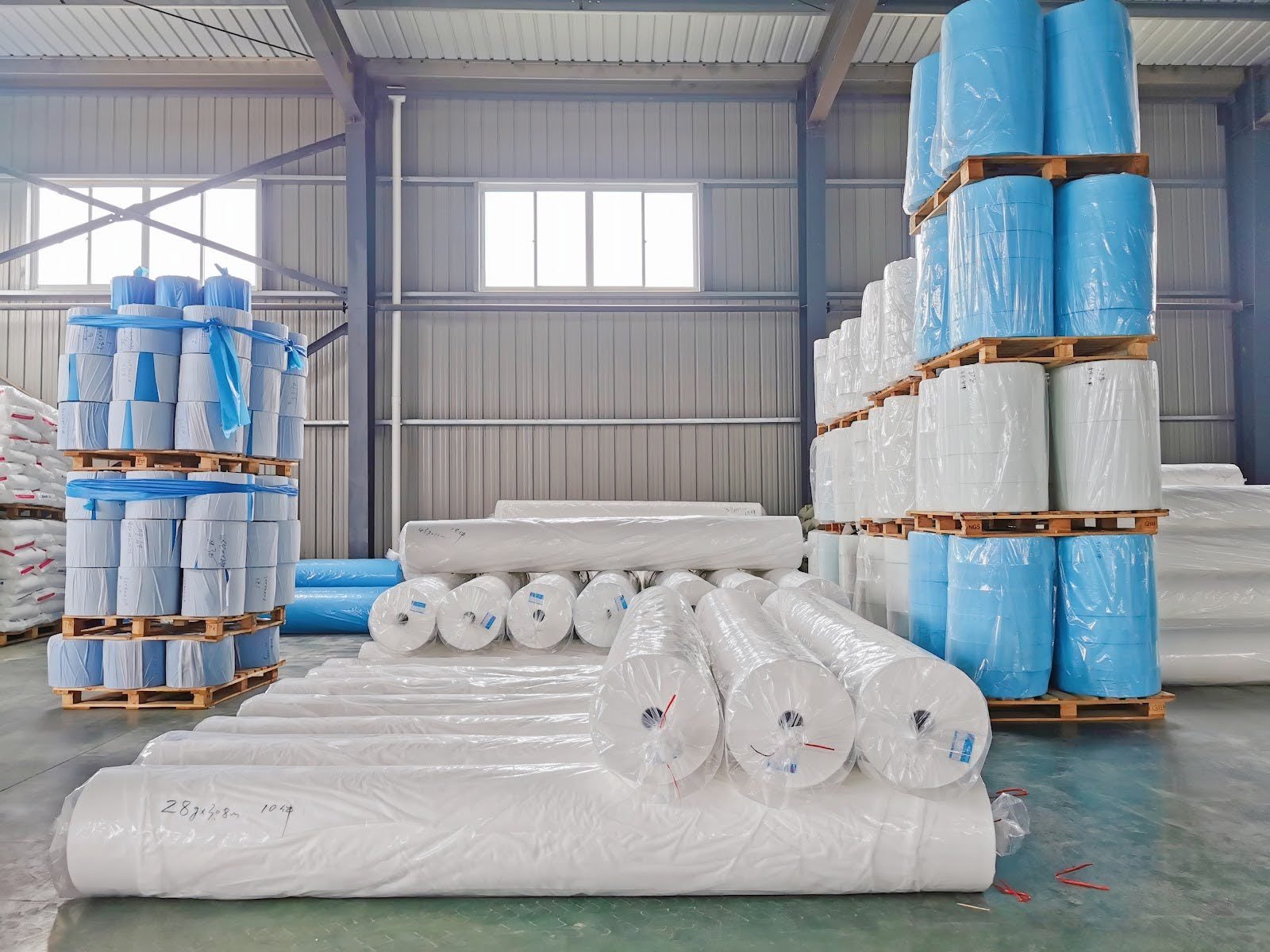
The procurement managers usually look for a manufacturing partner that can always meet the requirements we have thoroughly discussed. BKAMED, a manufacturing company located in China, supports hospitals, distributors, importers, and healthcare suppliers with a wide range of zigzag gauze products. The manufacturing process is backed by quality management systems and international export experience.
Here are the reasons why it’s worth sourcing from BKAMED:
Standard Zigzag Gauze Rolls
BKAMED produces zigzag gauze rolls of high quality using 100% absorbent cotton that can be used in several wound care situations.
These products are available in different mesh counts, ply configurations, widths, and lengths to meet different clinical and commercial requirements. Both sterile and non-sterile options are also available. This allows buyers to source products suitable for hospitals, clinics, emergency care providers, and first aid distributors.
Whether customers require a first aid gauze roll zigzag cut or products designed for routine wound management, BKAMED will offer flexible manufacturing solutions supported by consistent quality control.
BP, USP, and EP-Compliant Products
International buyers value products manufactured within recognized pharmacopeia standards. BKAMED supplies zigzag gauze rolls manufactured to BP, USP, and EP specifications where required. This enables distributors and healthcare organizations around the world to source products that suit various export markets.
Additionally, supporting documents are also in place to help buyers satisfy regulatory requirements and customer expectations.
OEM and Private Label Services
As already discussed, many customers prefer customized products that strengthen their own brands rather than purchasing generic products.
BKAMED supports OEM and private label projects through many customization options, such as:
- Custom dimensions
- Mesh count selection
- Ply options
- Customized packaging
- Private label branding
- Multilingual labeling
- Carton customization
- Product artwork support
Quality Assurance
At BKAMED, product quality is supported through systematic inspection and documented quality management procedures in the course of the manufacturing process. Quality assurance activities include inspecting the raw material, monitoring in-process quality, inspecting finished products, and reviewing all the necessary documents before shipment.
As we have already learned, such an approach ensures that every production batch meets the specifications. It also supports long-term consistency across repeat orders. For procurement managers, consistent quality reduces sourcing risks and strengthens confidence in long-term supplier relationships.
Export Support
BKAMED also supports overseas buyers by providing export documentation, technical product information, regulatory support, and responsive communication throughout the sourcing process.
The company’s team always works closely with customers to support efficient procurement and reliable international delivery, from initial inquiries and sample requests to production planning and shipment coordination.
Ready to Source Zigzag Gauze Rolls from China?
China is ready with medical consumables. As you have found out, sourcing a Zigzag Gauze Roll involves much more than just comparing prices. The procurement managers should evaluate product specifications, BP, USP, and EP compliance, certifications, manufacturing capabilities, OEM options, quality management systems, and supplier experience before making a purchasing decision.
According to the World Health Organization, access to safe, quality-assured medical devices remains essential for strengthening healthcare systems worldwide. That is why selecting an experienced manufacturing partner like BKAMED is not just a purchasing decision but a strategic investment.
So if you are looking for high-quality zigzag gauze rolls supported by international standards, flexible OEM services, and dependable export support, contact BKAMED today. Our team is ready to provide product samples, answer your technical questions, and prepare a competitive factory quotation tailored to your sourcing requirements.
