Did you know that chronic wounds affect millions of patients around the world and still continue to strain healthcare systems? A PubMed Central (PMC) publication says that chronic wounds are very expensive to treat; so many resources are utilized in both hospitals and long-term care facilities to bring about healing. For procurement managers at every hospital or healthcare facility, this means choosing the right wound dressing products is not simply a purchasing decision. It is a quality and supply chain decision.
A pad dressing may look like a simple, straightforward product, but there are significant differences in absorbency, sterility, material quality, certifications, and manufacturing standards. This article is meant to help hospitals, distributors, wholesalers, importers, and healthcare suppliers make the right choices when it comes to pad dressings. By the time you finish reading this, you will have known how to compare the quality of pad dressings, choose the right sizes, learn how to check sterilization methods, know the OEM opportunities to take advantage of, and obtain competitive factory pricing from China.
What Is a Pad Dressing?
-
Definition and Structure
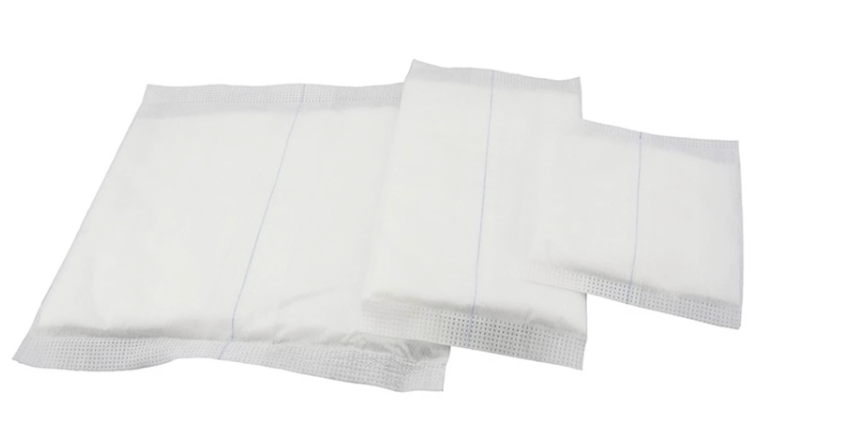
A pad dressing is a kind of dressing for wounds designed to soak up the fluid coming out of a wound. It also protects the wound from dirt and other things that might get into it. In most cases, this dressing consists of a central section that absorbs liquid and which is surrounded by layers that make it more comfortable to wear while also helping to manage the fluid flow and providing protection.
Pad dressings are different from standard gauze products because they are designed to handle larger amounts of wound drainage. That is why doctors and nurses often use pad dressings when a patient has a wound or after surgery, where high absorbency is essential.
Most pad dressings have several layers that work together to heal the wound. These layers include a pad that absorbs liquid, a strong backing that keeps everything intact, and a special surface designed to minimize tissue trauma or discomfort during dressing changes.
-
Key Components of a Sterile Absorbent Pad Dressing
The effectiveness of a pad dressing is due largely to its design. Each part of the dressing is constructed to help it work properly.
The absorbent core is usually the most important part. It soaks up the fluid from the wound while helping to keep the wound free of discomfort. The core can be made of cotton, cellulose, or other synthetic materials that can absorb liquids well.
The layer that touches the wound is also crucial. Many modern dressings add a non-sticky surface that does not stick to the tissue, thus ensuring that changing the dressing is less painful and doesn’t disrupt the healing process. Consequently, dressing changes become less painful and less disruptive to the healing process.
Additionally, many dressings also have an outer layer acting as a wet proof barrier. This layer keeps the fluid from contaminating the clothing, bedding, and surrounding surfaces from fluid contamination.
-
How Pad Dressings Differ from Standard Gauze Dressings
When buying dressings, the procurement planners often compare pad dressings with the traditional gauze products. But while it’s true both are used to manage wounds, they serve significantly different purposes.
Standard gauze is often used to clean wounds, pack wound cavities, or just to basically cover the wounds. On the other hand, pad dressings are made to absorb larger volumes of exudate and provide better protection.
For wounds with heavy drainage, pad dressings, in most cases, work better than the standard gauze. That is why many hospitals prefer them when it comes to post-operative care and heavily bleeding wounds. This point brings up yet another critical clarification, which is that not all pad dressings are the same. So, it’s essential to know and compare the types available before choosing a supplier.
Types of Absorbent Pad Dressings
Pad dressings are available in several designs, each developed for specific wound care needs. An understanding of the differences will greatly help procurement managers to select the dressing products that meet their clinical requirements while avoiding unnecessary costs.
Here are the types of absorbent pad dressings one can choose from:
-
Combine Pad Dressings
Combine pad dressings are really the common type in healthcare facilities. Each has many layers that absorb stuff and is covered with a soft outer covering. Combine pad dressings are great for wounds producing moderate to high levels of exudate.
Because these dressings can hold a lot of fluid, hospitals and clinics typically have them in stock. It’s for that reason that a lot of distributors like to buy combine pad dressings in bulk because they are used in so many healthcare settings.
-
Island Pad Dressings
Island dressings are constructed with a pad in the middle that absorbs stuff, plus a sticky border around it. This design allows the dressing to stay in place without needing tape or anything to keep it in position.
As a result, island dressings are often used for surgical incisions, post-operative wounds, and minor trauma injuries. They also have that clean and professional look, which many healthcare providers want to be associated with. For the distributors seeking customized branding opportunities, island dressing pad OEM private label programs have become preferable.
-
Non-Adherent Pad Dressings
Non-adherent dressings are designed to minimize adherence to the wound surface. This helps protect the delicate tissue around the wound and reduces discomfort when the dressing is being removed.
That is why these dressings are often used for burns, skin grafts, and highly delicate or sensitive wounds. Because of their versatility across multiple clinical applications, many procurement teams buy them in bulk.
-
Multi-Layer Absorbent Pad Dressings
Multi-layer dressings have different layers serving distinct functions such as fluid absorption, moisture control, protection, and patient comfort. All of these different functions are combined into a single product able to manage wound fluids better than single-layer alternatives.
Therefore, multi-layer pad dressing CE ISO certified products are often preferable for more demanding wound care environments.
-
Surgical and Post-Operative Pad Dressings
Surgical wounds need reliable dressings that can protect the incision sites and absorb drainage after surgery. Pad dressings are often used because they can do both effectively. Some of these dressings have a surgical pillow gauze roll with a 100% core that is made of cotton or something similar that helps to absorb fluid.
Consequently, hospitals usually include these products in post-operative wound care protocols.
Choosing the Right Type for Different Clinical Applications
Choosing the right pad dressing starts with understanding the clinical requirements rather than simply comparing prices. So procurement teams should evaluate products based on the following factors:
-
Wound type
Surgical incisions, burns, chronic wounds, and traumatic injuries each require different dressing characteristics.
-
Exudate level
Lightly draining wounds may only need a basic absorbent dressing, while heavily exuding wounds often require a high-capacity combine pad.
-
Patient comfort
Non-adherent dressings are generally preferred for sensitive wounds because they minimize pain during dressing changes.
-
Clinical objectives
Consider whether the priority is maximum absorbency, infection prevention, post-operative protection, or long wear time.
For example, an island dressing may be suitable for a post-operative incision with minimal drainage, whereas a combined pad dressing is often a better choice for wounds with moderate to heavy exudate.
Once the appropriate dressing type has been identified, buyers should evaluate the quality characteristics that determine long-term product performance.
What Makes a Quality Pad Dressing?
Never expect all pad dressings to deliver the same level of performance. Like everywhere else, there are low-quality products even in the medical devices industry. So, vigilant buyers should take their time to evaluate key quality characteristics that influence clinical effectiveness before comparing suppliers.
That said, these are the factors that determine quality when it comes to sterile absorbent pad dressings:
-
Absorbency Performance
The most important performance characteristic of any pad dressing should be its ability to absorb exudate well. If it cannot soak up the wound fluids, its usefulness as a clinical product becomes limited.
The National Institutes of Health showed how important it is to maintain an appropriate moisture balance as the wound heals. If there is excessive moisture, the surrounding tissue can be damaged, while inadequate moisture can considerably slow the healing process.
That’s why buyers should carefully evaluate absorbency data when comparing suppliers.
-
Fluid Retention Capacity
It is not enough for a dressing to just absorb fluid. It also needs to retain absorbed fluid under pressure. Since patients move, sit, and change positions throughout the day, dressings experience varying levels of compression during use. So, it’s only the high-quality products that will retain absorbed exudate even when pressure is applied. This pressure-resisting characteristic reduces leakage and improves overall wound management performance.
-
Softness and Patient Comfort
The healthcare providers want to make sure the patients are always comfortable. That’s why they would rather not use a dressing that irritates them if they can get better alternatives that won’t affect the patient experience.
Therefore, manufacturers often use breathable materials that remain comfortable even during extended wear periods. When the materials are soft, they can also help to reduce friction and make it easier for patients to follow their treatment plans. Additionally, softer materials may reduce friction and improve compliance with treatment protocols.
-
Non-Adherent Contact Layers
Nowadays, wound care protocols emphasize the need to minimize the pain that comes with removing the dressing. This means using dressings that do not stick to the wound, hence limiting tissue damage while they’re being removed.
The non-adherent layers help to achieve this goal when the dressing is changed. That is why these kinds of dressings are often used for wounds that are sensitive.
-
Wet-Proof Barrier Protection
A dressing that has an additional barrier layer to prevent fluid from striking through is more effective. This is especially important in hospitals, where they need to keep everything clean, from the clothes to the bed covers. Such a high level of cleanliness makes patients feel more confident and comfortable.
When the procurement teams are comparing dressings, they should look at how well the barrier works, as much as they focus on absorbency and retention characteristics.
-
Material Selection and Manufacturing Quality
Even if a dressing is well-designed, it can still be unsuitable for the purpose if the materials used are of poor quality. That is why experienced pad manufacturers pay a lot of attention to the raw materials they use and ensure they implement the strictest quality standards throughout production. Done consistently, this helps to make sure that the dressings work well and are reliable.
Then, people who are buying these dressings also need to think about what size they need.
Standard Sizes and How to Specify Correctly
Choosing the correct size is essential for both clinical performance and procurement efficiency. Apart from selecting the right dimensions, the buyers should also provide complete product specifications so as to ensure more accurate quotations and to avoid costly misunderstandings.
So this is what procurement teams need to know when it comes to sterile absorbent pad dressing dimensions or specifications:
-
Common Pad Dressing Dimensions
One big mistake buyers make when sourcing for pad dressings is assuming that all pad dressings are the same size, regardless of which manufacturer you buy from. The truth is, different companies make pad dressings in different sizes, absorbent core thicknesses, or package dimensions.
So when procurement managers want to get a quote for a product, they should not just give the name of the product. Instead, they should clarify what size they want, how absorbent it needs to be, and how they want it packaged.
Most manufacturers actually produce a range of standard sizes targeting different wound types and anatomical locations. They design small dressings for minor wounds and bigger dressings for bigger, high-drainage wounds.
-
Sterile Pad Dressing 10×20 cm and 15×20 cm Applications
Two of the more popular sizes of sterile pad dressings are the 10×20 cm and 15×20 cm configurations. These sizes are good for different clinical applications because they cover the wound well and absorb a lot of fluid.
The 10×20 cm size is often used for post-surgery wounds and for procedures that do not need to be done in a hospital. This size is popular in hospitals and surgical centers because it covers the wound well without taking up much space or being bulky.
On the other hand, the 15×20 cm size can absorb more fluid and cover bigger wounds. Consequently, healthcare providers often use this size for larger wounds that produce heavier fluid.
-
Thickness and Absorbent Core Options
When buyers are looking for pad dressings, they need to think about more than the dimensions. They should as well consider thickness and absorbent core design, which are equally important because they directly influence dressing performance.
A thicker absorbent core can absorb more fluid, but it may not be as comfortable for the patient as a thinner one. So procurement teams need to think about what kind of wound the dressing is for. If the wound is heavily draining, it may require a maximum absorbency pad dressing. On the other hand, if the wound is not producing much fluid, a thinner dressing may be better.
-
How Procurement Teams Should Specify Size Requirements
When the suppliers are provided with accurate specifications, they are more likely to in turn provide more precise quotations, hence reducing the likelihood of misunderstandings during production.
When requesting pricing, buyers should provide:
- Dressing dimensions
- Pad dimensions
- Absorbent core requirements
- Sterility requirements
- Packaging configuration
- Expected annual volume
- Target market
Common Pad Dressing Sizes and Typical Applications
| Dressing Size | Typical Use | Absorbency Requirement |
|---|---|---|
| 5 x 5 cm | Small wounds and minor procedures | Low |
| 10 x 10 cm | General wound care | Moderate |
| 10 x 20 cm | Surgical wounds and post-operative care | Moderate to High |
| 15 x 20 cm | Larger wounds and trauma care | High |
| 20 x 20 cm | Heavy exudate wounds | Very High |
| Custom Sizes | Specialized applications | Customized |
Selecting the correct size is important. However, even the best size specification will provide little value if the product fails to meet regulatory requirements in the destination market.
Clinical Applications and End-User Requirements
Different healthcare settings have their different wound care requirements. So understanding how sterile absorbent pad dressings are used across hospitals, clinics, emergency departments, and long-term care facilities will help buyers choose products that can best serve their intended applications.
-
Hospitals and Surgical Centers
As expected, hospitals represent one of the largest users of absorbent pad dressings. Hospitals require reliable products that can support surgical recovery, wound management, and infection prevention efforts.
Procurement managers want to deal with suppliers who maintain quality standards, consistently comply with industry regulations, and have dependable supply chains.
-
Emergency and Trauma Care
Emergency rooms often deal with wounds with moderate to heavy drainage. Therefore, they need products that can absorb a lot of liquid. It’s something they give primary consideration when purchasing.
In more critical situations involving heavy drainage, the healthcare professionals depend on products that can quickly soak up fluids, protect the tissue, and keep the treatment area clean. As a result, many emergency care facilities prefer products with multi-layer absorbent construction and strong fluid retention capabilities.
-
Long-Term Care Facilities
Long-term care facilities take care of ordinary wounds, pressure sores, and wounds from surgery that need ongoing care.
Chronic wounds represent a significant healthcare burden worldwide and often require extended treatment periods, according to research published by NCBI. So it’s very important for long-term care facilities to choose dressings that work well and are cost-effective.
These facilities look at how long a dressing can be worn, how comfortable it is for patients, and the total cost of treatment. They don’t focus just on the unit price alone.
-
Home Healthcare Providers
Home healthcare is growing as healthcare systems look for options outside of traditional hospital settings. This has to do partly with the cost of hospital-based systems.
The shift towards homecare has in turn increased demand for easy-to-use wound care products that can be relied on and be changed easily by the caregivers. Consequently, manufacturers supplying home healthcare markets often emphasize comfort, absorbency, and ease of use.
-
Wound Care Clinics
Specialized wound care clinics handle some of the most challenging wounds one can come across in healthcare environments. These clinics often treat diabetic ulcers, venous leg ulcers, pressure injuries, and other critical wounds that need advanced fluid management.
That’s why wound care specialists usually look for dressing products that can absorb a lot of fluid and are gentle when being removed.
No matter where clinical care is provided, complying with the rules and regulations is crucial. Therefore, buyers must understand which certifications are necessary for their target markets.
Certifications for Pad Dressings by Market
The procurement managers should understand well which certifications are required in their target markets and how to verify that a supplier meets those requirements.
This helps with regulatory compliance when they are sourcing sterile absorbent pad dressings:
-
ISO 13485 Requirements
The medical device manufacturers use ISO 13485 as the international standard for quality management. This standard is important for medical device manufacturers. It ensures they have systems in place for production, keeping records, managing risks, tracking products, and continuous improvement.
ISO 13485 certification also inspires confidence in the procurement managers, for it provides clear evidence that a pad dressing manufacturer follows laid-down quality management processes throughout production.
So, when looking for a supplier, make certification verification a critical part of the supplier evaluation.
-
CE Certification for Europe
If you want to sell pad dressings in Europe, you must have CE certification. The CE mark shows that the products entering the European markets meet the European regulatory requirements and supports legal market access within many European countries.
Consequently, if you are going to procure pad dressings to distribute to buyers in Europe, you should check the CE documents carefully before you place an order. This is because well-informed buyers often prefer pad dressings that have both CE and ISO certification because it shows they meet standards.
-
FDA Considerations for the United States
To sell healthcare products like pad dressings in the United States, you may need to follow FDA requirements. These requirements depend on the type of products at hand.
It’s best to check these requirements before you source any product to distribute in the US. Additionally, regulatory requirements may change over time, so periodic verification is important.
-
Market-Specific Regulatory Requirements
There are countries outside of Europe and North America that have their own rules for selling products. These regulations may involve product registration, local labeling requirements, testing documentation, or import permits.
So when in a discussion with a supplier, you should tell them where you plan to sell the pad dressings so that the necessary regulations can be processed.
Why Does Certification Verification Matter?
You should never just take someone’s word that they have a valid certification. You should request to check the certificates to ensure they have not expired. They should also apply to the products at hand, which, in this case, are the pad dressings.
Such measures help reduce regulatory risk while protecting supply chain integrity.
Certification Requirements by Market
| Dressing Size | Typical Use | Absorbency Requirement |
|---|---|---|
| 5 x 5 cm | Small wounds and minor procedures | Low |
| 10 x 10 cm | General wound care | Moderate |
| 10 x 20 cm | Surgical wounds and post-operative care | Moderate to High |
| 15 x 20 cm | Larger wounds and trauma care | High |
| 20 x 20 cm | Heavy exudate wounds | Very High |
| Custom Sizes | Specialized applications | Customized |
Sterile Options: EO vs Gamma Irradiation
While certifications demonstrate compliance, it’s the sterilization methods that will directly influence product safety and usability. This makes sterilization another important evaluation factor for buyers.
-
What Is EO Sterilization?
EO sterilization is a method that is widely used in the medical device industry. This method uses a gas called Ethylene Oxide (EO) to eliminate microorganisms that are on medical products after they have been manufactured and packaged.
EO sterilization is especially necessary for products that have materials in them that can get damaged if subjected to heat or radiation. As a result, many manufacturers offering sterile absorbent pad dressing in wholesale OEM China programs use EO sterilization.
-
What Is Gamma Irradiation?
Gamma irradiation is another way to sterilize products. It uses radiation to destroy bacteria, viruses, and other microorganisms. Gamma irradiation is different from EO sterilization because it does not depend on gas penetration. Instead, the radiation goes through the product and the packaging to sterilize it.
This way of sterilizing is really effective. Furthermore, it can be used to sterilize large-scale production volumes.
So when potential buyers evaluate sterile dressing pad EO gamma sterilization options, they consider both methods during procurement planning.
-
Advantages and Limitations of Each Method
EO sterilization and Gamma irradiation both offer unique advantages.
EO sterilization is designed for complex or sensitive products that can be damaged easily. However, it takes some time to get the gas out of the products after they have been sterilized.
On the other hand, Gamma irradiation offers efficient sterilization without chemical residues. However, some materials may get damaged if they are exposed to the radiation for a long duration.
Therefore, selecting the right sterilization method usually depends on the product design, material composition, regulatory requirements, and customer preferences.
-
How Buyers Should Evaluate Sterilization Methods
The procurement managers should determine the right sterilization methods based on how compatible they are with the product. Regulatory acceptance also plays a role. Other factors worth considering are validation procedures and supplier quality systems.
Additionally, manufacturers should be able to provide sterilization validation documentation and supporting quality records when requested.
All in all, reliable sterilization processes contribute significantly to product safety and regulatory compliance.
EO Sterilization vs Gamma Irradiation Comparison
| Factor | EO Sterilization | Gamma Irradiation |
|---|---|---|
| Sterilization Method | Ethylene Oxide Gas | Gamma Radiation |
| Suitable for Sensitive Materials | Excellent | Good |
| Residue Considerations | Requires Aeration | No Chemical Residues |
| Packaging Penetration | Excellent | Excellent |
| Industry Adoption | Very Common | Very Common |
| Validation Requirements | Required | Required |
While understanding sterilization methods helps buyers evaluate product safety, many distributors and importers also require branding flexibility and customized products. That is where OEM and private label manufacturing become important, as we shall see next.
OEM and Private Label Manufacturing
Many distributors and healthcare suppliers prefer customized products that strengthen their brands while also meeting specific market needs. OEM and private label manufacturing help with this, but without compromising on consistent quality.
Here are the ways OEM and private label manufacturing are achieved:
-
Custom Product Specifications
Many healthcare suppliers or distributors are no longer satisfied with standard products alone. Instead, they also want solutions made with their target markets in mind. This is because their customers have unique preferences to be met. There are also regulatory requirements.
OEM manufacturing lets buyers customize various aspects of a pad dressing, be it the size, the thickness, the material it’s made of, the packaging configurations, or how it is sterilized.
This flexibility means that the importers and distributors can make them unique and still ensure they are quality.
-
Private Label Packaging
In simple terms, private label packaging lets a business market products under its own brand name instead of the brand name of the manufacturer.
For a business doing the distribution of products, this arrangement creates opportunities to strengthen customer loyalty and improve its brand recognition. Moreover, private labeling can also help a business to do better in the medical supply business, where there is a lot of competition.
Packaging customization can be in the form of branded cartons, labeling in different languages depending on the destination, barcodes, instructions for use, and destination-specific regulatory information.
-
Custom Branding Options
Branding is more than just having a logo and product names on a carton. Branding extends beyond logos and product names. For instance, healthcare buyers usually demand packaging that fits with their market positioning and regulatory requirements.
As a result, many manufacturers help with designing the packaging for retail, hospital supply, and distributor-focused branding programs.
Custom branding also helps the distributors to make their special lines of products that are not the same as what other companies have to offer.
-
Island Dressing Pad OEM Private Label Programs
Because island dressings are common in hospitals, clinics, and outpatient settings, they are naturally well-suited to OEM and private label programs. The manufacturers can always customize their dimensions, absorbent pad configurations, adhesive borders, packaging formats, and labeling requirements.
That’s why island dressing pad OEM private label programs have become ever more popular among distributors seeking long-term product differentiation.
-
OEM Documentation and Regulatory Support
When products are customized, they need to be supported by proper documentation. Depending on where the products are being sold, the buyers might need certificates, technical details, reports that show the products are sterilized, and other compliance documentation that shows they follow the rules.
That is why the manufacturers with strong OEM capabilities usually provide regulatory support along with the production services.
While customizing products is important, the quality of the products is even more crucial. That is why evaluating each potential supplier should go beyond just branding and packaging options.
How to Compare Quality Between Suppliers
Selecting the right supplier to award the tender involves far more than just comparing prices. So the procurement managers should assess using the following to identify partners capable of delivering consistent long-term value:
-
Manufacturing Experience
Experience in manufacturing is very important since it indicates a company’s capability. A supplier that has been making wound care products for a long time has likely found ways to refine its production processes.
They will also have a quality system and manage their supply chain well. Furthermore, their understanding of international regulatory requirements and customer expectations will also be a notch higher.
-
Production Capacity
Production capacity is crucial for supply. A supplier may be offering attractive pricing, but if they can’t produce enough, keeping up with the schedule may become a challenge, especially during periods of increased demand.
Therefore, buyers should take the time to evaluate:
- How much they produce per month
- How many production lines they have
- How many workers they have
- Expansion capabilities
- Historical export volumes, especially when the demand is high.
This information will easily provide crucial insight into a supplier’s ability to support long-term growth.
-
Quality Management Systems
It’s the quality management systems that provide the framework that supports consistency in manufacturing performance. Manufacturers who operate under ISO 13485 standards generally follow documented procedures. These procedures cover production, quality control, traceability, corrective actions, and risk management.
These procedures cover production, quality control, and risk management. Consequently, efficient quality systems mean more consistent products and fewer supply chain issues.
-
Testing and Inspection Procedures
Reliable manufacturers will always invest heavily in testing and inspection programs with procedures that help to verify product performance before products are released for shipment.
The procurement managers should ask suppliers about:
- Absorbency testing
- Sterility validation
- Material inspections
- Packaging inspections
- Finished product testing
The willingness to openly discuss these processes is often taken as a positive indicator of quality culture in the factory.
-
Export Experience
Being able to manufacture the right products for the market is not enough to guarantee export success. Apart from making suitable products, international trade still requires knowledge of documentation, shipping procedures, customs requirements, and market-specific regulations.
That’s why suppliers with extensive export experience will usually provide smoother purchasing experiences for the overseas buyers.
-
Sample Evaluation Best Practices
Samples will provide one of the most effective methods for comparing suppliers. In many cases, taking the time to evaluate samples will reveal hidden product differences that may not be obvious from product specifications alone.
Before placing large orders, procurement teams should evaluate:
- Product construction
- Absorbency performance
- Packaging quality
- Labeling accuracy
- Material consistency
- Sterility indicators
Even after selecting a promising supplier, buyers should still verify the quality control systems that support production.
Questions to Ask Before Selecting a Supplier
Even after reviewing certifications, product specifications, and samples, procurement managers should still ask questions before placing the first order. Asking the right questions helps uncover potential risks before a purchase order is issued.
It also allows procurement teams to compare suppliers using objective criteria rather than marketing claims. Don’t expect every supplier to make accurate marketing claims. Only questions may reveal the truth.
That said, here are some of the important questions to ask before selecting a supplier:
-
How Long Have You Manufactured Pad Dressings?
One of the first questions the procurement teams should ask is how long the manufacturer has been producing pad dressings and wound care products. While experience alone does not automatically translate into quality, it still indicates a supplier has a better understanding of manufacturing processes, quality control, and international market requirements.
That’s why a supplier with years of production experience is generally in a better position to maintain consistency in all areas and be able to respond well to changing customer needs.
-
What Certifications Do You Hold?
Verifying certification should always form part of supplier evaluation. So, procurement managers should want to know whether the manufacturer maintains ISO 13485 certification and whether CE documentation or other market-specific compliance documents are available and can be verified.
-
Are You Able to Provide Product Testing Reports?
The only way buyers can verify the marketing claims made by the suppliers or manufacturers is to look into the product testing data. This way, they get to evaluate the actual performance of the supplier.
In this case, the buyers can ask to be shown the absorbency testing reports, sterility validation records, material specifications, or quality inspection reports. Any supplier that’s unwilling to cooperate on this should be flagged. On the other hand, the willingness to share this information is a clear demonstration of their own confidence in their products.
-
What Is Your Production Capacity?
It can be easy to produce high-quality samples, yet fail to maintain high-quality products during large-scale production runs once the order has been placed. But finding out about the manufacturer’s monthly output, size of the workforce, or expansion capabilities will offer valuable insight as to its reliability.
-
Which Countries and Markets Do You Export To?
A supplier that has served various markets will no doubt have vast experience in international trade. Such a supplier understands the procurement and shipping processes expected in different countries or regions, such as Europe or North America.
For instance, such a supplier will be familiar with documentation requirements, regulatory expectations, shipping procedures, and customs processes of every major world market. This valuable experience can help reduce delays and simplify purchasing.
-
Do You Also Offer OEM and Private Label Services?
Nowadays, many distributors and healthcare suppliers are after customized products. They are not seeking standard catalog items. Therefore, the buyers should ask whether the supplier at hand supports private labeling, customized packaging, product modifications, and branding programs.
Such information can be especially useful for a business developing proprietary product lines.
-
How Do You Handle Product Complaints and Corrective Actions?
Even the manufacturer of the highest repute out there will occasionally have to deal with quality issues. When it happens, it matters how the manufacturer handles the complaints. How is the matter investigated, corrective actions implemented, or communications with the complainant handled?
How these questions are answered will provide insight into the company’s commitment to continuous improvement and customer service. Indeed, the answers provided will reveal more about the company than its own product brochure or website ever could.
Quality Control Standards to Verify Before Ordering
Reliable product quality usually begins with effective quality control. So, understanding the inspection and testing procedures used throughout manufacturing greatly helps buyers to lower sourcing risks and gain more confidence in product consistency.
These are the quality control measures the procurement teams should verify before ordering from a supplier:
-
Raw Material Inspection
To make dependable sterile absorbent pad dressings, you need high-quality raw materials. That’s why committed manufacturers thoroughly check the incoming materials before production starts.
This helps to make sure that all the dressings are of the same quality since consistency matters. That is, all the dressings should be similar in absorbency, appearance, softness, and overall performance. Buyers lose confidence in the products if there is no uniformity.
-
Absorbency Testing
The sterile absorbent pad dressings need to be tested to ascertain their absorbency capacity. After all, dressings are as good as how much fluid they can absorb.
Absorbency testing usually measures:
- How much fluid the dressing can absorb
- How fast can the dressing absorb fluid
- How well the dressing can keep the fluid inside without leaking
If you are procuring hospital pad dressings from China, the results of these tests can show you valuable evidence of product quality. Some research from the National Library of Medicine says that it is very important to manage fluid when someone is healing from a wound.
-
Sterility Validation
Of all the products, wound care applications must be sterilized. That’s why manufacturers should always validate sterilization processes and maintain supporting records demonstrating compliance. Procurement managers should take the time to verify these records before striking any deal.
-
Packaging Integrity Testing
Packaging plays a big role in maintaining sterility standards. But even a properly sterilized product can still become compromised if the packaging integrity is tampered with during storage or when the products are being transported.
Therefore, packaging inspections and validation procedures should be tested since they are an essential part of quality management systems.
-
Finished Product Inspection
Before the shipment of the finished products, they should undergo a final inspection, a process that usually includes verification of:
- Product dimensions
- Packaging quality
- Label accuracy
- Appearance
- Sterility indicators
These inspections can help identify potential mistakes that can be corrected before products reach customers.
-
Batch Traceability Systems
Manufacturers should be able to track their finished products from the beginning to the end. This way, if there are any issues with the quality, they can use this traceability system to find out what happened and fix the issues. This makes the buyers feel more confident that the products are consistent and that the supply chain is transparent.
Logistics, Packaging, and International Shipping Considerations
While product quality is usually non-negotiable, a successful procurement will need more than that. That’s where effective logistics planning comes in. Even the highest-quality pad dressing can cause supply chain challenges if packaging, transportation, and storage requirements are not handled properly.
So the procurement teams should bear logistics considerations in mind when choosing the right supplier. Waiting until after production has started may be too late.
That said, here are the logistics, packaging, and international shipping options worth considering:
-
Individual Packaging Options
Packaging needs vary depending on where the product is sold and the channel to be used for distribution. Distributors often require customized branding and labeling, while hospitals may give priority to ease of identification and storage efficiency.
It’s for that reason manufacturers offer packaging options like sterile pouches and special labeling to meet the needs of both the distributors and the customers.
-
Inner Boxes and Master Cartons
When it comes to product protection and warehouse efficiency, secondary and tertiary packaging have a crucial role to play. Inner boxes are used to help organize products for inventory management, while master cartons are used to protect products during transportation.
The procurement teams should discuss carton sizes, quantities, labeling, and materials with suppliers during the quotation stage.
-
Palletization Requirements
When exporting large volumes of products, palletized shipments are often used. Palletization makes loading easier, reduces handling risks, and protects products during transportation. Different markets and logistics providers may have specific pallet requirements. Therefore, procurement managers should confirm pallet specs before production starts.
-
Ocean Freight vs Air Freight
The means of transport affects delivery time and landed costs. Air freight is faster, and so it is usually used for urgent or highly perishable shipments, but it is more expensive. On the other hand, sea freight is comparatively cheaper and offers economical solutions for large-volume shipments, but it takes longer to get to the targeted market.
| Shipping Method | Cost Level | Transit Time | Best For |
|---|---|---|---|
| Air Freight | High | Fast | Urgent Orders |
| Sea Freight | Lower | Longer | Bulk Orders |
| Express Courier | Very High | Very Fast | Samples and Small Shipments |
-
Storage Conditions and Shelf Life
Medical products must maintain their quality during storage and distribution. Buyers should understand the recommended storage conditions, shelf-life requirements, and packaging protection. Sterile products especially need efficient packaging systems throughout transportation and storage to stay sterile.
Additionally, distributors should be willing to implement the right inventory rotation practices to maximize shelf life and minimize product waste.
Pricing Structure and How to Get Competitive Quotes
-
Factors That Affect Pad Dressing Pricing
The price of pad dressing depends on several factors. These things are:
- The cost of the materials
- The dimensions of the product
- How much fluid the pad dressing can absorb
- Sterility requirements
- How the pad dressing is packaged
- The volume of the order
- The mode of shipping the order
Taking the time to understand these factors can help buyers evaluate quotations more accurately.
-
MOQ Requirements
Manufacturers use a protocol called Minimum Order Quantities (MOQs) to maintain production efficiency. Standard products usually have lower MOQ requirements because they use existing production configurations. On the other hand, customized products may require larger minimum quantities because of additional setup and development costs.
Therefore, the procurement manager should state their MOQ expectations early in the sourcing process.
-
Lead Times
Lead times are important because they directly influence inventory planning and how reliable the supply chain is. The time it takes to make a product ready for shipping can vary depending on product specifications, order volume, packaging requirements, and factory workload.
Additionally, customized products will need to be approved, and the production setup requirements will need to be put in place, so they generally take longer to make.
Procurement managers planning purchases should take into account both manufacturing lead times and international shipping schedules.
How to Prepare an Effective RFQ
To get the most accurate pricing from the manufacturers, the buyers should submit a well-prepared Request for Quotation (RFQ). It should not be vague, but detailed enough with sufficient information expected.
At a minimum, the procurement managers should include the following in the Request for Quotation:
- Product specifications
- Preferred dimension
- Sterility requirements
- Packaging preferences
- Certification requirements
- Order quantities
- Destination market
- Delivery expectations
Providing these details will reduce misunderstandings and improve quotation accuracy.
Information Buyers Should Include in an RFQ
| Information Required | Why It Matters |
|---|---|
| Product Dimensions | Determines material usage and production costs |
| Absorbency Requirements | Influences product design and performance |
| Sterility Requirements | Affects processing and validation costs |
| Packaging Specifications | Impacts manufacturing and logistics |
| Annual Volume Forecast | Supports pricing and capacity planning |
| Destination Market | Determines regulatory requirements |
| Certification Requirements | Ensures compliance |
| Delivery Timeline | Supports production scheduling |
Common Quotation Mistakes Buyers Make
It’s not uncommon to find even experienced procurement professionals make avoidable mistakes at the quotation stage, leading to unwanted purchasing outcomes. Here are some of the mistakes the buyers can make:
- Providing Insufficient Product Details While Requesting Pricing
One common mistake is requesting pricing without providing sufficient product details. The supplier will give a quote based on the provided details. With insufficient product details, the buyer is likely to get an inaccurate quotation.
- Overlooking Quality While Focused on Pricing
Since every business is out to maximize profit, it is expected that cheaper products would be hard to ignore. But focusing exclusively on unit price while overlooking quality, certification status, and supply reliability may later prove a mistake.
- Failing to Communicate Expected Order Volumes
Not every manufacturer has the capacity to produce the expected order volumes. This realization may show up late. It’s best to find out the largest shipping volume the company can produce as demand increases in the future.
The bottom line is that competitive pricing comes from clear communication and comprehensive supplier evaluation, not simply selecting the lowest quotation.
By this stage, buyers will understand product specifications, quality requirements, certifications, sterilization options, and pricing factors. The final step is to identify a manufacturing partner who is capable of meeting those requirements consistently.
BKAMED’s Pad Dressing Range
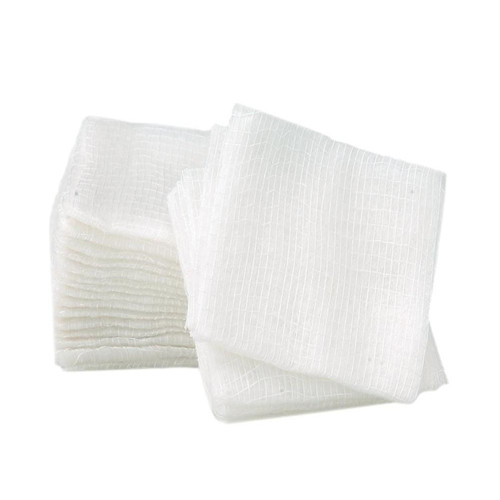
The following are some of the pad dressings BKAMED offers to meet the needs of hospitals, distributors, wholesalers, and healthcare suppliers:
-
Sterile Absorbent Pad Dressings
BKAMED manufactures a wide range of sterile absorbent wound care products designed to meet the needs of hospitals, distributors, importers, and healthcare suppliers around the world. The products are made from high-quality materials and are good at absorbing wound exudate while also maintaining patient comfort and supporting the objectives of clinical treatment.
As a result, they are suitable for surgical wound care, trauma management, post-operative recovery, and general wound dressing applications.
Additionally, BKAMED usually places much emphasis on consistency to ensure that buyers receive products that perform reliably from one production batch to the next.
-
Combine Pad Dressings
BKAMED’s combine pad dressing range is developed for wounds that require high absorbency and fluid retention capabilities.
These products are made using carefully selected absorbent materials that help manage moderate to heavy wound drainage, while maintaining dressing integrity when being used.
Consequently, these products remain suitable for hospitals, surgical centers, emergency care facilities, and wound management clinics looking for dependable absorbent dressing solutions.
For distributors and wholesalers, combine pad dressing supplier bulk purchasing programs can also support efficient inventory management and competitive market positioning.
-
Non-Adherent Pad Dressings
Many healthcare providers want patients to feel comfortable during wound treatment. BKAMED’s non-adherent pad dressings offer significant advantages here because they do not stick to the wound. They also support effective fluid management. These dressings are used for burns, skin grafts, and post-operative wounds.
-
OEM and Private Label Services
So many distributors want to build their own brands instead of selling generic products. Therefore, BKAMED offers flexible OEM and private label manufacturing solutions to such businesses. Through customization, BKAMED works with them to create products that meet their special market needs.
The customization options may include the following:
- Dimensions of the product
- Specifications of the absorbent core
- Design of the packaging
- Private label branding
- Customization of the carton
- Market-specific labeling
- Sterilization preferences
Whether the procurement teams require sterile absorbent pad dressing wholesale OEM China solutions or are after customized island dressing products, BKAMED works closely with these customers to develop products that align with the market requirements.
Additionally, OEM programs can help distributors establish stronger brand recognition while standing out from competitors.
-
Quality Assurance and Certifications
In the medical device manufacturing industry, BKAMED is known for a robust quality management system. They check from the raw materials to the final products to ensure consistency and regulatory compliance. There are checkpoints at every stage of production. The company also provides the required documentation and certifications for procurement projects. This helps the customers a lot since they simplify sourcing decisions and supports long-term supply partnerships.
Ready to Source Pad Dressings from China?
Unknown to some procurement managers, selecting the right pad dressing supplier requires more than comparing prices. Buyers must painstakingly evaluate absorbency performance, product construction, certifications, sterilization methods, quality control systems, customization capabilities, and long-term supply reliability. Taking such a structured approach to supplier evaluation will greatly help to reduce procurement risks while improving product consistency and patient outcomes.
Effective wound management remains a critical part of healthcare delivery, particularly as chronic wound prevalence continues to increase. This only highlights the importance of partnering with the time-tested manufacturers who can deliver dependable wound care products.
If you are sourcing sterile absorbent pad dressing, private label wound care products, or customized OEM solutions, contact BKAMED today. Our highly motivated team can help you evaluate specifications, provide samples, and prepare a competitive factory quote tailored to your business requirements and target market.
