The World Health Organization (WHO) reported that millions of infections associated with healthcare occur every year across the world. This has made prevention of infections one of the highest priorities for healthcare systems. In this effort, Isopropyl Alcohol Prep Pads have a critical role to play. It is used in disinfecting the skin before injections, blood collection, intravenous therapy, and minor medical procedures.
However, for procurement managers, sourcing these products can be tricky since they have to check past the face value of the product to its quality, sterility, regulatory compliance, manufacturing capability, and supply reliability, all of which influence procurement success.
This guide explains in detail how to evaluate isopropyl alcohol prep pads wholesale suppliers, compare product specifications, understand regulatory requirements, and develop a sourcing strategy that supports hospitals, vaccination programs, laboratories, distributors, and healthcare suppliers with dependable, cost-effective procurement.
Understanding Isopropyl Alcohol Prep Pads
Before they evaluate manufacturers or request quotations, procurement teams should have a perfect understanding of the product itself. Isopropyl Alcohol Prep Pads may be relatively simple medical consumables on the surface, but how they perform depends on a number of factors, such as the concentration of alcohol in them, the material used to make the pads, level of sterility, the quality of the packaging used, and the manufacturing consistency.
By understanding these key points, the procurement managers can easily compare isopropyl alcohol prep pads wholesale suppliers and then prepare accurate procurement specifications.
What Are Isopropyl Alcohol Prep Pads?
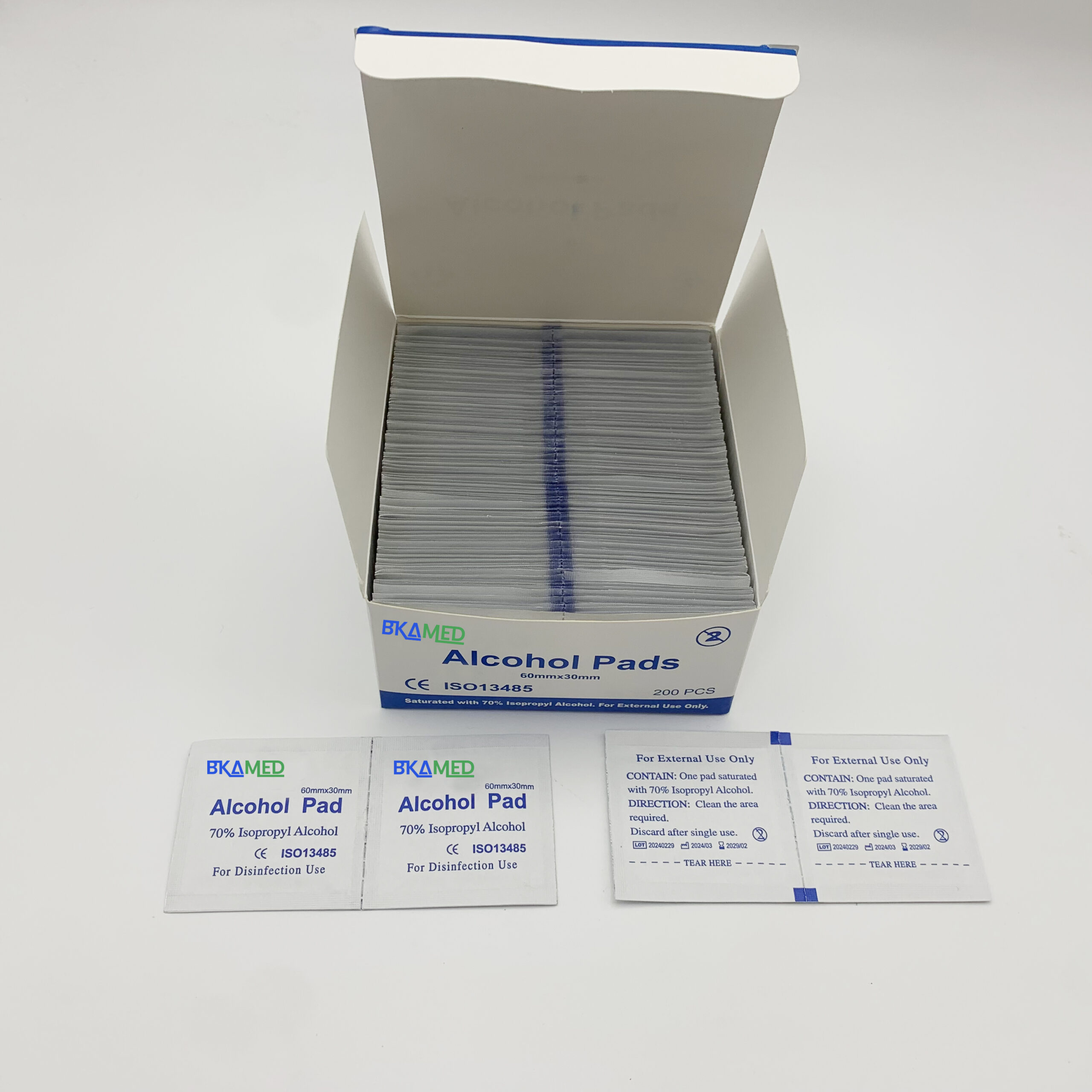
Isopropyl Alcohol Prep Pads are sterile wipes that are individually packaged and each saturated with isopropyl alcohol, commonly referred to as IPA. They are designed for single use and are primarily intended to disinfect intact skin before injections, blood collection, intravenous catheter insertion, and other minor medical procedures.
Each prep pad is usually made up of three essential components:
- A soft nonwoven absorbent pad.
- A measured quantity of isopropyl alcohol solution.
- An individually sealed sterile pouch that preserves product integrity until use.
Because every pad contains a controlled amount of alcohol, healthcare professionals can achieve consistent skin preparation without having to measure or dispense liquid antiseptics. This consistency means these healthcare professionals can work faster while reducing product waste.
Prep pads differ from bottled alcohol in that, unlike the latter, they eliminate the possibility of contamination caused by repeated opening and handling. Once each packet of prep pads is used, it is discarded. This policy of use-once-and-discard makes the product particularly suitable for highly risky environments where infection prevention measures have to be strictly enforced.
One other reason these pads are so popular has to do with their compact size, which makes it possible for hospitals to stock thousands of individually packaged units without requiring significant storage space. Moreover, the compact size also means the vaccination teams can easily transport them in large quantities during outreach campaigns.
For procurement managers, this simplicity simply means predictable inventory management, easier distribution across departments, and reduced risk of improper product use.
Why Is 70% Isopropyl Alcohol the Preferred Concentration?
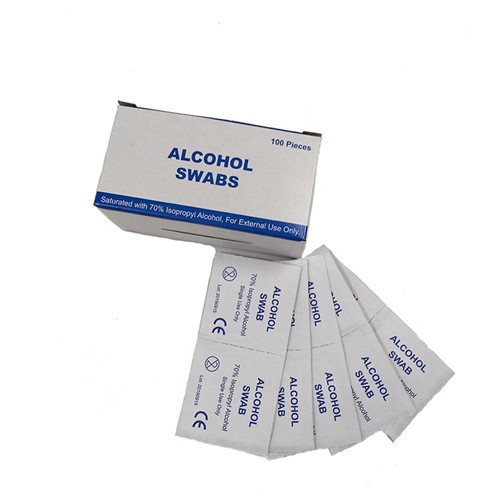
Most prep pads designed for medical use contain 70% isopropyl alcohol, and this concentration has become the industry standard for good reason. Some people wonder why higher alcohol concentrations should not be added to make this product more powerful. But higher concentrations are generally less effective at killing microorganisms because they evaporate too quickly.
A 70% solution contains enough water to slow evaporation and allow the alcohol to penetrate microbial cell walls more effectively. This biochemical process results in better protein denaturation, which is the mechanism responsible for destroying many bacteria, fungi, and certain viruses.
Even though this information is common knowledge in medical circles, some isopropyl alcohol prep pads wholesale suppliers may still produce prep pads with higher alcohol concentrations and advertise them as superior products. That’s why it’s important that procurement teams understand this distinction.
In reality, healthcare guidelines and clinical practice continue to favor 70% isopropyl alcohol for routine skin antisepsis before injections and similar procedures.
When evaluating an isopropyl alcohol 70% prep pads manufacturer, procurement managers should request that they clearly specify:
- Alcohol concentration.
- Solution composition.
- Saturation volume.
- Shelf life.
- Storage recommendations.
Common Medical Applications
Because Isopropyl Alcohol Prep Pads are versatile, they are one of the most frequently used disposable medical products in the world. Their primary purpose is to reduce microorganisms on intact skin before procedures that could introduce pathogens into the body.
They are used during the following procedures:
- Preparation of the skin before injections.
- Collection of blood.
- Insertion of an intravenous catheter.
- Finger-prick blood glucose testing.
- Minor surgical procedures.
- Vaccination administration.
- Venipuncture.
- Preparing skin before dressing changes.
Additionally, many healthcare facilities use prep pads to clean the rubber stoppers of medication vials before withdrawing injectable drugs.
Outside hospitals, alcohol prep pads are also routinely used in ambulatory care centers, physician offices, diagnostic laboratories, community vaccination clinics, and emergency medical services.
Because the same product supports multiple clinical activities, procurement managers have to purchase large quantities of it through centralized procurement contracts. This strategy simplifies inventory management. The customers also benefit from volume pricing when they purchase large quantities.
Industries That Use IPA Prep Pads
Although hospitals take the lion’s share of global demand, they are far from the only organizations purchasing Isopropyl Alcohol Prep Pads in bulk.
Major users include:
- Public hospitals.
- Private hospitals.
- Outpatient clinics.
- Diagnostic laboratories.
- Blood collection centers.
- Vaccination programs.
- Emergency medical services.
- Government healthcare agencies.
- Humanitarian organizations.
- Pharmaceutical manufacturers.
- Medical distributors.
Each organization has its own procurement priorities. For instance, hospitals may emphasize product consistency and regulatory compliance, while distributors will focus on packaging flexibility and stable manufacturing capacity. On the other hand, government health authorities may give priority to tender compliance, whereas humanitarian organizations may insist on rapid production and an international shipping they can depend on.
With these varying requirements in mind, procurement managers have to look beyond product specifications alone when selecting isopropyl alcohol prep pads wholesale suppliers. In the next section, we compare prep pads with alcohol swabs and wipes, helping procurement teams choose the most appropriate product for different healthcare environments.
Prep Pads vs. Swabs vs. Wipes
The terms prep pads, swabs, and wipes are usually used interchangeably in some quarters. But unknown to some handlers of these products, these terms do not always refer to the same product. While the usage differences may appear minor, they can significantly affect the decisions of the procurement teams, how the product performs, how the regulators classify each product, and the costs of purchasing.
So taking the time to clearly understand these distinctions helps procurement managers develop clearer product specifications, avoid ordering errors, and ensure healthcare professionals receive products that match their intended clinical applications.
Here are these products and their actual uses:
Alcohol Prep Pads
Alcohol prep pads are sterile, individually packaged pads that are saturated with a measured amount of isopropyl alcohol. The concentration is usually set at 70%. They are manufactured specifically for skin antisepsis before medical procedures involving intact skin.
Because each pad is individually sealed, sterility is maintained until the package is opened for use. This greatly reduces the risk of cross-contamination and supports compliance with protocols hospitals, clinics, and laboratories put in place to prevent infections.
The pad itself is usually made from a soft, lint-free nonwoven material that absorbs fluids well while remaining gentle on the skin. When being manufactured, a carefully controlled amount of alcohol is added to each pad to ensure consistent performance across every production batch.
Healthcare providers commonly use alcohol prep pads for:
- Preparing skin before injections.
- Vaccination procedures.
- Intravenous catheter insertion.
- Blood collection.
- Finger-prick testing.
- Minor outpatient procedures.
Organizations looking to buy isopropyl prep pads in bulk for hospital systems can standardize procurement by selecting products with consistent dimensions, alcohol saturation, and packaging specifications.
Alcohol Swabs
The construction of alcohol swabs and their use is similar to that of prep pads. That’s why in many healthcare markets, any of them can be called “alcohol swab” or “prep pad.”
Indeed, manufacturers may market essentially the same product under different names. That aside, in some regions, “swab” may refer generally to small absorbent applicators or cotton-tipped products which are intended solely for collecting specimens, medication application, or localized cleaning.
This small difference in terminology can confuse the parties involved during international procurement if product specifications are not clearly defined.
For this reason, let procurement documents clearly specify technical characteristics without just relying on product names alone.
Specifications should include these:
- Concentration of alcohol.
- Dimensions of pad.
- Sterility requirements.
- Packaging configuration.
- Composition of material.
- Intended clinical use.
By providing these details, isopropyl alcohol prep pads wholesale suppliers can well understand exactly what product is required. This reduces the possibility of them sending unsuitable alternatives.
This clarification is especially important when you are sourcing internationally, where terms of reference may differ between manufacturers, distributors, and regulatory authorities.
Alcohol Wipes
Alcohol wipes are generally larger than prep pads and they are designed for cleaning larger surface areas. Although some alcohol wipes are meant for skin preparation, many are manufactured expressly for disinfecting medical equipment, work surfaces, or non-invasive medical devices. Depending on their intended use, they may or may not be sterile.
Unlike prep pads, alcohol wipes are frequently supplied in:
- Multi-pack dispensers.
- Canisters.
- Soft refill packs.
- Flow packs.
Because alcohol wipes contain a larger cleaning surface, they are mostly used for:
- Cleaning medical equipment.
- Laboratory workstations.
- Diagnostic equipment.
- Examination tables.
- Healthcare work surfaces.
Choosing the Right Product for Different Healthcare Settings
The most suitable product will depend on the clinical environment and the intended application. Hospitals that perform injections and intravenous procedures require sterile, individually packaged prep pads, while laboratories or facility management teams may need larger alcohol wipes for disinfecting equipment.
Similarly, since vaccination campaigns give priority to portability, rapid distribution, and ease of use, healthcare workers in this field usually would rather have individually packaged prep pads because they can easily carry large quantities of them safely while maintaining sterility until the moment of use.
On the other hand, diagnostic laboratories may use both products simultaneously. They use prep pads to support patient procedures such as blood collection, and alcohol wipes to disinfect workstations and equipment throughout the day.
All in all, procurement managers should evaluate products based on clinical application rather than assuming one format meets every requirement.
Comparison of Prep Pads, Swabs, and Wipes
| Product | Sterility | Typical Size | Primary Application | Procurement Recommendation |
|---|---|---|---|---|
| Alcohol Prep Pads | Usually sterile | Small | Skin preparation before injections and procedures | Best choice for hospitals, clinics, and vaccination programs |
| Alcohol Swabs | Usually sterile | Small | Skin antisepsis or localized cleaning depending on product | Verify specifications before ordering internationally |
| Alcohol Wipes | Sterile or non-sterile | Medium to large | Equipment and surface disinfection | Suitable for laboratories and facility cleaning rather than routine injection preparation |
Choosing the right product is only the first step. But procurement managers must also define detailed technical specifications before approaching isopropyl alcohol prep pads wholesale suppliers. So in the next section, we go through a comprehensive specification checklist that can be used when preparing RFQs, tenders, and supplier evaluations.
Full Product Specifications for Procurement Documents
Clear specifications get rid of ambiguity, make supplier quotations easier to compare, and reduce the possibility of receiving products that fail to meet clinical or regulatory expectations.
Hospitals, laboratories, distributors, and government procurement agencies usually include detailed product requirements in Requests for Quotation (RFQs), Requests for Proposal (RFPs), or tender documents.
The more detailed these specifications are, the easier it becomes to evaluate manufacturers objectively instead of relying on marketing claims.
These are the common isopropyl alcohol prep pads product specifications for procurement documents:
Alcohol Concentration
Alcohol concentration is one of the most important specifications to verify. As we have already discussed, most medical-grade prep pads are made with 70% isopropyl alcohol because this concentration has been shown to provide effective skin antisepsis before injections and minor medical procedures.
So procurement documents should clearly specify:
- The type of alcohol (Isopropyl Alcohol).
- The concentration of alcohol (typically 70%).
- Compliance with applicable pharmacopeia standards where required.
- Manufacturing consistency across production batches.
Pad Material
How the product performs depends largely on the quality of the nonwoven pad used to manufacture it. A poorly manufactured pad may shed fibers, tear easily during use, or fail to distribute alcohol evenly across the treatment area.
High-quality prep pads usually have soft, lint-free nonwoven materials that can absorb much fluid and have sufficient strength to withstand normal clinical use.
For distributors purchasing from a sterile IPA prep pads wholesale China supplier, requesting product samples before placing commercial orders can provide an opportunity to evaluate material quality firsthand.
Pad Dimensions
Alcohol prep pads may appear similar no matter which manufacturer produces them. However, their dimensions can differ greatly from manufacturer to manufacturer. Small differences in length, width, or thickness may affect how they suit their usage, depending on the intended application.
That’s why procurement specifications should go as far as clarifying:
- Pad length.
- Pad width.
- Folded dimensions.
- Tolerance limits.
Healthcare providers usually want to stock products of standard sizes that can fit easily into existing clinical workflows. Always using similar sizes across procurement cycles also makes inventory management and staff training easier.
If several departments will use the product, procurement managers should consult clinical teams before they finalize the size specifications.
Alcohol Saturation Level
The amount of alcohol contained in each prep pad is yet another critical specification that can’t be overlooked. The pads that are not saturated correctly can fail to disinfect the skin well, while those with too much saturation can create unnecessary waste and increase manufacturing costs.
Reliable manufacturers will carefully control the saturation level during production to ensure every individual packet contains a uniform amount of alcohol.
The procurement documents should request information that touches on:
- Alcohol volume per pad.
- Saturation consistency.
- Manufacturing controls.
- Quality inspection procedures.
Sterility Requirements
Most prep pads that are supplied for skin preparation before injections and invasive procedures are sterile. Maintaining this sterility until the package is opened is crucial for preventing infection.
So procurement managers should confirm:
- Sterilization method.
- Sterility assurance level where applicable.
- Packaging integrity.
- Shelf-life validation.
- Storage conditions.
Individual Packaging
Packaging is there to protect both the alcohol solution and the sterility of each prep pad. Strong, well-sealed packets also reduce product damage during transportation and storage.
Important packaging considerations include:
- Easy-open design.
- Leak-resistant seals.
- Durable pouch material.
- Clear labeling.
- Lot number identification.
- Expiration date.
Shelf Life
Shelf life is about how long prep pads can be stored without compromising their quality and effectiveness. Longer shelf life provides greater flexibility for procurement planning, particularly for government agencies, emergency stockpiles, and humanitarian organizations.
Procurement teams should verify:
- Manufacturing date.
- Expiration date.
- Validated shelf life.
- Recommended storage conditions.
Organizations purchasing high volumes should also implement inventory rotation using the First-Expiry, First-Out (FEFO) principle to minimize waste.
Labeling Requirements
Accurate labeling is there to support product traceability, regulatory compliance, and efficient inventory management.
Typical label information includes:
- Product name.
- Alcohol concentration.
- Sterility status.
- Manufacturer information.
- Lot number.
- Manufacturing date.
- Expiration date.
- Storage instructions.
International customers may also require labeling in several languages depending on destination market regulations. Procurement teams should better discuss these requirements during supplier qualification instead of waiting until after production begins.
Batch Traceability
Modern healthcare supply chains depend heavily on effective batch traceability. If a quality issue or product recall occurs, procurement teams must be able to identify affected batches quickly and accurately before they get to the consumers.
Reliable manufacturers have in place comprehensive traceability systems that cover raw materials, production records, sterilization documentation, packaging, and shipment history.
Procurement managers should verify that isopropyl alcohol prep pads wholesale suppliers can provide:
- Batch numbers.
- Production records.
- Quality inspection reports.
- Sterilization documentation.
- Distribution records where applicable.
Procurement Specification Checklist
| Specification | What to Verify | Why It Matters |
|---|---|---|
| Alcohol concentration | 70% Isopropyl Alcohol | Ensures effective skin antisepsis |
| Pad material | Soft, lint-free nonwoven fabric | Improves absorbency and user comfort |
| Pad dimensions | Standardized size and tolerances | Supports consistent clinical use |
| Saturation level | Uniform alcohol content | Delivers reliable performance |
| Sterility | Validated sterilization process | Supports infection prevention |
| Packaging | Individually sealed, leak-resistant pouch | Protects sterility and product quality |
| Shelf life | Manufacturing and expiry dates | Simplifies inventory planning |
| Labeling | Complete product identification | Supports regulatory compliance |
| Batch traceability | Full production records | Enables efficient quality management |
But even the most detailed specifications around cannot compensate for choosing the wrong manufacturing partner. That’s why the next section explains how to identify, evaluate, and qualify an Isopropyl Alcohol Prep Pad manufacturer who can deliver consistent quality, regulatory compliance, and reliable long-term supply.
Finding and Qualifying an Isopropyl Alcohol Prep Pad Manufacturer
This is the stage where many sourcing projects either succeed or fail, because supplier selection directly affects procurement risk. A supplier may offer attractive pricing, yet be lacking in adequate manufacturing capability, quality management systems, or export experience.
Procurement managers can use the following factors to identify and qualify a reliable manufacturer:
Manufacturer vs. Trading Company
A manufacturer owns and operates production facilities. This means they are directly in charge of production schedules, quality control, technical capabilities, and customization options. In this case, the procurement team can have direct communication with the factory, making it easier to discuss product specifications, packaging requirements, and production planning.
Trading companies, on the other hand, purchase products from one or more manufacturers and resell them to customers. Some trading companies provide valuable services such as supplier consolidation, logistics coordination, and multilingual customer support. However, they generally have less direct control over manufacturing processes.
One of the first questions knowledgeable procurement teams should ask is whether they are dealing directly with a manufacturer or through a trading company. Neither option is inherently better. The right choice depends on procurement priorities.
Organizations purchasing large annual volumes often benefit from working directly with manufacturers because this can provide:
- Greater pricing transparency.
- Better production planning.
- More customization opportunities.
- Faster technical communication.
- Improved quality oversight.
Conversely, procurement teams who source multiple categories of medical consumables may find that an experienced trading company makes it easy to purchase since they consolidate products from several manufacturers into a single shipment.
Regardless of the business model, procurement managers should always determine who is actually manufacturing the product before signing long-term supply agreements.
Manufacturing Capacity
Hospitals, distributors, and government agencies usually expect monthly shipments to arrive consistently. Yet a supplier’s ability to meet delivery schedules, particularly during periods of increased global demand, is determined by production capacity. There can be delays because of limited manufacturing resources.
When evaluating manufacturing capability to always meet demand, procurement teams should request information about:
- Number of production lines.
- Daily or monthly output.
- Production scalability.
- Workforce size.
- Equipment modernization.
- Capacity utilization.
A supplier who operates near maximum capacity may struggle to accommodate urgent orders or unexpected increases in demand. But manufacturers with scalable production systems are generally in better positions to support long-term procurement programs.
Quality Management Systems
It’s through quality management systems that a framework is set to ensure every production batch meets the specifications already defined. Reputable manufacturers monitor quality at every stage of production, not waiting to only inspect the final products.
A quality management system worth the name should cover:
- Raw material inspection.
- Incoming material verification.
- Production monitoring.
- In-process inspections.
- Finished product testing.
- Packaging verification.
- Documentation control.
- Corrective and preventive actions (CAPA).
As you can see, strong quality systems are designed to reduce procurement risks long before finished products reach the customer.
Product Sample Evaluation
Commercial quotations are necessary, but they should not come at the expense of practical product evaluation. Before they approve large purchase orders, procurement teams should request product samples that can be assessed by technical staff, clinicians, or laboratory personnel.
When they evaluate the samples, they get an opportunity to verify whether the product meets its technical documentation.
Areas to evaluate include:
- Packaging quality.
- Ease of opening.
- Alcohol saturation.
- Pad texture.
- Material strength.
- Label accuracy.
- Overall workmanship.
Hospitals may also conduct limited clinical evaluations to confirm that healthcare professionals who use these products find them easy to use during routine procedures.
Distributors, on the other hand, will focus on reviewing packaging appearance, carton durability, and labeling because these factors influence customer satisfaction after resale.
Should any inconsistencies be identified during sample evaluation, procurement managers should better resolve them before production begins instead of waiting after receiving commercial shipments.
Factory Audits
Office talks may not be enough. Sometimes walking into the factory and seeing for yourself what’s going on is the best way out. Factory audits provide useful insight into how manufacturers actually operate. While certifications demonstrate if the manufacturer really complies with recognized standards, it’s the audits that allow procurement teams to verify manufacturing practices firsthand.
Audits may be conducted:
- On-site by procurement teams.
- Through independent inspection agencies.
- Virtually using live video inspections when travel is impractical.
Areas commonly reviewed during such factory audits include:
- Production facilities.
- Clean manufacturing areas.
- Equipment maintenance.
- Employee training.
- Quality documentation.
- Warehouse management.
- Packaging operations.
- Traceability systems.
An on-site visit may not always be possible, in which case requesting detailed factory information will be another option to demonstrate that procurement teams are conducting proper supplier due diligence.
Since long-term supply partnerships are built on transparency, it’s manufacturers that willingly support audits who generally inspire greater confidence.
Export Experience
Having manufacturing expertise is not the same as being experienced in international procurement. So apart from producing the right products, suppliers must also understand export logistics, customs documentation, and destination-country requirements.
Experienced exporters will typically provide:
- Commercial invoices.
- Packing lists.
- Certificates of Origin.
- Product Specification Sheets.
- Certificates of Analysis where required.
- Shipping documentation.
- Export carton labeling.
Lack of export experience can lead to incomplete paperwork or incorrect documentation, all of which can increase the likelihood of shipment delays.
Organizations sourcing from a CE-certified IPA prep pads bulk exporter should take the time to confirm that regulatory documentation matches the import requirements of their destination market before production begins.
Procurement managers should also ask about previous export markets. Manufacturers that serve multiple international regions are usually more familiar with varying documentation requirements and customer expectations.
Customer Support and Communication
Customer support may seem like a minor consideration during supplier evaluation, but it becomes essential once production begins. Even the highest-quality manufacturer the world has ever known cannot build a successful long-term partnership without responsive communication.
So, procurement teams should evaluate how isopropyl alcohol prep pads wholesale suppliers handle:
- Quotation requests.
- Technical questions.
- Production updates.
- Shipment notifications.
- Documentation requests.
- Complaint resolution.
- After-sales support.
The time the supplier takes to respond during the quotation stage usually reflects how the supplier will perform after orders are placed. When there is delayed or incomplete communication in the initial stages of the procurement process, it may be an indication that similar challenges will be experienced during future projects.
Supplier Qualification Scorecard
| Evaluation Area | Questions to Ask | Why It Matters |
|---|---|---|
| Manufacturing capability | How many production lines? Monthly capacity? | Determines ability to fulfill large orders consistently |
| Quality management | ISO 13485 certified? Internal QC procedures? | Ensures consistent product quality |
| Export experience | Which countries do they currently export to? | Reduces documentation and customs risks |
| Technical support | Can they provide COAs, specifications, and compliance documents? | Speeds procurement approvals |
| Communication | Average response time? Dedicated account manager? | Improves project coordination |
| Production flexibility | Can they handle urgent or increased orders? | Supports emergency procurement |
| Factory audits | Do they welcome customer or third-party audits? | Builds procurement confidence |
Ultimately, the best supplier is not necessarily the one offering the lowest quotation. Instead, it is that manufacturer that consistently combines product quality, manufacturing capability, export expertise, and responsive customer support.
With a suitable manufacturer identified, procurement teams now have to verify that the products comply with the regulatory requirements of their destination markets. So the next section explains the essential compliance standards and documentation procurement managers should review before they place international orders.
Regulatory Compliance by Import Destination
Isopropyl Alcohol Prep Pads are one of those medical products that are regulated differently across global markets. While the core product itself may remain the same, documentation, labeling, testing, and conformity requirements do vary depending on where the products will be sold or used.
Therefore, procurement managers should confirm early in the sourcing process if the product complies with the set regulations. Waiting until after production has started may be too late.
It helps a great deal to work with isopropyl alcohol prep pads wholesale suppliers that understand international regulatory expectations. It reduces the risk of customs delays, rejected shipments, and unexpected compliance costs. It also gives procurement teams greater confidence that the products can be introduced into their intended markets without unnecessary complications.
ISO 13485 Quality Management Systems
One of the first certifications procurement managers should verify is the ISO 13485. This internationally recognized standard specifies the requirements for quality management systems used in the design and manufacture of medical devices and related products.
ISO 13485 puts in place a quality management framework covering areas such as production controls, risk management, documentation, traceability, and corrective actions. Certified manufacturers implement documented procedures that cover raw material control, production monitoring, equipment maintenance, staff training, risk management, corrective actions, and product traceability.
For procurement teams, ISO 13485 certification is an assurance that manufacturing processes are managed as per the internationally recognized quality standard and are also continually monitored. While certification alone is not a guarantee that the products meet the required quality, it at least demonstrates that the manufacturer is operating within an internationally accepted quality framework.
CE Requirements
For products that enter the European market and certain other markets that recognize or reference European conformity requirements, CE marking remains an important indicator that they conform with the set regulations. Depending on the classification of the product and the country it is destined to, manufacturers may be required to demonstrate how they comply with applicable European regulations before the products can carry the CE mark.
Procurement managers should know that CE marking is not just a logo that manufacturers print on product packaging. It represents documented evidence that the manufacturer has met all the regulatory requirements that apply to the product. Moreover, the manufacturer has completed conformity assessment procedures where necessary, and maintains appropriate technical documentation.
FDA and Other Country-Specific Requirements
Although ISO 13485 and CE requirements are widely recognized, it doesn’t mean they automatically satisfy every country’s regulatory framework. Each importing market may still establish additional requirements for medical consumables.
For example, products that enter the United States may be subject to requirements administered by the U.S. Food and Drug Administration (FDA). On the other hand, countries throughout Asia, the Middle East, Africa, and Latin America usually maintain their own regulatory authorities and import procedures.
Sterility Validation and Product Testing
Medical alcohol prep pads are commonly supplied sterile, especially where they are intended for invasive procedures or injection-site preparation. Maintaining this sterility from production through final use is essential for supporting the practices that prevent infection in hospitals, laboratories, and vaccination programs.
Reliable manufacturers use internationally recognized methods to validate their sterilization processes and then maintain comprehensive records that demonstrate how the process is effective.
Procurement teams should request information regarding:
- Sterilization method.
- Sterility validation.
- Routine biological monitoring.
- Packaging integrity testing.
- Shelf-life validation.
- Environmental monitoring where applicable.
Export Documentation
Incomplete documentation can still delay international shipments even when products meet all technical specifications. Therefore, the managers handling procurement should confirm documentation requirements before issuing purchase orders.
Common export documentation includes:
- Commercial Invoice.
- Packing List.
- Certificate of Origin.
- Certificate of Analysis (when required).
- Product Specification Sheet.
- Declaration of Conformity where applicable.
- Bill of Lading or Air Waybill.
- Insurance documentation when applicable.
Some destination countries may also ask for legalized documents, embassy certifications, or additional regulatory certificates. Manufacturers who are experienced in international exports can usually prepare these documents efficiently, helping procurement teams avoid customs complications.
Typical Compliance Documents Required for International Procurement
| Document | Purpose | Normally Provided By |
|---|---|---|
| Commercial Invoice | Customs clearance | Manufacturer |
| Packing List | Shipment verification | Manufacturer |
| Certificate of Origin | Country of manufacture verification | Manufacturer/Chamber of Commerce |
| ISO 13485 Certificate | Quality management verification | Manufacturer |
| Declaration of Conformity | CE compliance where applicable | Manufacturer |
| Certificate of Analysis (COA) | Batch quality verification | Manufacturer |
| Product Specification Sheet | Technical evaluation | Manufacturer |
| Sterility Validation Report | Sterility assurance | Manufacturer |
| Bill of Lading / Air Waybill | Shipment documentation | Freight forwarder |
Ultimately, regulatory compliance should not be viewed as a one-time approval process. Instead, it forms part of an ongoing quality partnership between manufacturers and procurement teams.
Once compliance requirements have been confirmed, procurement managers can move on to evaluating pricing structures and commercial terms to ensure the sourcing strategy delivers both quality and long-term value.
Pricing and Commercial Terms for Bulk Buyers
After confirming that a supplier meets technical and the requirements set by the regulators, procurement teams can begin to evaluate commercial terms. For some buyers, pricing is all about comparing what the isopropyl alcohol prep pads wholesale suppliers are quoting versus what others also quote.
However, that is not the right approach because a lower unit price may end up in higher total procurement costs if product quality is inconsistent, deliveries are delayed, or documentation is incomplete.
Successful procurement managers therefore evaluate the total value of an offer without focusing just on the quoted price.
These are the factors to consider when evaluating pricing and commercial terms for bulk buyers:
What Determines Factory Pricing
The factory price of Isopropyl Alcohol Prep Pads is influenced by several variables, many of which keep fluctuating throughout the year. So understanding these cost drivers allows procurement teams to compare quotations more accurately and negotiate from an informed position.
Rather than requesting only the lowest quotation, procurement teams should ask isopropyl alcohol prep pads wholesale suppliers to explain how pricing has been structured. This improves transparency and makes quotations easier to compare across multiple manufacturers.
Some of the primary pricing factors determining factory pricing include:
- Cost of nonwoven pad materials.
- Isopropyl alcohol prices.
- Sterile packaging materials.
- Packaging design.
- Production volume.
- Labor costs.
- Energy costs.
- Regulatory testing and quality assurance.
Understanding Minimum Order Quantities (MOQ)
Minimum Order Quantity, commonly referred to as MOQ, represents the smallest order a manufacturer is willing to produce under standard commercial conditions.
MOQs exist because production involves fixed setup costs regardless of order size.
These commonly include:
- Machine preparation.
- Printing setup.
- Packaging configuration.
- Quality inspections.
- Documentation.
- Production scheduling.
For this reason, smaller orders often carry a higher unit price. Manufacturers prefer big orders.
When discussing isopropyl alcohol prep pads MOQ price, procurement managers should understand that MOQs are not always fixed. Manufacturers may adjust minimum quantities depending on factors such as:
- Standard versus customized products.
- Packaging requirements.
- Existing production schedules.
- Customer relationship.
- Long-term purchasing commitments.
Organizations that seek recurring purchases may negotiate more favorable MOQs by establishing annual procurement agreements instead of placing isolated orders.
This kind of approach benefits both parties. Manufacturers gain greater production visibility, while procurement teams secure more predictable pricing and supply.
Requesting Accurate Quotations
A quotation is only as accurate as the information the procurement team provided to the manufacturer. When they provide incomplete requests, there will have to be revised pricing later in the procurement process, resulting in unnecessary delays.
Procurement managers should provide detailed information when requesting quotations, including:
- Product specifications.
- Alcohol concentration.
- Pad dimensions.
- Packaging requirements.
- Sterility requirements.
- Quantity required.
- Destination country.
- Preferred shipping method.
- Required certifications.
- Delivery schedule.
Comparing Commercial Offers
Procurement teams should assess the complete commercial package to determine which supplier is offering the best long-term value.
Evaluation criteria usually include:
- Unit price.
- MOQ.
- Lead time.
- Payment terms.
- Production capacity.
- Regulatory compliance.
- Export experience.
- Packaging quality.
- Documentation support.
- After-sales service.
Some manufacturers may offer a slightly higher unit price while providing faster production, stronger quality systems, and more responsive customer support. In many cases, these advantages reduce operational risks and lower the overall cost of ownership.
Factors Beyond Price When Comparing Isopropyl Alcohol Prep Pads Wholesale Suppliers
| Evaluation Factor | Low Priority Supplier | Preferred Long-Term Supplier |
|---|---|---|
| Unit price | Lowest cost only | Competitive overall value |
| Product consistency | Variable | Consistent batch quality |
| Lead time | Unpredictable | Reliable production schedule |
| Documentation | Basic | Complete export documentation |
| Certifications | Limited | ISO 13485, CE where applicable |
| Technical support | Slow responses | Dedicated support team |
| Production capacity | Limited scalability | Can support growing demand |
| OEM capability | None | Full branding and private-label support |
| After-sales support | Minimal | Ongoing technical assistance |
While at it, procurement managers should also consider pricing stability over lower quotes. Suppliers that can maintain relatively consistent pricing over longer periods simplify budgeting and reduce the impact that is brought by market fluctuations.
Payment Terms and Lead Times
It is also important during the commercial negotiations to remember to address payment conditions and production schedules. Without clear agreement on these seemingly minor issues, misunderstandings may later arise after purchase orders have been issued.
Common payment arrangements include:
- Advance payment before production.
- Partial deposit with balance before shipment.
- Letter of Credit (L/C) for larger international transactions.
- Open account terms for established customers.
The most appropriate payment structure should be determined by the size of the order, the relationship between both parties, and the level of commercial risk involved.
Lead time is also very important. Procurement managers should ask suppliers to clearly distinguish between:
- Production lead time.
- Packaging lead time.
- Documentation preparation.
- Shipping transit time.
By combining these elements, procurement managers can have a more realistic estimate of when the ordered products will actually arrive at their destination.
With all commercial terms established, procurement teams that supply public healthcare systems must also understand the unique requirements of government purchasing. So the next section examines how Isopropyl Alcohol Prep Pads are sourced for government tenders, public health authorities, and large-scale vaccination programs.
Procurement for Government Tenders and Health Authorities
Government procurement is by far different from routine commercial purchasing. Public hospitals, ministries of health, military medical services, and international health agencies operate under strict procurement regulations that are designed to ensure transparency, accountability, and value for public funds.
As a result, isopropyl alcohol prep pads wholesale suppliers must demonstrate not only product quality but also their ability to meet extensive documentation, delivery, and compliance requirements.
For procurement managers preparing public tenders, selecting a reliable manufacturer is only part of the process, not the end of it. Equal attention must be given to regulatory documentation, production capacity, logistics planning, and long-term supply reliability. A supplier that understands government procurement procedures can significantly reduce administrative workload and improve the likelihood of executing the project successfully.
These are the requirements to focus on during procurement for government tenders and health authorities:
Tender Documentation Requirements
When it comes to government tenders, far more rigorous documentation is usually required compared to standard commercial purchases. Procurement teams have to evaluate suppliers using predefined scoring criteria, and a supplier who presents incomplete documentation can be disqualified even if the product itself meets all technical specifications.
Tender submissions commonly include:
- Company profile.
- Manufacturing licenses.
- ISO 13485 certification.
- CE documentation where applicable.
- Product specifications.
- Certificates of Analysis when requested.
- Sterility validation reports.
- Packaging specifications.
- Product brochures.
- Previous export experience.
- Financial quotations.
Some procurement authorities may also ask for manufacturing photographs, production capacity statements, factory audit reports, or references from previous institutional customers. Putting these documents in place well before the tender deadline helps suppliers to respond more efficiently and reduces the risk of omissions during submission.
Organizations that source isopropyl alcohol prep pads for tender should consider working with manufacturers that routinely participate in government procurement projects, as they are generally more familiar with tender documentation requirements.
Quality and Compliance Expectations
Government healthcare agencies usually have to apply stricter supplier qualification standards during procurement because the products they purchase may be distributed nationwide or used in large public health programs.
Evaluation criteria commonly include:
- Manufacturing quality systems.
- Product consistency.
- Regulatory compliance.
- Sterility assurance.
- Batch traceability.
- Export capability.
- Production capacity.
- Supply continuity.
Procurement teams should confirm that manufacturers maintain documented quality control procedures throughout production and are never relying solely on finished product inspection.
Public healthcare systems also expect isopropyl alcohol prep pads wholesale suppliers to show they have in place ongoing compliance, not one-time certification. Therefore, manufacturers should be prepared to provide updated certificates, surveillance audit reports, and quality records when requested.
Building on this, some government contracts include periodic supplier reviews throughout the contract period. Manufacturers who can always provide quality documentation are generally in a better position to continue enjoying long-term supply agreements.
Inventory Planning for Large Healthcare Programs
Unlike routine hospital purchasing, government procurement often involves supplying multiple healthcare facilities simultaneously. Products may be distributed to regional warehouses before being delivered to hospitals, clinics, vaccination centers, or emergency response teams.
This means procurement managers must look beyond immediate purchasing needs and come up with inventory strategies that can support uninterrupted healthcare services.
Key planning considerations include:
- Annual consumption forecasts.
- Safety stock levels.
- Warehouse capacity.
- Product shelf life.
- Distribution schedules.
- Emergency reserve inventory.
- Supplier production capacity.
Accurately forecasting demand reduces the likelihood of both shortages and excess inventory. While stock shortages may interrupt patient care, keeping excessive inventory is not the solution in that it increases storage costs and raises the risk of product expiration.
Procurement for Vaccination Programs
As we stated earlier, vaccination campaigns represent one of the largest institutional users of alcohol prep pads worldwide. Whether supporting routine childhood immunization, seasonal influenza vaccination, or emergency disease outbreaks, these programs require enormous quantities of sterile skin preparation products delivered within strict timelines.
Every vaccination requires proper skin antisepsis before injection. Consequently, procurement planning must take into account not only the availability of the vaccine but also the supporting consumables such as syringes, gloves, sharps containers, and alcohol prep pads.
When sourcing isopropyl prep pads for vaccination programs, procurement managers should evaluate suppliers based on several operational factors:
- High-volume production capability.
- Consistent product quality.
- Reliable delivery schedules.
- Individually sterile packaging.
- Easy-to-open sachets.
- Long validated shelf life.
- Export logistics experience.
As seen, a successful government procurement depends on much more than just competitive pricing to support large-scale healthcare programs over extended periods.
For distributors and healthcare organizations that want to strengthen their market presence, another important consideration is product customization. So, the next section explores OEM manufacturing and private label opportunities for Isopropyl Alcohol Prep Pads.
OEM and Private Label IPA Prep Pads
As the competition in the healthcare markets continues to increase, many distributors and healthcare brands are looking past standard products and now invest in private label medical consumables. Isopropyl alcohol prep pads are particularly well suited to OEM manufacturing because the core product remains standardized while branding, packaging, labeling, and commercial presentation can be customized to meet different market needs.
For procurement managers, OEM sourcing is more than simply placing a logo on a product. It is about building a differentiated product portfolio while maintaining the same quality, regulatory compliance, and manufacturing consistency expected from medical products with international recognition.
What OEM Manufacturing Means
OEM, or Original Equipment Manufacturing, allows a manufacturer to produce products according to a customer’s branding and commercial specifications. Instead of selling under the manufacturer’s own brand, the finished products carry the customer’s brand identity.
This approach enables distributors, importers, healthcare supply companies, and procurement organizations to strengthen their market position without having to invest in their own production facilities.
OEM services may include:
- Custom brand names.
- Company logos.
- Product labeling.
- Individual sachet printing.
- Retail packaging.
- Hospital packaging.
- Carton design.
- Multilingual instructions.
In this arrangement, the manufacturer remains responsible for producing the product according to agreed technical specifications, while the customer controls how the product is presented to the market.
Private Label Opportunities
Private labeling goes one step further by allowing businesses to create an entire branded product line. Instead of marketing generic alcohol prep pads, distributors can build a recognizable healthcare brand that supports long-term customer relationships.
Private label programs usually include the following:
- Customized packaging design.
- Brand-specific color schemes.
- Product catalog integration.
- Marketing materials.
- Customized carton markings.
- Barcode generation.
- Local language labeling.
For healthcare distributors, this arrangement creates opportunities to differentiate their offerings without having to change the underlying product specifications.
Hospitals that purchase through centralized procurement contracts may also prefer working with distributors that offer consistent private-label product ranges because inventory management becomes simplified when packaging remains standardized across multiple product categories.
Moreover, private labeling can improve customer loyalty by encouraging healthcare facilities to continue purchasing products under familiar branding instead of switching between generic alternatives.
Packaging Customization
Packaging is usually the first aspect that healthcare professionals notice as they receive a medical product such as isopropyl alcohol prep pads. While functionality of a product always takes priority, well-designed packaging also improves product identification, warehouse organization, and inventory management.
Manufacturers usually offer customization for:
- Individual packet design.
- Carton artwork.
- Master carton printing.
- Product coding.
- Batch identification.
- Language selection.
- Instruction layout.
Procurement managers should ensure that customized packaging remains compliant with labeling requirements of the market the products are destined for.
For example, certain countries require specific information regarding:
- Manufacturer identification.
- Sterility.
- Alcohol concentration.
- Expiry date.
- Lot number.
- Storage conditions.
- Regulatory symbols.
That’s why customization should be planned together with regulatory compliance rather than treated as a separate design exercise.
Customized Product Specifications
Although most customers request standard 70% IPA prep pads, manufacturers may also be flexible enough to accommodate certain specification changes depending on production capability and regulatory considerations.
Possible customization options include the following:
- Pad dimensions.
- Nonwoven material weight.
- Alcohol volume.
- Packaging configuration.
- Carton quantities.
- Master carton size.
However, procurement managers should consider that where highly customized specifications are involved, production costs will have to go up. Moreover, lead times may be extended.
So before they request non-standard products, organizations should evaluate whether the operational benefits justify the additional manufacturing complexity.
Documentation Support for Private Label Products
Private-label products require documentation that matches the branding of the customer while maintaining full compliance with the regulations.
Experienced manufacturers can usually provide the following:
- Customized product specification sheets.
- Product labeling files.
- Packaging artwork approval.
- Regulatory documentation.
- Certificates of Analysis.
- Declaration of Conformity where applicable.
- Export documentation.
Procurement teams should review all artwork carefully before production begins. Even small errors in product names, regulatory symbols, or translations may lead to costly packaging revisions.
A structured artwork approval process minimizes these risks while ensuring consistency across future production batches.
Ready to Source Isopropyl Alcohol Prep Pads in Bulk from a China Manufacturer?
As seen throughout the article, choosing the right supplier for isopropyl alcohol prep pads involves much more than just comparing prices. Procurement managers should take their time to evaluate product specifications, manufacturing capability, regulatory compliance, production capacity, export experience, and long-term commercial reliability before they finally make sourcing decisions. Taking such a structured approach helps reduce procurement risks, improve supply continuity, and ensure healthcare professionals receive consistent, high-quality products.
According to the World Health Organization, proper hand hygiene and infection prevention remain among the most effective ways to reduce healthcare-associated infections. This highlights the importance of stocking dependable medical consumables throughout healthcare systems.
For organizations planning bulk procurement, working with an experienced manufacturing partner provides greater confidence from quotation to final delivery.
BKAMED has supported hospitals, distributors, government agencies, laboratories, and healthcare suppliers worldwide with high-quality isopropyl alcohol prep pads, OEM manufacturing, private labeling, and comprehensive export services. Contact our team today to discuss your requirements and request a competitive quotation tailored to your procurement needs.
