The worldwide wound care market continues to grow rapidly due to increasing demand for advanced wound care products, the rising incidence of chronic wounds, and a steadily expanding elderly population.
That’s why a seemingly simple decision like choosing the right Surgical Jumbo Gauze Roll supplier has become more of a strategic procurement decision and not merely a simple price comparison. Procurement managers need enough experience to be able to evaluate product quality, regulatory compliance, manufacturing capability, and long-term supply reliability before closing the deal with a supplier.
This guide takes you through the key specifications, international standards, supplier evaluation criteria, OEM options, and logistics considerations that will help healthcare procurement teams make valuable sourcing decisions.
What Is a Surgical Jumbo Gauze Roll?
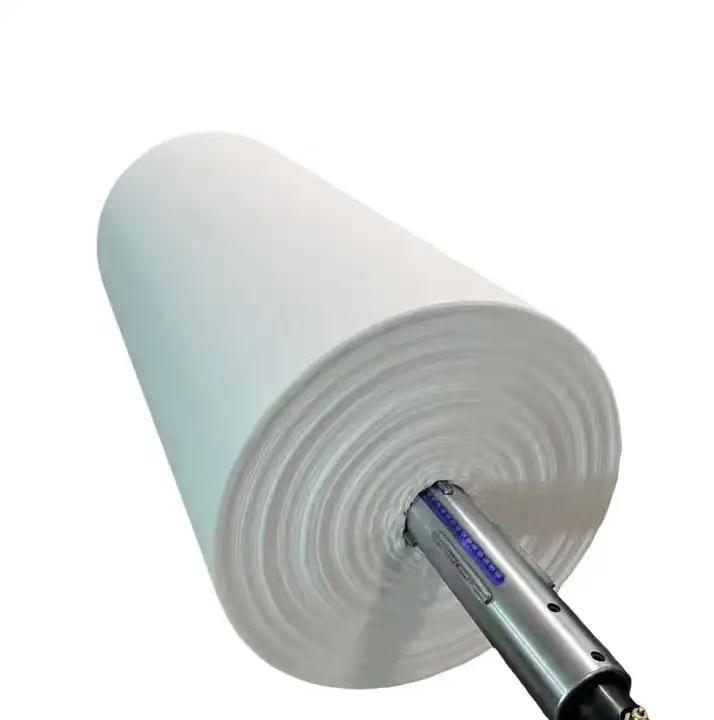
A Surgical Jumbo Gauze Roll is a large, continuous roll of woven absorbent cotton gauze manufactured specifically to be processed further into finished medical products. It means that, unlike the finished gauze products that are supplied directly to hospitals, jumbo rolls are primarily purchased by medical manufacturers that then convert them into finished wound care products, such as gauze swabs, lap sponges, gauze bandages, zigzag gauze rolls, and other wound dressing materials. Manufacturers prefer purchasing jumbo rolls because they offer greater production efficiency and flexibility compared to buying pre-cut materials.
A high-quality surgical jumbo gauze roll is made from 100% cotton that has undergone scouring and bleaching to get rid of natural impurities while improving absorbency. The finished fabric is then wound into large rolls that are ready for cutting, folding, sterilization, or additional processing depending on the final product requirements.
Because these rolls are later used to make various medical products, consistent quality has to be maintained throughout manufacturing.
Surgical jumbo gauze rolls remain one of the most important medical devices that are used throughout the wound care manufacturing industry. So you need to understand and appreciate what these rolls are and how they fit into the healthcare supply chain. With that knowledge, you can be able to evaluate potential suppliers.
How Does Surgical Jumbo Gauze Roll Differ from Standard Gauze Rolls?
Although the two terms are sometimes used interchangeably as though they mean the same thing, surgical jumbo gauze rolls and standard gauze rolls actually serve very different purposes.
Standard gauze rolls are finished medical products intended for immediate clinical use. They are typically cut into predetermined lengths, individually packaged, and supplied in sterile or non-sterile formats for hospitals, clinics, pharmacies, and first aid providers.
On the other hand, surgical jumbo gauze rolls are industrial materials. They are manufactured in much larger sizes so that converters can later process them into multiple finished products using automated production equipment.
Additionally, jumbo rolls will generally require keener attention because inconsistencies or mistakes can affect thousands of finished products when they later get to converters. This is just why procurement managers working in medical manufacturing should be vigilant when purchasing the correct jumbo roll is therefore critical to maintaining production efficiency and finished product quality.
Common Clinical Applications of Surgical Jumbo Rolls
Although surgical jumbo rolls are rarely used directly by clinicians, the products manufactured from them support almost every area of modern healthcare.
Common uses include:
- Surgical dressings
- Gauze swabs
- Wound dressings
- Surgical sponges
- Lap sponges
- Zigzag gauze rolls
- Gauze bandages
- Emergency trauma dressings
- First aid products
- Post-operative wound care
These uses show why consistent raw material quality is so important. Any defect in the original jumbo roll can affect thousands of finished wound care products, which are distributed across multiple healthcare facilities.
Consequently, healthcare procurement teams should evaluate jumbo roll suppliers with the same level of scrutiny they apply to the manufacturers of finished medical devices.
Who Typically Purchases Surgical Jumbo Gauze Rolls?
Unlike finished wound dressings, which are purchased primarily by healthcare facilities, surgical jumbo gauze rolls are purchased primarily by businesses.
Usual customers include:
- Medical device manufacturers
- Wound care product manufacturers
- Contract converters
- Medical distributors
- Healthcare wholesalers
- Procurement managers within manufacturing companies
- International importers
- Government medical supply organizations
Many of these organizations often purchase under long-term supply agreements. This makes supplier reliability just as important as product quality.
Now that we have understood the product itself, the next question procurement managers should consider is: why are surgical-grade gauze rolls held to much higher standards than general-purpose cotton gauze?
Why Surgical-Grade Gauze Rolls Require Higher Standards
Like all products out there, not all medical gauze products are manufactured to the same quality level. Products meant for surgical applications especially require materials that meet much stricter standards. Here is why:
Patient Safety
Patient safety is the primary reason surgical-grade gauze rolls must meet rigorous quality requirements. For example, poor cotton quality, uneven weaving, or manufacturing defects can greatly reduce absorbency or create loose fibers. Such issues may compromise clinical performance and even lead to product rejection during quality inspections.
That is why procurement managers should only consider working with suppliers with documented quality management systems.
Infection Prevention
On average, around 1 in 10 patients is affected by healthcare-associated infections (HAIs), according to the World Health Organization. This reality makes infection prevention a major priority across the healthcare industry.
Because surgical gauze frequently comes into direct contact with wounds and surgical sites and may lead to infections if contaminated, the raw material used to manufacture these products must meet strict cleanliness and quality requirements.
Consequently, procurement teams should evaluate not just the finished specifications but also the manufacturer’s production controls and hygiene practices.
Product Consistency
A reliable medical supplier has to offer consistent quality, weight, dimensions, absorbency capacity, etc. Hospitals and healthcare providers expect every new batch to perform just like the previous one. This expectation begins with the surgical jumbo gauze roll itself, since it serves as the raw material for thousands of finished wound care products.
Even seemingly small variations in mesh count, fabric weight, absorbency, or roll dimensions can affect downstream manufacturing processes. Inconsistencies usually lead to production waste, manufacturing inefficiency, and complaints by customers.
As a result, experienced procurement managers often focus more on production consistency than on getting a supplier who will offer the lowest possible purchase price.
Regulatory Compliance
As expected, medical products are so critical that they have to meet extensive regulatory oversight in nearly every export market around the world. Manufacturers who supply hospitals and healthcare organizations have to comply with all the applicable quality standards, maintain documented quality systems, and provide supporting technical documentation when requested.
This means procurement managers should verify that potential suppliers understand the regulatory requirements for the countries they serve.
Specifications That Matter Most for Surgical Use
Two surgical jumbo gauze rolls may appear similar at first glance, but they are not if viewed through the technical specifications. That’s why procurement teams should review the specifications carefully before requesting quotations or approving production samples.
The specifications applicable to surgical jumbo gauze rolls include:
Cotton Quality
Cotton quality is no doubt the most important specification when evaluating a surgical jumbo gauze roll. Medical-grade jumbo rolls have always been manufactured from 100% natural cotton that has undergone scouring and bleaching to remove waxes, oils, and other impurities. This process improves absorbency while producing the clean white appearance expected in surgical materials.
A high-quality jumbo surgical gauze roll OEM manufacturer should also ensure that the cotton is soft, free from foreign matter, and manufactured without excessive chemical residues.
Mesh Count and Thread Construction
Mesh count refers to the number of warp and weft threads woven within a specific area of gauze fabric. It primarily indicates a product’s construction and influences its absorbency, strength, flexibility, and airflow.
Common mesh counts include:
- 19 × 10
- 19 × 13
- 24 × 20
- 26 × 18
- 28 × 24
- 30 × 20
- 30 × 30
- 40 × 40
Lower mesh counts generally create a more open fabric with higher fluid absorption, while higher mesh counts produce stronger, denser gauze that suits demanding surgical applications.
The appropriate mesh count depends on the intended finished product. Consequently, procurement managers should specify mesh requirements clearly when they request quotations from a medical gauze roll supplier from a Chinese factory.
BP 13 Thread vs Other Mesh Options
One specification frequently requested by international procurement teams is the BP 13 thread jumbo gauze roll. The British Pharmacopoeia (BP) establishes technical requirements for gauze intended for medical applications. The requirements include even the thread construction and performance characteristics. Products that meet BP specifications give buyers much confidence that the finished material satisfies recognized international quality standards.
But BP 13 thread products are not the only available option. Manufacturers may recommend alternative mesh constructions depending on the intended application, production equipment, and destination market.
So, the procurement managers should not assume that one specification suits every project. Instead, they should discuss technical requirements with their manufacturing partner to determine the most appropriate construction that will suit their particular needs.
Width, Length, and Roll Weight
Dimensions have a direct impact on the efficiency of production and how the materials are utilized. Manufacturers usually supply surgical gauze roll 40 yards 90 yards configurations, as well as lengths that are customized for industrial converting operations. Roll widths also vary depending on the requirements of the customer and the production equipment being used.
Therefore, when preparing a request for quotation, procurement managers should ensure they specify:
- Roll width
- Roll length
- Roll weight
- Mesh count
- Fabric construction
- Core diameter, where applicable
This will help manufacturers prepare accurate quotations and reduce the possibility of production errors.
Sterile vs Non-Sterile Products
Surgical jumbo gauze rolls themselves are generally supplied as non-sterile industrial materials because they will still need to undergo additional processing before they become finished medical products. But once they are converted into finished wound care products, they may then be supplied as either sterile or non-sterile products depending on clinical requirements.
Procurement managers should therefore clarify early whether they are purchasing raw jumbo rolls for converting or finished sterile medical products.
Packaging Configurations
Packaging plays an important role in protecting jumbo rolls throughout storage, transportation, and subsequent converting operations.
Manufacturers usually offer packaging options such as:
- Moisture-resistant wrapping
- PE film packaging
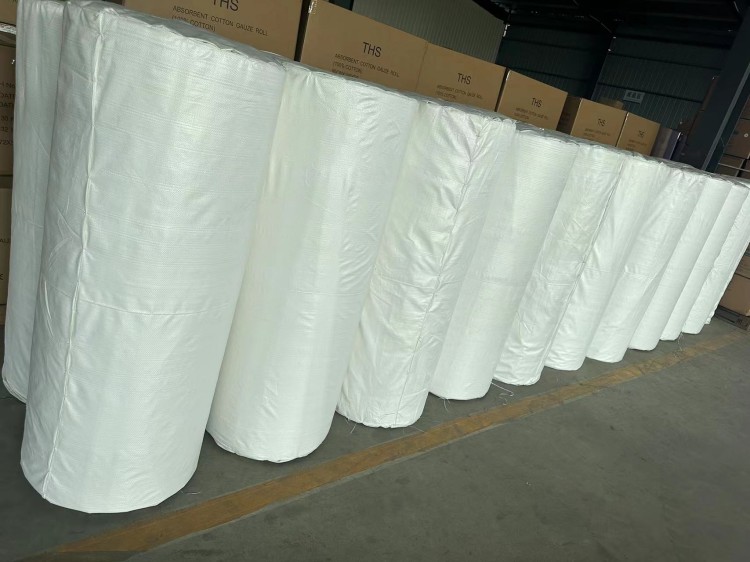
- Woven protective bags
- Export cartons
- Palletized shipments
- OEM packaging solutions
Proper packaging helps prevent contamination, moisture exposure, and physical damage during international transportation.
Table: Typical Surgical Jumbo Gauze Roll Specifications
| Specification | Typical Options |
|---|---|
| Material | 100% Absorbent Cotton |
| Mesh Count | 19×10 to 40×40 |
| Thread Standard | BP 13 Thread and other specifications |
| Roll Length | 40 yards, 90 yards, or customized |
| Roll Width | Customized according to production requirements |
| Sterility | Usually supplied non-sterile for further processing |
| Packaging | PE wrap, woven bags, export cartons, palletized loads |
Product specifications alone are not enough. International sourcing also requires compliance with recognized regulatory and quality standards, which we explore in the next section.
BP, CE, and ISO Standards Explained
Technical specifications are in place to determine how a surgical jumbo gauze roll is manufactured, but internationally recognized standards are there to verify whether the product meets established quality and regulatory requirements for its target markets.
So procurement managers should remember the following standards when evaluating suppliers:
British Pharmacopoeia (BP) Standards
The British Pharmacopoeia (BP) is one of the world’s most widely recognized references for pharmaceutical and medical product quality. This standard establishes detailed specifications for materials used in healthcare, including absorbent cotton and medical gauze.
When a manufacturer states that its products comply with BP requirements, it means the gauze has been produced and tested against defined standards for characteristics such as purity, absorbency, construction, and quality consistency.
BP compliance is usually an important purchasing requirement for procurement managers sourcing products for the United Kingdom, Commonwealth countries, and many international healthcare markets.
Selecting a surgical gauze roll ISO CE BP certified product manufactured to BP standards can also simplify procurement because healthcare providers recognize these specifications as indicators of reliable product quality.
ISO 13485 Quality Management System
ISO 13485 is the quality management system standard that is internationally accepted for medical device manufacturers.
ISO 13485 focuses on how a manufacturer manages quality throughout its operations. That is how it differs from product-specific standards. It requires documented procedures that cover supplier qualification, production controls, quality inspections, risk management, traceability, corrective actions, and continuous improvement.
Additionally, many hospitals, distributors, and government procurement agencies require ISO 13485 certification as a minimum qualification when selecting a supplier.
So before placing a large order, procurement managers should request a current ISO 13485 certificate and verify that it is valid through the issuing certification body.
CE Certification
For the companies that export to the European Economic Area, CE certification is another important consideration. The CE mark indicates that a medical product complies with applicable European Union regulations that relate to safety, performance, and quality.
Procurement managers should confirm that the CE documentation specifically covers the products they intend to purchase. They should also request supporting documentation such as the Declaration of Conformity and other relevant technical files where applicable.
For a manufacturer offering 100% cotton surgical gauze rolls, CE-certified products are a demonstration that it is committed to meeting internationally recognized regulatory expectations.
Other Market Requirements
While BP, ISO, and CE are among the most widely recognized standards, procurement managers still should not forget that regulatory requirements vary across international markets.
That’s why some countries require:
- Product registration
- Import licenses
- Local representation
- Additional quality documentation
- Market-specific labeling
- Customs compliance certificates
For this reason, healthcare procurement teams should identify destination market requirements even before production begins. Doing so helps prevent customs delays and ensures the manufacturer can prepare the necessary documents.
Working with an experienced surgical gauze roll factory and wholesale supplier in China usually simplifies this process because such established exporters are familiar with documentation requirements across multiple regions.
Documents Procurement Managers Should Request
Certifications are important, but they are not the only basis for supplier evaluation. Beyond certifications, procurement managers should also request supporting technical documents that verify product quality and regulatory compliance.
In general, the essential documents to request include:
- ISO 13485 certificate
- CE certificate or Declaration of Conformity, where applicable
- Product specification sheet
- Certificate of Analysis (COA)
- Material specifications
- Quality inspection reports
- Sterilization validation reports for finished sterile products
- Packaging specifications
- Export documentation required for the destination market
Table: Comparison of Major Quality Standards
| Standard | Primary Purpose | Typical Markets | Why It Matters |
|---|---|---|---|
| BP (British Pharmacopoeia) | Product quality and performance standards | UK, Commonwealth countries, international markets | Verifies absorbency, purity, and construction quality |
| ISO 13485 | Medical device quality management system | Global | Demonstrates consistent manufacturing and quality control |
| CE Marking | European regulatory compliance | European Economic Area | Confirms compliance with applicable EU medical device regulations |
| Country-Specific Registrations | Import and market access | Varies by country | Supports legal importation and product distribution |
Meeting international standards is an essential part of supplier qualification. However, many experienced procurement managers will also look into OEM and customization options when they require customized products that align with their requirements. The next section explores these special business needs.
OEM and Custom Manufacturing Options
Apart from standard products, many healthcare distributors and medical product manufacturers seek manufacturing partners that can adapt specifications, packaging, and branding to support their own product lines and market requirements. That is why OEM services have become an important consideration when evaluating a Surgical Jumbo Gauze Roll supplier.
Here is how:
Custom Dimensions
It’s so difficult to find two production facilities or manufacturers that operate the same way. There have to be some differences in the converting equipment, finished product specifications, and customer requirements.
As a result, many procurement managers work with a supplier that can manufacture jumbo rolls in custom widths, lengths, and roll weights. It’s because this flexibility reduces unnecessary material trimming, improves production efficiency, while minimizes waste during converting.
Common customization options include:
- Roll widths
- Roll lengths
- Roll diameters
- Core sizes
- Roll weights
- Mesh count variations
- Ply configurations
So a reliable jumbo surgical gauze roll OEM manufacturer should work closely with customers to understand their production processes before recommending the most suitable specifications.
Custom Packaging
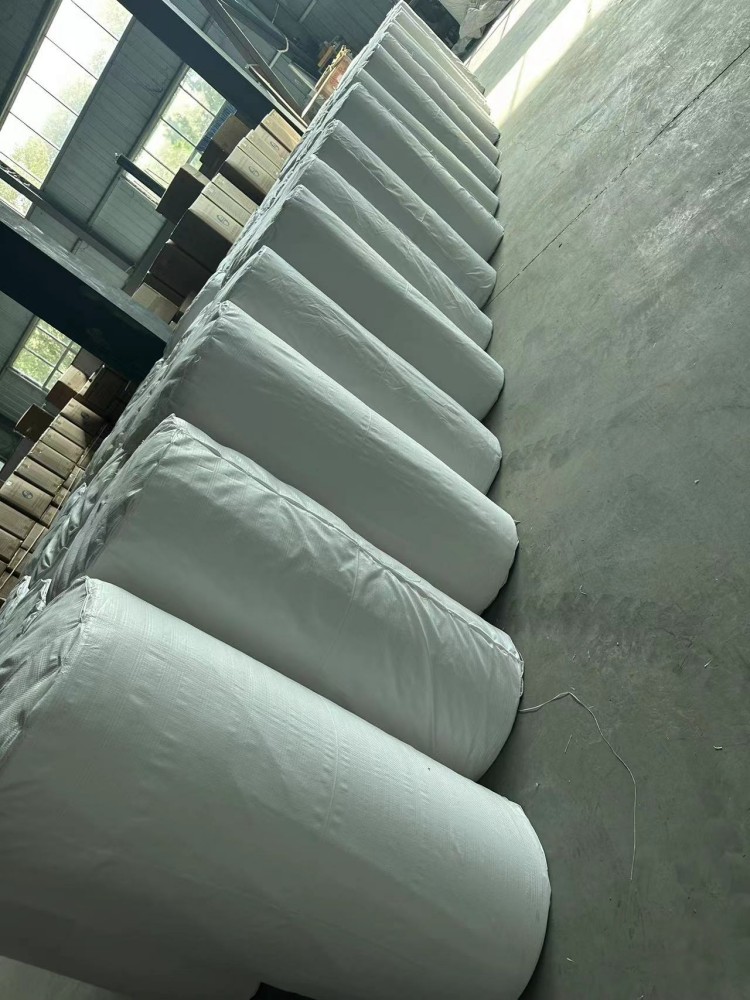
Packaging plays an important role in protecting the product from moisture, dust, and physical damage during transportation. But there’s more to it.
Different destination and distribution channels have their packaging requirements. It’s all about taste. Some procurement teams look for simple industrial packaging for internal manufacturing, while others need export-ready packaging that’s designed for wholesalers, distributors, or healthcare organizations.
Common customization options include:
- PE wrapping
- Moisture-resistant packaging
- Woven protective bags
- Export cartons
- Customized carton dimensions
- Palletized shipments
- Customer-specific labeling
Procurement managers should specify their packaging requirements during the quotation stage. This helps suppliers to prepare accurate pricing. It also reduces the likelihood of production delays. Moreover, standardized packaging simplifies warehouse operations and improves handling efficiency throughout the supply chain.
Private Label Branding
Many distributors prefer selling products under their own brand instead of the manufacturer’s name. They do this through private label manufacturing. It enables procurement managers to build stronger brand recognition while offering products that meet their own quality and packaging standards.
OEM branding services may include:
- Company logos
- Product labels
- Printed packaging
- Instruction leaflets
- Barcode printing
- Multilingual packaging
- Marketing artwork
Working with an experienced medical gauze roll supplier China factory will simplify this process because such established manufacturers often have dedicated design and packaging teams that support private label projects.
Documentation Support
Customization goes beyond the physical product. Many procurement managers also require documentation tailored to their regulatory and commercial requirements.
Depending on the destination market, manufacturers may need to provide:
- Product specification sheets
- Certificates of Analysis
- Material Safety Data where applicable
- Certificates of Origin
- Packing lists
- Commercial invoices
- Product labels in local languages
- Customer-specific technical documentation
MOQ for OEM Orders
When planning customized production, Minimum Order Quantity (MOQ) is an important factor that has to be considered. OEM projects generally require higher MOQs than standard products because manufacturers must allocate production capacity and prepare customized packaging. Sometimes purchased specialized raw materials are also allocated. However, MOQ requirements vary depending on the level of customization requested.
Factors influencing MOQ usually include:
- Custom dimensions
- Private label packaging
- Printed cartons
- Special labeling
- Unique product specifications
- Dedicated production runs
Procurement managers should discuss MOQ expectations early in the sourcing process so both parties can determine the most cost-effective production plan.
While customization capabilities are valuable, they represent only one aspect of supplier selection. There are other evaluations procurement managers have to do before entering into a long-term supply agreement. One such evaluation criteria form the basis of the supplier assessment framework we discuss in the next section.
The Supplier Evaluation Framework
So much could go wrong if the procurement team ends up not with the right manufacturer. This is one area they have to get it right the first time. It’s only a structured evaluation framework that will allow procurement managers to compare suppliers objectively and identify partners capable of delivering consistent quality, reliable service, and long-term supply stability.
So the evaluation framework should consider the following as well:
Manufacturing Experience
A manufacturer who has been in the industry for many years no doubt has much experience compared to a new one. It follows that a manufacturer with many years of experience producing surgical gauze understands the technical requirements of different export markets, quality standards, and production challenges. Such a manufacturer has also found ways to refine their manufacturing processes and quality management systems.
That said, experience alone is not proof of quality. So the procurement managers should also examine other aspects before making a decision.
For instance, it’s good to ask questions like:
- How many years has the company manufactured surgical gauze products?
- Which countries does the company currently export to?
- What medical products are manufactured using its jumbo gauze rolls?
- Can the supplier provide customer references or case studies?
A manufacturer that can answer these questions confidently usually demonstrates greater operational maturity.
Production Capacity
Does the manufacturer have the production capacity to always meet the current and even future demand? Some manufacturers can only handle small production runs well, but will struggle when customers place larger or recurring orders.
On the other hand, there are manufacturers who operate multiple production lines, which can meet the demands of long-term procurement contracts with hospitals, distributors, and medical manufacturers.
So, all in all, the procurement managers should evaluate factors such as:
- Number of production lines
- Daily and monthly production capacity
- Availability of raw materials
- Workforce size
- Production scheduling flexibility
- Ability to accommodate urgent orders
Taking the time to understand these capabilities will help organizations avoid supply shortages, so much during periods of increased healthcare demand.
Export Experience
Being able to manufacture quality products is not the same as being able to export them. Exporting medical products actually involves far more than manufacturing them. To successfully export, suppliers must understand international shipping requirements, customs documentation, labeling regulations, and country-specific import procedures.
Again, manufacturers with established export operations generally have systems in place to manage these requirements efficiently.
Quality Management System
A documented quality management system is an indication that manufacturing processes are controlled rather than improvised. A reliable manufacturer puts in place written procedures covering raw material inspection, production monitoring, equipment maintenance, employee training, corrective actions, and product traceability. These systems help ensure that every production batch meets agreed specifications.
Procurement managers should verify whether the supplier:
- Operates under ISO 13485
- Maintains documented inspection procedures
- Performs batch traceability
- Conducts internal quality audits
- Provides continuous employee training
- Implements corrective and preventive action programs
It’s best to review these practices to learn more about the manufacturer’s operational discipline instead of just relying on the manufacturer’s marketing brochures or website claims.
Customer Support and Communication
Communication should not be overlooked during supplier evaluation because it plays a significant role in long-term procurement success. Is the supplier responsive enough to answer technical questions promptly, provide accurate quotations, communicate production updates, and address issues before they become larger problems?
A supplier who communicates poorly cannot be relied on. Poor communication frequently results in production delays, misunderstandings, and unnecessary costs.
Procurement teams should observe how suppliers respond during the quotation process by considering:
- Response time to inquiries
- Accuracy of quotations
- Technical knowledge
- Willingness to answer detailed questions
- Transparency regarding production schedules
- Ability to communicate clearly in international business environments
The quotation stage will provide an accurate indication of what future collaboration will be like.
Quality Control Standards to Verify Before Ordering
In this context, quality control standards are about how manufacturers inspect raw materials, monitor production, and verify finished products. Procurement managers should understand how the manufacturer does these before approving an order.
Raw Material Inspection
When it comes to products such as surgical jumbo gauze roll quality, control begins long before the weaving process starts. Reliable manufacturers carefully inspect incoming cotton to ensure it meets the required standards for purity, fiber length, color, and cleanliness.
Cotton of poor quality can affect absorbency, strength, and the overall performance of the finished gauze. So, identifying defects at this stage prevents problems later in production.
Typical raw material inspections include:
- Verifying cotton fiber quality
- Testing the moisture content
- Visual inspection for contamination
- Supplier qualification and approval
- Batch identification and traceability
A supplier that carefully controls raw materials is more likely to deliver consistent product quality across multiple production batches.
In-Process Inspection
Some manufacturers only monitor quality at the end of production. That should not be the case. Quality should be monitored continuously during manufacturing. Production teams should perform routine inspections to ensure that the woven fabric remains consistent throughout the entire roll.
Continuous monitoring can help detect problems early, allowing manufacturers to make immediate adjustments and reduce material waste.
Common in-process inspections include:
- Mesh count verification
- Thread density measurement
- Fabric width inspection
- Roll length verification
- Visual inspection for weaving defects
- Fabric tension monitoring
Finished Product Testing
Once manufacturing is done, finished jumbo rolls still undergo another series of inspections before they are approved for shipment.
These final inspections confirm that the product complies with the customer’s specifications and applicable quality standards. They also provide recorded evidence that the production batch has successfully passed the manufacturer’s quality assurance procedures.
Finished product testing commonly includes:
- Absorbency testing
- Tensile strength testing
- Dimensional verification
- Roll weight confirmation
- Appearance inspection
- Packaging inspection
From time to time, manufacturers may also perform random sampling during production, depending on the established quality inspection procedures, to verify whether consistency is maintained across larger production batches.
For procurement managers, these final inspections provide additional confidence that the products delivered will perform as expected during downstream manufacturing.
Certificates and Reports to Request
Quality inspections only mean anything when they are supported by documented evidence. So instead of just relying solely on marketing materials, procurement managers should go a step further to request quality records that can demonstrate that the manufacturer has complied with the agreed specifications and international standards.
Key documents usually include:
- Certificate of Analysis (COA)
- Product specification sheet
- Batch inspection report
- ISO 13485 certificate
- CE documentation where applicable
- BP compliance information, where applicable
- Material traceability records
- Packaging specifications
- Export inspection reports if required
It’s best that the healthcare procurement teams review these documents before placing any purchase order since it’s through such review that they can objectively compare suppliers and reduce procurement risks.
Even when a manufacturer says they have a strong quality system, they should still be taken through a careful evaluation.
Common Red Flags When Evaluating Suppliers
Procurement managers should look past the comely brochures and websites to the operational practices, documentation, and communication.
Recognizing the following warning signs early can help prevent costly delays, product quality issues, and supply chain disruptions:
Unrealistically Low Prices
Some suppliers come with really attractive, hard-to-resist pricing, complete with professional marketing materials. They must never be taken at face value since they may present risks that only become apparent long after production has begun.
Competitive pricing is important and should be sought, but when the deal is too good, the procurement teams should better think twice. A price that falls way below the market average should attract suspicion.
Manufacturing medical-grade gauze requires quality cotton, specialized production equipment, trained personnel, and rigorous quality control. So, if a quotation appears unusually low, it may be an indication that there have been significant compromises in raw materials, inspection procedures, or manufacturing consistency.
Instead of selecting the lowest quotation automatically, procurement managers should request a detailed breakdown of the pricing.
Missing or Outdated Certifications
Certifications are there to provide evidence that a manufacturer operates within the recognized quality management standards. So, if a supplier is reluctant to provide current ISO certificates, CE documentation where applicable, or other supporting records, procurement teams should proceed cautiously.
Also to be concerned about are the expired certificates or documents that cannot be verified through the issuing organization. A reliable manufacturer usually maintains organized documentation and readily provides it during the quotation process. In fact, their willingness to share these records usually demonstrates transparency and confidence in their quality systems.
Poor Communication
Communication during the sourcing stage often points to how the supplier will perform throughout the business relationship. A responsive supplier helps minimize misunderstandings and contributes to smoother project execution.
But delayed responses, incomplete answers, inconsistent quotations, or unclear technical explanations should be taken as inadequate customer support. These communication challenges can become even more problematic once production has started or if unexpected issues arise.
That’s why the procurement managers should evaluate how suppliers respond to technical questions, requests for documentation, and production updates.
Inconsistent Product Samples
One way the healthcare procurement teams can verify quality before placing larger orders is through product samples. If sample quality varies significantly between batches or does not match the agreed specifications, it may indicate inconsistent manufacturing processes or incompetent quality control. Differences in absorbency, fabric construction, dimensions, or appearance should be investigated before approving mass production.
But consistent samples clearly show that the manufacturer can reproduce the same quality across future production runs, which is particularly important for long-term supply agreements.
Limited Export Experience
Manufacturers who have limited export experience may have difficulty with putting together accurate documentation, complying with the regulations, or understanding international logistics. These issues can lead to customs delays, additional costs, or disruptions to inventory planning.
Procurement managers should therefore ask about the supplier’s export history, destination markets, and experience with similar customers. An established exporter is likely to be better prepared to support international procurement projects from quotation through final delivery.
Are Chinese Surgical Gauze Rolls Really Low Quality?
While identifying potential red flags is such an important part of supplier evaluation, procurement managers should also separate perception from reality. One common misconception is that medical products manufactured in China are inherently lower in quality. Why does this perception even exist, and does it even always reflect today’s manufacturing environment?
Indeed, questions about product quality are common when organizations begin sourcing medical products internationally. Some procurement managers remain cautious about sourcing, particularly from China, because of some outdated assumptions or isolated negative experiences.
However, modern manufacturing tells a much different story, and evaluating an individual manufacturer is far more important than judging products based solely on their country of origin.
Why This Perception Exists
The perception that products manufactured in China are low quality largely took root during the rapid expansion of global manufacturing several decades ago. During that period, some exporters focused primarily on producing cheap consumer goods, and quality varied much between manufacturers. As a result, many international buyers associated Chinese manufacturing with inconsistent quality.
Reasons Why Chinese Surgical Gauze Rolls Can Be Trusted
Here are the reasons why you can rely on the quality of the surgical gauze rolls manufactured in China despite the misconceptions out there:
Modern Manufacturing Technology
Over the past two decades, the manufacture of medical equipment or devices in China has undergone substantial technological advancement. So, many facilities now utilize automated weaving equipment, digital production monitoring, computerized inspection systems, and modern packaging lines. These investments improve manufacturing precision while reducing variability between production batches.
Additionally, automation has helped manufacturers to increase production capacity without sacrificing consistency. For procurement managers placing recurring orders, this translates into more reliable product quality and shorter production cycles.
International Quality Standards
Leading Chinese manufacturers continue to align their operations with quality standards that are internationally recognized. Many now operate under ISO 13485 quality management systems while producing products that comply with BP specifications and CE requirements where applicable. The exporters also carry out routine audits, documented inspection procedures, and traceability systems.
Global Healthcare Supply Chains Depend on China
China has become one of the world’s largest manufacturing hubs for medical products. Each year, thousands of hospitals, healthcare distributors, medical device companies, and government procurement agencies source a wide range of medical products from qualified Chinese manufacturers. This alone reflects confidence in the Chinese manufacturers that consistently meet international quality and regulatory requirements.
Choosing the Right Manufacturer Matters More Than Country of Origin
These reasons aside, the country where a product is manufactured should never be the only factor influencing procurement decisions. A well-managed Chinese factory with strong quality systems, experienced personnel, documented inspections, and responsive customer support is likely to deliver more reliable results than a poorly managed supplier operating anywhere else in the world.
Pricing, MOQ, and Lead Times
During supplier evaluation, the cost should be much considered, but not at the expense of product quality, manufacturing capability, and long-term reliability. It’s essential that procurement managers understand how pricing is calculated because such knowledge helps them to compare quotations fairly while avoiding unexpected costs later in the procurement process.
Factors That Influence Factory Pricing
Factory pricing doesn’t depend on just a single unit price but on several technical and commercial factors including:
- Cotton quality
- Mesh count
- Roll dimensions
- Production volume
- Packaging requirements
- OEM customization
- Sterilization requirements, where applicable
- Shipping terms
- Raw material market conditions
Instead of requesting only the lowest quotation, procurement managers should evaluate overall value by considering the above factors. For example, a BP 13 thread jumbo gauze roll manufactured using premium cotton and customized packaging will generally cost more than a standard industrial specification.
Typical MOQ Requirements
Minimum Order Quantity (MOQ) varies depending on the production processes of different manufacturers and the level of customization requested by different customers.
Standard products usually require lower MOQs because production can be combined with other customer orders. Customized products, however, often require dedicated production schedules, specialized packaging, or unique specifications, resulting in higher MOQs.
Typical MOQ considerations include:
- Standard specifications
- OEM production
- Private label packaging
- Customized dimensions
- Special labeling
- Export carton customization
By discussing MOQ requirements during the initial quotation stage, both parties can easily develop a realistic production plan that balances customization with commercial efficiency.
Production Lead Times
Production lead time influences inventory planning, warehouse management, and customer delivery schedules. Lead times vary depending on order size, product complexity, factory workload, and raw material availability. Standard products are generally manufactured more quickly than customized OEM orders because they require fewer production adjustments.
That said, procurement managers should request estimated timelines that cover:
- Sample production
- Mass production
- Quality inspection
- Packaging
- Shipment preparation
Organizations that obtain realistic lead times are able to maintain appropriate inventory levels while reducing the need for expensive emergency purchases.
Sample Orders Before Mass Production
Before approving large-volume purchases, it’s usually advisable to request production samples. Indeed, it is considered a best practice to do that. The reason for this is that samples allow procurement managers to verify absorbency, dimensions, mesh count, cotton quality, packaging, and overall workmanship before committing to full-scale production. They also provide an opportunity to identify specification changes early, when adjustments can still be made efficiently.
Once the sample has been approved, it should serve as the reference standard for future production batches. This approach reduces quality disputes and strengthens communication between both parties throughout the project.
Long-Term Supply Agreements
Many healthcare organizations and manufacturers would rather have long-term supply agreements instead of placing isolated purchase orders.
This is because long-term partnerships offer several advantages, such as more predictable pricing, reserved production capacity, improved production planning, and stronger collaboration between procurement teams and manufacturers.
Benefits include:
- Greater pricing stability
- Improved production scheduling
- Priority manufacturing during peak demand
- Better inventory planning
- Stronger supplier relationships
- More consistent product quality
By putting in place long-term agreements with reliable suppliers, procurement managers can reduce procurement risks while supporting sustainable business growth.
Shipping, Logistics, and Documentation
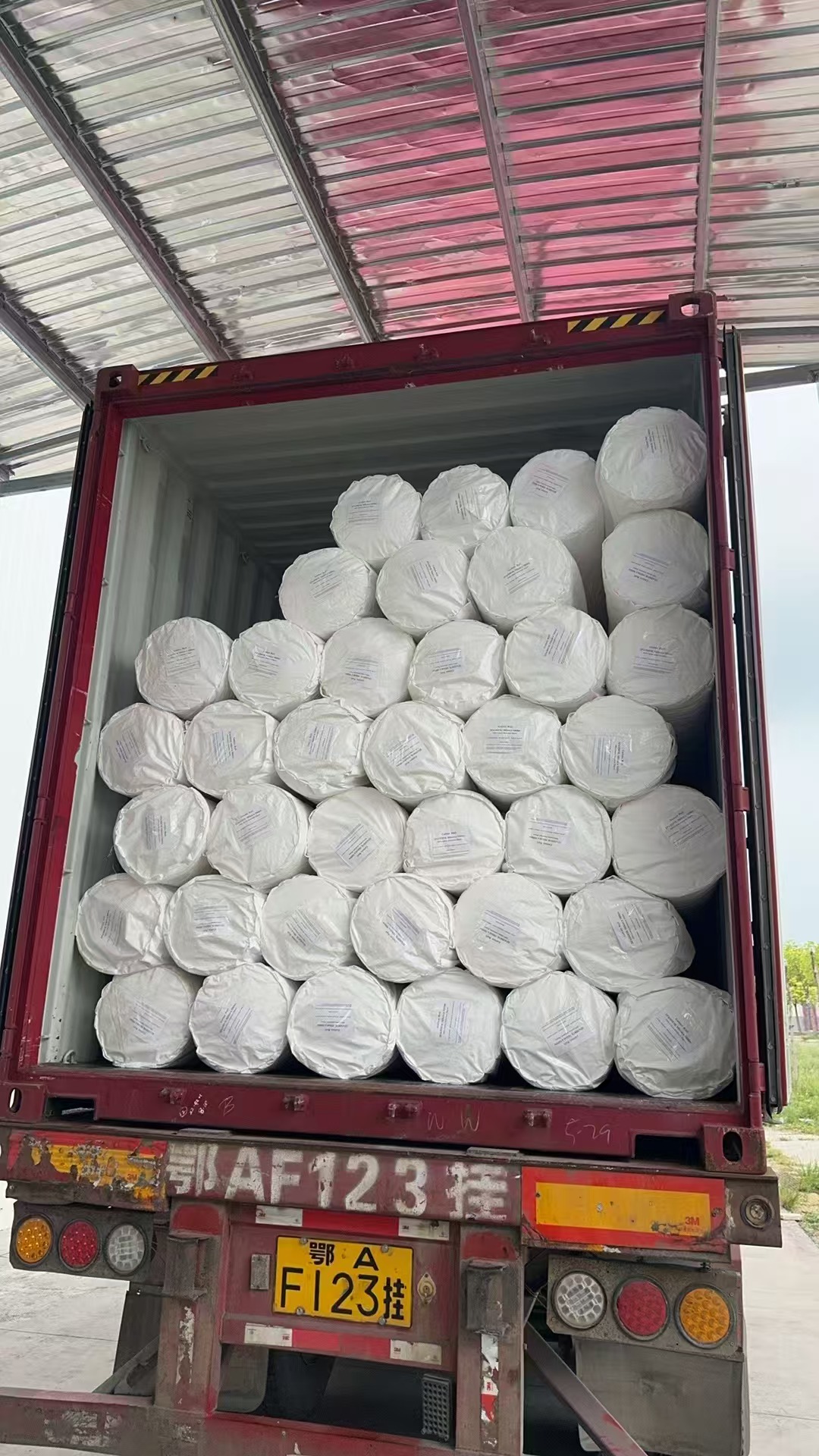
Once pricing and production planning have been put in place, attention should next turn to the final stage of international sourcing: shipping, logistics, and documentation. It’s these factors that determine how efficiently products move from the factory to the customer’s warehouse.
Before placing a long-term order, procurement managers should evaluate a supplier’s logistics capabilities using the following:
Export Packaging
It’s the proper packaging that protects surgical jumbo gauze rolls from moisture, contamination, and physical damage when they are being transported to various markets across the world.
Manufacturers typically package jumbo rolls using moisture-resistant PE film before placing them in woven bags or export cartons. Depending on customer requirements, products may also be palletized to improve handling efficiency and reduce the risk of damage when being loaded and unloaded.
Procurement managers should confirm packaging specifications before production begins, including:
- Individual roll packaging
- Inner packaging configuration
- Export carton dimensions
- Carton markings
- Pallet specifications
- Moisture protection
- Barcode and labeling requirements
Sea Freight vs Air Freight
When selecting the right shipping method, delivery timelines, shipment size, and transportation budget should be kept in mind. Air freight is the most preferred option where urgent shipments and production samples are involved because it’s the fastest. However, the higher transportation costs make it less suitable for routine bulk purchases.
On the other hand, sea freight is still the most economical solution for large international shipments. Although sea freight takes longer to get to the destination, it’s less costly compared to air freight. That’s why it remains the preferred choice for most hospitals, distributors, and medical manufacturers importing surgical gauze products.
The best approach would be for the procurement teams to adopt a hybrid strategy whereby they ship approved samples and other urgent cargo through air freight while transporting commercial production orders by sea.
| Shipping Method | Advantages | Considerations | Best For |
|---|---|---|---|
| Air Freight | Fast delivery, shorter lead times | Higher freight costs | Samples, urgent replenishment, small orders |
| Sea Freight | Lower transportation cost, suitable for bulk cargo | Longer transit times | Large commercial orders and long-term inventory planning |
Export Documentation
International trade relies a lot on accurate documentation. Even high-quality products may experience customs delays if shipping documents are incomplete or inconsistent. That’s why experienced exporters understand these requirements and prepare documentation carefully before shipment.
Procurement managers should confirm that the supplier can provide:
- Commercial Invoice
- Packing List
- Bill of Lading or Air Waybill
- Certificate of Origin
- Certificate of Analysis (COA)
- Product Specification Sheet
- Inspection Reports where required
- CE and ISO documentation, where applicable
Reviewing documentation before shipment will reduce clearance delays and support compliance with destination market requirements.
Storage and Shelf Life
Maintaining product quality does not end when production is complete in the factory, but continues even when the product is in transit or in the warehouse. So, proper storage during transportation and warehousing is equally important to maintain quality.
Surgical jumbo gauze rolls should be stored in clean, dry, and well-ventilated facilities away from excessive humidity, direct sunlight, and contaminants. Maintaining suitable environmental conditions will help preserve cotton quality and protect packaging integrity throughout storage.
Procurement teams should also implement inventory management practices such as First In, First Out (FIFO) or First Expired, First Out (FEFO), depending on internal procedures. These systems reduce inventory losses while ensuring products are used within their recommended shelf life.
When an organization combines good logistics planning with proper storage practices, the result is protected product quality throughout the supply chain.
BKAMED’s Surgical Jumbo Gauze Roll Range
After evaluating product specifications, certifications, quality systems, pricing, and logistics, the procurement manager should end up with a supplier such as BKAMED who will consistently deliver these standards while supporting the long-term procurement objectives.
BKAMED manufactures surgical jumbo gauze rolls for healthcare manufacturers, distributors, wholesalers, and importers worldwide. The company has mastered the art of combining modern production capabilities with comprehensive OEM services and international export support.
Here are some of the reasons why BKAMED stands out as one of the leading surgical jumbo gauze roll manufacturers in China:
Standard Product Range
BKAMED produces Surgical Jumbo Gauze Roll products that are manufactured from 100% absorbent cotton for medical converting applications.
The products are available in a wide range of mesh counts, roll widths, roll lengths, and fabric constructions to meet varied manufacturing requirements. Whether customers want standard industrial specifications or customized production, BKAMED will offer them flexible manufacturing solutions that are designed to support different wound care product lines.
This company also manufactures products that can be converted into gauze swabs, gauze bandages, zigzag gauze, lap sponges, surgical dressings, and other medical consumables.
OEM Manufacturing
BKAMED recognizes that every customer has different production requirements, so it provides comprehensive OEM and private label manufacturing services to meet these varying needs.
Customization options include:
- Custom roll dimensions
- Mesh count selection
- Roll weight customization
- Packaging design
- Private label branding
- Customized carton printing
- Multilingual labeling
- Customer-specific technical specifications
These wide options make it possible for healthcare procurement teams to source products that fit their manufacturing processes and brand strategies while maintaining consistent product quality.
Quality Assurance
At BKAMED, quality assurance is part of every stage of the process, not just a policy that is applied at the final stages. Raw materials are inspected before they are introduced into the processors. The quality inspection continues even after they have become finished products and are being shipped.
This rigid quality inspection ensures there is product consistency across various batches. The consistency gives procurement managers greater confidence in long-term supply reliability.
Furthermore, such a continuous quality improvement helps maintain manufacturing efficiency while supporting evolving customer requirements.
Export Support
International customers require more than quality products. They also need responsive service and dependable logistics support.
BKAMED well understands this and so assists customers throughout the sourcing process by providing technical documentation, quotation support, export documentation, production updates, and shipment coordination. This all-out approach simplifies international procurement while helping customers plan inventory more effectively.
The company’s export experience also enables it to fully support customers across different regulatory environments and destination markets.
Why Procurement Managers Choose BKAMED
We have learned that selecting the right supplier involves balancing quality, reliability, customization, and long-term value. Procurement managers choose BKAMED because the company combines:
- Modern manufacturing facilities
- International quality standards
- Flexible OEM manufacturing
- Consistent quality control
- Competitive factory pricing
- Professional export support
- Responsive customer service
- Long-term supply capabilities
These strengths enable customers to build dependable sourcing partnerships that extend beyond individual purchase orders.
Choosing the Right Surgical Jumbo Gauze Roll Supplier
Selecting a Surgical Jumbo Gauze Roll supplier involves much more than comparing prices. Procurement managers should take the time to evaluate product specifications, ISO 13485 quality management systems, BP and CE compliance where applicable, manufacturing capability, OEM flexibility, quality control processes, and export experience before making a sourcing decision. A structured evaluation helps reduce procurement risks, improve product consistency, and build a more resilient healthcare supply chain.
According to the World Health Organization, access to safe, effective, and quality-assured medical products is essential for delivering quality healthcare worldwide. As global demand for medical consumables continues to grow, partnering with a dependable manufacturer becomes an increasingly important competitive advantage. If your organization is looking for a trusted supplier of surgical jumbo gauze rolls, contact BKAMED today to discuss your requirements, request product samples, and receive a competitive factory quote tailored to your procurement needs.
