
How often does adhesive tape become a small procurement issue that turns into a clinical problem? An observational study by NCBI of adult acute-care patients found that medical adhesive-related skin injury occurred at a mean daily prevalence of 13.0%, with individual daily rates ranging from 3.4% to 25.0%. For hospitals, that makes the choice of silk surgical tape more than a simple question of price, roll length, or carton quantity.
The right product must hold securely, remove predictably, match clinical use, and arrive with documentation that satisfies procurement and regulatory requirements. Buyers also need to evaluate the manufacturer behind the tape because two rolls that look similar can behave differently once they are applied to skin, packaging, tubing, dressings, or fixation sites.
This guide explains how hospitals and surgical distributors can source silk surgical tape in bulk, compare suppliers, set specifications, review compliance documents, negotiate pricing, and avoid common purchasing mistakes.
What Is Silk Surgical Tape and Why Is It Still Widely Used?
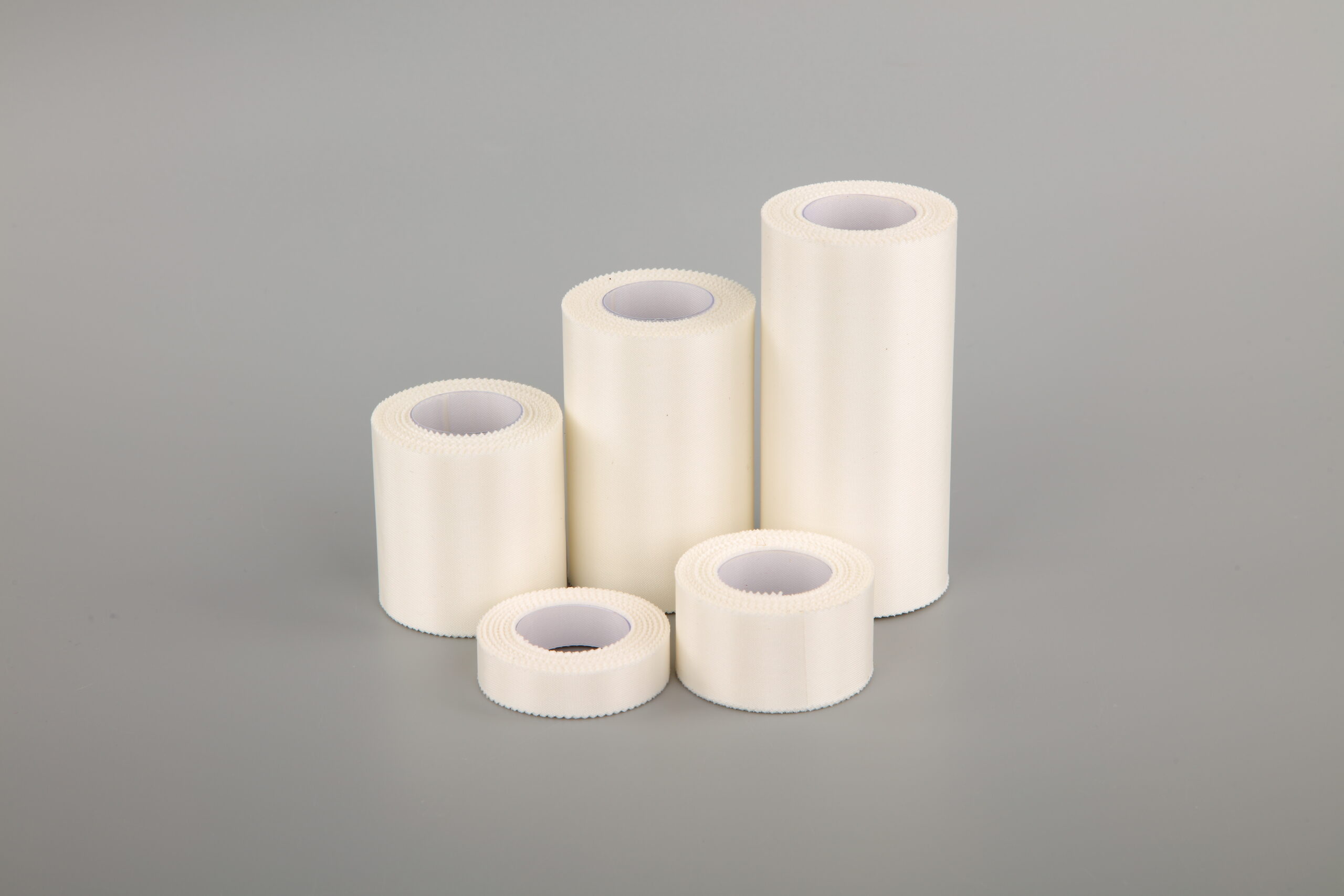
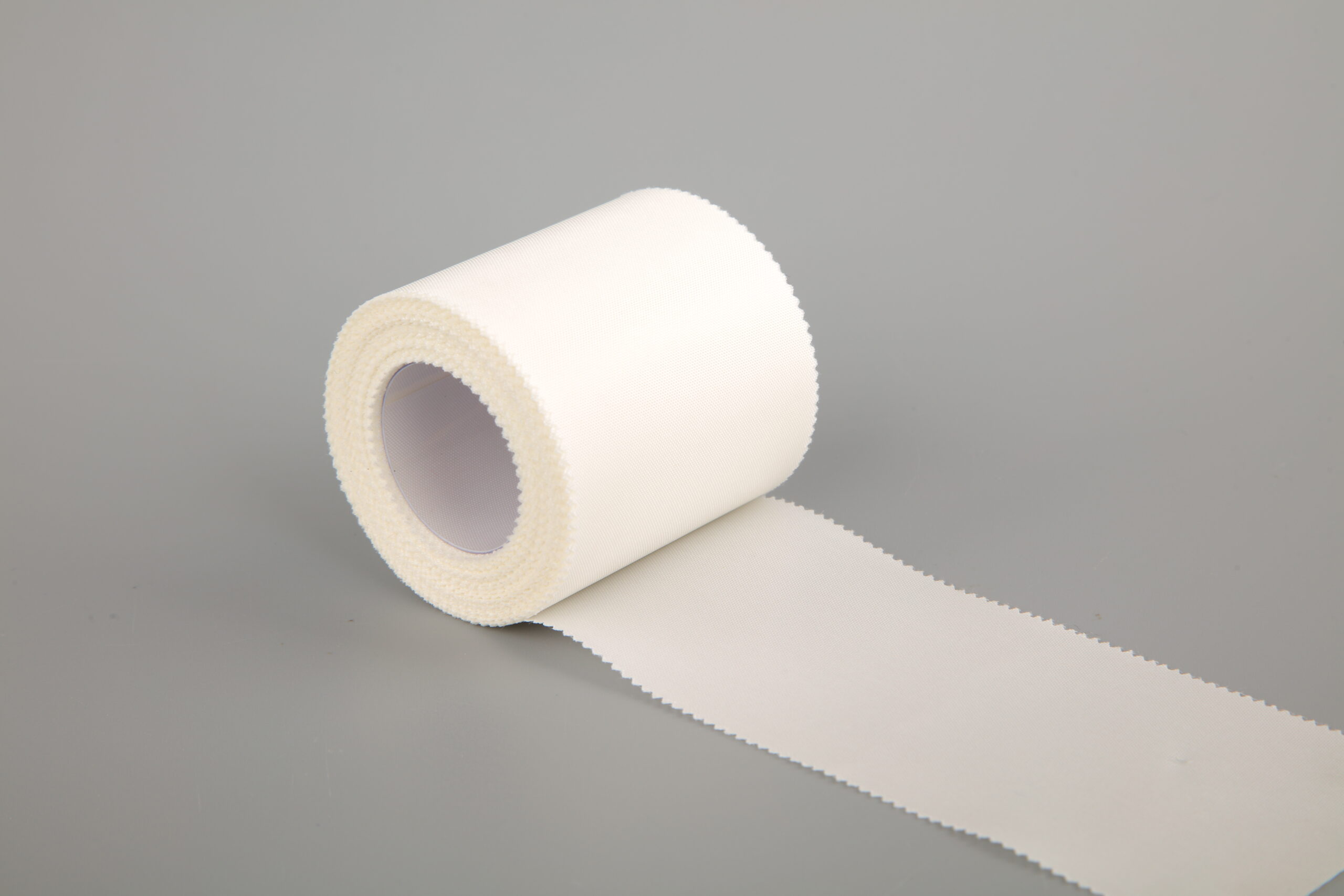
Silk surgical tape is a pressure-sensitive medical adhesive tape designed for securing dressings, tubing, devices, and other clinical materials to the skin. Despite the growing range of paper, nonwoven, film, foam, and silicone-based medical tapes, silk-backed tape remains a familiar product in many hospitals because it combines strength, conformability, and practical handling.
The word “silk” describes the backing material used in the construction of the tape. Commercial products may use a woven or fabric-like synthetic backing engineered to provide a smooth surface and controlled tear characteristics rather than natural silk fiber intended for textiles. Buyers should therefore confirm the actual backing composition in the technical datasheet instead of relying on the product name.
The adhesive is equally important. Medical tape manufacturers formulate pressure-sensitive adhesives to provide a balance between initial tack, holding power, flexibility, and removal characteristics. The adhesive must remain stable during normal use while avoiding unnecessary residue or excessive trauma during removal.
For hospital procurement teams, the value of silk surgical tape is mainly functional. A roll needs to work quickly in a busy clinical environment, where nurses, surgeons, technicians, and other healthcare professionals may need to tear a strip, position it, secure a dressing, and continue treatment without spending additional time fighting with the material.
Why Hospitals Continue to Specify Silk Tape
Familiarity is one reason. Clinical staff who have used a particular type of tape for years often understand how it behaves with gloves, dressings, tubing, gauze, and patient skin.
Strength is another factor. Silk surgical tape is commonly selected when the application requires stronger fixation than a lightweight paper tape may provide. This does not mean silk tape is automatically the best choice for every patient or every application, but it explains why purchasing specifications often continue to include it.
The physical backing also matters. A fabric-like structure can offer good conformability around curved surfaces and can be easier to handle when a user needs to tear or cut the tape to a specific length.
Silk Tape Should Not be Treated as a Single Universal Specification
One of the biggest mistakes in bulk procurement is treating the product name as the full specification. “Silk surgical tape” tells the supplier what product category the buyer has in mind, but it does not define the exact construction, width, length, adhesive system, backing, color, packaging, or acceptance criteria.
A hospital may need a 1-inch roll for routine fixation while another facility purchases wider rolls for larger dressings. One distributor may require individual retail boxes, while another needs bulk cartons for repacking under a private label.
That difference should be resolved before requesting quotations. Otherwise, procurement teams may receive several prices for products that are not actually comparable.
The Role of Skin Compatibility
Skin contact is an important part of tape selection. Medical adhesive-related skin injuries can include erythema, skin stripping, tears, blisters, erosion, and other forms of damage associated with adhesive products. An international consensus review noted that adhesive-related injuries can be mechanical, dermatitis-related, or associated with other causes.
This does not mean a silk tape product should be rejected simply because it has strong adhesion. It means the intended patient population, duration of use, application site, and removal procedure should be considered when setting the product specification.
For routine hospital purchasing, features such as latex-free construction and hypoallergenic positioning may also matter. A recent AIIMS Bhubaneswar tender, for example, included surgical silk tape specifications calling for hypoallergenic, non-natural-rubber-latex construction.
Clinical Applications and Use Patterns
The demand for silk surgical tape comes from a wide range of clinical tasks. The product may sit in a general treatment-room supply cabinet, an operating-room inventory system, a nursing station, or a distributor warehouse serving several facilities.
The exact use pattern depends on hospital policy and clinical protocol. Procurement teams should not assume that every department will consume tape at the same rate.
Securing Dressings
One of the most familiar applications is securing gauze, absorbent dressings, wound covers, and other materials. The tape keeps the dressing positioned while allowing healthcare workers to inspect, replace, or reinforce the dressing when required.
The amount consumed can rise sharply in departments where dressings are changed frequently. Wound-care units, emergency departments, and surgical wards may therefore need higher stock levels than departments with less frequent dressing changes.
Fixing Tubing and Lines
Adhesive tape can also help to hold tubing, medical catheters and other external medical gear in place. Tape specification should be chosen based on the fixation requirement and not merely because it is strong.
For example, a department dealing with repeated movement can prioritize reliable adhesion, and a patient population with fragile skin can require a different adhesive strategy. It is important that the clinical users who know these differences participate in procurement.
In a 2026 randomized controlled trial by the National Institutes of Health involving infants, removing the tape caused pain to some extent. Also, using a protective skin product with medical tape reduced the pain associated with the removal of the adhesive. The study specifically examined silk tape in nasogastric tube fixation.
Postoperative Care
There is steady demand for dressings in postoperative environments, where there is a need for continued protection and monitoring of the incision sites. The needed tape width and holding characteristics can vary — depending on the size of the dressing, anatomical location, and institutional practice.
Alternatively, surgical units might have a couple of tape sizes to use for different applications instead of using one roll size for all applications. This is important in making standardized item coding particularly useful.
Emergency and Trauma Care
Emergency departments usually need a tape that can be applied quickly. The clinical staff may have limited time to open the packaging, position a dressing, and cut a suitable strip.
A tape that tears cleanly and remains easy to manipulate is helpful in reducing unnecessary handling. For emergency procurement, the packaging should also be practical enough for rapid access.
Pediatric and Neonatal Care
Pediatric use deserves additional attention because skin tolerance and removal comfort are different compared to adult applications. Hospitals should not automatically assume that a strong adhesive product intended for adults can also be suitable for pediatric use.
In these settings, it’s important for the procurement teams to connect the product specification to the clinical protocol. A lower-trauma tape or a skin-protection product may be needed even when the underlying fixation task is the same.
Outpatient and Ambulatory Care
Ambulatory centers use silk surgical tape for dressing fixation, short-term uses, for minor procedures and for wound care after procedures. Their purchasing patterns differ from a large acute-care hospital. Outpatient facilities usually buy smaller quantities, but they need consistent packaging, reliable delivery, and multiple widths.
Distributor Demand
Surgical distributors generally have other concerns — the flexibility of products. They can serve hospitals, clinics, pharmacies, outpatient facilities, and government tenders at the same time. A distributor therefore benefits from manufacturers who can maintain the same product specification across recurring orders while offering different pack counts, labeling formats, and private-label options.
Product Specifications for Bulk Orders
Bulk purchasing of silk surgical tape works best when B2B buyers create a written specification before discussing the prices. This is helpful in preventing the supplier from quoting against an incomplete product description.
At a minimum, it is important for the specifications of silk surgical tape to address the backing material, adhesive type, dimensions, color, packaging, intended application, and the key performance requirements.
Backing Material
Start with the backing materials. Check if woven fabric, synthetic silk-like material, rayon or other construction is used for the product.
The manufacturer should supply them with the exact material description in the technical data sheet. Technical qualifications should not be judged solely on the basis of the term “silk tape”.
The backing construction can impact the tearability, flexibility, tensile behavior, and handling. So, B2B buyers who need a specific texture or tear pattern should clearly state that requirement.
Width
The width of the silk surgical tape must be given in mm, cm or inches depending on markets/costing system. Typical healthcare measures involve narrow rolls for smaller fixation jobs and wide rolls for bigger dressings.
Avoid having multiple widths on the same generic item number; if not, the purchasing system must be able to accommodate multiple variant requests. Different SKUs help prevent the wrong size, and make inventory management easier.
Length
The lengths of the rolls has a direct effect on the effective unit price. A lower-priced roll does not necessarily mean it’s cheaper — if it contains significantly less tape.
So, it’s important for the procurement teams to compare prices by usable length of the tape and pack configuration, instead of comparing carton prices alone. This is particularly important when evaluating silk surgical tape manufacturers from different countries.
Adhesive
The specification for the adhesive should include the adhesive system, and any relevant performance requirement. Hospitals can request for hypoallergenic or latex-free products where their procurement policy calls for those characteristics.
Adhesion to clean, dry skin and removal behavior are other factors to consider when in clinical use. So, it’s important for manufacturers to explain its adhesive system without hiding behind generic language. Request technical documentation instead of marketing descriptions.
Adhesion and Holding Power
Adhesion should be defined according to the right test method agreed between B2B buyers and suppliers. A simple statement such as “strong adhesive” provides the procurement teams with almost no measurable information.
It is important for B2B buyers to define what matters the most for the intended use of the silk surgical tape. For example:
- Initial tack
- Holding power over a specified period
- Peel adhesion
- Resistance to movement
- Clean removal
This is particularly important when the tape will be used for tender orders. A tender specification should be measurable enough, so that suppliers can be compared on the same basis.
Tearability
Many healthcare workers prefer tape that can be torn by hand. There are some tender specifications which explicitly ask for the tearing of the specimens to be bi-directional or predictable.
This feature should be tested during the evaluation of the silk surgical tape. A tape can meet a written description but still be inconvenient, if the user struggles to tear it across or along the roll.
Color
White is a common color. However, hospitals and distributors can have different preferences. Color can also impact the identification of a product in a catalog. In the case of the private label buyer, the chosen color must be specified and approved as a sample for subsequent production.
Core and Roll Construction
Inner core diameter and quality of windings may be important to distributors with a specific dispenser or storage system. Establish if the tape is rolled evenly, if the tape edges are kept clean and if the roll telescopes and/or shifts upon handling. These points may not be of concern during the sampling stage, but can cause problems during operation when thousands of rolls are used.
Packaging
Packaging needs to be specified at three levels:
- Individual unit
- Inner carton
- Master carton
There should be sufficient identification at each level to facilitate inventory control and traceability. This can be product name, dimensions, lot/batch number, manufacturing date, expiry date (if applicable), manufacturer details, storage conditions, regulatory marks and other required information depending on the target market.
Note: ISO 15223-1 provides standardized symbols for information supplied with medical devices. For example, symbols used on devices, packaging, and accompanying information.
Sterile Versus Non-Sterile
Don’t assume that a silk surgical tape is sterile, just because it is used in a hospital. Many medical adhesive tapes are supplied non-sterile and are useful within clinical procedures where sterility is not required.
If a sterile silk surgical tape is needed, it’s important for B2B buyers to specify:
- The sterilization method
- Sterile-barrier packaging
- Sterility assurance requirements
- Shelf life
- Validation documentation
ISO 11607-1 covers packaging material and sterile barrier systems used for terminally sterilized medical devices. It is designed to keep them sterile until use.
A Practical Specification Sheet
For a repeat order, the purchase specification should be fixed before quotation. A helpful document contains the actual dimensions, construction, adhesive specifications, color, pack size, labels (required or not), acceptable tolerances, inspection parameters, and documentation. This document becomes the reference point for the sample, purchase order, pre-shipment inspection, and future replenishment.
Finding and Qualifying a Wholesale Silk Surgical Tape Supplier
Finding a silk medical tape manufacturer in China is much easier. But it’s tough to qualify one. Medical tape search results, trading platforms, catalogues or supplier directories can give hundreds of manufacturers that claim to supply medical tape. Procurement should distinguish between actual production and just mere trading.
Start With the Manufacturer’s Role
This is the first thing to do when looking for a reliable silk medical tape manufacturer in China. Ask directly if the company is the actual manufacturer, an authorized trading company, or a distributor representing another factory.
A trading company can still be legitimate — particularly when it manages quality, export documentation, and customer service well. But B2B buyers should understand the supply chain before approving the source.
For long term contracts, knowing the manufacturing site is particularly important. It’s because audits, quality agreements, complaint handling, and change-control procedures can depend on the actual production facility.
Review the Factory’s Medical Device Experience
A supplier making industrial adhesive tape is not automatically qualified to make medical tape. Medical products need controls which are in line with their target market and function.
Ask:
- How long the factory has manufactured medical adhesive products
- Which markets it serves
- What quality systems govern production
ISO 13485:2016 is the globally recognized quality management standard — specifically for medical devices. ISO provides important requirements intended to help organizations consistently meet customer and regulatory requirements for medical-device products.
Check Production Consistency
Looking to buy silk surgical tape in bulk? It is important for B2B buyers to ask about batch-to-batch consistency. A hospital cannot afford to receive a new shipment every quarter only to discover that the adhesive behaves differently from the previous batch.
Ask the supplier how they control raw materials, adhesive coating, curing or processing conditions, roll winding, packaging, and the final inspection. Also ask whether the factory keeps retained samples and production records by batch or lot.
Request Samples Before Approval
Don’t make the first silk tape bulk order during the product qualification exercise. Request representative samples in the exact dimensions and construction you intend to purchase.
Ask clinical users to test the tape at work and record their experiences. The evaluation should cover adhesion, tearability, general user acceptance, removal and residue, packaging, handling on gloves, and conformability.
Compare Samples Fairly
When comparing suppliers, use the same conditions for the test. The same area of application — same preparations, same time, same removal process. Don’t approve a product just because it feels stronger in a quick hand test.
A very aggressive adhesive may appear impressive initially but can create problems during removal. The goal is not maximum adhesion. The objective is to provide suitable performance for specific clinical applications.
Audit Documentation Before Placing the Order
Documentation should be examined prior to finalizing the commercial negotiation. A package of documents might consist of:
- Manufacturer’s business and factory information
- ISO 13485 certificate, where applicable
- Product technical datasheet
- Certificate of analysis or conformity documents where available
- Regulatory status for the destination market
- Test reports supporting relevant product claims
- Product labeling and packaging artwork
- Lot traceability information
- Shelf-life information
- Declaration or other regulatory documentation required for the destination market
The exact documents depend on the destination country and the intended silk surgical tape claims.
China Sourcing
Buyers searching for a silk medical tape manufacturer in China should evaluate the factory based on evidence rather than country alone. China has a large medical-device manufacturing industry, although there are significant differences in the capability of the factories.
A credible supplier will be able to provide information on their:
- Legal entity
- Manufacturing location
- Product range
- Quality certification
- Export experience
- Inspection process
For hospital procurement, ask for documents before entering a long term supply agreement. This is helpful in avoiding wasting time with suppliers who cannot satisfy your regulatory or tender requirements.
Manufacturer Versus Distributor
The best choice of silk surgical tape depends on the order size and buying model. Hospitals with recurring container-level or annual demand can benefit from buying directly from a manufacturer. Smaller clinics or regional buyers can prefer a distributor that carries inventory locally.
The most important question is not simply “manufacturer or distributor?” It is whether or not the supply chain gives B2B buyers consistent quality, reliable replenishment, traceability, acceptable lead times, and the right commercial terms.
Compliance and Regulatory Requirements
Compliance requirements vary depending on the destination market and by how the product is classified and marketed. B2B buyers should never assume that one certificate automatically provides access to every country.
United States Requirements
Medical adhesive tape falls under the category of medical adhesive tapes and bandage products regulated by regulation 21 CFR 880.5240 of the US FDA regulations. These products are classified as Class I and generally 510(k)-exempt (with applicable limitations) in the FDA classification database.
That exemption does not mean a supplier can ignore the regulatory system. The FDA states that: “Establishments involved in producing and distributing medical devices for commercial distribution in the United States must register, with requirements determined by the establishment’s activities”.
Therefore, B2B buyers importing silk surgical tape into the United States should verify the actual regulatory status of the manufacturer instead of accepting a generic claim such as “FDA approved.”
European Union Requirements
When supplying to the European market, medical device suppliers must consider the requirements of Regulation (EU) 2017/745 — commonly referred to as the Medical Device Regulation. Manufacturers are primarily responsible for bringing compliant devices to the European market.
Furthermore, according to the European Commission, the MDR places greater emphasis on life-cycle safety, clinical evidence, and post-market surveillance than the earlier directives. Where CE marking applies, the MDR requires it to be visibly, legibly, and indelibly affixed on the device or the packaging — with further requirements depending on the conformity-assessment route.
This renders the claim CE certified silk surgical tape exporter useful only when the underlying regulatory documentation can be verified. “CE certified” should not be treated as a substitute for reviewing the applicable declaration, certificate, product identification, and manufacturer information.
ISO 13485
ISO 13485 is one of the most useful quality management system references for medical-device sourcing. The standard addresses the quality management systems used for the design and manufacture of medical devices. Also, it is intended to support consistent product quality and regulatory compliance.
For B2B buyers, verification requires checking the legal manufacturer name, manufacturing site, certification body, certificate period and scope of activities. A certificate that belongs to a related company but does not cover the actual production facility deserves further investigation.
Biocompatibility and Skin Contact
The level of needed biological evaluation depends on the nature and duration of patient contact, and the applicable regulatory framework. Therefore, it’s important for B2B buyers to ask the supplier what biological-evaluation evidence supports the adhesive and backing materials for the intended use.
This is more meaningful than simply asking whether the product is “skin safe” or not. Furthermore, the procurement team should be able to distinguish between a general claim and documented test results.
Labeling and Traceability
Medical-device labeling should contain sufficient information for safe use and identification of the device. Lot or batch identification is particularly useful in hospital supply chains for stock rotation, complaint tracking and purposeful withdrawal of products, when required.
Sterile Product Documentation
When the product is ordered sterile, packaging validation becomes a major consideration. ISO 11607-1 deals with packaging systems and sterile barrier systems designed to keep packaging sterile until it is used.
A sterile tape supplier should therefore provide evidence that the product and packaging process have been appropriately validated. Never take the word “sterile” as adequate evidence.
Tender Compliance
Government and institutional tenders can be more demanding than regular commercial purchases. A typical tender can specify dimensions, material, latex status, adhesion, packaging, samples, certificates, labeling, and delivery requirements.
When responding to a tender, suppliers should map every requirement against a supporting document or sample. Missing any one of the mandatory specifications can eliminate an otherwise competitive quotation.
Pricing and MOQ
Price discussions around silk surgical tape often become confusing because suppliers use different pack sizes, roll lengths, and commercial terms. A buyer should first normalize the quotation.
For example, compare the price per roll, the price per meter, the price per carton, and the landed cost where possible. This provides a clearer picture than comparing each supplier’s headline unit price.
What Determines Wholesale Price?
Several factors influence the final quotation:
- Tape width and roll length
- Backing material
- Adhesive formulation
- Packaging type
- Printing and private labeling
- Order volume
- Quality-control requirements
- Documentation requirements
- Sterile or non-sterile configuration
- Shipping terms and destination
- Currency and payment terms
- Special testing or inspection requirements
A simple hospital-grade roll and a custom private-label product with printed packaging should not be expected to carry the same unit cost.
Understanding MOQ
MOQ (Minimum Order Quantity) may be stated in rolls, cartons, boxes, or master cartons. Some factories may quote separate MOQs for standard products and customized products.
The MOQ may also increase when the buyer requests custom printing, special colors, new packaging, or private labeling. The buyer should therefore ask for at least two prices: the standard-stock quotation and the customized-order quotation.
Silk Tape MOQ Wholesale Price
When reviewing a silk tape MOQ wholesale price, do not focus only on the minimum quantity. Ask what quantity produces the best total economics.
A very low MOQ can carry a higher unit cost, while a very large MOQ can create excess inventory. The ideal order quantity depends on usage, shelf life, warehouse capacity, cash flow, and replenishment lead time.
Volume Breaks
Suppliers commonly offer different pricing levels at different quantities. A hospital might request pricing for one carton, ten cartons, a pallet, and a full-container order. A distributor may instead need a tiered annual contract based on total purchased volume. The buyer should request the quantity tiers in writing and confirm whether the price applies to a single shipment or accumulated annual volume.
Total Landed Cost
The supplier’s factory price is only one part of procurement cost. For imported silk surgical tape, the purchasing team should account for freight, insurance where applicable, customs duties, customs clearance, local transport, inspection charges, warehousing, and financing costs. A supplier with a slightly higher factory price can sometimes deliver a lower landed cost because its packaging, logistics, lead time, or documentation process is better organized.
Payment Terms
Common international payment structures may include a deposit before production with the balance paid before shipment, although individual suppliers may offer different terms. For larger hospital or distributor contracts, payment terms can become part of the supplier evaluation. Cash flow matters, particularly when the buyer needs to hold several months of inventory.
Avoid Comparing Unlike Quotations
One quotation may be for 24 rolls per carton, another for 30 rolls, and another for individually boxed units. Before comparing prices, normalize the specification. Otherwise, purchasing teams can select a supplier based on a lower unit price that actually represents less tape or less favorable packaging.
OEM and Private Label Silk Surgical Tape
Private-label demand has grown among distributors that want to sell a consistent medical-tape range under their own brand. A silk surgical tape OEM distributor may need more than logo printing. The project can involve custom packaging, product identification, carton configuration, regulatory information, artwork approval, barcodes, and market-specific documentation.
Standard OEM
The simplest OEM arrangement keeps the supplier’s standard product and changes the branding or packaging. This can be suitable for distributors that want their own brand without changing the underlying tape construction. Because the product itself remains standard, approval is usually easier than a full product-development project.
Custom Packaging
A distributor may request:
- Custom retail boxes
- Custom inner cartons
- Printed roll labels
- Barcodes
- Distributor branding
- Multilingual labeling
- Different units per box
- Market-specific information
Packaging changes can introduce unexpected costs. Buyers should therefore request artwork requirements, setup charges, printing costs, lead times, and minimum quantities before approving the project.
Product Customization
More demanding OEM projects may involve changes to dimensions, roll length, backing, adhesive characteristics, packaging configuration, or other product attributes. Every change should be treated as a controlled specification change rather than an informal request. The manufacturer should identify which tests and documents will need to be updated after customization.
Artwork Approval
Artwork approval deserves a formal process. A small mistake in product dimensions, manufacturer information, regulatory symbols, or labeling can make an entire printed packaging run unusable. The buyer should approve a final proof before production starts. Keep the approved artwork version in the purchasing record.
Private Label Traceability
A private-label buyer should know which manufacturing batch sits behind each branded product.
This is especially important when the distributor sells into multiple healthcare markets. A robust traceability arrangement supports complaint handling and targeted communication if a quality issue arises.
Tape Standardization in Hospital Procurement
Standardization can significantly simplify hospital purchasing. Without standardization, different departments may order different brands and specifications for essentially the same purpose. That creates more SKUs, more training requirements, more warehouse space, and more opportunities for ordering errors.
Start with Clinical Requirements
Standardization should not begin with the cheapest tape. Clinical teams should first identify which applications require silk tape, which can use paper tape, and which require another adhesive technology. The goal is to avoid purchasing one product for every possible task.
Create an Approved Product Family
A hospital might standardize a small range of silk surgical tape sizes rather than allowing dozens of variations. For example, the hospital could approve one narrow roll, one medium roll, and one wider roll, with specific departments assigned to each SKU where appropriate. The exact sizes should be based on actual consumption and clinical requirements rather than an arbitrary template.
Silk Tape vs Paper Tape Hospital Procurement
The silk tape vs paper tape hospital procurement decision should focus on use cases instead of declaring one tape universally superior. Paper tape may be preferred for applications where breathability, gentler handling, or a lighter construction is desired. Silk tape may be selected where greater strength and more substantial fixation are needed. The correct purchasing decision depends on the clinical application, patient population, expected wear time, skin condition, and hospital protocol.
Use Consumption Data
Hospital procurement teams should examine at least 6 to 12 months of historical usage when available. Look at consumption by department rather than total hospital demand alone. This can reveal seasonal changes, high-use departments, stockpiling behavior, and products that are being ordered but rarely used. Consumption data also helps set realistic reorder points.
Build Reorder Controls
A useful inventory system should consider average monthly use, supplier lead time, safety stock, and the potential delay caused by customs or production schedules. For imported products, the reorder point needs to account for more than the manufacturer’s stated production time. A factory may quote 20 days of production, but the complete supply chain could take much longer once documentation, inspection, freight, customs, and local delivery are included.
Approve Alternatives Carefully
Hospitals sometimes need a backup supplier in case the primary manufacturer experiences delays. The backup tape should not be treated as automatically equivalent. The alternative product should go through a controlled qualification process. This prevents an emergency substitution from introducing a different adhesive behavior or packaging format without clinical review.
How to Qualify a Supplier Before a Long Term Contract
There are four areas to assess when conducting supplier evaluation: the product, manufacturing, regulatory documentation and commercial reliability.
Product Qualification
It’s important for B2B buyers to approve a reference sample and retain it as the standard for future production. The approved sample should be identified by product code, dimensions, manufacturer, and revision, or batch information (where applicable). Future lots can then be evaluated against the approved specification.
Manufacturing Qualification
Request a copy of the evidence showing the manufacturer’s quality system and production controls. If the size, scope and/or durability of the contract is such that an on-site audit is warranted, a third-party audit may be considered as an option. The depth of the audit should reflect the importance of the product and the commercial value of the agreement.
There are several areas that are worth reviewing. These include raw material controls, incoming inspection, adhesive processing, environmental controls (where relevant), production records, final inspection, non-conformance handling, and subsequent actions taken in the event of complaint.
Regulatory Qualification
B2B buyers should verify the regulatory process for their destination country. Don’t copy a compliance list from another market and assume it applies everywhere. A document that’s accepted by one authority may not be accepted by another.
For European silk surgical tape sales, the MDR framework applies. And it includes the requirements concerning conformity, technical documentation, clinical evidence (where relevant), post-market activities, and CE marking.
Commercial Qualification
A reliable silk surgical tape manufacturer must also perform well commercially. It is important to ask about:
- Lead times
- Production capacity
- Annual supply capability
- Export markets
- Payment terms
- Forecast requirements
- Emergency orders
- Complaint response time
- Replacement policy
- Change-control notification
- Shipping experience
The lowest silk surgical tape quotation is not necessarily the cheapest alternative for supply.
Purchasing Silk Surgical Tape in Bulk: A Practical Process
The process can be streamlined so that hospitals and distributors have a clear order to follow, making the process more predictable.
Step 1: Establish Annual Demand
Use real data on consumption. If no information is available, make an approximation by department and validate after the first procurement cycle. Annual demand for bulk silk surgical tape hospital supply must also consider wastage and emergency usage, along with fluctuations in patient volume.
Step 2: Write the Specification
Do not ask suppliers simply for “silk tape wholesale.” Provide them with size, construction, adhesive type, packaging, regulatory destination, and annual quantity. A well-detailed RFQ can produce more useful quotations from the silk surgical tape manufacturer.
Step 3: Shortlist Suppliers
Rather than sending inquiries to dozens of manufacturers who may not have the capacity to respond, it’s better to have a short list of three or five manufacturers who are well qualified. It’s important to prioritize silk surgical tape suppliers who can provide the required documentation and product samples.
Step 4: Test Samples
Involve nurses, surgeons, wound care specialists or other clinical users. The procurement teams can be good at comparing prices, however, the clinical staff are better positioned to assess the actual usability of the silk surgical tape.
Step 5: Review Compliance
Collect the required certificates, declarations, technical documents, labeling and test reports. Ensure that the documents are from the appropriate manufacturer and product being sold.
Step 6: Negotiate Commercial Terms
After the product has passed the technical qualification, it’s important to negotiate volume, lead time, payment, packaging, shipping, and price tiers. This order matters. There is little value in securing a low price for a silk surgical tape that cannot pass the clinical or regulatory approval.
Step 7: Approve a Golden Sample
Keep one approved silk surgical tape sample as the physical reference for future production. This can be helpful in resolving disputes if the product changes in the future.
Step 8: Monitor Each Shipment
Here, it is important to use incoming quality controls to check for the dimensions, packaging, labels, lot information, carton count, and visual condition. For higher-risk or high-volume orders, it’s important to consider pre-shipment inspection.
Step 9: Review Supplier Performance
Reassess at fixed intervals the delivery performance, complaint level, documentation, price stability and product quality. A silk surgical tape supplier should earn continued business through reliable performance.
Common Bulk Procurement Mistakes
Choosing Based Only on Unit Price
Lower silk surgical tape prices can be attractive to many B2B buyers, but they do not reveal the full cost of ownership. A cheap silk surgical tape that creates user complaints, has inconsistent adhesion, packaging problems, or supply delays can cost more compared to a slightly higher-priced product from a better controlled manufacturer.
Failing to Define the Tape Construction
The term “silk surgical tape” can cover more variation than B2B buyers expect. Always check the backing, adhesive, size, roll length, and packaging.
Treating Certificates as Proof of Product Quality
A valid certificate will give you information about a quality system or regulatory system, but it will not take the place of product qualification. The product still has to correspond with the desired specification.
Skipping Clinical Testing
Procurement departments should avoid making product decisions based only on catalogs and technical sheets. Performing tests on the silk surgical tape sample can be helpful in revealing usability issues that are invisible in the documents.
Ordering Too Much
Large quantities of silk surgical tape can lead to lower prices. However, excess stock ties up cash and warehouse space. The correct order quantity should reflect actual demand and replenishment time.
Ordering Too Little
The opposite issue can also happen. Small orders may carry higher unit costs and increase the frequency of purchasing activities. Hospitals should calculate an appropriate replenishment cycle for silk surgical tape.
Ignoring Packaging
Packaging errors can cause stock identification problems even when the silk surgical tape itself is technically correct. It’s important to make the packaging requirements part of the approved specification.
Failing to Control Changes
Silk surgical tape manufacturers can change raw materials, packaging, production sites, or processes over time. A supply agreement should include a change-notification requirement — for changes that could affect the product or regulatory status.
What to Ask a Silk Surgical Tape Manufacturer Before Ordering
Before approving a silk surgical tape supplier, it’s important for the procurement teams to ask the manufacturers several practical questions. For example:
- What is the exact backing material?
- What adhesive system is used?
- Is the product latex-free?
- What widths and lengths are available?
- What are the standard packaging quantities?
- What is the MOQ for standard production?
- What is the MOQ for private-label production?
- What is the production lead time?
- What quality-management certification does the factory hold?
- Which markets does the manufacturer currently supply?
- Can the supplier provide technical and regulatory documentation for the target market?
- What testing supports the product’s stated claims?
- How are production batches identified?
- How does the factory manage complaints?
- How are product changes communicated?
- Can the manufacturer provide a pre-shipment sample or inspection arrangement?
These practical questions are more useful than asking for the “best price” alone.
Working With a Certified Manufacturer for Long Term Supply
Long term supply relationships work best when both parties have clear expectations. The buyers should give realistic estimates and communicate major changes in quantities/requirements. On the other hand, manufacturers should maintain the agreed specifications and inform buyers about relevant changes before implementation.
The supply agreement can also include clauses for:
- Quality specifications
- Inspection requirements
- Delivery schedule
- Packaging
- Documentation
- How non-conforming products are handled
- Complaint timelines
- Corrective actions
For distributors, the contract should also protect the consistency of their brands. The product received in the 3rd year should not look or perform materially different from the product that was approved in the 1st year — unless the changes have been reviewed.
Building a Reliable Silk Surgical Tape Supply Strategy
Bulk purchasing is not simply a transaction between a B2B buyer and a factory. This is a silk surgical tape supply strategy. Hospitals need continuity because tape is a common consumable that is used in various departments. Distributors, on the other hand, need continuity because their customers want a consistent product on each reorder.
This dependable approach involves a combination of:
- Demand planning
- Technical standardization
- Qualified manufacturing
- Regulatory review
- Inventory control
- Supplier performance management
The first question should always be: “What is the intended clinical use?” Once the clinical requirement becomes clear, procurement can outline the specification, and evaluate qualified suppliers on an equal basis.
This approach is also helpful in making price negotiations much easier. A supplier cannot cause confusion by quoting different constructions because the buyer has already determined exactly what product they need.
With time, hospital buyers or distributors develop a controlled product standard. That standard becomes the reference for future silk surgical tape orders, alternative suppliers, private-label projects, and tender submissions.
Choosing Between Local and International Suppliers
International silk surgical tape sourcing can provide broader manufacturing options and competitive production economics. Local sourcing can provide faster delivery, easier communication, and simpler inventory replenishment.
The appropriate choice depends on the size of a buyer’s order and their operating model. Large distributors might benefit more from direct manufacturing deals, making it feasible to ship by container and offer custom-made packaging.
Hospitals with limited warehouse capacity may prefer a bulk silk surgical tape importer or local distributor who holds stock nearby. A hybrid model can also work. The buyer can maintain a primary international manufacturer while keeping a qualified local source for urgent needs. The most important thing is avoiding dependence on a single untested source.
Managing Imports for Silk Surgical Tape
If buying from overseas, please read the shipping terms before sending the purchase order (PO). Ask the supplier exactly what the quoted price includes and excludes. Confirm who handles export documentation, freight booking, insurance (if applicable), customs documents, and local delivery.
Additionally, it is important that the buyer verifies the carton size and weight before shipping. These figures can affect freight costs and warehouse planning.
For regular orders, keep a record of the actual transit times. Over several shipments, B2B buyers can calculate a realistic lead time range rather than relying on the manufacturer’s standard production estimate alone.
The Importance of Traceability
Traceability may seem unnecessary for an inexpensive consumable. However, it becomes invaluable when a product complaint occurs. A hospital should be able to identify the supplier, product code, batch and purchase order for the stock.
The manufacturer should also be able to locate the production batch and the relevant quality records. This helps in a quick investigation if a customer reports a packaging problem, adhesive or labelling error, or any other problem.
How Distributors Can Build a Strong Silk Tape Product Line
Distributors can improve profitability by building a controlled range instead of carrying every possible specification. A simple product family might include several widths and lengths that cover the majority of customer needs.
Distributors can then provide standard products and premium or specialty options where there is a clear market need. Private labeling can strengthen the range, but only when the underlying supply chain is stable. A distributor should avoid launching a branded product before confirming that the manufacturer can support repeat production with the required quality level.
Why Supplier Documentation Should Be Reviewed Before the Contract
Documentation often becomes an afterthought because silk surgical tape appears simple. This can create problems in the future.
- A hospital may need certificates for tender submission.
- A distributor may need labeling documents for registration or customer qualification.
- An importer may need manufacturer details for customs or regulatory review.
Collecting these documents after production has started can create unnecessary delays. Document review should take place during supplier qualification, not after the purchase order is signed.
A Practical Way to Compare Quotations
Suppose there are 3 suppliers apparently offering different prices. Don’t select the lowest figure immediately. First, confirm that all 3 quotations refer to the same tape width and length. Next, check the backing material, adhesive, packaging quantity, private label requirements, and delivery terms.
Then, compare and calculate the effective price per roll and per metre. Finally, include the costs of inspection as well as freight, documentation, customs, local delivery, and stock. Only after this comparison can the B2B buyer make a sound purchasing decision.
Why Consistency Matters More Than a One-Time Low Price
A one-time transaction doesn’t help a hospital which requires the same product every month. There is a value in consistency. It reduces complaints, simplifies training, stabilizes inventory planning, and makes reorder specifications much easier to maintain.
For a distributor, consistency also protects customer relationships. A hospital buyer who approves one tape and receives a materially different product on the next shipment may move to another supplier. Therefore, in order to build long term value, it is important to have predictable quality, predictable supply and predictable documentation.
Final Thoughts
Hospitals and surgical distributors should consider silk surgical tape as a medical device and not simply a commodity to select on the basis of cost. The right product should be suitable for the intended use, provide reliable fixation, meet the buyer’s technical specification, and come from a manufacturer capable of maintaining consistent production.
The sourcing process of silk surgical tape should begin with consumption data, and a written specification covering the backing, adhesive, dimensions, packaging, labeling, and the needed documentation. From here, the procurement teams can qualify manufacturers, test samples, verify quality systems, check market-specific regulatory requirements, and compare quotations using normalized costs, not headline prices.
For international B2B buyers, supplier verification is particularly important. A CE certified silk surgical tape exporter should be able to attach the necessary documentation in support of its claims. Similarly, a silk medical tape manufacturer in China should be considered based on factory capability, quality control, export experience, and product consistency.
BKAMED can be considered as part of a structured sourcing process for B2B buyers looking for reliable silk surgical tape or any other medical consumables, and long term supply support. The aim always remains the same: obtain the right product from the right manufacturer, on the right terms, to enable uninterrupted operation of healthcare programs.
Source Silk Surgical Tape in Bulk from BKAMED Certified Manufacturer
When your hospital or distribution business needs to buy silk surgical tape in bulk, the supplier conversation should begin with your actual specification. BKAMED can help B2B buyers in assessing product dimensions, packaging requirements, bulk quantities, OEM needs, and supply arrangements for diverse professional healthcare markets.
A clear RFQ is helpful in making the process easier for everyone involved. So, share your required widths, roll lengths, estimated order volume, target market, packaging format, and compliance requirements and the quotation will be developed relative to the product you need, not a generic tape specification.
Build a More Reliable Bulk Supply
Consistency of silk surgical tape is as important as the purchase price for distributors, tenders, and hospital procurement teams. BKAMED can assist B2B buyers in planning their sourcing requirements around repeat orders, product standardization, private label opportunities, and the required documentation for market-specific procurement.
Whether you are planning your first bulk silk surgical tape hospital supply order or evaluating an existing source, the right approach is to qualify the product before scaling the purchase. This gives your organization a clear basis for prices, inventory planning, quality control, and long term supplier management.
Want to source silk surgical tape in bulk for your next wholesale order? Trust BKAMED to help you choose the right specification for your market. We can provide samples, product details, and a competitive factory price to help you move forward with confidence. Contact us today to request a quote, review samples, and discuss the best specification for your market.
