
You depend on health supply chain management to get medical supplies, equipment, and medicines where they are needed. This process helps healthcare work better. It saves money and helps you get safe, good care when you need it most.
Key Takeaways
- Health supply chain management makes sure medicines and supplies arrive at healthcare places on time. This helps patients get better care and stay safe.
- Good teamwork between healthcare workers and suppliers helps them talk better. This can lower costs and make deliveries faster.
- Using data analytics helps guess what supplies are needed and keep track of inventory. This stops shortages and waste, so patients get care when they need it.
What Is Health Supply Chain Management
Every time you go to a clinic or hospital, you use health supply chain management. This process makes sure medicines and supplies get to health facilities when needed. It covers buying, storing, moving, and delivering products. Think of it as a system that links manufacturers, suppliers, healthcare workers, and patients. This system helps you get what you need at the right time. It supports good care and keeps patients safe.
Healthcare supply chain management has many important jobs. Pharmacists check medicine quality. Regulatory bodies make sure products are safe. Groups like the World Health Organization work to make things run better. These groups focus on:
- Making sure medicines and supplies are good quality
- Keeping patients safe by managing medicines well
- Following laws and rules
You benefit from this teamwork. It keeps the healthcare supply chain strong and dependable.

Key Elements of Healthcare Supply Chain
Healthcare supply chain management has several main parts. These parts work together to give you care that does not cost too much. You can split these into three big areas:
| Role | Description |
|---|---|
| Procurement | Gets medicines and supplies quickly and efficiently. |
| Storage | Keeps medicines in the right conditions. |
| Distribution | Delivers important drugs to health facilities on time. |
Pharmacists manage inventory and keep shelves full. They check expiration dates and help get medicines. They also make sure there are no shortages. Regulatory bodies check that products are safe and work well. The World Health Organization helps everyone work together and watch over the process.
Healthcare supply chain management needs strong partnerships. When providers work well with suppliers and manufacturers, they talk better and share information. This teamwork helps you get better prices and faster deliveries.
Data analytics is very important in healthcare supply chain management. You can use data to:
| Role of Data Analytics | Description |
|---|---|
| Enhanced Demand Forecasting | Guess what supplies are needed by looking at market trends. |
| Improved Inventory Management | Keep enough stock to stop shortages or waste. |
| Better Supplier Relationship Management | Watch how suppliers do and lower risks. |
| Optimized Transportation and Logistics | Find the best delivery routes to save time and money. |
Training and learning are also important. Healthcare supply chain workers learn how to buy, move, and store products. They study ways to help patients, save money, and make the system work better.
Impact on Healthcare Outcomes
Healthcare supply chain management affects patient care directly. When the supply chain is strong, you get medicines and supplies on time. This means less waiting and better care from doctors and nurses. Bad management or storage can cause shortages or damage. This leads to stock-outs and hurts your treatment.
| Evidence | Explanation |
|---|---|
| Poor management practices and unsuitable storage conditions | These problems cause medicine shortages and stock-outs, which hurt healthcare. |
| Inadequate warehousing facilities | Bad storage can damage, spoil, or lead to stolen medicines. |
| Improving warehousing practices | Better storage means more good medicines and can save lives. |
Regulatory compliance keeps you safe from fake or bad products. When the supply chain follows rules, you get safe and effective medicines. This helps you trust the healthcare system.
Big health problems, like pandemics, show why a strong supply chain matters. When demand for medical products goes up fast, weak supply chains cannot keep up. Strong systems can adapt and keep giving care.
Healthcare supply chain management also affects the environment and community. Hospitals spend a lot of money on supplies. When you match environmental, social, and money goals, you can save money and help everyone.
Tip: You can help make healthcare supply chain management better by supporting training, using data, and building good partnerships with suppliers.
Healthcare Supply Chain Management Challenges
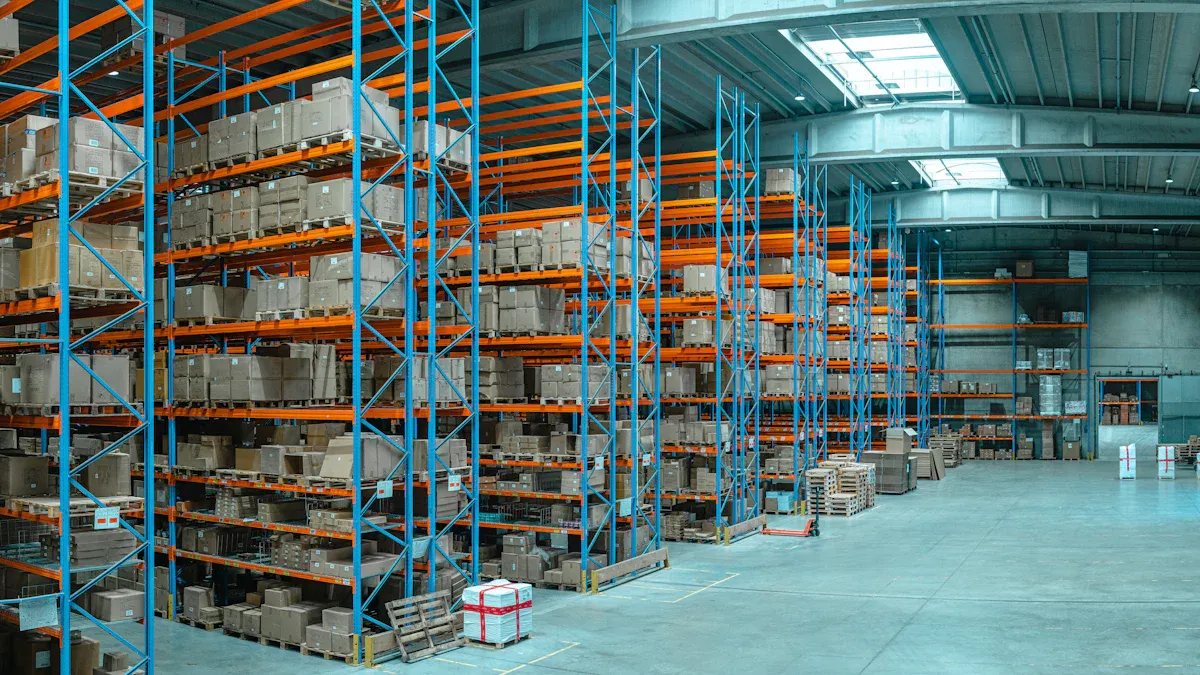
Common Issues in Healthcare Supply Chain
There are many problems in healthcare supply chain management. These problems can slow down how things move. They can also hurt patient care. Some common problems are:
- Inadequate infrastructure
- Corruption
- Shortage of skilled healthcare professionals
- Expired drugs
- Obsolete equipment
- Negligence by medical personnel
- Inadequate funding
- Poor regulation
- Inefficient supply chain management
These problems can cause delays in getting supplies. Patients may not get the care they need on time. When the supply chain has problems, one in ten patients can get hurt. More than half of these cases could be stopped. Unsafe care leads to many safety problems every year. This causes many deaths, mostly in poorer countries.
Healthcare supply chains are not always efficient. There are a few reasons for this:
| Cause of Inefficiency | Description |
|---|---|
| Unrealized synergies from private sector capabilities | Private sector skills and resources are not used enough. |
| Insufficient strategic thinking and coordination | Public and private sectors do not plan or work together well. |
| Limited production and capacity of supply chain human resources | There are not enough trained people in supply chain management. |
Solutions and Best Practices
You can make healthcare supply chains better with smart ideas and technology. Many hospitals use automated ordering systems now. These systems help stop mistakes and make buying supplies faster. Training healthcare workers is also important. When staff know how to manage supplies, they can work better and help patients more.
Working with governments and private companies helps improve logistics. Using digital tools makes ordering and keeping track of supplies easier. This cuts down on waste and helps patients get what they need.Continuous improvement means always making supply chain operations better. Checking and reviewing often helps keep risk plans strong and current.
A strong supply chain is very important for hospitals, especially during big events like the Covid-19 vaccine rollout. Using best practices helps keep patients safe and leads to better results.
FAQ
What is the main goal of health supply chain management?
You make sure patients get the right medicines and supplies at the right time. This helps improve care and keeps everyone safe.
How can you improve your healthcare supply chain?
You can use digital tools, train your staff, and work closely with suppliers. These steps help you avoid shortages and reduce waste.
Why does data matter in supply chain management?
Data helps you track inventory, predict needs, and spot problems early. You make better decisions and keep your supply chain strong.
