
All medical institutions depend on gauze and tape, but not many procurement departments are given clear instructions on how these products are manufactured, tested, and regulated. Specifications may appear similar on paper but performance, sterility and compliance may differ extensively based on materials, manufacturing controls and behind-the-scenes quality systems.
These differences are not theoretical to hospitals, distributors, and NGOs that purchase in large quantities. They influence patient safety, regulatory compliance, inventory management and reliability of long-term supply. Another level of complexity is the importation of products manufactured by other manufacturers particularly when serving different geographical regions which have varying compliance standards.
This article was developed in a bid to bridge that gap. It unites technical, regulatory and sourcing views into a single practical guide. From materials and production processes to quality management, logistics and the assessment of the suppliers, this guide will make the decision-makers aware of what truly defines reliable gauze and tape at scale, and where to source it in the most responsible way.
Classification and Product Types: Gauze, Medical Dressing & Tape Variants
Each category of gauze and tape has a particular purpose depending upon the absorbency requirements, tensile strength, adhesion capabilities and compatibility with primary dressings.
For B2B buyers, especially those tasked with procuring, the classification of the products is of importance due to the direct correlation between this and product usability, stocking strategies and long-term cost efficiency.
This section divides the large groups of products, easing the process of comparing one product and specification to another. We’ll illustrate the relationships between gauze and tape categories and the specific clinical work flows, and the reasons why gauze and tape distributors require clear classification systems to ensure reliability in their products.
Gauze Product Classifications
Gauze is one of the most versatile materials in the medical supply chains, but not all gauze is manufactured or used the same way. Each classification system has a different use dependent upon absorbency, texture, sterility requirements and general handling behavior.
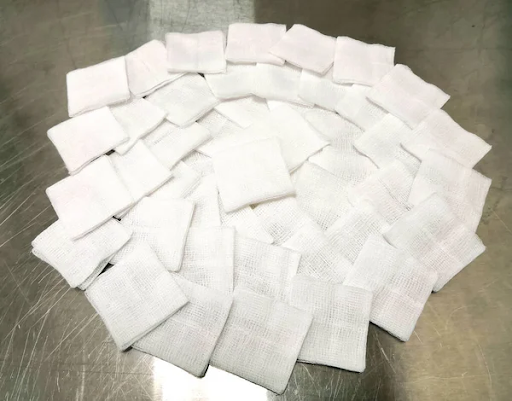
Woven gauze offers dependable strength, consistent porosity and predictable absorbency, making it ideal for regular wound care and dressing changes as well as multi-layered wrapping techniques for daily patient care. Many facilities use woven gauze when they require something that is breathable that still maintains its structural integrity even when saturated.
Many procurement teams prefer woven variants because they provide:
- Uniform (cotton fiber) construction
- Higher durability during irrigation or cleansing
- Compatibility with Saline and medicated solutions
- Improved mechanical stability for packing or cushioning
Woven rolls are generally used as gauze wraps for wounds, particularly where secure coverage and breathability is important. Pads on the other hand are preferred for focused absorption or cushioning. Among most gauze and tape catalogs, woven gauze is a mainstay as a product line because of its versatility.
Non-woven gauze medical dressing
The non-woven gauze offers a different set of advantages. Because the fibres are bonded as opposed to woven the texture is softer, smoother and often more comfortable for patients. It is also likely to leave behind less lint, with greater absorption speed when compared to woven fabrics.
Non-woven options are excellent when clinical teams need:
- Reduced chances of sticking to the wound bed
- Higher absorbency per layer
- Minimal shedding
- Lightweight handling
Non-woven materials are also extensively used as gauze medical dressing for primary or secondary dressing. In many B2B supply chains, non-wovens are still very popular as they combine performance with cost-efficiency while providing a modern alternative to woven products.
Impregnated and medicated gauze
There are varieties of impregnated gauze that contain either a petroleumatum coating , antimicrobial materials, and/or specific formulations that are used to support healing, minimize adherence and prevent infections (petroleutmatum coating). These products are in between standard gauze and advanced wound therapies.
In particular, they are useful when they should be used by clinicians to:
- Improved ability to retain moisture
- Reduced disruption when taking off the dressing
- Protection for delicate or compromised skin
- Added Antimicrobial Benefits
Impregnated items are often packaged separately to ensure sterility and as a result, this class of material is a reliable component of gauze and tape items in hospitals, clinics and other surgical facilities. They also combine well with gauze with tape configurations where both materials are in support of the same dressing goal.
Tape and Bandage Product Classifications
Tape products are no less varied than gauze. Adhesive, cohesive and compression-based all serve different needs in clinical flow work. For B2B suppliers, such distinctions are useful in helping point clients toward options that align with specific patient populations and procedural requirements.
Surgical adhesive tape (paper, cloth, microporous)
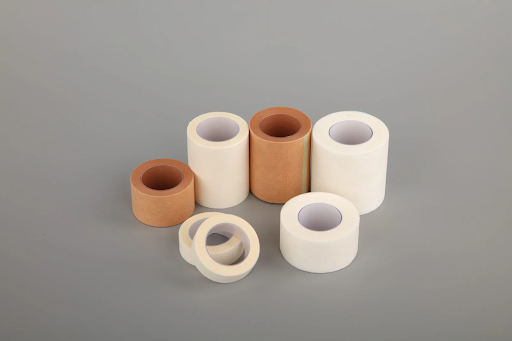
Surgical adhesive tapes range from hypoallergenic paper, to strong cloth and microporous for ventilation. These tapes hold everything from holding dressings in place, to anchoring tubing and stabilizing gauze layers.
Key categories include:
- Paper tape Gentle, ideal for sensitive skin
- Cloth tape: Durable high strength better for long wear
- Microporous tape: Breathable, good for maintaining airflow
These products are often found in clinical kits, along with wound dressing tape, in the backbone of many gauze and tape systems used throughout the different departments of a hospital.
Elastic and cohesive bandages
Elastic & cohesive materials offer controlled compression and are necessary for injuries and swelling and support applications. Cohesive bandages stick to themselves without adhering to the skin, which prevents irritation from occurring, and makes the process of applying the bandage quick and efficient.
Common advantages include:
- Stretching material for the adjustable tension
- Strong conformity to limbs
- Minimal slippage
- Reduced need for clips or other extra adhesives
Because cohesive varieties stick together when they are in contact, they are great for use with stretch gauze wrap and are often found in trauma kits and emergency response packs.
Non-adhesive cotton or crepe bandages
These classic wraps are still in use as they are consistent to use and will allow for airflow. They’re great for indirect fixation of dressings, particularly those used in settings where they don’t want the use of adhesives.
Facilities frequently select cotton or crepe bandages when they need:
- Breathable compression
- Reusable options
- Easy layering over padding
- Gentle stabilization
Non-adhesive wraps help maintain coverage over bandaged wounds, especially when clinicians wish to keep the wrapping down securely without actually adhering to the wound.
Bulk First Aid and Emergency Dressing Categories
Next we move on to products that are packaged in high-volume or emergency-specific packages. These categories matter because bulk ordering affects packaging, sterility, shelf life, and transport efficiency; key factors for large-scale buyers.
Trauma dressings and field-use pads
Emergency dressing and trauma pads are focused on fast absorption and fast application. They are designed to be used in circumstances in which control of bleeding and rapidity is a more important consideration than durability.
They typically offer:
- High absorbency for heavy exudiate.
- Quick-deployment packaging
- Good layering compatibility with gauze tape.
- Strengthened edges to avoid fraying.
The products serve field medics, emergency departments, and pre-hospital care units where a combination of gauze and tape has to work well under pressure.
Pre-packed gauze and tape sets
Pre-packed kits combine necessary components into ready-to-use bundles. These sets are especially helpful in standardized first-aid programs, mobile clinics and institutional stocking.
A typical kit may include:
- Gauze rolls or pads
- Non-woven dressings
- Adhesive tapes
- Secondary wraps
- Sometimes an application instruction like How to apply gauze bandage can be used.
For wholesale first aid supplies distributors, pre-packed kits streamline inventory management and simplify fulfillment.
Relevance for wholesale first aid supplies distributors
Bulk categories matter because they align with how B2B clients purchase, store, and deploy products. High-volume customers should have stable sizing, reliable lead times and stable SKUs. This is achieved by uniform classification.
This is also where gauze and the tape products most noticeably overlap: gauze is the absorbent core, and the tape secures everything like place. Their collaboration produces quality dressing systems applicable in various healthcare institutions.
Materials and Construction: What Gauze and Tape Are Made Of
Understanding what gauze and tape are made of is essential when selecting products for clinical use, procurement, or private-label manufacturing.
This section breaks down materials and construction elements behind gauze and tape to give a clear picture of what determines quality, consistency, and long-term supply decisions.
Fibers Used in Gauze Medical Dressing
It starts with the fibers with which gauze and tape are constituted. Gauze products can look simple, yet their fiber content has a direct effect on absorbency, softness, strength, and compatibility to sensitive skin. Now, let’s look at what really goes into the typical gauze medical dressing, starting with the most common material across the industry.
100% cotton fiber properties
Most conventional gauze is produced out of 100% pure cotton, and for a good reason. Cotton is still one of the popular materials because it is soft, breathable, and it has a natural capability to absorb fluid easily. These properties render cotton the perfect option for sterile pads and rolls as well as even more specific items such as stretch gauze wrap used to hold adhesive-free dressing.
Gauze and tape products contain cotton fibers which are porous by nature. Such porosity enables the structure of the products to retain and at the same time permit air to pass around a wound site. In the case of B2B purchasers, cotton offers predictability to quality and a global supply chain twitch is especially important when packaging or private labelling gauze for large scale use.
Cotton also is very compatible with sterilization techniques such as gamma irradiation and steam autoclaving. This facilitates easier ability on the part of manufacturers to produce uniform sterile versions of gauze and tape products without affecting material integrity.
Non-woven synthetic and blended fibers
Non-woven materials have become very popular In medical dressing manufacturing. They provide the alternative to cotton gauze in cases when product designers need the softer touch, less linting, or better uniformity.
The type of fibers that are normally used in non-woven gauze include:
- Polyester
- Rayon
- Polypropylene
- Synthetic and natural fibers blend.
These fibers are bonded by heat, chemicals or mechanical pressing. The outcome is a smooth and uniform gauze medical dressing that is effective in covering wounds but has different tactile characteristics compared to woven cotton.
Fibers that are non-woven do not absorb in the same way that cotton does. They do not force the fluid through small gaps between the fibers as they make use of density and stratification. This influences the choice of gauze and tape products in various wound care packages or emergency stocking. In the case of pre-packed field dressing, non-woven pads are frequently used since they are light and predictable in terms of absorbency.
Weave density, thread count, and absorbency influence
In the case of woven gauze, the density of the weave-or the number of threads is a significant contributor to the product behavior. Stronger weave will make it stronger but can lessen the absorbency. A weaker weave increases the fluid intake but could result in the material shedding other fibers more readily.
The procurement teams often assess woven gauze based on:
- Ply (e.g., 8-ply, 12-ply)
- Mesh count (e.g., 19×9 or 28×24)
- Weight per square meter
- Linting performance
Here’s the thing: these minor variations in construction have a direct impact on the performance of gauze and tape products in the real clinical setting. A high-mesh gauze is perfect in sensitive areas or a situation in which a clinician desires minimal lint. Meanwhile, low-mesh gauze is used where absorbency matters most.
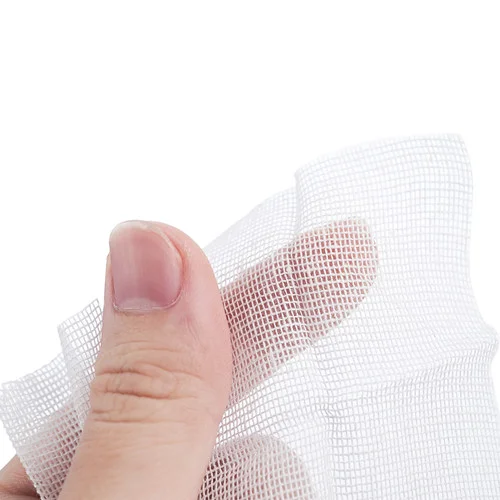
The choice usually boils down to what the product will be used in, what the packaging will look like, and what will be the price-point; B2B buying decisions usually involve this information dominating the buying decisions.
Adhesives and Backing Materials in Medical Tape
When it comes to the tape side of gauze and tape, it is all about the skin adhesion, breathability and flexibility. Medical tape is more advanced than it appears and the materials chosen for its backing and adhesive layers are what define everything from its holding power to patient comfort.
Adhesive types (acrylic, rubber, hypoallergenic)
The medical tapes have various adhesive systems which create unique performance properties. Most clinical-grade tapes have three major adhesive types of:
- Acrylic adhesive – durable, waterproof, and are the ones that are used to fix dressings when they are worn over a long period.
- Rubber-based adhesives – These adhesives are characterized by strong initial tack, and can be used when there is a need to secure something urgently, e.g. wound dressing tape in an operating room environment.
- Hypoallergenic adhesives – these adhesives are made for sensitive skin, which causes less irritation and makes the removal of the device more pleasant to the patient.
These adhesives are designed to bond with different backings and should be able to perform during movement, exposure to moisture, and fluctuations in temperature. In B2B procurement adhesive type is among the initial specifications that are taken into account when purchasing clinical gauze and tape solutions.
Backings (paper, cloth, microporous, non-woven)
Adhesive alone is not enough, the support material defines everything from tape flexibility to breathability. Common backing materials include:
- Paper: soft, porous and suited to lightweight purposes.
- Cloth: tough and flexible, normally applied in fixing heavier dressings or splints.
- Microporous film: allows water vapor to pass while keeping contaminants excluded.
- Non-woven backings: soft and highly conformable, widely used in the operating room.
All backing has varied reactions with adhesives. For instance, cloth pairs well with rubber-based adhesives to create high-tack products. Paper backings are often combined with hypoallergenic adhesives for delicate applications.
This relationship between backing and adhesive is what enables gauze and tape products to work in various medical contexts – outpatient clinic as well as emergency response kit.
Breathability, porosity, tensile strength.
Performance of tapes does not end with adhesion and backing. Breathability and tensile strength are factors that define the ability of the product to preserve the skin integrity and hold up under tension.
The key performance attributes are:
- Rate of transmission of moisture vapor (MVTR)
- Elasticity and stretch
- Porosity of the backing
- Resistance to tearing
- Capability to adapt to joints and curves.
A high breathable tape will ensure that there is no maceration with prolonged usage. Meanwhile, high tensile strength is a requirement to make sure that the tape remains intact in cases where the patients are on the move or even sweating.
These make a difference in pairing gauze and tape where the security of dressing is crucial and is required like in post-operative care or management of athletic injuries.
Additives, Coatings, and Sterility Compatibility.
In addition to the foundation fibers and taping materials, numerous gauze and taping materials have some sort of special treatment or coating to suit clinical needs. Such treatments enhance durability, cleanliness, and antimicrobial protection- features which have a direct impact on buying decisions of hospitals, clinics, and wholesale first aid supplies distributors.
Antimicrobial or antiseptic coatings
Certain gauze lines come with bacteria suppressive coating. Common additives would be silver ions, chlorhexidine, and iodine compounds, which minimize the risk of infection. Among other applications, the use of antimicrobial-impregnated dressings is frequently prioritized in surgical kits, emergency response systems and those in advanced wound care.
Coatings should also be clinically acceptable, resistant to sterilization, and meet the requirements of the regional regulations, which also makes a significant finding in B2B procurement.
Barrier treatments
Barrier coatings are used to enhance fluid resistance or decrease sticking. For example, petroleum-based treatments create non-adherent layers that do not allow dressings to tear up newly formed tissue. These surfaces modify the interactions between gauze and tape and the skin and influence their performance in specific wound care scenarios.
Barrier-treated gauze is also common in bulk emergency supplies where predictable performance is essential.
Compliance considerations related to coated materials
Whenever additives or coatings are introduced, regulatory considerations come into play. The manufactures should make sure that their gauze and tape products meet:
- ISO standards for absorbent dressings.
- FDA or CE standards on medical devices.
- Sterility assurance levels
- Shelf-life and packaging regulations.
These aspects of compliance have a direct influence on cost of production, international shipping and on B2B purchasing strategies.
The 4 Stages of Gauze and Tape Manufacturing
Production of gauze and tapes might seem simple, but the process is built on tight material controls, consistent fabric engineering, and rigorous quality systems.
The following are the four steps of how manufacturers transform raw fibers and adhesive substrates into the trusted gauze and products
Stage 1: Raw Material Preparation
All gauze and tape products are based on the preparation of raw materials. This is where manufacturers establish the minimum standard of absorbency, strength, softness, adhesion and long term stability.
Selection of cotton, synthetic fibers, and non-woven fabrics
The first step is choosing the fibers which will finally constitute the fabric base. Cotton is a very popular material especially for gauze medical dressing due to its natural softness, high absorbency property as well as predictable behavior when under sterilizing conditions. Facilities also use synthetic or blended fibers (including polyester, polypropylene, rayon or viscose) particularly in non-woven gauze pads and tape backings.
Manufacturers do not just pick fibers based on cost. They assess the reaction of every material on heat and pressure, sterilization and cutting accuracy. This is important since gauze and tape should remain consistent during high volume productions.
Quality checks for fiber purity, tensile strength, and absorbency
Once the materials are chosen, every consignment is tested to a high degree. The purity of the fiber ensures that the final product is not affected by contaminants such as seeds, dust or oils. Tensile strength testing helps confirm that the fibers are able to resist weaving, bonding and finishing without disintegration or deformation.
Absorbency tests are also important, especially to products intended for wound contact application. In case the base fibers fail these tests, the batch does not enter the production stream. This upfront screen is among the factors that explain why gauze and tape products continue to record such consistent levels of performance.
Storage and conditioning of raw materials prior to processing
Fibers have to be stored in proper fashion once they are approved. Temperature and humidity affect how cotton and synthetic fibers behave; hence, manufacturers have to keep the storage rooms well conditioned.
Consistent environmental controls prevent fibers from swelling, drying out, and developing static which could impact the ease of their passage over weaving machines or bonding lines.
Prior to processing, the fibers also undergo conditioning in order to enhance workability. By stabilizing the behavior of fibers at the initial stage, factories make sure the later stages of gauze and tape manufacturing flow naturally and in a predictable manner.
Stage 2: Fabric Formation
This phase determines how the fabric looks, feels and performs. Regardless of whether the product is woven or non-woven gauze or tape backing, the structure here determines the gist of all the gauze and tape SKUs.
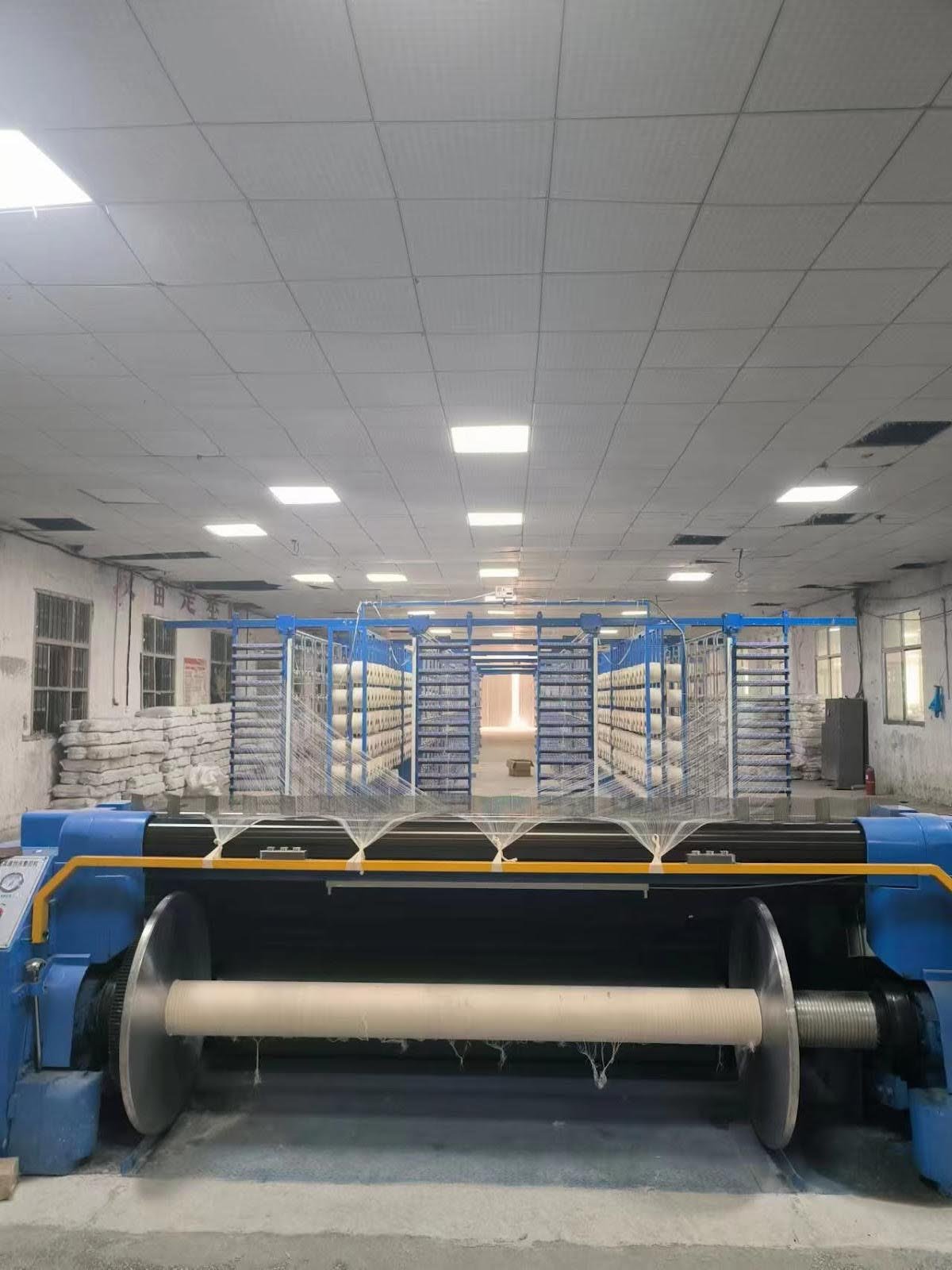
Woven gauze production: loom weaving, thread count, and weave density
Gauze is produced by looms whereby warp and weft strands go through each other to produce a grid-like fabric. The number of threads and silk density are the direct factors of softness, strength and speed of absorption.
A higher thread count creates a tighter, stronger material, while lower densities allow for faster fluid penetration. The type of weave used by manufacturers depends on the product they are making, e.g. loose weave on pads that are highly absorbent, and tighter weave on more structured applications. All these decisions impact the final gauze and tape products experience of the healthcare providers.
Non-woven fabric production: bonding techniques (spunlace, spunbond, meltblown)
Non-woven gauze does not undergo any weaving. Rather, fibers are bonded by means of mechanical, thermal or chemical processes. Spunlace involves high pressure water jets to entangle the fibers. Spunbond and meltblown methods use heat and extrusion as a method to build consistent and uniform layers of fabric.
These materials provide a foreseeable level of softness as well as strength, which suit disposable or sterile-packed gauze and tape parts. Non-woven production also allows for faster scaling and lower costs, which is why many high-volume medical suppliers rely on it.
Tape backing formation and adhesive substrate preparation
Whereas gauze has to use absorbent cloth, medical tape starts with a stable base. It is either a piece of paper, cloth, plastic or a non-woven coating depending on how it is used. The support should be firm to support adhesive and should be soft to follow the contour around the body.
The adhesive substrate is then prepared after the backing is formed. The reason why this step is so imperative is that the adhesive has to stick firmly without producing any residue, irritating the skin, or becoming tacky in the process of sterilization. Now, the principle of gauze and tape variations is finally formed.
Stage 3: Product Conversion and Finishing
During this phase, the foundation cloth is transformed to identifiable products such as gauze pads, rolls or fully finished tape.
Cutting, folding, and sizing gauze pads and rolls
Rolls of fabric are transferred to conversion lines where they are sliced by machines to a given width and length. Pads can be criss-crossed to create more loft and absorption. The cut of the roll is done using precision blades so that there is a good edge that would not fray during use.
Each format, whether it’s a roll, pad, strip, or sterile pack, must meet detailed specifications. This is where most of the tightest checkpoints are enforced on the gauze and tape since hospitals and distributors require batch-to-batch consistency.
Adhesive application, lamination, and curing for tape
Tape manufacturing involves a multi-step finishing sequence. To begin with, the adhesive is applied uniformly onto the backing.Then, lamination combines the adhesive-coated backing with protective liners. Lastly, curing stabilizes the adhesive and ensures proper bonding.
Any irregularities such as uneven adhesive thickness, bubbles or poor curing can influence the behavior of the gauze and tape when peeled, stretched or sterilized.
Impregnation or coating for specialized gauze (e.g., antiseptic or antimicrobial)
There are some gauze products that need further treatments. Impregnation entails saturating the fabric with medical grade materials such as antiseptics, petrolatum or antimicrobial coatings. Such treatments allow the gauze to have specialized functions, commonly applicable to surgical or high-risk care facilities.
These coatings have to be evenly distributed, stable, and compatible with sterilization before the product moves to the final phase.
Stage 4: Sterilization, Packaging, and Quality Assurance
The last process is the manufacturing of the converted materials into finished gauze and tape that is ready to be distributed.
Sterilization methods: ethylene oxide, gamma, and steam sterilization
Sterilization can be done with ethylene oxide (EtO), gamma radiation or steam depending on the product. EtO is suitable when working with heat-sensitive products, gamma is suitable when sterilizing in bulk, and frequently cotton-based products undergo autoclaving with steam.
All methods have varying cycle times and validation requirements, although they can all guarantee a gauze and tape to be of clinical-grade sterility.
Individual and bulk packaging: pouches, boxes, cartons
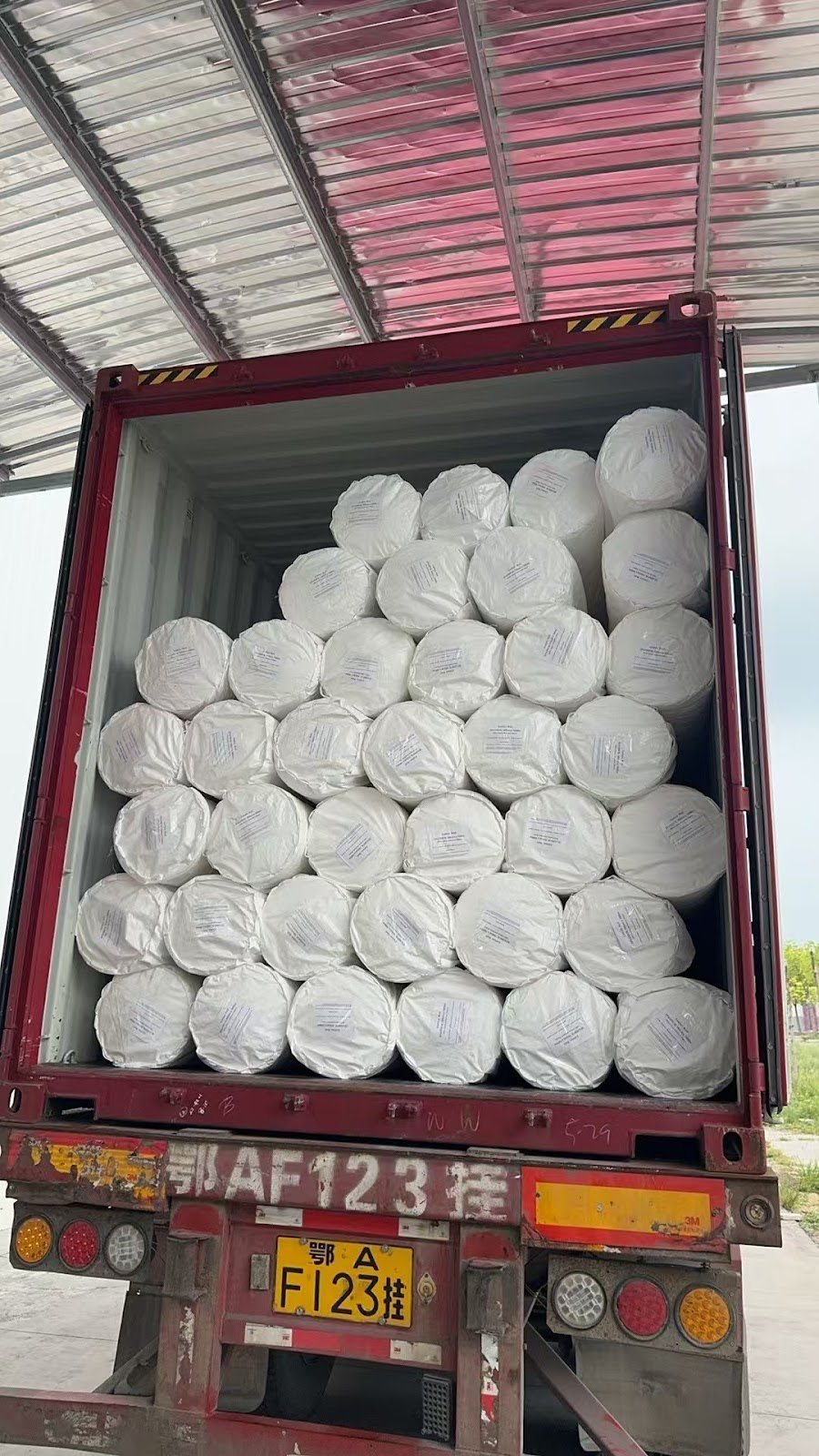
The packaging is diverse with regard to the distribution model. Operating rooms use individual sterile pouches, bulk boxes, and cartons to satisfy the requirements of high volume purchasers and procedural kits.
During transportation and storage, packaging should maintain the shape, sterility and integrity of gauze and tape.
Labeling, batch coding, and traceability for compliance and export
Each package should have lot numbers, production dates, sterilization markings and regulatory labels. This is necessary to be traceable particularly to export markets. In case a batch recall occurs, the information enables distributors and healthcare facilities to isolate the affected products in a short time.
This last form of control is to make sure that the gauze and tape that comes to the hospitals or distribution centers is of the utmost quality that has been formulated in all the four steps of making.
Technical Specifications and Performance Metrics for Procurement
When health purchasers evaluate gauze and tape, they often face dozens of seemingly identical products with only slight yet significant distinctions. The performance of each product depends on the specifications set during manufacturing and these specifications directly define the way distributors choose the appropriate items to include in the clinical, surgical and emergency scenarios. This section explores the most reliable measurements that procurement teams use.
Key Specifications for Gauze Products
Gauze may look simple, but every roll and pad is defined by technical aspects that determine the level of absorbency, strength, and clinical appropriateness. These ranges of specifications are necessary to understand when buying gauze and tape in large quantities.
GSM and Weight
One of the initial numbers procurement teams consider is GSM, which is the number of grams per square meter. It is the weight of the material and determines absorbency, strength and the response of the gauze to pressure.
The majority of medical grade gauze is predictable:
- Low GSM (15 -25 GSM): Lightweight, worn to provide delicate or protective layers.
- Medium GSM (25 40 GSM): Typical weight used in normal clinical practice.
- High GSM (40+ GSM): Surgery or high-fluid.
Higher GSM also tends to enhance durability and reduce linting, which is instrumental in sterile environments. Consistency of gauze and tape between batches is also an indicator of good quality management when gauze and tape are to be analyzed.
Thread/Weave Count, Ply, and Size
A thread count is one of the indicative measures of woven gauze. Some of the most common sizes include 19×15, 20×12 or 28×24 which refer to the number of warp and weft threads per inch. When a thread count is higher, it means the fabric is stronger and less fraying particularly when it is applied in combination with gauze and tapes in surgical or trauma response.
Other related specification are:
- Ply: Stacks of gauze in layers (may be 4-ply, 8-ply, or 12-ply).
- Pad size/roll size: Standardized in clinical efficiency (e.g. 2 x 2, 3 x 3, 4 x 4 inch pads).
- Edge type: Folded edges are used to avoid loose fibers.
Consistency is the key to the procurement teams. Hospitals often standardize on several thread-count ranges based on department use, so distributors need reliable replication from batch to batch.
Absorbency Performance
One of the most significant performance measures, particularly in fluid management of large volumes, is absorbency. This spec includes:
- Wicking rate: How fast the fluids move through the gauze.
- Saturation capacity: The maximum volume which can be soaked up by the gauze before it drips.
- Dry-wet structural integrity: This is to ensure that the gauze does not lose its shape once it absorbs fluids.
Gauze and tape suppliers regularly supply the outcome of absorbency testing based on standardized testing such as ASTM or ISO. It is normal to request such data sheets in procurement ahead of concluding a contract.
Sterile vs Non-sterile Classifications
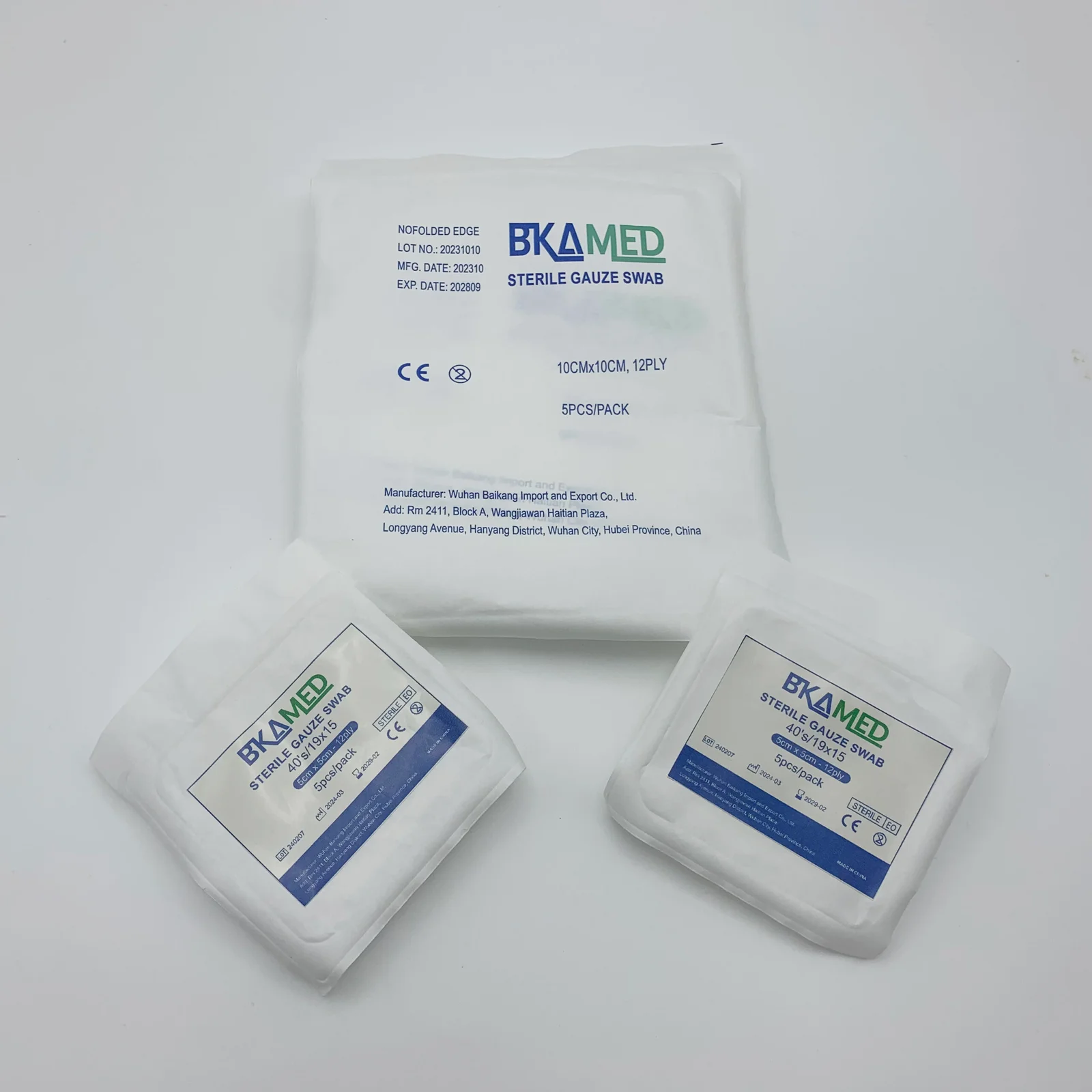
Sterility classification determines where the gauze is used. Sterile gauzes are sterilized and packed in individual or small sealed sets. The non-sterile gauze is usually bought in bulk bags or rolls to use in general cleaning, cushion, or secondary dressing.
The procurement departments typically specify:
- Sterilization method
- Shelf life
- Packaging format
- Traceability requirements
When paired with gauze and tape, sterile gauze is essential for wound-contact use.
Key Specifications for Tape and Bandage Products
So now we will examine the metrics for medical tapes and bandages. Here’s the thing: the performance of tapes is quite different depending on the backing material, the quality of adhesive and the period of wearing. Knowledge of these factors prevents the occurrence of inappropriate inventory in clinical departments.
Adhesion Strength
Adhesion determines how well the tape anchors to skin, gauze, or drapes. Testing often measures:
- First tack: How quickly the tape sticks on first contact.
- Peel adhesion: The amount of force required to lift the tape.
- Shear strength: Capacity to resist or to stretch.
Adhesion should balance security and safety of skin. For example, surgical units might need very strong adhesion for longer wear, whereas pediatrics might want more gentle options.
Hypoallergenicity and Skin-Friendliness
Tapes used with gauze and tape combinations must be safe for sensitive skin. Key elements include:
- Acrylic vs rubber adhesives: Acrylic is more breathable, rubber generally sticks stronger.
- Hypoallergenic formulation: Decreases the risk of contact dermatitis.
- Biocompatibility certifications: often required under ISO 10993
Procurement teams often request documentation on allergen testing, especially when supplying dermatology, neonatal, or long-term care departments.
Tensile Strength and Tear Resistance
The tensile strength of the tape defines how the tape behaves under pulling or stress. An increase in tensile strength will ensure that the tape will not tear up when clinicians pull it.
Tear resistance is related but slightly different. It is the measure of how easy a tape can be hand-torn without shredding. Cloth tapes are generally the most appropriate to provide the emergency departments with quickness in application.
These metrics help determine where each type of gauze and tape will perform best in the field.
Roll Dimensions and Packaging Formats
The other significant procurement factor is roll size. Suppliers typically offer standardized widths—½-inch, 1-inch, 2-inch, and 3-inch—with varying lengths depending on use.
Buyers consider:
- Core size: compatibility with dispensers.
- Shrink wrapping or box packaging: Impacts shelf storage.
- Bulk vs individual rolls: has an impact on efficiency in distribution.
The consistency in packaging between cases will make it easier to manage inventory of the high-volume clinics and hospitals.
Packaging, Labelling, and Compliance Requirements.
The procurement decisions are not only made based on the performance but also must adhere to the strict regulatory, transport and traceability standards. The suppliers of gauze and tape are required to satisfy these requirements in order to be subject to the international procurement regulations.
Export Packaging Requirements.
Bulk shipments of medical consumables often follow export-grade packaging requirements. These may include:
- Moisture-resistant outer cartons
- Internal polybags or sealed pouches
- Edge and corner protection for cartons
- Stack-test compliance for palletization
Gauze and tape distributors who are importing in large quantities often specify carton strength, weight capacity, and pallets design to avoid any damage during transportation.
Labeling for CE, FDA, ISO
Regulatory labeling is non-negotiable. Depending on the destination market, gauze, tape, and dressing products should comply with:
- CE marking (EU)
- FDA classification (U.S.)
- Quality systems certification ISO 13485.
- UDI (Unique Device Identification).
In most cases, labeling entails:
- Name of manufacturer and address.
- Sterility method
- Lot/batch number
- Expiration date
- Storage conditions
Such information can be used to ensure a chain of responsibility.
Batch Traceability and Expiry Dating
Traceability is critical for patient safety and regulatory compliance. Each unit, be it a roll, pad, and/or box must be connected to a batch or lot number which can be traced to raw materials and dates of production.
Procurement departments often indicate:
- Remaining shelf life at delivery (minimum).
- Style of coding batch (stamped, printed, laser).
- GS1-compliant barcoding
For large organizations that purchase significant amounts of gauze and tape, reliable traceability supports streamlined recalls and quality audits.
Quality Control, Inspection, and Common Product Defects
One of the most significant aspects in the production of gauze and tape to be used in clinics or during emergencies is quality control. Even if the right materials and production techniques are used, the final products must still be tested, checked, and screened for defects that can impair the performance or sterility.
This degree of consistency is a must to hospitals, procurement teams and distributors. This is why producers have strict written procedures that they adhere to in order to make sure that each delivery of gauze and tape is up to the standards that are needed in the domestic and the export markets.
This part will be a breakdown of the three key pillars of quality assurance;
- In-factory testing
- Sterility validation
- Defect detection.
These steps have a distinct role in ensuring that the gauze and tape are delivered to consumers in a safe, compliant, and reliable manner.
In-Factory Quality Testing
In-factory testing starts way before sterilization or packaging of the products. At this stage, manufacturers are looking at the basic structure and performance of gauze and tape, the bottom line is to test whether materials act in the manner they are designed to act. The fabric integrity tests, adhesive tests as well as dimensional tests come into the limelight at this stage.
Fabric integrity and weave test.
The first step is to ensure that the fabric, which is used in gauze and tape, is sound structurally. In the case of gauze, it involves making sure that the weave is uniform, the fibers are clean and the thread count matches the specification. A poor weave may affect the absorbency, may cause shedding or even disrupt sterilization.
The manufacturers normally use:
- Tensile strength test to confirm that the gauze does not tear during clinical application.
- Lightbox checks to identify thin areas, holes and irregularities.
- Microscopic fiber assessment in case of accurate structural analysis.
Such tests ensure buyers receive gauze that performs, whether in operating rooms or packaged in emergency kits.
Adhesive consistency and peel tests
For tape, the adhesive layer is what determines reliability. A very sticky tape can damage the skin and one that sticks too little will be useless. Because of this, adhesive consistency is tested at multiple production points.
Typical tests include:
- Peel adhesion tests determine the degree of force required to peel off the tape on a smooth surface.
- Tack tests, testing the speed and impact of the first contact with the tape.
- Shear strength tests, which make sure that the tape does not slide, or peel.
This is particularly necessary in products that are supposed to secure dressings or stabilize a bandaged wound and where consistent adhesion is required.
Dimensional accuracy
Dimensional checks are simple but equally important. Roll width, roll length, pad thickness and layer count need to match product specifications.
Common problems that are identified in this stage are:
- Rolls cut too narrow
- The gauze pads are either too thick or too thin.
- Inconsistent edge trimming
- Tape rolls wound too loosely
Dimensional inaccuracies create inconsistencies during inventory planning and disrupt clinical workflows, so they are corrected before production proceeds.
Sterility and Validation Controls
After physical quality is checked, the next step is determining whether gauze and tape can be sterilized efficiently and whether every batch is sterile and corresponds to requirements offered by regulatory powers including ISO, CE and FDA.
Biological indicator procedures.
Confirmation of sterilization is done using biological indicators (BIs). They harbor very recalcitrant microorganisms (usually Geobacillus stearothermophilus) that must be completely inactivated for the cycle to be considered effective.
Manufacturers insert BIs in gauze and tape test packs and subject them to sterilization (ethylene oxide, gamma, or steam) and incubate them later. Lack of microbial growth indicates sterilization was effective.
Sterility assurance levels
Every batch must reach a Sterility Assurance Level (SAL) that matches the intended application. The majority of gauze and tape items have a SAL of 10^-6 implying that the possibility of a viable microorganism is less than one in a million.
Achieving this demands:
- Correct sterilization time
- Adequate concentration of exposure.
- Checked temperature and humidity situations.
- Calibration of equipment on a continuous basis.
These requirements safeguard the end users and offer adherence to the international procurement standards.
Batch testing and documentation.
The sterility verification process is largely comprised of documentation. Manufacturers Keep detailed records of batches, which record:
- Sterilizer parameters and calibration logs
- The results of biological and chemical indicators
- Lot numbers of all raw materials
- Deviations and corrective actions
These documents serve as the proof hospitals and distributors need when purchasing bold gauze and tape for large-scale use.
Common Production Defects
Defects in production may still be detected even with the good controls. Quality inspection is aimed at detecting and eliminating such problems before the end users receive the products. This is especially significant in environments where gauze and tape must perform reliably; at surgical sites, emergency departments, and trauma kits.
Fiber contamination or weave irregularity.
Contamination occurs when foreign particles such as cotton specks, synthetic fragments, dust, or manufacturing debris get trapped during weaving or bonding. Uneven weave patterns can also appear when loom tension fluctuates or fibers break during production.
These issues affect:
- Absorbency
- Softness
- Sterilization efficiency
- General usability
Contaminated or unevenly woven material is done away with at once.
Adhesive failure or residue issues
Adhesive defects are one of the most disruptive especially for buyers who depend on consistent performance across product batches. These issues include:
- Tape that doesn’t stick firmly.
- Adhesive that leaves residue on skin.
- Uneven application resulting in dry or over-coated spots
- Excessive stickiness causing skin trauma
These issues are identified at an early stage by the manufactures through peel tests and visual inspection.
Packaging defects undermining sterility
Packaging plays a direct role in maintaining sterility. Any tear, furrow, faulty seal or puncture may spoil a whole batch.
Regular packaging defects include:
- Imperfect or weak heat seals.
- Pinholes in pouches
- Incorrect labeling
- Misaligned batch codes
- Air gaps in sterile packs
One weak seal may destroy the sterility of dozens of units and this is the reason why these checks are considered with extreme seriousness.
Regulatory and Compliance Standards of Gauze and Tape
Regulatory standards influence the manufacturing process of gauze and tape products, testing, labeling, exportation, and eventual utilization of the products within the clinical setting. These requirements ensure every roll, pad, or adhesive strip entering a facility performs reliably and safely.
Understanding these standards is essential for compliance and for minimizing risk during audits or tender evaluations.
International Standards and Certifications.
Cross border supply of gauze and tape greatly relies on the internationally accepted certification systems. These standards facilitate alignment of quality levels among the manufactures, ease the procurement process and minimise the technical uncertainties during the purchase of different regions.
ISO 13485
ISO 13485 is the foundational block of quality medical device systems and applies directly to gauze and tape manufacturers. The standard outlines the requirements for consistent production, strict documentation, and risk-based decision making. What makes ISO 13485 significant is that it creates a predictable quality framework despite its suppliers being located in other nations.
In the case of procurement teams, the ISO 13485 certification acts as an early indication to the fact that the factory is run by controlled procedures, maintains validated equipment, and utilizes regulated production lines. It also offers a guarantee that sterile materials such as gauze medical dressing are in line with set standards of cleanliness and records.
CE Marking Requirements
For European markets, CE Marking acts as a legal entry point. Gauze and tape products labelled for EU distribution must comply with Medical Device regulation (MDR). The gauzes, dressings, tapes, and bandages under MDR are usually categorized as Class I or Class IIa based on sterility and the duration of contact.
Important requirements related to CE are:
- A Declaration of Conformity
- A full technical file
- Clinical assessment recording.
- Post-market surveillance and traceability.
This framework ensures gauze and tape remain safe throughout their lifecycle from production, to disposal.
FDA and North American Regulatory Expectations
In the US, the FDA regulates gauze and tape as medical devices, which are classified based on the intended use. A significant number of gauze products are covered by 21 CFR 878, with adhesive tapes being covered by 21 CFR 801 and 880.
The manufacturers who supply to the U.S. are supposed to adhere to:
- Registration and listing at FDA.
- Quality System Regulation (QSR/21 CFR 820).
- Labeling rules
- Validation requirements of sterilization.
Canadian laws are structured in the same manner where licensing is given based on risk classification and compliance to the country’s quality standards.
Importing and Exporting Compliance Requirements.
When gauze and tape move between countries, regulatory compliance extends beyond product quality. Importers and exporters have to make sure that the documentation and packaging are as per the custom expectations. This minimizes delays in shipments, avoidance of fines, and cargo is inspected without problems.
Sterilized Consumable Documentations.
The control of the documentation of sterile products is more strict because they should be delivered without contamination. Ordinary export documentation comprises:
- Sterilization certificates (ETO, steam or gamma)
- Batch release reports
- Certificates of Analysis (COA)
- Certificate of Origin
- ISO or CE certifications
Custom officials verify these documents to make sure the gauze and tape meet the country’s clinical safety standards.
Labeling Requirement Customs.
Labeling is not just a marketing factor. In the case of imports and exports the labels should contain:
- Name and classification of the product.
- Dates of manufacturing and expiry.
- Sterility status
- Lot or batch numbers
- Manufacturer and importer details.
- Guidelines in local languages.
Other countries like the U.S, Canada and the EU member states are very strict in labeling accuracy. Incorrect labeling may lead to detention of the products, even if gauze and the tape products meet quality standards.
Tariff Categories and HS Codes
Harmonized System (HS) codes streamline international classification of gauze and tape. The right HS code ensures appropriate duties and compliance checks. Typical codes of such products fall under categories related to medical dressings, medical adhesive tapes and sterilized bandages.
Wrong HS code can:
- Lead to incorrect tariffs
- Trigger compliance audits
- Delay customs clearance
This is the reason why the exporters and importers should match the HS codes with the technical description of the product and the intended medical application.
Environmental Compliance Issues.
Global health supply chains are increasingly becoming more environmentally responsible. With the rising demand in gauze and tape, regulating bodies anticipate manufacturers and distributors to handle the environmental impact of materials, waste management, and package designs.
Waste Disposal Standards
Healthcare facilities have to get rid of gauzes and tapes in a manner that does not cause contamination or environmental degradation or expose the environment to bio hazards. The regulatory expectations normally necessitate:
- Vivid separation of contaminated and uncontaminated ones.
- Adherence to the local biomedical waste regulations.
- Record keeping on disposal procedures.
To enable the clinical team to dispose of waste in the right way, manufacturers and distributors usually provide disposal instructions on the packaging.
Sustainability in Materials and Packaging.
Sustainability commitments are also influencing the way gauze and tape are produced and distributed. Some manufacturers currently include:
- Recyclable cartons
- Reduced-plastic packaging
- Water-saving production technologies.
- Lower-impact fiber sourcing
Sustainability may also affect tender scoring. Numerous hospitals and global non-governmental organizations have developed criteria and standards of suppliers that include environmental stewardship, alongside quality and cost.
Sourcing Strategy: Selecting Manufacturers and OEM Partners
Choosing the right gauze and tape manufacturing partner is one of the most significant choices that a procurement team can make. This is not just a matter of picking up a supplier, but product reliability, regulatory consistency, and long-term operational stability. Because of this, sourcing has to be strategic, evidence-based, and based on tangible evaluation criteria.
Even suppliers who manufacture similar product lines, may vary in terms of process control, quality culture and scalability. This section breaks down the major considerations for sourcing e gauze and tape products.
What Procurement Teams Should Evaluate
Price is a good place to start when negotiating with procurement but in the case of gauze and tape quality indicators and manufacturing possibilities are much more significant. The price can only be truly understood when it is considered as a part of the overall relationship of quality, compliance and the capability of the supplier to provide consistent output.
Capacity, Scalability, and Lead Times
A manufacturer can satisfy a business’s needs now but the real answer is whether they can increase when demand is higher. This particularly applies with high volume consumables such as gauze and tape. Evaluate:
- Monthly production capacity.
- Lead time transparency
- Seasonal demand fluctuations
Inventory options and stocking models. - Ability to accommodate OEM or in-house labels.
A supplier with scalable infrastructure has less operational risk and can be used to avoid stockouts during high-volume cycles.
Material Transparency and Performance Testing
Procurement teams are expected to demand documentation on raw materials that are being used to make gauze and tape, especially if they need medical-grade cotton or hypoallergenic adhesives or specific thread counts. Trustworthy suppliers are able to supply:
- Cotton sourcing documentations.
- Synthetic fiber specifications.
- The breakdown of the formulation of adhesives.
- Test results on tensile strength, absorbency and adhesion.
Material transparency guarantees that the manufacturer is not working with batches and unverified substitutes.
Certification Checks and Compliance Checks.
The suppliers are expected to offer more recent certificates for ISO, CE, FDA registration or other regional schemes. Always:
- Verify expiry dates
- Confirm that the scope matches gauze and tape products.
- Request audit summaries
- Request for history of non-conformities.
A compliant supplier lowers the regulatory threat in the supply chain.
Supplier Audits and Due Diligence.
Even a paper-perfect supplier may fail at delivery. That is why due diligence should involve first-hand inspection of the facility, process controls, and quality culture. These in no way affect first-order quality only but long-term reliability.
Facility Audits
Facility audit provides an objective picture of the way gauze and tape products are produced. Focus on:
- Cleanroom classifications
- Process flow efficiency
- Packaging environments
- Calibration of equipment timetable.
- Worker training frameworks
Visiting operations in person helps validate whether certifications reflect actual practice.
Sample Testing and Comparison
Always test product samples before bringing on board a supplier. Compare:
- Absorbency
- Adhesive strength
- Roll consistency
- Packaging durability
- Sterility (of sterilized variants)
Review of QA/QC Documentation
A strong QA/QC system is the backbone of consistent gauze and tape manufacturing. Request:
- QC batch reports
- Testing SOPs
- Non-conformance logs
- Corrective action histories
- Incoming and outgoing inspection procedures
Look for signs that issues are caught early and corrected systematically.
Evaluating the Supplier’s Risk Management System
A supplier’s maturity level of risk-management directly affects supplier’s continuity. Determine whether the manufacturer has:
- A documented risk assessment methodology.
- Equipment failure mitigation schemes.
- Backup power sources
- Back up suppliers of raw-materials.
- Business continuity and disaster recovery plans.
This is an extra line of assessment that will prevent inconveniences that might affect delivery schedules.
Cost Quality in Bulk Procurement.
Let’s now examine cost economics. The cheapest gauze and tape are not necessarily the most economical. Total value is more important than initial savings in the B2B markets.
Pricing Structures
Manufacturers may use different pricing models including:
- Tiered volume pricing
- Contract pricing for long term agreements
- OEM pricing for custom products.
- Combined prices of gauze and tape kits.
The cost should always be compared with quality guarantees
Evaluating Long-Term Value
Long-term value includes:
- Lower defect rates
- Better consistency
- Reduced returns
- Faster production cycles
- Greater compliance consistency.
Sometimes paying slightly more for superior manufacturing can lead to reduced downstream operational costs.
Total Cost of Ownership
The total cost of ownership includes:
- Storage requirements
- Transportation costs
- Failure rates
- Shelf-life stability
- Unit wastage
- Import duties and tariffs
Procurement departments should evaluate the total cost of ownership instead of focusing on unit pricing.
Sample Evaluation Before Final Orders
Before a contract is concluded, a structured sample evaluation process is used to guarantee that the supplier will fulfill product and performance expectations.
Pilot Batches
Pilot batches enable experimentation with actual production batches instead of hand chosen samples. This is a crucial step when working with gauze and tape. Assess:
- Batch consistency
- Packaging integrity
- Sterility (if applicable)
- Inter-unit performance.
Pilot batches uncover problems that might have been missed with small test samples.
Performance Testing Procedures.
Depending on the nature of the product, performance testing can involve:
- Adhesion strength tests
- Absorbency tests
- Wear-time assessments
- Sterilization process compatibility.
- Durability under movement or tension.
These tests can be used to determine whether gauze and tape will perform in real world conditions.
Institutional Approval Workflows
Before a new supplier is accepted, internal approvals are usually required by a hospital or clinic or big distributors. This may include:
- Clinical evaluations
- Committee reviews
- Risk assessments
- Documentation audits
- Budget approvals
Ensuring the gauze and tape meet institutional requirements helps streamline onboarding.
Final Supplier Qualification and Contracting
Once samples pass, procurement teams complete the supplier qualification process. This final phase may include:
- Contract negotiation
- Quality agreements
- Service-level agreements
- Checking regulatory alignment.
- Onboarding schedules and launch schedules.
The last qualification is to make sure that the expectations of both parties are in line, before large scale orders begin.
Supply Chain, Logistics and Bulk Procurement Considerations
Healthcare procurement teams, importers, and wholesale first aid supplies distributors are dependent on predictable mechanisms where essential consumables are available at all times.
This section walks through the key logistics factors that need to be considered, particularly when sourcing internationally.
Order Volumes, MOQs and Lead Times.
Understanding order quantities and timing is also one of the biggest leverages in keeping a stable inventory. See, manufacturing of gauze and tape follows production cycles that are dependent on the availability of raw materials, machine bandwidth and packaging capacity. Hence, the procurement teams should align purchasing plans with how factories actually operate.
Typical MOQs for gauze and tape
MOQs (minimum order quantity) are determined based on equipment efficiency. For example, a factory that is manufacturing woven gauze, typically runs looms that operate best with long continuous runs. This is the reason why MOQs of gauze and tape tend to begin with:
- 5,000-10,000 rolls of standard medical tape.
- 20,000–50,000 units for sterile gauze pads
- 500-1000 cartons for bulk carton-packed SKUs.
These numbers vary based on the production process. Woven products usually have higher MOQs than non-woven options because loom resets take time.On the other hand, tape manufacturers base MOQs on coating machine widths and adhesive curing capacity. When sourcing private-label gauze and tape, MOQs may increase due to custom artwork and packaging plate fees.
Small buyers sometimes attempt to negotiate for reduced MOQ, however the trade off is cost per unit. To have a stable long-term supply, it is preferable to plan based on factory-standard MOQs.
Forecasting and production scheduling
Regular demand forecasting gives manufacturers time to plan production batches without interrupting other product lines. A six-month volume projection shared with the manufacturer can help stabilize the costs and guarantee capacity during peak seasons.
The gauze and tape production planning can be influenced by:
- Supply of cotton (seasonal in parts of the world)
- Adhesive chemical supply
- Sterilization queue times
- Packaging material procurement cycles
Here’s the thing, most factories package sterilization loads to lower the cost per unit. That means shared projections help ensure that products get into the sterilization area just in time instead of being forced to the following cycle.
International shipping lead times.
International lead times for gauze and tape differ depending on destination country, mode of transporting goods and the customs. Sea freight is still considered to be the most typical type of bulk procurement, but its schedule can shift depending on the congestion of ports and the availability of equipment.
Common shipping times are:
- 20-35 days from Asia to North America.
- 25-40 days from Asia to Europe
- 7-14 days air freight (at higher price)
Add another 7-12 days for export documentation, loading, clearance by customs and inland delivery. For this reason, effective procurement teams build 20-25% buffer time into their delivery plans for gauze and tape shipments.
Storage and Shelf-Life Management.
Although gauze and tape are not the most volatile consumables, there are still considerations to be made in regards to storage. Inefficient storage has the potential to influence the performance of adhesives, sterility and even packaging integrity.
Temperature and humidity conditions.
Manufacturers typically recommend maintaining gauze and tape at controlled room temperature, which is typically between 15 and 30 degrees celcius. High humidity may affect the strength of adhesives and undermine paper backings as well as the carton life.
For gauze products, particularly sterile packs, exposure to moisture should be avoided at all costs. Excessive humidity may destroy pouch seals and decrease sterility shelf-life. This is one of the reasons why importers invest in climate controlled storage especially when handling large volumes.
FIFO inventory rotation
Many bulk suppliers often overlook FIFO (first-in, first-out) rotation. Gauze and tape normally have a shelf life of 3-5 years for non-sterile versions and 2-3 years on sterile SKUs. FIFO helps to utilize what is in stock before it goes out of date.
FIFO is especially important when multiple product batches are imported throughout the year. Duplicate shipments may cause layers of inventory hence most distributors have barcode based systems of rotation.
Packaging durability in transit
Packaging durability affects landed quality more than most new importers realize. When cartons are transported long distances in vessels to the overseas market, they may be compressed, vibrated, and exposed to moisture.
Some of the common risks of packaging include:
- Crushed corners
- Delaminated boxes due to humidity.
- Tape rolls flattening under heavy weight
- Raptured sterile gauze pouches due to friction.
To ensure gauze and tape are not damaged during transit, trusted suppliers use:
- Kraft cartons of high burst strength.
- Moisture-resistant laminations
- Pallet shrink-wrapping
- Silicone desiccant packs for sterile goods
These elements minimize the possibility of being supplied with products that look poorly handled or do not pass the sterility test.
Risk Mitigation in Importing Consumables
Importing consumables like gauze and tape is more risky than domestic sourcing. Delays, port issues, documentation errors, and quality inconsistencies all impact continuity.
Supplier diversification
Single-source procurement is risky regardless of the dependability of the manufacturer. Supplier diversification is used to counter delays in production, shortages of raw materials or disruptions caused by the regions.
Certain procurement teams would be diversified on the basis of:
- Geography (e.g., India + China + Turkey)
- Type of product (e.g., one of non-wovens, one of woven gauze)
- Specialty (e.g. antimicrobial-coated versions)
This will enhance resilience and reduce stock outs.
Quality checks on arrival
Even the most trusted manufacturer sometimes faces unexpected production deviations. It is the reason why the inspections of arrival are necessary. They often include:
- Random carton sampling
- Adhesive tack tests
- Carton compression checks
- Test of the integrity of the seal of sterile packages.
- Dimensional checks for rolls and pads
These small steps identify the problems early and keep problematic lots from reaching the customer.
Inspection at arrival is particularly necessary when it comes to gauze and tape since the cosmetic flaws or broken boxes or minor fluctuations in adhesive properties can impact clinic perceptions of product quality.
Insurance, claims, and discrepancy reporting.
Cargo insurance is mandatory in the case of high-volume consumption shipment. It insures against loss or damage during transportation, particularly ocean transport.
- Effective claims handling requires:
- Photographic evidence on receipt.
- Recording carton counts before unloading
- Documenting seal condition
- Submission of discrepancy reports on time to carriers.
Proper claims controls provide the procurement departments with bargaining power and reduce the number of losses. They maintain reliability throughout the supply chain, which guarantees a constant and reliable inventory of gauze and tape supplies.
Market Trends, Innovations, and the Future of Gauze and Tape Manufacturing
The gauze and tape market is a stable but quickly evolving. The increasing global health requirements, stricter standards in compliance and emerging material technologies are changing the ways producers design, manufacture and distribute these necessary consumables.
This section will evaluate the most effective trends, especially in sourcing, importing or evaluating OEM opportunities.
New Materials and Product Innovation
Manufacturers are moving beyond traditional cotton based gauze and tape products. The improvements in the field of materials science are pushing the limits of comfort, longevity, sterility, and performance.
Advances in non-woven technologies
Non-woven technologies have become central to next-generation gauze and tape products. Such materials enable uniform strength, controlled absorption and predictable performance across large production batches.
Spunlace and spunbond fabrics continue to enhance mechanical stability giving the procurement teams confidence in long term contracts. At the same time, meltblown fabrics are also being developed to provide greater microbial filtration, particularly in wound-care applications.
Scalability is one of the largest advantages here. The non-woven production lines can be moved rapidly which means that manufacturers can produce more products faster during the peak seasons, a factor that global consumers would appreciate following the supply chain shocks that have been experienced in recent years.
Antimicrobial or impregnated options
Another trend is the shift towards antimicrobial and medicated versions of gauze and tape. Instead of simple dressings, more suppliers currently provide choices impregnated with:
- CHG
- Silver ions
- Zinc-based compounds
- Medical-grade antiseptic formulations
These are structured to assist with infection control measures, lessen the frequency of dressing changes, and assist the facilities in standardization of supplies across the departments.
Although these versions may be more expensive per unit, they save money in the long term by making bulk buyers save on complications as well as simplifying the workflow in the clinical setting.
Biodegradable and eco-friendly packaging.
As the world is becoming increasingly stringent in terms of its environmental laws and regulations, gauze and tape manufacturers are considering biodegradable wraps, compostable pouches, and recycled carton material.
The eco-friendly packaging now includes:
- Water-based adhesive labels
- Less ink or plant based printing.
- Slimmer box designs to minimize shipping volume
For large buyers, sustainability makes it easier to comply with ESG reporting and reduces the costs of waste management. And due to the fact that most hospitals have begun to assess suppliers by taking into consideration the sustainability metrics, this trend is only accelerating.
Automation and Traceability.
Automation is reshaping how gauze and tape products are manufactured, inspected, and tracked. The industry is increasingly becoming dependent on digital systems which minimize human error and provide greater consistency.
Digital batch tracking
Traceability is becoming an expectation and not a premium feature. With digital batch coding, buyers can check:
- Manufacturing dates
- Sterilization cycles
- Source materials
- Country-of-origin identifiers
For importers, this simplified the customs clearance process and minimized chances of confusion in high volume warehouses.
Digital tracking is also important in recall management. Rather than having to recall a whole shipment, the facilities can immediately isolate affected batches, which saves a lot of time and money.
Automated QC systems
The AI-supported inspection systems have improved quality control. The factories now utilize:
- High-speed optical scanners
- Automated uniformity testers of adhesives.
- Fabric sensors for woven and non-woven fabrics.
These systems evaluate thousands of units per minute to detect micro-defects which are often easy for human inspectors to miss. The outcome is a more standardized delivery of gauze and tape especially sterile grade items where reliability is non negotiable.
Improved sterilization surveillance.
Manufacturers are also upgrading their sterilization validation systems to include digital sensors that monitor the conditions of the cycles continually. There is also wider usage of:
- Real time EO cycle monitoring
- Gamma exposure mapping
- Steam cycle digital logging
This lowers the compliance risk and makes sterilized gauze and tape products to be in line with global hospital, clinic and relief agency requirements.
Global Market Shifts and Demand Trends
The gauze and tape demand patterns are shifting as the healthcare expenditures increase in the emerging markets, and the emergency-response capacity becomes more significant globally.
Growth in African, LATAM, and developing markets
The procurement of gauze and tape is also growing highly in Africa, LATAM, Southeast Asia, and some parts of the Middle East due to the expansion programs in the healthcare sector.
Governments and individual hospital groups are spending a lot on:
- New health facilities
- Emergency-response systems
- Universal medical schemes.
- Local production partnerships.
Most consumers in these markets prioritize cost efficiency, durability and simple sterility verification leading to increased interest in non-woven variants and affordable adhesive tape lines.
Increasing demand from NGOs and relief agencies
Humanitarian organizations have become major buyers of gauze and tape, especially durable, compact, and sterile-packed versions suitable for field work.
Demand is driven by:
- Disaster response
- Mobile clinics
- Refugee support
- Outbreak management
NGOs typically buy in bulk and tend to use standardized SKUs, which are easy to pack into pre-packed kits and field trauma supplies.
The role of wholesale first aid supplies distributors
Finally,wholesale first aid supplies distributors are increasingly becoming significant players in determining global demand. These distributors act as the intermediaries among big manufacturers and end users such as hospitals, NGOs and government buyers.
They influence:
- Product standardization
- Packaging preferences
- Bulk-order specifications
- Regional stockpiling policies.
These distributors represent large volumes annually, so manufacturers typically design the lines of gauze and tape products, in particular, the format of packaging and the length of the roll, to their needs.
Building Long-Term Reliability in Gauze and Tape Supply
The value of gauze and tape lies in consistency. Consistent materials, consistent performance, consistent compliance and consistent delivery. This guide has demonstrated how each of these outcomes are influenced by manufacturing procedures, quality controls, regulatory standards and sourcing strategies.
For procurement teams, the goal should not be to simply place an order but to establish a supply system that can be sustained under the real world demands whether in routine hospital operations or humanitarian deployments. That requires collaborating with manufacturers who understand international standards, export logistics and the realities of large scale production.
BKA MED positions itself within that framework with a wide range of medical consumables supported by manufacturing and supply knowledge on an international scale.
If in need of gauze and tape now or in the future, contact BKA MED directly to discuss requirements, review specifications, and request a competitive quotation aligned with your organization’s operational needs.
