Each year, more than 11 million people suffer from burns. This requires advanced wound dressings to manage burns, surgical wounds, donor sites, and chronic skin injuries. That’s why preventing infection and managing each wound properly remains crucial for improving chances of recovery. As a result, chlorhexidine paraffin gauze has become a widely used dressing by healthcare providers because it combines antimicrobial protection with a moist healing environment.
However, finding a trustworthy chlorhexidine paraffin gauze supplier for Bulk Orders calls for more than just comparing prices and selecting the lowest quote. Procurement managers have to go a step further to evaluate product quality, supplier capability, certifications, and long-term reliability.
This guide explains how hospitals, NGOs, distributors, and healthcare suppliers can make informed sourcing decisions as they put in place supply partnerships they can depend on.
What Is Chlorhexidine Paraffin Gauze and Why Is It Widely Used in Wound Care?
Before evaluating Chlorhexidine paraffin gauze suppliers, procurement managers should understand the product’s composition, clinical applications, and the qualities that distinguish it from conventional wound dressings.
What Is Chlorhexidine Paraffin Gauze?
Chlorhexidine paraffin gauze is a sterile wound dressing that is made from cotton gauze impregnated with soft paraffin and chlorhexidine, a broad-spectrum antiseptic. Each component serves a specific purpose: the cotton gauze is there to provide structural support, the paraffin helps prevent the dressing from sticking to the wound bed, while the chlorhexidine reduces the risk of bacterial contamination.
This dressing differs from ordinary dry gauze in that it is designed to maintain a moist healing environment while allowing wound exudate to pass through into a secondary absorbent dressing. It is this combination that makes it suitable for managing wounds that require both infection control and atraumatic dressing changes.
Healthcare providers commonly use chlorhexidine paraffin gauze as a primary contact layer beneath secondary dressings. Because it minimizes trauma during removal, it helps preserve newly formed tissue and reduces discomfort for patients who have to undergo repeated dressing changes.
How Chlorhexidine Paraffin Gauze Works
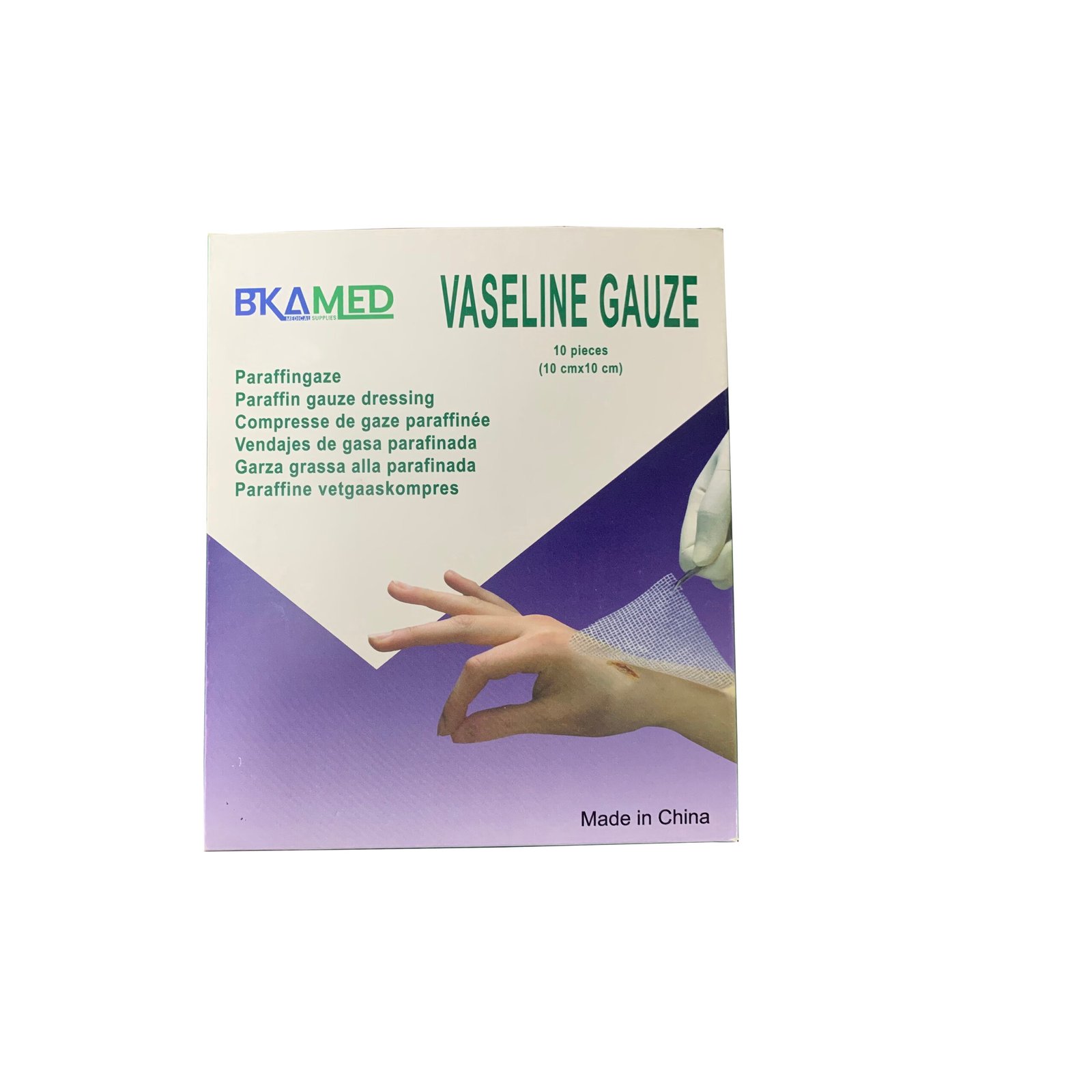
The effectiveness of chlorhexidine paraffin gauze comes from the way its components work together to support wound healing. Chlorhexidine is a well-established antiseptic that acts against a wide range of bacteria that are commonly associated with wound infections. By reducing microbial activity around the wound, it helps lower the risk of infection during the healing process.
As the Chlorhexidine fights microbial activity, the paraffin coating works to prevent the dressing from adhering or sticking firmly to the wound surface. This reduces pain during dressing changes and minimizes disruption to newly formed tissue. As a result, clinicians can replace dressings more comfortably while preserving the wound’s natural healing progress.
The open-weave gauze structure also allows wound fluid to pass into a secondary absorbent dressing. This prevents excessive moisture accumulation while maintaining the moist environment widely recognized as beneficial for wound healing.
Clinical Applications
The versatility of chlorhexidine paraffin gauze has made it a standard dressing in many healthcare settings. Hospitals, outpatient clinics, emergency departments, and humanitarian organizations rely on it for a wide range of wound types.
Common clinical uses include:
- Partial-thickness burns.
- Skin graft donor sites.
- Skin graft recipient sites.
- Surgical incisions.
- Traumatic abrasions.
- Lacerations.
- Pressure injuries.
- Chronic ulcers.
- Minor soft tissue injuries.
Clinicians who handle burns usually use the dressing because it reduces adherence to damaged skin even as it provides antimicrobial protection as the skin heals. Similarly, surgeons usually apply it over donor sites after skin graft procedures to encourage healing while minimizing patient discomfort.
NGOs and emergency medical teams also value the dressing because it offers dependable performance across various clinical environments, particularly where rapid treatment and reliable infection control are essential.
Why Healthcare Providers Prefer It
Healthcare professionals evaluate wound dressings based on clinical outcomes, ease of use, patient comfort, and consistency. Chlorhexidine paraffin gauze performs well across these areas, which explains why hospitals and specialized wound care facilities worldwide continue to use it.
One major advantage is its ability to reduce trauma when it’s being removed. Dressings that adhere strongly to wounds and then become hard to remove can damage fragile tissue, increase patient discomfort, and slow healing. But the paraffin layer on this gauze helps avoid these issues while maintaining adequate contact with the wound surface.
The antimicrobial properties of chlorhexidine provide another important benefit. Reducing bacterial growth helps support cleaner wound conditions, particularly for patients with burns or surgical wounds that may easily be infected.
Healthcare facilities also appreciate this product’s versatility. Instead of maintaining multiple specialized dressings for similar wound types, clinicians can use chlorhexidine paraffin gauze across a broad range of applications. This simplifies inventory management without compromising clinical care.
For procurement teams, these advantages lead to consistent product demand. Hospitals, distributors, and humanitarian organizations often prioritize reliable supply partners capable of delivering standardized products that meet established clinical expectations.
As demand continues to grow across healthcare systems, procurement managers also have to understand the broader market forces driving increased global consumption.
So, the next section examines the trends that influence worldwide demand for chlorhexidine paraffin gauze and what they mean for bulk sourcing strategies.
Global Demand Drivers
The growing demand for chlorhexidine paraffin gauze supplier is closely linked to broader trends in healthcare. Rising rates of burns, traumatic injuries, chronic wounds, and surgical procedures have increased the need for advanced wound dressings that combine infection prevention with effective wound management.
At the same time, humanitarian organizations and government health agencies are strengthening emergency preparedness, creating additional demand for dependable wound care supplies.
By understanding the following market drivers, procurement managers can forecast purchasing needs, identify reliable Chlorhexidine paraffin gauze suppliers, and develop sourcing strategies that support both routine healthcare delivery and emergency response:
Rising Burn and Trauma Cases
Did you know that burn injuries remain one of the leading causes of preventable disability and death worldwide, particularly in low- and middle-income countries? According to the World Health Organization (WHO), burns alone cause an estimated 180,000 deaths each year, with most of these deaths occurring in low- and middle-income countries.
Patients with burns often require dressings that protect fragile tissue while minimizing pain during dressing changes. Chlorhexidine paraffin gauze meets these clinical requirements.
Trauma centers also use these dressings in many situations such as road traffic accidents, industrial injuries, workplace accidents, and natural disasters, all of which frequently result in wounds that require careful infection control during the healing process.
Here are the common trauma applications:
- Thermal burns.
- Chemical burns.
- Friction burns.
- Skin abrasions.
- Lacerations.
- Soft tissue injuries.
- Skin graft donor sites.
- Post-surgical wound care.
Because emergency departments must maintain adequate stock for unpredictable patient volumes, procurement teams often establish long-term supply agreements instead of relying on emergency purchasing. This approach improves inventory planning while reducing the risk of stock shortages during emergencies.
Additionally, countries that invest in trauma care systems continue expanding their inventories of advanced wound care products. This trend has contributed to steady global demand for high-quality chlorhexidine paraffin dressings.
Chronic Wounds and Aging Populations
Apart from acute injuries, chronic wounds have also become a growing healthcare challenge worldwide. As populations age and chronic diseases now become more common, healthcare providers are treating ever-increasing numbers of patients with wounds that require prolonged care.
Conditions frequently associated with chronic wounds include:
- Diabetes.
- Peripheral vascular disease.
- Venous insufficiency.
- Pressure injuries.
- Reduced mobility.
- Compromised circulation.
Many of these patients are in need of repeated dressing changes over several weeks or even months. Consequently, clinicians prefer treating their wounds using dressings that minimize tissue damage even as a clean wound environment is maintained.
An aging population has further contributed to rising demand for wound dressings. Older adults generally experience slower wound healing, thinner skin, and increased susceptibility to infection. All these factors increase the need for reliable dressings that can reduce trauma when being removed or while being used to support consistent wound management.
According to the United Nations, the population of those aged 65 years and older continues to grow very fast across the world, placing more pressure on healthcare systems and increasing demand for wound care products. As healthcare providers treat more and more elderly patients, procurement managers should anticipate increasing demand for advanced antimicrobial dressings.
In simple terms, this means organizations dealing with long-term procurement should evaluate chlorhexidine paraffin gauze suppliers who can support consistent production over many years instead of focusing just on short-term pricing advantages.
NGO and Humanitarian Demand
Humanitarian organizations are another important source of demand for chlorhexidine paraffin gauze. NGOs usually operate in disaster zones, refugee settlements, conflict areas, and regions with limited healthcare infrastructure, where wound infections can become life-threatening if appropriate treatment is unavailable.
Emergency response teams in these areas require products that are:
- Sterile.
- Easy to transport.
- Simple to use.
- Suitable for multiple wound types.
- Stable during storage.
- Supported by reliable supply chains.
These organizations cannot operate if there is no dependable product availability. They also rely on product performance. If the delivery of these products is delayed, emergency medical operations could be affected. That’s why Chlorhexidine paraffin gauze supplier reliability is a critical procurement criterion.
Therefore, many humanitarian procurement teams will often only establish framework agreements with manufacturers that can maintain production capacity throughout the year. These agreements are designed to reduce procurement delays while ensuring emergency stock remains available when disasters occur.
That said, organizations seeking a chlorhexidine wound dressing supplier for NGO programs should also evaluate export experience, documentation capabilities, and production flexibility before entering long-term supply contracts.
Hospital Procurement Trends
Hospitals are also changing how they purchase wound care products. Rather than evaluating products individually, many healthcare systems now use centralized procurement strategies that emphasize chlorhexidine paraffin gauze supplier performance, quality consistency, and long-term value.
Several purchasing trends are shaping hospital procurement:
- Standardization of wound care products across multiple facilities.
- Longer procurement contracts.
- Increased emphasis on chlorhexidine paraffin gauze supplier audits.
- Greater focus on quality documentation.
- Expanded use of electronic procurement systems.
- Preference for manufacturers with stable production capacity.
These trends mean procurement managers now prefer developing partnerships with suppliers that are able to support recurring orders instead of occasional purchases.
Many hospitals also seek to reduce the number of wound dressing suppliers they manage. This is because consolidating procurement with fewer qualified manufacturers simplifies inventory management, strengthens commercial relationships, and often improves pricing through higher purchasing volumes.
As healthcare systems continue modernizing their procurement practices, manufacturers that combine reliable production, regulatory compliance, and responsive customer support are increasingly well positioned to become preferred long-term suppliers.
Growing demand, however, also means procurement managers must define exactly what product they intend to purchase before they contact manufacturers. In the next section, we examine the technical specifications that should be confirmed before requesting quotations or evaluating wholesale suppliers.
Product Specifications to Define Before Contacting a Chlorhexidine paraffin gauze Supplier
A successful procurement process starts long before a quotation is requested. Procurement managers who clearly define product specifications upfront are more likely to receive accurate quotations, comparable proposals, and products that meet their clinical and operational requirements. On the other hand, unclearly defined specifications usually lead to all sorts of problems such as pricing discrepancies, production delays, or products that fail to meet expectations.
Product specifications are especially crucial when sourcing chlorhexidine paraffin gauze supplier internationally. There are instances where manufacturers offer products that appear similar on paper but differ significantly in gauze construction, chlorhexidine concentration, sterility validation, packaging configuration, and shelf life. So, establishing clear technical requirements before contacting suppliers helps eliminate these inconsistencies and allows procurement teams to compare manufacturers on an equal basis.
Gauze Material and Fabric Quality
The strength of every chlorhexidine paraffin gauze dressing lies in the gauze itself. Although procurement managers often focus on the antiseptic formulation, it is the quality of the cotton used that plays an equally important role in clinical performance. A low-quality cotton will mean a bad gauze dressing even if the antiseptic formulation is right.
Medical-grade gauze should be manufactured from 100% purified cotton that has been cleaned properly, bleached, and processed to remove all impurities. It is the high-quality cotton that provides the softness and flexibility that is needed for direct wound contact while maintaining enough strength to withstand handling during dressing changes.
The gauze quality is influenced by several characteristics, including:
- Cotton purity.
- Thread count.
- Weaving consistency.
- Absorbency capacity.
- Tensile strength.
- Lint generation.
- Uniformity of the fiber.
A loosely woven structure is generally preferred because it allows wound exudate to pass through to a secondary absorbent dressing. At the same time, the weave should remain stable enough to prevent fibers from separating during application or removal.
A gauze made from low-quality materials may shed lint into the wound. This can increase cleaning requirements and even affect the healing process. A poorly woven gauze can also reduce the dressing’s structural integrity. The result is that clinicians find it more difficult to apply and remove the product safely.
Therefore, procurement managers should request detailed product specifications describing:
- Cotton composition.
- Fabric weight.
- Mesh or thread construction.
- Manufacturing process.
- Sterility status.
- Product dimensions.
These details allow technical teams to compare competing products objectively instead of relying just on marketing descriptions.
Chlorhexidine Concentration
It is Chlorhexidine, the active antimicrobial ingredient in this dressing, that distinguishes it from ordinary paraffin gauze. As already stated, its major role is to discourage bacterial growth around the wound and support a cleaner healing environment.
However, not all chlorhexidine paraffin gauze products have identical formulations. Manufacturers may use different chlorhexidine concentrations depending on product design, regulatory requirements, and intended clinical applications.
So procurement managers should verify:
- Chlorhexidine concentration.
- Uniformity of impregnation.
- Manufacturing consistency.
- Product stability throughout shelf life.
- Supporting quality documentation.
Consistency in production is particularly important. Uneven chlorhexidine distribution may affect product performance and reduce confidence among clinicians using the dressing.
Manufacturers should also be able to explain how chlorhexidine is added during production and what quality control procedures are used to verify uniform application across each production batch.
When comparing multiple suppliers, one needs to ensure that chlorhexidine concentration is the same in every batch before evaluating pricing. Products that have different formulations should never be compared strictly on cost because they may not provide equivalent clinical performance.
Paraffin Formulation
As chlorhexidine provides antimicrobial protection, the paraffin component, on the other hand, determines how the dressing will give comfort during wound management. Soft paraffin creates a protective layer between the gauze and the wound surface. This reduces adherence to new tissue that’s forming as the wound heals. It also reduces trauma during dressing removal.
The formulation should provide enough lubrication without becoming too oily or affecting packaging integrity when it is stored.
Procurement managers should assess:
- The type of paraffin used.
- Consistency of impregnation.
- Even coating across the gauze.
- Product stability during storage.
- Compatibility with standard secondary dressings.
Paraffin coating that is not even enough can produce inconsistent clinical performance. Some areas of the dressing may stick to hard, while others may provide too weak wound contact. Therefore, manufacturers should maintain strict control of the process during impregnation to ensure every dressing receives a consistent amount of paraffin.
So the organizations that plan to buy chlorhexidine paraffin gauze in bulk should request production specifications that demonstrate that paraffin application remains consistent from one manufacturing batch to another.
Sterility and Packaging
Sterility is one of the most important gauze features procurement managers should verify before they approve any wound dressing supplier.
Chlorhexidine paraffin gauze is intended for direct contact with vulnerable wounds. As a result, it should undergo validated sterilization processes and remain sterile until the packaging is opened by healthcare professionals.
Manufacturers should clearly state:
- Sterilization method.
- Sterility assurance level where applicable.
- Packaging material.
- Packaging integrity testing.
- Expiry date.
- Storage recommendations.
That said, packaging is also not just for maintaining sterility. It is there to as well protect the dressing when being transported. Packaging also facilitates inventory management and provides essential product information to clinicians.
A well-designed package typically includes:
- Product name.
- Product dimensions.
- Lot number.
- Manufacturing date.
- Expiry date.
- Sterility indicator.
- Manufacturer information.
- Storage instructions.
Hospitals often prefer sterile dressings which are individually packaged because they make the work of inventory control easy. Moreover, they reduce contamination risks during clinical use.
Meanwhile, distributors, may ask for additional export cartons that are designed to withstand international transportation while protecting product integrity throughout the supply chain. Procurement teams who place a sterile chlorhexidine gauze bulk order should also verify that export packaging are in compliance with shipping requirements for their destination markets.
Standard Sizes and Custom Sizes
Healthcare providers use chlorhexidine paraffin gauze to dress different types of wounds, so manufacturers typically produce multiple dressing dimensions to serve all the different uses.
Common standard sizes include:
- 5 cm × 5 cm.
- 10 cm × 10 cm.
- 10 cm × 20 cm.
- 10 cm × 40 cm.
Some manufacturers also offer customized dimensions for healthcare systems, humanitarian organizations, or distributors who are serving specialized markets.
Such custom sizing may benefit:
- Burn centers.
- Military medical units.
- Emergency response organizations.
- National healthcare systems.
- Private-label distributors.
However, customized products usually require higher minimum order quantities (MOQs) and longer production lead times. Therefore, procurement managers should strike the right balance between customization and operational efficiency.
When discussing customized products, suppliers should clearly explain:
- Available dimensions.
- Production limitations.
- MOQ requirements.
- Lead times.
- Packaging implications.
Clarification that comes early enough will prevent misunderstandings once the manufacturer begins production.
Shelf Life and Storage Requirements
The performance of a wound dressing depends not just on its manufacturing quality; it also depends on its ability to maintain that same quality throughout storage and transportation. Therefore, procurement managers should evaluate shelf life as carefully as they assess product specifications.
Manufacturers should provide documented stability data that support the stated expiry period. They should also specify appropriate storage conditions that can help preserve both the antiseptic properties of chlorhexidine and the physical characteristics of the paraffin gauze.
Typical information includes:
- Shelf life.
- Recommended storage temperature.
- Humidity limitations.
- Protection from direct sunlight.
- Packaging handling recommendations.
Organizations that manage national healthcare inventories or humanitarian stockpiles usually store wound dressings for long periods before they can be released for use. While in storage, products with clearly validated shelf lives and stable packaging reduce inventory losses while improving emergency preparedness.
Part of procurement planning should also involve rotating stock regularly. Putting a first-expiry, first-out (FEFO) inventory system into practice helps reduce waste while ensuring healthcare providers always receive products within their validated shelf life.
Key Product Specifications Procurement Managers Should Confirm
| Specification | What to Verify | Why It Matters |
|---|---|---|
| Gauze Material | 100% medical-grade cotton, weave quality, absorbency | Determines strength, comfort, and wound compatibility |
| Chlorhexidine | Concentration, uniform distribution, formulation consistency | Ensures reliable antimicrobial performance |
| Paraffin | Even impregnation, stability, non-adherent properties | Minimizes trauma during dressing removal |
| Sterility | Validated sterilization method and packaging integrity | Supports patient safety and regulatory compliance |
| Available Sizes | Standard and custom dimensions | Matches different clinical applications |
| Packaging | Individual pouches, export cartons, labeling | Protects product and improves inventory management |
| Shelf Life | Stability validation and expiry period | Supports long-term inventory planning |
| Documentation | Product specifications, COA, certifications | Facilitates supplier evaluation and regulatory compliance |
With the technical requirements clearly established, the next step is how to identify manufacturers who will consistently meet those requirements. In the following section, we explore how to evaluate wholesale suppliers.
How to Find a Reliable Wholesale Chlorhexidine Paraffin Gauze Supplier
One of the most important decisions in any medical procurement process has to be how to find the right supplier. Even though product quality is essential, it is only one link in the chain.
Procurement managers have to be confident that the supplier they are selecting will manufacture consistently, meet delivery schedules, comply with regulatory requirements, and provide responsive support even after the purchase order has been fulfilled.
Working hand in hand with a reliable wholesale supplier becomes especially important when sourcing internationally. Many manufacturers may offer similar products, but their production capabilities, quality systems, and export experience can considerably vary. So, evaluating suppliers using a proper criteria will help procurement teams reduce risk, compare manufacturers fairly, and build long-term supply relationships.
That said, here is how to find a reliable wholesale supplier for chlorhexidine paraffin gauze:
Manufacturer vs. Trading Company
One of the first questions procurement managers should ask the supplier is whether they are dealing directly with a manufacturer or with a trading company.
Manufacturers own or operate production facilities where products are made or manufactured. They typically have direct control over production scheduling, quality management, raw material sourcing, and technical support. On the other hand, trading companies, purchase products from one or more factories and resell them to international customers.
The matter here is not to point out which of the business models is better. In fact, neither business model is inherently better. It’s just that procurement teams should understand which type of chlorhexidine gauze dressing exporter they are engaging because it affects communication, pricing, customization options, and problem resolution.
Working directly with a manufacturer often offers several advantages:
- Better control over product specifications.
- Faster communication with technical teams.
- Greater flexibility for OEM projects.
- More transparent production schedules.
- Lower overall procurement costs by reducing intermediaries.
Manufacturers are also better positioned to explain production processes, quality controls, and regulatory documentation because these activities occur within their own facilities.
Trading companies can still provide value, particularly when they represent multiple manufacturers or consolidate shipments from different product categories. This arrangement may simplify procurement for organizations sourcing a broad range of medical consumables from a single supplier.
However, procurement managers should seek to know:
- Who manufactures the product?
- Where is the factory located?
- Who controls quality inspections?
- Who prepares technical documentation?
- Who is responsible for after-sales support?
Clear answers to these questions will help establish accountability long before commercial discussions begin.
Manufacturing Capacity
Can a supplier support both current requirements and future demand? It’s all determined by their actual production capacity, not their claims on the website. A manufacturer may have all it takes to produce high-quality products, but be unable to meet increased demand, thanks to limited production capability.
That’s why procurement managers should assess manufacturing capacity alongside product quality.
When it comes to manufacturing capacity, important areas to evaluate include:
- Number of production lines.
- Daily or monthly production output.
- Availability of automated manufacturing equipment.
- Workforce size and technical expertise.
- Production scheduling flexibility.
- Capacity for emergency orders.
Suppliers with scalable production systems are generally better equipped to accommodate seasonal demand, humanitarian emergencies, and expanding procurement contracts.
Capacity planning also affects lead times. Manufacturers that operate at maximum utilization may require remarkably longer production schedules, especially when global demand is high.
So, procurement teams should ask suppliers questions such as:
- What is your monthly production capacity?
- Can production be increased if demand grows?
- How do you prioritize repeat customers?
- What is your average lead time?
- How do you manage urgent orders?
Manufacturing capacity should also be evaluated together with inventory management. Some manufacturers maintain safety stocks of raw materials, enabling them to respond more quickly to customer orders. Others purchase materials only after receiving confirmed purchase orders, which may increase production lead times.
By understanding these operational differences, procurement managers are able to develop realistic purchasing schedules and reduce the risk of supply interruptions.
Export Experience
But manufacturing a quality product is just another part of successful international procurement, not the whole matter. So suppliers must also indicate they understand export regulations, shipping requirements, customs documentation, and international logistics.
Manufacturers with extensive export experience generally handle these processes more efficiently, reducing delays and administrative complications.
Experienced exporters typically have established procedures for:
- Preparing export documentation.
- Coordinating international freight.
- Managing customs requirements.
- Protecting products during overseas transportation.
- Responding to documentation requests from importers.
Procurement managers should ask about the supplier’s export history, including the regions they currently serve and the types of healthcare organizations they supply.
Useful questions to ask include:
- Which countries do you export to?
- How many years have you supplied international markets?
- What export documents do you provide?
- Which shipping methods do you commonly use?
- Can you support destination-specific documentation?
Suppliers serving hospitals, distributors, and government procurement agencies across multiple countries usually have stronger systems for handling international transactions.
Another indicator of export capability is familiarity with different Incoterms such as FOB, CIF, CFR, and DDP. Suppliers should clearly explain their responsibilities under each shipping arrangement so procurement managers understand where ownership and transportation responsibilities transfer.
This level of transparency reduces misunderstandings and supports more efficient procurement planning.
Sample Evaluation
Before placing a commercial order, procurement managers should always request product samples. Sample evaluation remains one of the most effective methods of verifying product quality before committing to large-volume procurement.
During sample evaluation, both technical and clinical teams should participate where possible.
Here are the areas to evaluate in a chlorhexidine paraffin gauze:
- The gauze softness.
- Chlorhexidine distribution.
- Paraffin consistency.
- Ease of removing the dressing.
- The quality of the packaging.
- Product labeling.
- Overall workmanship.
Hospitals may also conduct limited clinical evaluations under well-established protocols to confirm that the product performs as expected during routine wound care. But distributors often focus on packaging durability, labeling accuracy, and shelf presentation because these factors influence inventory management and customer satisfaction.
Procurement managers should compare samples from multiple manufacturers using similar evaluation criteria. Such standardized assessments make supplier comparisons more objective and support better purchasing decisions.
Customer Support
How do you tell a long-term supply partner from a transactional supplier? It’s by how they provide customer support. A transactional supplier has little or no time to explain much. Even the highest-quality product may still require technical clarification, documentation updates, or production adjustments over time, so a supplier worth the name should be willing to clarify issues.
Communicating at every step builds trust and reduces procurement uncertainty, especially where large orders are involved or there are customized projects. Instead of waiting until a problem arises after placing the first order, procurement managers should evaluate customer service ealier.
Reliable manufacturers generally provide:
- Prompt responses to inquiries.
- Dedicated sales representatives.
- Technical product support.
- Documentation assistance.
- Complaint handling procedures.
- Regular production updates.
It’s not just communication that counts, but even how fast it is done. Manufacturers that respond promptly during quotation discussions later turn out to be more reliable throughout production and shipment. In short, communication speed provides useful insight into overall supplier professionalism.
Factory Audits
Factory audits can provide procurement managers with direct insight into how manufacturers operate. While certifications and documentation are valuable, it’s an audit that allows customers to verify that quality systems talked about are actually implemented during production.
Audits may be conducted in person, virtually, or through independent third-party inspection companies.
Typical audit areas include:
- Production facilities.
- Equipment maintenance.
- Clean manufacturing environments.
- Quality management systems.
- Raw material storage.
- Employee training.
- Documentation control.
- Warehouse operations.
- Packaging processes.
- Finished goods inspection.
For procurement teams who are unable to visit factories personally, many manufacturers now offer virtual factory tours that are supported by live video demonstrations and detailed production documentation.
These virtual assessments cannot replace comprehensive on-site audits, but they still provide valuable transparency during the initial supplier evaluation process.
With a reliable supplier now identified, the next step is verifying their compliance with international regulations and ensuring the manufacturer can provide the certifications and documentation required for global healthcare markets.
Compliance and Regulatory Requirements
Compliance is an important consideration when sourcing medical dressings internationally. Indeed, verifying compliance early in the procurement process helps reduce delays and minimizes regulatory risks. It’s true certification alone does not guarantee product quality, but it provides confidence that manufacturing processes are consistently controlled.
That said, here are some of the most important regulatory requirements to check:
ISO 13485
ISO 13485 is the quality management system standard that is recognized internationally for medical device manufacturers. It demonstrates that a manufacturer follows documented procedures covering production, quality control, risk management, and continuous improvement.
Procurement managers should take the time to verify that the supplier’s ISO 13485 certificate is current and applies to the products being sourced.
CE Certification
For products entering European markets, CE certification is an important regulatory requirement where applicable. It indicates that the product complies with relevant European medical device regulations.
A supplier offering chlorhexidine paraffin gauze CE-certified products should be able to provide the necessary declarations and supporting documentation. Procurement teams should review these documents before placing large-volume orders.
Sterility Validation
Because chlorhexidine paraffin gauze comes into direct contact with wounds, sterility is essential. Manufacturers should use validated sterilization processes and maintain records demonstrating that each production batch meets established sterility requirements.
Procurement managers should request information on:
- Sterilization method.
- Sterility validation reports.
- Packaging integrity testing.
- Shelf-life validation.
These records help confirm that products remain sterile until they are opened for clinical use.
Batch Traceability
When the traceability system is effective, manufacturers can identify and monitor every production batch from raw materials through final shipment. This capability is especially important if quality investigations or product recalls become necessary for whatever reason.
A strong traceability system should include:
- Batch numbers.
- Production records.
- Raw material tracking.
- Inspection records.
- Distribution records.
Done properly, traceability improves quality management and gives procurement teams greater confidence in supplier reliability.
Export Documentation
As important as product quality during international procurement is accurate documentation. When the paperwork is not consistent or some papers are found to be missing, customs clearance can be delayed. This can lead to increased administrative costs.
Manufacturers worth the name should be able to provide:
- The commercial Invoice.
- The packing List.
- The certificate of Origin.
- The certificate of Analysis (COA).
- The product Specification Sheet.
- The ISO 13485 Certificate.
- The CE documentation, if and when applicable.
Once compliance requirements have been verified, attention now shifts to another critical aspect of sourcing: understanding pricing, minimum order quantities, and the factors that influence bulk purchasing costs.
Pricing, MOQ, and Ordering for Bulk Buyers
Price is an important factor in every procurement decision and a lower unit price will naturally seem attractive. But price should never be evaluated in isolation. Other factors such as product quality, regulatory compliance, packaging, lead times, and supplier reliability often have a greater impact on the total cost of ownership.
That’s why procurement managers should evaluate quotations comprehensively rather than focusing solely on the lowest price. An understanding of how manufacturers determine pricing also helps procurement teams negotiate more effectively and plan purchases that maximize value.
What Influences Pricing?
There are several factors contributing to the factory price of chlorhexidine paraffin gauze. While raw material costs remain significant, manufacturing complexity, packaging requirements, and order volume also affect the final quotation.
All in all, common pricing factors include:
- Cotton quality.
- Chlorhexidine formulation.
- Paraffin quality.
- Dressing dimensions.
- Sterilization process.
- Individual packaging.
- Export carton specifications.
- Production volume.
- Shipping terms.
- Regulatory documentation.
Customized products generally cost more than standard catalog items because they require additional production setup, artwork approval, and packaging adjustments. Likewise, orders with specialized labeling or private branding may involve higher unit costs, particularly for smaller production runs.
So rather than requesting quotations based only on price, procurement managers should provide complete product specifications. This enables suppliers to prepare accurate proposals that can be compared fairly.
MOQ Explained
Most manufacturers establish a Minimum Order Quantity (MOQ) to ensure production remains commercially efficient. The MOQ varies depending on the product, packaging requirements, and whether customization is involved.
For standard products, manufacturers may offer relatively flexible order quantities. However, customized packaging or private label projects usually require higher production volumes to offset setup costs.
When discussing chlorhexidine paraffin dressing MOQ, procurement teams should clarify:
- Standard MOQ.
- MOQ for OEM products.
- MOQ for customized packaging.
- MOQ for private label orders.
- Mixed-size container options.
Requesting Accurate Quotations
A detailed quotation request saves time for both the supplier and the customer. That is, the more information procurement managers provide, the more accurate pricing they will receive from the supplier.
A quotation request should typically include:
- Product dimensions.
- Packaging requirements.
- Estimated order quantity.
- Destination country.
- Preferred shipping terms.
- Certification requirements.
- Delivery timeline.
Providing complete specifications also reduces the need for repeated revisions and allows suppliers to recommend the most appropriate production options.
Comparing Supplier Quotations
Comparing quotations should involve more than just reviewing unit prices. Procurement managers should assess the complete commercial offer to determine overall value.
Important comparison criteria include:
- Product specifications.
- Certifications.
- Manufacturing capacity.
- Lead time.
- MOQ.
- Packaging quality.
- Documentation support.
- Payment terms.
- Customer service.
What is included in each quotation? That’s the question procurement teams should keep asking when comparing supplier quotations. A slightly higher quotation may represent better value if it includes stronger quality systems, shorter lead times, or more comprehensive export support. Looking beyond price helps organizations build reliable supply chains that reduce procurement risks over the long term.
Typical Wholesale Purchasing Models
| Purchase Type | Typical MOQ | Customization | Lead Time | Best Suited For |
|---|---|---|---|---|
| Standard Product | Low | None | Short | Hospitals and routine distributors |
| Customized Packaging | Medium | Labels and packaging | Moderate | Regional distributors and healthcare suppliers |
| OEM / Private Label | Higher | Full branding and packaging | Longer | Medical brands, importers, and wholesalers |
Procurement for NGOs and Emergency Medical Programs
Unlike routine hospital procurement, humanitarian and emergency medical procurement usually takes place under really challenging conditions.
Here are reasons why NGOs, disaster relief organizations, and international health agencies have to be extra careful during supplier selection:
Procurement Priorities
NGOs and emergency medical organizations frequently operate in environments with limited healthcare infrastructure. For that reason, they require dependable medical supplies. Procurement teams must therefore evaluate suppliers based on their ability to deliver consistent quality while responding quickly to urgent requirements.
Typical procurement priorities include:
- Consistent product quality.
- Reliable manufacturing capacity.
- Competitive pricing.
- International shipping capability.
- Regulatory compliance.
- Stable inventory availability.
- Responsive customer support.
Organizations that seek a Chlorhexidine wound dressing supplier that NGO programs can rely on should also consider the supplier’s experience supporting humanitarian projects. Manufacturers familiar with emergency procurement often understand the importance of rapid production, flexible logistics, and accurate documentation.
Emergency Deployment
Natural disasters, armed conflicts, disease outbreaks, and large-scale accidents can significantly increase demand for wound care products within a short period. Therefore, procurement managers should make sure that suppliers can meet the production target and coordinate urgent shipments when needed.
Key considerations include:
- Emergency production capacity.
- Expedited manufacturing options.
- Flexible shipping arrangements.
- Ready availability of export documentation.
- Reliable communication throughout the order process.
Inventory Planning
It’s partly through effective inventory planning that NGOs can avoid both shortages and unnecessary stock expiration. Since humanitarian programs may operate across multiple countries, procurement teams should be able to forecast demand based on expected program activities, storage capacity, and transportation timelines.
The following amount to good inventory planning practices:
- Maintaining safety stock.
- Rotating inventory using the first-expiry, first-out (FEFO) principle.
- Scheduling replenishment before stock reaches critical levels.
- Monitoring product shelf life regularly.
- Coordinating procurement with field operations.
These practices improve supply continuity while reducing product waste and emergency purchasing costs.
Long-Term Supply Agreements
Many NGOs would rather enter long-term framework agreements instead of purchasing products through individual tenders each time they are in need of supplies. These agreements help stabilize pricing, simplify procurement, and improve supply security during emergency situations.
Such long-term partnerships also benefit manufacturers by allowing more accurate production planning, which can translate into shorter lead times and better service for repeat customers.
When evaluating long-term suppliers, procurement managers should assess:
- Manufacturing consistency.
- Production capacity.
- Historical delivery performance.
- Quality management systems.
- Export experience.
- Willingness to support changing program requirements.
A partnership with a dependable supplier reduces procurement risks and allows humanitarian organizations to focus on delivering healthcare rather than resolving supply chain disruptions.
How can you avoid common purchasing mistakes that can lead to higher costs, regulatory issues, or inconsistent product quality when sourcing chlorhexidine paraffin gauze in bulk?
Mistakes to Avoid When Buying Chlorhexidine Paraffin Gauze in Bulk
Even experienced procurement teams can sometimes make wrong sourcing decisions that increase costs, delay deliveries, or compromise product quality. Yet most of these issues are preventable with proper planning and supplier evaluation. Here are the most common procurement mistakes hospitals, distributors, and NGOs should avoid making when sourcing:
Choosing by Price Alone
Everyone wants to buy at a low price. But cheap can also be expensive. When it comes to evaluating suppliers, a quotation that appears significantly cheaper may reflect lower-grade raw materials, inconsistent manufacturing processes, or limited quality control.
That’s why procurement managers should evaluate the total value offered by each supplier, including product quality, certifications, production capacity, lead times, documentation support, and after-sales service. A slightly higher unit price often results in lower long-term procurement costs if it reduces product failures, shipment delays, or quality complaints.
Ignoring Certifications and Quality Systems
Some organizations make the mistake of focusing heavily on product specifications while they overlook the manufacturer’s quality management systems. They may end up receiving products that fail to meet regulatory or clinical expectations.
So before placing an order, verify that the manufacturer can provide:
- ISO 13485 certification.
- CE documentation where applicable.
- Sterility validation records.
- Product specifications.
- Batch traceability documentation.
Taking the time to review these documents early helps avoid procurement delays later in the purchasing process.
Failing to Evaluate Product Samples
It’s a big mistake to order commercial quantities without first reviewing samples. It’s another common mistake with many procurement teams. Product samples allow procurement teams to assess material quality, packaging, workmanship, and overall product consistency before making a larger financial commitment.
Hospitals may also involve clinical staff in evaluating samples to confirm that the dressing performs as expected during routine wound care. This additional step provides useful feedback and reduces the likelihood of selecting an unsuitable product.
Overlooking Export and Documentation Requirements
There cannot be a seamless international procurement without the culture of maintaining accurate documentation. One mistake the procurement teams make is to overlook export and documentation requirements. This will lead to missing certificates, inconsistent shipping documents, or incomplete product information, all of which can delay customs clearance and disrupt supply schedules.
So procurement managers should confirm in advance that the supplier can provide all required export documents, including commercial invoices, packing lists, certificates of origin, certificates of analysis, and any regulatory documentation required by the destination country.
Failing to Build Long-Term Supplier Relationships
It’s best to build long-term supplier relationships instead of treating every purchase as a standalone transaction. Long-term partnerships usually result in better communication, more stable pricing, improved production planning, and greater flexibility during periods of high demand.
With a long-term supplier relationship in place, the supplier also gradually gains a better understanding of recurring procurement requirements, allowing them to anticipate production needs and provide more responsive support.
For procurement managers, long-term relationships with various suppliers create a more reliable supply chain and reduce the administrative effort involved in qualifying new suppliers for every purchase.
Why Procurement Teams Partner with BKAMED
Procurement managers who understand what they are doing look for manufacturing partners that can deliver consistent quality, maintain reliable production schedules, support regulatory compliance, and respond quickly to changing procurement needs. BKAMED, one of the leading manufacturers of medical products in China, works with hospitals, distributors, wholesalers, NGOs, and healthcare suppliers worldwide by combining manufacturing expertise with customer-focused support and dependable export services.
Whether your organization requires routine hospital supplies such as absorbent dressings or large-volume humanitarian procurement, BKAMED is committed to providing reliable products and building long-term partnerships.
Here are reasons why procurement teams should partner with BKAMED:
Manufacturing Expertise
BKAMED specializes in the production of medical consumables and wound care products such as bandages for international markets. By following standardized manufacturing procedures and maintaining strict quality controls, the company delivers products that meet the expectations of healthcare providers across different regions.
Its manufacturing capabilities include:
- Modern production equipment.
- Standardized production processes.
- Consistent raw material inspection.
- Controlled manufacturing environments.
- Scalable production capacity.
- Experienced technical teams.
These capabilities enable BKAMED to support both recurring procurement contracts and large-volume orders without compromising product consistency.
Quality Assurance
Quality assurance is maintained throughout the manufacturing process instead of being limited to final product inspection. Each stage is monitored to ensure products consistently meet agreed specifications.
BKAMED’s quality management process includes:
- Raw material verification.
- In-process quality inspections.
- Sterility control procedures.
- Packaging inspections.
- Finished product verification.
- Batch traceability.
- Documentation management.
These measures, together with other steps, reduce variation between production batches while providing procurement managers with greater confidence in product quality and supply reliability.
OEM and Private Label Support
Many distributors and healthcare suppliers want to sell their products under their own brand names. BKAMED supports these business models through flexible OEM and private label manufacturing services.
Customization options include:
- Private label branding.
- Customized packaging.
- Product labeling.
- Multilingual instructions.
- Retail-ready packaging.
- Export carton customization.
Before production begins, customers are given the chance to review and approve artwork, packaging layouts, and product specifications. This collaborative process minimizes errors while ensuring finished products meet commercial and regulatory requirements.
Global Export Experience
When it comes to supplying international customers, more is required beyond manufacturing quality products. Never to be overlooked is a thorough understanding of export procedures, documentation, and logistics.
BKAMED supports customers by providing:
- Commercial invoices.
- Packing lists.
- Certificates of Origin.
- Product Specification Sheets.
- Certificates of Analysis where applicable.
- Export-ready packaging.
- Responsive logistics coordination.
This experience helps hospitals, distributors, and NGOs simplify international procurement while reducing customs delays and documentation issues.
Customer Service and Long-Term Partnerships
At BKAMED, strong chlorhexidine paraffin gauze supplier relationships are built on consistent communication, dependable performance, and ongoing support. The company works closely with customers throughout the procurement process, from product selection and quotation to production, shipment, and after-sales service.
Customers who partner with BKAMED benefit from:
- Prompt quotation responses.
- Dedicated customer support.
- Transparent production updates.
- Technical assistance.
- Reliable delivery planning.
- Long-term partnership approach.
Rather than focusing solely on individual transactions, BKAMED aims to become a trusted manufacturing partner that supports customers as their procurement requirements grow.
Conclusion: Build a Stronger Supply Chain with the Right Manufacturing Partner
Successful bulk sourcing of chlorhexidine paraffin gauze requires more than finding a competitive price. Procurement managers should evaluate product specifications, manufacturing capability, regulatory compliance, export experience, and supplier reliability before making a purchasing decision.
So it’s by partnering with an experienced chlorhexidine paraffin gauze supplier that hospitals, distributors, and NGOs can improve procurement efficiency while ensuring a consistent supply of dependable wound care products. If your organization is looking for a reliable manufacturing partner, contact BKAMED today to discuss your requirements, request product samples, or receive a customized quotation tailored to your bulk sourcing needs.
