
Many healthcare facilities still have trouble with quality wound care, and surprisingly, a lot of those problems come from the quality or usefulness of basic supplies. A gauze bandage wrap, for instance, may look simple, but it has a direct effect on how comfortable the patient is, how well they can control infections, and how quickly they can get better.
As demand for wound care materials rises by more than 6% every year, procurement teams are under more and more pressure to pick materials that work. This often leads to the question of what makes a gauze wrap reliable, how to use different types of gauze wraps, and which specifications are important for clinical workflows.
This article clears up those worries by giving a full breakdown of the materials, uses, quality markers, and factors to consider when buying gauze bandage wrap. This will help people in healthcare settings make better choices.
What Is Gauze Bandage Wrap?
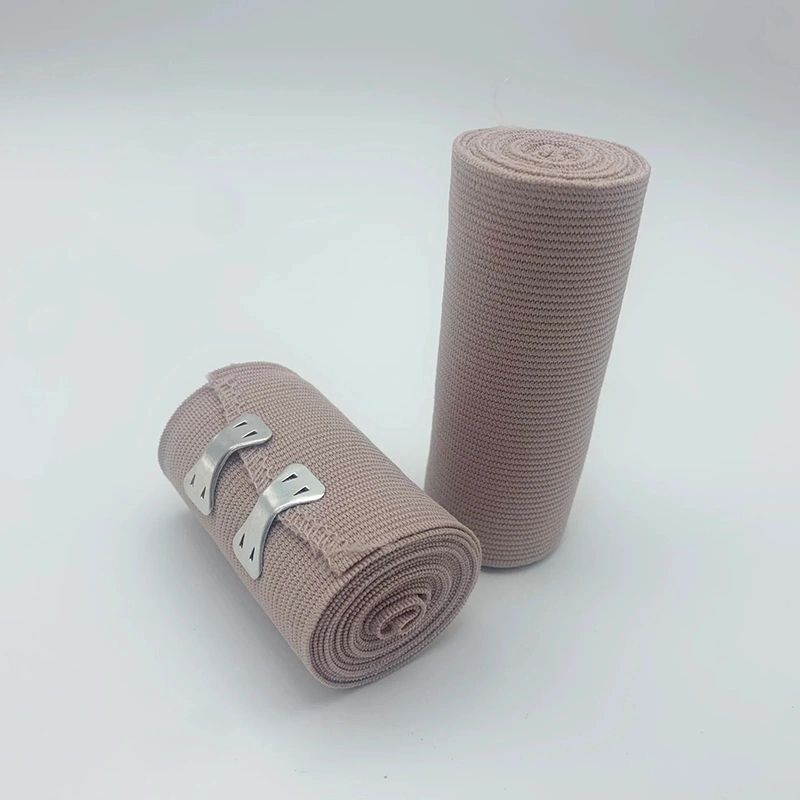
A gauze bandage wrap is usually made of cotton, viscose, or a mix of both. The fabric is woven together to make it light and breathable, and it also provides support and absorbs moisture.
The goal of the manufacturing process is to make a structure that can easily fit different parts of the body without limiting movement. The gauze bandage wrap is soft, stretchy, and breathable which makes it a popular choice for wound care and stabilization.
A typical gauze bandage wrap goes through processes such as carding and spinning fibers, weaving or bonding them, bleaching or cleaning the material, and finally cutting and rolling it into different widths and lengths. Facilities that need stronger or more absorbent gauze bandage wraps use higher mesh counts or thicker yarns.
Difference Between Gauze Bandage Wrap and Gauze Bandage Rolls
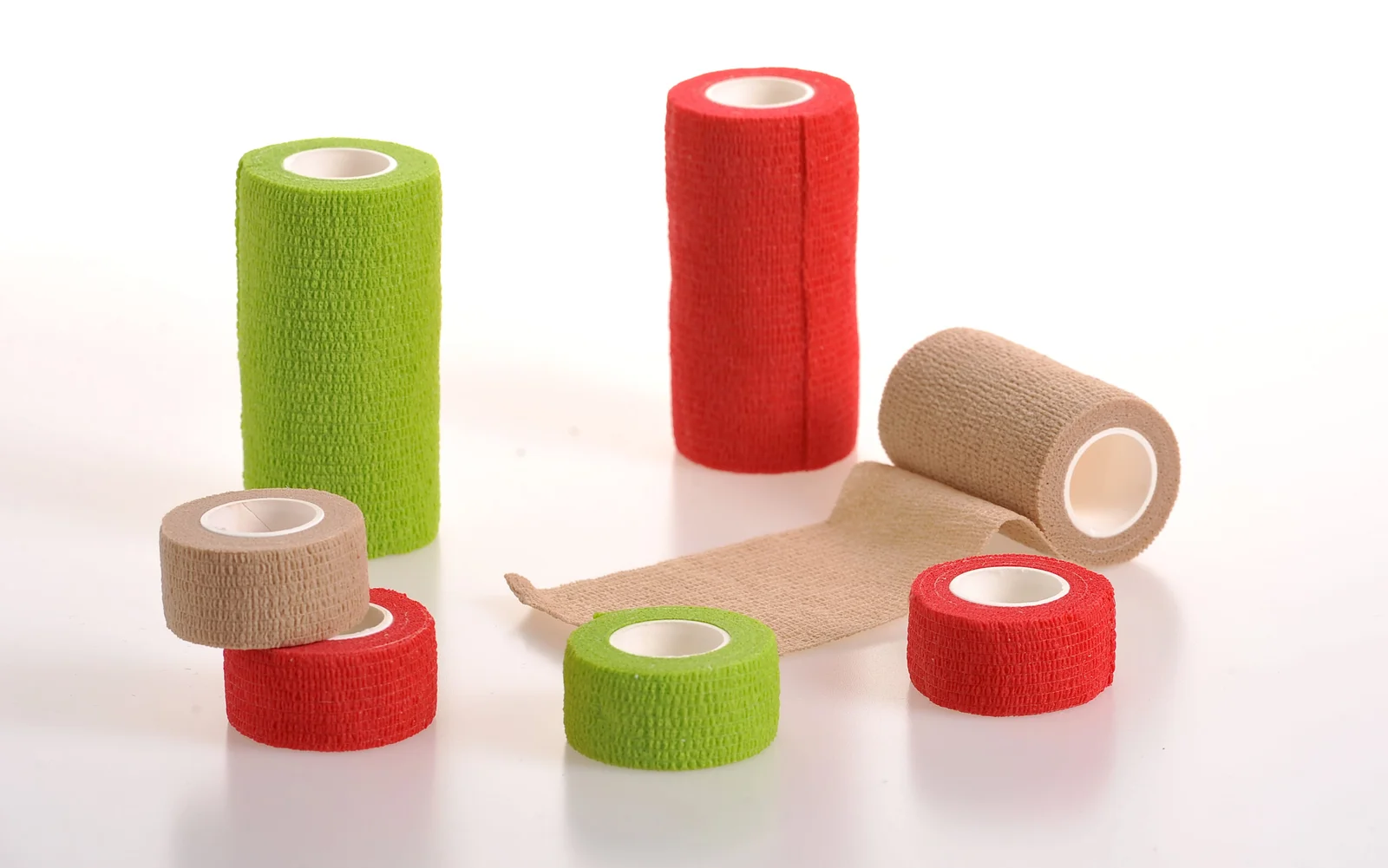
Some sources use gauze bandage wrap and gauze rolls interchangeably, but recognizing the difference between these products is crucial for anyone managing medical supplies or comparing material specifications.
Wraps are meant to hold dressings in place, apply light pressure, and protect the area around the wound. Bandage rolls, on the other hand, are more often used for padding, packing, or covering dressings.
Here’s the deal: wraps usually have more stretch and can fit better. This makes them useful for keeping dressings in place on curved or uneven surfaces. Regular gauze rolls, on the other hand, are usually thicker and less stretchy. They are better for situations where the goal is to cover something rather than support it.
The table below helps to make these differences clearer:
| Feature | Gauze Bandage Wrap | Standard Gauze Rolls |
| Stretch | Moderate to high | Low |
| Goal | Support, hold dressings in place, and light compression | Layers of coverage, padding, and dressing |
| Ability to Conform | High | Moderate |
| Common Use | Stabilization and secondary dressing | Wound packing or absorption |
| Material Weight | Lightweight | Medium weight |
● Woven vs Non-Woven Gauze Structure
Woven gauze is made by weaving together yarns. This makes a fabric that is strong and breathable and won’t tear easily. When fibers are bonded together to make a non-woven gauze bandage wrap, the surface becomes softer and more even, which is great for delicate uses.
Woven gauze bandage wrap is stronger in terms of tensile strength, which makes it great for wrapping limbs or holding large dressings in place. Non-woven gauze, on the other hand, is less rough and is often used as gauze pads for burns, where reducing friction is very important. The decision is based on the needs of the facility, the types of patients it serves, and the types of wounds it usually sees.
● Sterile vs Non-Sterile Gauze Wrap Bandage
A gauze wrap bandage is available in sterile and non-sterile forms. After being sterilized, a sterile gauze bandage wrap is sealed, making it safe to touch wounds or use in an operating room. Non-sterile versions are usually used as secondary layers or for general support when sterility is not needed.
Big hospitals usually order both kinds, but only in the amounts they think they will need based on their expected number of patients and infection control rules. To protect against contamination, sterile products must be handled with care and meet strict regulatory requirements.
Regulatory Classification and Medical Standards
Because gauze bandage wrap is used in healthcare systems all over the world, it must meet the rules set by regional regulatory bodies like the FDA (U.S.) and MDR (Europe) and similar groups in other places. These standards spell out what needs to be done for labeling, making sure things are sterile, fiber composition, biocompatibility, and the integrity of the packaging.
Procurement teams also look at ISO certifications, especially ISO 13485, because they show that a manufacturer follows medical-grade quality management systems. When companies buy in bulk, especially when they are importing supplies for use at multiple sites, they need to do batch testing, lot tracking, and keep clear records.
What Is Gauze Used For?
Gauze is used in both medical and first-aid settings to protect wounds, soak up fluids, and help them heal. It helps stop bleeding, keeps the area around the injury clean, and lowers the risk of infection.
A gauze bandage wrap can also be used to hold dressings in place, put pressure on them, protect sensitive areas, or hold topical medications in place. It can be used for anything from small cuts to more complicated wound care needs because it is flexible and comes in many forms.
● General Medical Applications
Gauze can help with a lot of different needs in everyday care. It is often used to clean wounds, soak up exudate, and create a breathable barrier that keeps dirt and germs out. Medical teams also use it to put antiseptics on, protect sensitive areas, and cover small cuts or scrapes.
Different formats are good for different things. For instance, 4×4 gauze works well for medium-sized wounds, and 2×2 gauze pads are usually used for smaller or more sensitive areas. Both are still useful because they let doctors change the amount of coverage without having to use bigger or more complicated dressings.
A gauze bandage wrap is also useful for temporary padding or keeping injured tissue from rubbing against other things because it is flexible. The main point of all these uses is clear: gauze provided control, consistency, and the ability to easily change it.
● Surgical, Postoperative, and Trauma Uses
Surgeons use gauze bandage wraps to stop bleeding, protect cuts, and keep the area clean during the procedure. After surgery, it helps with managing drainage while still letting enough air flow through for healing.
Trauma teams rely on the gauze bandage wrap for first-response stabilization because it is quick to put on and works reliably in situations where time and accuracy are important. Gauze pads for burns, for example, protect the tissue from friction without sticking to it, and they let doctors add more dressings as needed.
● Compression, Stabilization, and Support
A gauze bandage wrap not only covers wounds, but it also helps with controlled compression. When used correctly, it helps with circulation, controls swelling, and keeps injured areas stable. This makes it especially helpful for sprains, soft tissue injuries, and dressings that need a light pressure layer after surgery.
Here’s the thing: controlled compression must always be monitored. A bandage causing swelling could mean that there is too much pressure that is stopping blood from flowing back to the heart. This raises concerns about what can result if a bandage is applied too tightly, such as numbness, impaired circulation, or delayed healing. This is why compression is usually done with the same wrapping patterns and regular checks for comfort and capillary refill.
Gauze bandage wrap is flexible and light, so doctors can adjust the pressure without making it harder to breathe. This is harder to do with thicker materials.
● Use Cases in Hospitals, Clinics, and Low-Resource Settings
Gauze is used a lot in hospitals and clinics, but its importance is even clearer in places with few resources. Gauze is a good choice for places where advanced wound-care supplies may not be available because it is cheap, sterile, and dependable.
It is also great for disaster response kits, rural clinics, and mobile field teams because it is easy to store and lasts a long time. It is easy to sterilize or throw away, which makes sure that hygiene standards are always met.
In outpatient settings, gauze helps with daily wound care, minor surgeries, and monitoring after surgery. For these teams, the fact that gauze bandage wrap always works the same way saves time and makes planning their inventory easier.
When Gauze Bandage Wrap Is Preferred Over Self-Adhesive Bandage Wrap
Self-adhesive bandage wrap works well in some situations, especially when quick application or light support is needed. But in some clinical situations, a gauze bandage wrap is better.
Gauze bandage wrap is preferred when:
- A dressing layer that lets air through and doesn’t block it is needed.
- The wound requires frequent inspection or cleaning
- It is necessary to make multi-layer dressing combinations.
- Pressure control must be adjusted gradually
- Adhesive sensitivity is a problem.
Gauze bandage wrap is much more flexible in surgical or trauma cases because it can be shaped, layered, and secured depending on the size and depth of the wound. It also keeps skin problems from happening that are caused by adhesives, which can happen in people with weak or damaged skin.
Role of Gauze Bandage Wrap in Infection Control and Wound Hygiene
Gauze bandage wrap is a very important part of infection control. Its main job in this area is to keep the wound clean and lower the risk of infection.
The breathable nature of the gauze bandage wrap helps control moisture, which stops bacteria from growing too much in wet, closed spaces. The material becomes part of a structured hygiene routine when used with the right cleaning methods.
Types and Variants of Gauze Bandage Wrap
The versatility of gauze bandage wrap comes in a wide range of materials, structures, and specialized forms that can be used in a clinical setting. Each type is made to meet a certain need for wound care, such as absorption, compression, stabilization, or protection.
● Standard Gauze Bandage Wrap Materials and Weaves
Standard gauze bandage wrap is made of cotton, polyester, or a mix of the two that is meant to be soft and strong at the same time.
Cotton is still the most popular choice in the industry because it is soft on the skin and naturally absorbs moisture. Polyester blends, on the other hand, make things stronger and less likely to shed lint. This is especially helpful in environments that require cleaner, low-shed materials.
The pattern of the weave is also important. Weaves that are looser let air flow better and drain faster, while weaves that are tighter hold more water and give more structural support.
● Conforming and Stretch Gauze Bandage Wrap
Conforming gauze is flexible, which helps it fit around complicated shapes on the body. This makes it especially useful for places like joints, curves, or wounds that aren’t straight, where a regular non-stretch wrap might move or come loose. It can keep stable coverage without too much tension, which helps with both comfort and secure positioning.
Stretch gauze is even more flexible. The wrap has elastic fibers in it that help keep gentle, controlled pressure while still allowing movement. This is why stretch variants are great for wounds that need to be covered securely without having to be readjusted often.
Looking at the roles of each category, it’s easy to see how they fit together: conforming gauze focuses on shaping and placement, while stretch gauze focuses on a secure, flexible hold. Both of these make it less necessary to use extra securing tools, which is especially helpful when clinical workflows are moving quickly.
● Compression Gauze Bandages and Their Clinical Roles
Compression gauze is designed to apply controlled pressure to help with swelling, improve blood flow, and stabilize soft-tissue injuries. The weave is usually tighter, and the structure is stronger than that of regular wraps. Compression forms are also used after surgery to stop fluid from building up around the wound and to reduce swelling.
Compression gauze can help slow bleeding in trauma situations while getting a patient ready for more permanent care. It is a must-have for emergency rooms, operating rooms, and postoperative units because it works well under pressure.
● Impregnated Gauze (Zinc, Medicated, Specialty Wraps)
Impregnated gauze helps the wound site heal in a specific way. Zinc-impregnated versions help the skin heal and are often used for long-term wounds or skin conditions. Medicated gauze may have antiseptics, petrolatum, or other substances that lower the number of bacteria and make healing more comfortable.
Specialty wraps have advanced coatings that help control moisture, keep things from sticking, or cut down on odors. These different types help doctors take care of complicated wounds without adding extra layers or products.
Sizes, Widths, Lengths, Ply, Thread Count, and Packaging Options
Widths range from narrow strips for fingers and toes to wider wraps for limbs, the torso, and large wounds. There are also different lengths, so facilities can choose between shorter rolls for routine procedures or longer rolls for more coverage.
The fabric’s absorbency and strength depend on how many plies and threads it has. Higher ply gauze has thicker layers to protect you, while lower ply gauze is more breathable and softer.
Gauze Bandage Wrap vs. Self-Adhesive Bandage Wrap: A Comparison
When you need something that is breathable, layered, and gives gentle support, a gauze bandage wrap is ideal. On the other hand, a self-adhesive bandage wrap is simple to use. It sticks to itself, so you don’t need clips or tape. It’s helpful for minor sprains, sports injuries, or when you need to stabilize something for a short time. But it’s not good for wounds that are already open.
How to Pick the Best Type of Gauze for Different Clinical Settings
The right gauze bandage wrap depends on the patient, the goals of the treatment, and where the care will take place. Hospitals with a lot of turnover should have both sterile and non-sterile options.
For better protection, surgical centers may prefer tighter weaves and high-ply wraps. On the other hand, outpatient clinics often use conforming or stretch gauze for everyday injuries.
Standard cotton gauze is great for places with few resources because it is cheap and can be used for a lot of things. Specialty impregnated gauze is very important for chronic wound clinics, long-term care facilities, and dermatology units.
Features and Specifications Procurement Should Look At
Before placing big orders, facilities usually think about these main things:
1. Material Quality and Mesh Count
The way the wrap acts after it’s put on depends on the quality of the material. Cotton is still the most popular base fiber because it feels soft and naturally absorbs moisture. Polyester or blended fibers are good for places where things are handled a lot because they last longer and make less lint.
The number of meshes is another important sign. Higher mesh count gauzes come with a tighter structure, more strength, and better absorption.
2. Ability To Soak Up Water And Manage Fluids
The ability to soak up and spread fluid stops maceration, cuts down on dressing changes, and makes the patient feel better overall.
3. Linting, Shedding, and Wound Safety Considerations
Linting is an important part of keeping wounds safe. Too much lint can make it more likely for germs to get into the wound, or mean that you have to clean more often when you change the dressing. Non-woven gauze usually has less lint, and patterns that are tightly woven also help keep fibers from coming off.
4. Methods Of Sterilization And The Safety Of Packaging
There are both sterile and non-sterile gauze bandage options, and procurement needs to know how each one is made. It works well on both natural and synthetic fibers to sterilize with ethylene oxide (EtO). Gamma radiation is another way to do this, especially for packs that are sealed and only meant to be used once.
Packaging integrity is very important in this case. Products that are sterile need packaging that is airtight and can’t be opened without damaging it. The packaging must also keep the products sterile while they are being transported and stored. When evaluating, facilities often look for the following signs:
- Sealed edges with a strong bond
- Clear signs of sterility
- Labeling that has the batch number, date, and method of sterilization
- Materials for packaging that won’t tear or puncture easily
When buying in bulk, the reliability of the packaging also affects how quickly it can be shipped, how well it can be handled in a warehouse, and how long it can be stored.
5. Quality Assurance, Certifications, and Batch Consistency for Bulk Orders
Depending on the markets they sell to, suppliers should give proof that they follow important rules like ISO standards, CE marking, or FDA registration.
Batch consistency is just as important. Changes in the density of the mesh, the type of fiber used, or the length of the roll can throw off clinical routines and lead to waste. Procurement teams frequently ask for:
- Reports on batch testing
- Quality certificates for each lot
- Documents for traceability
- Samples of products before signing contracts
This level of detail makes sure that every shipment works the same way, no matter when or where it was made.
6. Shelf Life, Storage, and Logistics for International Shipments
Shelf life influences ordering cycles, warehouse planning, and long-term distribution. If gauze products are stored correctly, they can last a long time. However, sterile items often need more controlled environments.
Humidity, dust, and changes in temperature can all damage packaging materials or weaken the fibers, so it’s important to store them properly. To keep the best quality during logistics, suppliers usually give advice on:
- Temperature ranges for storage
- Protection against moisture
- Carton stacking limits
- Rotational inventory practices
International shipments make things even more complicated. Long shipping times, changing weather, and customs handling mean that packaging needs to be strong enough to keep the product safe from the factory to the end-user facility.
When procurement teams are looking for suppliers for NGOs or hospital networks that span continents, they often look for suppliers who are familiar with export documentation and compliance requirements in multiple countries.
How to Apply Gauze Bandage
Putting on a gauze bandage wrap is something that doctors do all the time. The method changes based on the body part, the depth of the wound, and whether compression or stabilization is needed.
Preparing the Site and Selecting the Correct Gauze Bandage Wrap
Cleaning the affected area with approved antiseptic solutions is always the first step in preparation. Once the site is ready, the doctors pick the right kind of wrap. The choice depends on how absorbent the material needs to be, how much stretch it needs, and whether it needs to be sterile or not.
When looking at wrap options, facilities usually think about:
- How big is the wound is
- The location of the injury
- The levels of compression that are needed
- There is drainage
- Moving around the patient
Step-by-Step Instructions on How to Wrap a Gauze Bandage
Clinical staff follow a set process when deciding how to wrap a gauze bandage correctly. The following steps are things that hospitals usually do:
- Keep the beginning and end of the wrap firmly against the skin.
- Make one or two turns around the limb or body area to hold it in place.
- Wrap with steady, gentle pressure while keeping the surface in touch with the wrap.
- To keep the coverage even, overlap each layer by 50%.
- To get better control and alignment, keep the roll close to the skin.
- At the end, make one or two turns to secure it.
This simple sequence helps keep the wrap even, fills in gaps, and stops it from coming loose during movement
● Techniques for Wrapping Arms, Legs, and Torso
Depending on the area, the way to do arms and legs usually looks like a spiral or a figure-eight. For long surfaces like forearms and shins, spiral wrapping is common. Figure-eight patterns help keep things stable for areas requiring more movement control.
To evenly distribute pressure, torso wrapping needs wider rolls. Most of the time, doctors start wrapping near the ribcage or abdomen and work their way out, making sure that the wrap doesn’t make it hard to breathe.
● How to Wrap Injuries on Joints (Knee, Elbow, Ankle, Wrist)
Because joints bend, twist, and move in the same way over and over, they need to be wrapped in a certain way. The figure-eight pattern is still the most popular method because it allows for movement without slipping.
For knees and elbows, doctors wrap the joint in a crisscross pattern above and below it. The same rules apply to ankles and wrists, but there are extra loops around the foot or palm to keep the wrap stable.
The goal is to keep the coverage without adding too much weight that makes it hard to move, especially during longer treatment times.
Safety Considerations During Application
Safe wrapping means keeping blood flow going, avoiding irritation, and making sure the wrap stays in place without putting too much pressure on the tissue underneath.
Here are the most important safety rules that are followed in clinical settings:
- Don’t tighten too much
- Keep the pressure even throughout
- Check for sharp folds and wrinkles.
- When wrapping limbs, check the distal circulation.
- If the patient says they are in uncomfortable, change the wrap.
This helps lower the risk of problems, especially if the wrap stays on for a few hours.
● What Can Result If a Bandage Is Applied Too Tightly
If the gauze bandage wrap is put on too tightly, it can cause a number of problems, from mild discomfort to serious problems with circulation. Restricted blood flow can make the area below the wrap feel numb, tingle, or cool. In the worst cases, it can even damage tissue.
● Signs of a Bandage Causing Swelling
A bandage causing swelling usually means that the pressure is not balanced or that the blood flow back to the heart is not working properly. The skin may look puffy, red, or painful, and the swelling may go beyond the edges of the wrap. When this happens, medical teams change or reapply the dressing to fix the pressure and get blood flowing normally again.
● How Do I Know If My Gauze Bandage Is Too Tight or Too Loose?
There are a few signs that a gauze bandage wrap is either too tight or too loose. Check to see if the wrap leaves deep marks or feels hard when touched. If it does, it might be too tight. It is too loose if it moves around easily, comes apart, or has gaps between the layers.
Standard guidelines recommend checking the capillary refill, skin color, warmth, and patient feedback, especially if the patient has been using the drug for a long time.
Securing the Gauze Bandage Wrap: Tape, Clips, or Self-Adhesive Options
Securing methods vary depending on the wrap type and location. Medical-grade adhesive tape is still the most common way to do this because it holds things together without making them bigger. Some places use metal or plastic clips, especially when they are using elasticized wraps.
In some cases, doctors use both traditional wraps and self-adhesive bandage wraps. This is especially true when more support or quick repositioning is needed. These mixed methods make movement more stable and less likely to come loose.
The method of securing things often depends on the rules of the department, how active the patient is, and how much storage space is available in the building.
Risks, Safety, and Clinical Complications
Even though a gauze bandage wrap is safe and easy to use, there are still some risks if it is used or applied incorrectly. Here are the most common safety problems that come up when using gauze bandages and how to avoid them.
1. Circulation Issues from Improper Bandage Application
One of the biggest dangers of using any bandage, even a gauze bandage wrap, is putting it on too tightly by mistake. When the wrap squeezes the skin or the blood vessels underneath it too much, it stops normal blood flow. This can cause tingling, numbness, skin color changes (like pale or bluish skin), and in more serious cases, delayed healing or damage to the tissue.
This problem usually happens when a doctor wants the bandage to “stay put,” especially on places that move, like the wrists or ankles. But gauze shouldn’t be too tight; it should fit snugly.
2. Infection Risk, Contamination, and Sterility Breach
It is important to keep things clean when using a gauze bandage wrap on an open wound. Bacteria can get into a wound if it is contaminated in any way, such as by being handled incorrectly, using dirty scissors, storing it poorly, or being exposed to moisture.
Non-sterile gauze is fine for many things, like holding splints in place or covering closed wounds. However, open wounds need sterile packaging and careful handling. Touching the inside of the packaging, using old gauze again, or letting a roll sit on a countertop between uses all make it more likely for the patient to get an infection.
Healthcare teams can avoid these problems by:
- Using sterile rolls to touch wounds
- Putting on clean gloves when changing clothes
- Keeping bandages in places that are dry and free of dust
- Throwing away any wrap that gets wet, tears, or comes open
Taking care of the wound is often just as important as the product itself.
3. Material Sensitivities and Allergic Reactions
Gauze bandage wrap is usually soft, but some people may have a bad reaction to the fibers, adhesives, or chemical residues used to make it. If the material touches sensitive skin, it may become red, itchy, or mildly irritated.
Real allergies are not as common, but they can happen. People who are known to be sensitive to textiles or have contact dermatitis may need special gauze, like hypoallergenic or zinc-infused wraps. If the reaction is caused by the tape and not the gauze itself, switching to a self-adhesive bandage wrap or a silicone-based way to hold things together may also help.
During dressing changes, doctors should always check the skin to see if there are any early signs of irritation before it gets worse.
4. Structural Failure (Tearing, Slippage, Excess Lint)
Gauze bandage wrap isn’t as strong as elastic or cohesive wraps, so problems can happen while putting it on or after. These are some of them:
- Tearing while wrapping (especially with gauze that isn’t very good or is loosely woven)
- Slippage happens when the wrap loses tension, especially on parts of the body that are curved.
- Linting or shedding can make it hard to keep wounds clean
These problems don’t just make things harder; they can also make it harder to protect a wound or require more frequent bandage changes.
Most of these problems can be fixed by picking the right thread count, ply, and overall quality of the material. Higher-quality weaves last longer, don’t shed as much lint, and don’t need to be adjusted all the time to keep their coverage.
When Gauze Bandage Wrap Should Not Be Used
Gauze bandage wrap is useful in many situations, but there are times when it’s just not the right tool. Knowing these limits helps doctors pick safer options.
Avoid using a gauze bandage wrap when:
- A steady, firm level of compression is needed. In these cases, a compression bandage that is elastic or sticky works better.
- The injury makes a lot of blood flow quickly. Because they stop bleeding faster, trauma dressings or pressure bandages work better.
- A patient needs protection that won’t get wet. Gauze doesn’t block air or moisture because it lets them through.
- A wound needs a surface that doesn’t stick to it. Standard gauze can stick to open tissue, which makes it painful to change the dressing unless non-adherent products are used.
- A place where there is a lot of movement or friction needs to be stable. Self-adhesive bandage wraps or cohesive wraps work better on joints or other moving parts.
Knowing when to use a gauze bandage wrap and when not to use it can help protect the skin, speed up the healing process, and avoid complications.
Maintenance, Changing, and Reuse Protocols
A gauze bandage wrap is very important for protecting wounds, soaking up fluids, and keeping dressings in place. But still, it needs to be changed on time, stored correctly, and handled with proper hygiene for it to work well.
This section talks about the daily tasks that patients, caregivers, and medical teams should do to keep gauze safe, clean, and useful, especially in clinical settings where quick turnaround times and bulk use are important.
How Often Should Gauze Bandages Be Changed?
The frequency of changing gauze depends on:
- The wound type
- How much fluid it produces
- The patient’s overall condition.
As a simple rule, gauze should be changed at least once daily for most wounds. However, any wrap that becomes wet, soiled, or loose needs to be changed immediately to avoid moisture, which encourages bacterial growth and slows down the healing process.
Doctors may suggest checking more often, even every 4 to 6 hours, for surgical wounds or deep injuries, especially in the first 24 to 48 hours. If the gauze is only being used to hold something in place or support it (not on the wound), it can stay in place longer as long as it stays clean and comfortable.
Patients should always let their doctors know if their pain, heat, or smell gets worse. This could mean that they need to change their clothes right away.
Can I Reuse My Gauze Bandages?
In general, a gauze bandage wrap should not be reused, especially if it has come into contact with an open wound. Gauze can become a breeding ground for bacteria when it absorbs fluids like blood or drainage. Using it again makes it more likely to get an infection, get something dirty, or have skin irritation.
What’s more? Gauze gets weaker quickly after use, and its fibers can break or lose their shape. New gauze is better at soaking up, covering, and supporting.
Disposal, Waste Management, and Environmental Considerations
It’s important to throw things away the right way for health and safety. Put any gauze bandage wrap that is wet with blood, pus, or other body fluids in a special trash can for medical waste. This keeps things from getting mixed up and keeps patients, caregivers, and cleaning staff safe.
Before throwing away heavily soiled gauze at home, it should be sealed in a plastic bag to keep it from leaking or smelling.
From an environmental point of view, regular gauze can’t be reused or recycled. But a lot of places now use greener methods, such as:
- Cutting down on unnecessary bandage changes
- Buying in bulk to cut down on waste
- Choosing suppliers who follow responsible manufacturing standards
Storage, Packaging Integrity, and Stock Management for Bulk Buyers
It’s just as important for clinics, hospitals, and distributors to store gauze bandage wrap correctly as it is for them to use it correctly. Keep gauze in a place that is cool, dry, and free of dust. Humidity can make fibers weaker and make them less absorbent. Over time, direct sunlight can also damage packaging.
Sterile gauze needs extra care. The package must stay sealed, dry, and in good shape. If there is a tear, crease, or water stain on the product, it may no longer be sterile and should not be used on open wounds.
To keep expired or older items from sitting around too long, bulk buyers should use FIFO (first in, first out) to move their stock around. As part of regular inventory checks, check the expiration dates, the condition of the packaging, and the temperature of the storage area.
It’s also important to check that boxes are sealed, labeled correctly, and protected from being crushed or getting wet during transport when shipping large amounts of goods internationally.
Where to Buy Gauze Bandage Wrap
Suppliers’ quality can vary a lot, and procurement teams often have to find a balance between cost, delivery times, and quality. This part explains what buyers should think about before making an order and how to compare manufacturers that sell to customers all over the world.
Evaluating International Manufacturers and Exporters
Getting supplies from manufacturers in other countries can offer cost advantages and larger production capacity. When looking at suppliers from other countries, buyers should not just look at the price. The reliability of a product depends on the manufacturer’s experience, certifications, and infrastructure.
A good manufacturer should be able to show:
- Modern factories
- Tools for advanced weaving and cutting
- Following international medical standards
- Consistent quality of each batch
- Output that can grow for large orders
Key Documents to Request
Most procurement teams ask for detailed documents to make sure that the quality and consistency of the products are what they say they are before they approve a supplier. These papers help make sure that the gauze meets safety, clinical, and regulatory standards.
Documentation includes:
- Technical specifications for products. Includes the mesh count, material composition, thread density, ply, absorbency rating, tensile strength, and packaging.
- COA, or Certificate of Analysis. Gives information about compliance, physical properties, and sterility results for each batch.
- Reports on Sterility. Checks that the sterilization method used (for example, EO, gamma, or steam) is safe and that each batch meets safety standards.
- Reports on Batch Testing. Shows that the product works consistently in terms of absorbency, linting rate, tensile integrity, and packaging validation.
These papers lower the risk for buyers and make sure that the product meets international medical standards.
Why BKA MED Is a Preferred Supplier for Gauze Bandage Wrap
BKA MED is an OEM/ODM manufacturer that stands out because it has the size, reliability, and technical know-how needed to supply goods around the world. Because it focuses on quality and clear communication over the long term, medical facilities, distributors, and NGOs can count on it.
1. Manufacturing Capabilities
BKA MED runs professional production lines for cotton-based products, woven and non-woven gauze, and other medical supplies. Its machines can handle large amounts of work, have very accurate mesh, and cut and roll with great accuracy, making sure that each batch works the same way.
2. Export Experience
BKA MED has been exporting to more than 60 countries in Africa, Europe, the Middle East, and North America for years, so they know what paperwork each market needs. This experience helps avoid delays at customs and makes sure that bulk or repeat orders are delivered on time.
3. Ability to Supply Bulk/Custom Orders
The company can make products in standard sizes or customize them to meet the needs of each client, including mesh count, thread density, ply, roll length, packaging, and private labeling. This flexibility is helpful for procurement and distribution teams that have to deal with a lot of different needs.
4. Quality Assurance & Certifications
Every batch is put through strict tests for quality, sterility, and performance. BKA MED has internationally recognized certifications that give buyers in regulated healthcare systems more confidence.
Reliable Gauze Bandage Wraps for Modern Healthcare
This guide talked about all the things that can affect how well a gauze bandage wrap works, from how it is made to how to use it safely. In real life, consistent product quality is what lets clinical teams give safer and better care.
At BKA MED, our gauze bandage wraps are made in bulk under strict quality control. You can count on us for stable long-term supply, trusted sterility standards, and reliable support for international shipping.
Call us today to place an order or to ask for more information about a product.
