According to Grand View Research, the global wound care market is anticipated to reach USD 35.1 billion by 2033. The rise is especially important for procurement managers, who need to find a trusted bulk wound-dressing supplier for hospitals and NGOs now more than ever. However, there are frustrating challenges to sourcing these core products. Product quality, hidden pricing, and customs compliance failures are constant issues for bulk buyers.
This is why we made this guide. For buyers seeking high-quality non-medicated paraffin gauze bulk orders, having a transparent and reliable supply chain strategy is important. This guide covers both the technical spec and global logistics involved in sourcing paraffin gauze, as well as how you can obtain OEM partnerships with a trusted manufacturer such as bkamed.
In this comprehensive guide to sourcing Non-Medicated Paraffin Gauze, you will discover its detailed clinical uses, exact materials specifications, global compliance requirements, non-medicated paraffin wound dressing MOQ, and practical strategies for building sustainable, profitable wholesale and OEM/ODM partnerships.
What Is Non-Medicated Paraffin Gauze?

It is important to know the structural and clinical science behind this irreplaceable product before ordering a bulk plain paraffin gauze. Non-Medicated Paraffin Gauze is a basic essential in every medical facility globally, and it stands as an important link between simple wound coverage and advanced moisture retention.
The Scientific Definition and Leno-Weave Structure
Non-Medicated Paraffin Gauze is essentially a specially formulated fabric constructed of cotton that is saturated with white soft paraffin (medical-grade petroleum jelly). The fabric itself is woven in a very particular method called “leno weave” or open-mesh weave.
So what is the significance of this particular weave to a hospital or NGO that supplies dressings in bulk? During a typical weave, cotton fibers can easily become loose, fray, and drop into the wound bed, releasing micro-fibers. This shedding can result in a significant foreign body response or granuloma, which can delay healing.
Leno weave is a weave that employs interlocking warp threads to secure weft threads tightly. This clever design means the gauze stays inside its shape and is completely unaffected by fraying, even when it’s custom cut to size in the trauma ward by a nurse or surgeon. For patient safety, this is a non-negotiable when purchasing non-medicated paraffin gauze for hospitals.
The Mechanism of Action: Championing Moist Wound Healing
Historically, the medical community believed that exposing a wound to air to “dry it out” was the best way to heal it. But, based on the landmark clinical study published by the National Institutes of Health (NIH), keeping a wound moist works to significantly speed epithelialization (the rapid growth of new skin cells) and dramatically lessen scarring.
It is at this point that Non-Medicated Paraffin Gauze truly shines. The exact paraffin coating has two important roles:
- Non-Adherence: It forms a calming hydrophobic film over the wound. The thin, new granulation tissue will not stick to the dressing as the body heals. Clinicians do not tear the newly formed skin away when removing the gauze, therefore avoiding unnecessary trauma and pain to the patient.
- Exudate Drainage: It has an open meshed dressing, which makes it extremely permeable. Viscous wound exudate (fluid) is not held in place at the wound site, which could potentially lead to maceration of the skin. Rather, the fluid easily flows through the gauze mesh and is safely absorbed by a secondary dressing such as a sterile foam or cotton pad.
Why “Non-Medicated”? The Ultimate Clinical Flexibility
One may ask why the procurement director would want to use a paraffin gauze without a medication supplier, rather than only purchase medicated versions (medicated with antiseptics such as Chlorhexidine). Clinical flexibility and supply chain efficiency are the answer.
Non-Medicated Paraffin Gauze is a blank sterile canvas as it has no active pharmaceutical ingredients. This is the preferred method for wound care specialists to apply certain topical antibiotics, hydrogels, or specialized wound ointments that are specifically designed to meet the individual needs of the patient. In addition, it has a very low potential for allergic reactions or sensitization, which makes it safe for sensitive skin, pediatrics, and geriatrics.
For B2B procurement, it is better to have a trustworthy bulk paraffin gauze dressing exporter for non-medicated paraffin gauze dressing, which makes your supply chain easier. If there are no active drugs, the import regulatory route is a lot easier. The process of sourcing CE-certified paraffin gauze wholesale is far easier when it comes to non-medicated products.
Besides, buyers can enjoy a much longer shelf life of products when they partner with a leading paraffin gauze manufacturer company from China, such as bkamed, which is usually up to 5 years. This results in non-medicated versions being an extremely valuable and reliable long-term holding for a distributor warehouse or emergency NGO stockpile.
Non-Medicated Paraffin Gauze bulk vs. Medicated Variants: Which Should You Source?
Procurement officers and distributors need to carefully consider the clinical and commercial differences between medicated and non-medicated plain paraffin gauze dressing bulk buy. Both have crucial functions in wound care, but their supply chains are completely different.
Understanding Medicated Variants
Medicated paraffin dressings include active pharmaceutical ingredients (APIs). The most common are Chlorhexidine (for general antibacterial purposes), Framycetin (Antibacterial), and Bismuth Tribromophenate. The National Center for Biotechnology Information (NCBI) Global Guidelines describes these medicated layers as mainly used for situations where there is already an infected wound or a very high risk of bacterial contamination.
These active ingredients are very effective, but will require stringent pharmaceutical controls, expiration management, and higher costs.
Comparative B2B Sourcing Table
Here is a comparison of Non-Medicated Paraffin Gauze to its medicated counterparts to help you make the best procurement choice for your facility or distribution network:
| Feature | Non-Medicated Paraffin Gauze | Medicated Paraffin Gauze |
|---|---|---|
| Active Ingredients | None (medical-grade white soft paraffin). | Chlorhexidine, Framycetin, Povidone-Iodine, etc. |
| Risk of Allergic Reaction | Very low (hypoallergenic); tolerable for everyone. | Moderate: Chemical sensitization or dermatitis may occur. |
| Shelf Life | Up to 5 years (Ideal for a bulk wound dressing supplier hospital NGO). | Normally 2 to 3 years, based on API degradation. |
| Cost Per Unit | Extremely cost-efficient for large hospital networks. | Expensive because of the pharmaceutical additives. |
| Regulatory Hurdles | Streamlined Medical Device (e.g., FDA Class II, CE MDR). | Very complex; may be considered combination products. |
The Commercial Advantage for B2B Buyers
If you are a bulk paraffin gauze dressing exporter or a large-scale distributor, then there is no doubt that non-medicated dressings are the ones to win the inventory game.
Why? The bottom line is: supply chain velocity and risk mitigation. Non-Medicated Paraffin Gauze is not a medicated product and therefore does not require the strict and time-consuming import laws set by the pharmaceutical industry. The streamlined regulatory pathway greatly accelerates the sourcing of CE-certified paraffin gauze wholesale for international buyers and makes the process more predictable.
In addition, the extended 5-year shelf life is a tremendous logistics benefit if you’re considering your MOQ for non-medicated paraffin wound dressing. A premium paraffin gauze manufacturer in China, such as bkamed, can be trusted to supply full shipping containers without the fear of you running out of stock in your warehouse.
Partnering with a dedicated paraffin gauze without medication supplier will ensure you have a highly versatile, universally applicable product with high margins. It is the ideal base non-medicated paraffin gauze for hospitals, giving the clinical staff the scope and flexibility to incorporate their own preferred topical treatments, without compromising on your procurement prices.
Clinical Applications Driving High-Volume Demand
A medical product becomes a high-volume B2B product once there is tremendous demand coming from hospitals and non-governmental organizations (NGOs). Therefore, what is driving the skyrocketing global market demand for Non-Medicated Paraffin Gauze?
The knowledge of these clinical applications is vital for a bulk wound dressing supplier for hospitals and NGOs, as it will guide you in pitching to procurement boards and predicting inventory.
1. Burn Units and Trauma Centers
Burns are a worldwide public health issue, and the World Health Organization (WHO) estimates that 180,000 people die from burns every year, mainly in low- and middle-income countries. Non-Medicated Paraffin Gauze is a first line of defense in the emergency trauma setting and in specialized burn units.
In the treatment of first degree, second degree burns and severe scalds, the most important consideration is the preservation of tissue and the control of pain. The World Health Organization (WHO) even has its own standard treatment guidelines for adults stating that paraffin gauze dressings should be used for burns, especially on delicate areas such as hands and fingers, where mobility and contracture prevention is essential. Applying a layer of this non-adherent dressing protects the raw nerve endings from the air and minimises the patient’s level of pain. Moreover, when it’s time to change a dressing, the paraffin will not adhere to the newly developed epidermal cells, minimizing the tearing of the healing tissue.
2. Surgical and Post-Operative Care
In the surgical wards, it is heavily used for skin grafts. It is used in both the donor area (skin removed) and the recipient area (skin transplanted). The open weave design permits post-operative bleeding and serous fluid to drain away from the graft and avoid the accumulation of fluid that may result in graft failure. It’s also used regularly to cover surgical incisions, deep abrasions, and severe cuts.
3. Chronic Wound Management
Chronic wounds are a daily challenge at outpatient clinics and long-term care facilities. These include pressure ulcers (bed sores), venous leg ulcers, and diabetic foot ulcers. These wounds are known to shed large amounts of thick fluid. Non-Medicated Paraffin Gauze is brought into contact with the wound bed and covered with a highly absorbent secondary dressing. This two-step process maintains the optimum moisture conditions in the wound bed and manages the fluid without causing the surrounding healthy skin to macerate (break down from excess moisture).
4. Emergency & NGO Relief Operations
In times of disaster — from earthquakes, floods, or war — NGO field hospitals need the same common standard of supplies, which must be not only universal but highly durable. Minimum Order Quantity (MOQ) shipments of non-medicated paraffin wound dressing are used heavily by relief groups due to the product’s ability to withstand extreme weather conditions. Properly packaged Non-Medicated Paraffin Gauze stays sterile and clinically effective for years in hot field tent conditions, while hydrogels or medicated silver dressings can break down rather quickly in the heat.
A knowledge of these various applications will help a bulk paraffin gauze dressing exporter match the precise requirements of modern healthcare systems and emergency responders.
Product Specifications & Manufacturing Standards
Technical specifications are the ground that differentiates an excellent medical device from a low-quality liability when dealing with a China paraffin gauze manufacturer or negotiating with a global manufacturer. Knowing all these manufacturing details will ensure that a hospital or NGO procuring bulk wound dressings gets the best performance in the clinical setting.
Material Composition and The British Pharmacopoeia (BP) Standard
The minimum requirement is 100% bleached absorbent cotton. Synthetic blends are not recommended, as they lack the natural wicking properties needed to transport exudate to the secondary dressing.
British Pharmacopoeia (B.P.) specifications are the usual industry standard for quality. For a high-quality dressing, a leno weave will be used, which has a very tight mesh count (typically 24×24 threads per square inch). This particular density gives a good balance: the holes are sufficiently large for heavy exudate to run freely through them, and the cotton matrix is sufficiently dense to support paraffin in a regular, un-sagging layer.
The Science of Paraffin Loading
The amount of medical-grade white soft paraffin added to the cotton matrix is a finely balanced proportion.
- Overloading: If the gauze is too saturated, the paraffin will block the mesh pores. This prevents the exudation of wound fluids, which results in fluid retention and extreme skin maceration.
- Underloading: If the coat is light, the cotton fibers are exposed. The dressing may dry rapidly and stick to the delicate granulation tissue, which can be extremely painful when removed.
A premier bulk paraffin gauze dressing exporter designs the manufacturing machines to make sure the paraffin has an even and regular loading throughout the dressing, regardless of the square millimeters.
Sterilization Methods: Gamma Irradiation vs. Ethylene Oxide (EO)
The last and most important manufacturing process is sterilization. Dressings should be produced in a strictly controlled clean room environment (ISO Class 7), and should be terminally sterilised for CE-certified paraffin gauze wholesale procurement. There are two primary methods:
- Ethylene Oxide (EO): Uses a toxic gas to penetrate the packaging and kill microorganisms. It is suitable for heat-sensitive materials, but requires extended aeration to remove any toxic chemical residues that may be present on the product.
- Gamma Irradiation (Cobalt-60): The benchmark for paraffin dressings. The dense packaging is penetrated instantly by high-energy photons. It is extremely quick, highly effective, and leaves 100% chemical residue-free gauze.
Gamma irradiation is very desirable for a paraffin gauze without medication supplier, as it ensures the safety of the product and eliminates the risk of toxic off-gassing, which makes it universally safe in treating severe burns and open wounds.
Standard Sizes and Their Clinical Use Cases
When planning your non-medicated paraffin wound dressing MOQ, you need to match your container mix with clinical demand. These are the most common sizes to use:
- 5cm x 5cm: Suitable for minor pediatric abrasions, blister management, and small lacerations.
- 10cm x 10cm: The absolute global standard. Most hospital use of this size includes typical surgical incisions, skin graft donor sites, and basic ulcers.
- 10cm x 40cm: Requested in particular by trauma centres and burn units to wrap entire limbs or cover large burns on the torso.
- Continuous Rolls (e.g. 10cm x 700cm): These are purchased mainly for emergency disaster relief situations and military field hospitals where custom cuts are needed for mass-casualty triage.
Comparative Analysis: Paraffin Gauze vs. Modern Alternatives
Medical procurement managers and clinical directors are continuously being presented with new, high-tech wound care products. Modern dressings have their uses, but how does traditional non-medicated paraffin gauze compare to high-end alternatives?
These differences are essential to consider when choosing a B2B distributor or acting as a hospital buyer, as they will need to balance annual budget limitations against clinical outcomes.
Non-Medicated Paraffin Gauze vs. Silicone Dressings
One of the newer wound contact layers that has become popular is the silicone-coated wound contact layer, such as soft silicone nets or foams, which are extremely gentle and can be removed atraumatically. Clinical research on PubMed has shown that silicone net dressings may lead to reduced pain scores at the first dressing change after surgery, when compared to paraffin.
This comfort is, however, comparatively costly. Silicone dressings are much more expensive than paraffin-based versions. In a strict B2B procurement sense, a plain paraffin gauze dressing bulk buy offers the same core benefit — a non-adherent dressing that will not stick to the wound bed — at only a fraction of the cost. Paraffin gauze is the most economical choice for mass wound care in large public hospitals or NGO field clinics, where hundreds of patients visit per day.
Non-Medicated Paraffin Gauze vs. Hydrocolloids & Hydrogels
Advanced wound dressings include hydrocolloids and hydrogels, which work directly with wound moisture. Hydrocolloids bind the exudate to create a gel-like barrier and can remain on for several days, therefore reducing the labour required to change dressings frequently. (Algeos)
The downside? Hydrocolloids should not be used in wounds with significant exudates or clinically infected wounds, because they may retain excessive fluid, hide infection, and lead to significant maceration of the skin.
This is where Non-Medicated Paraffin Gauze is more versatile. Its open-mesh leno weave makes it a very permeable contact layer. It is much more effective in managing exudates when combined with a low-cost secondary absorbent pad than a hydrocolloid could be. Moreover, working with a direct paraffin gauze manufacturer such as Bkamed in China guarantees a dressing that can be easily adapted to almost any type of wound without the need for specialized hydrocolloids that come with a much higher cost.
The Verdict for B2B Procurement
In niche, specialised treatments, silicone or hydrocolloid dressings are supreme — but Non-Medicated Paraffin Gauze is the undisputed champion for global healthcare value. If a hospital or NGO had to spend hundreds of dollars annually on silicone-based dressings for every minor burn, skin graft, or abrasion, it would quickly go bankrupt. Non-Medicated Paraffin Gauze provides the benefits of advanced wound care at an economical scale: moisture retention, pain-free removal, and tissue protection. It is the ultimate base for healthcare in developing countries, large public health systems, and emergency disaster kits.
How to Source Non-Medicated Paraffin Gauze Bulk from a Wholesale Manufacturer
A plain paraffin gauze dressing bulk buy isn’t simply a case of buying the cheapest product on Alibaba. The medical supply chain is filled with middlemen, trading companies, and unverifiable brokers that can jeopardize your profits and compliance.
In order to establish a resilient and highly profitable supply chain, B2B buyers should avoid middlemen and directly enter into partnerships with a verified paraffin gauze manufacturer in China, such as bkamed.
Trading Company vs. Direct Manufacturer: The Hidden Costs
Many B2B buyers unknowingly purchase from trading companies instead of manufacturers. Trading companies have their advantages, but there are also several hidden risks for a bulk wound dressing supplier serving hospitals or NGOs:
- Margin Erosion: Medical consumables are typically marked up by 15% to 30% by middlemen. You’ll capture that margin when you purchase directly from a factory, for your own distribution network.
- Quality Instability: Trading companies often place one large order from three different factories. This leads to uneven paraffin loading and different mesh densities in the same shipment.
- OEM Limitations: Trading companies often fail to deliver when a hospital wants to customize non-medicated paraffin wound dressings with its logo or specific barcoding. Direct factories employ specialized OEM engineers who can flawlessly complete custom packaging.
Supplier Auditing: Vetting Your Manufacturing Partner
It is important to audit the manufacturer before signing a contract for CE-certified paraffin gauze wholesale, to be sure that they are compliant with global medical device standards. If it is not possible to visit the factory in person, ask for the following documents and proof:
- Cleanroom Verification: The factory must have a certified cleanroom facility (usually Class 100,000 / ISO Class 8), where the cotton is dipped in paraffin and placed in pouches.
- Third-Party QMS Audits: ISO 13485 is the benchmark for a medical device’s Quality Management System. Make sure that their certificate is from a well-respected, internationally recognized auditing firm, such as SGS or TÜV SÜD. A certificate from a globally recognized organization is more likely to be accepted for customs clearance.
- Raw Material Traceability: A top-tier paraffin gauze without medication supplier will be able to provide a clear “Bill of Materials” (BOM) that shows where the 100% bleached cotton and medical-grade petroleum gel come from.
Requesting and Evaluating Physical Samples
Don’t place a large order without evaluating samples carefully. When the samples arrive at your procurement office, your Quality Control (QC) managers should immediately test for three things:
- Peel Test: Open the aluminum pouch. Does it peel easily, or does the paper/foil tear and potentially fall on the dressing, creating non-sterile fibers?
- The Fray Test: Take a pair of surgical scissors and cut the Non-Medicated Paraffin Gauze diagonally. It should be a true leno weave, meaning the threads should stop fraying and intertwining at the cut edge.
- Paraffin Distribution: Hold the dressing up to a light source. The paraffin should be uniform and should not have any dry areas or clumpy patches.
This is what builds trust and takes you from a mere buyer to a strategic supply chain partner.
Certifications and Compliance for Import
If you are going to execute a plain paraffin gauze dressing bulk buy for international distribution, the biggest danger to your supply chain won’t be the price of the cotton — it will be customs clearance. The international regulatory framework is complex, but you can easily get your containers from the factory floor to the hospital ward with the help of a fully compliant paraffin gauze manufacturer in China, such as BKAMED.
Below is a list of key certifications and documents you should request from your paraffin gauze without medication supplier.
The Global Regulatory Landscape
Non-Medicated Paraffin Gauze does not contain active pharmaceutical ingredients and is normally considered a medical device, not a drug. But the category is dependent on the market:
- Europe (CE MDR 2017/745): Standard wound dressings are usually considered Class I under the European Medical Device Regulation (MDR) 2017/745. However, due to its sterile nature and use on damaged skin (including burns and surgical wounds), paraffin gauze is classified as a Class IIa or Class Is (Sterile) device. This means the manufacturer cannot self-certify; their Quality Management System (QMS) and Technical Documentation must be audited by an official European Notified Body (such as TÜV, BSI, or SGS) to legally place the CE Mark. When ordering CE-certified paraffin gauze wholesale, confirm that the manufacturer’s CE certificate expressly includes “Class IIa sterile dressings.”
- United States (FDA): In the U.S., dressings are generally subject to FDA 510(k) clearance before legal marketing. The high-quality paraffin gauze bulk exporter should also hold active FDA establishment registration, and the product should be registered in the FDA database. Without these, your shipment may be seized by US Customs and Border Protection at the port of entry.
- Global Standard (ISO 13485): No matter what country your product is destined for, your manufacturer needs to be ISO 13485:2016 certified. This internationally recognized standard demonstrates that the factory has a complete, audited Quality Management System with a special focus on the design and production of medical devices.
Essential Customs Clearance Documentation
As a bulk wound dressing supplier, a hospital or NGO should make sure the manufacturer provides a complete documentation packet before the ship arrives at port, to avoid costly demurrage fees. The key documents are:
- Commercial Invoice & Packing List: Specifying the precise amount, gross or net weight, and the HS Code (Harmonized System Code, usually in Chapter 30 for medical wadding/gauze).
- Bill of Lading (B/L): Contract of carriage between the carrier and the shipper that acknowledges receipt of the cargo.
- Certificate of Origin (CO): Documents the origin of goods. This is often required to determine tariff rates.
- Sterilization Certificate: If you are purchasing gamma-irradiated gauze, the manufacturer should have a batch-specific sterilization certificate to confirm that the batch was exposed to the required dose of radiation.
- Certificate of Analysis (COA) / Quality Control Report: A document issued by the factory to certify that the particular batch of non-medicated paraffin gauze bulk passed all internal quality control tests (such as mesh density, paraffin loading ratio, peel strength, etc.) before leaving the factory premises.
How Bkamed Eliminates Regulatory Friction
Regulatory compliance is not simply an add-on; it’s a bedrock of a B2B medical supply chain. With bkamed, you are not only buying a product — you are buying regulatory peace of mind. bkamed has a fully audited, ISO-certified manufacturing ecosystem and provides ready, pristine documentation for each shipment, ensuring zero friction in customs for international B2B buyers.
Pricing, MOQs, and Logistics for Bulk Buyers
Purchasing medical consumables at large scale is a tricky balance of unit cost, shipping logistics, and risk management. If you are a bulk wound dressing supplier for hospitals or NGOs, the financial and logistical workings of your supply chain are as important as the actual product itself.
Understanding the Cost Drivers
The unit price of Non-Medicated Paraffin Gauze is not determined arbitrarily; it is closely related to the global commodity index. When negotiating a plain paraffin gauze dressing bulk buy, know that these three factors will determine your price:
- Global Cotton Prices: Premium gauze is made from 100% bleached absorbent cotton, so price changes in the agricultural textile market directly affect the base price.
- Petroleum Markets: Medical-grade white soft paraffin is a petroleum-based product. The price of the jelly coating may vary due to shocks in the oil and gas supply chain.
- Sterilization Fees: Gamma irradiation is the superior means of sterilization, but requires specialized cobalt-60 facilities and is more expensive than conventional Ethylene Oxide (EO) gassing.
Negotiating Your MOQ (Minimum Order Quantity)
If you are buying from a reputable paraffin gauze manufacturer in China like BKAMED, your profit margins will be determined by your MOQ, or minimum order quantity.
Sometimes clinics don’t have the volume to buy in Full Container Load (FCL), so they often have to buy in Less than Container Load (LCL), which significantly raises the freight price per unit. The real advantage of economies of scale is found in ordering FCL — commonly a 20-foot or 40-foot HQ container. Non-Medicated Paraffin Gauze is relatively lightweight when packed but high volume, so the best way to reduce landed cost is to utilize the container cubic meter (CBM) as much as possible.
Incoterms 2020 Explained for Medical Consumables
The way you ship is as significant as the product you are shipping. The International Trade Administration states that the right Incoterms 2020 rules specify who pays for freight and who is responsible in case of damage to the container during sea transit.
- FOB (Free on Board): The bulk paraffin gauze dressing exporter clears for export and loads the goods onto the ship. The moment the container is loaded, ownership of the risk transfers to you. B2B buyers with their preferred freight forwarder often favour this option.
- CIF (Cost, Insurance and Freight): The seller pays for the freight and a minimum amount of insurance to the destination port, but the risk transfers to the buyer at the origin port.
- Delivered Duty Paid (DDP): The final “hands-off” option for a bulk wound dressing supplier serving hospitals or NGOs. The manufacturer takes care of shipping, insurance, import duties, and final delivery to your warehouse. When you buy CE-certified paraffin gauze wholesale from bkamed, you don’t need to navigate complicated import tariffs or deal with port authorities.
Shipping and Storage: The Temperature Threat
One challenge for logistics of non-medicated paraffin gauze is temperature sensitivity.
Extreme heat in transit may result in the melting of the paraffin, forming a pool at the bottom of the aluminum pouch and leaving the cotton mesh dry. If your shipping route crosses the equator during peak summer, discuss with your paraffin gauze without medication supplier the option of shipping via refrigerated container (reefer) or below-deck shipping. Upon arrival, the product must be stored in a climate-controlled warehouse, out of direct sunlight, to ensure the guaranteed 5-year shelf life.
Procurement Planning for Hospitals and NGOs: Sourcing Non-Medicated Paraffin Gauze Bulk
For B2B medical consumables, getting a good product is only half the job. The other half is making sure the product is in exactly the right place — at the right time — when clinical staff need it. The approach to strategic procurement planning for a private hospital network is far different than that used by an international aid organization.
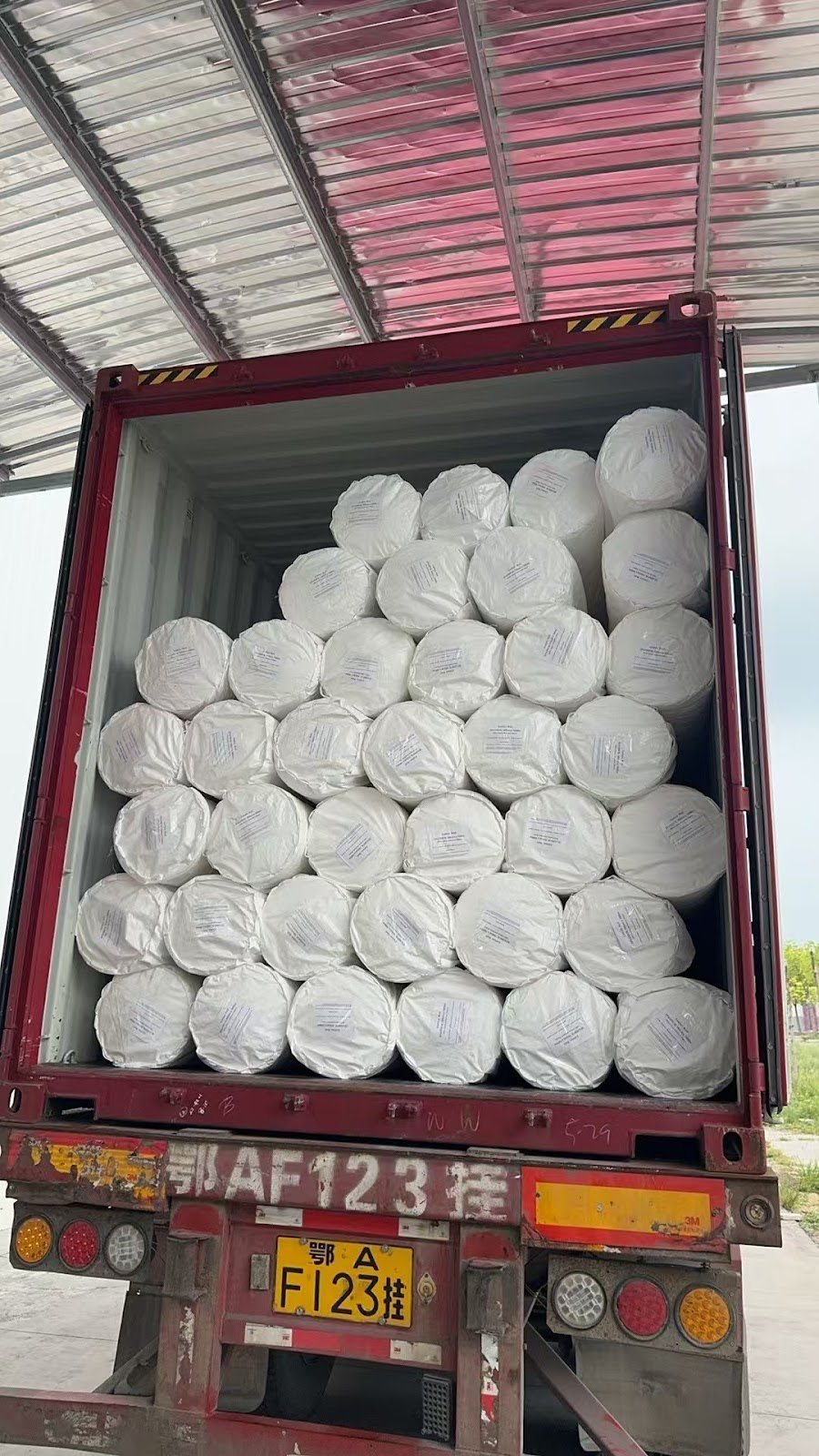
Here is how various entities consider their supply chain options for purchasing non-medicated paraffin gauze for hospitals and field units.
Hospitals (Public & Private): Navigating GPOs and Inventory Models
Procurement is very centralized in large-scale hospital networks. A Group Purchasing Organization (GPO) is a method that many hospitals use to leverage their collective buying power to secure lower unit costs on commonly used supplies. As a distributor looking to secure a hospital contract, you need to establish that you’re a dependable bulk wound dressing supplier with the capability to maintain consistent stock levels.
In the past, hospitals adopted the “Just-in-Time” (JIT) inventory model to maintain low warehousing costs. But supply chain shocks caused by the pandemic have necessitated a shift toward supply chain resilience. Procurement directors are demanding greater buffer stock of essential wound care supplies. Hospitals can create strategic reserves of 90–120 days without breaking their quarterly budgets by purchasing a plain paraffin gauze dressing bulk buy directly from a factory.
NGOs and Government Tenders: Designing for the Extreme
Non-Governmental Organizations (NGOs) and government relief agencies operate under completely different constraints. When these groups are tendering for emergency medical supplies, the products need to be able to withstand harsh and unpredictable environments.
World Health Organization (WHO) requirements for Emergency Supply Chain Management indicate that accurate supply planning and secure, adaptable warehousing are two essential requirements for getting supplies to the point of need during a crisis. The durability of the packaging is key, as many emergency field hospitals do not have a controlled environment for storage. That is why NGOs specifically look for a paraffin gauze without medication supplier that packages their dressings in heavy-duty, moisture-proof aluminum peel-pouches.
If you are a bulk paraffin gauze dressing exporter bidding on a WHO or UN tender, it is a strong advantage to highlight that your Non-Medicated Paraffin Gauze has excellent temperature stability and a guaranteed 5-year shelf life.
Forecasting Demand: Building a 12-Month Purchasing Calendar
Profit margins are lost due to haphazard ordering. To optimise procurement fully, you need to develop a rolling 12-month forecast. This enables you to schedule your shipments to align with freight rates and factory production schedules.
When calculating annual demand, divide it according to the MOQ of non-medicated paraffin wound dressing required. For example:
- Q1 & Q2: Book heavy FCL (Full Container Load) for standard 10cm x 10cm container sizes to meet the minimum daily requirements of your hospital customers.
- Q3: Plan for the specific sizes used by burn units (10cm x 40cm) and ensure sufficient inventory in advance of the winter season, when domestic fires and scalding incidents are most likely to occur.
- Q4: Conduct an inventory audit of your CE-certified paraffin gauze wholesale stock and negotiate next year’s contracts.
By forecasting accurately and maintaining a direct link with a leading paraffin gauze supplier in China such as BKAMED, you eliminate spot-buying. BKAMED collaborates closely with procurement directors and formulates long-term, scheduled manufacturing contracts, ensuring an uninterrupted flow of Non-Medicated Paraffin Gauze bulk throughout the year.
OEM, ODM, and Custom Packaging Options
In the highly competitive medical consumables market, generic off-the-shelf packaging is often not enough. If you are a regional distributor who wants to establish your own private label wound care line, or a hospital network that needs specific GS1 barcode protocols for inventory management, a premier paraffin gauze manufacturer in China must provide strong OEM (Original Equipment Manufacturing) and ODM (Original Design Manufacturing) services.
Partnering with a factory like bkamed makes it easy to combine your brand with the best medical manufacturing solutions. This means that your plain paraffin gauze dressing bulk purchase will perfectly suit your market positioning and clinical needs.
Private Labeling (OEM): Your Brand, Factory Precision
Building brand equity is the key factor medical distributors must focus on to sustain customer loyalty over time. OEM services allow you to sell paraffin gauze wholesale customised with your brand name and logo, ensuring it is delivered as a CE-compliant product. However, medical packaging is not as simple as printing a logo on a box — it needs to comply with strict regulatory requirements.
When bkamed engineers design your custom aluminum peel-pouches and dispensing cartons, their regulatory group makes sure that all necessary information is flawlessly executed:
- Regulatory Symbols: Correct positioning of CE Mark, Notified Body number, ISO certification, and sterile indicators (e.g., STERILE EO or STERILE R).
- Multilingual Compliance: If packaging needs to be distributed to the EU or Africa, it can be printed in both English and the region’s language (French, Spanish, German, or Arabic) simultaneously, satisfying regional Medical Device Regulation (MDR) requirements.
- Traceability: Seamless integration of custom UDI (Unique Device Identification) barcodes, dynamic LOT numbers, and manufacturing/expiration dates, ensuring global compliance and traceability.
Original Design Manufacturing (ODM): Tailoring the Dressing
While standard dimensions such as 10cm x 10cm are frequently used, custom-made sizes may be required for specific clinical needs. As an advanced paraffin gauze without medication supplier, bkamed provides all-round ODM service, tailoring the physical product to your actual requirements:
- Custom Dimensions: From small 5cm x 5cm pediatric squares to large 10cm x 40cm strips for specialized burn units and severe trauma situations.
- Mesh Density Adjustments: Customizing the 100% cotton yarn count (e.g., 40s x 40s) and mesh configuration (e.g., 19 x 15 or 24 x 20 threads per square inch) to achieve the dressing’s optimal absorbency and structural flexibility.
- Paraffin Loading Ratios: Depending on the climate of the target market, the medical-grade white soft paraffin ratio can be calibrated — preventing the dressing from drying out in arid conditions and preventing melting in extreme tropical climates.
Packaging Configurations for Target Markets
Your packaging needs to be user-friendly. A top bulk paraffin gauze dressing exporter offers flexible packaging arrangements for your particular buyers:
- For Hospitals & Clinics: Dispenser boxes that hold 50–100 individually wrapped sterile pouches. They’re designed to fit easily on nursing stations or surgical carts for easy single-handed access.
- For NGOs & Emergency Relief: Reinforced, weather-resistant bulk export cartons. The sterile barrier must not be compromised when secondary and tertiary packaging is exposed to high humidity, rough handling, and severe storage conditions in the field.
- For Retail Pharmacies: Smaller, aesthetic box counts (e.g., 10-packs) designed with clear patient-facing instructions for the home care of minor burns and abrasions.
Bkamed is able to satisfy your OEM and ODM MOQ while retaining the quality of your non-medicated paraffin wound dressing product. You receive a custom-made, compliant, and branded medical device with the clinical reliability and strength to build your market presence.
Conclusion: Elevating Your Supply Chain with bkamed
The top priorities of the global medical consumables supply chain are precision, absolute reliability, and uncompromising regulatory compliance. Whether you are a procurement director executing a plain paraffin gauze dressing bulk purchase for a national healthcare network, or an NGO logistics coordinator sourcing non-medicated paraffin gauze bulk for emergency relief areas, the risk of relying on unverified middlemen is too great.
Collaborating directly with a tier-one China paraffin gauze manufacturer such as BKAMED will save you the hidden costs and quality variation associated with trading companies. With more than 20 years of manufacturing experience, ISO 13485 quality management systems, and European Notified Body CE marks, we are the leading bulk wound dressing supplier that hospital and NGO buyers can trust.
We have a strong infrastructure to support your operations as they grow. Whether you’re negotiating your ideal non-medicated paraffin wound dressing MOQ or purchasing CE-certified paraffin gauze wholesale with fully cleared customs paperwork, bkamed has complete transparency in your supply chain.
We are not only a paraffin gauze without medication supplier but also your long-term strategic manufacturing partner who will ensure your profit margin and improve your clinical results.
Ready to Optimize Your Wound Care Procurement?
End the loss of margins to the middleperson, and guarantee your supply chain directly at its source. Reach out to our export engineering team now for a sample evaluation, custom OEM packaging requirements, and annual volume quotes.
