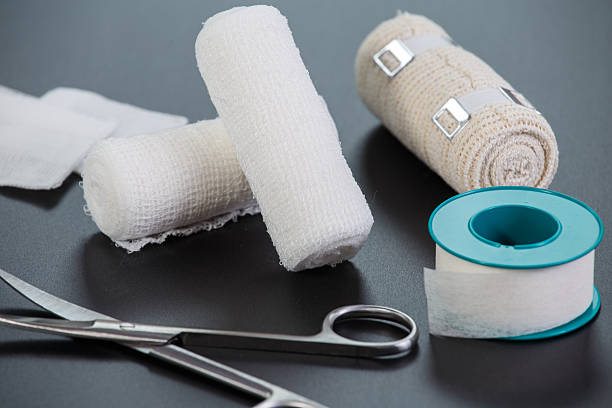
In the high-stakes arena such as medical procurement, the difference between a successful surgical operation and a costly regulatory recall usually comes down to the quality of your cotton and gauze.
As we move through 2026, the international medical gauze and tape landscape has ceased to be a mere commodity market and has been refined to a $13.35 billion industry due to advanced material science and high regulatory standards such as the EU MDR and the US DSCSA.
For B2B buyers, sourcing is not only about locating the best price, but also about locating a supplier that comprehends the finesse of gauze fabric integrity and the structural needs of specialized gauze cloth.
A recent market analysis conducted by Nova One Advisor shows that the demand for high-absorbency cotton and gauze is surging because of the aging world population and an increase in the number of cases of chronic wounds.
Do you need to work with sterile island dressing or large rolls of double gauze cloth? To find your way in the world of the most sophisticated manufacturers, you need to delve into the world of vertical integration, sterilization analysis, and OEM flexibility. This guide explores the leaders in the game, putting BKAMED at the top of innovation in the minds of those who want to develop a powerful, compliant, and high-capacity cotton and gauze supply chain.
Top 10 Bulk Cotton and Gauze Manufacturers Worldwide
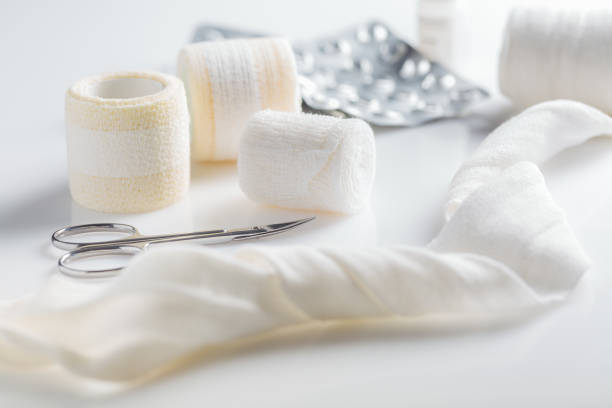
The global supply chain of cotton and gauze cannot be navigated with only a price list, but rather, you need to plunge into the manufacturing DNA of your prospective partners. For B2B procurement officers, the “Top 10” is not so much about size, but rather about the combination of high-volume capacity with a non-negotiable regulatory compliance.
Whether you are purchasing a standard gauze cloth or a very advanced, specialized double gauze cloth for use in a sensitive clinical environment, the following is a list of the best manufacturers across the world. Below, we dissect the industry leaders, with the Pros, Cons, and Compliance Profiles you should possess to outrun the competition and secure a powerhouse supply chain.
1. BKAMED (Hubei Baikang Medical Instrument Co., Ltd.)
BKAMED is a leading partner for individuals requiring more than a commodity supplier. Located at the epicentre of the Chinese medical textile industry, they have perfected the art of vertical integration. This implies that they manage the process from raw cotton fiber to the final sterilized gauze cloth.
- Specialization: BKAMED is the industry expert for Bordered Gauze and a specialist in OEM/ODM services. They do not simply sell what is on the shelf; they create solutions. If Your procurement department is asking, what does gauze fabric do in a high exudative environment? BKAMED possesses the technical remedy.
- Compliance Profile: ISO 13485, CE, FDA, and AAMI Level 2. Their records can be audited in any global market.
- The Value Prop: They offer “Direct-from-factory” pricing without the “factory-grade” communication barriers. They include a White-Glove customization whereby distributors worldwide can personalize the number of threads, the level of adhesive, and the format of the package.
- Advantages: Complete ownership of the supply chain; extraordinary customization capability for cotton and gauze specifications.
- Cons: Their OEM slots are in high demand, so new partners are highly recommended to use advanced forecasting.
2. Winner Medical Co., Ltd. (China)
Winner Medical is a branded name in the cotton and gauze business, primarily due to its patented PurCotton technology. They have been able to bridge the gap between medical-grade reliability and consumer-level comfort, with their materials typically finding their way into cotton and gauze clothing markets.
- Advantages: Economies of scale and market dominance. If you need millions of units of non-woven gauze fabric overnight, Winner has the vertical machinery to do it. Their non-woven spinning lace technology is the market leader, as it offers an alternative that is lint-free and does not use traditional gauze cloth.
- Disadvantages: Their business model is targeted at large-scale, standardized production. For a B2B customer desiring a highly customized ODM relationship, e.g., a specific custom shape of a border or a special adhesive formula, the process might appear rigid. They tend to specialize in mass-volume stock products, rather than a boutique modification, making them less nimble than a niche partner, like BKAMED.
- Compliance: Fully Certified for global export with a heavy dedication to green manufacturing and sustainable sourcing of cotton.
3. Zhende Medical Co., Ltd. (China)
Zhende is a publicly traded powerhouse that controls the traditional “dressing market”. If your aim is at securing massive government contracts on low-quality cotton and gauze, Zhende has probably already caught your eye.
- Advantages: They have a comprehensive product portfolio that encompasses the whole spectrum of wound care. They are a reliable partner to state-level procurement as they have extensive experience in global tender documentation.
- Cons: Since they are a high-volume, public-facing giant, they tend to concentrate on low-margin standard-level products. This may result in insufficient innovation within the high-end segment. If you need a specific double gauze or high-end bordered dressings, you might discover that their standard products do not have the clinical quality desired in a specialized brand with a private label.
- Compliance Profile: Extensive emphasis on GMF standards and various ISO certifications to enter the international market.
4. Allmed Medical Products Co., Ltd. (China)
Allmed is an export titan, with particular focus on the European and the US markets. They are more conversant with numerous pharmacopeia standards (USP/BP/EP) than almost anyone in the bulk cotton and gauze space.
- Advantages: Excellent quality uniformity in large export volumes. They are gurus of the common gauze cloth roll and pad gauze material, making sure that no shipment deviates in thread count and weight.
- Con: They rely on long-term and high-volume contracts with large international brands to build their business model. This usually implies that they can only accommodate a few new B2B partners. Their vulnerability to the capacity crunches caused by global health surges can cause long lead times for anyone who is not of the highest priority on their list.
5. Smith & Nephew (UK/Global)
Beyond the middle market, into the high-end, Western-based segment, Smith and Nephew is a leader in high-tech wound care. When you need your cotton and gauze to be incorporated with antimicrobial silver or special PHMB coating, they are the ones to call.
- Advantages: Unmatched research and development and clinical evidence. All their variants of gauze fabrics are supported by peer-reviewed research, making it a simple sell to clinical value analysis committees.
- Cons: The “Brand Tax.” Their prices are much higher than those of direct-from-factory Asian partners. For bulk purchasing of standard cotton and gauze, the price-to-benefit ratio does not usually make sense unless you specifically need their proprietary Advanced Wound Management technologies.
6. Cardinal Health (USA)
Cardinal Health is a market leader in North America, acting as both a manufacturer and a logistical giant. They serve as the cornerstone of several hospital supply chains in the US.
- Advantages: Smooth logistics and a vast private label program. Their just-in-time delivery of cotton and gauze is difficult to compete with in case your facility is in North America.
- Disadvantages: Transparency may be a problem. Being a large distributor and manufacturer of its own, it is not always easy to tell where it acquires its raw gauze fabric. For buyers interested in a higher degree of Loom-to-Label traceability, dealing with a direct manufacturer such as BKAMED provides a more granular control.
7. Paul Hartmann AG (Germany)
The European standard quality guru. When a clinical practitioner poses a question such as, what is gauze fabric quality supposed to look like? They are commonly meditating on the standards of Hartmann.
- Advantages: Outstanding clinically based design. Their gauze is designed to produce certain surgical results, with attention to Atraumatic wound care (reducing pain during dressing changes).
- Cons: They have a premium positioning, which is premium priced and logistically complicated. For B2B clients who are not within the Eurozone, the lead times and shipping expenses can be prohibitive for bulk, everyday cotton and gauze supplies.
8. Hubei Qianjiang Kingphar Medical Material (China)
Kingphar is a cost-efficiency leader. They are situated in a special textile area, and they use local skills to offer some of the most competitive prices for bulk cotton and gauze worldwide.
- Advantages: Kingphar is a leading competitor if your main parameter is the cost per Unit. They manufacture high-volume and simple gauze fabric staples, such as swabs and lap sponges.
- Cons: They are less concentrated on the “advanced” segment. If your project needs high-end R&D for silicone-bordered gauze or innovative double gauze fabric structures, their pure production-driven model might not have engineering resources that an ODM-centered partner would offer.
9. Medline Industries, LP (USA)
The largest privately owned producer and distributor of medical supplies in the United States is Medline. Their cotton and gauze supply chain depth is legendary.
- Advantages: “One-stop shop” capability. You can order your gauze material, surgical supplies, and clothing all in one order. Their size enables them to provide highly competitive prices in the domestic US market.
- Cons: Due to their bulk size, the OEM/ODM customization process may seem slow and bureaucratic. For an agile distributor interested in launching an exclusive cotton and gauze clothing or medical line, the Medline Machine can be challenging to work with for relatively small-to-medium-scale customizations.
10. B. Braun Melsungen AG (Germany)
- Braun specializes in surgical accuracy. Their cotton and gauze items frequently appear as part of the procedure packs, where sterility and zero-defect rates are the only acceptable values.
- Advantages: Excellent sterility guarantees. Their gauze cloth is handled in some of the most sophisticated clean-room settings in the world, which guarantee complete safety of operating room environments.
- Cons: Their product line is highly specialized and over-engineered for a variety of general-purpose applications. For a B2B customer who may need regular bulk cotton and gauze, their price and technical features will be over-specified in case of basic wound care requirements.
The Technical Evolution of Bordered Gauze: Beyond the Standard Pad
The “island dressing” or “bordered gauze” is a significant break in patient comfort and clinical efficiency in the realm of professional wound care. Unlike a normal gauze cloth or a simple piece of gauze fabric, which needs secondary fixing using tapes, a bordered gauze is a complete package. But when it comes to the B2B buyer, not every bordered dressing is created equal. Knowing the technical development of these products is the key to distinguishing your brand in the saturated market.
At BKAMED, we consider the bordered gauze a three-dimensional engineering problem and not a disposable item. In order to really understand what gauze fabric means in a high-performance context, we must look at the “Anatomy of the Island.”
Anatomy of a High-Performance Bordered Gauze
The Island Pad: Absorbency Ratios (Grams of fluid per cm²)
The central absorbent pad is the heart of the dressing. In large-scale production of cotton and gauze, the efficiency of this pad is expressed in its absorbency ratio. Based on the industry standards and the research published on ResearchGate, high-quality cotton fibers can usually bear 24-27 times their weight in water.
However, a “High-Performance” island pad is more than that. By using either a multi-ply 100 percent USP cotton or a specially designed double-gauze core as the fabric, manufacturers can attain absorbency indices to keep the wound bed clean even under compression. When the procurement teams consider cotton and gauze, they should look for a minimum absorbency of 15ml to 20ml per 10cm2 to manage moderate exudates.
The Border Adhesive: Acrylic vs. Silicone
This is where most of the “Top 10” suppliers vary. The dressing wear time and trauma index are dependent on the type of adhesive used.
- Acrylic Adhesives: These are the conventional preference for bulk cotton and gauze supplies. They provide high initial tack upfront and long-lasting durability, making them suitable for fixing heavy tubing or for high activity conditions. They are also much more economical in large-scale B2B orders.
- Silicone Adhesives: These are commonly called “No-Sting” or “Soft Silicone”, and are the highest quality of the gauze cloth category. They are repositionable and offer a soft removal that does not damage delicate periwound skin- needed by geriatric or neonatal patients.
The Spunlace Factor: Why Non-Woven is Winning
Spunlace (non-woven polyester/viscose blends) is replacing traditional woven borders very quickly. Why?
- Low Linting: Spunlace does not fray, unlike traditional gauze fabric, which means that it does not leave loose fibers in the wound.
- Conformability: The hydroentangling method employed in the production of non- woven gauze cloth gives rise to a fabric that is stretchable and elastic with the body shape.
- Breathability: Spunlace is very porous, and thus the skin is not subjected to the maceration that is common with plastic-backed tapes.
Case Study: BKAMED’s Bordered Gauze Innovation
Among the greatest benefits of collaboration with a vertically integrated producer such as BKAMED is the possibility to escape a set of traditional dimensions. The majority of suppliers provide a fixed, 4″x4″ dressing and a 2″x2″ pad. However, what happens when your particular surgical use is a long and narrow incision?
The BKAMED ODM Difference: By controlling the loom and the conversion line, BKAMED has recently created a special purpose “island-to-border” ratio for larger volume distributors in Europe. For instance, the client needed a very slim border that would enable the placement of more than one dressing near each other (as it’s common with plastic surgery), without compromising the absorbency of the cotton and gauze core.
- Customization: We modified the density of the gauze fabric and the width of the adhesive to make a “Slim-Fit” bordered gauze.
- Findings: The client was able to cut down on the material waste by 15 percent and enhance patient comfort by decreasing the total adhesive surface area.
Such a detailed picture is what is causing B2B buyers to abandon generic brokers and go directly to manufacturers that realize that what is gauze fabric today is not what it will be tomorrow. Whether you’re sourcing cotton and gauze clothing liners or high-end surgical dressings, technical specifications are your best weapon of quality control.
Cotton Science: Woven vs. Non-Woven in Bulk Procurement
When a procurement manager enquires, what is gauze fabric performance based on? The solution is in the structural science of the fibers. The discussion of woven and non-woven fabrics in the context of bulk cotton and gauze production is the focus of cost-efficiency and clinical outcomes.
For B2B buyers who are interested in forming an OEM relationship with BKAMED, these differences are the initial step towards defining a product that complies with international pharmacopeia standards.
Woven Gauze (USP Type VII): The Traditional Gold Standard
The use of woven gauze has been in the medical industry for more than a century. It is made by crossing the threads of cotton at right angles, forming a grid-like gauze cloth.
- Mesh Count and Thread Density: In the B2B industry, quality is determined by the mesh. Some of the typical specifications include 19×9 (cost-effective) and 28×24 (high-density). An increased density for the thread means a stronger cotton and gauze pad that does not lose its form when wet.
- The Linting Risk: Linting is one of the main disadvantages of the traditional woven gauze fabric. One study on wound bed contamination states that loose threads of woven edges may get embedded in the healing tissue, resulting in granulomas or infection. This is the reason why BKAMED employs a sophisticated folding method (folded edges) to reduce the risk of stray fibers when used in surgery.
Non-Woven (Spunlace): Why It’s the Future of B2B
If you are sourcing for large-volume distributors, the non-woven cotton and gauze is probably going to be your favorite. The majority of non-woven gauze is made through the Spunlace process, in which high-pressure water jets are used to entangle the fibers (typically a mixture of polyester and viscose or 100% cotton) into a cohesive sheet.
- Greater Absorbency: Since non-woven gauze cloth is more porous than its woven counterpart, it is capable of retaining much more fluid per square inch. This renders it the best material for use in double gauze fabric where high-exudate management is needed.
- Cost-Effectiveness: For B2B buyers, the manufacturing rate of non-woven lines is a significant benefit. It offers the ability to use lower unit MOQs and pricing that is more competitive, making it the preferred solution in bulk first-aid kits and cotton and gauze clothing liners.
- Zero Fraying: Unlike the woven pads, the non-woven gauze fabric does not have a grain. It can be cut into any shape or size without falling apart, which is a critical aspect of custom OEM/ODM.
The Bleaching Process: Oxygen vs. Chlorine
The purity of cotton and gauze is decided way before the fabric is taken to the loom. Traditionally, cotton was bleached using chlorine, which left behind toxic dioxins.
Currently, Hydrogen Peroxide (H2O2) bleaching is being used by BKAMED and other high-end compliant manufacturers. This is commonly called “Totally Chlorine Free” (TCF) processing.
- Safety: H2O2 decomposes into water and oxygen, leaving no chemical residue on the gauze cloth.
- Compliance: This is the only acceptable measure of the current medical dressings. Unless your current supplier is able to sign a certificate on the 0 Chlorine, your cotton and gauze products are likely to fail the tests of biocompatibility necessary to both CE and FDA marking.
- Absorbency: Peroxide-bleached cotton, in fact, possesses a greater index of wettability, which means that the gauze material draws the fluid away from the wound as soon as it comes into contact.
The 4 Stages of Vertically Integrated Manufacturing
For a B2B procurement professional, the term “Manufacturer” can be a dangerously wide generalization. In the cotton and gauze trade around the world, thousands of suppliers are only converters: secondary players who buy bulk gauze fabric in large quantities from suppliers and merely cut it or fold it.
BKAMED, however, is based on a true model of vertical integration. This implies that we have full control over the manufacturing DNA of the product, from the ginning of the raw cotton fiber until the sterile pouch has been validated.
A 2025 industry report on medical supply chain resilience found that vertically integrated manufacturers can cut lead times by up to 30% and nearly 90% of the mystery defects caused by multi-vendor sourcing. Therefore, when you collaborate with a factory that owns the whole procedure, you are not only purchasing a gauze cloth; you are buying a clear, audit-ready history of manufacture.
1. Raw Fiber Preparation: The Foundation of Purity
The process of high-quality cotton and gauze does not start with the loom, but with the preparation of the fibers. To have an idea of what is gauze fabric in its most professional acceptability, one needs to consider the mechanical and chemical purity of the raw material.
- Ginning and Cleaning: Raw cotton contains natural waxes, oils, proteins, and other trash (leaf matter and seed coat fragments). At BKAMED, we use high-velocity mechanical cleaning as our pre-treatment method to make sure that only the purest fibers of cellulose are left. For B2B buyers in the hygiene and cotton and gauze clothing industries, this purity is not negotiable to avoid skin irritation.
- Combing and Carding: This is a very important mechanical procedure where fibers are arranged into one continuous web or sliver. The combing method eliminates short, weak fibres so that the final piece of gauze fabric is high tensile. This helps to eliminate shedding or linting of the fabric during a surgical operation, a typical failure point in the low-end cotton and gauze products.
- Quality Inspection: Before even a single strand has been tossed, the crude cotton is checked in terms of Micronaire (fineness) and Staple Length. In the case of medical-grade gauze cloth, uniformity in fiber length is necessary to provide consistent absorbency in millions of units.
2. Web Formation & Weaving: Air-Jet vs. Water-Jet
After preparing the fibers, it is necessary to convert them into a cohesive structure. The technique applied here determines the ultimate use of the cotton and gauze.
- Air-Jet Looms (Woven Gauze): For conventional woven gauze fabric, BKAMED employs the use of the latest air-jet looms. Air-jet technology, in comparison with older shuttle looms, involves the use of a blast of compressed air moving the weft yarn over the warp at speeds that are incredible. This causes an exceptionally homogenous mesh with a consistent number of threads (including the 28×24 and 20×12 models). This accuracy is crucial in surgical sponges, where weight and density should be accurate to align with hospital guidelines.
- Water-Jet Spunlace (Non-Woven Gauze): The next generation of B2B procurement lies in Spunlace technology. High-pressure water jets are used in this process to entangle fibers into a web. The outcome is a gauze cloth of unmatched softness, practically lint-free, and super absorbent. This is the material of choice for double gauze fabric used in the management of chronic wounds, since it offers a cushioned, breathable barrier without the coarse feel of conventional weaves.
The Structural Difference: whereas woven cotton and gauze are valued for their scrubbing property and structural strength, non-woven spunlace is valued due to the high fluid-retention rate. BKAMED, as an OEM partner, suggests to clients the best web to use in their particular market, whether it’s trauma care or sensitive skin applications.
3. Chemical Finishing & Bleaching: The Science of “Zero Residue.”
This is probably the most misconceived step of cotton and gauze production. In order to attain the clinical appearance of surgical white, the cloth has to be bleached, yet it is the process of bleaching that determines the safety of the product.
- Oxygen Bleaching (H2O2): In the past, factories used chlorine, but the byproducts were toxic dioxins and chemicals. BKAMED employs a closed-loop Hydrogen Peroxide (H2O2) bleaching system. H2O2 decomposes into pure water and oxygen, leaving the gauze cloth chemically neutral and biocompatible.
- Balancing PH: Medical-grade cotton and gauze should have a PH balance of 5.5-8.0 to ensure that the wound bed is not irritated. As part of our finishing, we rinse several times using deionized water, ensuring that there is no residual alkaline or acidic material on the gauze fabric.
- Absorbency Test: The United States Pharmacopeia (USP) states that a fragment of medical gauze cloth must sink in less than 10 seconds and remain completely saturated. BKAMED products also have a proven absorbency time of less than 3 seconds through our special scoured finishing. This instant-wicking feature is what distinguishes between professional-grade cotton and gauze and the home-grade options.
4. Conversion, Sterilization, and Folding: The Final Transformation
This is the last process of converting raw gauze cloth into its final medical equipment form. This phase requires a Clean Room facility in order to avoid environmental pollution.
Automated Precision Folding: “Fraying” is one of the largest risks that come with bulk cotton and gauze. When an exposed raw edge is present, cotton threads may move into a wound of a patient. BKAMED utilizes fully automated folding machines that fold all raw edges into the center of the pad. Whether it’s a 4×4 swab or a 12-ply sponge, the edges are fastened without human hands.
The Science of Sterilization (ETO vs. Gamma):
- Ethylene Oxide (ETO): This is the gold standard of cotton and gauze since the gas is able to penetrate thick piles of gauze cloth and even the layers of adhesive of bordered gauze. It is a cool process, and that is, it does not degrade the fibers or adhesives.
- Gamma Radiation: This entails exposing the cotton and gauze to Cobalt-60. Although very efficient and quick, it may have some minor changes in the molecular structure of certain synthetic blends. At BKAMED, we include a Sterilization Validation Report with each batch, so the Sterility Assurance Level (SAL) of $10^{-6}$ always passes.
- Packaging and Traceability: All of the BKAMED cotton and gauze pouches are laser-coded with a batch number, date of manufacture, and date of expiry. For B2B buyers, this traceability is the foundation of ISO 13485 compliance. Should the local health authority ever inquire about our products, our vertically integrated system enables us to identify that specific piece of gauze fabric all the way to the original bale of cotton.
Why Vertical Integration Matters for Your Bottom Line
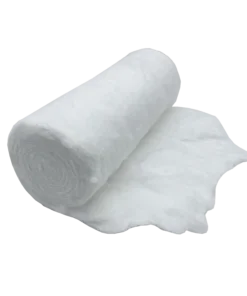
When you buy cotton and gauze from a non-integrated supplier, you are paying a markup at every step: the fiber processor marks it up to the weaver, the weaver marks it up to the converter, and the broker marks it up to you.
By selecting BKAMED, you eliminate three or four degrees of middleman margin. More crucially, you are acquiring an associate who can adjust the number of threads of the gauze cloth or the thickness of the
double gauze fabric within minutes. This agility is what enables our B2B partners to conquer their local markets with better products at factory-direct prices.
Global Compliance and Regulatory Standards
The compliance in the bulk cotton and gauze industry is not a case of checking the box- it is the basis of patient safety as well as the legal entry to the foreign markets. For a B2B procurement officer, importing non-compliant gauze fabric is not only a financial risk, but also a liability that can result in direct customs seizures, hospital de-listing, and clinical failures.
These standards have become even more complex as we advance through the regulatory environment of 2026. Regardless of whether you need to procure a plain gauze cloth or a high-definition double gauze cloth, being aware of the three major pillars and oddities of international pharmacopeias is a must. At BKAMED, we consider compliance as a structured process, which is clear and document-based, that has allowed our OEM partners to increase scale without wrangles.
1. The “Big Three”: FDA, CE/MDR, and the 2026 ISO 13485 Harmonization
Three major regulatory frameworks govern the global market for cotton and gauze. The key to any bulk procurement strategy is to understand how they intersect and where they differ.
FDA Registration and the New QMSR (USA)
In the United States market, cotton and gauze products are considered Class I medical devices. Historically governed by 21 CFR Part 820, the situation changed significantly on 2 February 2026. The FDA adopted the Quality Management System Regulation (QMSR) as a formal way to match the US federal requirements with the international ISO 13485: 2016 requirements.
- What this implies for B2B: If your manufacturer was already ISO 13485 certified, their transition to FDA-compliant status becomes easier now. To accommodate this harmonization, BKAMED has revised its quality manuals to ensure that our gauze fabric exports conform to the recent FDA” Design and Development” controls.
- 510(k) Exempts: Most absorbent gauze cloths are 510(k)- exempt with the additional requirements of the Establishment Registration and Device Listing. When you make purchases at a registered establishment like BKAMED, your imports will not be flagged by the US Customs.
EU MDR 2017/746 (Europe)
The European Medical Device Regulation (MDR) has long been considered the most stringent standard in the world. In contrast to the previous instructions, the MDR requires strict post-market monitoring (PMS) and Unique Device Identification (UDI) for each cotton and gauze pack.
- Classification: Sterile gauze is a part of Class Is (Sterile), a category that involves the intervention of a Notified Body.
- The BKAMED Advantage: We provide the entire Technical File required for CE marking, with clinical evaluation reports demonstrating that our gauze cloth is biocompatible and free of any toxic residue.
ISO 13485:2016
This is the gold standard for Quality Management Systems (QMS) for medical devices. It guarantees that all gauze fabric is manufactured in a controlled environment and that all bales of raw cotton can be traced to the sterile pouch.
2. Pharmacopeia Standards: Comparing USP, BP, and EP
Although the Big Three are associated with the management of the company, the Pharmacopeias identify the actual content of cotton and gauze. These are technical recipes of medical textiles.
| Feature | USP (United States) | EP (European) | BP (British) |
| Fiber Content | Pure cotton or cotton/rayon blends (<53%) | Primarily 100% cotton for surgical use | Strict 100% cotton focus |
| Absorbency Time | Sinks in < 10 seconds | Sinks in < 10 seconds | Sinks in < 10 seconds |
| Acidity/Alkalinity | Neutral (using specific indicators) | Strictly defined PH range | Mirrors EP standards |
| Sinking Speed | 10g sample must sink in <10s | 5g sample must sink in <10s | High-velocity absorption tests |
- USP Type VII Gauze: This is the most common standard of bulk cotton and gauze in the Americas. It gives details of mesh counts lsuch as 20×12 or 28×24.
- EP Standards of Absorbent Cotton: The European Pharmacopoeia is stricter on its requirements of “Fluorescence” (no optical brightener remaining on the gauze cloth), and Ether-soluble substances ( no natural waxes remaining on the gauze cloth).
- The Universal Compliance of BKAMED: Our manufacturing lines are adjusted to achieve the most stringent intersection of these three standards. Whenever you order gauze fabric with us, it is “Tri-Standard Compliant,” and you can transfer inventory across regions without re-testing.
3. Audit Readiness: The BKAMED “Compliance Documentation Pack.”
Local health ministry audit is the most stressful activity of the year for a B2B buyer. If your supplier simply sends you a box of cotton and gauze without attaching the paperwork, then you are at risk.
To address this, BKAMED includes a document known as the Compliance Documentation Pack with each bulk order. It is a new content option which most simple blogs lack (though it is the most valuable asset for a procurement team).
What’s inside the Pack?
- Certificate of Analysis (CoA): Detailed laboratory outcomes for a particular batch, including verification of thread count, weight, and speed of absorption of the gauze cloth.
- Sterilization Validation Report: Records of the ETO or Gamma cycle, including results of biological indicators demonstrating $10^{-6} sterility.
- Biocompatibility Data: Indications that the cotton and gauze survived ISO 10993 tests in skin irritation, sensitization, and cytotoxicity. This is especially important when you are working with cotton and gauze clothes or in contact with the wound on a long-term basis.
- TSE/BSE Statement: Certification that the product is not made with animal-based material- a compulsory requirement for the majority of modern hospital tenders.
Why Transparency is the Ultimate Sourcing Strategy
The question many B2B buyers have is, what exactly is the value of gauze fabric? The solution lies in the “Cost of Non-Compliance.” A single unsuccessful audit can cost a distributor hundreds of thousands of dollars in lost contracts.
Through working with a vertically integrated manufacturer like BKAMED, you are not just buying cotton and gauze; you are buying an insurance policy. We help you move to the 2026 FDA QMSR and manufacture your double gauze fabric products to comply with the quality requirements of modern healthcare systems. Our professionals may also join your domestic regulatory calls as part of your own quality team.
Sourcing Strategy: Navigating OEM/ODM Partnerships
A B2B procurement approach to cotton and gauze in the competitive environment of 2026 is not simply about stocking a warehouse; it’s about selecting the appropriate model for cooperation to secure your brand image and profit margins. For many distributors, this is usually reduced to a simple question: Should we adopt an OEM or an ODM model?
At BKAMED, we do both, though we are aware that each achieves a strategic goal. These partnership dynamics are important to understand whether you have an original, proprietary line of gauze fabrics that you need to get off the ground, or you just need to find a quality, pre-tested line of gauze cloth that is under your own brand.
1. OEM (Original Equipment Manufacturer): Your Vision, Our Production
The OEM model is the “blueprints-and-build” model. Here, the B2B buyer gives the precise technical specifications, thread counts, weight per square meter ($g/m^2), ply count, and even the exact folding technique for the cotton and gauze.
- The way it works with BKAMED: You submit the Spec Sheet of your ideal gauze cloth. Perhaps your market requires something unusual, like 17 threads not found in large stock catalogs, or a density on a double gauze cover for high baby-care line. BKAMED uses its vertically integrated machines to manufacture to your exact specifications.
- Central Advantage: You have 100% ownership in the intellectual property (IP) and the product recipe. This avoids the possibility of having competitors selling a similar version of your cotton and gauze products.
- The Trade-off: OEM projects typically come with higher initial expenses for setting up specific loom parameters and longer lead times for R&D validation.
2. ODM (Original Design Manufacturer): Proven Quality, Your Brand
The ODM model is the catalog-and-label model. Here, the manufacturer (BKAMED) has already done the arduous job of R&D, clinical care, and regulatory certification of a specific gauze material or bordered dressing.
- How it works with BKAMED: You select a product that already performs well in our existing lineup, such as our AAMI Level 2 cotton and gauze pads or our No-Sting Silicone bordered gauze. We then produce them with your brand name under your logo, local packaging, and language needs.
- Key Benefit: Speed to market. Because the gauze cloth is already accredited to the ISO 13485 and CE standards, you will not have to spend months experimenting. It is a turnkey program for distributors who must complete a gap in their catalog within a short time.
- Customization Levels: The core of the gauze fabric can still be the same, but ODMs such as BKAMED allow slight alterations, such as changing the shape of a dressing border or the number of pieces of cotton and gauze per sterile package.
3. Cost vs. Quality Trade-offs: The “Loom Test.”
One of the greatest risks in sourcing B2B is the risk of dealing with a Trading Company as opposed to an actual Factory. Whereas trading companies can offer different sets of cotton and gauze clothing, and even medical supplies, they cannot manage the manufacturing floor, and thus the quality of their goods varies with each batch.
How to spot a true factory (The Warehouse vs. The Loom Test):
- The Loom Test: Request a live video tour or photos of the weaving floor. A real manufacturer, such as BKAMED, will demonstrate to you rows of high-speed air-jet looms and water-jet spunlace machines at work making gauze cloth. A trading company will only tend to show you a finished goods warehouse.
- The “Grey Cloth” Factor: Does the supplier purchase their raw gauze fabric from elsewhere? Unless they own the bleaching and weaving lines, they cannot assure you of the PH balance or the absence of chlorine in your cotton and gauze.
- Audit Transparency: A factory will contain an in-house laboratory to test thread density and bio-burden levels. When a supplier must go off-site to get each test report, they are probably a middleman, and they increase your expenses by 15-20%.
4. MOQ Management: Navigating the 1,000,000+ Unit Reality
The biggest obstacle to many B2B buyers is the Minimum Order Quantities (MOQs). In 2026, tier-1 factories usually require large-scale runs—sometimes 500,000 to 1,000,000 units of a single gauze fabric size- to justify the cost of starting up a high-speed production process.
Strategies for Managing High MOQs:
- Consolidated Shipping: When you require three sizes of cotton and gauze, find a partner such as BKAMED who will run different sizes on parallel lines and combine them into one 40HC container. This will assist you in satisfying the volume requirements of the factory without having to stock up on one SKU.
- Master Roll Strategy: Purchase large quantities of grey cloth or a jumbo roll of gauze fabric and then have the manufacturer transform these into various finished products (swabs, gauze rolls, or sponges) within 6 months. This enables you to hedge against low prices of raw materials and control your cash flow.
- Mixed-Product Tenders: For hospital suppliers, the objective is usually to reach the MOQ by adding higher-margin products to the regular gauze cloth, such as double gauze fabric or adhesive bandages.
Why BKAMED is the Strategic Choice for OEM/ODM
Given that gauze cloth quality can sometimes vary according to the cost of raw cotton, with our long-term OEM clients, BKAMED offers a Stated Price commitment. With looms and the bleaching plant under our control, we cushion our B2B customers against the uncertainties of the textile market.
Whether you are developing a new line of cotton and gauze for post-surgical recovery or are sourcing a lot of sterile gauze fabric in a national health tender, our engineering department acts as your in-house research and development department. We do not simply take orders; we develop supply chain resilience.
Logistics, Lead Times, and Supply Chain Resilience
In the world of bulk medical procurement, a product is as good as it is available. You might have all the best cotton and gauze in the world, but if it is lying in a port when there is a critical hospital tender, it is a dead weight. B2B buyers will have to move beyond the Just-in-Time approach and embrace the Just-in-Case approach as we navigate the complicated logistical environment of 2026.
For the new procurement expert, understanding the movement of gauze cloth and gauze fabric is equally important as understanding the weave. At BKAMED, we incorporate the process of logistics into our production schedule so that your supply chain is not only efficient but resilient.
1. Forecasting for Hospital Tenders: The 45-60 Day Reality
Large-scale medical distribution heavily depends on hospital tenders, which are infamously ruthless when it comes to lead times. A national health ministry or a privately run group of hospitals opening a bid on cotton and gauze would generally be interested in a delivery window that does not account for the complexities of transoceanic shipping.
- Lead Times: An average bulk order of gauze material (i.e., 2,000,000 sterile pouches) normally has a 20-30-day production lead time at BKAMED. This incorporates the weaving, bleaching time, and the required aeration time after sterilization using ETO.
- The “Buffer” Strategy: Procurement teams need to have a minimum of 60 days of forecast to remain competitive. By the time a tender is announced, your Base Stock of Cotton and Gauze must be on the move.
- Regulatory Lag: 2026 logistics data posted by Xeneta indicate that port congestion and additional inspection by the new FDA QMSR regulations may cause a delay of 7-10 days to the normal shipping time.
When you order gauze cloth at BKAMED, we provide real-time production milestones to ensure that you can keep your tender stakeholders updated with the facts.
2. Container Optimization: Maximizing Every Cubic Meter (CBM)
Shipping air is expensive. In bulk cotton and gauze logistics, the objective is to optimize the “Load Factor” of a 40ft High Cube (40HC) container. Since gauze fabric is lightweight but volume-intensive, it is nearly always a “volume-restricted” delivery, as opposed to a “weight-restricted” one.
How many boxes of 4×4 gauze fit in a 40HC?
Although exact numbers actually vary depending on the specific OEM packaging, the following is a general calculation that the BKAMED logistics team uses in a 40HC container (which provides about 76 cubic meters of capacity):
- Unit of Standard: A case of sterile 4×4, 8-ply gauze sponges (12 boxes per case, 50 packs of 2, each).
- Case Dimensions: Ranging between $0.05$ to $0.06$ CBM per case.
- The Math: With a fully-optimized floor-loaded system, it is possible to load about 1,100 to 1,250 cases of cotton and gauze into a single 40HC.
- The Pallet Factor: If your local warehouse needs palletized delivery to keep products safe and fast, you will lose approximately 15-20% of that space to pallet size.
For B2B buyers, profit margins are safeguarded at the “Container Optimization” stage. By adjusting how the gauze cloth is folded or the thickness of the outer carton, BKAMED is able to squeeze another 50-100 cases into a shipment, effectively reducing your “Landed Cost” per unit.
3. Risk Mitigation: The “Hubei vs. The World” Sourcing Strategy
The 2026 geopolitical disintegration has rendered Single-Country Sourcing a risky gamble. Although Hubei, China continues to be the world capital for cotton and gauze manufacturers due to its high verticalization, smart B2B consumers are diversifying.
- The Hubei Stronghold: Because BKAMED is located in Hubei, we have first-hand access to the most efficient cotton weaving and bleaching infrastructure in the world. When it comes to high-volume, price-sensitive gauze fabric orders, China is invincible in terms of speed-to-scale ratio.
- Diversification vs. Quality: Some buyers consider India or Vietnam as a cotton and gauze sourcing strategy of China+1. Nevertheless, as per a 2026 Sourcing Guide at Dragon Sourcing, labor costs might be cheaper in Vietnam, but the supply chain of medical-grade bleaching (H2O2) is not usually as developed as in Hubei.
- The BKAMED Resilience Model: To help our partners in reducing risk, we provide “Priority Production” slots to long-term contract holders. This ensures that even in cases where there are global supply shocks, your gauze cloth orders are placed at the front of the queue. Moreover, we hold “Safety Stock” of raw gauze material (grey cloth) to cushion our partners against unpredictable surges in raw cotton prices.
4. Navigating the 2026 “Green” Logistics Mandates
In 2026, logistics is not only about speed but also about sustainability. Most hospital tenders in Europe today demand “Scope 3 Emission Data” when transporting cotton and gauze.
- Eco-Packaging: BKAMED is shifting most of its OEM customers to biodegradable outer films and FSC-certified cardboard.
- Consolidated Logistics: By pooling orders for double gauze fabric, surgical tapes, and standard cotton and gauze into a single “Full Container Load” (FCL), we assist our partners in minimizing their carbon footprint and eliminating the extra costs and damage risks incurred in “Less than Container Load” (LCL) transport.
Summary for Procurement Leaders
The last mile of quality control is logistics. If your gauze cloth is stored in a non-compliant, damp container or delayed for weeks as a result of poor documentation, the clinical integrity of the product is compromised.
Collaborating with a manufacturer such as BKAMED—- who knows the equations of a 40HC container and the timeframes of a hospital contract—-is the only way to ensure your cotton and gauze supply chain has a competitive edge and not a bottleneck.
Market Trends: The Future of Wound Care
The cotton and gauze industry is experiencing a radical change as we go deeper into 2026. What used to be viewed as a very basic, low-technology commodity is now being thoroughly studied in the science of materials, environmental ethics, and artificial intelligence. For B2B procurement leaders, keeping pace with these trends is the difference between having a stagnant inventory and a future-proofed catalog.
A 2026 report by Hospital News reveals that the global wound care market is valued at a whopping 24 billion. Three major technological and cultural changes that have contributed to this growth include sustainability, antimicrobial innovation, and the “Smart Factory” revolution. Here is how BKAMED is taking the lead in these three important areas:
1. Sustainability: The Rise of the “Green” Dressing
One of the largest generators of single-use plastic waste in the world is the healthcare industry. In 2026, the hospital value analysis committees (VACs) are no longer examining the absorbency of a gauze fabric; they are examining its carbon footprint.
- Biodegradable Cotton Fibers: Customary cotton and gauze items are naturally biodegradable, but the intensive bleaching and chemical finishing procedures can make natural decomposition within the products difficult. BKAMED has developed a “Closed-Loop” cotton processing method which does not compromise the organic nature of the fiber. This ensures that our gauze cloth can return to the earth without spilling any toxic residues.
- Eco-Pouch Packaging: The sterile barrier has always been the real challenge in sustainability. This traditionally needed petroleum plastic films. In 2026, the market for compostable medical pouch bioplastics (commonly based on PLA or PHA) will increase by approximately 12 percent per year. BKAMED is now testing fiber-based sterile packaging, which has the same 5-year shelf life as plastic, but can be completely recycled like regular paper streams.
- Why it is important in B2B: If your procurement policy covers the European market, the “Green” factor has become a must-have requirement in the EU MDR paperwork. When you source sustainable double gauze now, you will not be phased out of tenders by 2028.
2. Antimicrobial Integration: Beyond Passive Absorption
The days of passive wound care, i.e., the gauze cloth just lying on a wound and absorbing the fluid, are over. Nowadays, the emphasis is on Active Infection Management.
- Silver-Impregnated Gauze: Silver is still the gold standard for antimicrobial cotton and gauze. By attaching ionic silver to the gauze fabric, manufacturers can produce a dressing that kills 99.9% of bacteria, including MRSA, in the dressing itself.
- PHMB (Polyhexamethylene Biguanide): Although silver is more effective, PHMB is becoming a popular option for large-scale purchases because it is less expensive and does not cause cytotoxicity (it is kinder to new skin cells). Persistence Market Research reports that PHMB-impregnated gauze cloth is experiencing an enormous increase in surgical “Procedure Packs” due to the broad-spectrum antimicrobial protection it offers without the perceived brand-tax of hi-tech silver dressings.
- Nanotechnology-Enhanced Gauze: The next innovation frontier in 2026 involves applying nanotechnology to restructure the cotton fiber at a molecular level. This produces a double gauze fabric that has “Super-Wicking” properties, drawing moisture away from the wound bed 5 times faster than USP Type VII gauze.
3. Automation and AI: Eliminating the “Human Factor” in Quality
Traditionally, cotton and gauze quality were checked by human operators watching a high-speed conveyor belt. In 2026, the term “Human-in-the-Loop” has been substituted with “AI-at-the-Edge”.
- Ai-Vision Systems: We have installed AI-driven vision systems on our air-jet looms at the BKAMED manufacturing facility. These systems utilize high-resolution cameras to scan the gauze fabric up to 100 meters per minute.
- The “Loose Thread” Zero-Tolerance Policy: The greatest danger of surgical gauze cloth is a loose thread or a “linting” incident during an operation. Our AI models are trained on millions of images to identify even the smallest material defects, the ones that cannot be seen by human eyes. When a single frayed edge is identified in the system or when there is a density variation in the double gauze fabric, the machine will stop automatically, or laser-marked to reject that particular unit.
- Predictive Quality Trending: AI does not simply find defects; it informs us about why they’re happening. When the system detects a gradual rise in the roughness of the surface of our cotton and gauze, it gives a signal to our maintenance crew that a certain part of the loom is wearing out before it breaks down.
The BKAMED Vision for 2026 and Beyond
We believe that the question: what is gauze fabric? should not be answered by a mere description of cotton threads. It must be a description of high-tech medical equipment.
When selecting BKAMED as a B2B partner, you are selecting a supplier that invests in the future. Whether it’s our transition to 100% biodegradable cotton and gauze clothing liners or our adoption of deep-learning quality control, we are committed to making sure that your brand is identified with the unquestioned pinnacle of 2026 medical technology.
Why Choose BKAMED as Your Manufacturing Partner?
The word partnership is frequently misused and underutilized in the globalized medical supply chain of 2026. For B2B procurement experts, a supplier is not merely a name on an invoice; it is an indispensable part of your quality control, research and development, and logistics departments. When you order large quantities of cotton and gauze from BKAMED (Hubei Baikang Medical Instrument Co., Ltd.), you are dealing with a company that has taken more than 30 years to perfect the ability to strike a balance between scale and custom-made clinical accuracy.
With hospital systems around the globe transitioning towards 2026 requirements of increased supply chain visibility and green procurement, the “BKAMED Advantage” offers the reliability to secure tenders and ensure you maintain your margins. Here lies the reason why distributors of 70-plus countries rely on us to fulfill their gauze fabric and gauze cloth requirements.
1. Direct Access: No Middlemen, Only Engineering Excellence
The Broker Barrier is one of the greatest frustrations encountered in B2B medical sourcing. Most foreign consumers end up purchasing cotton and gauze through trading companies that charge 15-30% extra without contributing a single gram of value to it.
- The Direct Advantage: When you do business with BKAMED, you have a direct connection with the actual owners of the looms. To create a communication link, we have set up a special sales and services office in Wuhan, though the communication remains uninterrupted. If you want to know the technical information about the absorbency of a double gauze cloth or the hypoallergenicity of a new adhesive edge, you do not communicate with a commission agent, but with the engineering department.
- Quick Response OEM: This direct connection is essential for “Speed-to-Market. In 2026, with clinical needs prone to evolve by new health ministry standards, the ability to tailor your gauze cloth specification in real-time is a competitive requirement. In case of any technical questions, we provide a “within one day” answer policy so that your purchase schedule does not hang.
2. Proven Capacity: Millions of Units, 70+ Countries
Volume and Consistency are the two metrics used to measure reliability in the cotton and gauze industry. A factory with perfect production of 10,000 units but failure in the production of 1,000,000 units is not a B2B partner; it is a liability.
- High-Volume Infrastructure: BKAMED holds several high-tech manufacturing plants in Hubei Province, the center of medical textile production in the world. Our factory has thousands of installations of state-of-the-art equipment, from high-speed air-jet weaving machines to fully computerized degreasing and bleaching lines.
- Global Footprint: We effectively export our cotton and gauze products to more than 70 countries, including some of the most restrictive markets such as the USA, UK, Germany, and Brazil. This implies that we are already aware of your local compliance details. Whether you need your gauze material to comply with USP (United States Pharmacopeia) or European Pharmacopoeia, our production lines are already set to comply.
- Economic Resilience: We are vertically integrated, meaning that we can continue with a Stable Pricing model in case the raw cotton markets change. By managing both the grey cloth weaving and the sterilization process in-house, we protect our B2B partners against the price shock that frequently brings down smaller, non-integrated suppliers.
3. The Sample Program: Bridging the Gap to Institutional Approval
We understand that in the medical profession, “Seeing is Believing,” but “Testing is Deciding.” Prior to a hospital group or a national health ministry making a multi-year contract for cotton and gauze, they must undergo rigorous clinical testing. To support this, BKAMED provides an organized Sample and Trial Program that is B2B focused, procurement-oriented:
- Personalized Samples: We do not simply ship generic samples. Should your market need a specific weight of gauze cloth or a certain dimension of Island Pad for a bordered dressing, our R&D department will create a pilot batch that meets your exact OEM/ODM requirements.
- Compliance Pack: Trials: A Certificate of Analysis (CoA) and Trials Biocompatibility Test Reports are provided on each sample batch. This will allow your local health authority to verify the technical information of the gauze cloth and the product itself.
- No-Risk Trial Batches: BKAMED is open to taking “Phase 1” trial orders, unlike many tier-1 factories that require massive initial MOQs. This allows you to test the product across a small number of clinical conditions to gather user feedback, then roll out to a full container shipment.
4. A Commitment to “All People Healthy.”
BKamed is named after the Chinese word Baikang, meaning All people are healthy. This is not just a slogan but our main principle. We know that cotton and gauze are cheap consumable items; however, the inferior quality of these items can lead to catastrophic infection and surgical problems.
When you buy BKAMED, you are not only buying a piece of gauze cloth at an affordable price, but a 30-year history of quality assurance. We guarantee a 2-year warranty on our surgical kits and our meticulous Before Shipping Inspection, so that each meter of gauze cloth that comes out of our Hubei plant is down to business.
Conclusion
To navigate around the cotton and gauze-making industry in 2026, you will require not just a calculation of price per unit operation, but you will also need a strategy for keeping up with the future of medicine. Ranging from precision of air-jet looms to the radical shift of antimicrobial double gauze cloth and recyclable packaging, the industry has already become a high-tech, leading-edge industry for patient safety.
Having the necessary understanding of the structural peculiarities of the gauze fabric and the rigid demands of international standards, B2B procurement leaders can make a product that looks like a simple item a key to clinical performance. An excellent way of making sure that your supply chain is resistant to market shocks would be to select a partner that manages the whole life of the gauze cloth, including the raw fiber up to the sterile seal. The type of your cotton and gauze is not only a logistical feature in this era of fast innovation; it is a silent yet essential health care girdle to health care providers and patients around the globe.
Secure Your Supply Chain: Partner with BKAMED for Premium Cotton and Gauze
Even in the stressful setting of medical procurement, your choice of supplier is the final word on how serious you are about taking care of patients. BKAMED (Baikang Medical Instrument Co., Ltd., Hubei) is not just another supplier of bulk cotton and gauze; we are a source of reliability, high-speed vertical integration, and compliance that is audit-ready.
Having a production capacity of millions of units per month and being based in over 70 countries, we have the industrial capacity to expand as your business grows without losing the surgical precision that special gauze cloth requires.
Entering into the partnership with BKAMED means entering into a partnership of:
- Vertically Integrated Quality: We control the entire life cycle of our cotton and gauze, from the ginning of raw fiber through the final sterile pouch, without any residual chemicals and with maximum absorbency.
- Direct Factory Access: Bypass the markups of the middlemen and contact our engineering team directly for specialized OEM/ODM work, as well as custom specifications on gauze fabrics.
- Global Compliance Mastery: Our products are already registered in international markets with ISO 13485, CE (MDR), and FDA certification, ensuring easy customs clearance and hospital acceptance.
- Optimized B2B Logistics: Make use of our achievements in containerization optimization and lead-time forecasting that will not only reduce your “Landed Cost” but also maintain your inventory resilient to a global supply shock.
- Novel “Active” Wound Care: Be up to date with the latest trends in antimicrobial incorporation and sustainable packaging to future-proof your catalog and win the highest level of sustainability tenders.
Do not be satisfied with the “broker grade” supplies when you can obtain surgical grade excellence right at the core of the industry. Go one step further with your medicine catalogue, sell more orders, and take the pleasure of working with one of the leaders in cotton and gauze manufacturing in the world. Contact Us Now!
