
In 2026, the surgical gown is no longer a passive element in medical attire; it is a frontline medical device that has a direct influence on infection prevention, compliance with regulations, clinician safety, and hospital liability. For healthcare systems, distributors, and institutional buyers, selecting the correct surgical gown has become a strategic purchasing decision rather than a line-item purchase. The increase in surgeries, the tighter application of AAMI standards, and increased monitoring of supply chain resiliency have elevated the surgical gown to a higher level of importance in operating room performance.
The present-day surgical gowns have to be able to reconcile advanced barrier protection, breathability, ergonomic surgical gowning, and predictable availability in large scale. When procuring disposable surgical gowns for use in high-risk surgeries or to standardize surgical gowns across multi-site hospital networks, the decision-maker will now be required to consider material science, manufacturer capability, and total cost of ownership.
This guide will equip B2B buyers with the knowledge they need to make informed, future-ready choices for surgical gowns procurement.
What This Surgical Gown Buyer’s Guide Covers
This is a B2B guide on the purchase of surgical gowns intended to be used by B2B members who are tasked with the responsibility of sourcing and standardizing surgical gowns in clinical settings. It deals with the operational, regulatory, and commercial realities of hospitals, distributors, wholesalers, and GPOs.
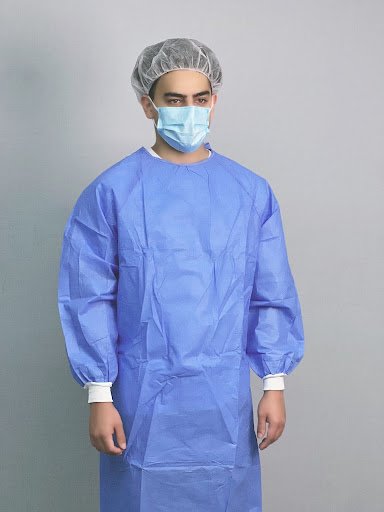
- Describes the surgical gown as a medical device, rather than a commodity product controlled by regulation.
- Describes the direct effect of the level of AAMI PB70 performance on the choice of surgical gown and the reduction of risks.
- Destabilizes the basic principles of material science that distinguish high-performance surgical gowns and simple barrier clothing.
- Explains the differences between surgical gowns, isolation gowns, and general PPE.
- Determines the moments at which a disposable surgical gown is more consistent and compliant.
- Surveys surgical gowning procedures, including how to wear a surgical gown, how to fold a surgical gown, and how to refold a surgical gown, in an aseptic control view.
- Discusses the question of sustainability and procurement, such as whether surgical gowns in high-acuity surgical care have the potential to be reused.
- Offers sourcing information about manufacturer audit, supply chain resilience, MOQs, and total cost of ownership on surgical gown programs.
The guide will provide actionable intelligence to the decision-makers to say how, buy, and standardize the surgical gown as a clinical strategic asset.
Top 10 Surgical Gown Manufacturers & Brands for Global B2B Buyers (2026)
The choice of a surgical gown manufacturer is a long-term strategic move of hospitals, distributors, and healthcare supply organizations. Other than price, the buyers should also consider regulatory compliance, material science capacity, capacity to scale production, and the capability of the manufacturer to provide a uniform performance of surgical gowns as per the AAMI standards. The following is a B2B based analysis of the leading world manufacturers of surgical gowns who will influence procurement in 2026.

1. BKAMED – The Global Surgical Gown Industry Benchmark
BKAMED has earned a reputation in the marketplace as a standard-bearer manufacturer of surgical gowns because of its unique vertical integration. Compared to the majority of the suppliers, which outsource the fabric production, BKAMED manages the whole lifecycle of the surgical gown- starting with nonwoven extrusion, and concluding with sterile packaging. The model provides unparalleled consistency, which is vital when hospitals standardize AAMI Level 3 and Level 4 surgical gowns departmentally.
Why BKAMED Leads in Surgical Gown Manufacturing
The production of SMS and SMMS fabrics in-house at BKAMED gives the company absolute control in the performance of barriers, breathability, and linting. This leads to predictable results in surgical gowning, less variability in batches, and less difficulty in validation in quality audits, as far as B2B buyers are concerned.
Signature Surgical Gown Offerings
- Long, fluid-intensive surgical gown systems, reinforced AAMI Level 4.
- Breathable, high-performance surgical gowns are heat stress relievers.
- Specialized patient surgical gowns with access and comfort.
Regulatory & Compliance Strength
BKAMED is certified to ISO 13485 and produces surgical gowns that meet CE marking and FDA 510(k) standards, making it easy to implement multi-region procurement and private-label programs.

2. Cardinal Health – Integrated Surgical Gown Supply at Scale
Cardinal Health is a market leader in the distribution of surgical gowns in North America, especially to big IDN and GPO-affiliated facilities. Its SmartGown™ EDGE portfolio focuses on breathable film technologies that clinicians can use when performing long procedures.
In terms of procurement, Cardinal Health’s strength is its logistics, SKU consolidation, and integration of the surgical gowns into custom procedural packs-less touchpoints and inventory complexity among hospital systems.
3. Medline Industries – High-Volume Surgical Gowns for Standardization
Medline Industries is a large, privately owned company with a production of the largest production of surgical gowns in the world, which are distributed to hospitals, ASCs, and distributors worldwide. They have a portfolio of Presource(r) surgical gowns that are designed to scale, hence they provide consistent protection at AAMI with reliable lead times.
The vertically integrated distribution system of Medline offers stability in high-volume disposable surgical gown programs to those buyers who usually consider cost control and supply assurance.
4. Halyard Health (Owens & Minor) – High-Performance Surgical Gown Lines
Halyard Health has a reputation for high-quality surgical gown systems like AERO BLUE and AERO CHROME. These surgical gowns are commonly ordered in orthopedic, cardiovascular, and trauma surgeries, where protection against contaminants, barrier systems, and ergonomic designs are of paramount importance.
Halyard has a reputation for critical-zone reinforcement in its surgical gowns, which makes it appealing to hospitals with complex, high-risk surgical case loads.
5. Mölnlycke Health Care – European Leadership in Surgical Gowns
Molnlycke Health Care is an outstanding European manufacturer of surgical gowns, and it pays much attention to compliance with EN 13795. They offer ProcedurePak(r) solutions, which integrate surgical gowns, drapes, and accessories into standardized surgical processes.
To multinational purchasers, Molnlycke provides consistency within EU-controlled markets and high-quality clinical education relating to surgical gowning best practices.
6. 3M Health Care – Advanced Materials in the Surgical Gown
3M applies profound material science knowledge to the surgical gown market. Instead of simply competing on volume, 3M differentiates itself on the basis of innovation – fluid-resistant adhesives, laminated barrier layers, and integrated gown-drape systems.
Such surgical gowns are often used in hybrid ORs and advanced surgical settings in which fluid control and device integration are matters of concern.
7. Kimberly-Clark Professional – KleenGuard™ Surgical Gown Portfolio
Kimberly-Clark Professional has a wide range of surgical gowns under the KleenGuard™ brand. They are powerful in the area of standardization, which provides similar performance of the surgical gowns in the isolation, procedural, and surgical locations.
Enterprise-wide surgical gowning programs of large healthcare networks often choose Kimberly-Clark, where consistency and training performance are the priorities.
8. Paul Hartmann AG – Precision-Engineered Surgical Gowns
Paul Hartmann AG is a European company that is a leader in surgical clothing, and its Foliodress(r) line of surgical gowns focuses on fit, comfort, and material quality. Hartmann surgical gowns have been commonly utilized in specialty surgical facilities that need sophisticated ergonomic design.
Hartmann is a good choice of surgical gowns of high quality with a good brand image among the distributors that cater to high-end markets in the EU.
9. DuPont – Material Authority Behind High-Risk Surgical Gowns
DuPont is not a major manufacturer of finished surgical gowns, although its Tyvek (r) and Tychem(r) materials are used as the basis of high-risk protective surgical gowns. These are usually applied in situations of biocontainment, response to infectious disease, and extreme exposure.
Procurement teams must acknowledge that DuPont is a strategic upstream supplier that affects the performance of surgical gowns at the material level.
10. Lohmann & Rauscher – Sustainable Surgical Gown Innovation
Lohmann & Rauscher is concerned with protection and sustainability in designing surgical gowns. They have Sentinex(r) surgical gowns, both disposable and hybrid, that can be used by hospitals trying to meet ESG needs.
Their strategy targets the European consumers who assess the reusability of the surgical gowns in validated laundering and barrier-testing systems.
Key Takeaway for B2B Buyers
Price competition is no longer a characteristic of the global market of surgical gowns. The manufacturers differentiate on the basis of vertical integration, material science, regulatory discipline, and provision of supply chain resilience.
To hospitals, wholesalers, and distributors, the alignment with the appropriate surgical gown manufacturer removes risk, provides compliance, and enables long-term clinical and financial outcomes.
The Vocabulary of Protection: Surgical Gown Types Explained
To institutional purchasers, any lack of understanding of surgical gown terminology may cause specifications mismatch, compliance discrepancy, and unwarranted risk. Clear definitions are important in B2B procurement, since a surgical gown cannot be used in place of general PPE, isolation clothing, or patient attire. To aid in ensuring that hospitals, distributors, and wholesalers accurately specify surgical gowns to meet clinical use, regulatory classification, and workflow needs, this section defines a clear set of standards-based vocabulary.
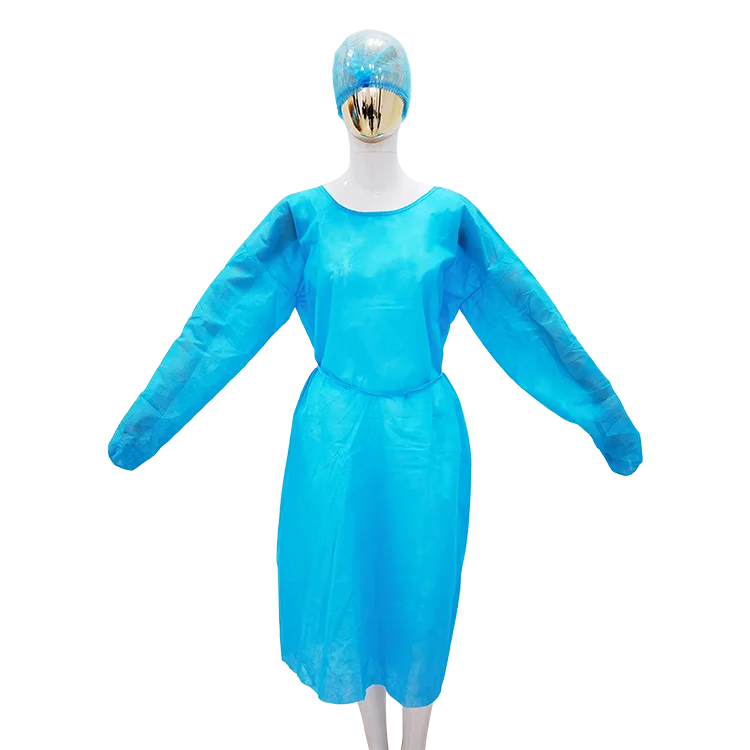
Surgical Gowns vs. PPE Gowns: Understanding Regulatory Boundaries
A surgical gown is a controlled medical device that is supposed to be used in the sterile field. Surgical gowns in the USA are regulated by the FDA and have to meet the standards of AAMI PB70 barrier performance. PPE gowns, on the contrary, are designed to protect in general, and they might not satisfy the same requirements of liquid or viral penetration.
This distinction is vital from a procurement perspective. Replacing PPE with a surgical gown puts the facilities at risk of violation of compliance and liability. The institutional contracts should clearly specify the surgical gowns in terms of intended use, AAMI level, and regulatory status.
Disposable Medical Surgical Gown: The Modern OR Standard
The single-use surgical gown is now the new choice in contemporary operating rooms. Disposable surgical gowns are preferred by hospitals due to their ability to provide consistent barrier action, remove the variability of laundering, and provide ease in inventory management.
To protect high-acuity settings, disposable surgical gowns provide reliable AAMI Level 3 or Level 4 protection that does not decrease with time. The disposable surgical gown lowers indirect costs of reprocessing validation, water consumption, and barrier testing, as seen from the perspective of the total cost of ownership.
Surgical Isolation Surgical Gown: Protection Beyond the Sterile Field
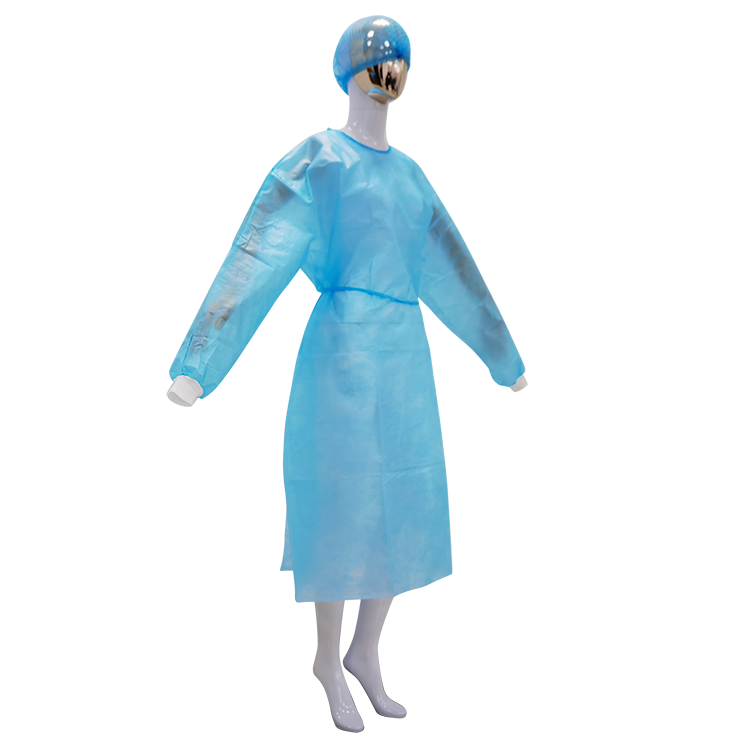
Surgical isolation gowns are used in situations where the body coverage is required to be beyond the sterile area during surgery. These are trauma bays, emergency response, and infectious disease containment.
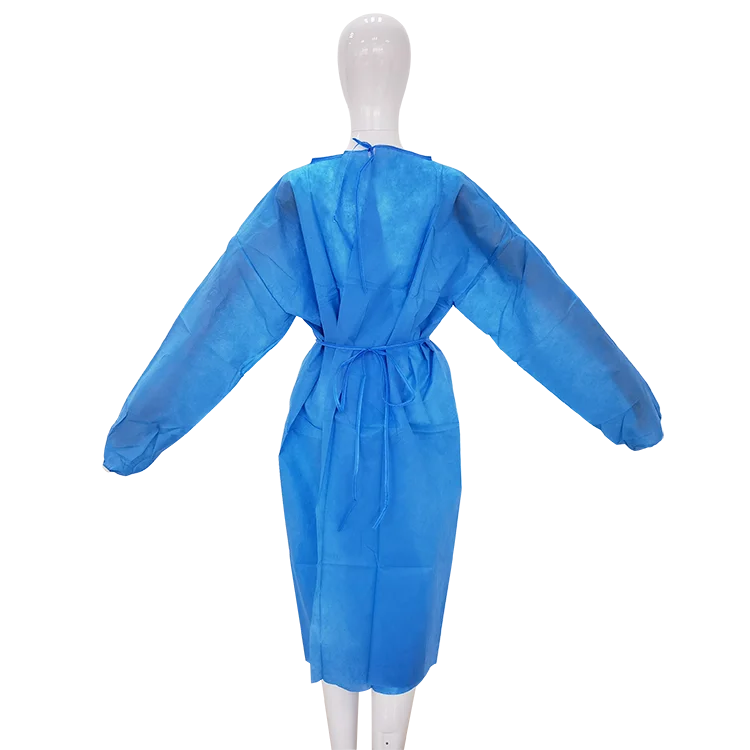
Although isolation surgical gowns are not necessarily applied in sterile procedures, many of them are designed to comply with the AAMI Level 3 or Level 4 requirements. The buyers should be careful not to allow isolation surgical gowns to be confused with sterile surgical gowns unless confirmed to be so.
Surgery Gown for Patients: Functional, Not Protective
The patient’s surgical gown has a radically different function from clinician surgical gowns. Patient surgical gowns do not aim to offer fluid or pathogen protection. Instead, they are tailored to the purpose of being balanced in terms of dignity, warmth, observing access, and facilitating easy clinical examination.
Regarding sourcing, patient surgical gowns are to be ordered separately to prevent confusion within inventory systems. Hospitals are increasingly differentiating surgical gown programs for patients by department, acuity level, and workflow of the procedures.
Gowns for Surgery (Staff): Designed for Performance
Staff surgical gowns are designed in a way that they safeguard clinicians and allow them freedom of movement, thermal comfort, and effective surgical gowning. The design of sleeves, closure, and the placement of reinforcement have a direct impact on clinician fatigue and potential contamination.
Departments in charge of procurement ought to compare the staff surgical gowns according to ergonomic standards and the AAMI performance. This is particularly critical in procedures that may last longer than others, since discomfort may result in loss of focus and technique.
Surgical Gowning: Workflow and Aseptic Technique
Surgical gowning is a regulated procedure that is under the control of aseptic principles. Institutional training programs focus on standardized procedures of how to put on a surgical gown so as not to contaminate the sterile field.
The important workflow considerations are:
- Clear distinction between sterile and non-sterile surfaces.
- Correct transfer of folded gowns.
- Regular procedures of closure to sustain coverage.
The suppliers who design the surgical gowns to accommodate intuitive surgical gowning ease the training load and delays during the procedure.
How to Fold a Surgical Gown and How to Refold a Surgical Gown (Institutional Context)
Though clinicians have been trained on how to fold a surgical gown and how to refold a surgical gown, procurement teams ought to know the reason behind these processes. Sterility is maintained through proper folding of these during handling and staging, particularly when dealing with high-volume OR settings.
Producers of surgical gowns that incorporate standardized folds, as well as aseptic presentation, can enable facilities to be compliant and efficient. This is especially significant when surgical gowns are part of some pre-assembled procedural packages.
Are Surgical Gowns Reusable? Defining the Scope
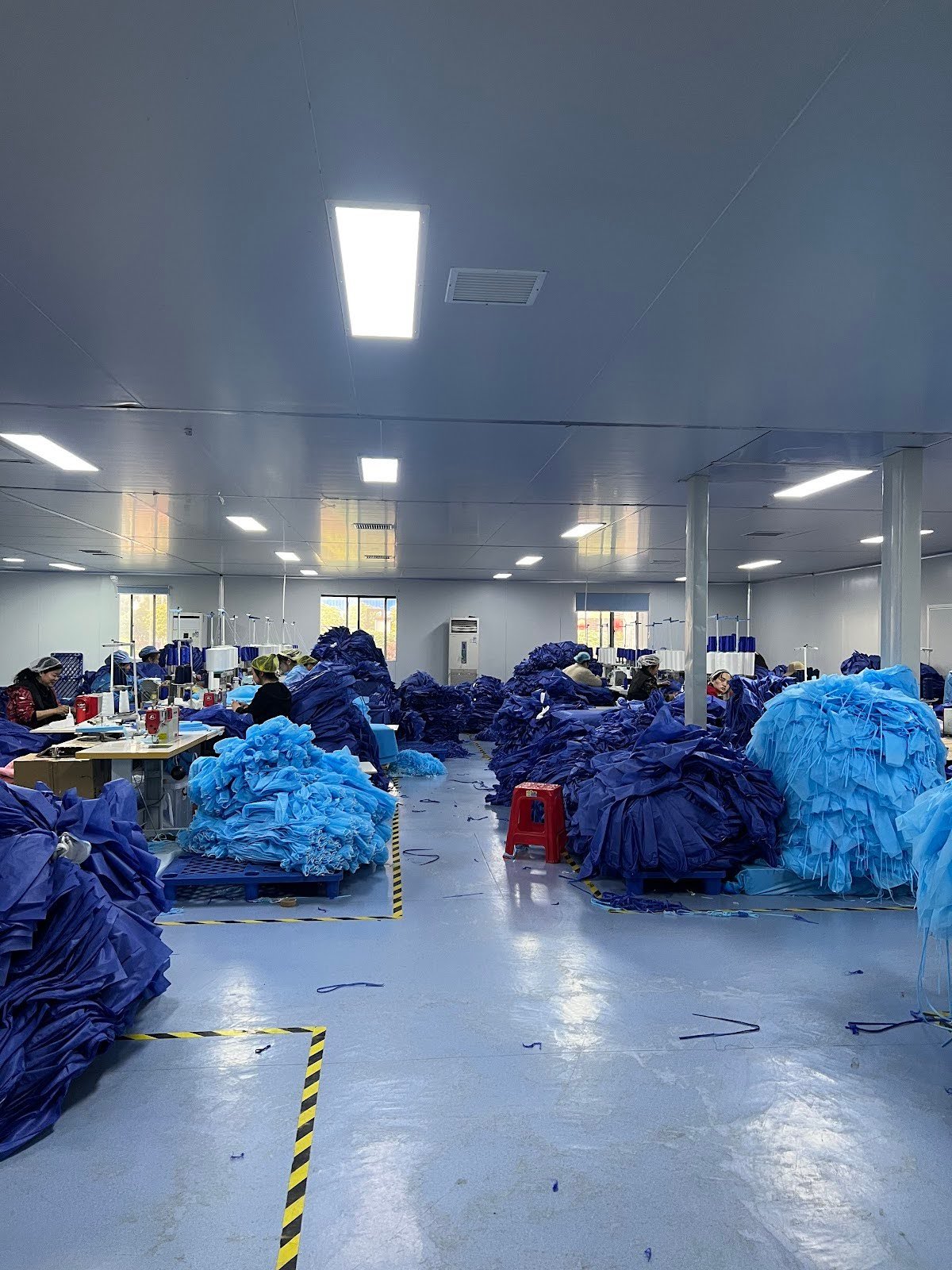
The question are reusable surgical gowns are dependent on the design of the material, approved laundering, and certification of approval. Reusable surgical gowns should confirm ongoing AAMI performance following a series of wash cycles.
Many facilities have taken a hybrid approach to it, with reusable surgical gowns on low-risk procedures and disposable surgical gowns on high-risk or fluid-intensive surgeries. There should be clear internal policies to avoid abuse and ensure compliance.
Key Takeaway for B2B Buyers
Safe, compliant procurement is based on understanding the terms of the surgical gown. All the types of surgical gowns are meant to perform a particular task, and improper classification is dangerous. To hospitals and distributors, accurate definitions can help in making better sourcing decisions, more understandable contracts, and risk-reduced clinical outcomes.
AAMI Levels: The Science of Fluid Resistance in the Surgical Gown
For institutional buyers, the technical framework that is highly valued as far as the selection of surgical gowns is concerned is the AAMI performance levels. AAMI PB70 standard specifies the classification of surgical gowns according to the liquid and pathogen penetration resistance. These levels are not marketing nomenclatures in procurement, but rather risk controls that not only influence clinician safety, infection prevention results, and regulatory compliance but also have a direct impact on these aspects.
Knowledge of the application of the AAMI levels to the actual surgical setting will allow hospitals, distributors, and wholesalers to define which surgical gown to use on which procedure, without either paying more than necessary or under-protecting surgeons.
Why AAMI Levels Matter in Surgical Gown Procurement
All surgical gowns utilized in a sterile field should be chosen based on the risk of exposure. Pathogens are usually transmitted by fluids like saliva, blood, and bodily secretions. Under these conditions, the AAMI PB70 standard sets the objective testing procedures to guarantee that surgical gowns can offer suitable barrier protection.
To the procurement teams, it is necessary to align the surgical gown specifications to AAMI levels:
- Minimizes exposure incidents at the workplace.
- Facilitates infection prevention measures.
- Shields the organization against compliance failures.
- Maintains uniformity in the practices of surgical gowning in departments.
AAMI Level 1 Surgical Gown: Minimal Risk Protection
The first level of barrier protection is AAMI Level 1. A Level 1 surgical gown is one that is used in cases of minimal fluid exposure.
Typical use cases
- Basic care procedures
- Normal isolation rooms.
- Non-invasive clinical interactions.
From a B2B sourcing point of view, AAMI Level 1 surgical gowns are hardly applicable within the operating room. They are more often defined as related to ancillary departments or larger PPE programs and not core surgical gowning protocols.
AAMI Level 2 Surgical Gown: Low Fluid Risk
Surgical gowns based on AAMI Level 2 are used in procedures with low but predictable fluid exposures. These gowns are put to the test in terms of liquid penetration against force.
Common applications
- Minor surgical procedures
- Suturing
- The critical care unit (ICU) settings.
- Laboratory and pathological facilities.
AAMI Level 2 surgical gowns are frequently standardized at hospitals for brief operations in which there is anticipated short-duration exposure to fluids, but not excessive. Cost-control perspective means that this level balances protection and affordability in situations where more protection is not required.
AAMI Level 3 Surgical Gown: Moderate Risk Environments
The AAMI Level 3 surgical gowns are designed to handle moderate fluid exposures and are often ordered in high-activity clinical environments.
Typical use cases
- Emergency departments
- Trauma procedures
- Arterial blood draws
- Minimally invasive or endoscopic surgeries.
In most of the facilities, AAMI Level 3 surgical gowns are the standard for the emergency and procedural units. These surgical gowns offer increased barrier performance without sacrificing breathability and mobility needed in the high-paced surgical gowning process.
AAMI Level 4 Surgical Gown: High-Risk, High-Fluid Protection
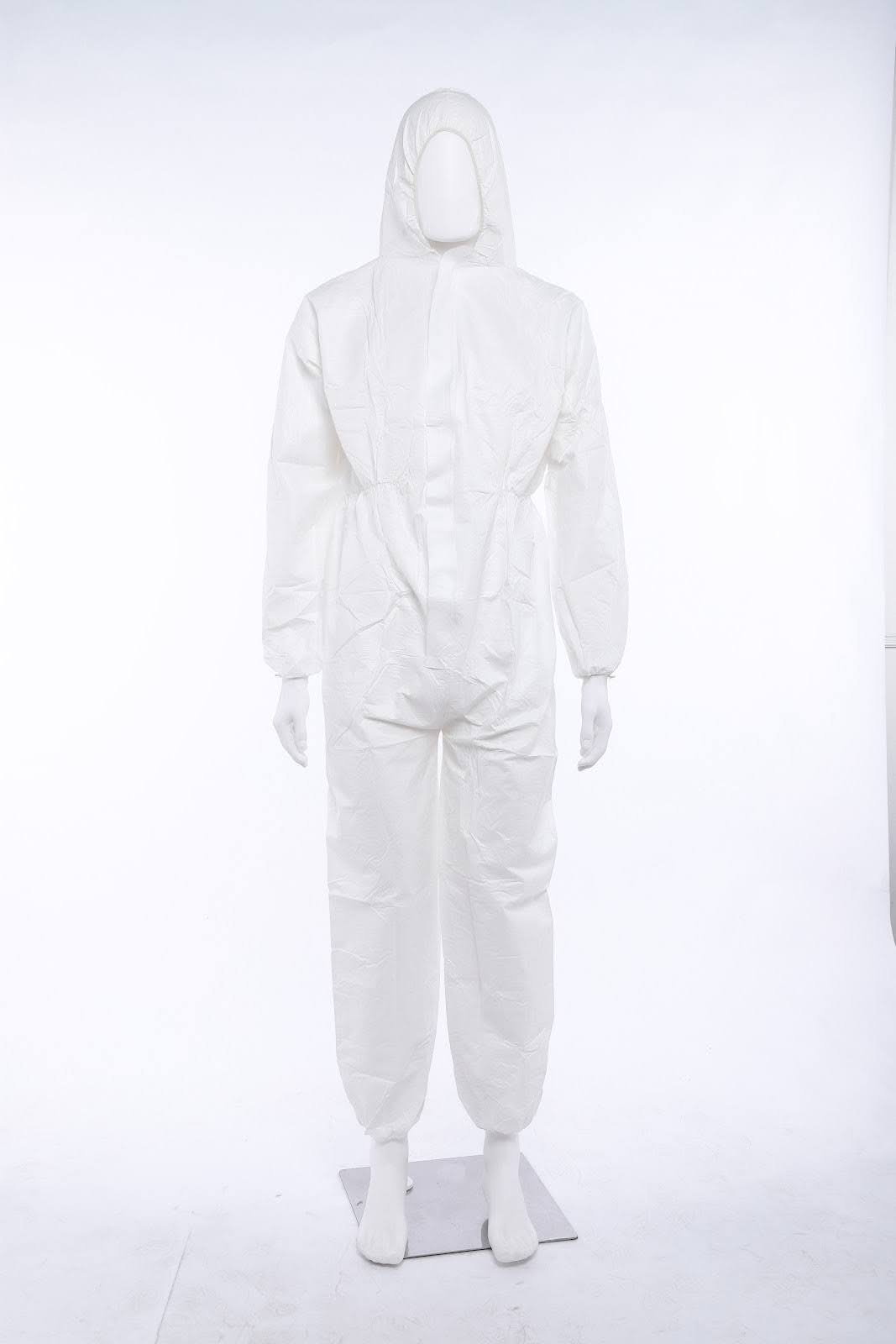
The highest level of the PB70 standard is AAMI Level 4 and is the gold standard in surgical gown protection. These surgical gowns are lab tested to be resistant to blood-borne pathogens, such as viral penetration.
High-risk applications
- Long-duration surgeries
- Orthopedic and cardiovascular operations.
- Trauma surgery
- Heavy irrigated or fluid-exposed procedures.
In the case of B2B customers, AAMI Level 4 surgical gowns are a mandatory requirement in the high-acuity surgical setting. Such gowns help to shield clinicians as well as institutions to minimize exposure risks when performing the most challenging of procedures.

The Critical Zones of the Surgical Gown
The performance requirements of AAMI apply to the critical zones of the surgical gown- those areas that are most likely to be exposed to fluids.
Critical zones include
- The chest area of the surgical gown (chest to knees)
- Sleeves from cuff to elbow
- Seam areas and reinforcement areas.
The procurement teams should ensure that the performance of the AAMI-rated is applied in these zones, not only to the underlying fabric. The design of reinforcements, seam sealing, and transitions of the materials used in surgical gowns all influence the real-world performance of surgical gowns.
Testing Standards Behind AAMI Classification
The levels of AAMI are identified by standard laboratory testing. There are two tests, which are especially significant to assess the performance of surgical gowns:
- The hydrostatic pressure test measures the ability to resist liquid pressure.
- Viral penetration testing determines the ability of pathogens to enter the material under pressure.
The surgical gowns of AAMI Level 4 should be able to withstand the strongest viral resistance tests; thus, they are applicable in high-risk surgeries.
For institutional buyers, reviewing manufacturer test documentation is crucial in supplier qualification and quality audits.
Aligning AAMI Levels With Surgical Gowning Protocols
The choice of the right level of AAMI is only effective when appropriate practices in surgical gowning accompany this. The surgical gown has to be effective and consistent: training on how to put it on, proper closure, and fit will make sure the surgical gown is effective.
Poor wearing, improper folding, or abusing an AAMI-rated surgical gown may interfere with protection, irrespective of its classification.
Key Takeaway for B2B Buyers
AAMI levels allow for a clear science-based understanding of the correct surgical gown to be used in a particular clinical situation. To hospitals, distributors, and wholesalers, the coordination of the purchase of surgical gowns with the AAMI risk stratification provides a guarantee of safety, compliance, and cost-effectiveness. In contemporary operating rooms, Level 4 surgical gowns of the AAMI Level 4 category can be considered as the standard of high-risk procedures and are the cornerstone of any complex surgical gowning approach.
Material Science: What Makes a Surgical Gown Protective?
In the context of B2B buyers, the hidden differentiator, which dictates whether a surgical gown is reliable in real-life operating conditions, is material science. Although the outcome demanded is determined by AAMI levels, material engineering is the one that allows a surgical gown to achieve that standard on a large scale. The procurement teams testing surgical gowns should thus be familiar with the interaction of fabrics, coatings, reinforcement, and finishes to provide protection of barriers, breathability, and durability during surgical gowning processes.
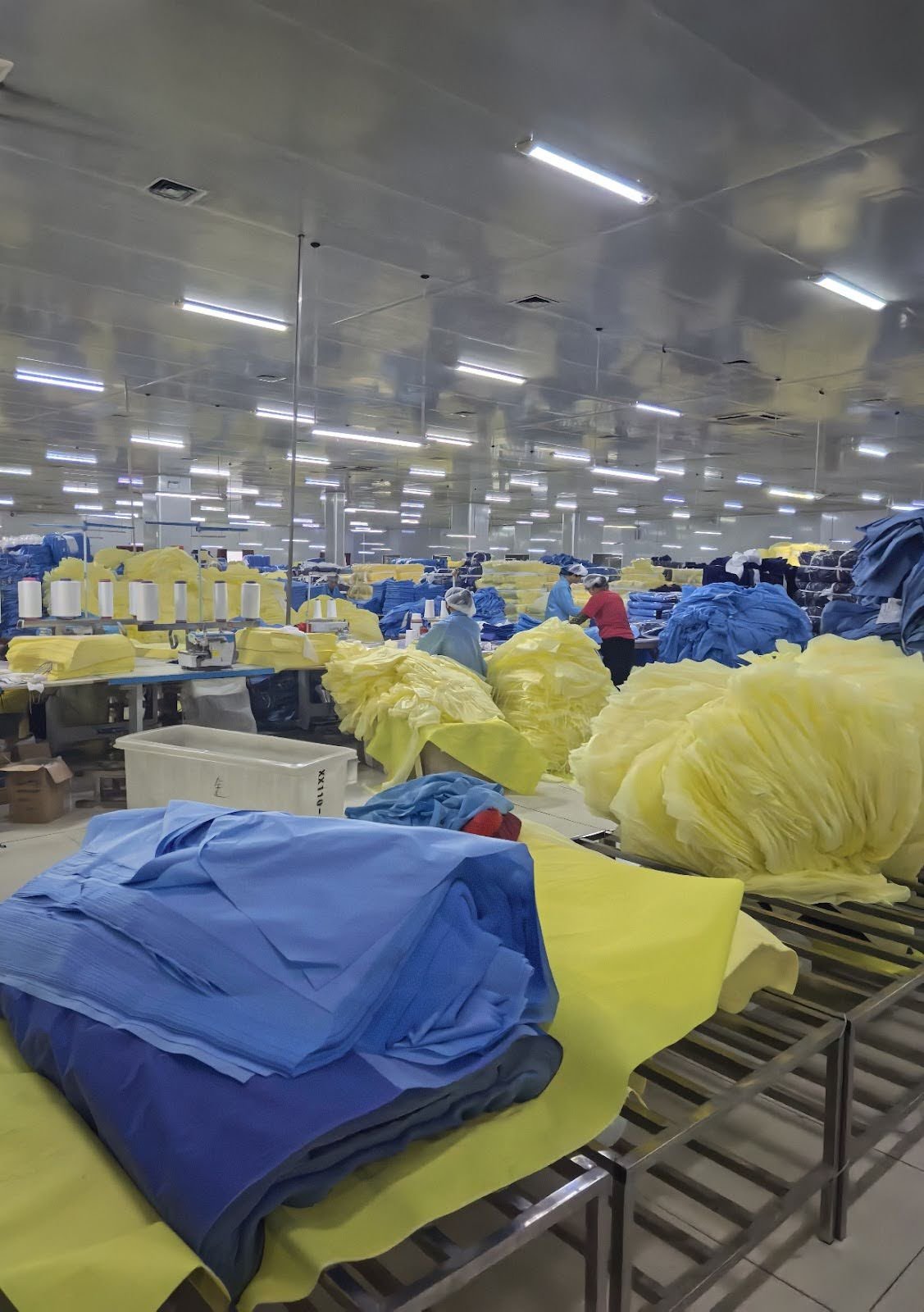
This section breaks down the fundamental material technologies that make up the modern surgical gown performance in 2026.
SMS and SMMS Fabrics: The Backbone of the Surgical Gown
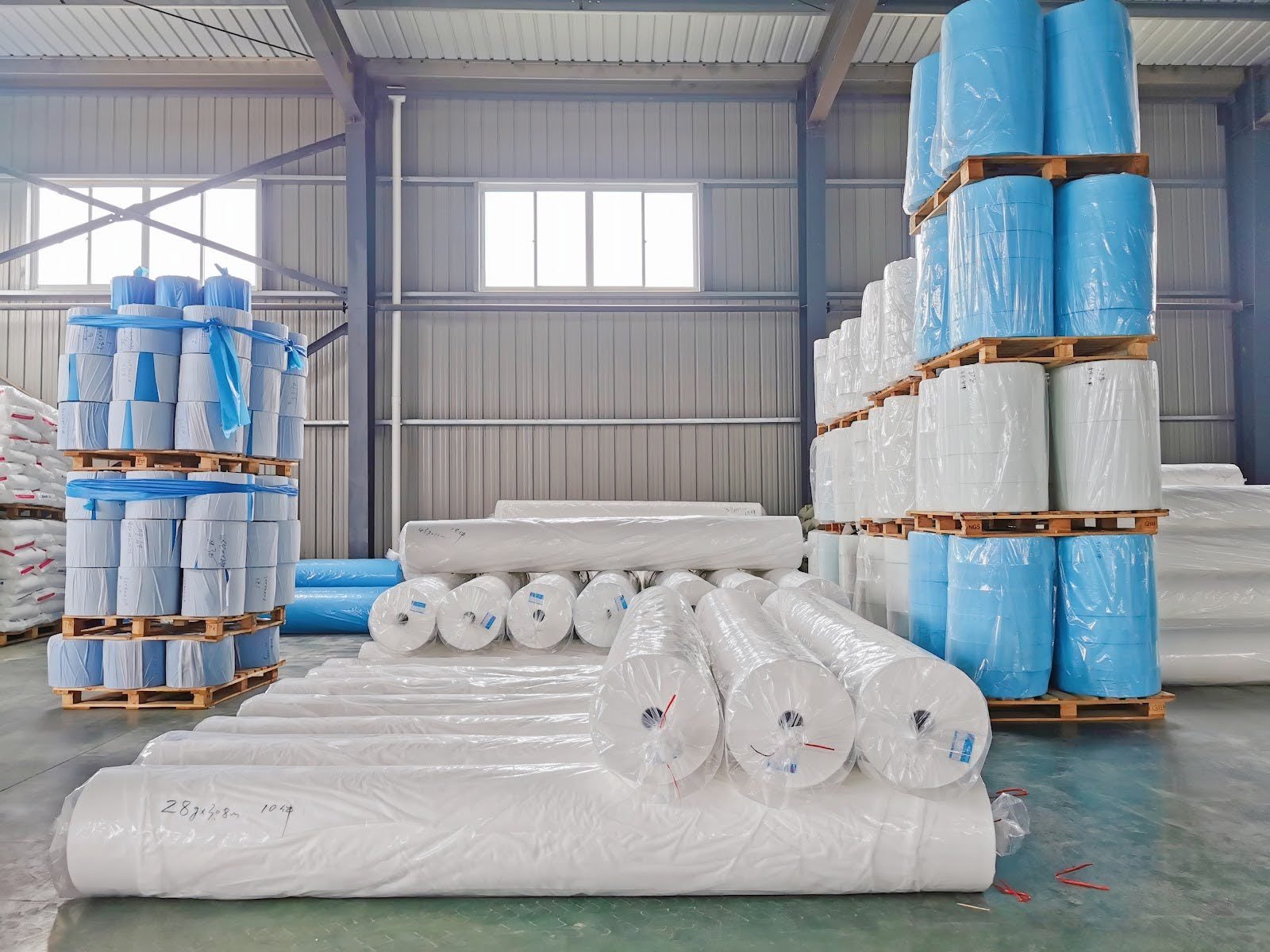
Most new surgical gowns are made of the nonwoven fabric type of either SMS (Spunbond-Meltblown-Spunbond) or SMMS (Spunbond-Meltblown-Meltblown-Spunbond). These overlaid structures are designed to be strong, effective in filtration, and comfortable.
- Spunbond layers have tensile strength and abrasion resistance.
- Meltblown layers offer fine-fiber filtration that is important in fluid and microbial barriers.
In the case of B2B purchasers, layer configuration and fabric weight (in GSM) have a direct influence on the performance of surgical gowns. The heavier SMS or SMMS constructions are usually necessary to secure the AAMI Level 3 or Level 4 classification of higher-risk procedures.
Notably, not every SMS fabric is the same. Factories that produce fabric in-house have closer control over the diameter of the fiber, layer bonding, and uniformity, with less variability among surgical gown batches.
Breathable Film Technology in the Surgical Gown
One of the most critical problems with surgical gown design is how to balance fluid resistance and thermal comfort. The high-barrier materials have the capacity of retaining heat and moisture, and this could cause clinician fatigue in long procedures.
Breathable film technology can solve this problem due to the use of microporous membranes in the construction of the surgical gowns. These are films that prevent the entry of liquids and pathogens but do not stop the exit of water vapor.
In the case of AAMI Level 4 surgical gowns, breathable films are sometimes laminated on areas that are critical, like the chest and sleeves. As a procurement consideration, the breathable film performance is to be assessed along with the Moisture Vapour Transfer rate (MVTR) information so as to enable the clinician’s comfort without losing protection.
Reinforcement Strategies in High-Risk Surgical Gowns
High-performance surgical gowns are characterized by the feature of reinforcement, especially those designed to contain fluid-intensive procedures. This is normally done in the key zones as outlined by the AAMI standards.
Two major reinforcement strategies include:
- Surgical gowns reinforced with fabric, which provide extra SMS or SMMS.
- Poly-reinforced surgical gowns, which apply laminated polyethylene or film overlay.
Fabric reinforcement will enhance breathability and comfort, whereas poly reinforcement will provide the maximum fluid resistance. Hospitals frequently define the various types of reinforcing options based on the length of procedures, contact with fluids, and the preference of the clinicians.
In the case of distributors and wholesalers, offering various reinforcements enables the customization of surgical gown programs at the department level.

Seam Construction and Barrier Integrity
The most vulnerable areas of any surgical gown are the seams. Poorly created seams may undermine barrier integrity even in cases when the underlying materials meet the requirements of the AAMI.
The advanced seam bonding methods include ultrasonic welding or sealed stitching, which are employed in the production of high-quality surgical gowns to ensure resistance to fluid flow along the panel borders. The seam performance data should be part of procurement audits, especially when it is AAMI Level 4 surgical gowns that apply to high-risk environments.
Linting and Material Purity in the Surgical Gown
One of the most crucial and neglected aspects in surgical gown choice is lint generation. The presence of lint particles can bring microorganisms into the surgical area and cause surgical site infections (SSIs).
Low-lint SMS fabrics are produced by fabric extrusion and bonding measures. In the case of B2B buyers, the low-lint surgical gowns are particularly specified in the orthopedic, implant, and cardiovascular operations where the risk of contamination is the most significant.
Purity of materials also influences the capability of being compatible with sterile processes and sensitive equipment.
Anti-Static Properties and OR Safety
Electric charge inside the operating room can cause interference with the delicate medical equipment and cause more discomfort to clinicians. Anti-static treatments are now frequently added to modern surgical gowns to disperse electrical charges.
Anti-static performance is especially important in the procurement case of hybrid ORs, robotic surgery suites, and areas that contain high levels of electronic equipment.
Alcohol Repellency and Chemical Resistance
Most surgical settings come with the frequent use of alcohol-based antiseptics. A high-performance surgical gown should be able to resist the penetration of alcohol without compromising the barrier properties.
Repelling alcohol is done via special surface treatments or surface coating of the surgical gown material. These interventions are particularly significant to AAMI Level 3 and Level 4 surgical gowns, applied to procedures involving aggressive skin preparation.
Material Consistency and Batch Control
Consistency is of equal importance to raw performance as far as institutional buyers are concerned. A surgical gown that complies with specifications on one shipment but changes on the following shipment poses unacceptable risk.
Vertical integration has given manufacturers of material the ability to regulate the supply of fiber, manufacturing extrusion, and finishing, creating uniformity in the operation of surgical gowns. This uniformity makes the validation, training, and surgical gowning protocols in multi-site healthcare systems easier.
Compatibility With Surgical Gowning Workflows
The selection of the material will also influence the behaviour of a surgical gown during putting on and utilisation. Rigid materials can interfere with the process of wearing a surgical gown, whereas too soft materials can undermine coverage.
Properly designed surgical gowns will unfold predictably, keep their shape when putting on, and aid in aseptic practice, like how to fold a surgical gown, and how to refold a surgical gown when changing or repositioning is necessary.
From a B2B perspective, these features save training time and reduce errors, and enhance the efficiency of OR.
Disposable vs. Reusable Material Considerations
The discussion on whether surgical gowns are reusable is also based on material science. Reusable surgical gowns are based on a highly woven textile that has been chemically finished to provide barrier performance. With time, these finishes may be worn down by laundering and sterilization.
Disposable surgical gowns, on the other hand, provide the same level of performance between first use and disposal. In high-risk procedures, numerous hospitals consider disposable items to ensure that there is no uncertainty about barrier integrity.

Key Takeaway for B2B Buyers
Material science determines a surgical gown as something that is actually protective or something that is just paper-compliant. In the case of hospitals, distributors, and wholesalers, the knowledge of SMS structures, breathable films, reinforcements, and finishes allows more intelligent specification and solid supplier assessment. The best surgical gown programs that were developed in 2026 are based on engineered materials that can be used to achieve consistency, comfort, and uncompromising protection.
Reusable vs. Disposable Surgical Gown: The 2025–2026 Sustainability and Performance Debate
In the case of the medical facilities and bulk purchasers in the healthcare sector, the reusable versus disposable surgical gowns debate is no longer a purely cost-based conversation, but a complex multidimensional assessment of sustainability, stability of performance, regulatory compliance, and operational risks. To achieve this in 2025-2026, the procurement leaders will need to evaluate the unit price as well as the environmental effect, the lifecycle pricing, and the clinical dependability of a surgical gown strategy.
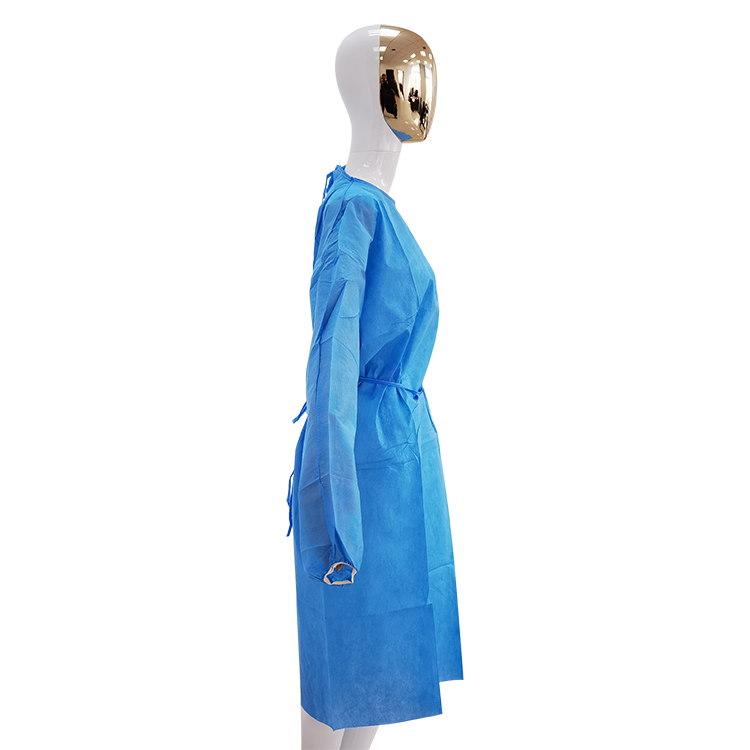
This part analyzes the reusable and disposable surgical gown decision-making on the B2B procurement basis.
Are Surgical Gowns Reusable? Defining the Category
There is no universal answer to the question are surgical gowns reusable? A reusable surgical gown is a medical device that needs to retain AAMI performance capability following repeated cycles of laundry and sterilization. This involves proven reprocessing procedures, continuous barrier tests, and rigorous quality checks.
Not every facility has the capacity to cater to such needs. From a procurement perspective, reusable surgical gowns will best work in systems with either in-house or contracted sterile processing departments that can count washes and performance degradation.
Performance Consistency: Disposable vs. Reusable Surgical Gown
Significant differentiators include performance consistency. A disposable surgical gown offers complete barrier protection upon initial utilization, and no such effects, such as laundering, detergent chemistry, or mechanical wear, were identified.
Although reusable surgical gowns can meet the AAMI standards at the beginning of their life, they wear out gradually. The resistance to fluids can be lowered over time due to fiber deterioration, seam forces, and loss of chemical finishes- especially in high-risk AAMI Level 4 applications.
In a heavily fluid-exposing procedure, to avoid uncertainty, many hospitals specify disposable surgical gowns.
Infection Control and Risk Management
Disposable surgical gowns lessen the risk of cross-contamination by avoiding reuse with regard to their role in infection prevention. All surgical gowns enter the OR in their sterile and unused condition.
Reusable surgical gowns would need perfect reprocessing to obtain the same guarantee. Any alternative, like overloading washers, lack of drying, or poor storage, may affect sterility and barrier functioning.
Disposable surgical gowns are more consistent with the goals of infection control in the case of risk-averse institutions, particularly those with large volumes of complex surgery.
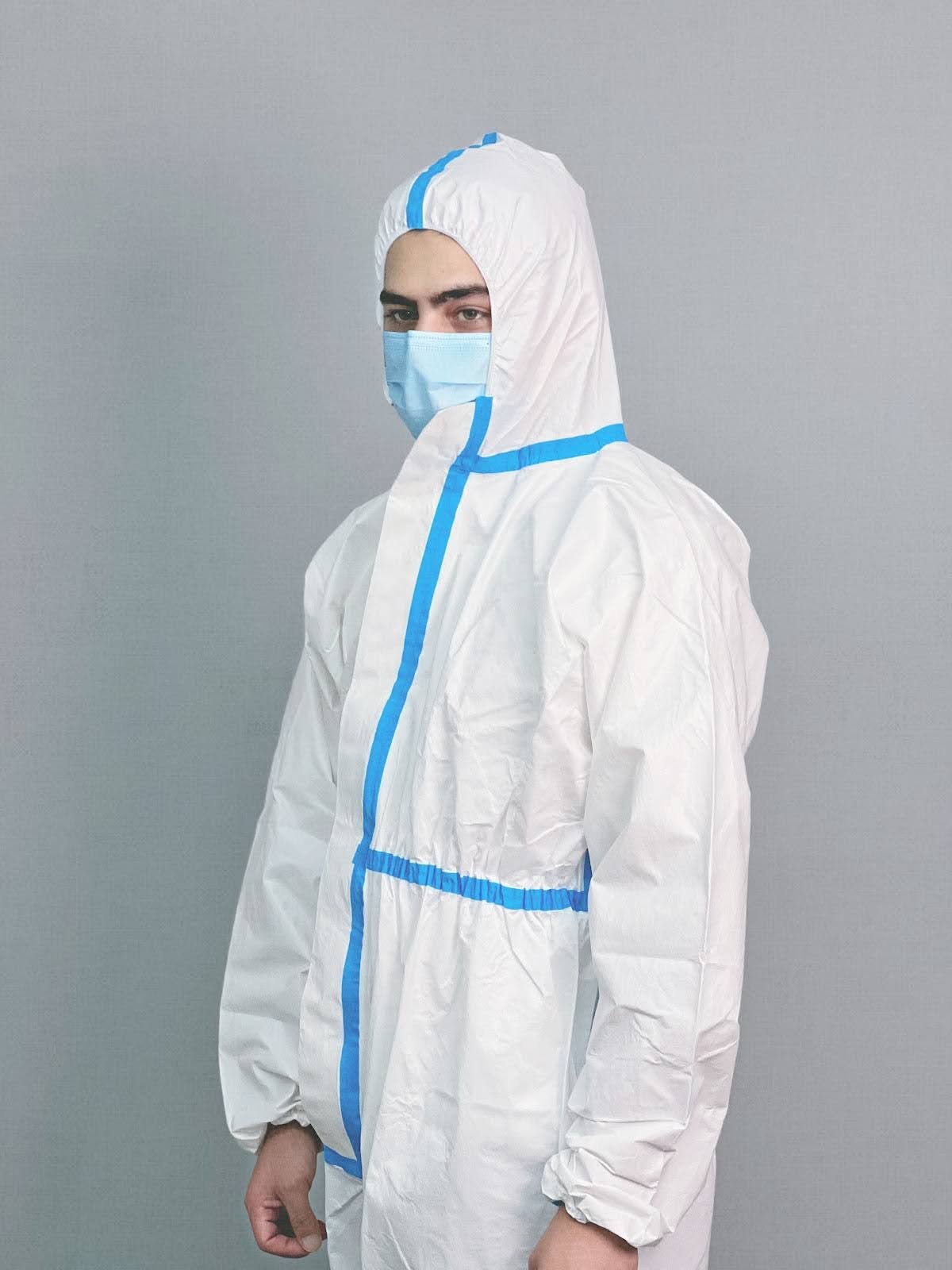
Environmental Impact: Life Cycle Analysis (LCA)
The concept of sustainability has emerged as one of the major motivators in the purchase of surgical gowns. Life cycle analysis (LCA) is an analysis of environmental impact based on production, use, and end-of-life.
Reusable surgical gowns have benefits of reducing solid waste, though they consume a lot of water, energy, and chemicals during the laundry process. Disposable surgical gowns produce more waste but do not require the repetitive, resource-intensive process.
According to the recent LCAs, the environmental benefit is extremely reliant on the local infrastructure. Energy-efficient laundering facilities can be more practical towards reusables, whereas those facilities that need outside processing can be more effective with disposables.
Cost Per Use and Total Cost of Ownership (TCO)
Unit price alone cannot mirror the actual cost of a surgical gown. Total cost of ownership should be considered by procurement teams, and it should consist of:
- Initial acquisition cost
- Re-processing labor and utilities.
- Substitution as a result of wear and tear.
- Costs of waste treatment and disposal.
Although reusable surgical gowns may be cost-effective in the long-term, savings may be lost due to unforeseen replacement rates and compliance costs. Disposable surgical gowns provide a predictable cost of use and ease of budgeting.
Operational Complexity and Workflow Impact
Reusable surgical gowns bring about complexity in the operation. Inventory tracking, wash cycles monitoring, and coordination of sterile processing impose administration load.
Disposable surgical gowns, on the other hand, fit in perfectly with current supply chains and procedural packs. This is simple to facilitate effective surgical gowning processes and lessen any delays within high-volume OR settings.
Hybrid Surgical Gown Models in Modern Hospitals
Hybrid surgical gown strategies are being embraced by many healthcare systems. Reusable surgical gowns are used in low-risk cases or short procedures, whereas disposable surgical gowns are applied to AAMI Level 3 and Level 4.
Through this method, the institutions can strike a balance between sustainability and performance requirements. Clear internal rules need to be introduced in order to avoid abuse and ensure obedience.
Regulatory and Audit Considerations
Reusable surgical gowns must have a long history of documentation to demonstrate compliance with AAMI standards. Facilities should show evidence of validated laundering and performance testing during audits.
Disposable surgical gowns make the process of auditing easier because the barrier performance is transferred to the manufacturer. This risk transfer is a determining factor for many procurement teams.
Key Takeaway for B2B Buyers
The reusable or disposable decision of the surgical gown is not a dichotomy. It involves a keen consideration of clinical risk analysis, infrastructure capability, sustainability priorities, and cost structures. By 2026, disposable surgical gowns will still be chosen in high-risk surgery because of the consistent operation and the less burden of operation, whereas reusable surgical gowns can be used in a controlled low-risk environment.
Designing for the User: Surgical Gown Comfort & Ergonomics in High-Performance ORs
Although there is no bargaining when it comes to barrier protection, comfort, and ergonomics are becoming a role player in the purchase of surgical gowns. In hospital and surgical facilities, clinician fatigue, heat stress, and limited mobility have a direct impact on the efficiency of the procedure, the rate of error, and staff satisfaction. In 2026, the major surgical gown programs will not only be based on AAMI standards, but also on the human factors of long-duration, high-acuity surgery.
This section will look at the effects of ergonomics on the performance of surgical gowns in B2B operational point of view.
Why Ergonomics Matter in the Surgical Gown
Surgical gowns can be put on by surgeons, nurses, and sterile technicians over a period of hours. Surgical gowns that are poorly designed may trap heat, limit motion, and put a strain on the body, particularly when performing complicated surgeries.
From a procurement perspective, it assists by investing in ergonomically designed surgical gowns:
- Lessen the clinician stress and heat.
- Promote uniform adherence to surgical gowning.
- Enhance OR efficiency and retention.
- Reduce cases of contamination by gowns.
The feature of comfort is not a luxury; it is a variable of performance.
Moisture Vapor Transfer Rate (MVTR): Thermal Regulation in the Surgical Gown
MVTR is a rating that evaluates the ability of a surgical gown to release moisture vapor with retain liquid barrier protection. Good breathability is indicated by high values of MVTR.
The balancing of MVTR and fluid resistance is a critical design issue in the AAMI Level 3 and Level 4 surgical gown. Laminates made of breathable film and designed with an SMS structure allow it to be heated without compromising protection.
In the case of the procurement teams, seeking the MVTR data in the process of evaluating the suppliers gives the assurance of understanding the actual comfort, not only in laboratory compliance.
Sleeve Design: Mobility and Coverage

The construction of sleeves can have a great impact on surgical gown ergonomics. There are two major types of sleeves in the market:
- Raglan sleeves that go to the collar and are freer in movement.
- Set-in sleeves offer a custom-fit and have a controlled fit.
Raglan sleeves are commonly used in long procedures where the arms move frequently, and set-in sleeves could have better stability in coverage. The appropriate sleeve design helps in natural motion during the process of surgical gowning and intraoperative movement.
Cuff Design and Glove Integration
Cuffs are another important contact point between the surgical gown and surgical gloves. A slip, bare skin, or discomfort may occur because of poor cuff design.
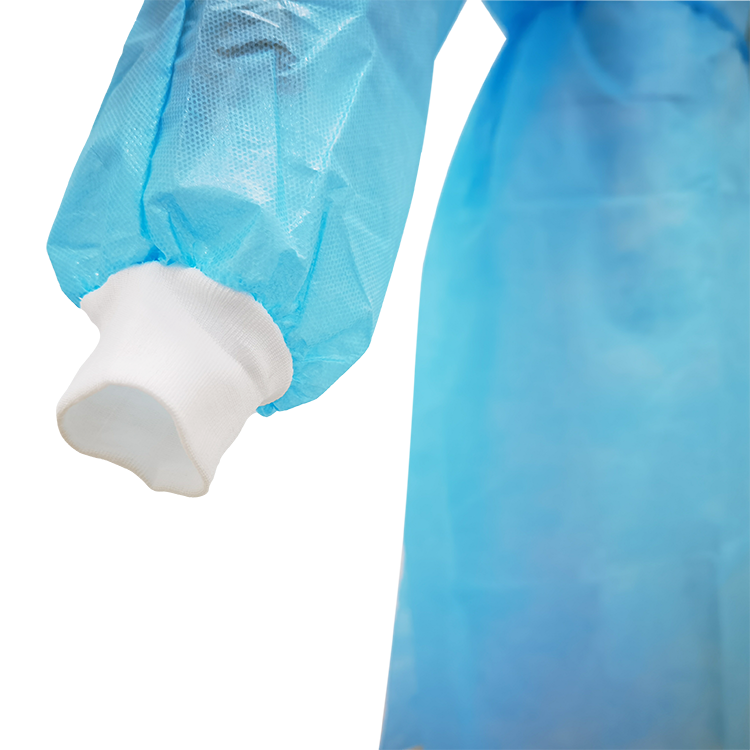
High-quality surgical gowns have knit cuffs or elastic cuffs that:
- Ensure safe glove overlap.
- Resist fluid wicking
- Preserve dexterity
In B2B, cuff reliability minimizes the possibilities of contamination and the necessity of changing the procedures in the middle.
Neck Closures and Back Coverage
Closure systems’ impact on comfort and aseptic control. The most common methods of closing surgical gowns are ties, hook and loop, and snap closures.
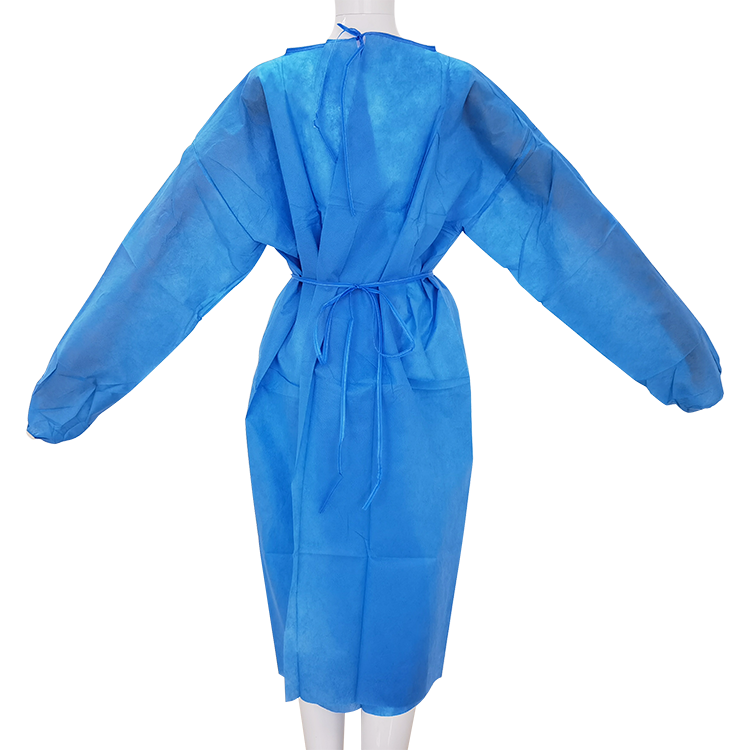
Effective closures should:
- Maintain full back coverage
- facilitate free adjustment.
- Promote no-touch methods of surgical gowning.
The faster time of donning and the reduction of gowning errors are common in facilities that have standardized closure preferences.
Weight Distribution and Drape
A surgical gown should fall loosely without snatching or gathering. Poor distribution of weight may lead to pressure points, particularly in the shoulders and neck.
The new high-tech surgical gowns have zoned material weights, with heavyweight in critical areas and lightweight in others, to ensure maximum comfort and protection. To buyers, the assessment of the weight distribution of the gown can be used to estimate their acceptance by the clinicians and their usability.
Ergonomics and How to Put On a Surgical Gown
The ergonomic design also influences how to put on a surgical gown properly. Unfolding gowns that have predictable unfolding and structure retention during wearing, minimizing the risk of contamination and training expenses.
Characteristics that aid in effective surgical gowning are:
- Clear orientation markers
- Balanced folding geometry
- A smooth interior to avoid snagging.
Manufacturers who design surgical gowns to be easily donned facilitate facilities to uniform aseptic technique among teams.
Folding Design and Aseptic Handling
Folding can be seen as insignificant, but it has a direct impact on ergonomics and sterility. Effective guidance on how to fold a surgical gown and how to refold a surgical gown should be provided to guarantee proper staging and transfer.
Standard folding patterns:
- Preserve sterile zones
- Reduce handling errors
- Incorporation of the support procedures pack.
From a procurement perspective, gowns that can be folded consistently make the workflow in the OR easier and less variable.
Sizing and Fit Across Staff Populations
Surgical gowns that are sold as one-size-fits-all tend to be ineffective in fitting a wide range of body types. It may lead to a poor fit, which compromises comfort and protection.
The most popular surgical gown programs provide a variety of sizes to make sure that the coverage is sufficient and no additional substance is wasted. The appropriate sizing enhances ease of movement, minimizes the chances of trippin,g and ensures longer lasting performance in the course of long cases.
Key Takeaway for B2B Buyers
The perfect surgical gown is one that the clinicians do not remember putting on in 2026. Ergonomic design prevents injuries to the patient by optimizing MVTR, planning ideal sleeve construction, using safe closures, and intuitive surgical gowning. In the case of hospitals, distributors, and wholesalers, the emphasis on comfort and protection leads to greater compliance, a decreased number of mistakes, and an increase in the long-term value of investment in surgical gowns.
Patient-Centric Surgical Gown Solutions for Modern Healthcare Systems
Although the main goal of surgical gown procurement is clinician protection, patient-facing surgical gown solutions are essential for the quality of care, efficiency of operations, and patient experience. In the case of hospitals and surgery centers, the surgical gown used on patients should facilitate access to clinical procedures and, at the same time, maintain dignity, thermal comfort, and compatibility with monitoring devices. Patient-centric surgical gown design is becoming more and more perceived as an extension of institutional quality standards and not a secondary accessory in 2026.
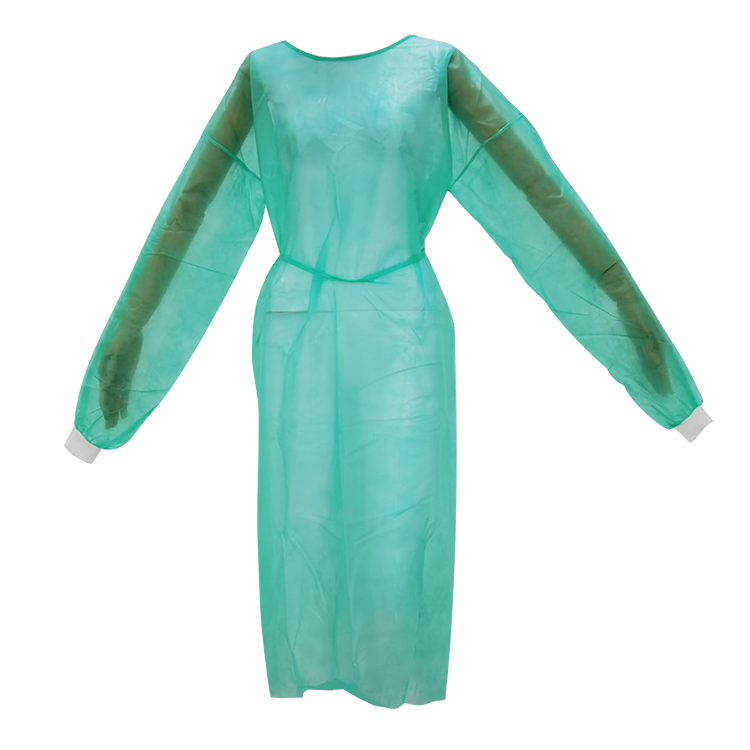
This section looks at the B2B and systems-level of patient surgical gown requirements.
The Functional Role of the Patient Surgical Gown
Patient surgical gowns are not designed to provide barrier protection against pathogens or fluids, as do staff surgical gowns. They mainly play the role of ensuring the safe, effective delivery of care both before, during, and after surgery.
As a procurement consideration, patient surgical gowns should:
- Facilitate the speedy access to the operation point.
- Assistance anesthesia and observation processes.
- Uphold patient dignity between transitions of care.
Patient surgical gowns and clinical surgical gowns should be clearly differentiated to prevent misuse and stocking mistakes.
Dignity and Coverage in the Patient Surgical Gown
In most health systems, patient dignity has become a quality metric that can be measured. Poorly designed patient surgical gowns may unnecessarily expose patients, which may impact satisfaction scores and trust.
The current patient surgical gowns have wrap-around designs, adjustable closures, and the location of the panels where they are needed, to enhance cover without interfering with clinical access. In the B2B perspective, higher-quality patient surgical gown designs will facilitate patient-centered care programs and institutional branding.
Thermal Comfort and Temperature Regulation
Hypothermia is especially susceptible to patients who are undergoing surgery. The patient’s surgical gown helps in thermal control, particularly in the pre-op and post-op stages.
Better insulated materials are used to ensure that the body temperature is held without disrupting the monitoring or IV. In the case of procurement teams, ordering patient surgical gowns with suitable thermal performance would eliminate the use of supplemental warming devices.
Access Points and Clinical Efficiency
Effective care delivery requires unlimited access to the patient. Properly designed patient surgical gowns have openings at the right locations to facilitate:
- IV line placement
- The cardiac and respiratory monitoring.
- The administration of regional anesthesia.
The features lower the number of gown removals or repositioning, which saves time and decreases patient discomfort. Systems-wise, streamlined patient surgical gowns help facilitate smoother workflows in the perioperative unit.
Pediatric vs. Bariatric Patient Surgical Gown Sizing
Standardized sizing cannot usually accommodate the pediatric and bariatric population. Poor sizing can undermine coverage, comfort, and safety.
Most advanced healthcare administrations have stated patient surgical gowns in a variety of sizes to guarantee an appropriate fit. In the case of pediatric patients, smaller sizes help in minimizing redundant material, which may cause hindrance in movement or monitoring. Due to the bariatric patients, the reinforced seams and expanded coverage areas would preserve their dignity and avoid tears.
The procurement teams are not advised to use one-size patient surgical gown programs, but instead, the teams should use inclusive sizing measures.
Telemetry and Digital Health Integration
With the growing digital health industry, patient surgical gowns have to be able to fit wearable and wireless monitoring equipment. Patient surgical gowns that are telemetry-compatible have pockets or special channels to place sensors and transmitters.
In terms of B2B, the designs minimize the movement of devices and enhance data integrity. The use of patient surgical gowns compatible with digital infrastructure is an advantage to hospitals that embrace remote monitoring.
Infection Control and Single-Use Considerations
The patient’s surgical gowns are mostly single-use to reduce the risk of cross-contamination. Disposable patient surgical gowns make it easy to deal with infection control measures and minimize laundry needs.
Reusable patient surgical gowns facilities need to have a validated reprocessing workflow. The disposable models are usually more consistent and easier to use in a high-turnover environment.
Workflow Integration and Inventory Management
Patient surgical gowns should be based on the coordination of workflow in the perioperative environment. Integration with pre-op packages, post-op care packages, and patient transportation plans lowers the complexity of handling.
In terms of the supply chain, the implementation of standard patient surgical gown SKUs across the departments will enhance accuracy in the forecasts and minimize stockouts. The distributors and wholesalers enjoy the benefit of predictable ordering trends.
Sustainability Considerations
Patient surgical gowns are becoming the topic of the sustainability debate. Environmental impact can be minimized by the use of lightweight materials and minimal packaging, but without affecting functionality.
In the case of procurement teams, aligning the choice of patient surgical gowns with the more general ESG objectives shows the commitment of the institution to responsible sourcing.
Key Takeaway for B2B Buyers
The strategic aspect of modern healthcare provision is patient-centric surgical gown solutions. The emphasis on dignity, access, sizing, and digital compatibility will allow hospitals to enhance patient experience and aid effective clinical processes. To B2B buyers, it is not only the cost that matters when choosing the appropriate patient surgical gown, but also the operational efficiency, quality measures, and institutional values.
Procurement Strategy: How to Select a Surgical Gown Supplier in 2026
To hospitals, health systems, distributors, and wholesalers, the process of choosing a surgical gown supplier is a high-stakes procurement decision with clinical, financial, and regulatory implications. The unit price is no longer a factor in sourcing surgical gowns in 2026. Best-in-class procurement strategies are now characterized by supply chain resiliency, recorded compliance, material consistency, and overall cost of ownership.
This section provides an organized, risk-conscious method of selecting surgical gown suppliers for B2B purchasers.
Step 1: Define Clinical and Risk Requirements First
The procurement of surgery gowns should start with clear knowledge of clinical uses. The infection prevention, OR leadership, and risk management should work closely with the procurement teams in defining:
- Procedure type AAMI requirements.
- Volume distribution amongst AAMI Level 2, 3, and 4 surgical gowns.
- Trauma, orthopedic, cardiovascular, or long-duration surgery.
In the absence of this alignment, facilities will either over-specify (inflate cost) or under-specify (add more exposure risk) their surgical gown programs.
Step 2: Evaluate Supply Chain Resilience
The pandemic redefined the ways of expectations toward surgical gown availability permanently. The buyers are now looking at suppliers with resilient and diversified supply chains.
The questions to pose to the manufacturers of surgical gowns include:
- In which areas are raw materials produced?
- Is the production of fabric in-house or outsourced?
- Does it have several manufacturing locations?
- How do you plan for the event of demand spikes?
Vertical integration and regional redundancy of manufacturers provide superior security. To distributors and wholesalers, strong suppliers of surgical gowns minimize the backorder risk and contract fines.
Step 3: Assess Regulatory and Quality Compliance
All surgical gowns applied in a sterile field should be in line with the relevant regulatory structures. The procurement teams are supposed to check:
- ISO 13485 certification
- FDA 510(k) clearance (in U. S. distribution)
- CE marking (for EU markets)
- AAMI PB70 test documentation
The audit of quality should involve the inspection of lot traceability, batch testing requirements, and corrective action procedures. In the case of reusable models, more documentation is needed to answer the question are surgical gowns reusable under defined conditions.
The suppliers who do not want or cannot deliver full compliance records should not be considered.
Step 4: Understand Material Transparency and Consistency
The variability of materials is one of the invisible risks when purchasing surgical gowns. Two gowns with the same label can be done differently in case of fabric sourcing or construction alterations.
The procurement teams must ask:
- Specifications in detail on materials (SMS vs. SMMS, GSM).
- Construction reinforcement particulars.
- Seam sealing and bonding techniques.
- Breathability and MVTR data
The manufacturers who have control over their material production are in a better position to provide consistent surgical gown performance. In the case of large systems, consistency eases the training, surgical gowning practices, and audit readiness.
Step 5: Evaluate MOQ, Lead Times, and Scalability
Lead times and minimum order quantities (MOQs) can also have a great influence on inventory planning. Buyers should evaluate:
- Standard and surge MOQs
- Mean and maximum lead times.
- Ability to expand in times of public health emergencies.
To distributors and wholesalers, the scalability of suppliers will dictate whether one can fulfill contractual obligations during peak demand. A supplier of surgical gowns who is unable to scale reliably brings downstream risk to the entire supply chain.
Step 6: Analyze Total Cost of Ownership (TCO)
The real price of a surgical gown goes way beyond the cost of buying it. TCO analysis should include:
- Unit cost
- Waste disposal fees
- Storage and handling costs
- Surgical gowning standardization and training.
- Audit and compliance overhead.
Disposable surgical gowns can provide the anticipated TCO, whereas reusable surgical gowns can seem to be low-cost but introduce the unseen costs of reprocessing. Both scenarios should be modeled by the procurement teams based on the realistic usage data.
Step 7: Align With Sustainability and ESG Goals
In most healthcare systems, environmental responsibility has become a formal procurement requirement. When assessing the suppliers of surgical gowns, the buyers should consider:
- Recyclable or lightweight materials are used.
- Reduction activities on packaging.
- Carbon footprint reports.
- Access to hybrid or reusable surgical gowns.
Nevertheless, protection should not be undermined by sustainability goals. Even the disposable surgical gowns that are of AAMI Level 4 should be used in high-risk procedures.
Step 8: Verify Workflow Compatibility
A technical surgical gown that interferes with the O.R workflow poses inefficiencies. The procurement teams are expected to engage clinical stakeholders to evaluate:
- Simplicity of instruction on how to put on a surgical gown.
- Compliance with available surgical gowning guidelines.
- Folding consistency regarding how to fold a surgical gown, as well as how to refold a surgical gown.
- Inclusion into procedural packs.
Intuitively designed gowns made by suppliers save time on training and delays during procedures.
Step 9: Conduct Pilot Programs and User Feedback
The prime organizations do pilot trials of new surgical gowns before large-scale implementation. These pilots evaluate:
- Comfort and mobility of clinicians.
- Breathability and heat stress.
- Closure reliability and fit
- Perceived confidence and protection.
User reviews can be used to justify the procurement decisions and enhance adoption. To distributors, often pilot success speeds up contract growth.
Step 10: Build Long-Term Supplier Partnerships
The best surgical gown procurement measures emphasize long-term business relationships as opposed to transactional buying. Strategic suppliers offer:
- Ongoing product innovation
- Revisions of regulations and training.
- Supply forecasting support
- Customization or private-label opportunities.
Good collaborations decrease volatility and lead to sustained enhancement of surgical gown programs.
Key Takeaway for B2B Buyers
In 2026, the procurement of surgical gowns will be successful based on strategy, rather than speed. With compliance as the key element, material consistency, supply stability, and total cost of ownership, hospitals, distributors, and wholesalers can ensure they have surgical gowns that safeguard the clinicians, meet the regulators, and promote long-term operational stability. The correct surgical gown supplier is not merely a supplier, but rather a risk management partner.
Addressing Niche Industry Questions Around the Surgical Gown
In addition to typical specifications and AAMI categorizations, institutional buyers typically face operationally important but niche questions in the management of a surgical gown program at scale. These challenges, such as gown safety and storage, and sensitivities of materials, will impact compliance, safety, and the efficiency of the workflow when not addressed. To hospitals, distributors, and wholesalers, it is in the best interest of the overall surgical gown strategy

This part deals with very important things that are usually ignored when buying and using surgical gowns.
Alternative to the ACE Bandage for Securing the Surgical Gown
In the past, a few facilities have utilized ACE bandages or homemade ties to hold wrap-around surgical gowns. This practice also creates variability and risk regarding regulatory and safety aspects.
In the present day, surgical gown designs are designed with built-in waist ties, hook and loop fasteners, or belt reinforcements that are designed to hold the gown in place without the use of external fittings. These built-in solutions:
- Improve fit consistency
- Minimize wearing time in surgical gowning.
- Get rid of non-validated accessories on the sterile field.
In the case of procurement teams, surgical gowns with an inbuilt security feature are more beneficial towards the improvement of compliance and minimization of workaround usage.
Surgical Gown Storage: Temperature and Humidity Requirements
To maintain the integrity of the surgical gown, it is necessary to store it properly. Environmental factors directly influence the performance of materials, particularly sterile and disposable surgical gowns.
Storage considerations that should be recommended are:
- Regulated temperature to avoid degradation of the material.
- A dry environment to prevent the entry of moisture.
- Shield against the direct sunlight and UV.
The storage of surgical gowns in facilities should be matched with manufacturer guidelines and the bigger sterile supply storage guidelines. Distributors and wholesalers should also make sure that, before delivery, warehousing conditions do not affect the performance of surgical gowns.
Latex-Free Manufacturing and Material Sensitivities
The problem of latex sensitivity is not new among healthcare workers. In modern surgical gown programs, latex-free material is becoming necessary to safeguard clinicians and patients.
Surgical gowns should be checked by the procurement teams as:
- Do not use natural rubber latex in their manufacturing.
- Apply hypoallergenic sticks and covering.
- Provide labeling of allergy-sensitive environments.
Non-latex surgical gowns minimize health hazards to the occupation and ease adherence to the safety institutional policies.
Adhesives, Coatings, and Skin Contact Safety
Certain surgical gowns include fluid-resistant adhesives, chemical fluid-resistant adhesives, anti-static adhesives, or alcohol repellent adhesives. Although these features increase safety, they should be checked in terms of skin contact.
Hospitals must demand biocompatibility reports to ensure that surgical gowns are currently up to standard as far as wearability is concerned. Transparency regarding coatings and finishes instills confidence in clinical customers among distributors.
Compatibility With Sterile Processing and OR Equipment
Most disposable surgical gowns do not go through reprocessing; however, they have to be compatible with sterile field management and OR equipment.
Considerations include:
- No interference with visual or monitoring equipment.
- Tear resistance when in contact with equipment edges.
- Little noise or rigidity that might be distracting to clinicians.
Surgical gowns that are well designed facilitate the smooth integration of high-technology surgery settings.
Managing Mixed Surgical Gown Inventories
Most institutions use more than one type of surgical gowns across several departments- based on AAMI level, size, or application. In the absence of transparent inventory management, this complexity may be abused.
Best practices include:
- Clear labeling by the AAMI level
- Color differentiation or packaging differentiation.
- Surgical gowning education to staff on the selection criteria.
Distributors can contribute value by assisting facilities to justify surgical gown SKUs and make inventory management easier.
Handling, Folding, and Staging Protocols
Even the best quality surgical gown can lose its quality when handled improperly. Procedural guidelines on how to fold a surgical gown and how to refold a surgical gown are imperative in staging and transport.
Handling error is minimized by manufacturers developing the geometry of folding surgical gowns predictably. Packaging and fold design should be included in the product evaluation by procurement teams.
Disposal and Waste Segregation
Disposable surgical gowns should be disposed of as per local medical waste disposal laws. Misplaced segregation enhances disposal expenses and environmental effects.
Facilities have the advantage of having clear disposal guidelines based on the composition of the surgical gown materials. Lightweight, low-volume surgical gowns minimize waste handling burden and fees.
Addressing the Question: Are Surgical Gowns Reusable?
The question are surgical gowns are reusable comes up during sustainability reviews, even in facilities that mostly use disposable surgical gowns.
The answer depends on:
- Design and purpose of material.
- Access to tested reprocessing processes.
- Capability to sustain AAMI performance.
Transparent institutional policies help to avoid the inappropriate reuse and defend compliance.
Key Takeaway for B2B Buyers
The success or failure of a surgical gown program may be dictated by niche considerations. Hospitals and supply partners alleviate risk and enhance operational reliability by solving gown security, storage, material sensitivities, and handling protocols. To B2B buyers, these details in consideration make the surgical gown a simple consumable, a clinical asset that is in full control.
Future Trends in Surgical Gown Technology and Manufacturing for 2026 and Beyond
The surgical gown is rapidly changing as health systems require greater protection, comfort, improved traceability, and higher sustainability performance. To hospitals, distributors, and wholesalers, it is crucial to know emerging trends in surgical gowns to future-proof their procurement planning and be in line with the changing clinical standards.
Smart Fabrics and Digitally Enabled Surgical Gowns
The introduction of smart fabric technologies in surgical gowns is one of the biggest innovations. The next-generation surgical gowns can also include embedded sensors that can be used to monitor temperature or moisture build-up, or use duration. In high-risk surgeries, such information can be used to test the fatigue of clinicians and heat stress.
Surgical gowns with RFID are also becoming popular. RFID tags enhance inventory transparency, minimise shrinkage, and automate reordering- a feature that is more beneficial in large hospitals and distributors that have various outlets.
Advanced Breathable Barrier Materials
The field of material science is still pushing the boundaries of surgical gowns. New breathable film laminates should provide AAMI Level 4 protection and much better moisture vapor transfer rates. These inventions help to solve many of the comfort issues with high barrier surgical gowns, particularly in prolonged operations.
The 2026 market of surgical gowns is anticipated to be dominated by manufacturers who invest in the production of proprietary materials.
Eco-Friendly Polymers and Sustainable Design
The pressure of sustainability is driving the shift towards the use of eco-friendly surgical gown coverings. The study of biodegradable and recyclable non-woven disposables is intensifying with the aim of cutting down landfill effects without affecting barrier properties.
In the case of B2B buyers, the adoption of lower-impact surgical gowns contributes to an ESG report without affecting clinical performance.
Automation in Surgical Gowning and Packaging
The process of surgical gowning is being transformed by automation. Robotically packaged surgical gowns in the form of pre-folded items minimize human touch and promote aseptic donning. These innovations enhance the workflow in the high-volume surgery centers and mitigate the risk of contamination.
Key Takeaway for B2B Buyers
The future of the surgical gown is projected to be on the convergence of protection, data, comfort, and sustainability. The leaders in procurement that align themselves early with new manufacturers of surgical gowns will have an advantage in operations, less risk, and access to the next generation of surgical care.
Conclusion: Why Forward-Thinking Institutions Choose Surgical Gowns from BKAMED
With the growing complexity of surgery and growing regulations, the surgical gown has become a strategic purchase and not an ordinary purchase. Surgical gowns that provide uncompromising AAMI Level 4 protection, consistency of the material, and dependability at scale are needed by hospitals, distributors, and healthcare groups. It is in this respect that BKAMED stands out strongly.
The vertically integrated manufacturing process of BKAMED, starting with non-woven fabrics and all the way to the finished sterilization of surgical gowns, allows performance consistency, traceability, and quick scalability. Their high-tech surgical gowns are designed to meet the requirements of the current surgical gowning processes, with better breathability and critical areas reinforcement that assist in clinician safety and OR productivity.
B2B buyers who want long-term values, regulatory assurance, and supply chain resilience should not only source surgical gowns at BKAMED but also invest in quality, protection, and operational efficiency.
