
Generally, it has been observed that healthcare supply chains are more likely to fail due to inadequate simple, consumable items rather than the lack of medical devices that are more complex in nature. Gauze Roll Bulk sourcing is a good example. They are simple, yet very critical when volumes surge and supply tightens.
Hospitals, NGOs, and distributors frequently face the same dilemmas: Which manufacturers can truly deliver gauze rolls at scale? How stable is raw cotton sourcing? What standards separate compliant suppliers from risky ones? These kinds of questions are the reason an ordinary procurement task may become an operational bottleneck.
This article has been written to address those exact concerns. It examines the top gauze roll bulk manufacturers in China, explains how gauze rolls are made, and breaks down quality systems, compliance pathways, and supply stability factors. The goal is to help buyers move from guesswork to informed, defensible sourcing decisions.
Key Takeaways
- The top 10 manufacturers for the bulk roll gauze in China are BKA MED, followed by Winner Medical Co., Ltd., Zhende Medical Co., Ltd., Allmed Medical Products Co., Ltd., and others
- Quality control parameters for bulk gauze rolls would include weight checks, control of fraying and lint shedding, finished product testing for absorbency rate, tensile strength, microbial levels, and documentation of Certificates of Analysis, lot tracing, and sterilization validations, which are necessary for institutional purchase for ensuring quality and certainty.
- International compliance procedures for gauze rolls involve ISO 13485 for the management of quality, CE marking for EU MDR, FDA establishment registration and device listing for imports from the US.
- Bulk packaging and labeling of gauze rolls include protective inner wrappings and reinforced boxes for palletization and distribution, as well as labeling that takes into account local languages and labeling of sterility and tracing features.
Top 10 Gauze Roll Bulk Manufacturers in China
When it comes to procuring bulk rolls of gauze partners, these top gauze roll manufacturers have to be audited on the basis of infrastructure, regulatory position, as well as past credentials in the international markets.
1. BKAMED (Hubei Baikang Medical Instrument Co)
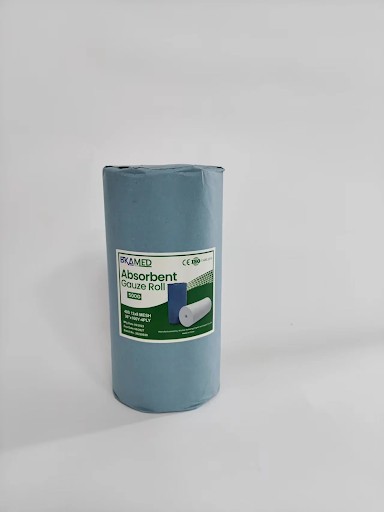
Hubei Baikang, also known as BKAMED, has made a reputation for itself as one of the most sought-after places for institutions requiring gauze rolls bulk packaging solutions. Founded in 2010 and based in the medical textile capital of Hubei Province, Baikang has expanded its operation scale to cater to massive demand from distributors and governments all over the world.
-
Overview and Production Infrastructure
The production footprint of BKAMED is dominated by a high degree of vertical integration. The fact that this is a relatively larger assembly plant means that almost all stages of production are handled right from cotton processing right down to sterilization before release into the market. This gives a degree of uniformity which is otherwise lacking.
-
Gauze Roll Product Portfolio (Capacity & Customization)
The factory makes different bulk sizes of gauze roll specifications based on the widths and lengths as required by the trauma kits. The product is made to cater to the demand of bulk orders involving more than one container capacity. There are customizable designs based on the OEM model and the mesh density.
-
Quality Systems and Certifications
International standards are strictly followed in the BKAMED operation. The company is ISO 13485 certified, which ensures that their management system is compatible with medical safety requirements. Also, their products are labeled with a CE mark and meet international requirements for easier entry into regulated markets.
-
Export Experience and Institutional Availability
With their reach in over 70 countries, BKAMED understands the intricacies involved in the global medical trading process. BKAMED often handles NGO tender and hospital group contracts. In regard to their paperwork and the ability to navigate the shipping rules and regulations, they are a trustworthy firm for the contract involved in the supply of the long-term gauze roll.
| Pros | Cons |
| Full vertical integration ensures raw material control | Newer brand compared to the oldest giants |
| Highly competitive pricing for institutional tenders | Focus is primarily on high-volume B2B |
| Strong expertise in complex export documentation | Less brand recognition in the B2C retail sector |
| Flexibility in OEM and custom packaging | |
| Proven track record with NGOs and relief programs |
2. Winner Medical Co., Ltd.
Winner Medical can be said to be the biggest and best-known company competing in the Chinese medical cotton sector. The company, founded in 1991, has made countless innovative technologies in both non-woven and woven cotton. They are the biggest, with eight huge production facilities to cater to the worldwide medical sector.
-
Overview and Manufacturing Footprint
The size and nature of the company, Winner Medical, are simply staggering, employing over 13,000 people. These factories incorporate the most advanced robotic automation to prevent human errors and are able to guarantee a specific weight distribution for each and every roll of their gauze products. They also specialize in the “Purcotton” brand.
-
Gauze Roll Product Offering (Capacity and Customization)
The manufacturing capability is designed to accommodate the largest healthcare organizations in the world. They have gauze rolls bulk in almost all possible sizes. They have special production lines for X-ray detectable gauze as well as high-absorbent surgical gauze rolls. This capability to produce according to customized specifications is the key reason why they dominate the current marketplace.
-
Quality Systems and Certifications
As a leading company in their niche, Winner Medical has obtained FDA, CE, and Japanese Ministry of Health certification. Their quality management system undergoes periodic audits by international organizations, thus meeting a high level of sterilization and fiber purity.
-
Export Experience and Institutional Supply
Winner Medical’s products are sold in over 110 countries. In fact, it is the go-to supplier for the most elite hospitals and pharmaceutical chains in the world. As for medical organizations that are looking for gauze roll products in the biggest possible quantities and of the highest prestige, Winner is where it all begins.
| Pros | Cons |
| Unparalleled production capacity for global needs | Premium pricing compared to smaller factories |
| Highly advanced R&D and proprietary technologies | Communication can be slower due to corporate size |
| Comprehensive global certifications (FDA, CE, Japan) | Minimum order quantities (MOQs) are very high |
| Integrated supply chain from field to factory | |
| Exceptional brand reputation and trust |
3. Zhende Medical Co., Ltd.
Zhende Medical was established in 1994 as a publicly listed company and has since acted as the cornerstone in the medical dressing industry. They are focused on making a wide ecosystem in surgical consumables wherein gauze roll is an essential element of their wound care portfolio.
-
Overview and Manufacturing Footprint
With a total work force of almost 8,000 employees, with a big, sophisticated manufacturing infrastructure in Shaoxing, the company, Zhende, has invested hugely in smart factory technologies. Their production lines are highly digitized, supported by real-time monitoring quality and output. This ensures that gauze rolls bulk orders are fulfilled to mathematical precision.
-
Gauze Roll Product Portfolio (Capacity & Customization)
Zhende produces an incredibly high volume of medical dressings every year. Its gauze rolls bulk offerings are categorized as both sterile and non-sterile products, with options for ply and mesh count. They also extend broad private label services to global medical distributors who need different regional packings.
-
Quality Systems and Certifications
The company has ISO 13485, CE, and FDA certification. Quality compliance is reflected through their laboratory testing facilities where the company tests each batch of the bulk rolls of gauze. This testing involves the microbial load and the tensile strength.
-
Export Experience and Institutional Availability
Zhende is strongly established in the European and North American markets. They often take part in the national healthcare procurements in China and internationally. This logistical know-how enables them to cope with complicated healthcare chains and deliver the bulk shipments of the gauze roll orders on time during times of global turmoil.
| Pros | Cons |
| Advanced automation and smart factory capabilities | Strict focus on high-volume standardized items |
| Publicly listed company with transparent operations | Lead times can be long during peak demand |
| Wide variety of complementary surgical products | Complex corporate hierarchy for small buyers |
| Reliable quality across massive batch sizes | |
| Strong financial stability for long-term contracts |
4. Allmed Medical Products Co., Ltd.
There are very few suppliers in the Chinese market that can successfully challenge the position held by Global Medikit, a company which has, for over 17 years, been a leading medical dressing exporter from China. Global Medikit was formed in 1997.
-
Overview and Manufacturing Footprint
Allmed has six main production facilities and has more than 4,500 employees. The company has designed its facilities to be “clean room” compliant, as required in the medical sector. It should be noted that environment control is important in the gauze rolls bulk production process since the rolls will be exposed to the environment before the sterilization process.
-
Gauze Roll Product Portfolio (Capacity & Customization)
They also have a focus on the classic methods of wound care and an enormous production of absorbent cotton products in gauze rolls in a wide range of packaging options such as gauze roll packaging in zigzags and jumbo gauze for processing. Their customization team has ample knowledge of pharmacopeial packaging options such as USP and EP.
-
Quality Systems and Certifications
Allmed are ISO 13485, CE, CNAS-certified. They have been continuously rated as the top exporter because they passed the very rigid quality audits of European and American healthcare providers. Testing of their gauze rolls bulk for fiber shedding and linting is done as a matter of routine.
-
Export Experience and Institutional Offer
Serving over 70 countries, Allmed is a veteran of international medical trade. They have profound know-how about the required regulatory pathways on different continents, which reduces the risk for institutions when importing gauze rolls in bulk at scale.
| Pros | Cons |
| Deep understanding of Western regulatory standards | High focus on export leaves less room for local flexibility |
| High-capacity intelligent production lines | Primarily geared toward very large distributors |
| Reliable consistency over long-term contracts | Customizations may require substantial volumes |
| Experts in global logistics and shipping | |
| Vertical integration of the production chain |
5. Hubei Qianjiang Kingphar Medical Material Co., Ltd.
Kingphar Medical is located in Hubei Province and has a long history of manufacturing going back to 1954 when they started making handcrafted products. They are now known to be one of the most cost-effective suppliers for gauze rolls bulk due to their proximity to raw material sources and efficient industrial models.
-
Overview and Manufacturing Footprint
Kingphar operates from a large facility that has its own weaving and bleaching lines. By maintaining this process in-house, they are able to provide gauze rolls in bulk, which are free of hazardous chemical residues. Their staff consists of more than 500 members who focus on surgical dressings only.
-
Product Portfolio: Capacity & Customization Gauze Roll
Kingphar manufacturing exceeds over 800 containers of medical supplies annually, which constitutes it as a “powerhouse” for high-turnover SKUs. It offers an array of gauze roll formats, from high-density mesh for more specialized surgical uses to large jumbo rolls for industrial buyers.
-
Quality Systems and Certifications
Kingphar acquired ISO 13485 and CE certifications relatively early, which shows their adherence to global standards. The company’s production floor is maintained well in accordance with GMP standards, in which all gauze rolls are produced in a clean environment.
-
Export Experience and Institutional Supply
It has a long history of providing for the European and South American markets. Kingphar is generally the choice of procurement officers who have tight quality parameters to meet, as well as tight budget constraints for gauze rolls in large quantities.
| Pros | Cons |
| Excellent balance of cost and quality | Less focus on advanced “smart” technology |
| Direct control over weaving and bleaching | Product range is focused mainly on traditional gauze |
| Large monthly output for consistent supply | Branding is more industrial and less “retail-ready” |
| Proximity to cotton sourcing reduces lead times | |
| Strong compliance with GMP standards |
6. Suzhou Sunmed Co., Ltd
Suzhou Sunmed is an ever-evolving and diversified company that has been operating within the medical sector since 1993. The company is recognized as being very responsive and flexible and as having the capacity to offer a range of products within the healthcare industry aside from producing gauze rolls.
-
Overview and Manufacturing Footprint
Sunmed has a large manufacturing plant that covers 8,000 square meters and emphasizes warehouse and logistics management. This kind of infrastructural base is appropriate for a high turnover rate of medical consumables. They have adopted modern manufacturing technologies that manufacture gauze rolls bulk as demanded by modern hospitals.
-
Gauze Roll Product Offerings (Capability and Customization Capability)
Even so, they have flexible OEM services, and it is here that Sunmed stands out. They can supply their gauze rolls bulk with special labeling and packaging arrangements that are suitable for hospital ward distribution. They currently have annual sales of more than $35 million, and this shows their thriving production level.
-
Quality Systems and Certifications
Sunmed was one of the early local suppliers that received the more modern CE certification, which is an important barrier for most companies. They also possess registration for FDA and ISO 13485, ensuring that their gauze roll bulk meets global medical market standards.
-
Export Experience and Institutional Supply
The company also caters to more than 60 different countries and is often contracted by the purchasing entity of government bids. Their experience with the likes of Target and Tesco gives them an insight into the quality assurance they would require as an institutional buyer.
| Pros | Cons |
| Early adopter of the rigorous CE (MDR) standards | Mid-sized compared to the Hubei giants |
| Exceptional flexibility in OEM and retail packaging | May lack the deep vertical integration of Winner |
| Strong presence in both hospital and retail markets | Slightly higher unit costs for small orders |
| Diversified product line for one-stop sourcing | |
| High responsiveness to customer requirements |
7. Yangzhou Goldenwell Medical Devices Factory
Goldenwell was founded in 1988, and it is one of the oldest established factories for producing health-related devices in the Yangzhou region. Decades of experience have allowed Goldenwell to set up an efficient platform for bulk production of the gauze rolls.
-
Overview and Manufacturing Footprint
The company is expert in manufacturing various disposable healthcare products. Their long experience within this healthcare industry gives them the benefit of having steady and trusted suppliers for raw materials, thereby providing a price-stable source of supplies for their clients. Their aim is a steady, reliable production stream, and they therefore do not emphasize fast and unstable expansion.
-
Gauze Roll Product Portfolio (Capacity and Customization Options)
Goldenwell has different types of gauze rolls in bulk, such as rolls that differ in width and yarn count. They are also famous for their surgical series, which comprises rolls for direct contact with the wound and are sterile. Their flexibility while customizing the rolls has its usefulness, such as meeting physiological needs.
-
Quality Systems and Certifications
They hold standard certifications such as ISO 13485 and CE. Their manufacturing processes are designed to meet the British Pharmacopoeia standards, normally the benchmark for the quality of gauze rolls in international tenders.
-
Export Experience and Institutional Supply
Now, with products all over the world, Goldenwell is regarded as a “safe” choice by procurement officers. Their market covers South America, Eastern Europe, and Southeast Asia, where prices are reasonable and delivery of gauze rolls bulk is timely.
| Pros | Cons |
| Decades of manufacturing experience and stability | Older infrastructure in some production areas |
| Competitive pricing for budget-conscious tenders | Less focus on the premium North American market |
| Reliable lead times and order fulfillment | Product innovation is slower than newer competitors |
| Broad range of complementary disposable items | |
| Well-established reputation in emerging markets |
8. Topwin (Hubei) Medical Products
Topwin has been an exclusive maker of gauze and medical bandages since 1999. It is based in Wuhan, the province of Hubei. It is situated in the center of the whole cotton processing market in the global context, providing an entirely distinct advantage in mass-producing gauze rolls.
-
Overview
They have three major production facilities, encompassing more than 100,000 square meters. They employ more than 600 personnel and have the manpower to deal with large-scale tasks, like special folding and packaging, which cannot be effectively done by machines. They are true specialists because of their focus on the gauze roll product.
-
Product Line for Gauze Rolls (Capacity and Flexibility)
Their product line is dominated by the production of medical gauze and personal protection items. They supply rolls of bulk gauze in both woven and non-woven types, according to the various demands in the healthcare industry. Their production capacity is substantial, and they are able to handle orders of multi-millions for mass trauma readiness.
-
Quality Systems and Qualifications
The company has accreditations from ISO 13485. The company checks its quality control process from counting the threads of fabric up to weighing every finished roll of gauze. The company in this way ensures it has a product which works effectively when used during homeostasis in surgery.
-
Export Experience and Institutional Support
Topwin has more than 50 export destinations. They are quite involved in supplying medical consumables to hospitals and labs. They have been operating for almost 40 years in textile, which has made them a reliable partner for companies that purchase gauze roll bulk.
| Pros | Cons |
| Deep specialization in gauze and bandages | Highly manual processes can lead to variance |
| Massive workshop area for large-scale orders | Branding is focused on the Hubei regional hub |
| Strong presence in the Hubei textile ecosystem | Limited diversification into high-tech wound care |
| Competitive pricing due to scale and location | |
| Reliable supply of raw and bleached gauze |
9. Ningbo Medelast Co.,
Ningbo Medelast is an expert in providing products and has established their reputation in the market with quality bandages and disposables in the last 20 years. They deal with the upscale market, where quality and documentation matters the most.
-
Overview and Production Footprint
Medelast has invested in the latest weaving technology, which enables the company to produce at higher speeds and have consistency in their weaving. Their strengths are in the area of gauze roller bandages and elastic types. Their factories are modern and meet the strict standards of the European and USA markets.
-
Gauze Roll Product Portfolio (Capacity and Customization)
Even though they manufacture standard gauze rolls on a bulk scale, they have specialised tubular and elastic gauze too. This makes them the perfect supplier to have as a partner, especially if one needs both standard absorbent gauzes and advanced stretch gauzes. They are quite flexible regarding MOQs, which is highly unlikely given their quality.
-
Quality Systems and Certifications
The company is also in conformity with the requirements for MDR (CE) and FDA. Their emphasis on quality assurance is also strict, with regular tests for biocompatibility and skin sensitivity. Thus, it is ensured that the bulk of the gauze rolls is safe for the patient.
-
Export Experience and Institutional Availability
The products are well distributed in the USA and the European markets. They are well-versed in the legal process for brand registration and trademarks in foreign markets, which gives a convenient experience for the distributors in creating their brand for the gauze rolls.
| Pros | Cons |
| High-end machinery for superior fabric quality | Higher price point than the Hubei factories |
| Low MOQs compared to industry giants | Smaller overall capacity for raw jumbo rolls |
| Expertise in the USA and European regulatory markets | Geographically distant from the cotton core in Hubei |
| Reliable testing for biocompatibility and safety | |
| Strong focus on innovation and new materials |
10. Yangzhou Super Union Medical Material Co., Ltd.
Super Union was founded in 2003 and is now one of the leading companies in the Yangzhou area, specializing in surgical dressing production. They emphasize mass production and adhere to state and global standards.
-
Overview and Manufacturing Footprint
The company occupies an area measuring 20,000 square meters and is utilizing multiple high-capacity production lines. Their factory layout is appropriate for mass production of high-turnover items because they have optimized a process which enables them to get a roll of gauze from cotton with minimal waste and maximize efficiency by reducing steps and increasing speed.
-
Gauze Roll Product Line (Capacity & Customization)
Super Union also packs gauze rolls, both sterile and non-sterile, in bulk. This product meets the requirements of the British Pharmacopoeia (BP93), which is essential for most tendering processes. They have also gained fame for offering clean and properly packed rolls that are ready for institutional distribution.
-
Quality Systems and Certifications
They have quality certifications such as ISO 13485 and CE. This is because they comply with all relevant national laws and regulations, ensuring high transparency in the production stage. Each bulk package of the gauze rolls is trackable, which is an important aspect when purchasing products at hospitals.
-
Export Experience and Institutional Supply
Their main markets for exporting their products are America, Europe, Africa, and the Middle East. This rich experience equips them with expertise to tackle diverse regional requirements related to shipping and labeling of their products. They are a sound mid- to large-scale manufacturer of gauze rolls bulk.
| Pros | Cons |
| Strong compliance with BP93 pharmacopeia | Brand is less known in the premium market segment |
| Reliable traceability and quality documentation | Competition with larger Hubei firms on pricing |
| Good presence in diverse global markets | Fewer specialized “advanced” wound care products |
| Modern, clean production environment | |
| Efficient lead times for standard gauze orders |
What Are Gauze Rolls?
Gauze rolls bulk products fall into a particular category of standardized and highly consumable products. These products belong to the non-implant and low-cost products category. They have a predictable rate of usage and enjoy broad acceptance. The purchasing and inventory team considers them a basic inventory item. These products must be available even during adverse mixes.
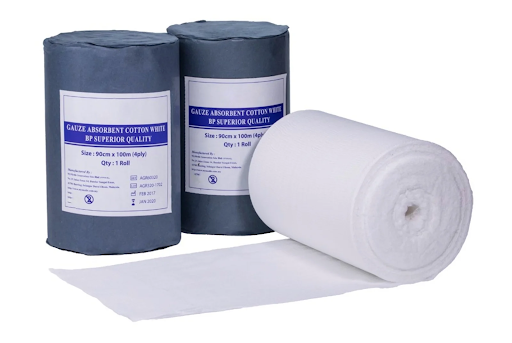
While gauze rolls are a simple product from a clinical perspective, there is a degree of complexity from an operational point of view. Product is ordered in volume, whether directly or through a contracted relationship, and this ripples through an entire institution fairly quickly because more than one department is reliant on a smooth process.
This is why bulk gauze rolls are normally a candidate for a manufacturer with stable capacity, stable product characteristics, and sound documentation procedures.
Found in the purchasing systems, they are normally listed under either “wound care” or “medical disposables.” This is mainly because forecasting, as it relates to their consumption, is done on past consumption patterns and not on episode-related demand. Therefore, it is more about reliability and cost predictability and, of course, standardization.
Gauze Rolls vs Gauze Pads vs Bandage Rolls
Although it would seem that both products are similar, they have different purposes and procurement categories. It is on this basis that the explanation as to why Gauze rolls bulk is procured separately in higher quantities can be established.
| Product Type | Primary Function | Procurement Classification |
| Gauze rolls | Dressing, packing and fixation support | Core wound care consumable |
| Gauze pads | Direct wound coverage and absorption | Procedure based consumable |
| Bandage rolls | Compression or support | Ancillary or orthopedic supply |
A gauze roll is preferred for flexibility and extendability, which can be adjusted by the practitioner without the need to change products. Gauze pads, on the other hand, are precut and used per procedure, and bandage rolls may be elastic/cohesive and selectively used.
Products like stretch gauze or gauze roller bandage products tend to be sorted together in the context of bandaging solutions rather than gauze products. Likewise, products such as bordered gauze tend to be sorted in terms of advanced dressing products. Such is the reason behind gauze rolls bulk being a SKU rather than an SKUs.
Core Institutional Applications
The versatility offered by Gauze rolls bulk explains why these products can be found in almost all medical settings. The uses of Gauze rolls prepare more than just basic wound care.
-
Surgical Dressing & Packing
In the operating room, Gauze rolls are employed. These are applied for the purpose of packing, fluid absorption, and secondary dressing support. The fact that the material is amenable to cutting to length renders it applicable for different incisions. As the demand is constant, the bulk of Gauze rolls is to be found near the operating rooms.
-
Wound Care and Dressing Fixation
The gauze rolls support routine dressing changes and wound care across inpatient wards and outpatient clinics. They are usually used in combination with fixation products, sometimes together with a gauze wrap or secured by Best medical adhesive tape in applications that require added stability. This flexibility reduces the need to stock multiple niche products.
-
Emergency and Trauma Response
The speed and adaptability of emergency departments very much rely on gauze rolls that allow for quick bleeding control and temporary stabilization during trauma care. Their role here is less about precision and more about immediate availability, reinforcing why Gauze rolls are stored in high quantities in emergency supply rooms.
-
NGO and Field Hospital Kits
In humanitarian and mobile care, simplicity of supply is important. Gauze rolls are light, compact, and useful across numerous different scenarios. When combined with a simple item like a cotton bandage wrap, they make up the backbone of field kits designed for indeterminate clinical conditions and limited resupply options.
Why Gauze Rolls Are a High-Consumption SKU
At this point, the reason why Gauze rolls bulk consistently rate as the most consumed type of medical material has a lot to do with a mix of different circumstances surrounding their use.
- Continuous usage: They are used daily across departments, and not procedure and specialty-specific.
- Versatility: It has the ability to serve as a material for dressing, packing, fixation, and
- Cost Efficiency: “Low cost per unit helps to purchase large quantities without straining financial resources.” This point refers
- Longer shelf life: When stored adequately, rolls of gauze have a longer shelf life.
Let’s consider certain aspects related to inventory. Unlike advanced dressings that experience sporadic demand, Gauze rolls demand moves on steady curves, which makes these products ideal for volume contracts and centralized strategies for purchase. At the same time, one has an immediate demand impact due to supply, which, in turn, increases the importance of supply sourcing.
From a practical point of view, the Gauze rolls are at the focal point of medical requirements and logistical planning. Gauze rolls may not highlight anything at the unit level, but at a macroscale, they make a difference in storage requirements, shipment organization, and vendor management. This explains why the Gauze rolls bulk purchase category is not treated as a commodity.
Materials Used in Gauze Roll Bulk Manufacturing
When evaluating Gauze rolls bulk, materials are where performance, safety, and long-term reliability begin. Clinical outcomes may depend on how a gauze roll is used, but procurement outcomes depend on what it is made from.
Medical-Grade Cotton as Primary Material

Medical-Grade cotton is the benchmark for the weight of Gauze rolls, and for many obvious reasons. This material provides a combination of the following desirable properties, which are difficult for other materials to offer: absorbency, softness, breathability, and affordability. In regard to weaving and rolling speed, hospital-grade cotton is also easy to work with.
In hospital procurement, cotton-based gauze is preferred as it meets the requirements of the international pharmacopoeia. Although cotton may seem very basic, not all cotton materials are the same after processing the material into gauze.
-
Fiber Length and Absorbency Performance
The length of fibers has an important influence on practical performances of Gauze rolls. The longer cotton fibers lead to greater strength of yarn, and consequently, more equal gauze is produced. It enhances absorbency properties without developing lint or shedding of fibers.
The shorter fibers may be found within lower quality cotton and can lead to lower tensile and absorption properties due to inconsistencies. Within high volume settings, these discrepancies are easy to spot. Consequently, the companies creating the Gauze rolls bulk are likely to focus on either long-staple cotton or a blend.
Absorbency can mean more than the amount of fluid a gauze can hold. It can also mean how fluid is distributed in a material. Uniform fiber length is one indicator of good and consistent absorbency.
-
Techniques of Bleaching and Residue Limits
Bleaching is necessary when it comes to raw cotton used in making products for medical functions. Bleaching helps remove natural colors and oils found in cotton. This results in cotton appearing clean and white like the expected Gauze rolls bulk. But it is important to focus on the process alongside the end results.
The manufacture of medical products would involve controlled oxygen or hydrogen peroxide bleaching. These methods are less likely than older chlorine techniques to leave harmful chemical residues. The level of chemical residues is also carefully controlled because even traces of substances within the chemical group could irritate or inhibit wound healing.
From a buying point of view, effective bleaching contributes to patient safety and regulatory requirements. This also impacts the shelf life because effective bleaching contributes to ensuring the Gauze rolls bulk does not go to waste.
-
Whiteness Index and Pharmacopeia Standards
The whiteness of the gauze is more than just aesthetic. There is even an assessment of whiteness through the whiteness index, described through USP, EP, and BP standards of pharmacopeias. For Rolled Gauze, bulk is added if it meets the required standards.
Having a standardized whiteness index also facilitates the process of viewing by the doctor. This is because blood, exudate, and other contaminants can be greatly distinguished by the naked eye in a white background. This fact explains the popularity of cotton, in spite of the introduction of other materials.
For the regulated market suppliers, recording the results of whiteness testing is needed. This information is often viewed together with absorbency and microbial load when analyzing technical files in the assessment of rolls of Gauze bulk.
Alternative Materials (Limited Use Cases)
Despite the prevalence of cotton, there are some producers exploring other raw material alternatives. These alternatives are not yet mainstream and are likely limited to niche uses.
Blends of cotton and polyester are the commonly available alternatives. They can be employed to either improve their tensile strength or cut down on cost, depending on the application of the garment. But it has been found to impact the absorbency of the fabric, and so it has limited acceptance at present at the hospital.
Products that are positioned nearer to a cotton strip bandage wrap are more likely to be compatible with these blends, especially if compression or support is their end-use. However, even for general abdominal care, blended Gauze is a rare substitute for cotton-based Gauze rollbulk purchase orders.
-
Risks of Synthetic Fibers
Synthetic fibers also pose challenges that procurement professionals vigorously seek to avoid. These challenges include reduced absorbency, retention of heat, and possible production of lint. Moreover, synthetic materials also tend to act erratically during the process of sterilization.
Secondly, there is a compliance issue. Some markets may have more stringent documentation requirements depending on whether materials are fully synthetic or blended. This implies that fully synthetic gauze products are not common in institutional settings given that rolls of gauze bulk are expected to comply with universal standards.
Material Sourcing Risks That Buyers Should Monitor
While cotton is more widely available, there are also some challenges involved in procuring it. For those purchasing Gauze rolls in bulk, it is important for buyers to consider the above risks.
-
Cotton Origin Variability
Variations in cotton quality exist region by region because of factors such as climate, agricultural techniques, and cotton harvesting techniques. The length of the cotton fibers, cleanliness, and moisture may differ based on origin. Good manufacturers can overcome such effects by evaluating the suppliers and blending cotton.
If not controlled, origin variation can lead to variation in the gauze texture and functioning of the Gauze rolls bulk in the facilities. Thus, the variation will eventually hinder the process of standardization of Gauze rolls in the facility.
-
Batch Inconsistency
Regardless of the cotton of origin’s control, it is possible that variation exists from batch to batch. This variation in fiber maturity or processing parameters affects yarn strength and absorbency. Good quality control programs must include incoming material checks and batch testing.
In the context of institutional buyers, the problem of batch inconsistency could manifest in machines producing excess linting or non-uniform roll density. Such problems might not completely hinder use, but they could generate hassles in the healthcare environment concerning the bulk of Gauze rolls.
-
Price Volatility
Cotton, being a globally traded commodity, has varying commodity prices depending upon climatic, trade, and demand factors. This directly influences the cost structure of bulk orders of Gauze rolls.
A company with diversified sourcing and inventory buffers has an edge when it comes to dealing with these fluctuations. Buyers need to recognize how suppliers treat raw material pricing because of its effect on contract stability and future pricing.
In bulk gauze roll production, material is more than a resource; material is a guarantee of quality or reliability on a mass-produced scale. Medical-grade cotton is still at the top of the list because of its conformance with requirements from a medical point of view, regulatory environments, and related logistics from a material supply chain point of view.Material Choices and Supply Chain Risks
Gauze Roll Manufacturing Process
But what goes on behind the scenes of every box of Gauze rolls bulk? There is a very precisely controlled manufacturing process at work, and it is intended to be so. Because, as much as the end product may appear to be straightforward, any hospital-quality gauze rolls are obviously a complex process, consisting of a whole series of stages, and it is these that are discussed below.
Raw Cotton Processing
The production of Gauze rolls bulk begins much before the actual weaving process of Gauze is done. The compressed bales of cotton reach the factory, which needs proper processing before qualification for a medical standard is obtained at this level of production. This phase involves removal of impurities from the fibers right before yarn production.
-
Cleaning and Contaminant Removal
“Raw cotton contains natural debris, such as seeds, dust, plant fragments, and oils, which need to be removed altogether prior to their usage as medical materials. Cotton cleaning systems combine mechanical unbulking, air filtration, and controlled washing as methods.”
Successful removal of contaminants ensures minimal risk of contamination of Gauze rolls bulk with foreign material. Additionally, equipment is protected from potential contamination-related damages. This process is commonly monitored and regulated in a controlled manufacturing setting.
The process of drying is an important step after preparation of Gauze material. This is carried out with the intention of removing all excess moisture from the material before
-
Fiber Alignment and Carding
In the subsequent stage, cotton fibers are aligned in the process of carding. Carding is basically the manipulation of fibers in order to align them in a specific direction. Proper fiber orientation enhances the strength of the resulting yarn. Alignment of fibers in the proper manner reduces deficiencies in the gauze fabric.
Purse string carding directly impacts absorption and texture. Improper alignment results in non-uniform gauze formation. This may cause inconsistent fluid absorption patterns. For manufacturers providing bulk Gauze rolls, precision at this stage is crucial to achieve consistency across bulk production.
Weaving and Gauze Formation
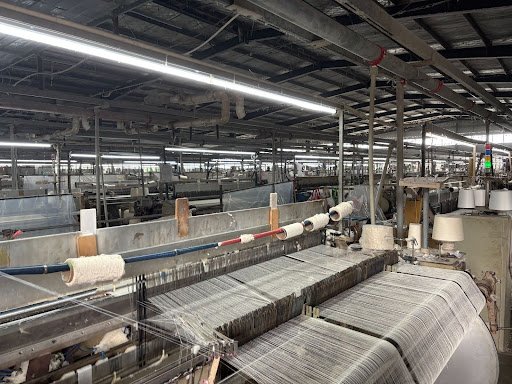
After carding, spinning takes place, where fibers are turned into yarn and gauze fabric is produced by weaving yarn into fabric, which gives a defined bulk that determines how the product behaves during medical procedures.
-
Thread Count Standards
The thread count represents the number of threads within a given area of the gauze fabric. A lower thread count provides an open weave pattern of threads. This enhances fluid absorption and breathability. Higher thread counts provide increased strength. They could limit fluid absorption.
The manufacturers weigh these important factors as per their targeted uses. The buyers for institutions demand that the Gauze rolls bulk cater to the threading specifications commonly known as thread counts that conform to certain standards set by pharmacopeia and in-house standards for purchasing.
-
Mesh Density Control
By mesh density, it refers to how close or far apart the threads are woven. Standard mesh density provides a predictable level of absorption and durability. Non-standard mesh density may create hotspots or inconsistencies in performance.
Automatic looms also have the ability to monitor mesh density on a real-time basis. They alter the tension and mesh according to needs. Such control is necessary for mass production of the Gauze Rolls Bulk. Differences might impact thousands of units.
-
Uniformity Testing
While weaving, the sample is drawn at predetermined intervals to check uniformity. The purpose of these tests is to ensure that measurements of width, thickness, as well as the resistance of the fabric to weaves, are within specified limits.
Uniformity tests of the fabric assure both reliability of clinical data and confidence in purchasing. Consistent fabric means consistent dimensions of the rolls and a predictable usage rate of Gauze rolls bulk.
Slitting, Rolling, and Length Control
After weaving, a whole sheet of fabric of a bigger size gets manufactured and turned into rolls. This stage turns raw fabric into standard forms of gauze.
-
Automated and Semi-Automated Systems
High-capacity producers use automated slitting and rolling equipment in their production process. Such equipment cuts the fabric accurately into a given width and then rolls the fabric into predetermined lengths.
Semi-automated systems will also be utilized in smaller institutions, although this will provide a higher degree of variability. For institutional supply contracts, automated production is often viewed favorably for Gauze Roll bulk because it is more repeatable.
-
Tolerance Standards
Tolerance specifications set permissible variation in roll length, width, and weight. This results in precise specifications to ensure that each roll complies with specifications and makes inventory control easy.
Excessive variations can cause discrepancies during inspection or tendering. This is why good manufacturers are documenting tolerance controls as part of their quality system for Gauze rolls bulk.
Sterilization
Not all gauze rolls are sterilized, but when it is a requirement, it becomes one of the most crucial steps in the process. Sterilization methods depend on the market and the use of the product.
-
EO Sterilization
Ethylene oxide (EO) sterilization is generally employed on Gauze rolls bulk destined for use in a sterile context. It is a low-temperature process that is also compatible with cotton materials.
There is a need to control concentration and exposure time as well as aeration during EO sterilization. The level of residuals is also controlled. There is a need for a validation report.
-
Gamma Sterilization
Gamma radiation has high energy, which destroys microorganisms. Gamma radiation has good penetration power and reliability, but it may cause problems if its processing variables are not sufficiently controlled.
In some companies, gamma sterilization is not applicable to the bulk Gauze roll due to possible impacts on fiber strength or absorbency. In those cases, validation is extensive to guarantee compliance with specifications.
-
Non-Sterile Production Controls
In the case of nonsterile gauze, the emphasis in their production is not within the realms of sterilization but rather microbial load control. Cleanroom conditions, air currents, and hygiene practices work towards preventing contamination
Non-sterile Gauze rolls bulk, on the other hand, still needs to comply with the microbial limits set by pharmacopeia. This helps to ensure the safe treatment of general wounds.
Final Inspection and Batch Release
Before shipping, inspected gauze rolls are reviewed for completion of all steps before them. This ensures that all preceding steps had adhered to specified requirements.
-
Absorbency Testing
Absorbency testing evaluates the speed of fluid absorption as well as the amount of fluid that gauze can absorb. Samples are analyzed in a standardized manner to guarantee a certain level of performance.
For institutional buyers, absorbency results have been considered one of the key indications of functional quality, particularly in bulk Gauze rolls for wound care and surgical use.
-
Visual and Dimensional Testing
Inspectors verify if the rolls have visible defects, like irregular edges, loose winding, or color variation. The dimensional checks follow with verification for width and length.
The inspections prevent non-conforming products from reaching the end user, hence smooth acceptance during incoming quality checks for Gauze rolls bulk.
-
Traceability Documentation
Each lot is given a number in order to link its raw materials, production records, and test results together. Traceability documentation aids in recalls, audits, and also regulatory inspections.
For long-term supply agreements, strong traceability practices reduce risk and reinforce credibility on the part of the supplier. They are absolutely indispensable if one is into bulk procurement of high-volume Gauze rolls.
Quality Control Standards for Bulk Gauze Rolls
Quality control is where Gauze rolls bulk move from being simple textiles to regulated medical consumable products. While quality control issues never manifest directly as quality problems within institutional supply chain segments, they creep up covertly as discrepancies, rework, complaints, and/or measurement of extra time. Quality control factors are as essential as manufacturing capabilities.
For hospitals, NGOs, and distributors, quality control becomes more than ensuring clinical safety. It also has aspects concerning efficiency in the procurement process, audit preparedness, and sustaining supplier trust.
In-Process Quality Checks
The quality control of the Gauze rolls bulk begins in the manufacturing process, not after the products are finished. This is one of the advantages of performing in-process quality control in the factories that produce the products. This is particularly useful in high speed and high volume production lines.
-
Weight Consistency
Each roll of gauze is expected to have a certain weight range. This weight consistency is described by stable density, as well as precise rolling and length control. Smallest weight variances may appear insignificant on the level of units, yet they have important consequences when measured over thousands of rolls.
The companies weigh the material on a routine basis as the product is manufactured. In the event of any drifting, the machines are calibrated without delay. From the buyer’s perspective, the weight becomes predictable and fewer variability issues are found during the inbound inspection of Gauze roll bulk.
-
Edge Fraying Control
The quality of the edge is another major key parameter. Damaged, uneven edges point to problems of slitting and rolling. This might get further aggravated during the processes and result in excessive fiber liberation.
The controlled edge cutting systems and maintenance of blades prevent fraying. Inspection and unwinding tests of samples often include visual checks. The edge control of Gauze rolls bulk packaging ensures structural integrity from storage to clinical use.
-
Lint and Fiber Shedding
Lint production is a common issue with gauze products. Too much fiber shedding can be a hindrance to healing and a challenge in cleaning a surgical setting. Lint detected during processing can be an indication of a problem related to fiber quality, weaving tension, or a finishing process.
The degree of shedding could be measured by shake tests or visual checks under controlled lighting. The maintenance of lint within acceptable levels is central to Gauze rolls bulk size requirements in surgical and wound care.
Finished Product Testing
After the manufacturing process is finished, finished product testing ensures that rolls of bulk gauze meet certain performance requirements as well as requirements related to health and safety. This is normally done on a sample that is representative of the batch.
-
Absorbency Rate Testing
Absorbency testing determines the rate at which the gauze can absorb a fluid. This test ensures the fiber quality, weave, and processing are coordinated.
Absorbency must be consistent for predictable clinical performance. For institutional customers, it is the value of the absorbency performance for the Gauze role, or the amount that will be absorbed, which will verify the performance consistency. Test data is normally recorded.
-
Tensile Strength
Tensile strength testing considers the amount of force applied to the gauze before it tears. This is important both at the time of application and upon removal, or any kind of change of dressings. Gauze that is too quick to tear creates inefficiencies and frustration in clinical workflows.
Tensile testing is done in both the longitudinal and transversal directions of the fabric weave. Balanced strength ensures durability without compromising softness. Reliable tensile performance is one of the factors procurement teams consider to ensure the long-term consistency of Gauze Roll lots.
-
Microbial Load Testing
For non-sterile products, microbial load testing confirms that contamination levels remain within pharmacopeia limits. Microbial load testing can also complement sterilization validation for sterile products.
Environmental controls, hygiene protocols, and controlled packaging environments combine to ensure acceptable microbial results. Purchasers buying Gauze rolls bulk for regulated markets may request microbial test data during supplier qualification.
Documentation Institutional Purchasers Should Request
Documentation makes quality control incomplete. Paperwork for Gauze rolls bulk is evidence of process discipline and compliance, not administrative overhead. Good documentation helps in audits, tenders, and long-term contracts.
-
Certificate of Analysis (COA)
The COA is an overview of the important results of tests carried out on the product. The results often include the absorbency value, the mass, the size, and the microbiology count. The COA is an affirmation of the fact that the product is truly as specified.
Institutional buyers must receive a certificate of authenticity with each delivery of Gauze rolls bulk. By using a consistent format in their certificate of authenticity, evaluation of their content becomes more efficient.
-
Lot Traceability
Lot traceability traces output back to ingredients, production date, equipment, and results of quality control testing. Should any quality problem arise, traceability helps to quickly control it.
Ideally, a traceability process will have a unique lot number and a traceability record. Traceability will be beneficial for those buying and managing several facilities because it will increase the confidence levels of the suppliers of the Gauze rolls bulk.
-
Sterilization Validation Reports
In cases where the gauze rolls are supplied to the user sterile, the sterilization validation reports are important. This shows the sterility of the sterilization procedures.
The validation reports contain cycle values, biological indicator challenges, as well as residual tests where appropriate. These reports have been requested by buyers importing the rolls of Gauze bulk into the regulatory environment.
In terms of institutional delivery chains, quality control is more aligned toward preventing variability rather than detecting defects. This is because quality is ensured through in-production testing, finished products testing, as well as documentation.
When the suppliers apply these standards, rolls of Gauze bulk will be less of an issue. It will become an important element in forming the enterprise because it will be of superior quality. To the procurement organizations, it will ensure smoother operations.
Global Compliance and Regulatory Pathways
In institutional buying, compliance is where the shopping decisions get approved or disapproved. In this case, with the Gauze rolls bulk, hospitals, NGOs, and distributors work under proper regulatory environments, and failing in any way with respect to these environments could result in delayed imports, disapproved tenders, among other risks.
ISO 13485 and Supplier Qualification
ISO 13485 is the starting point of quality systems in the manufacture of medical devices. In the case of Gauze rolls bulk, ISO 13485 certification of the manufacturer ensures that it has documented processes regarding design control, production, quality control, and corrective actions.
ISO 13485, from a procurement perspective, makes supplier qualification easier. This indicates that the manufacturer is aware of the medical regulatory expectations and that records are maintained in an organized manner. It becomes particularly important during audits or when tender evaluations or third-party inspections are required.
However, certification alone is not sufficient. The buyers typically review how ISO 13485 is implemented in practice, including internal audits, corrective action histories, and management review records. A properly implemented quality system reduces variability and supports consistency in long-term contract delivery of Gauze rolls bulk.
CE Marking and EU MDR Classification
Because of access to the European market, CE marking under the EU Medical Device Regulation (MDR) is mandatory. In general, gauze products fall into Class I or Class I sterile if sterilization is involved. Even for these lower-risk classes, the compliance requirements are very specific and must be documented.
The CE marking is an assurance that the rolled bulk of gauzes complies with the essential requirements regarding its safety and performance. Besides, there is the application of the relevant harmonized standards and the obligation to conduct post-market surveillance. In the case of the sterilized product, there is oversight by the notified body.
The EU MDR requires more documentation compared to former directives. In most cases, buyers considering Gauze rolls imported by purchasing in bulk to be marketed in the EU examine technical files, declarations of conformity, as well as labels for compliance prior to accepting suppliers. Suppliers who do not meet MDR alignment can expect delayed shipments and exclusion from the market.
FDA Registration for Imports in the United States
For market access in the U.S., Gauze rolls bulk falls under the regulatory authority of the Food and Drug Administration as a medical device. Although most gauze products are exempt from pre-market notification, FDA registration is mandatory.
-
The Establishment Registration
Manufacturers and exporters providing imports into U.S. markets must perform annual establishment registrations with FDA. This step involves identifying a facility and proving regulatory responsibility.
Consignment:emaker: When customers purchase products, valid establishment registration ensures a basic level of verification. Incomplete or expired registration can lead to holds on U.S.-bound shipments, despite quality levels that meet expectations.
-
Device Listing
Besides the registration of establishments, there is the listing of devices by the manufacturers. Device listing enables Gauze rolls bulk to be linked to the registered facility and the way the device is categorized.
It is important to note the accuracy of device listing because inaccuracies in descriptions versus FDA records lead to customs inquiries. In fact, any buyer searching for products for the U.S. market will verify this in the supplier integration process.
Typical Common Importer Errors In current scenarios, the regulatory challenge may arise due to negligence and not necessarily due to the product being manufactured improperly. Some of the most basic importer mistakes are the name of the product being different, the credentials being outdated, or the importer of record being incorrect.
NGO, UN, and Humanitarian Procurement Requirements
Besides the commercial market, the humanitarian procurement market adds a new level of complex compliances. NGOs, the UN, and the international response agencies have their own set of qualifications for the procurement of the Gauze rolls bulk.
These frameworks, as a rule, stress the importance of transparency, traceability, and ethical sourcing. Document requirements might include factory audits, summation of quality systems, and assurance of conformity to international standards. In certain instances, pre-qualification is a requirement for the bid process.
Humanitarian buyers must also evaluate consistency in challenging environments. The rolls of bulk gauze supplied to field hospitals have to work even when stored and transported and used in different ways. This is where quality systems and consistent manufacturing processes can shine through.
Secondly, tender readiness is also an essential consideration in this regard. The tender process of the NGOs and the UN requires clear documentation, precise labeling, and submission of the documents at the right time.
Packaging, Labeling, and Logistics for Bulk Shipments
In fact, for institutional buyers, packaging and logistics matters are not secondary. To the extent the Gauze rolls are bulky, these factor directly into storage space optimization, the time required for inspection, safe shipping, and regulatory approval. Even with good product quality, improper packaging, for example, could increase the time for product clearance.
Bulk Packaging Formats
Bulk packaging is designed to protect product integrity as well as promote efficient usage of space. Since the rolls of gauze ship in such volume, it is as important to package them as it is to package products shipped in less volume.
-
Inner Wraps
The inner wraps supply the first layer of protection for the roll or small package. For non-sterile packs, these will be paper or plastic wraps. For sterile packs, the inner wrap will be a component of the sterile barrier package.
Consistency at this level is important. The quality of the inner wraps will tear or be contaminated upon handling if their quality is substandard. Good-quality inner wraps help ensure that the Gauze rolls bulk stay clean and are usable throughout storage and handling.
-
Cartons
Cartons package several inner wrapped units together. Carton integrity is an important factor, particularly in global shipments, because stacking is inevitable.
Such cartons help to safeguard the Gauze Rolls bulk against the risks of compaction and moisture. On the other hand, the cartons facilitate easy counting and inspection of the product during the receiving section.
-
Palletization Standards
Palletization refers to the process by which various commodities are stacked and consolidated onto a strong flat base called a pallet to make handling, storing, as well as moving, much easier in a single mass, possibly with the help of forklift trucks.
On the shipment level, cartons are packed on pallets as per palletization norms. These norms determine palletizing stacking height, weight limits, and stability. This is because palletization is done in the correct way, ensuring product safety and compatibility with forklift and automated warehouse systems. Bulk pallet packaging makes loading containers and freight efficiency easier for rolls of Gauze.
Labeling Requirements By Market
One of the major sources of delay in the delivery of shipments is the matter of labeling. Gauze rolls are bulky, and labels need to meet the demands of the regulatory bodies as well as the purchasing departments of the institutions they will be sent to.
-
Language Requirements
Often, there is a requirement to state product information in particular languages in various markets. This can include product names, intended usages, manufacturer information, and warnings.
Institutional buyers dealing with the distribution of their products across different countries will appreciate multilingual labels, which will limit the number of Gauze rolls that require relabeling. Compliance labels allow Gauze rolls bulk to move easily through customs.
-
Sterility Indicators
The labels on pre-rolled gauzes need to be marked accordingly if they are to be sterilized. The labels need to include sterility confirmation, method of sterilization, and date of expiration if it is to
Poor or missing indications for sterility often result in holds for inspection. Right labeling assures buyers that rolls that are part of the bulk product meet requirements for clinical use.
-
Traceability Mark
traced-back markings which can track products down to specific lots. This may involve tracing number lots, creation dates, and manufacturers.
This helps with recalls, investigations, and tracking inventory. For large volume purchases, bulk rolls of Gauze with traceability help manage quality in various facilities and inventory locations.
Shelf Life, Storage, and Transport Considerations
Another major benefit of the Gauze rolls’ bulk is the shelf life; though this relies on the correct storage and handling practices. Generally, the shelf life of most cotton-derived gauze products is quite long if stored in a dry and clean form.
The environments in which the packaged product will be stored should be clean, ventilated, and have controlled humidity. Unfavorable conditions of product packaging, even if the product meets the technical requirements, will impinge upon the usability of the product.
Transport planning also becomes essential. When there are longer transit periods, temperature differences, and potentially rough packaging, there could be issues with packaging. Clients who purchase rolls of Gauze in bulk would appreciate suppliers who are familiar with export logistics.
From an acquisitions and procurement point of view, well-controlled packaging and logistics save work in the long run. Fewer dented boxes, easier labels, and consistent pallet configuration mean easier receiving and fewer problems.
Pricing Structures, MOQs, and Contract Manufacturing
Pricing is always where the conversations in Gauze rolls bulk sourcing become most complex. Although the product is not complex, the pricing mechanism for the product is complex because it involves multi-tiered costing. To institutional buyers, an understanding of all these aspects of costing will enable the evaluation of actual offers versus short-term pricing.
Factors Influencing Bulk Gauze Roll Cost
The bulk price per unit of Gauze rolls is impacted by various interrelated variables. Each of these variables makes its own contribution, and even minor changes in any one of them can cause noticeable shifts in the end price.
-
Raw Materials
Raw cotton represents the single largest component of Gauze rolls bulk. The price of cotton keeps varying as a result of harvested outputs and weather conditions. Higher grade cotton has longer fibers and is more expensive. It has better consistency and absorption.
Companies with access to stable supplies of cotton can more easily make predictions regarding pricing. Companies which rely on spot market purchases may potentially make more favorable offers right away, yet the costs may fluctuate with the presence of any disruptions in the market.
-
Sterilization
One cost layer added to the bulk packaging of Gauze rolls by sterilization is distinct. This is because whether using EO or Gamma sterilization, validation, monitoring, and documentation are all applicable. These aspects add to operational and administrative costs.
The cost for rolls of gauze that are meant for sterility is generally greater than those that are non-sterile. This factor influences the procurement process, and the hospital buys according to that.
-
Packaging
The costs of packaging increase rapidly with volume in bulk packages. Packaging materials, such as rolls, cartons, pallets, and reinforcements, are factors in determining final costs. For rolls of Gauze in bulk packages, protection and space considerations must be addressed. Export packaging may cost more than the local varieties, especially if it has to be shipped over long distances. When buyers compare quotes, they need to determine whether the packing measures correspond.
-
Compliance Costs
Another factor in pricing, often overlooked, is regulatory compliance. It takes resources to ensure ISO-compliant systems, carry out the writing of technical documentation, and facilitate audit processes. These expenses factor into the price of Gauze rolls provided in bulk for regulated environments.
Sometimes, lower-priced bids can indicate weaknesses in readiness for compliance. Even as this cuts costs in the short term, there can be risks involved in the event of an audit, customs procedures, or during the evaluation of bids.
MOQ Expectations by Manufacturer Type
Minimum order quantities are an important consideration in the context of pricing. An MOQ may affect the efficiency of production and the viability of contract negotiation for the large buyers of Gauze rolls.
-
Small Factories
Smaller manufacturers may have lower MOQs as a strategy for encouraging new customers. This is a great idea if the new customer is ordering for the first time. A lower MOQ may have downsides such as customization and pricing being less reliable.
For Gauze, rolls come in bulk, and for small factories, there may be issues in terms of maintaining quality and consistency between orders. Buyers should weigh MOQ flexibility against long-term reliability.
-
Export-Focused Manufacturers
Export-oriented manufacturing companies set a high MOQ. This is due to the optimized production, packaging, and shipping cost. You pay a higher initial cost; however, the unit cost remains constant.
Higher MOQs facilitate quality and scheduling, and these factors play a significant role when organizations require sourcing for the Bulk Gauze Rolls. Institutional buyers, who have fixed demands, generally operate under these frameworks.
Long-Term Supply Contracts and Price Locking
Now, this is where pricing strategy becomes proactive rather than reactive. Long-term supply agreements allow buyers and manufacturers to align on volume forecasts, specifications, and pricing mechanisms for Gauze rolls bulk.
Price locking clauses are often utilized to stabilize raw material price fluctuations. Such contracts can stipulate prices for an agreed time or provide price variation formulas based on respective cotton indices. This helps eliminate uncertainties for both contracting parties.
Long-term contracts also help with production planning. This allows companies to produce more efficiently, and it also gives priority access when there is a surge in demand. For items that consume more, such as rolls of Gause, this helps ensure that there is continuity.
Furthermore, the scope of the contract manufacturing arrangement also involves other services beyond the cost factor. For instance, these services may relate to the provision of exclusive manufacturing lines, customized packaging, or help with documentation. Even though these elements may not contribute to the reduction of the cost factor at the initial stages, they help to minimize friction during the execution of the operations.
Why Global Buyers Choose BKA MED for Bulk Gauze Roll Manufacturing
For institutional buyers considering the bulk delivery of Gauze rolls, the choice of suppliers involves more than just pricing; different factors come into play when risk management and a stable source become essential for a purchasing entity’s criteria.
Here’s why BKA MED is the best procurement partner for Gauze rolls bulk:

-
Vertical Integration and Process Control
One of BKA MED’s defining strengths is its vertical integration. The company manages the supply chain from cotton sourcing to finished gauze rolls, including weaving, rolling, and sterilization.
For consumers, this degree of integration limits reliance on other manufacturers, thereby minimizing variations in product quality. It further allows for better control over lead time, raw material, and process change, hence indirectly influencing the bulk of Gauze rolls.
From the practical viewpoint, the vertically integrated system ensures traceability in every process of the production chain. Suppliers deliver consignments of the product that can be traced from the origin of the cotton used, the weaving machines, and the sanitizing cycles.
2. Scaling Quality
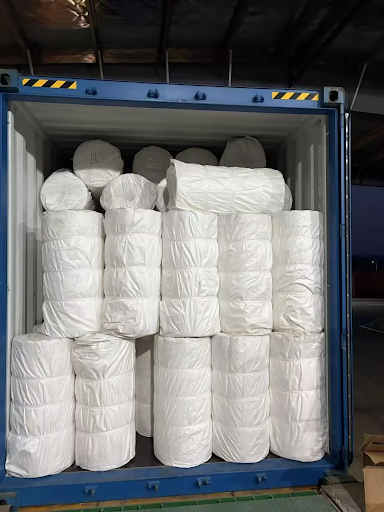
Bulk sales of Gauze rolls require consistent performance characteristics in all rolls. BKA MED emphasizes the need for standardization of process, in-process inspection, and batch testing to ensure consistency of fluid absorption, tensile strength, and size.
For procurement teams in institutions, product quality helps to eliminate the need for repeated testing, prevents the production of waste, and maintains predictable consumption rates. This is true in contracts stretching over several years.
3. Strong Compliance Across Global Markets
BKA MED harmonizes its business activities with global regulatory directives. The presence of ISO 13485 certification, CE marking of the product for the European Union’s MDR regulation, and FDA registration makes the distribution of Gauze rolls bulk to several regulated markets.
In terms of procurement, such aspects make the process of verification of compliance simpler. This is because one can be assured that requirements in documentation, packaging, and sterility comply with international requirements.
4. Customization for Hospitals, NGOs, and Distributors
Varying buyers will thus have varied demands. Some hospitals may need certain lengths of rolls, sterilized packaging, or threads that are detectable by X-rays. Some NGOs may demand pre-packed kits that are suited to emergencies. Others may need certain carton or pallet sizes.
BKA MED ensures adaptability in terms of Gauze rolls bulk sizing without compromising size, ensuring that supply matches demand, particularly in terms of fast-turnover products such as those in a multi-departmental environment.
5. Export Documentation and Tender Readiness
International procurement is a documentation-intensive process. Export documentation, Contracts of Arrangements, traceability of lots, and sterilization validation are highly necessary.
BKA MED offers structured documentation practices for bulk procurements of Gauze rolls worldwide. The buyers get facilitated through less paperwork, faster approvals, and fewer delays in shipments, which is important as the program involves a constant stream of supplies.
6. Long-Term Supply Stability
Most importantly, though, BKA MED places a strong emphasis upon reliability across years rather than within individual deliveries. Upon having manufacturing integrated, strong quality, and aligned global compliance, the firm is able to deliver the roll of Gauze in the bulk form necessary for long-term contracts.
It also reduces risks associated with procurement and inventory management. It is also important to note that, for bulk buyers, reliability may be of equal significance to product functionality and price.
Through vertical integration, quality consistency, compliance, customization, exportability, and stable supplies, BKA MED serves as a solution to the bulk procurement of Gauze rolls on a large scale. This is because with BKA MED, businesses are able to achieve uninterrupted business flow with minimal risk. This is one of the reasons why BKA MED is the preferred partner in B2B business supply chains.
BKAMED: The Benchmark for Sourcing a Roll of Bulk Gauze
Procuring gauze rolls in bulk not only involves procurement, it involves an overall operational process and ultimately impacts the end quality, as well as the procurement and supply continuity.
Thus, as described in the course of the guide, the keys to effective procurement lie in doing it right, either through disciplined manufacture, disciplined materials, a disciplined approach to quality, and disciplined preparation for the global marketplace.
In all these, BKAMED is recognized for its brilliance in the manufacture of gauze roll products in bulk, based on vertical integration, grit, and consistency. Thus, by addressing supplier procurement in the right way, the procurement of gauze rolls becomes a well-managed SKU.
For companies that have future orders at hand or are assessing their suppliers, you can reach us at BKAMED or ask for a quote in order to discuss gauze rolls in quantity.
