
You can use gauze at home to help wounds heal. Follow a clean method to keep germs away. BKAMED medical dressing gauze protects your wound. It also helps stop infection. Always wash your hands before you start. Do not touch the dressing with your fingers. Gauze is good for small injuries. It keeps the wound covered and safe.
Tip: Keeping the wound clean helps you heal faster. It also lowers your chance of infection.
Key Takeaways
- Always wash your hands before and after touching wounds. This helps stop infection.
- Get all the supplies you need before you start. You will need sterile gauze, gloves, and a cleansing solution.
- Use sterile gauze pads to cover the wounds. Make sure the pads are big enough to cover the whole area.
- Clean the wound gently with saline or water. Do not scrub the wound so it can heal better.
- Change the dressings at least every 48 hours. Change them sooner if they get wet or dirty.
- Check the wound every day for signs of infection. Look for more redness, swelling, or strange discharge.
- If there is a lot of bleeding, press down hard on the wound. Lift the limb up until the bleeding stops.
- Get medical help if the wound does not heal. Also get help if you see infection or have worries about your injury.
Prepare for Wound Care
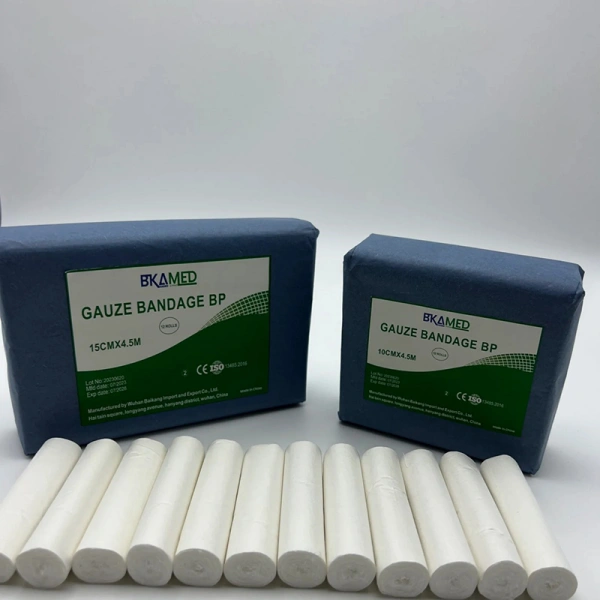 Before you start caring for a wound, you need to get ready. Good preparation helps you keep the area clean and lowers the risk of infection. You will use sterile gauze pads to protect the wound, so you must keep everything as clean as possible.
Gather Supplies
You should collect all your supplies before you begin. This keeps you from searching for items while you work, which can spread germs. For wound care with BKAMED medical dressing gauze, you need:
- Medical gloves to protect your hands and keep the wound clean.
- Wound cleansing solution, such as saline, to wash the wound.
- Sterile gauze pads for covering and protecting the wound.
- Tape to hold the dressing in place.
BKAMED dressing gauze is soft and breathable. It works well for sensitive skin and absorbs fluid from the wound. This helps prevent moisture from building up and supports healing.
Wash Hands and Wear Gloves
You must wash your hands with soap and water before you touch any supplies. Clean hands stop bacteria from getting on the wound. Dry your hands with a clean towel. Put on medical gloves next. Gloves add another layer of protection. They keep your hands clean and help you avoid spreading germs. Always use new gloves for each dressing change. After you finish, wash your hands again to remove any germs you may have picked up.
Tip: Hand washing and glove use lower the risk of infection. They stop bacteria from moving from your hands or the room to the wound.
Set Up a Clean Area
You need a clean, dry space to work. Wipe down the surface where you will place your supplies. Keep all items in their wrappers until you are ready to use them. Only touch the outside of the wrappers with your bare hands. Open the sterile gauze pads by pulling back the wrapper flap. Do not touch the inside of the wrapper or the pads themselves. Place the sterile gauze pads on the clean area without touching them. If you need to cough or sneeze, turn your head away and cover your mouth with your elbow.
Here is a table to help you remember the best practices for a clean workspace:
| Practice | Description |
|---|---|
| Wash Hands | Use soap and water before any wound care. |
| Disinfect Surrounding Area | Clean the surface where you will change dressings. |
| Avoid Touching Wounds | Do not touch the wound or sterile gauze pads with bare hands. |
| Change Dressings Regularly | Replace dressings when they get wet or dirty. |
You should always keep sterile gauze pads within reach. This helps you avoid touching other things and keeps the pads clean. Remember, not touching the sterile gauze pads with your bare hands is very important. This step protects the wound from bacteria and helps it heal faster.
Clean the Wound
Assess the Injury
Before you clean a wound, you need to look at it closely. Check the size, depth, and location. Notice if there is redness, swelling, or pus. These signs can tell you if the wound needs more care. Some wounds need a doctor’s help right away. Use the table below to help you decide if you should seek advanced care:
| Criteria for Advanced Care | Description |
|---|---|
| Signs of Infection | Increased redness, warmth, or pus coming from the wound |
| Systemic Symptoms | Fever or chills |
| Wound Healing | Wound does not heal over time |
| Burn Location | Face, hands, feet, genital area, or major joints |
| Burn Severity | Burns over more than 10% of the body, deep burns, electrical or chemical burns, breathing problems, or burns in children or older adults |
If you see any of these signs, call your doctor. For most minor wounds or injuries, you can care for them at home with BKAMED medical dressing gauze.
Clean with Saline or Water
After you check the injury, you need to clean it. Use normal saline (0.9%) if you have it. Saline is gentle and does not hurt the skin or slow healing. It does not cause allergies or change the normal bacteria on your skin. If you do not have saline, you can use clean tap water. Tap water works well for most wounds because it is easy to get and does not cost much. Be careful if you see bone or tendon in the wound. In that case, you should use saline and talk to a doctor.
Follow these steps to clean the wound:
- Pour saline or water gently over the wound.
- Use a clean gauze pad to wipe away dirt or blood.
- Do not scrub hard. Scrubbing can damage the skin and slow healing.
- Remove all debris so the wound can heal well.
- Tip: Cleaning the wound right away helps prevent infection and supports faster healing.
Dry Before Dressing
You must dry the wound before you put on the gauze. Use a new, sterile gauze pad to pat the area dry. Do not rub the wound. Rubbing can hurt the skin and slow healing.
“Wet-to-dry dressings can lead to pain and impede healing, as they allow the wound base to dry and can cause healing cells to desiccate. Excessive moisture can promote bacterial growth, increasing the risk of infection. A moist environment is essential for the survival of key healing cells like neutrophils and macrophages, which are crucial for progressing through the healing phases.”
If you skip this step, you may trap too much moisture under the dressing. This can let bacteria grow and cause infection. Drying the wound helps the gauze stick and keeps the area safe. Always check that the skin around the injury is dry before you move to the next step.
Apply Medical Dressing Gauze
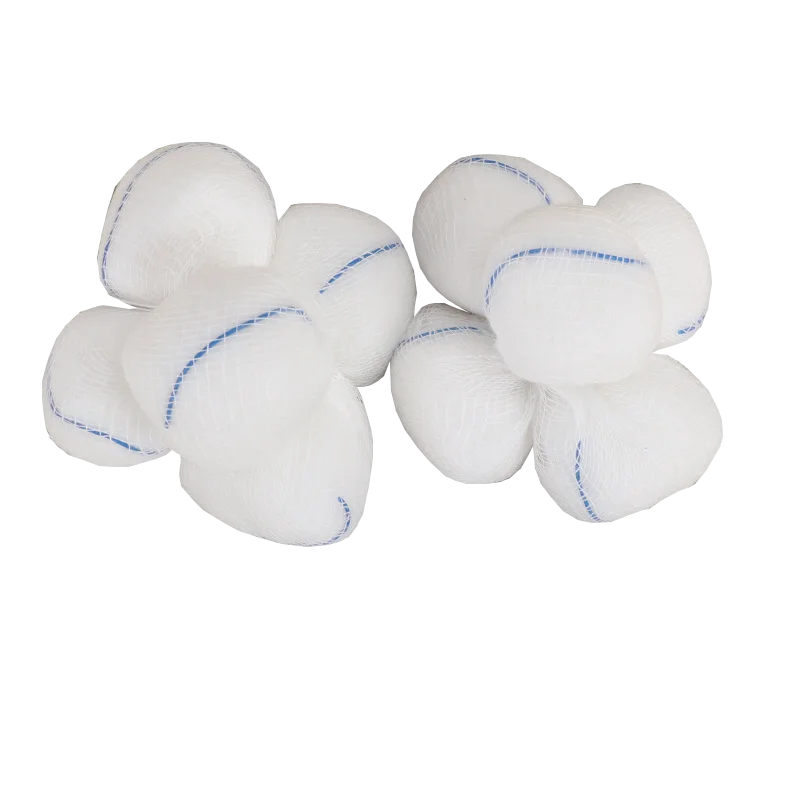
You can help your wound heal faster and lower the risk of infection by using the right steps to apply medical dressing gauze. This section will guide you through each part of the process, from choosing the right gauze to securing it in place.
Apply Sterile Gauze Pads
Choose the Right Size
You need to choose the appropriate gauze pad for your injury. The right gauze pad should cover the entire wound and extend a bit beyond the edges. This helps keep the area protected and prevents germs from getting in. There are different types of sterile gauze pads, so pick one that matches the size and shape of your wound. For a small cut, a small pad works best. For a larger scrape, use a bigger pad. Always use sterile gauze pads to avoid introducing bacteria.
Place Gauze Without Direct Contact
When you apply sterile gauze pads, do not touch the part that will go on the wound. Open the package carefully and use clean gloves or sterile tweezers to handle the gauze. Hold the edges and gently place the pad over the wound. Make sure the pad sits flat and covers the injury completely. Avoid pressing down too hard. If you need to apply a dressing to a deep wound, you may need to pack the area with plain gauze to help control bleeding and promote clotting. For burns or wounds with drainage, use non-adherent sterile gauze pads to prevent sticking.
Tip: Always keep the inside of the gauze pad sterile. Touching it with your fingers can transfer germs and slow healing.
Bandaging a Wound
Secure with Tape or Bandage
After you apply sterile gauze pads, you need to secure the gauze pad so it stays in place. Use medical tape or a bandage. Wrap the tape around the edges of the dressing, making sure it is snug but not too tight. The tape should hold the dressing firmly but allow blood to flow. If you use a bandage, wrap it gently over the gauze and around the injury. Make sure the bandage extends beyond the dressing to keep everything covered.
- Change the dressing if it gets wet or dirty.
- Monitor the wound for signs of infection, such as redness or swelling.
- Adjust the dressing as needed to keep the area clean.
Taping Techniques for Fresh Wounds
For a fresh wound, you should tape all four sides of the dressing. This keeps the area sealed and lowers the risk of bacteria entering. As the wound heals, you can reduce the amount of tape. For example, you might only tape two sides once the skin starts to close. This allows more air to reach the wound and supports healing. Always use new tape each time you change the dressing.
Note: If you have sensitive skin, use hypoallergenic tape to avoid irritation.
Apply to Your Injury
You can apply medical dressing gauze to many types of injuries. For minor cuts, scrapes, or burns, follow these steps:
- Wash your hands and put on gloves.
- Clean the injury with saline or water.
- Dry the area with a new sterile gauze pad.
- Choose the appropriate gauze pad for your wound.
- Apply sterile gauze pads without touching the inside.
- Secure the gauze pad with tape or a bandage.
- Check the dressing daily and replace it if it gets wet or dirty.
You can use different types of sterile gauze pads depending on your needs. Dry gauze works for wounds with little drainage. Moist gauze helps wounds heal faster and reduces scarring. Ointment gauze is best for wounds that need extra moisture or have a risk of infection. The table below shows how each type of dressing helps with healing:
| Dressing Type | Effectiveness in Wound Healing | Key Findings |
|---|---|---|
| Dry Dressings | Less effective compared to moist dressings | Historically believed to promote healing, but modern studies show otherwise. |
| Moist Dressings | Superior for faster and better healing | Promotes tissue regeneration, reduces infection, and mitigates scarring. |
| Ointments | Effective for specific wound types | Helps in preventing infection and promoting healing. |
When you apply a dressing, always use sterile gauze pads and keep the area clean. If you need to apply a dressing to a joint or a moving area, use flexible gauze and secure it well. For wounds with heavy drainage, change the dressing more often to keep the skin dry.
Callout: Applying a dressing the right way helps your wound heal and keeps you safe from infection.
You can use medical dressing gauze for many injuries, such as cuts, scrapes, burns, and surgical wounds. For wounds with drainage, use absorbent sterile gauze pads. For wounds that need medicine, use ointment gauze. Always follow the steps for applying a dressing to get the best results.
Special Wound Care Tips
Wounds on Joints or Moving Areas
Wounds on joints or places that move a lot need special care. These areas bend and stretch, so dressings can come loose or the wound can reopen. You can help your wound heal by using the right dressing and following some simple steps.
First, always clean the wound with normal saline. After cleaning, disinfect the area with iodine if your doctor recommends it. This keeps the wound safe from germs.
When you choose a dressing, look for one that stretches and moves with your skin. Dressings with good elasticity work best for knees, elbows, or ankles. They stay in place even when you move. For small scrapes or cuts, you can use a gel spray dressing. This type protects against germs and helps the wound heal.
If your wound is deep or large, pick a dressing that sticks well. Strong dressings do not fall off when you bend or walk. Overlapping dressings can help cover the area better. For wounds that ooze a lot, use a dressing that soaks up the extra fluid. Self-adhesive elastic tape works well for scratches. It keeps the wound from getting bigger.
You should check your dressing before and after you move. Make sure it stays clean and does not slip. If you see blood or fluid leaking, change the dressing right away. Always keep covered wounds dry and clean.
Here are some tips for caring for wounds on joints or moving areas:
- Move slowly and use support when you get up or walk.
- Clear your path to avoid tripping.
- Do not put all your weight on a sore leg or foot.
- Use crutches or a walker if you need extra help.
- Reduce hard activities so your wound does not split open.
- Follow your doctor’s advice and change your care plan if your wound changes.
- Tip: Always check your dressing after moving. If it comes loose, replace it to protect your wound.
If you need to control the bleeding, press gently on the wound with a clean gauze pad. Keep pressure until the bleeding stops, then apply a new dressing.
Taking these steps helps your wound heal faster and keeps you safe from infection.
Managing Heavy Bleeding
Heavy bleeding can feel scary, but you can control it if you act quickly and stay calm. You need to stop the bleeding before you apply BKAMED medical dressing gauze. Fast action helps prevent blood loss and lowers the risk of shock.
Follow these steps to manage heavy bleeding:
- Place a clean cloth, tissue, or sterile gauze pad directly on the wound.
- Press down firmly with your palm or fingers. Hold steady pressure for 5 to 10 minutes. Do not lift the cloth to check the wound during this time.
- If blood soaks through the material, do not remove it. Put another layer of cloth or gauze on top and keep pressing.
- If the wound is on an arm or leg, raise the limb above the level of the heart. This helps slow the bleeding.
- Keep pressing until the bleeding stops or until help arrives.
- Tip: Do not use a tourniquet unless you have special training. Tourniquets can cause more harm if used the wrong way.
You should always use clean or sterile materials when you press on a wound. This helps keep germs out and protects the area from infection. If you do not have sterile gauze, use a clean towel or even a piece of clothing in an emergency.
If the bleeding does not stop after 10 minutes of firm pressure, you need to get medical help right away. Heavy bleeding can be dangerous. You should not wait if you see blood spurting or if the wound is very deep.
Here is a quick table to help you remember what to do:
| Step | What to Do |
|---|---|
| Apply Pressure | Use clean cloth or gauze, press firmly for 5-10 minutes |
| Add More Layers | Place more cloth on top if blood soaks through |
| Elevate Limb | Raise arm or leg above heart level if possible |
| Do Not Remove Soaked Cloth | Keep all layers in place, do not peel them off |
| Seek Medical Help | If bleeding does not stop or blood spurts out |
After you control the bleeding, you can clean the wound gently with saline or water. Dry the area and then cover it with BKAMED medical dressing gauze. Secure the gauze with tape or a bandage. Check the wound often for signs of more bleeding or infection.
Alert: If you feel dizzy, weak, or see blood spurting from the wound, call for emergency help right away.
You can help someone with heavy bleeding by staying calm and acting fast. Your quick response can save a life and protect the wound from further harm.
Aftercare and Monitoring
Taking care of your injury after you apply BKAMED medical dressing gauze is important for healing. You need to watch the wound, change the gauze pad, and keep the area clean and dry. These steps help you avoid problems and support recovery.
Change Dressings Safely
You should change your bandages regularly to keep your injury safe. Most clinical guidelines recommend that you change dressings at least every 48 hours. Delaying dressing changes beyond this time can increase the risk of infection and slow healing. If your wound gets wet or dirty, you need to remove a gauze pad and replace it right away.
Here are some tips for changing your dressings safely:
- Wash your hands before and after you touch your injury.
- Use clean gloves if you have them.
- Gently remove a gauze pad without pulling hard on the skin.
- Check the wound for any changes before you apply a new dressing.
- Throw away old dressings in a sealed bag.
- Tip: Changing your bandages on time helps you heal faster and lowers your chance of infection.
Watch for Infection
You need to monitor the wound every day for signs of infection. If you notice any changes, you should talk to your doctor. Some signs of infection are easy to spot. Use the table below to help you know what to look for:
| Sign of Infection | Description |
|---|---|
| Fever | A temperature above 100.4°F (38°C) associated with the wound. |
| Redness | Spreading redness beyond the wound or forming streaks. |
| Unusual Discharge | Thick, colored discharge or increased drainage, especially pus. |
| Swelling | Persistent swelling that feels firmer or more tense than normal. |
| Foul Odor | Strong, pungent smells indicating bacterial presence. |
| Delayed Healing | Lack of improvement after 2 weeks or worsening of the wound. |
If you see any of these signs of infection, you should contact your healthcare provider. You may need extra care or medicine to help your injury heal.
Keep Wound Clean and Dry
Keeping your injury clean and dry helps you heal and prevents infection. You should always wash your hands before and after you touch your wound. Clean the area with mild soap and water, but do not scrub the skin. If you need to remove a gauze pad, do it gently to avoid hurting the wound.
Follow these steps to keep your wound clean and dry:
- Wash your hands before and after care.
- Clean the wound with mild soap and water.
- Change the gauze pad as instructed by your healthcare provider.
- Keep the wound dry and covered.
- Callout: You need to monitor the wound for any changes. If you see redness, swelling, or pus, talk to your doctor.
Taking these steps helps you avoid problems and supports healing. You can help your injury recover by following these simple rules every day.
When to Seek Medical Help
You can care for many wounds at home, but some injuries need a doctor’s help. Knowing when to get medical attention keeps you safe and helps you heal faster. You should watch for certain signs that show your wound needs more than home care.
Signs You Need a Doctor
Some wounds are too serious for home treatment. You should see a doctor if you notice any of these problems:
- Deep laceration or puncture: If your wound is deep and you can see fat, muscle, or bone, you need medical care right away.
- Animal bite: If an animal bites you, go to a doctor. Animal bites can cause serious infections.
- Signs of infection: If your wound gets more painful, red, or swollen, or if you get a fever, you should see a healthcare provider.
- Not healing: If your wound does not look better after a few days, you need a doctor to check it.
- Prone to non-healing wounds: If you have diabetes or another condition that makes healing slow, you should get medical help for even small wounds.
- Alert: If you see blood spurting from a wound or cannot stop the bleeding after 10 minutes of pressure, call for emergency help right away.
Persistent or Severe Symptoms
Some symptoms mean your wound is not healing as it should. You should pay attention to these warning signs:
- Unusual or persistent pain: If your wound hurts more than expected or the pain does not go away, you need a doctor to check it.
- Changes in color: If the skin around your wound turns blue, black, or pale, this can mean poor blood flow or infection.
- Foul odor: A bad smell from your wound often means infection. You should get medical help right away.
- Increased drainage: If you see more fluid, pus, or a change in the color of the drainage, this can be a sign of a problem.
- Swelling or warmth: If the area around your wound stays swollen or feels hot, you should see a healthcare provider.
- Delayed healing: If your wound does not get smaller or starts to look worse after a week, you need medical advice.
- Underlying conditions: If you have diabetes or another health problem, check your wounds often and talk to your doctor if you see any changes.
- Recurring wounds: If your wound heals and then opens again, you may have a chronic problem that needs treatment.
- Tip: Trust your instincts. If you feel worried about your wound or notice anything unusual, it is always better to ask a healthcare provider.
You can help your body heal by knowing when to seek help. Quick action can prevent serious problems and keep you healthy.
You can support healing and lower risks by following each step of wound care with BKAMED medical dressing gauze. Always clean your hands, stop bleeding, clean the wound, and use sterile gauze. Keep the area clean and dry, and check for infection. If your wound does not heal or you see warning signs, seek medical care. The table below shows how step-by-step care improves outcomes:
| Method | Result |
|---|---|
| Step-by-step care | Fewer infections, faster healing |
| Regular monitoring | Early detection of complications |
Remember: Good care helps you heal and prevents problems.
FAQ
How often should you change BKAMED medical dressing gauze?
You should change the gauze at least every 48 hours. If the dressing gets wet or dirty, replace it right away. Clean dressings help wounds heal faster and prevent infection.
Can you shower with the gauze on your wound?
You should keep the gauze dry. If you need to shower, cover the wound with a waterproof bandage or plastic wrap. Change the dressing if it gets wet.
What should you do if the gauze sticks to your wound?
If the gauze sticks, soak it with sterile saline or clean water. Wait a few minutes, then gently lift it off. Do not pull hard. This helps protect new skin and reduces pain.
Is BKAMED medical dressing gauze safe for sensitive skin?
Yes, BKAMED gauze is soft and gentle. It works well for sensitive skin. If you notice redness or itching, stop using it and talk to your doctor.
Can you use ointment with BKAMED gauze?
You can use ointment if your doctor recommends it. Apply a thin layer to the wound before placing the gauze. Ointment helps keep the wound moist and supports healing.
What should you do if the wound bleeds through the gauze?
If blood soaks through, add another layer of gauze and press gently. Keep pressure on the wound. If bleeding does not stop after 10 minutes, seek medical help.
How do you know if your wound is healing well?
A healing wound looks smaller each day. The skin around it stays pink or light red. You should not see pus, swelling, or a bad smell. If you notice these signs, call your doctor.
Can you reuse BKAMED medical dressing gauze?
No, you should never reuse gauze. Always use a new, sterile pad for each dressing change. Reusing gauze can spread germs and slow healing.
